Stellasaurus
"star lizard"
Type species Stellasaurus ancellae
- Lived
- 84 to 72 million years ago, Late Cretaceous
- Diet
- Herbivore
- Group
- Ceratopsians, Ceratopsidae
- Found in
- United States
- Named by
- Wilson et al. 2020
Where its fossils were found
The evidence
Today

80 million years ago
Habitat
It lived on river floodplains that were dry for part of the year in Montana. The Two Medicine fauna included Maiasaura, Daspletosaurus and Achelousaurus.
Field notes
About Stellasaurus
What it was like
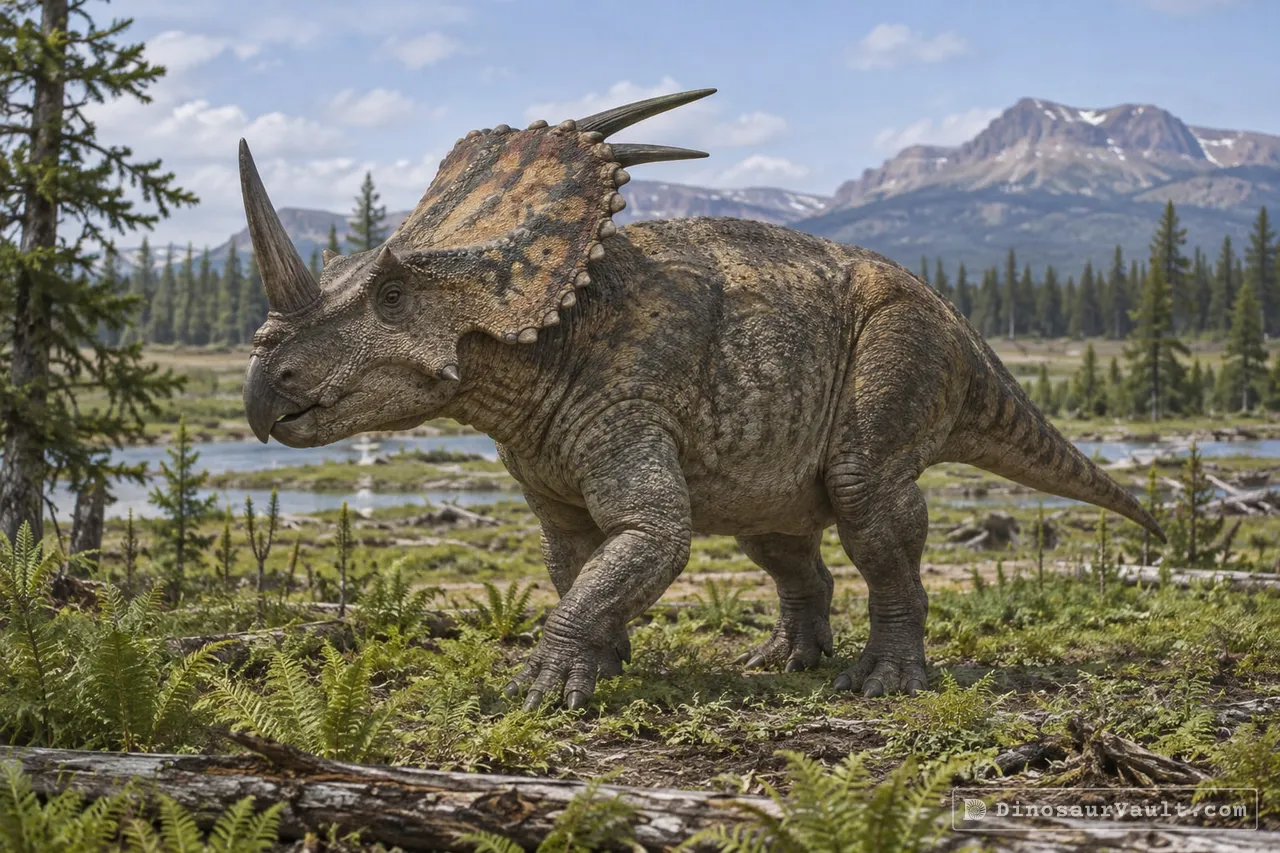
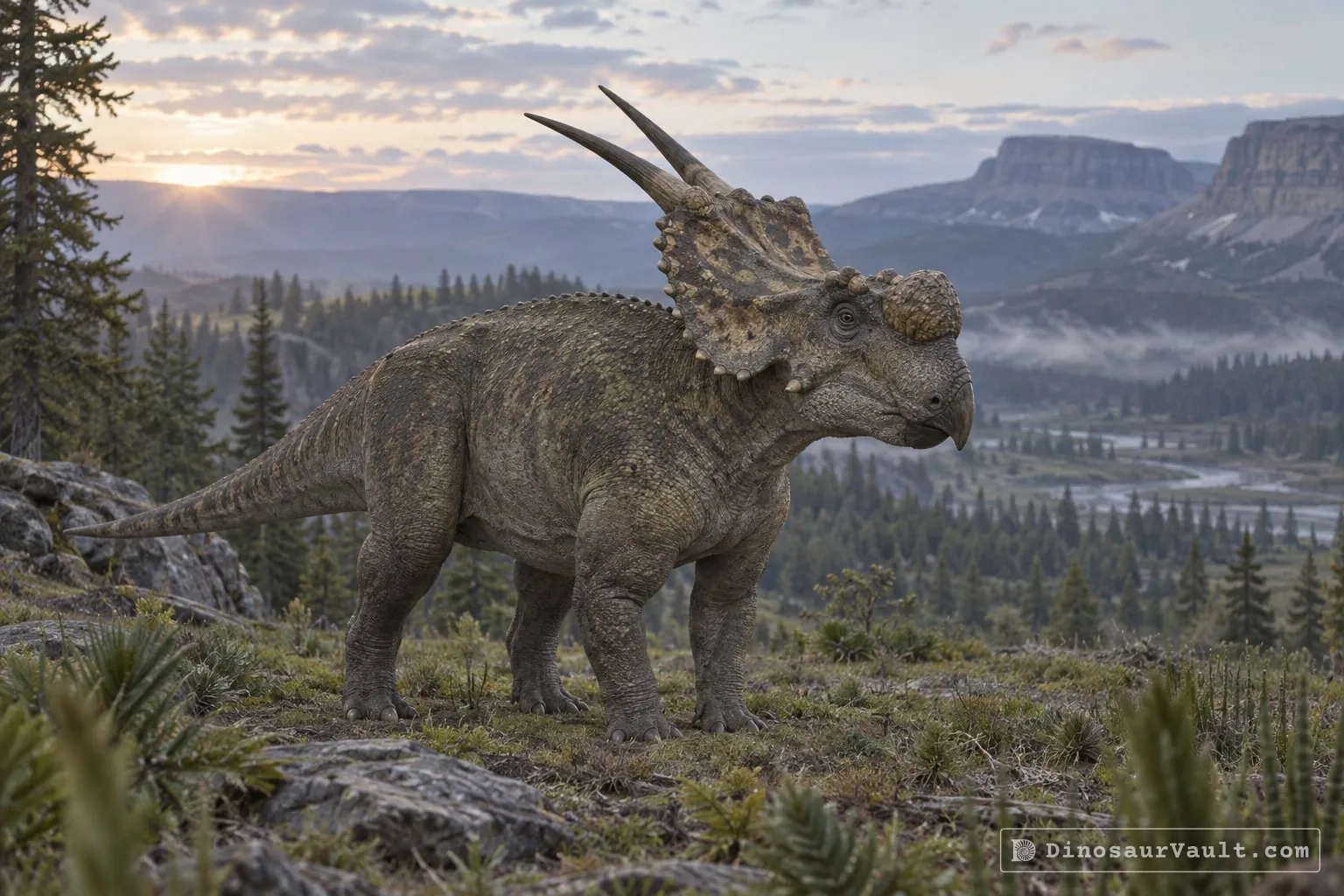
Stellasaurus was a horned dinosaur with a long, straight horn on its nose and long spikes spreading from its frill, which gave its head a starburst shape.
It seems to be a middle step between Styracosaurus, with its long nose horn and spiky frill, and Achelousaurus, which had a bony pad instead of a horn.
Its world
It lived in the Late Cretaceous in what is now Montana, in the United States. Its bones come from the Two Medicine Formation, where it shared the land with Achelousaurus, the duck-billed Maiasaura and the tyrannosaur Daspletosaurus.
How it was found
Wilson and colleagues named Stellasaurus in 2020, from a single find.
Field gallery
More views of Stellasaurus
Scenes reconstructed from the available fossil evidence.
Lived alongside
Found in the same rock formations
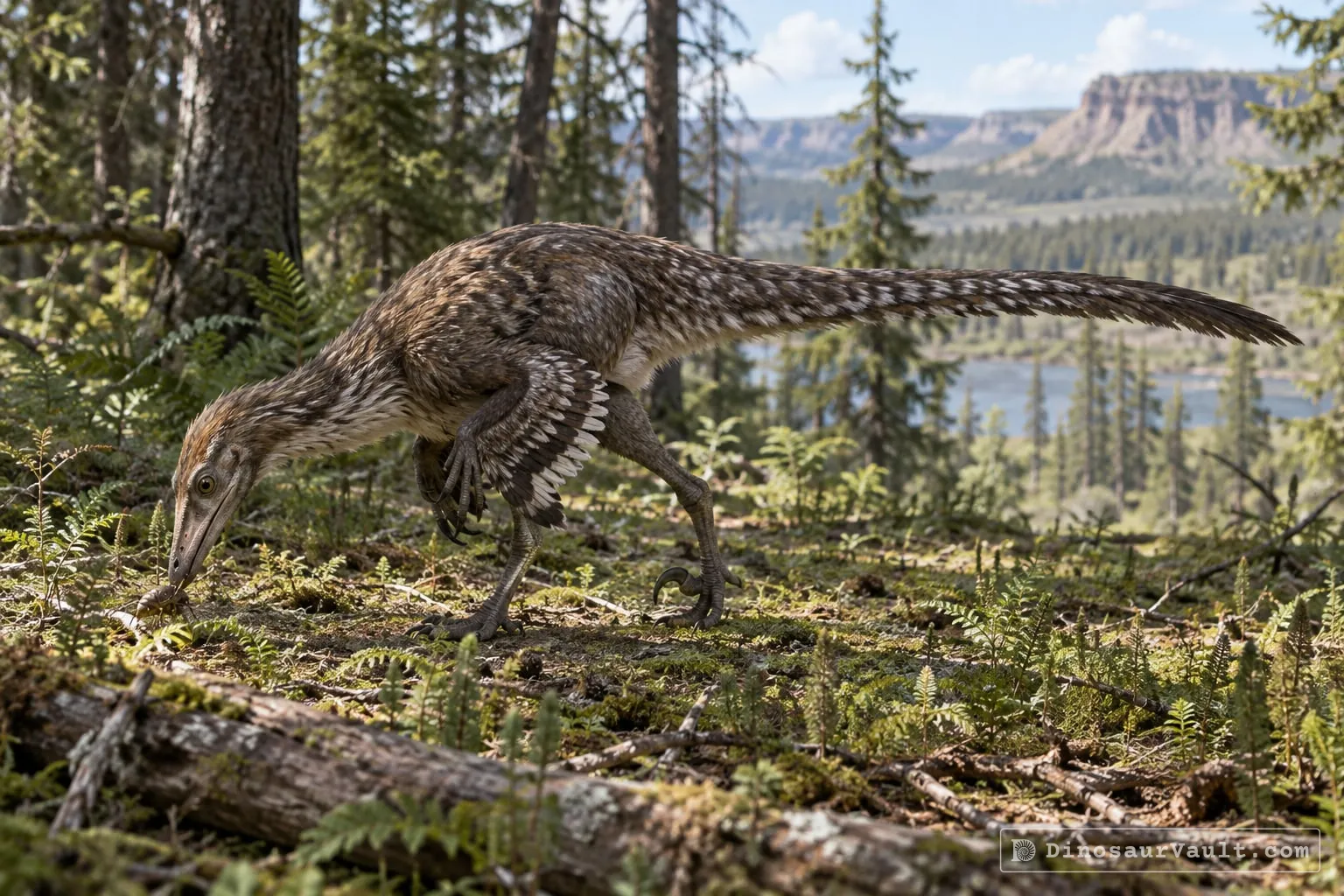
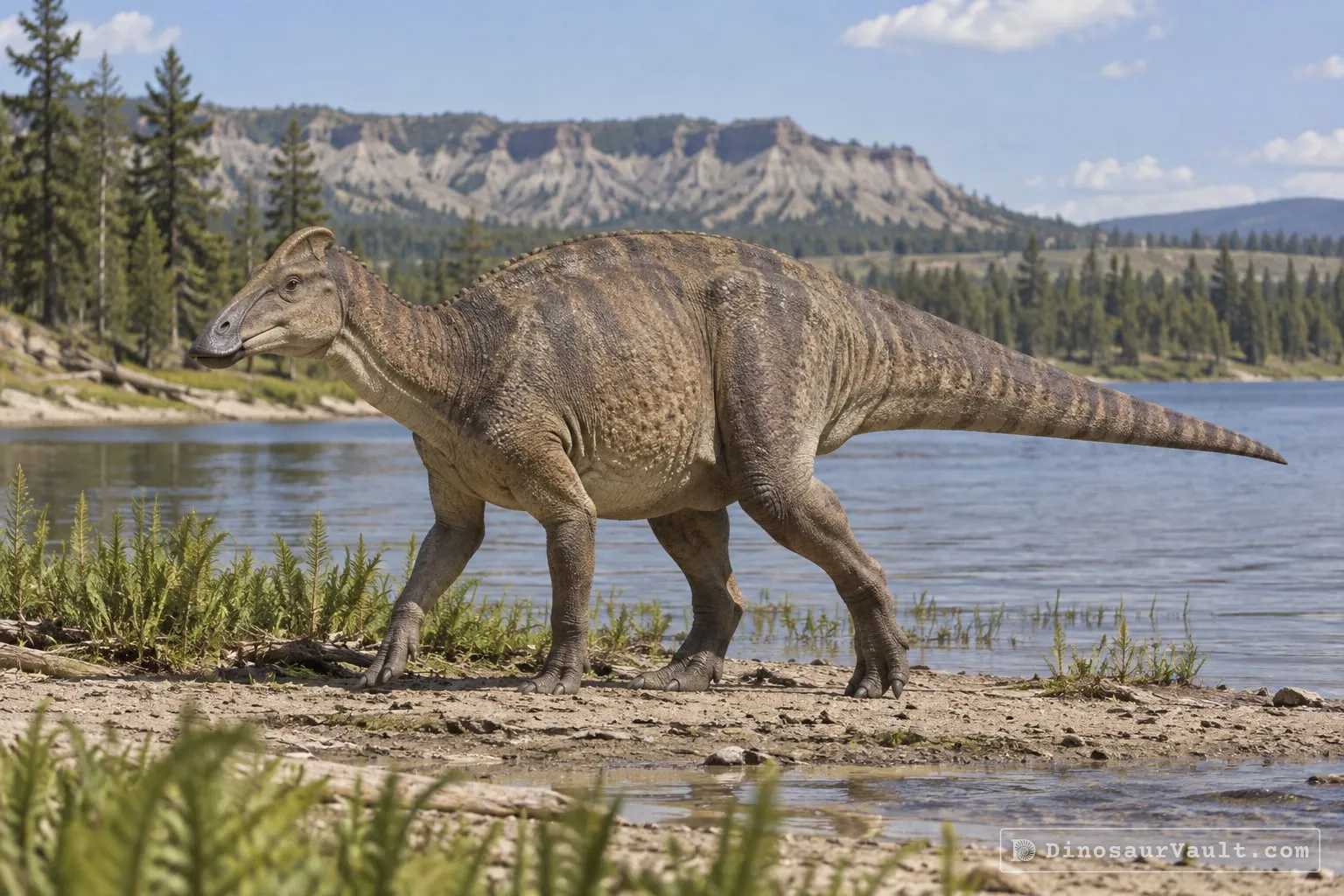
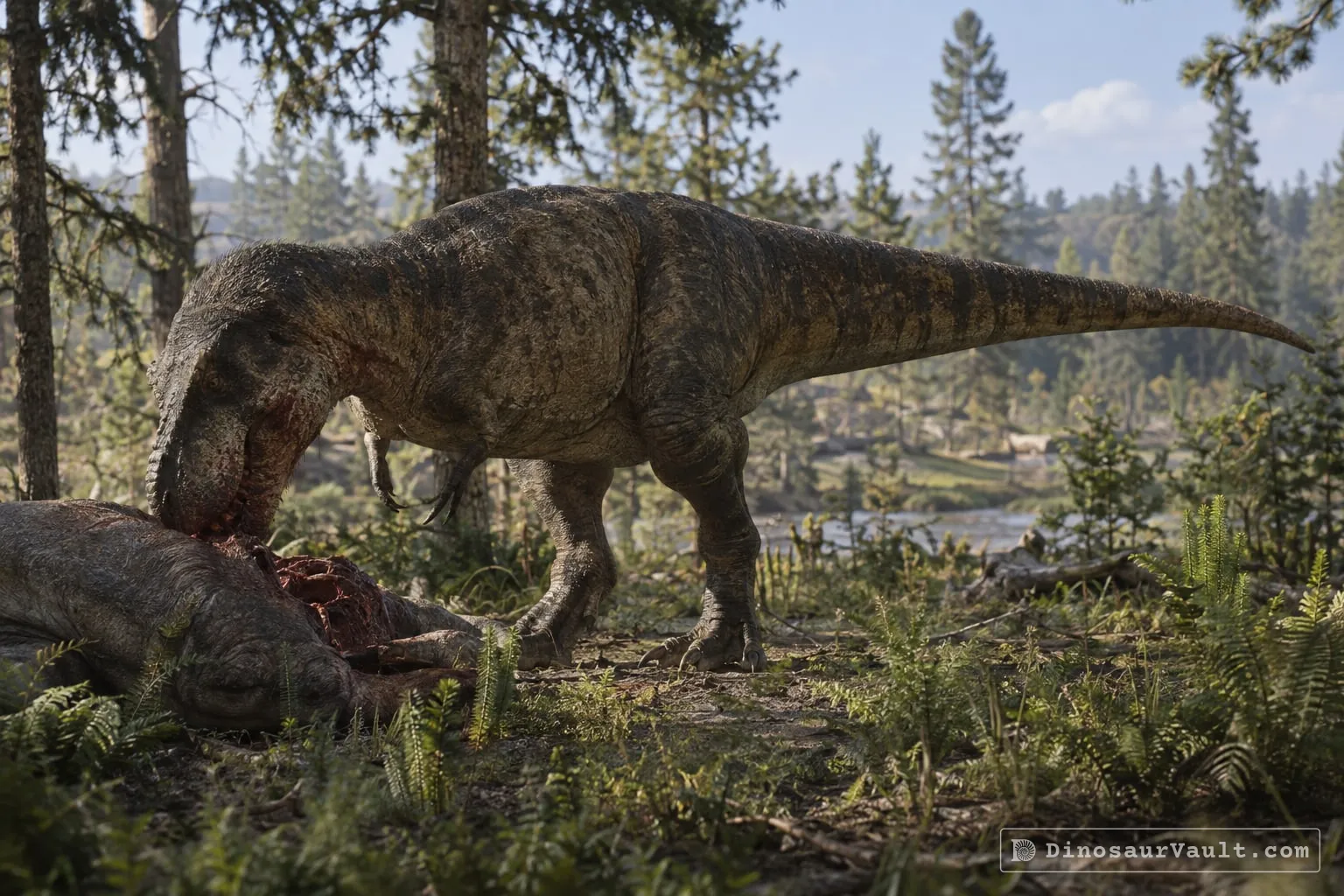
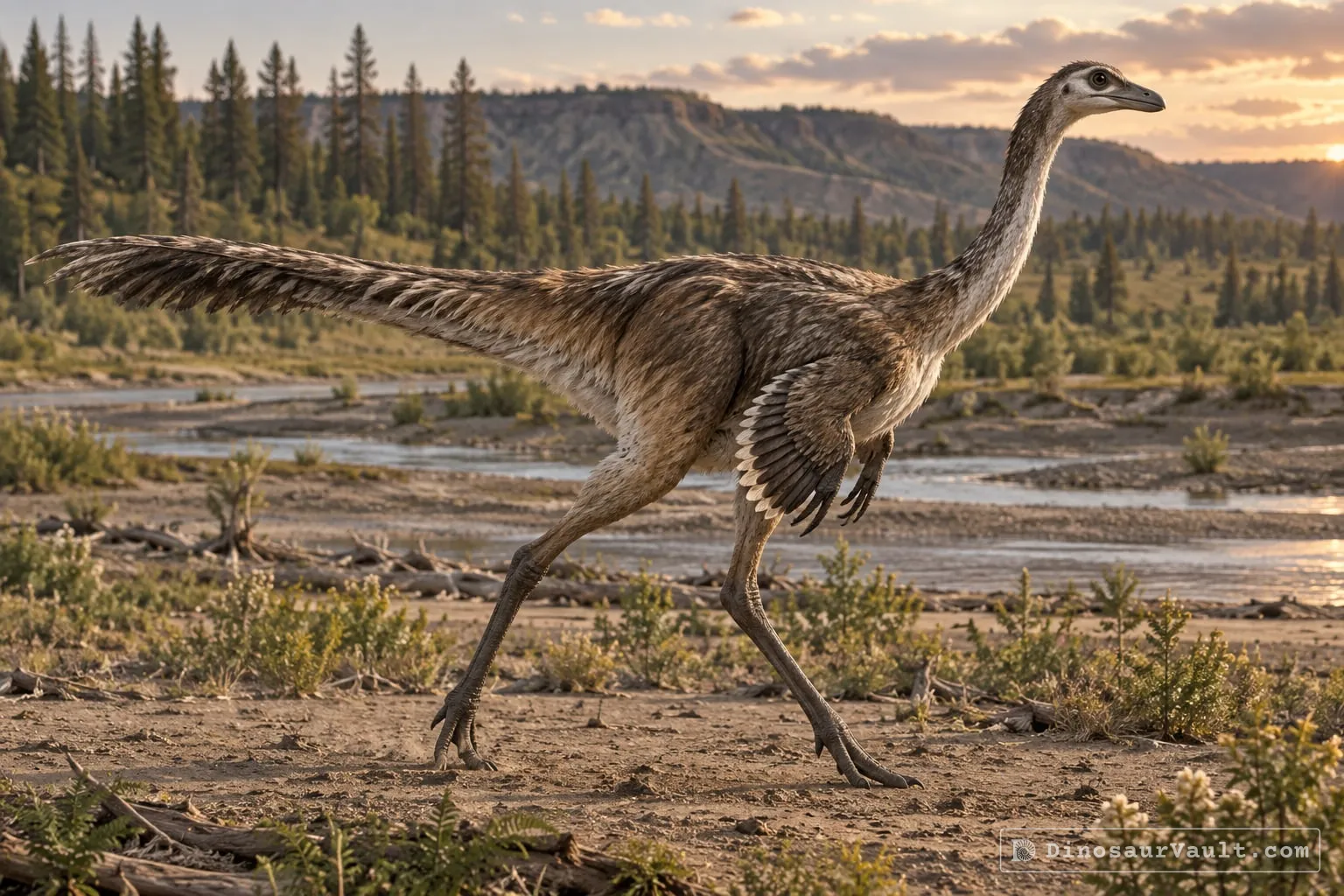
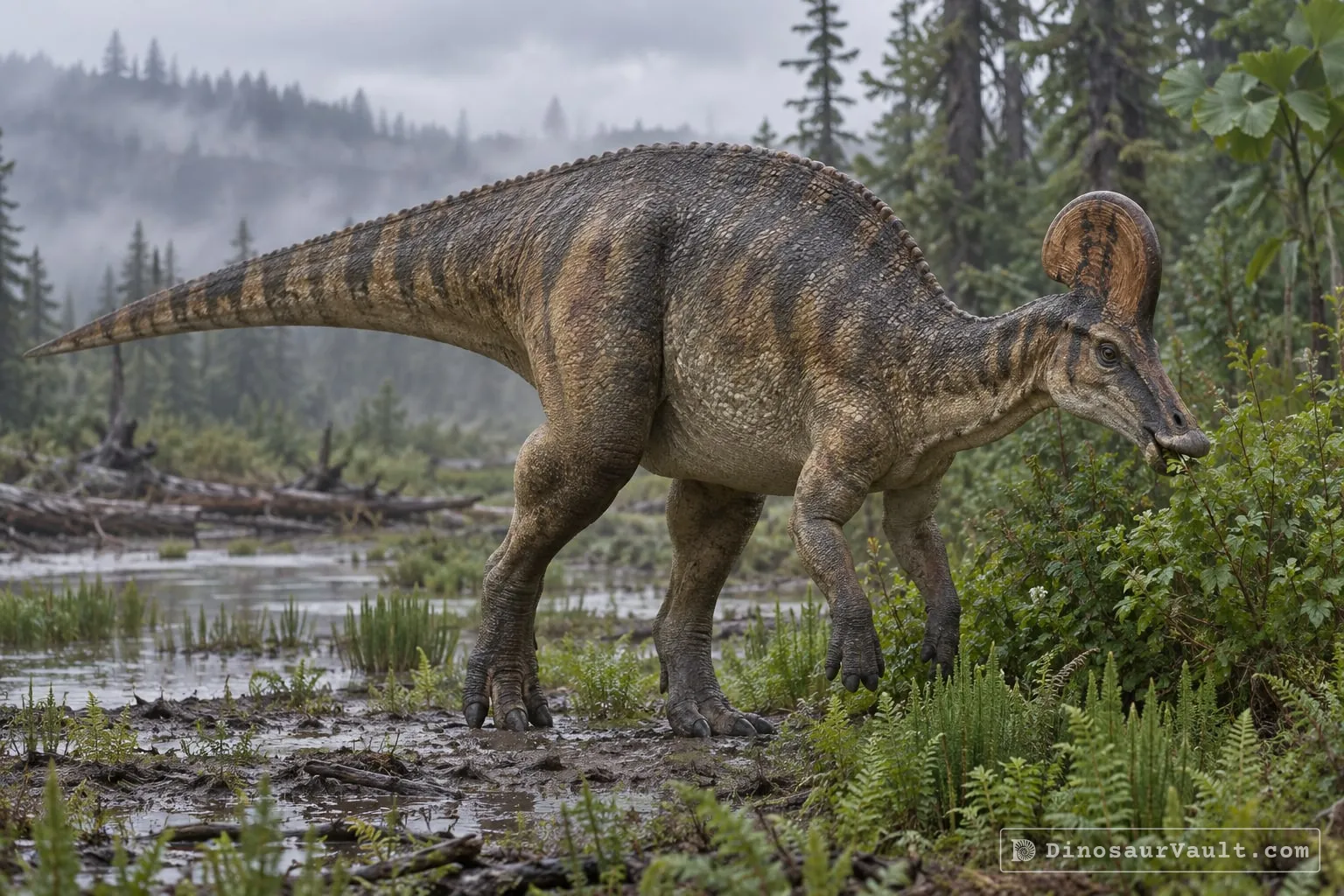
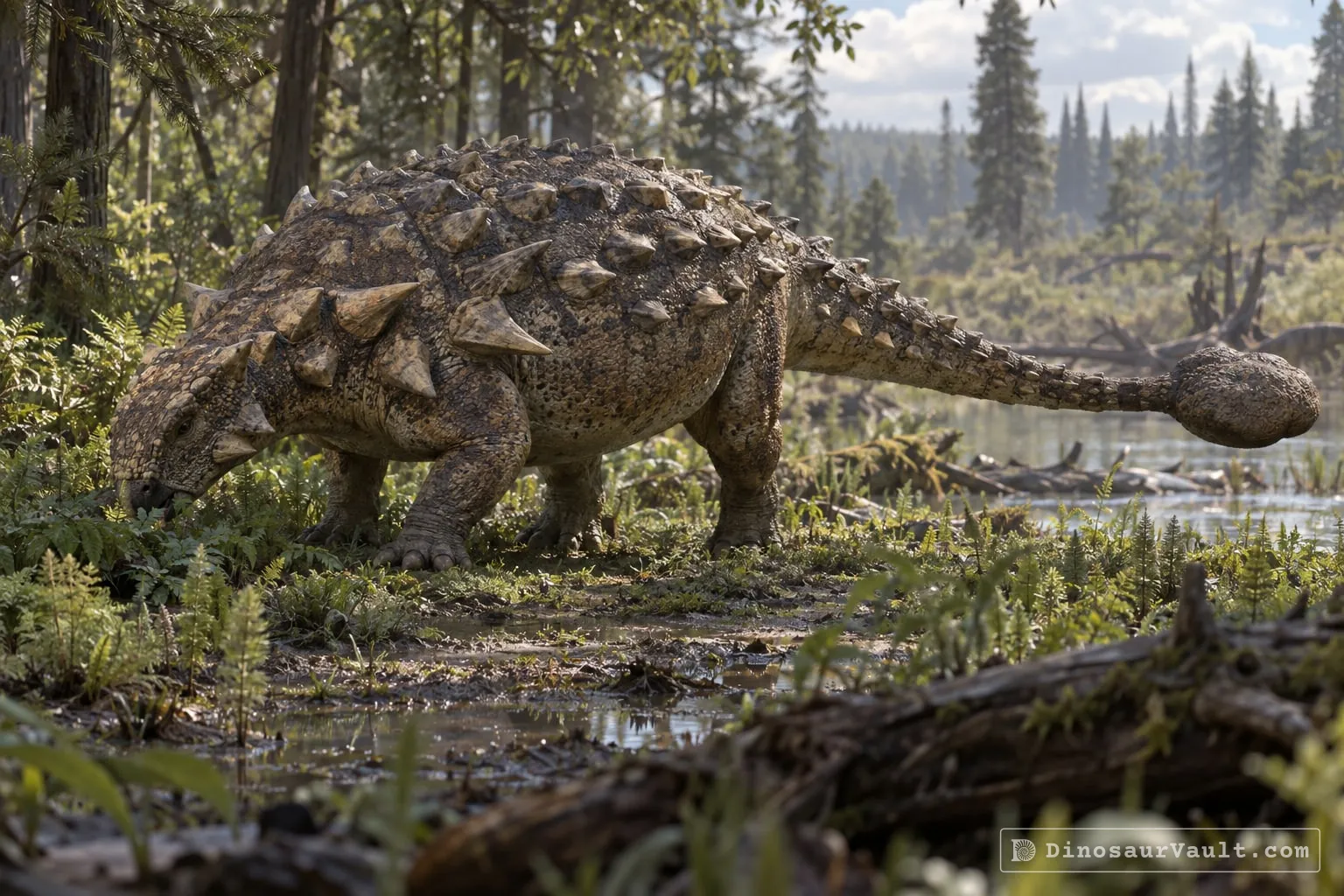
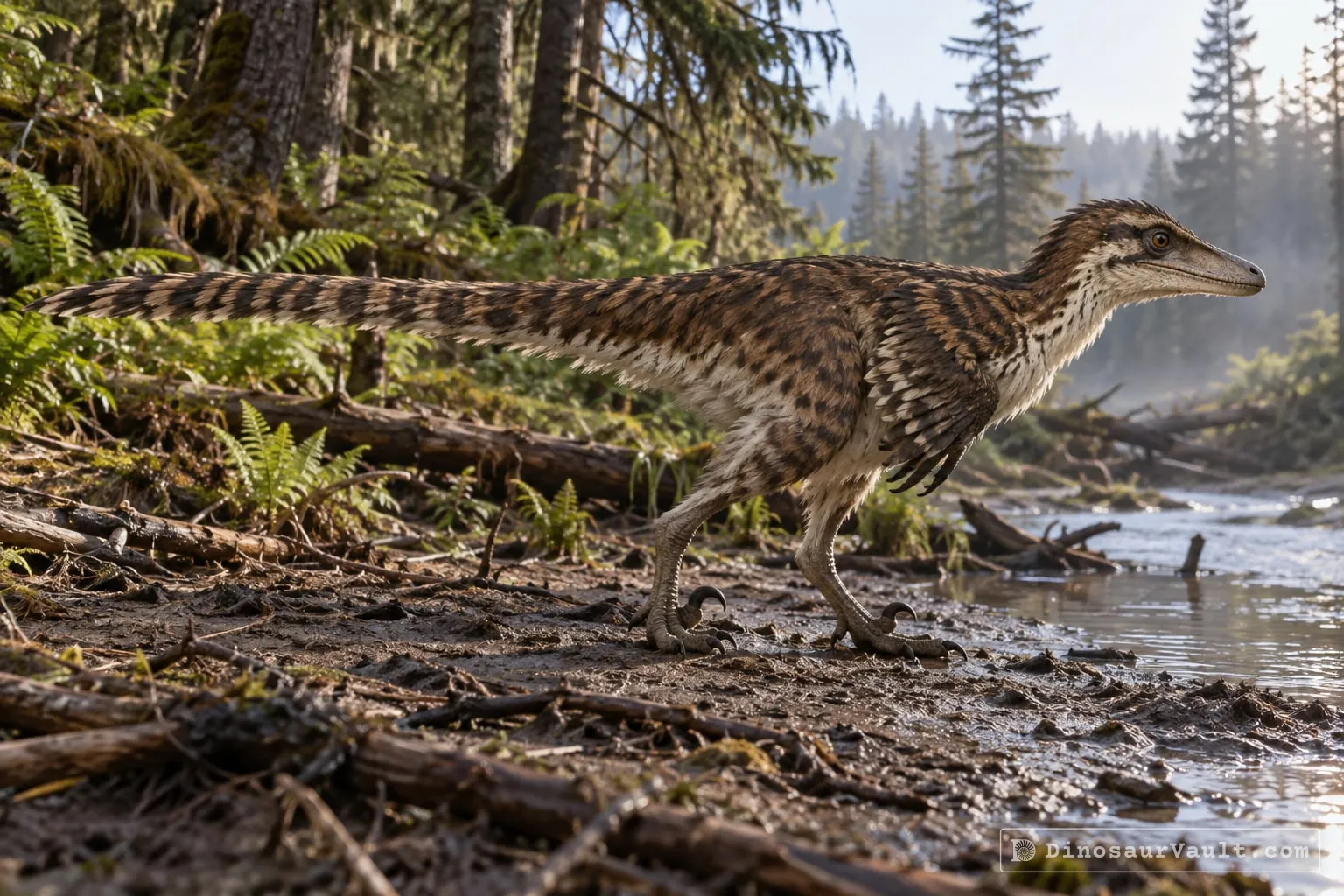


A rock formation can hold fossils laid down millions of years apart, so not every animal here met Stellasaurus.
The evidence
The science behind Stellasaurus
Which parts of the picture come from its own bones, and which come from its relatives.
From its own fossils
- A partial skull preserves a tall nose horn and a small, pointed horn above the eye.
- The left side of the frill carries a long straight spike, a shorter spike and smaller projections farther along the edge.
Borrowed from relatives
- Styracosaurus guides missing parts of the face and the four-legged body.
- Triceratops provides a broader comparison for the compact hands and their stout inner fingers.
Still unknown
- The complete outline of its frill.
- Its body proportions and skin color.
- Whether it was a direct ancestor of Einiosaurus.
Often drawn wrong
- A fan of equally long frill spikes copies Styracosaurus instead of its mix of long and short projections.
- Large hooked spikes at the middle of the frill copy Centrosaurus.
Discovery timeline
- 2009Close relativeFujiwara
- 2020Named itWilson, Ryan & Evans
- 2023Close relativeSenter & Mackey
Key papers
The research behind what we know of Stellasaurus
Close relative
Reassembled a Triceratops hand with stout inner fingers and reduced outer fingers, a useful comparison for missing hands in other horned dinosaurs.
A reevaluation of the manus structure inTriceratops(Ceratopsia: Ceratopsidae). Journal of Vertebrate Paleontology 29: 1136-1147
Read the paper : A reevaluation of the manus structure inTriceratops(Ceratopsia: Ceratopsidae) (opens in a new tab)Named it
Named Stellasaurus from a partial skull with a distinctive nose horn and frill, and proposed an evolutionary link between other horned dinosaurs.
A new, transitional centrosaurine ceratopsid from the Upper Cretaceous Two Medicine Formation of Montana and the evolution of the ‘ Styracosaurus -line' dinosaurs. Royal Society Open Science 7: 200284
Read the paper : A new, transitional centrosaurine ceratopsid from the Upper Cretaceous Two Medicine Formation of Montana and the evolution of the ‘ Styracosaurus -line' dinosaurs (opens in a new tab)Close relative
Tested Styracosaurus forelimb movement and supported four-legged walking, a comparison for the missing body of Stellasaurus.
Forelimb motion and orientation in the ornithischian dinosaurs Styracosaurus and Thescelosaurus, and its implications for locomotion and other behavior. Palaeontologia Electronica
Read the paper : Forelimb motion and orientation in the ornithischian dinosaurs Styracosaurus and Thescelosaurus, and its implications for locomotion and other behavior (opens in a new tab)
Close relatives
Other members of Ceratopsidae


Sources: Wikidata