Spinops
"spine face"
Type species Spinops sternbergorum
- Lived
- 84 to 72 million years ago, Late Cretaceous
- Diet
- Herbivore
- Group
- Ceratopsians, Ceratopsidae
- Found in
- Canada
- Named by
- Farke et al. 2011
Where its fossils were found
The evidence
Today

80 million years ago
Habitat
Spinops probably lived on river plains in Alberta, with ferns, conifers and flowering plants. Other dinosaurs from the region include Daspletosaurus, Gorgosaurus and Struthiomimus.
Field notes
About Spinops
What it was like
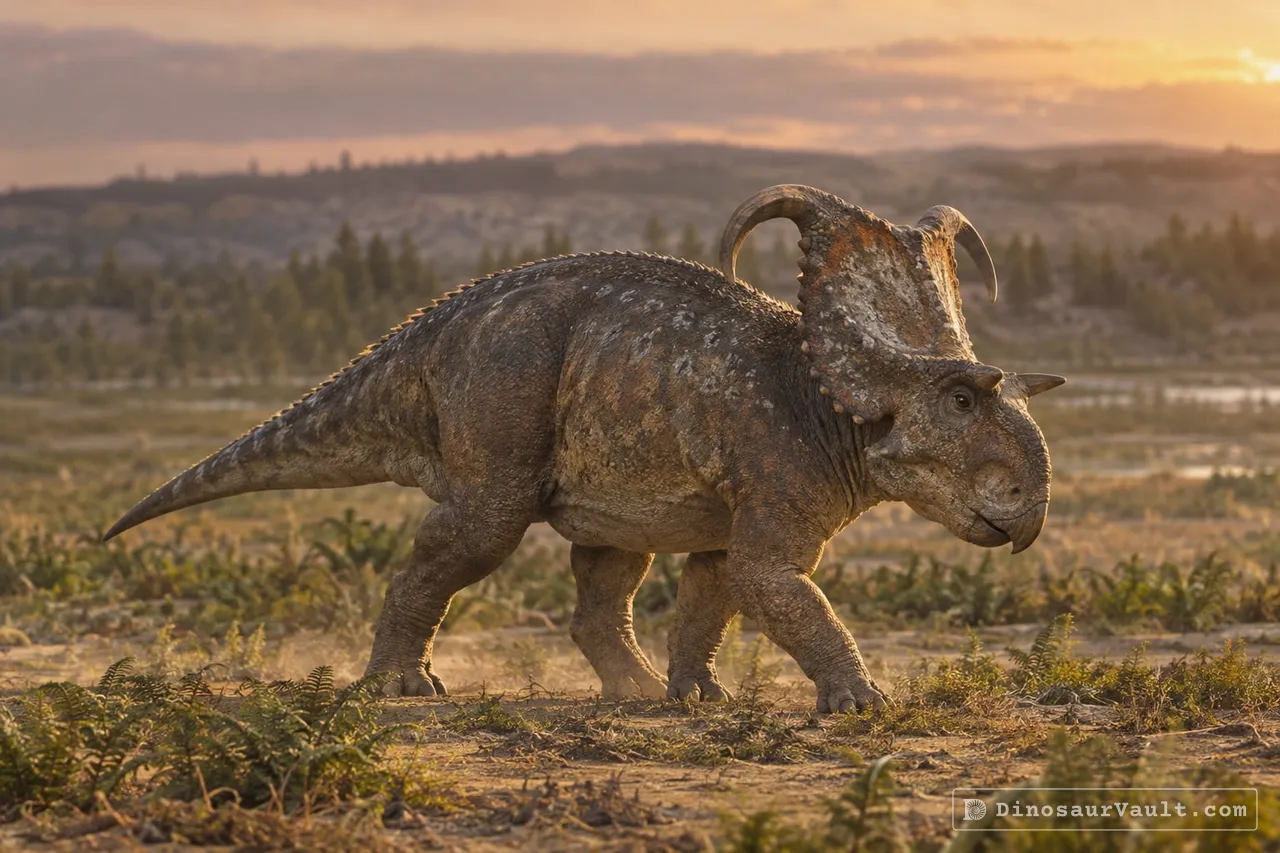
Spinops was a horned plant eater from the centrosaurine group, relatives of Centrosaurus and Styracosaurus. It had a large nose horn and long spikes and hooks on its frill.
Its world
It lived in the Late Cretaceous in what is now Alberta, Canada, alongside the tyrannosaur Daspletosaurus.
How it was found
Its bones were collected long ago by a family of fossil hunters and lay in a museum for decades. Farke and colleagues named it in 2011. The type species is Spinops sternbergorum.
Field gallery
More views of Spinops
Scenes reconstructed from the available fossil evidence.
1 of 3
Lived alongside
Found in the same rock formations
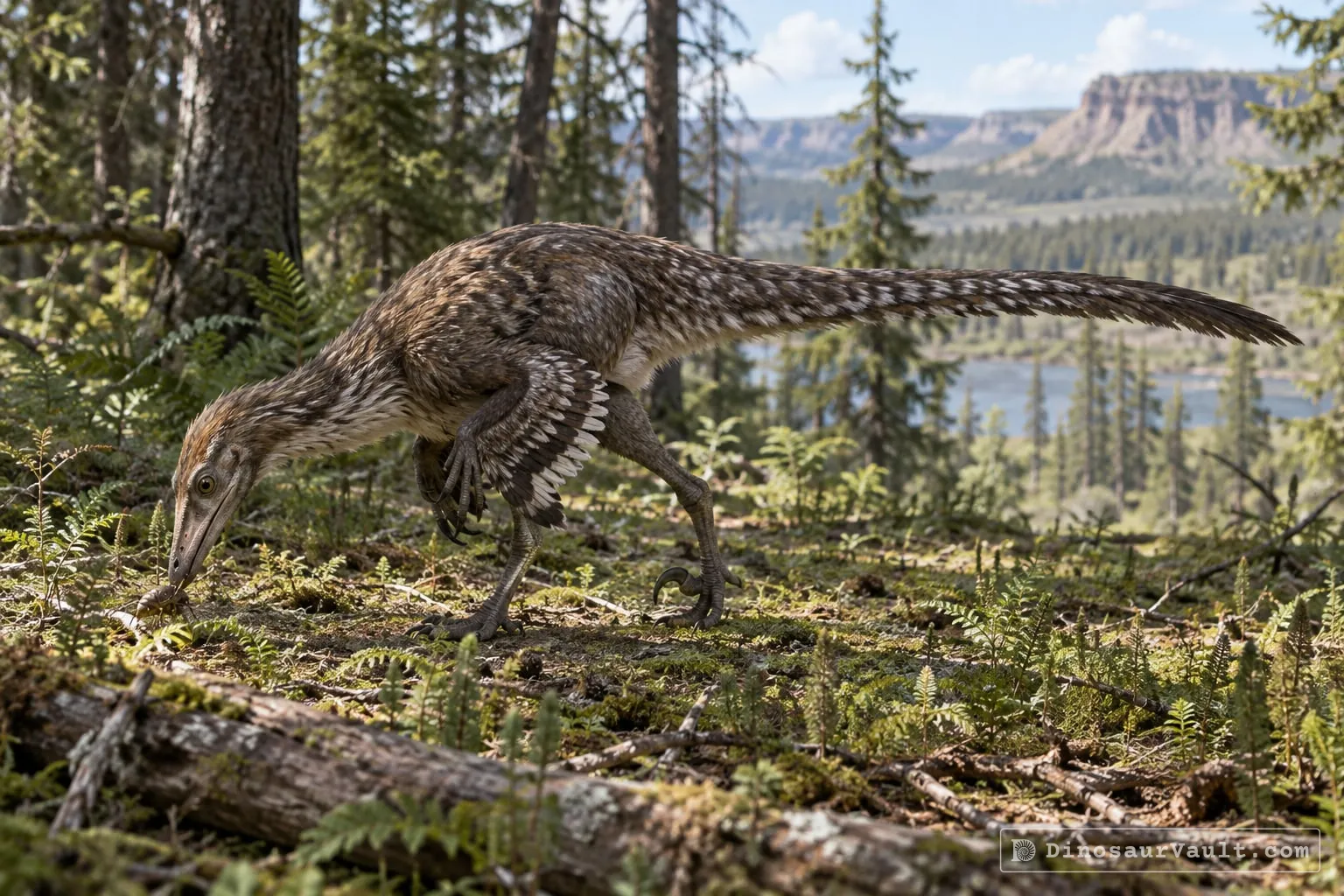
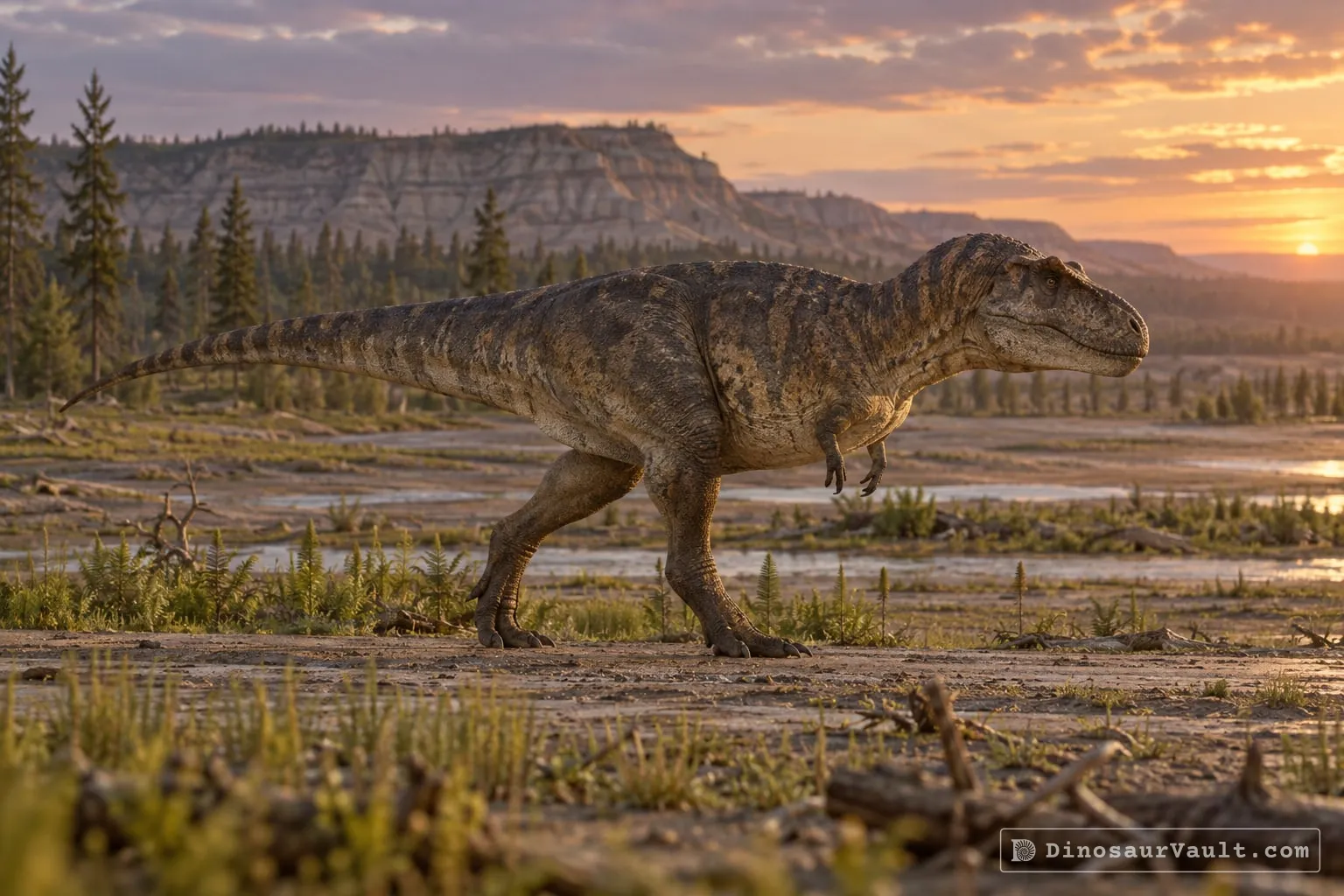
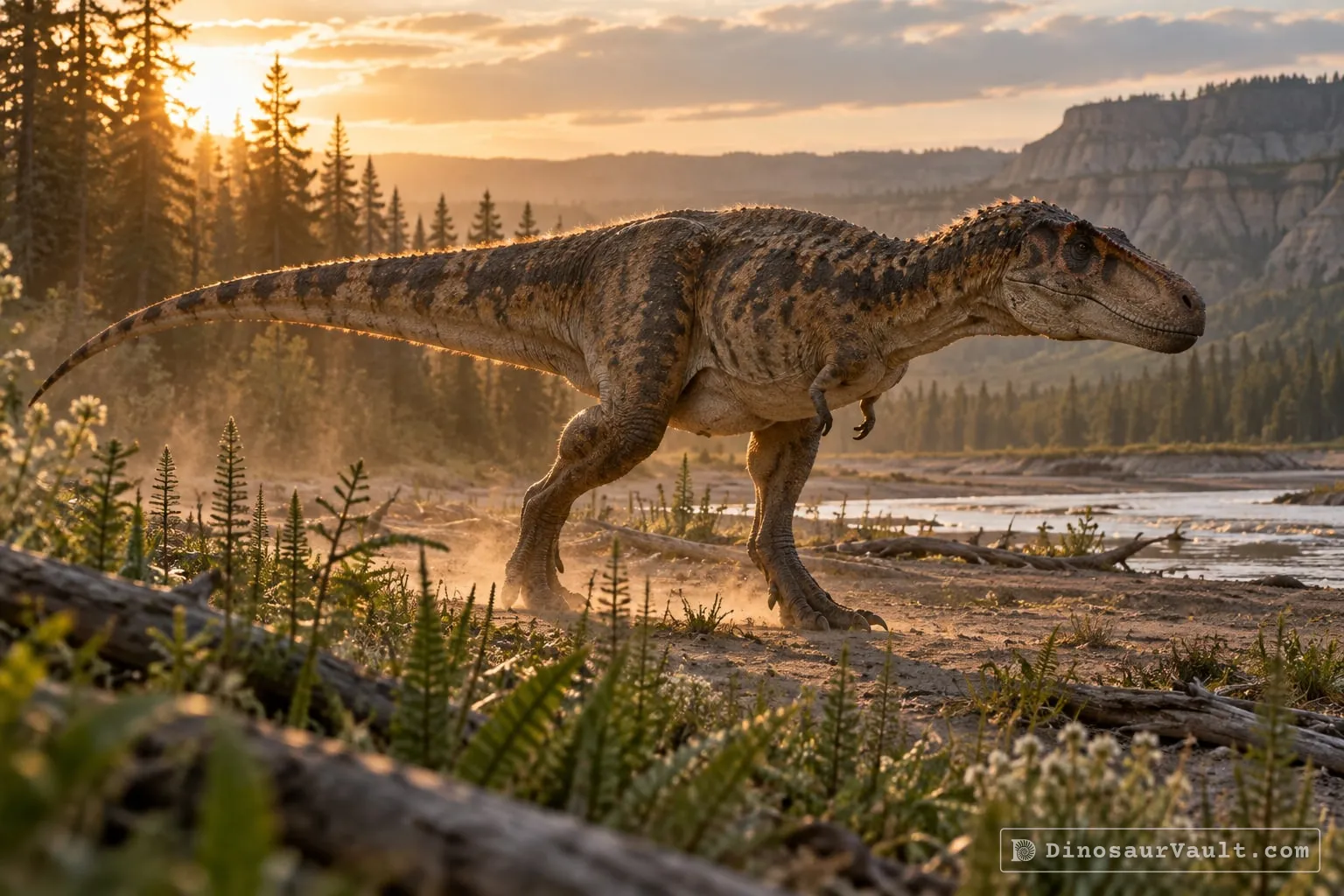
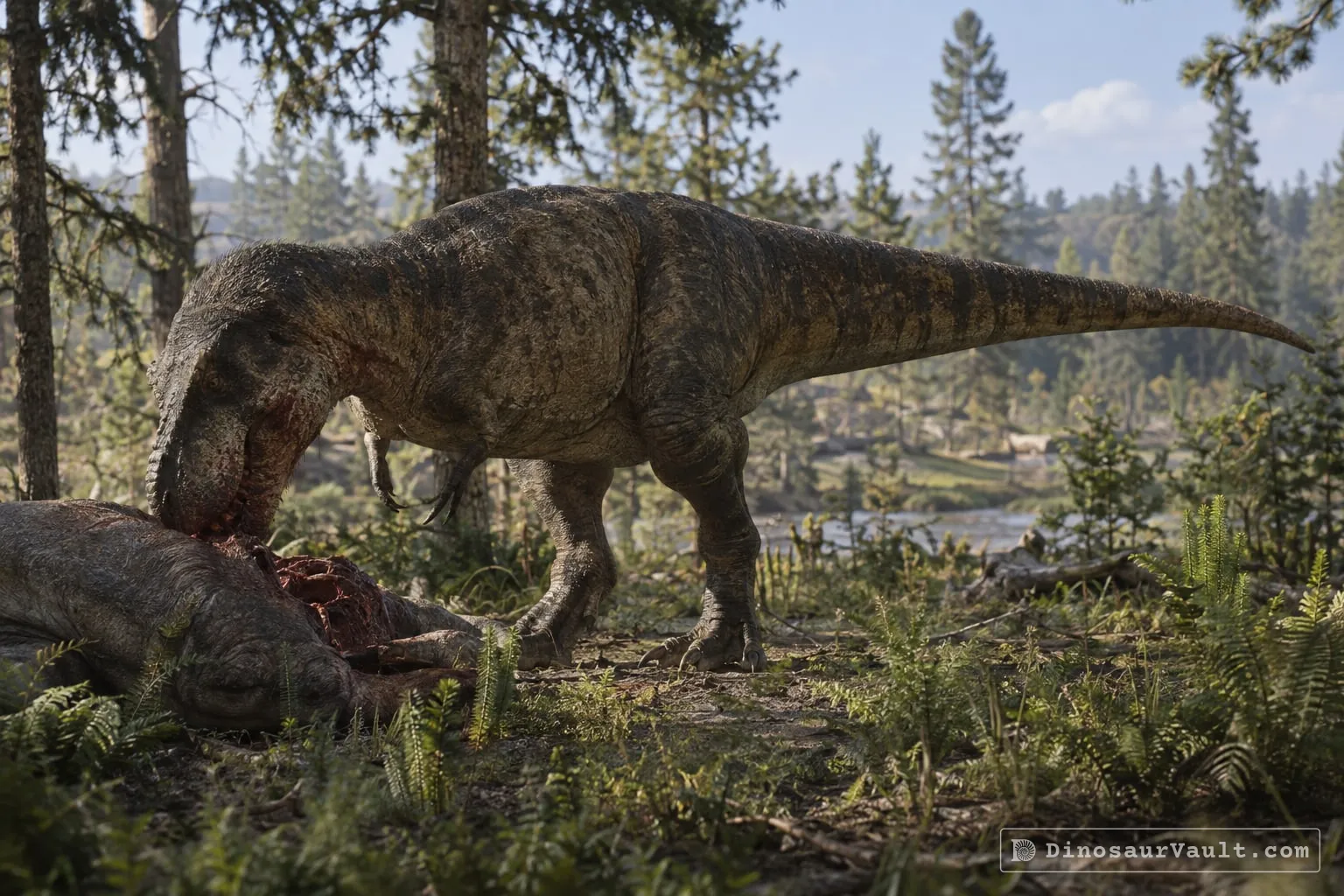
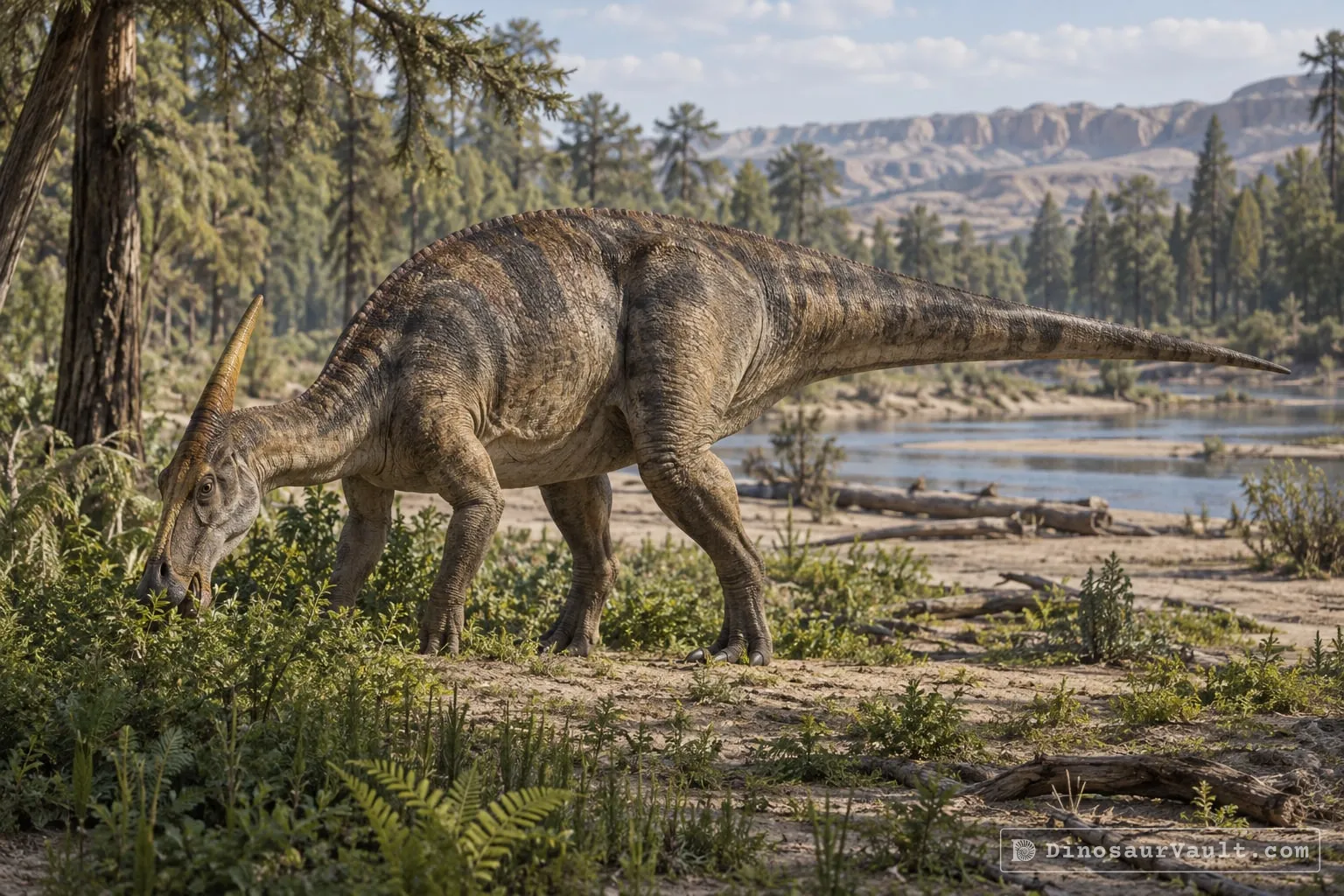
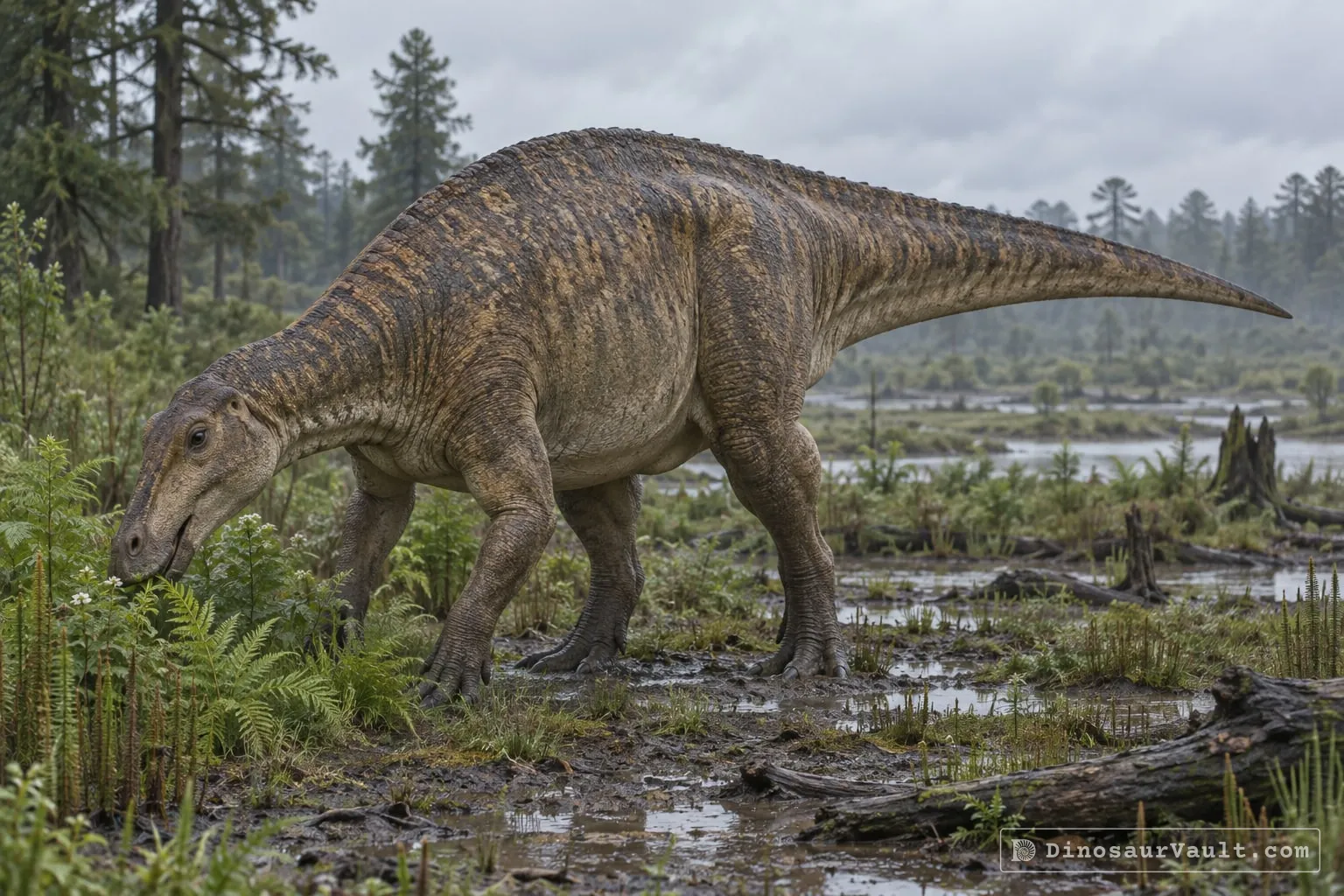
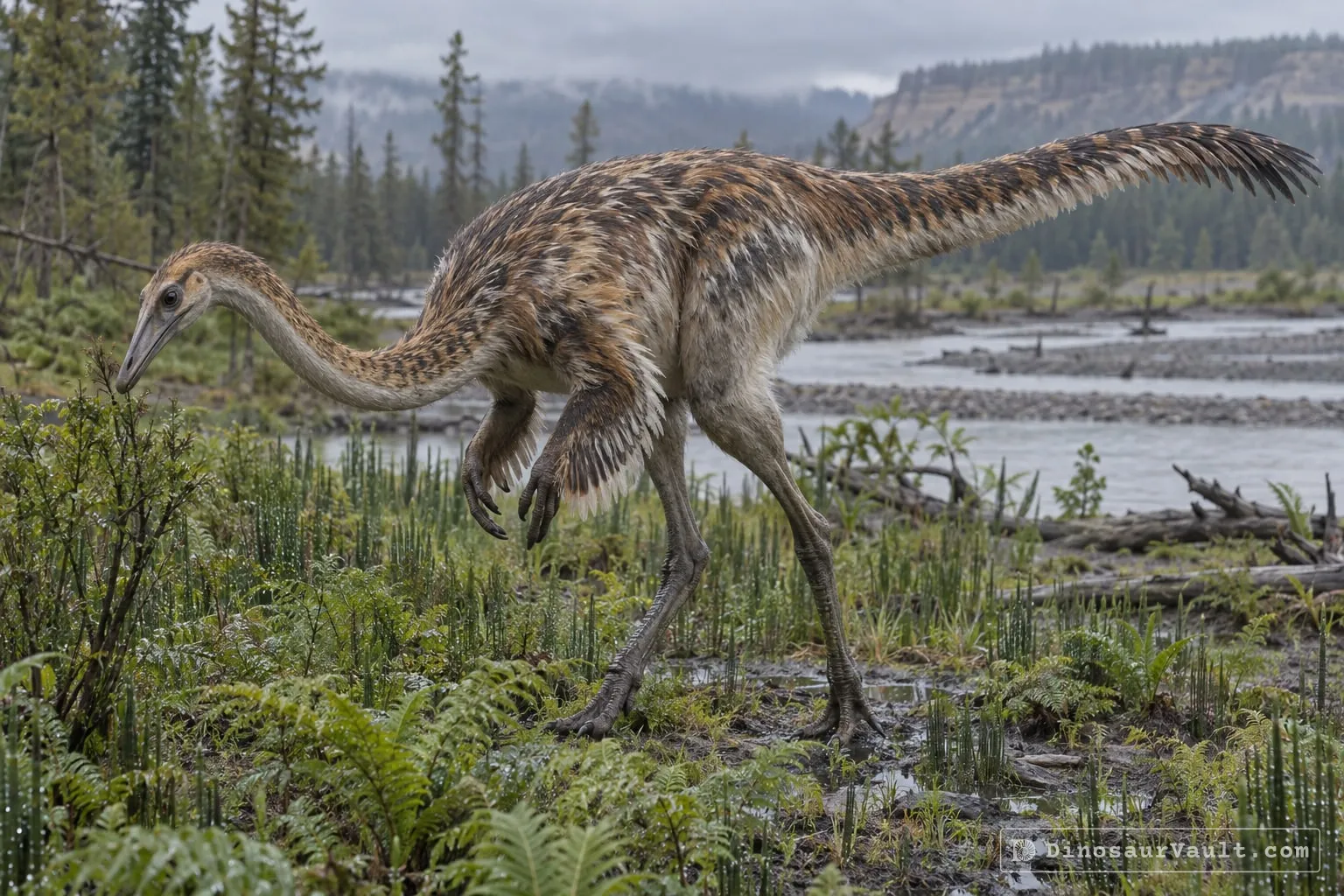
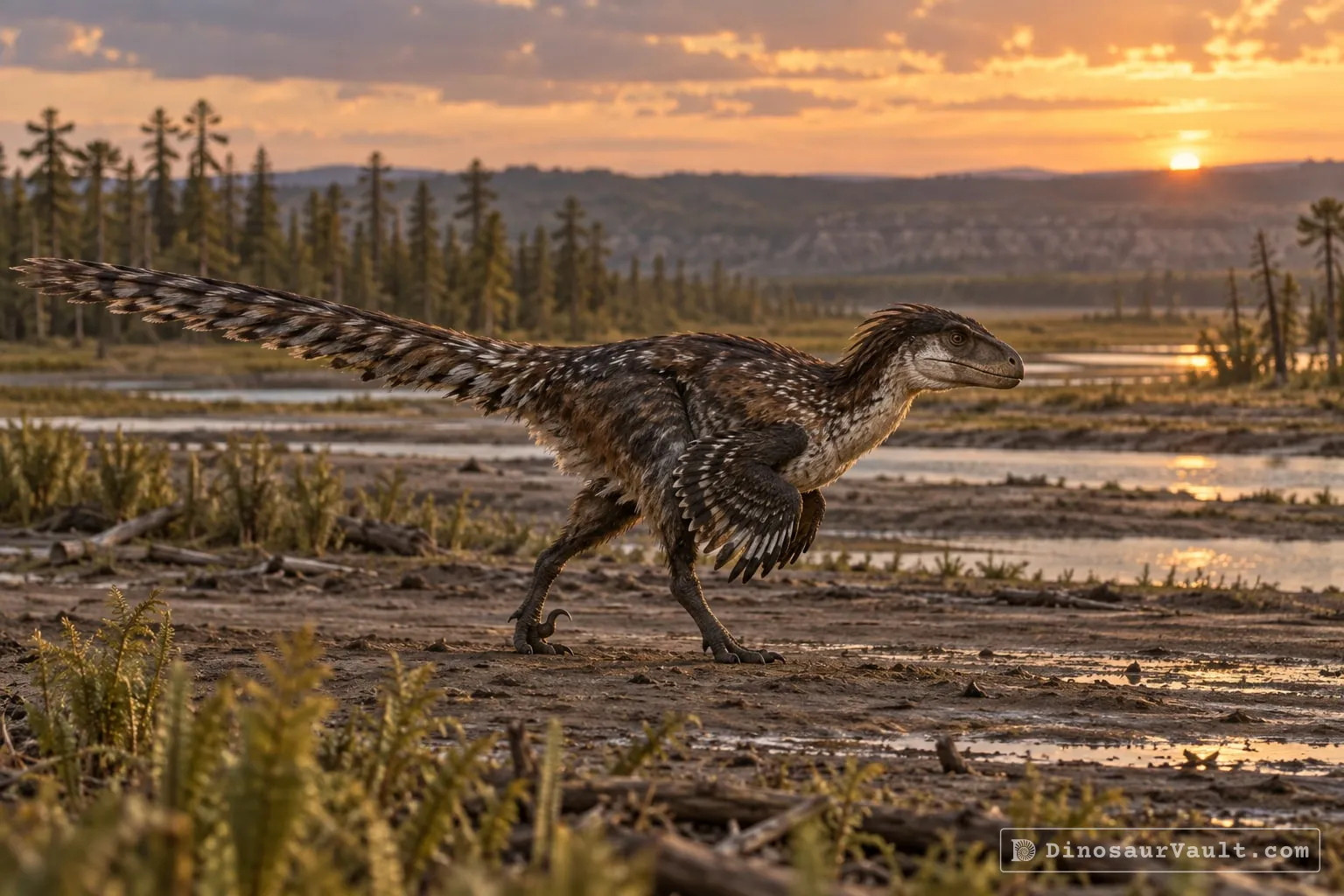


A rock formation can hold fossils laid down millions of years apart, so not every animal here met Spinops.
The evidence
The science behind Spinops
Which parts of the picture come from its own bones, and which come from its relatives.
From its own fossils
- Partial skulls preserve a large, upright nose horn and short, rounded horns above the eyes.
- The frill carries hooks that curve forward and long spikes that point backward.
Borrowed from relatives
- Missing skull parts are restored from Centrosaurus.
- The body and limbs are restored by comparison with Centrosaurus and other horned dinosaurs.
Still unknown
- The full length and shape of its frill spikes.
- The location of the original quarry.
- Its skin color.
Discovery timeline
- 2011Named itFarke et al.
- 2015Close relativeEvans & Ryan
- 2016Family treeRivera-Sylva, Hedrick & Dodson
Key papers
The research behind what we know of Spinops
Named it
Described a horned dinosaur with forward-curving frill hooks and long backward-pointing spikes, closely related to Centrosaurus and Styracosaurus.
A New Centrosaurine from the Late Cretaceous of Alberta, Canada, and the Evolution of Parietal Ornamentation in Horned Dinosaurs. Acta Palaeontologica Polonica 56: 691-702
Read the paper : A New Centrosaurine from the Late Cretaceous of Alberta, Canada, and the Evolution of Parietal Ornamentation in Horned Dinosaurs (opens in a new tab)Close relative
Compared the frill and nose horn of Wendiceratops with other centrosaurines and traced the evolution of large nasal horns.
Cranial Anatomy of Wendiceratops pinhornensis gen. et sp. nov., a Centrosaurine Ceratopsid (Dinosauria: Ornithischia) from the Oldman Formation (Campanian), Alberta, Canada, and the Evolution of Ceratopsid Nasal Ornamentation. PLOS ONE 10: e0130007
Read the paper : Cranial Anatomy of Wendiceratops pinhornensis gen. et sp. nov., a Centrosaurine Ceratopsid (Dinosauria: Ornithischia) from the Oldman Formation (Campanian), Alberta, Canada, and the Evolution of Ceratopsid Nasal Ornamentation (opens in a new tab)Family tree
Added a southern centrosaurine to the family tree and examined differences between northern and southern horned dinosaurs.
A Centrosaurine (Dinosauria: Ceratopsia) from the Aguja Formation (Late Campanian) of Northern Coahuila, Mexico. PLOS ONE 11: e0150529
Read the paper : A Centrosaurine (Dinosauria: Ceratopsia) from the Aguja Formation (Late Campanian) of Northern Coahuila, Mexico (opens in a new tab)
Close relatives
Other members of Ceratopsidae


Sources: Wikidata