Rubeosaurus
"bramble lizard"
Type species Rubeosaurus ovatus
- Lived
- 84 to 72 million years ago, Late Cretaceous
- Diet
- Herbivore
- Group
- Ceratopsians, Ceratopsidae
- Found in
- United States
- Named by
- McDonald and Horner 2010
Where its fossils were found
The evidence
Today

80 million years ago
Habitat
Rivers and floodplains in what is now Montana had wet and dry seasons. The Two Medicine Formation also preserves Maiasaura, Daspletosaurus and Achelousaurus.
Field notes
About Rubeosaurus
What it was like
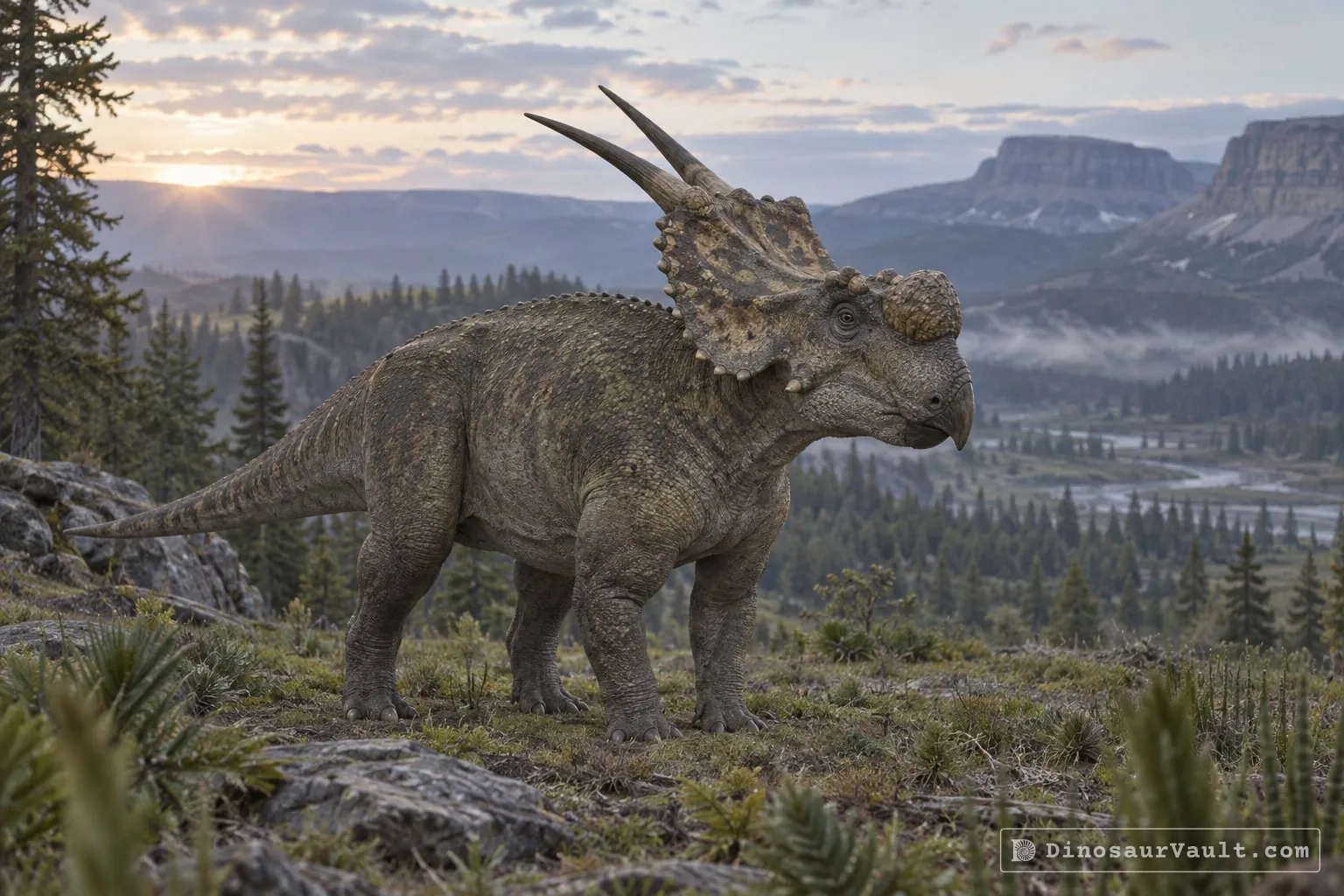
Rubeosaurus was a horned dinosaur with a straight horn on its nose and long spikes around the edge of its frill.
It was first described as a species of Styracosaurus. Some scientists think it belongs there, or with Stellasaurus, rather than in a genus of its own.
Its world
It lived in the Late Cretaceous in what is now Montana, in the United States. Its bones come from the Two Medicine Formation, where it shared the land with the horned Achelousaurus, the duck-billed Maiasaura and the tyrannosaur Daspletosaurus.
How it was found
McDonald and Horner named Rubeosaurus in 2010. Two finds are known.
Field gallery
More views of Rubeosaurus
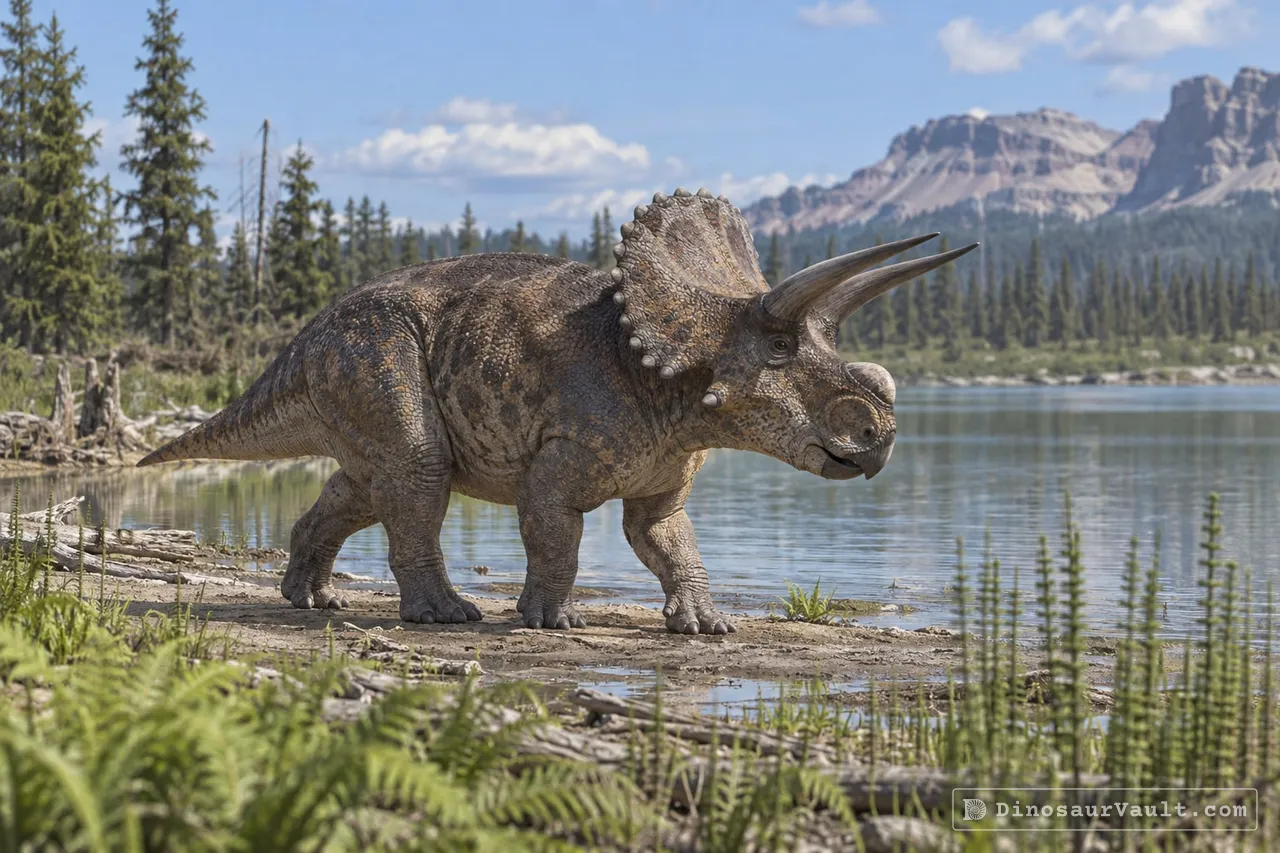
Scenes reconstructed from the available fossil evidence.
Lived alongside
Found in the same rock formations
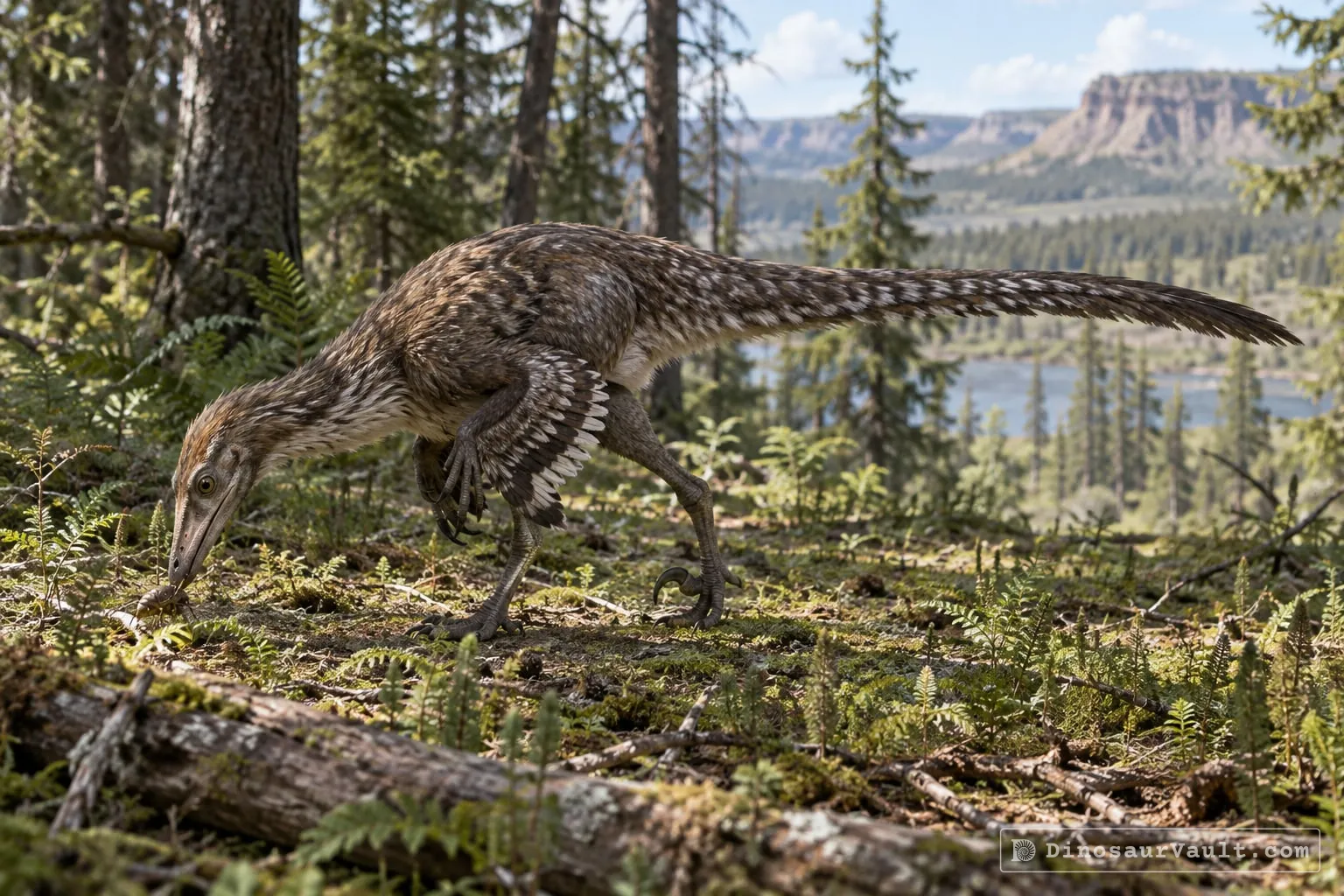
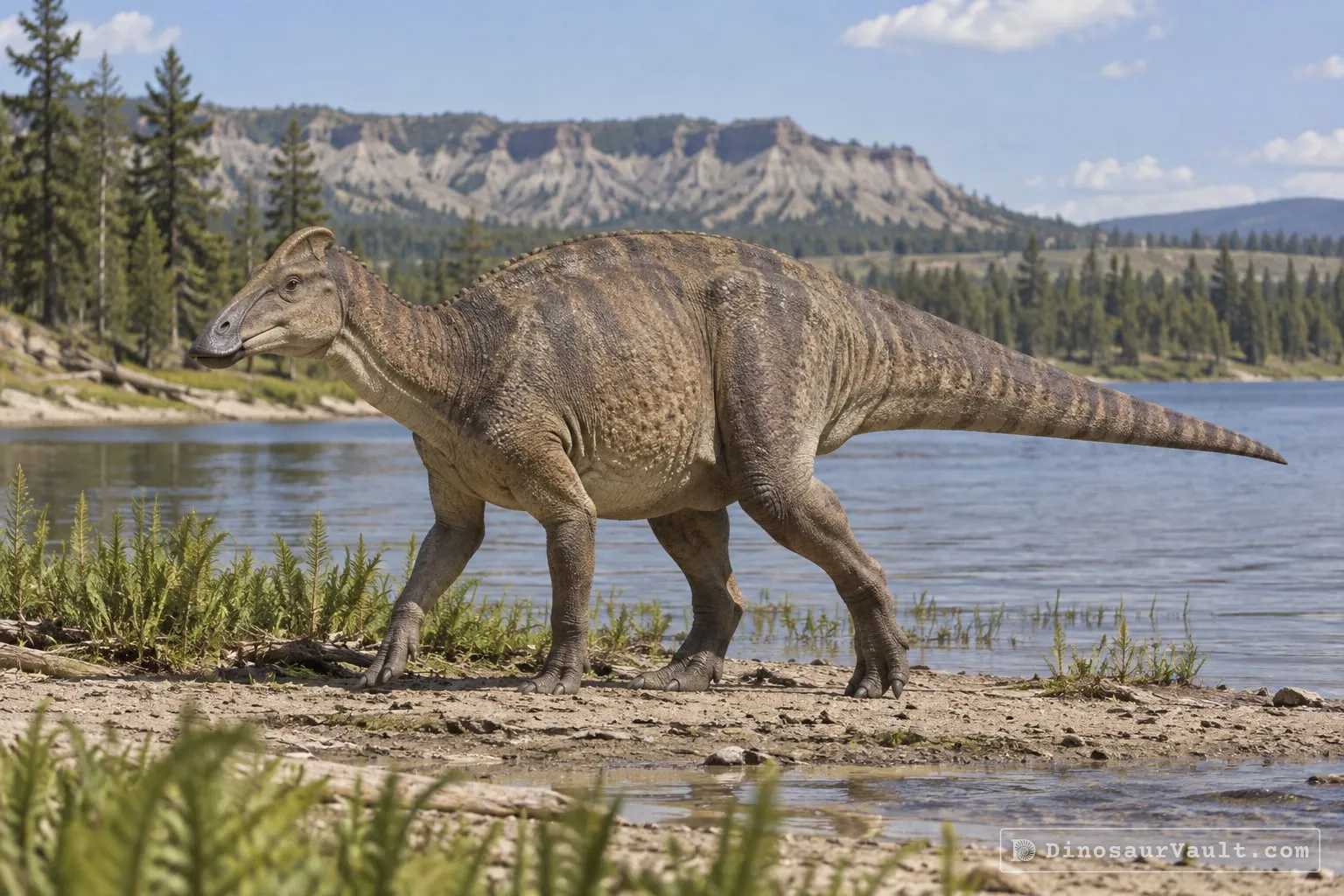
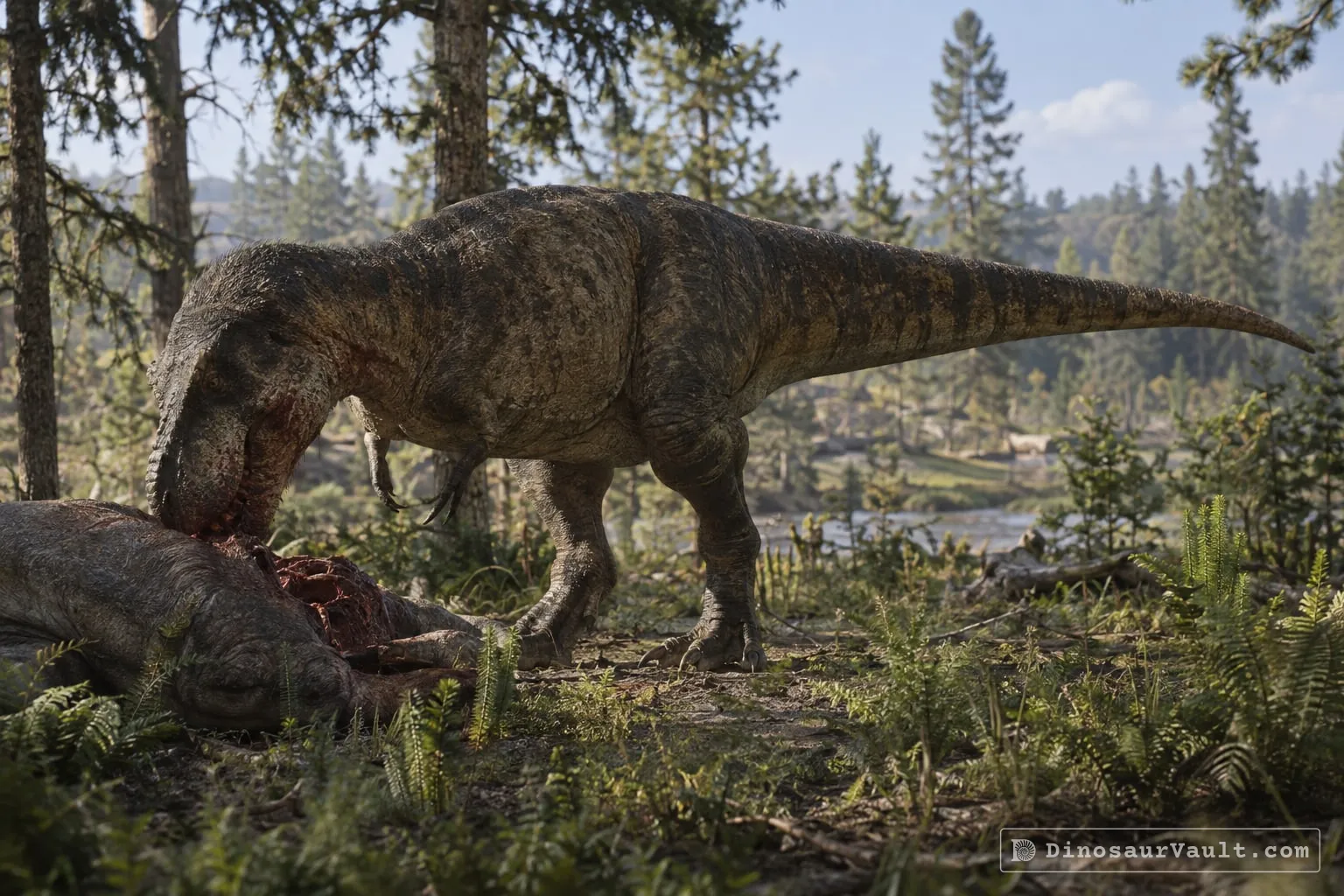
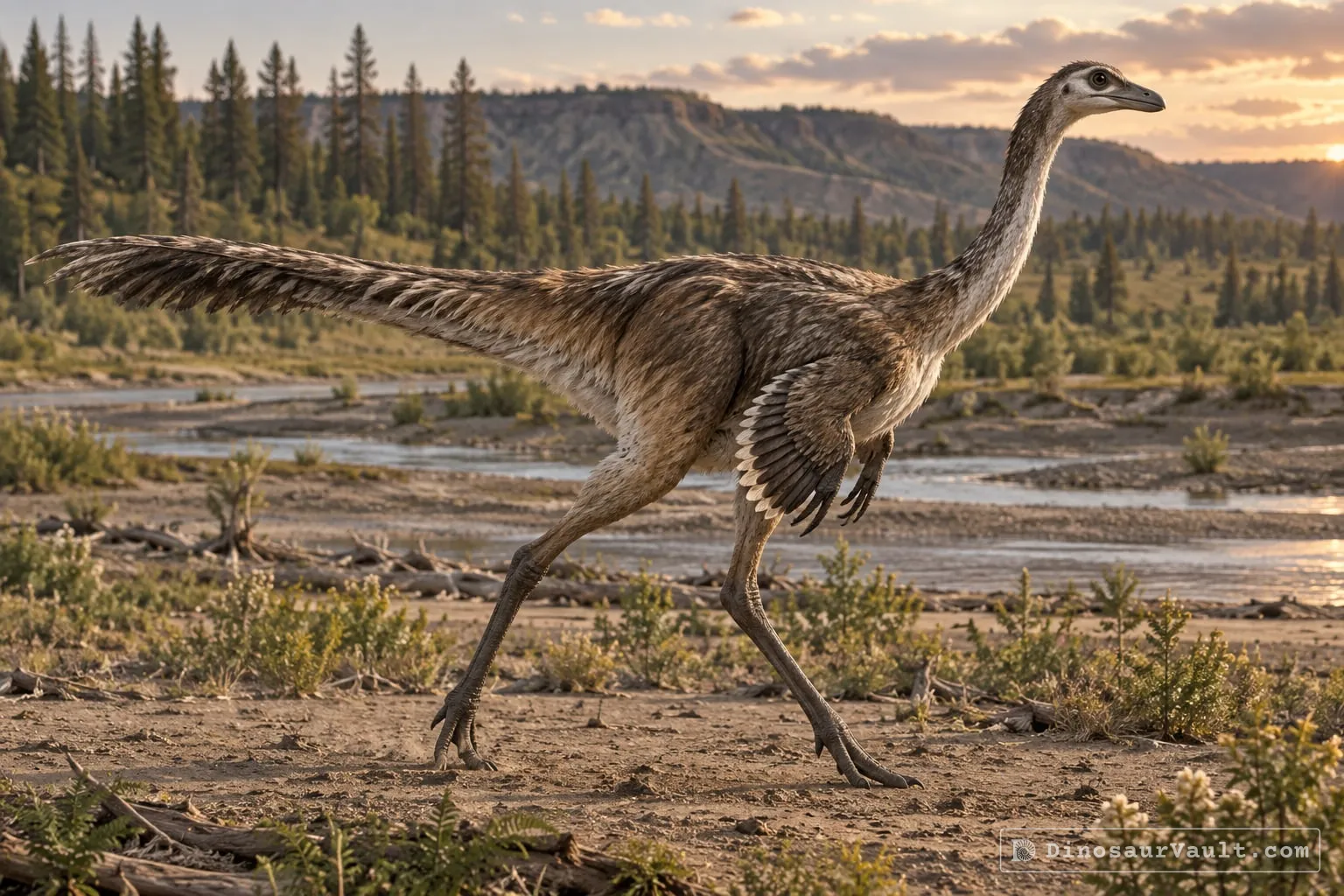
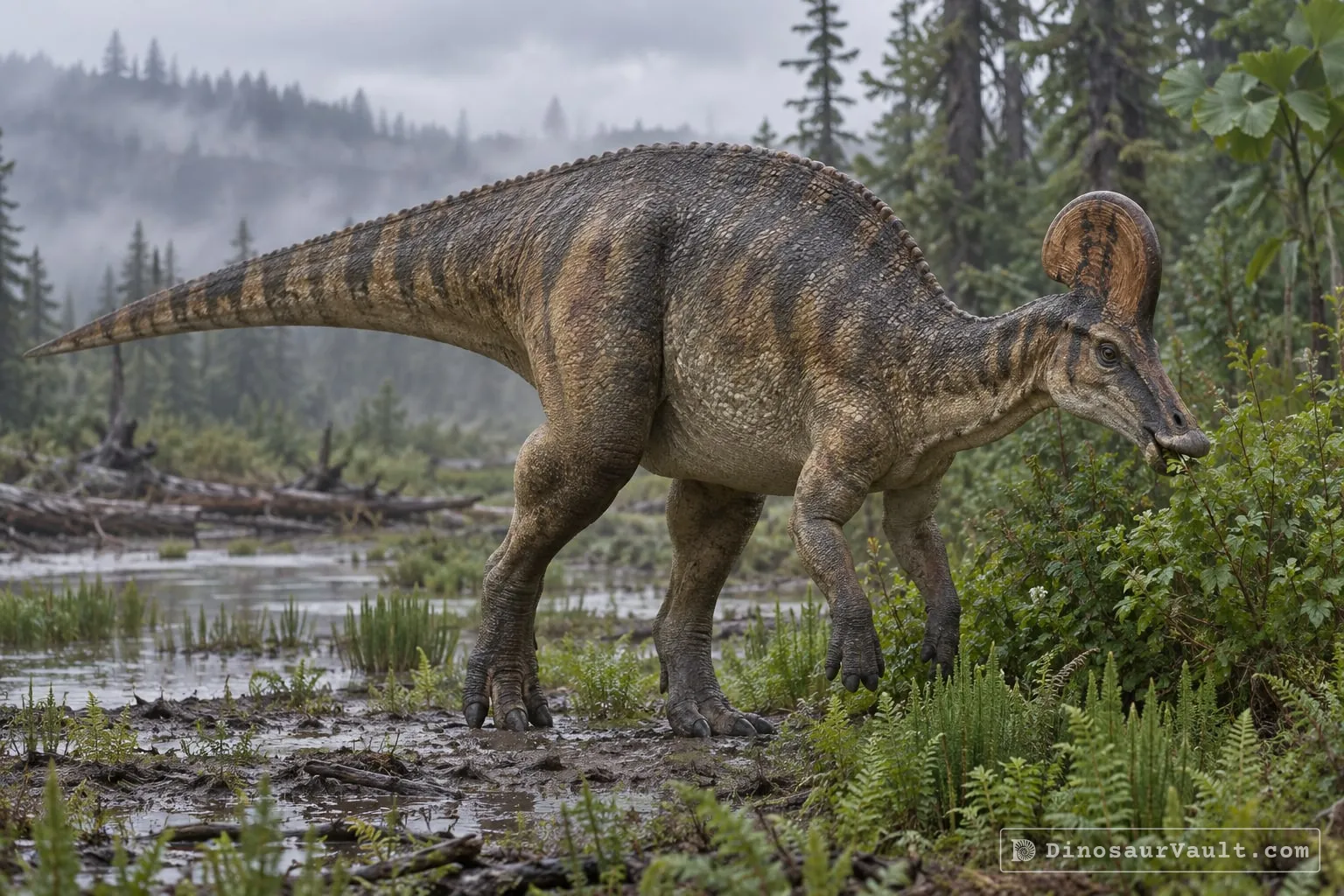
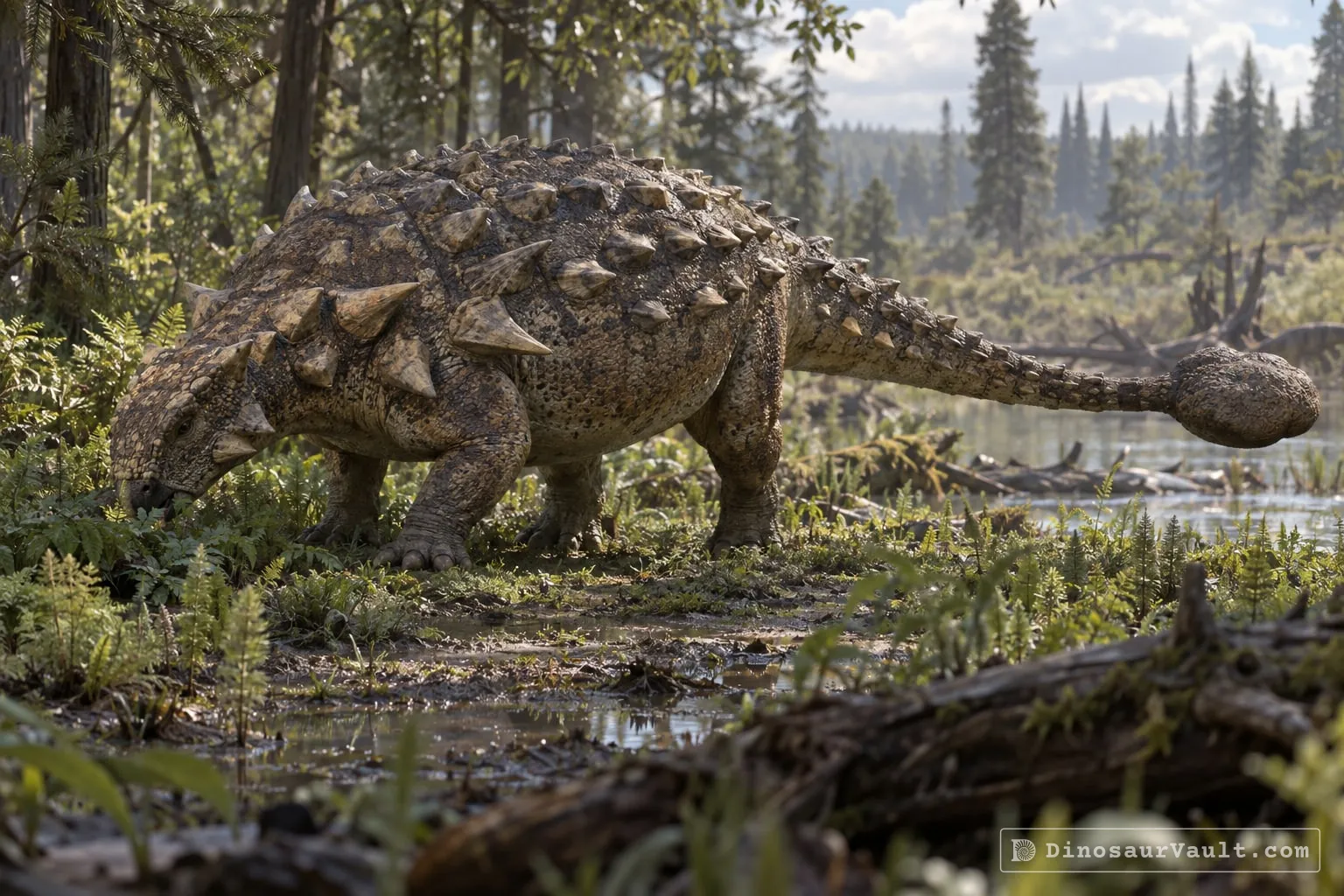


A rock formation can hold fossils laid down millions of years apart, so not every animal here met Rubeosaurus.
The evidence
The science behind Rubeosaurus
Which parts of the picture come from its own bones, and which come from its relatives.
From its own fossils
- The original specimen preserves part of the bony frill at the back of the skull.
- Long spikes on the frill's rear edge lean toward the middle.
Borrowed from relatives
- The missing face and body are restored from better-known horned dinosaurs such as Styracosaurus and Centrosaurus.
Still unknown
- Whether it deserves a separate genus or belongs within Styracosaurus.
- Its exact position within the layers of the Two Medicine Formation.
- Its skin color and the shape of its complete frill.
Discovery timeline
- 2010Named itMcDonald & Horner
- 2011Growing upMcDonald
- 2020Family treeWilson, Ryan & Evans
- 2020SkullHolmes et al.
Key papers
The research behind what we know of Rubeosaurus
Named it
Moved a horned dinosaur previously called Styracosaurus ovatus into the new genus Rubeosaurus.
New material of "Styracosaurus" ovatus from the Two Medicine Formation of Montana. New Perspectives on Horned Dinosaurs: The Royal Tyrrell Museum Ceratopsian Symposium. Indiana University Press, Bloomington.
No link available
Growing up
Assigned a young skull to Rubeosaurus using its frill anatomy; a later reassessment rejected that assignment.
A Subadult Specimen of Rubeosaurus ovatus (Dinosauria: Ceratopsidae), with Observations on Other Ceratopsids from the Two Medicine Formation. PLoS ONE 6: e22710
Read the paper : A Subadult Specimen of Rubeosaurus ovatus (Dinosauria: Ceratopsidae), with Observations on Other Ceratopsids from the Two Medicine Formation (opens in a new tab)Family tree
Separated Stellasaurus from specimens formerly assigned to Rubeosaurus and returned the original frill to Styracosaurus ovatus.
A new, transitional centrosaurine ceratopsid from the Upper Cretaceous Two Medicine Formation of Montana and the evolution of the ‘ Styracosaurus -line' dinosaurs. Royal Society Open Science 7: 200284
Read the paper : A new, transitional centrosaurine ceratopsid from the Upper Cretaceous Two Medicine Formation of Montana and the evolution of the ‘ Styracosaurus -line' dinosaurs (opens in a new tab)Skull
Found wide variation in Styracosaurus frills and argued that Rubeosaurus belonged in the same genus.
Morphological variation and asymmetrical development in the skull of Styracosaurus albertensis. Cretaceous Research 107: 104308
Read the paper : Morphological variation and asymmetrical development in the skull of Styracosaurus albertensis (opens in a new tab)
Close relatives
Other members of Ceratopsidae


Sources: Wikidata