Riparovenator
"riverbank hunter"
Type species Riparovenator milnerae
- Lived
- 126 to 121 million years ago, Early Cretaceous
- Diet
- Carnivore
- Group
- Theropods, Spinosauridae
- Found in
- United Kingdom
- Named by
- Barker et al. 2021
Where its fossils were found
The evidence
Today

125 million years ago
Habitat
Rivers and floodplains covered this part of England during the Early Cretaceous. Iguanodon, Polacanthus and Ceratosuchops also come from the Wessex Formation.
Field notes
About Riparovenator
What it was like
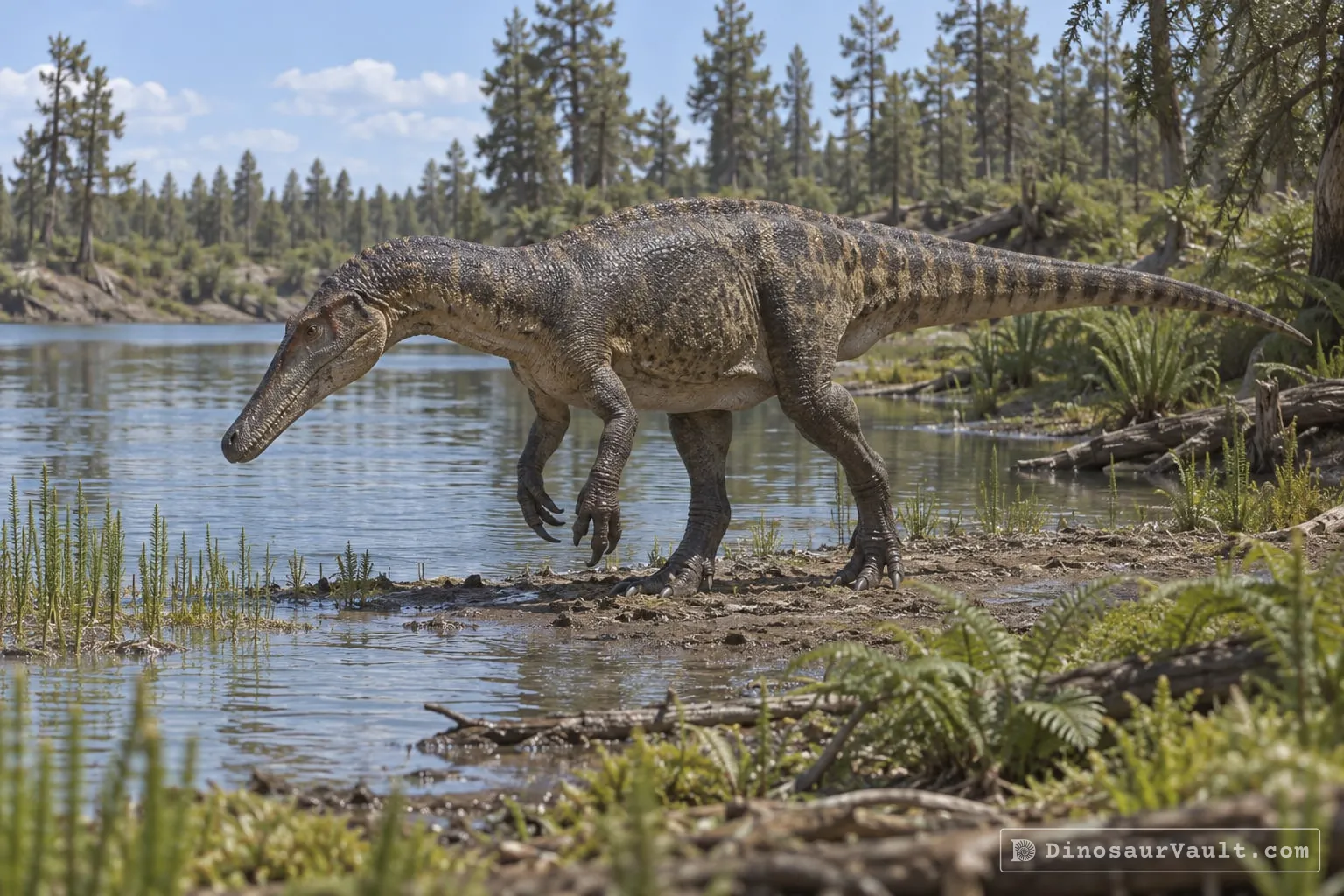
Riparovenator was a spinosaur, a large predator with a long, narrow, crocodile-like snout. It was a close relative of Baryonyx. Like it, it probably caught fish as well as other prey near rivers.
Its world
It lived in the Early Cretaceous, in what is now England. It comes from the Wessex Formation, a land of rivers and floodplains shared with Iguanodon, Neovenator, the armored Polacanthus and the small plant eater Hypsilophodon.
How it was found
Barker and colleagues named Riparovenator in 2021. The type species is Riparovenator milnerae. It was described along with another spinosaur from the same rocks, Ceratosuchops.
Field gallery
More views of Riparovenator
Scenes reconstructed from the available fossil evidence.
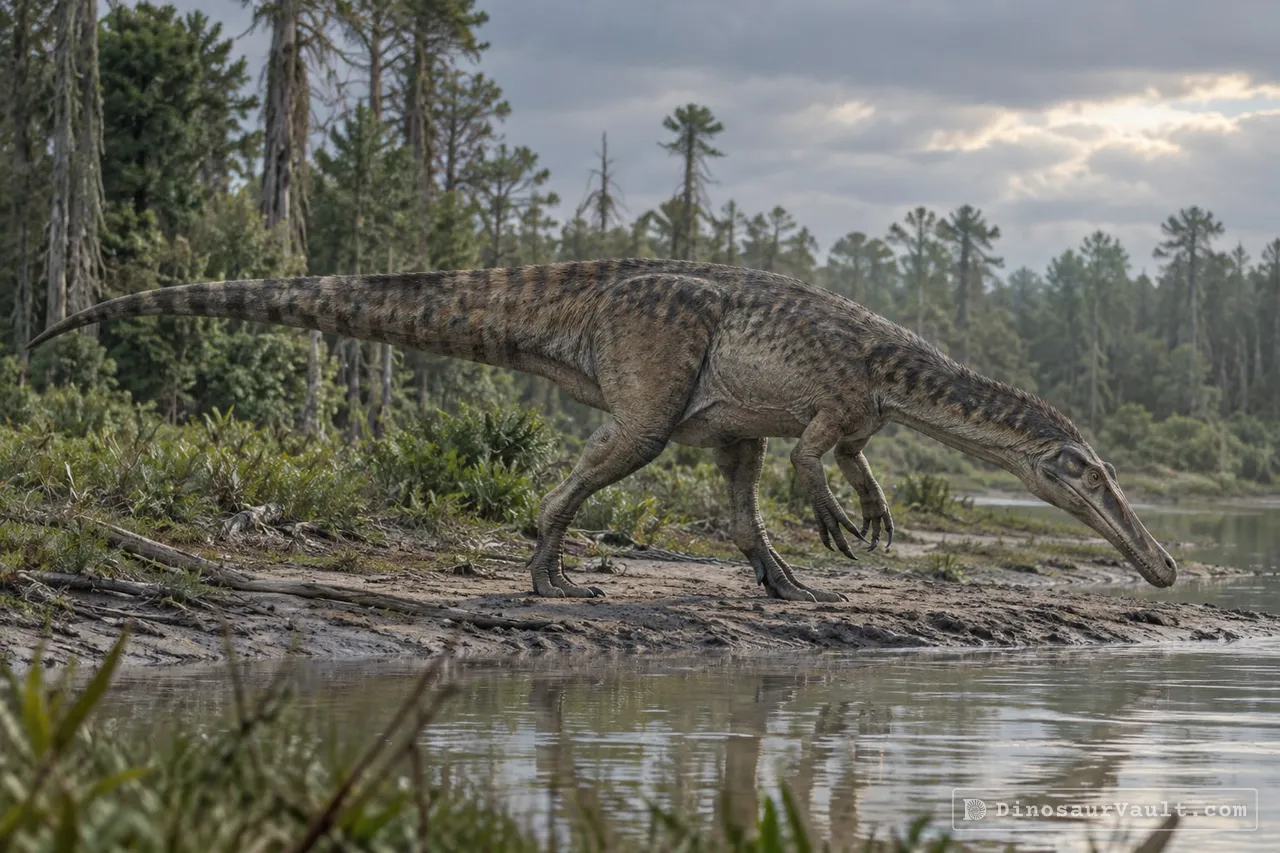
1 of 3
Lived alongside
Found in the same rock formations
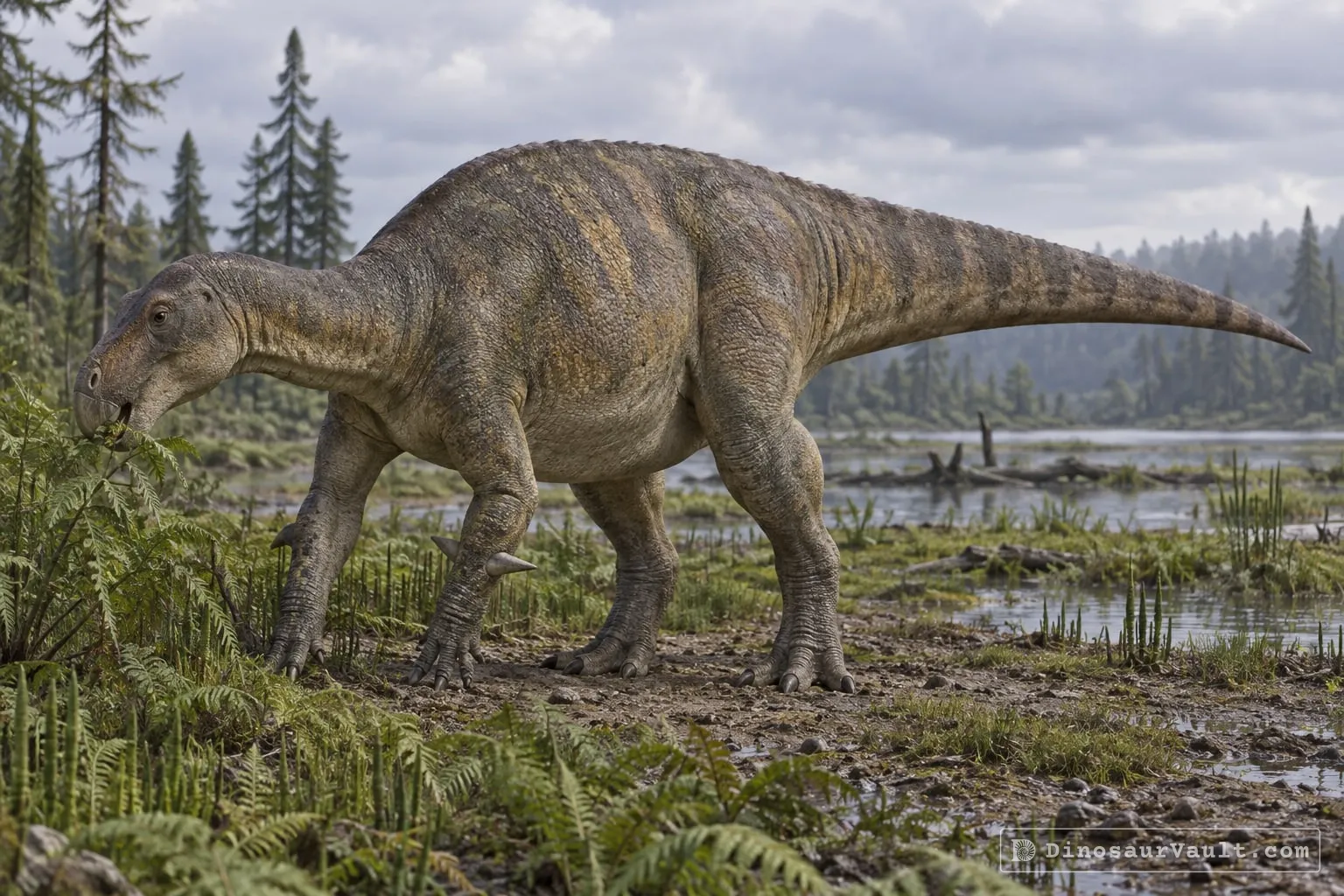
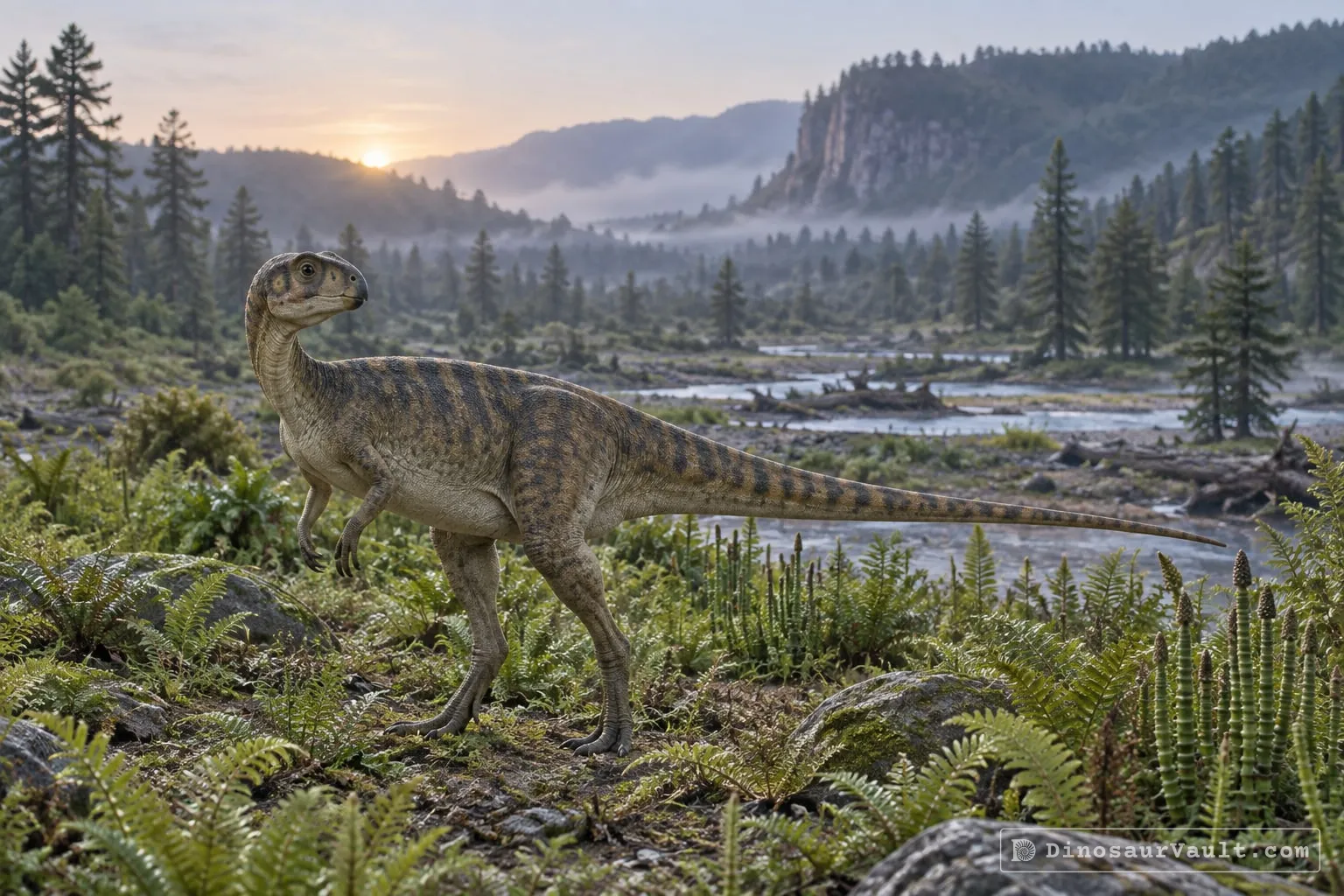
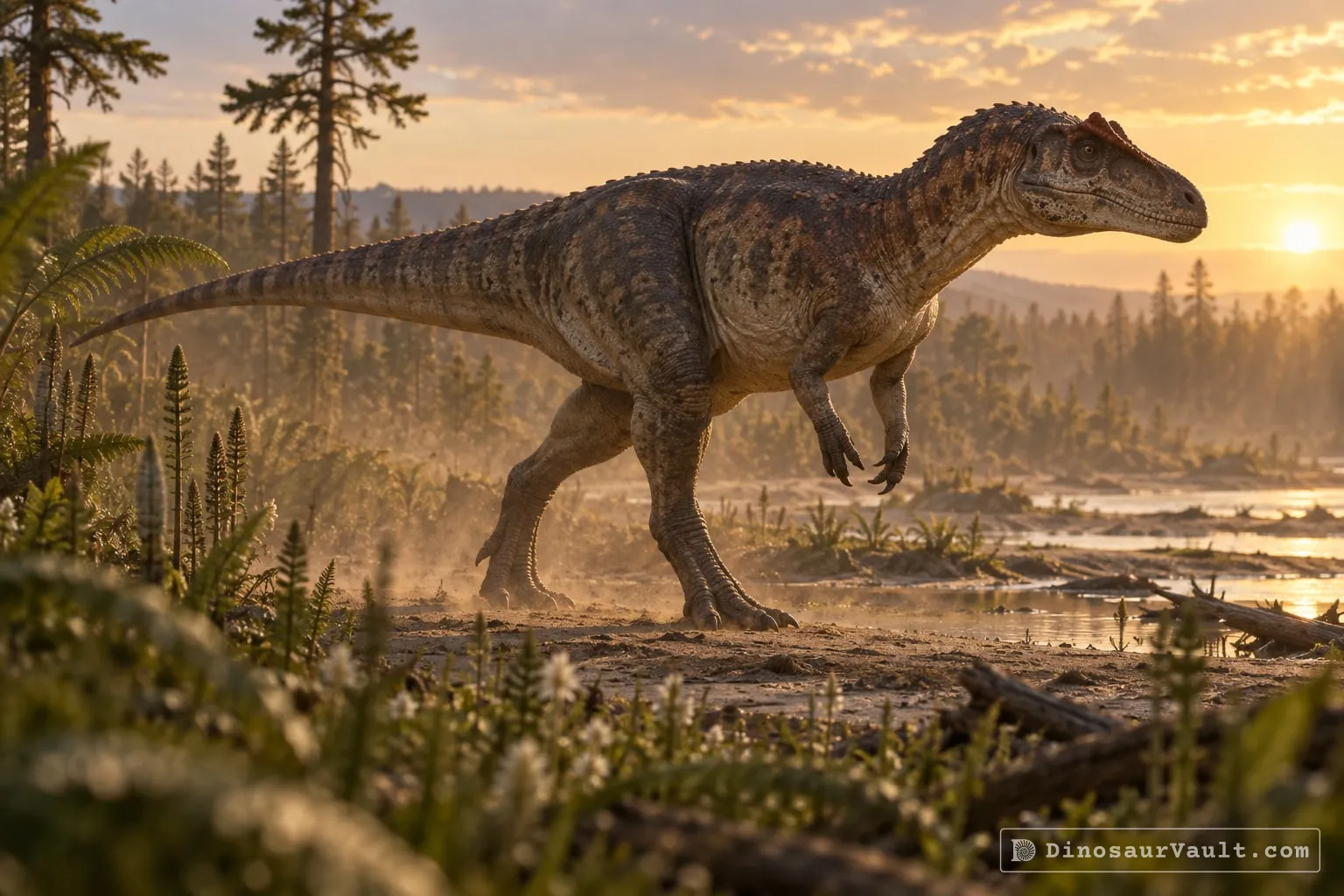
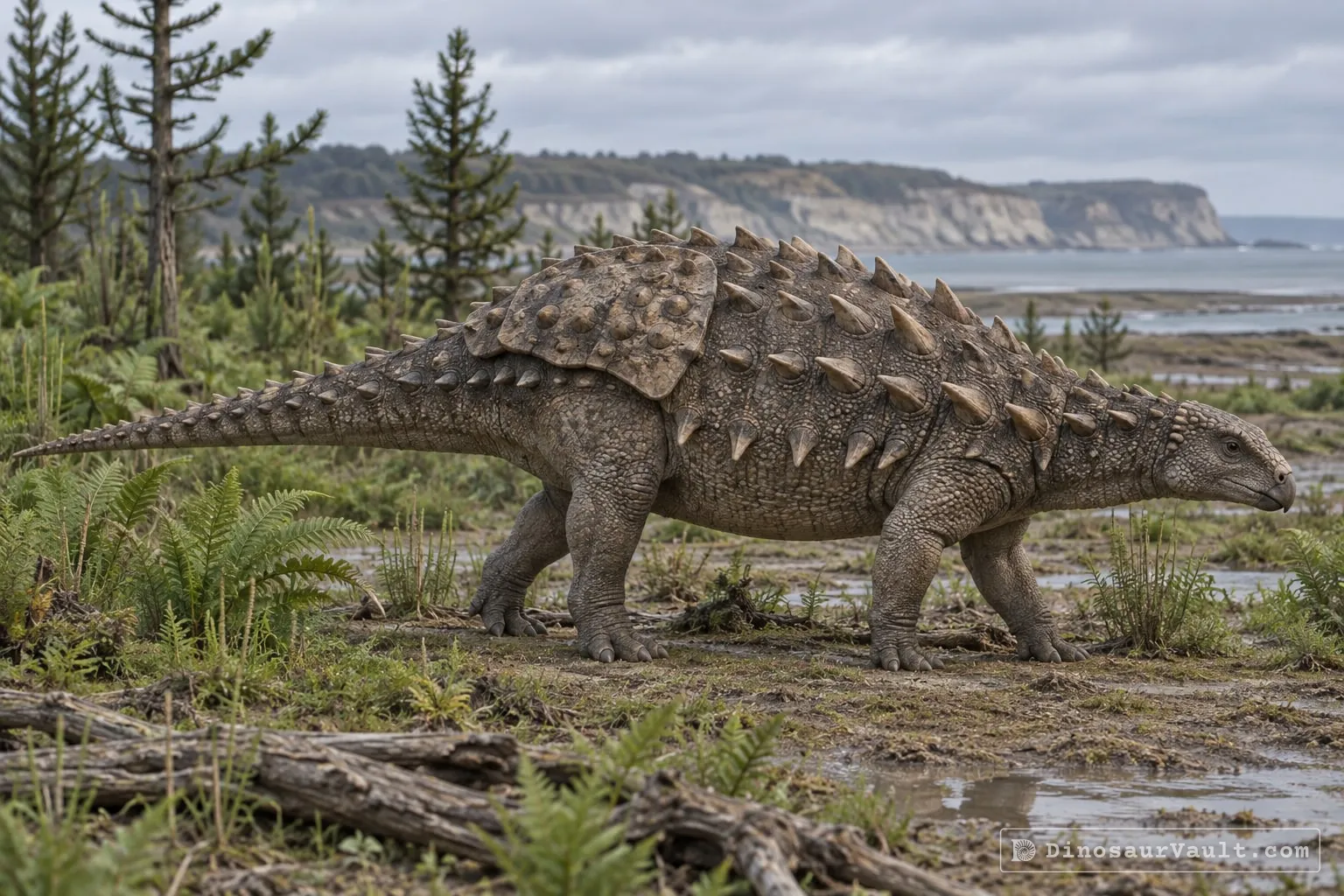
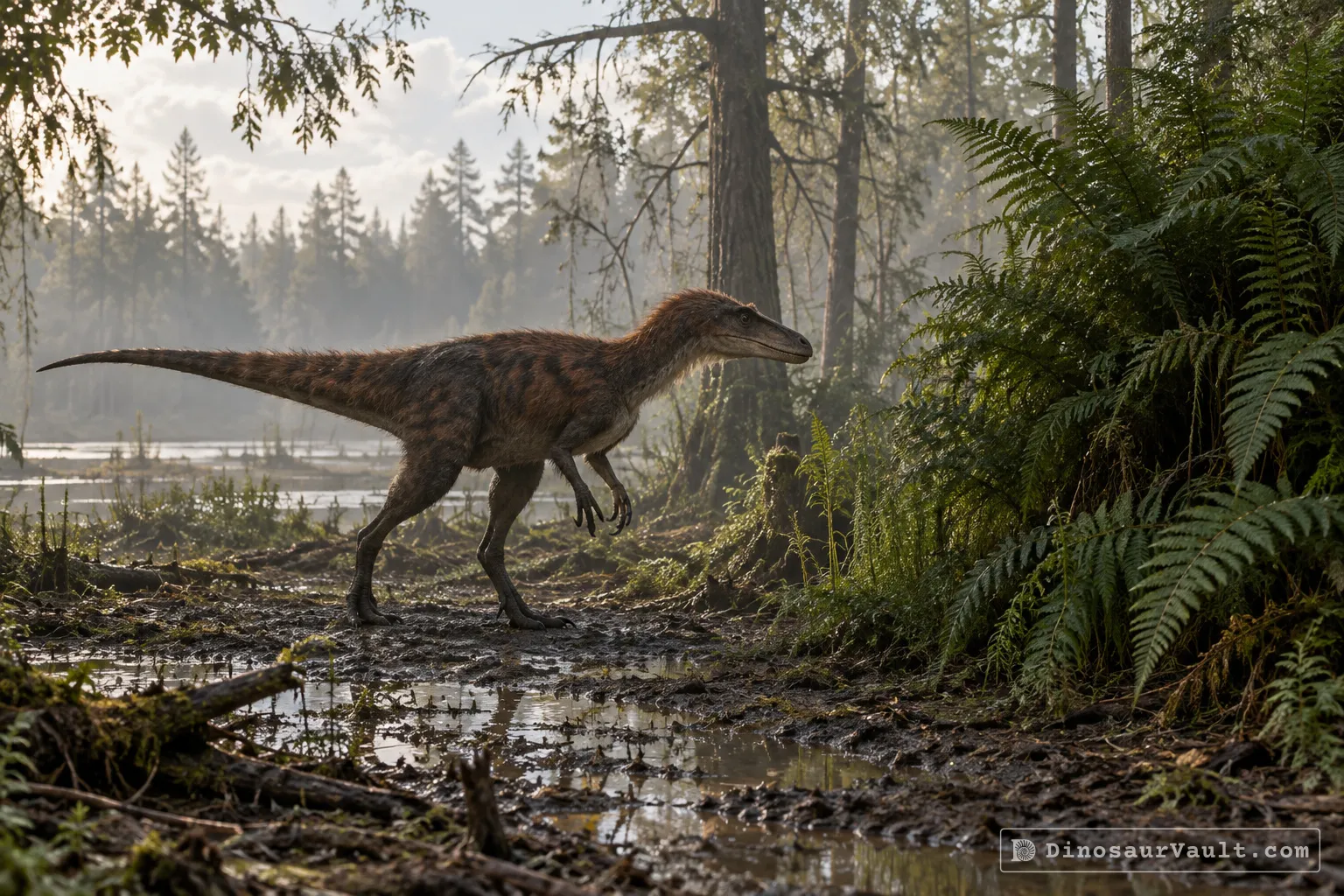
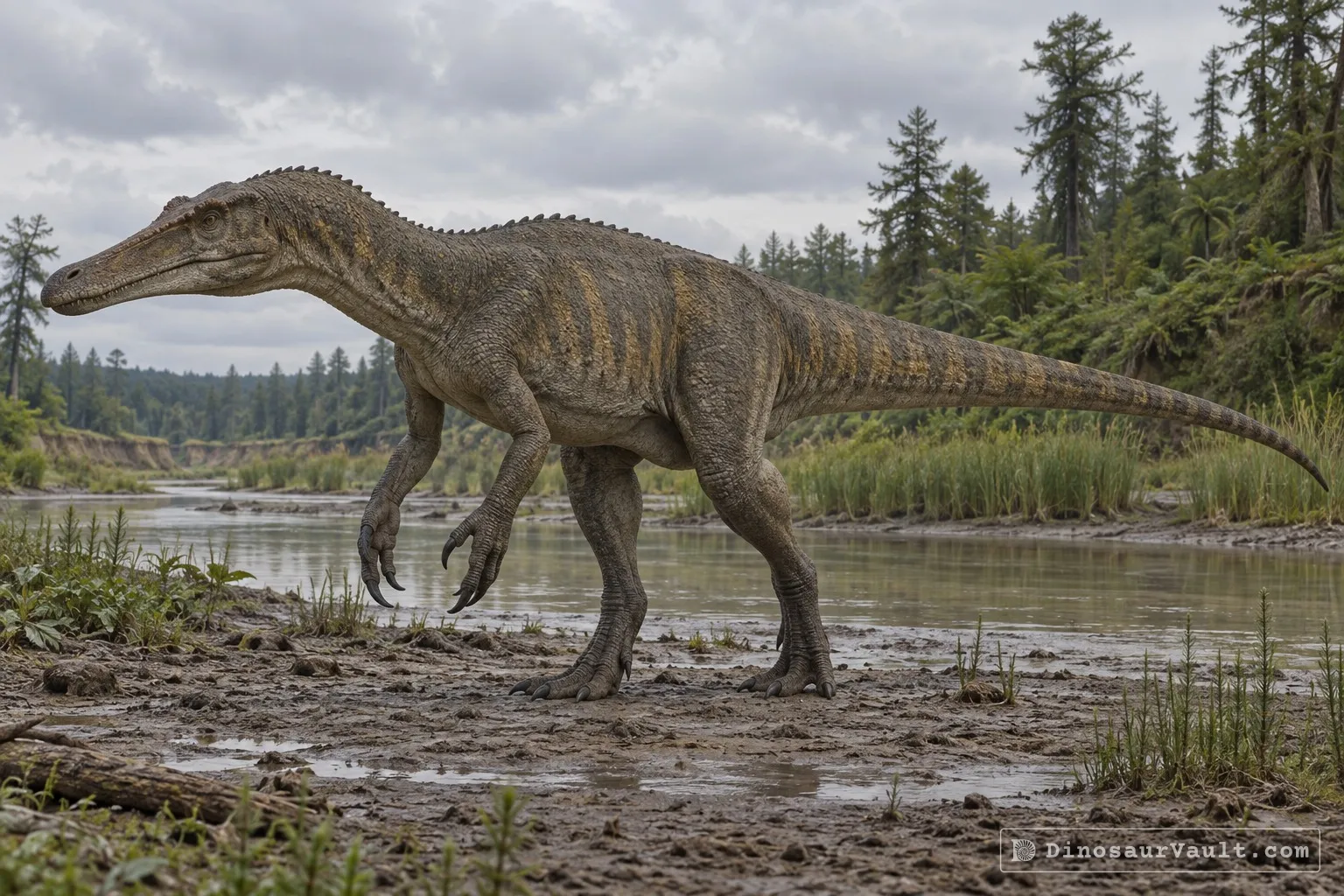
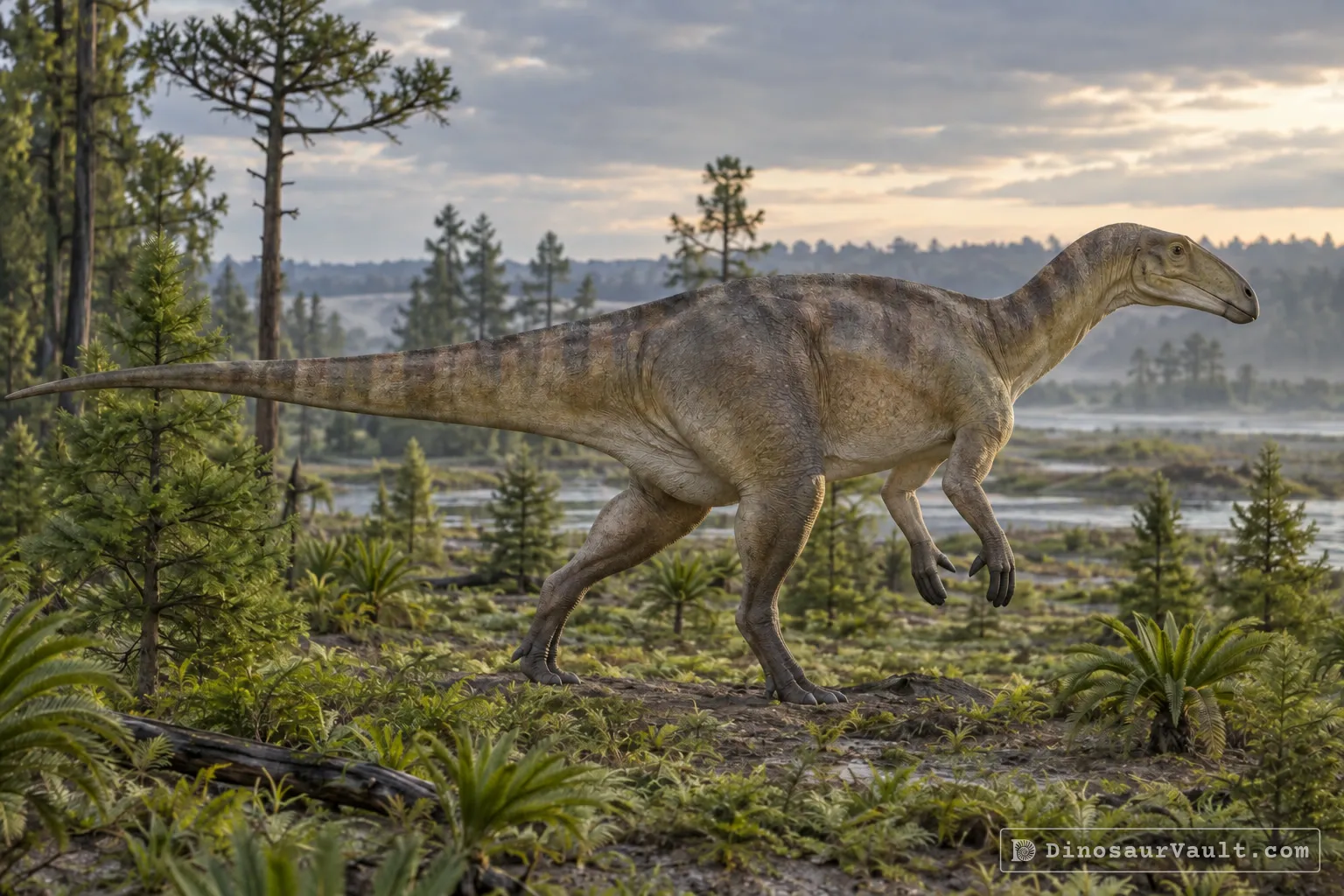


A rock formation can hold fossils laid down millions of years apart, so not every animal here met Riparovenator.
The evidence
The science behind Riparovenator
Which parts of the picture come from its own bones, and which come from its relatives.
From its own fossils
- The original fossils include the tip of the upper jaw, the braincase and bones from in front of the eye.
- A series of tail bones and a piece of the nose are also assigned to Riparovenator. The referred tail vertebrae have elongated bony spines.
Borrowed from relatives
- Its missing arms and hands are restored by comparison with Baryonyx and Suchomimus.
- The missing middle of its snout is compared with the jaws of Baryonyx and Suchomimus.
Still unknown
- Its complete body shape and size.
- Its skin covering and color.
- How much time it spent hunting in water.
Discovery timeline
- 2021Named itBarker et al.
- 2022Family treeSereno et al.
- 2023SkullsBarker et al.
Key papers
The research behind what we know of Riparovenator
Named it
Named Riparovenator and Ceratosuchops from skull remains and placed them near Suchomimus within the spinosaur family.
New spinosaurids from the Wessex Formation (Early Cretaceous, UK) and the European origins of Spinosauridae. Scientific Reports 11
Read the paper : New spinosaurids from the Wessex Formation (Early Cretaceous, UK) and the European origins of Spinosauridae (opens in a new tab)Family tree
Tentatively combined Riparovenator and Ceratosuchops as one species for a family-tree analysis, questioning their fossil associations and distinguishing skull features.
Spinosaurus is not an aquatic dinosaur. eLife 11
Read the paper : Spinosaurus is not an aquatic dinosaur (opens in a new tab)Skulls
Scans of Baryonyx and Ceratosuchops revealed brains and inner ears broadly similar to those of other large theropods.
Modified skulls but conservative brains? The palaeoneurology and endocranial anatomy of baryonychine dinosaurs (Theropoda: Spinosauridae). Journal of Anatomy 242: 1124-1145
Read the paper : Modified skulls but conservative brains? The palaeoneurology and endocranial anatomy of baryonychine dinosaurs (Theropoda: Spinosauridae) (opens in a new tab)
Close relatives
Other members of Spinosauridae


Sources: Wikidata