Outline: a typical ornithopod
Prosaurolophus
"before Saurolophus"
- Lived
- 84 to 72 million years ago, Late Cretaceous
- Diet
- Herbivore
- Length
- about 7.6 m (25 ft)
- Group
- Ornithopods, Hadrosauridae
- Found in
- Canada and United States
- Named by
- Brown 1916
Size comparison
To scale

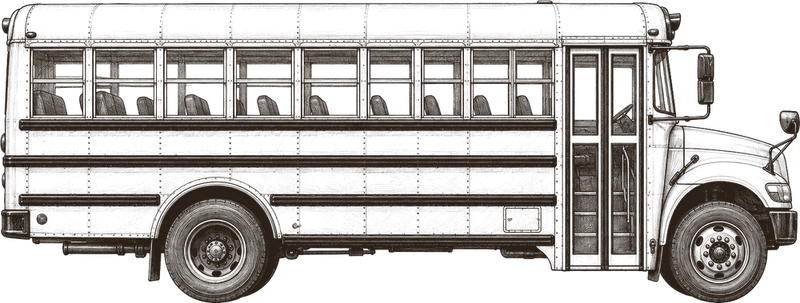
Scale in metersOutline: typical ornithopod shape
Where its fossils were found
The evidence
Today
80 million years ago
Field notes
About Prosaurolophus
What it was like
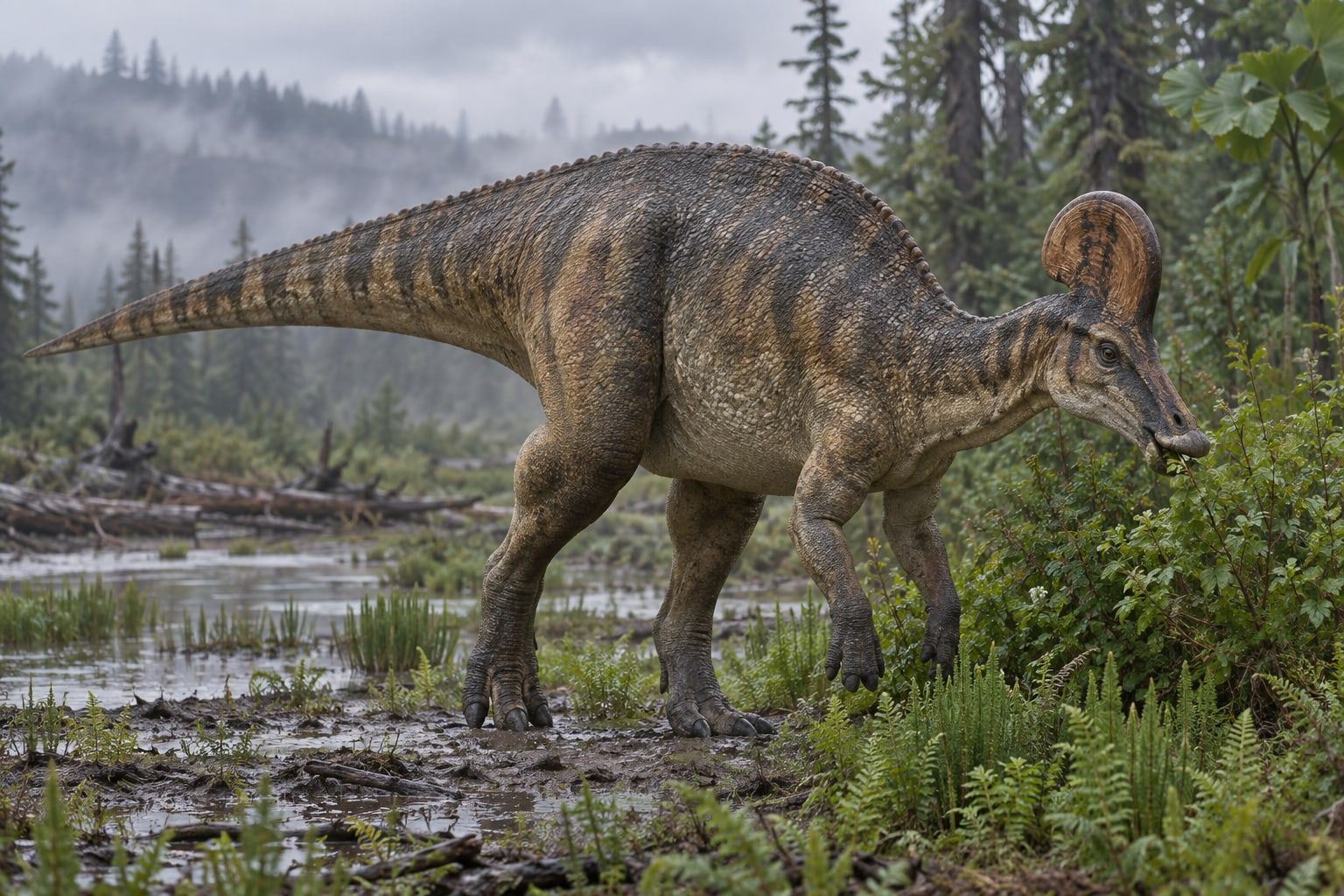
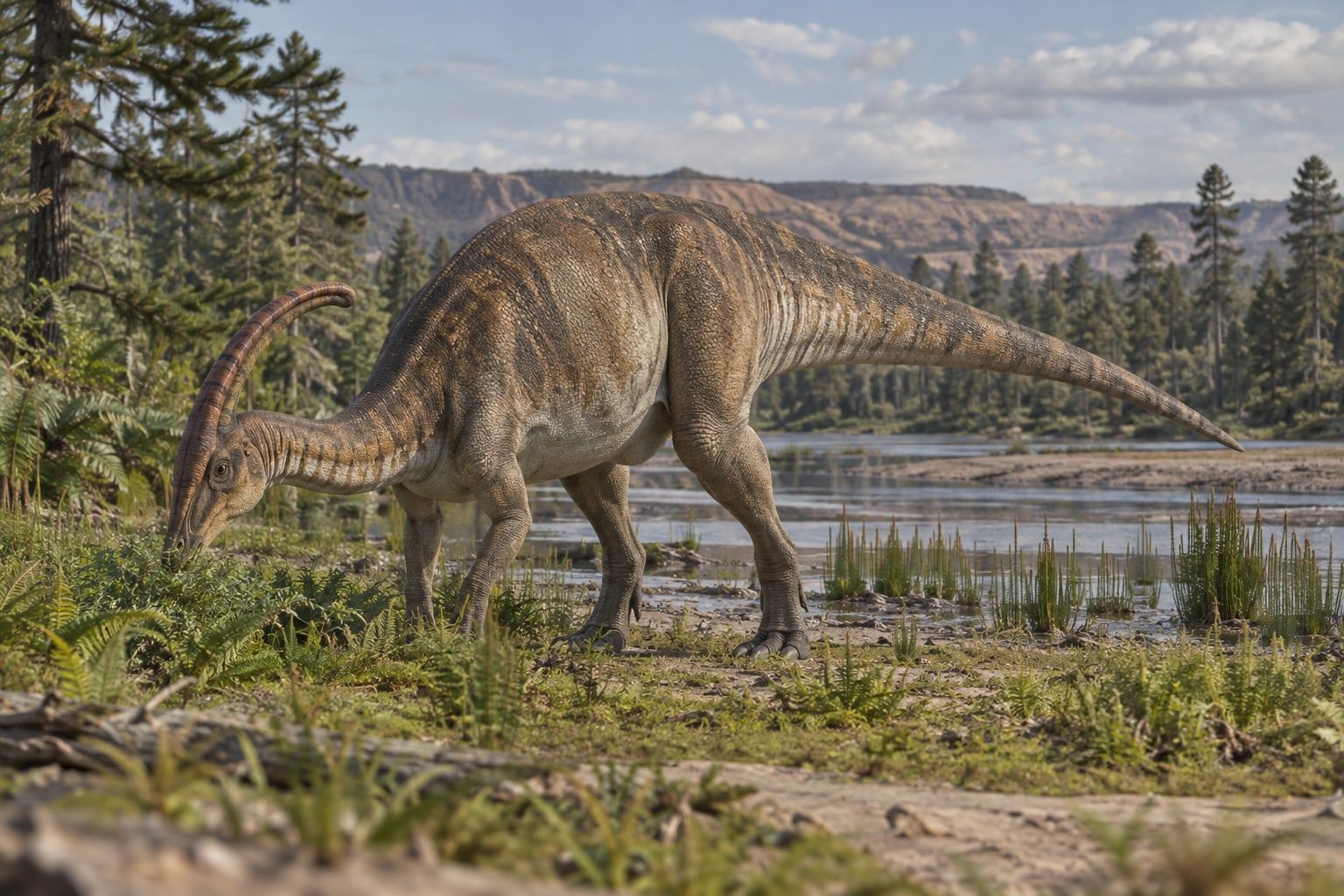
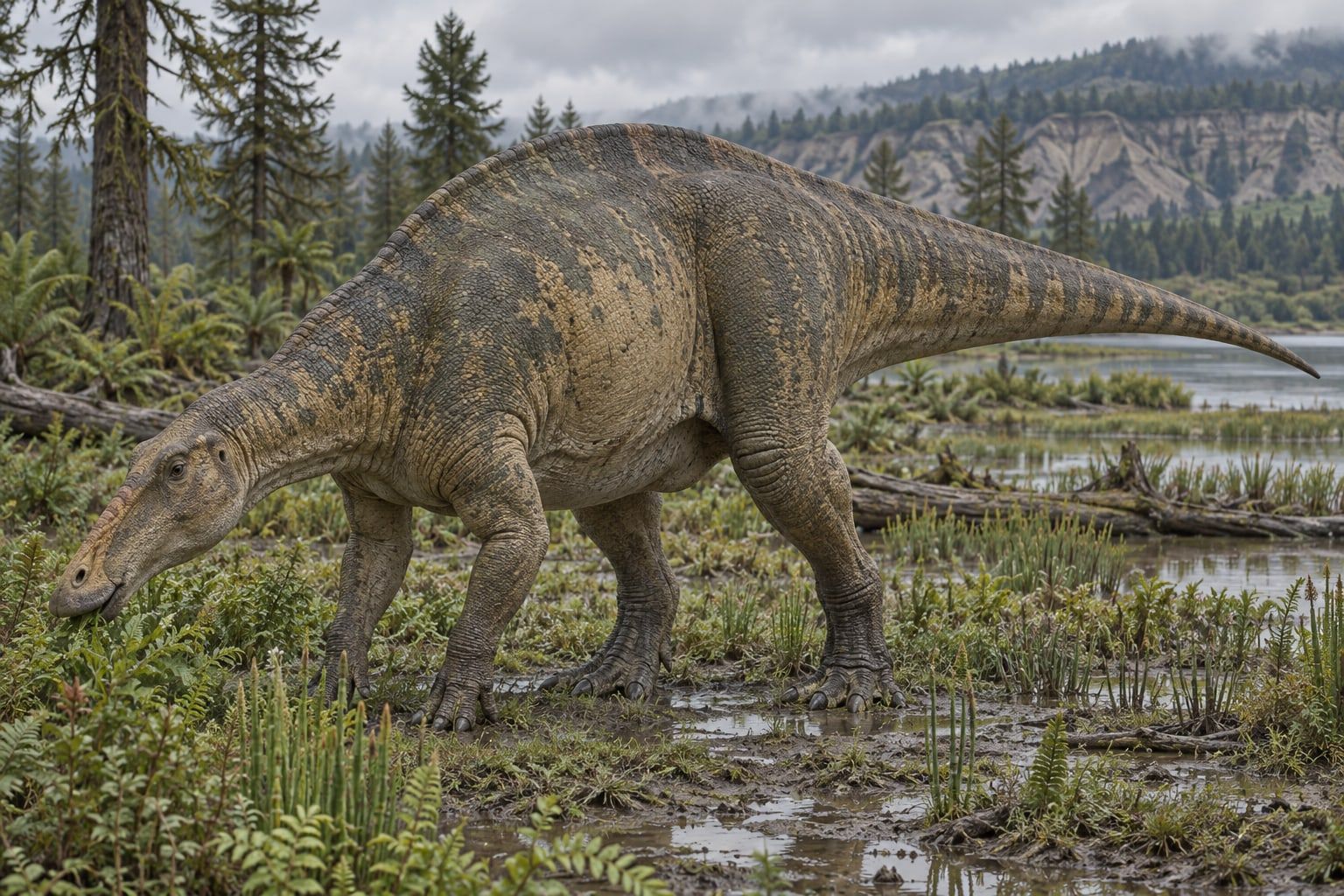
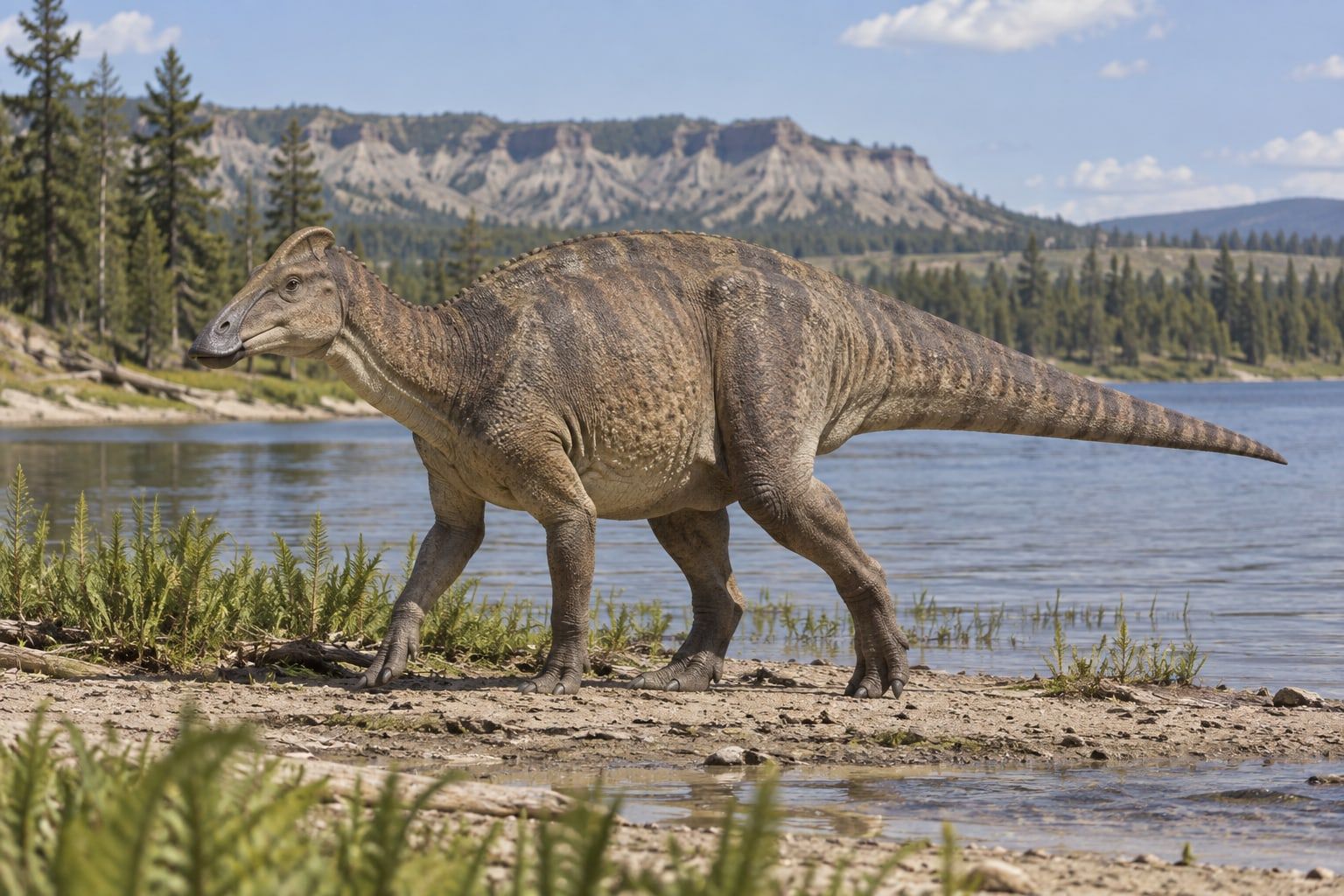
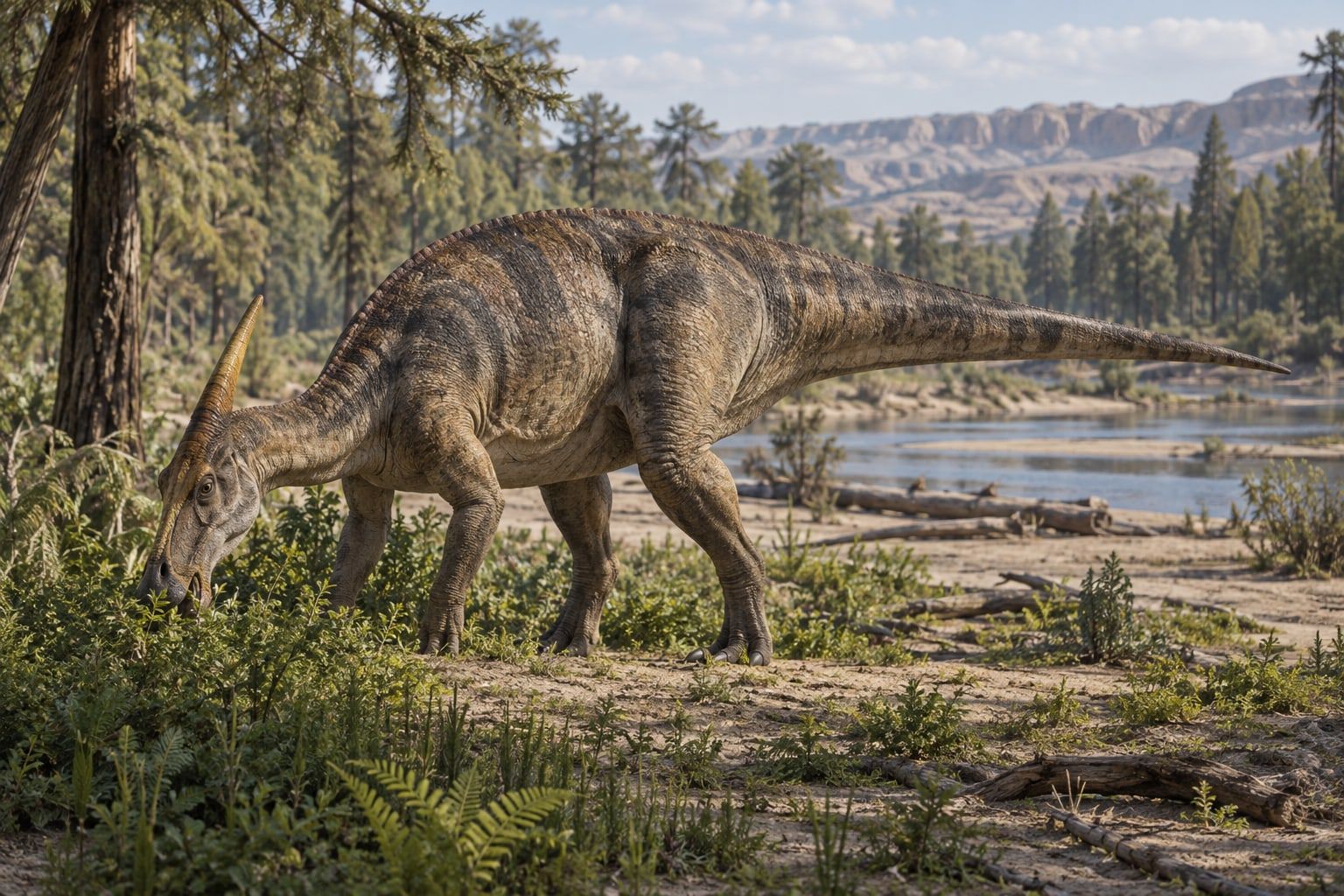
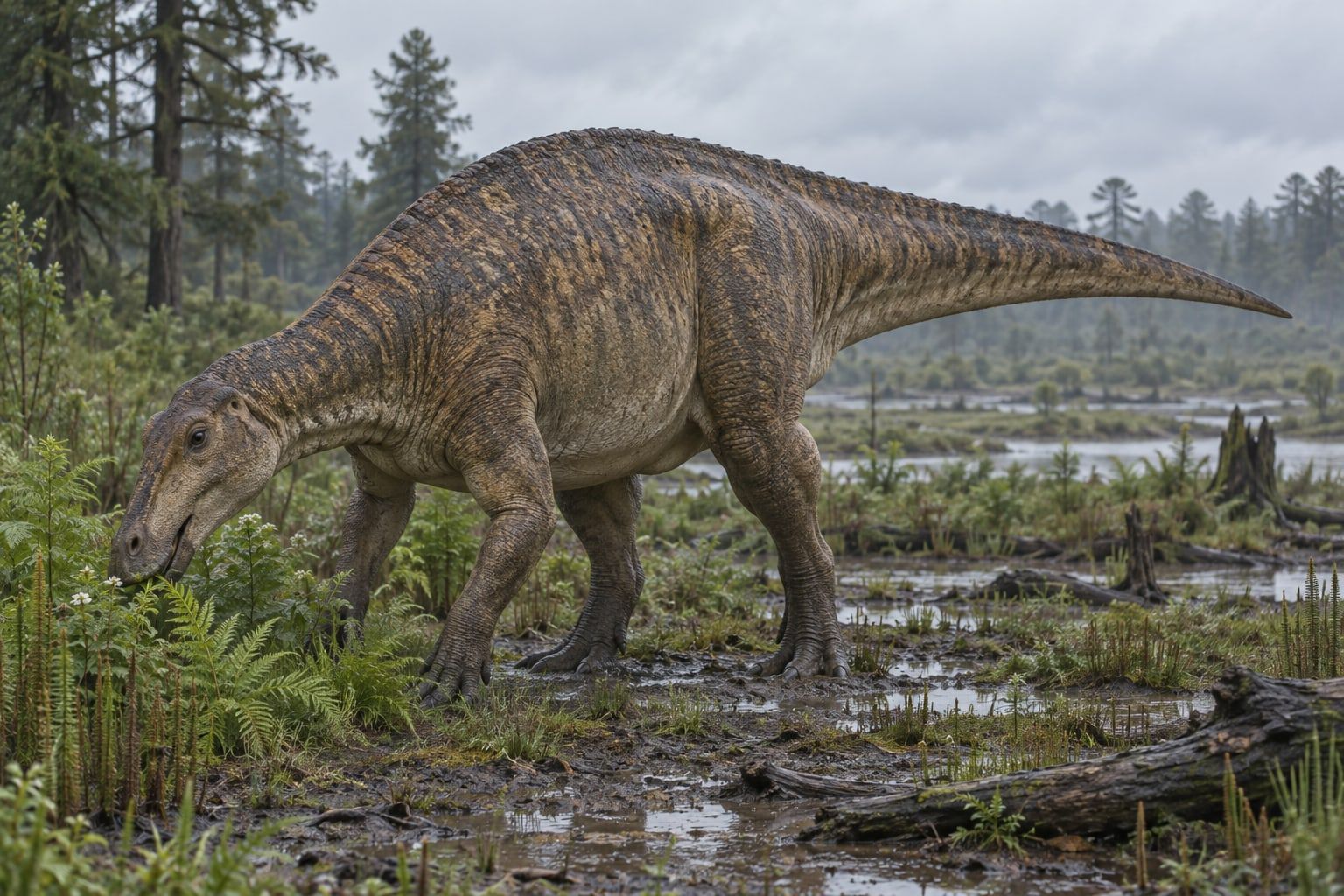
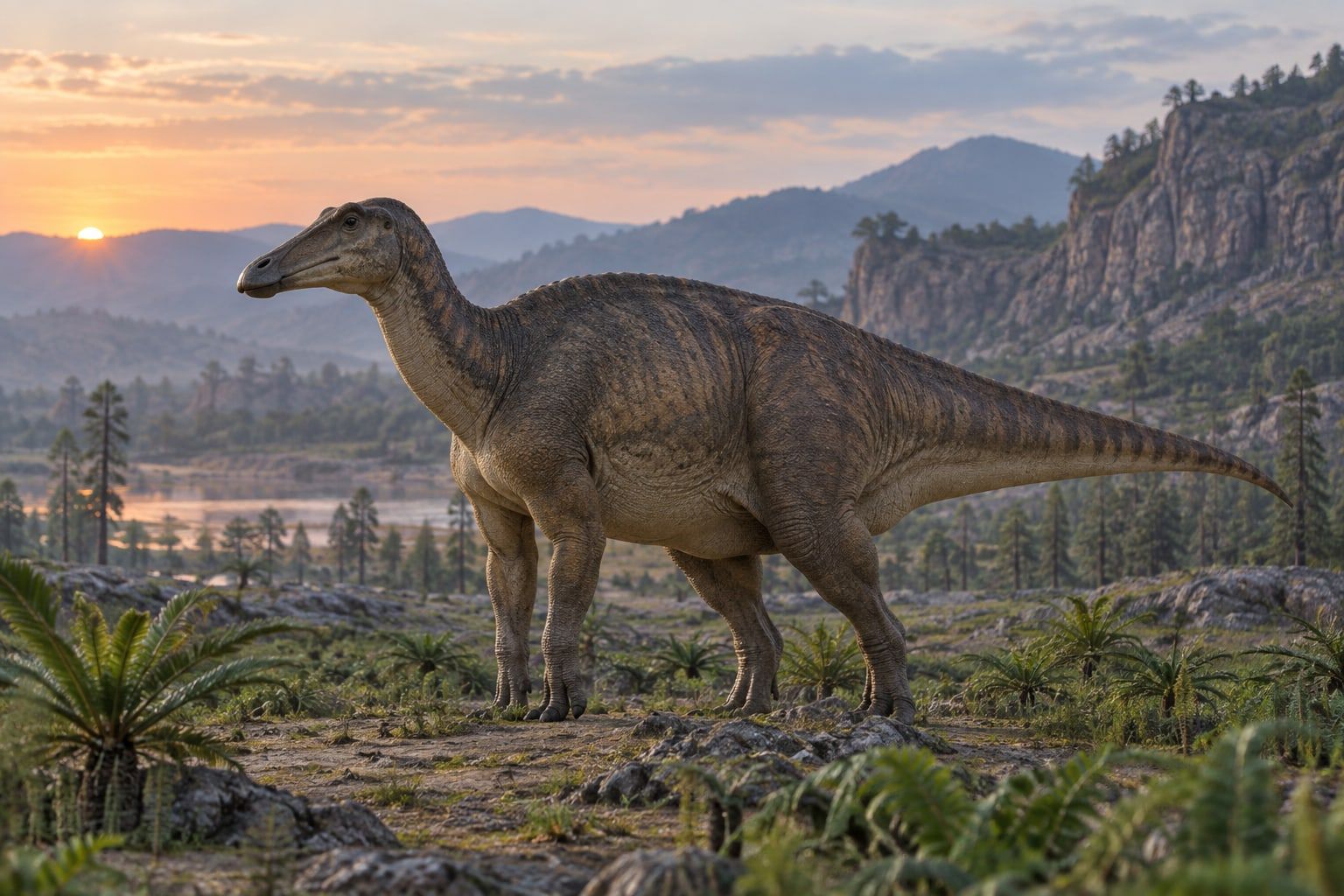
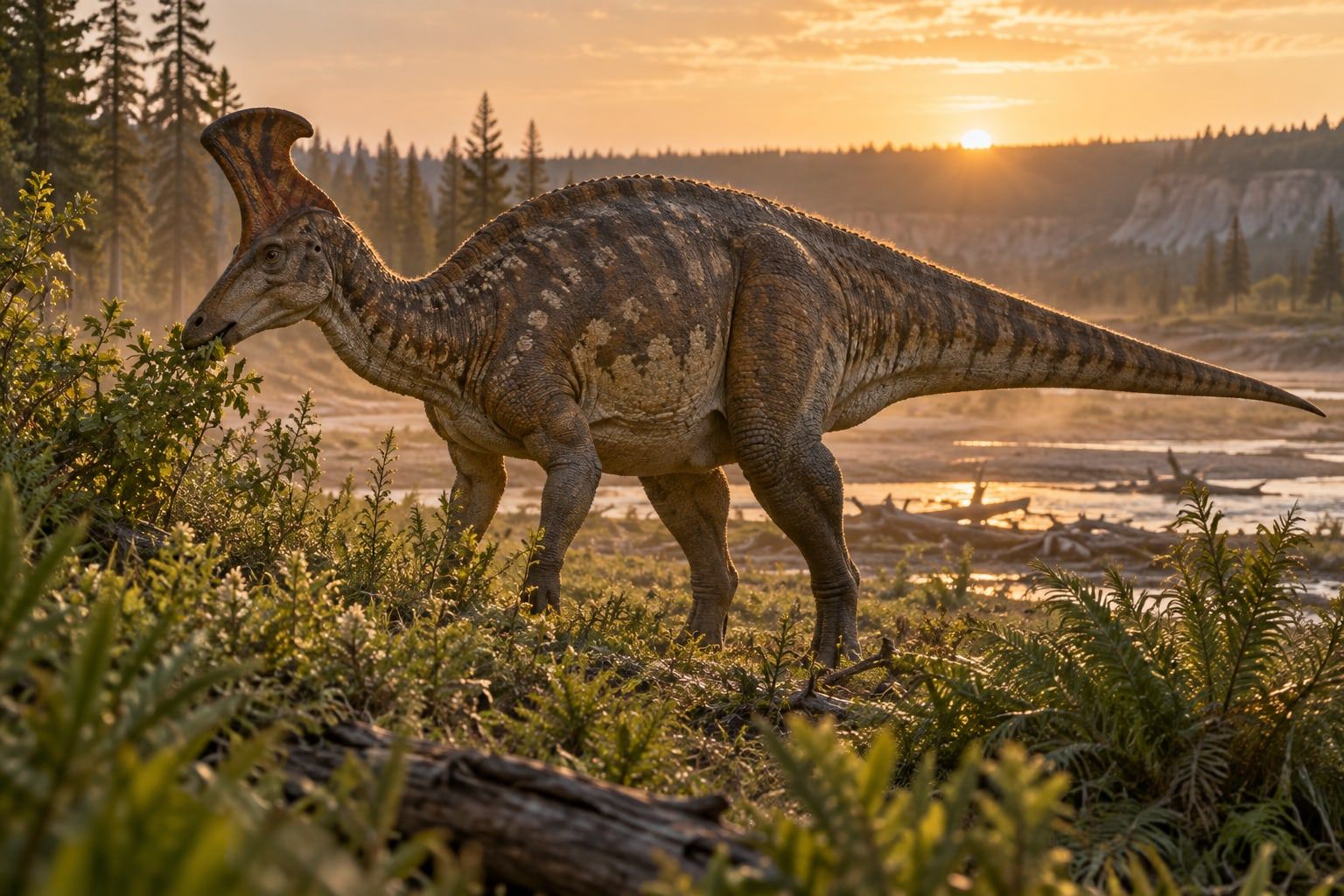
Prosaurolophus was a duck-billed plant eater about 7.6 meters (25 feet) long. It had a small, solid crest rising at the top of its snout, in front of its eyes. It is thought to be an ancestor or close relative of Saurolophus, which had a longer, spike-like crest.
Its world
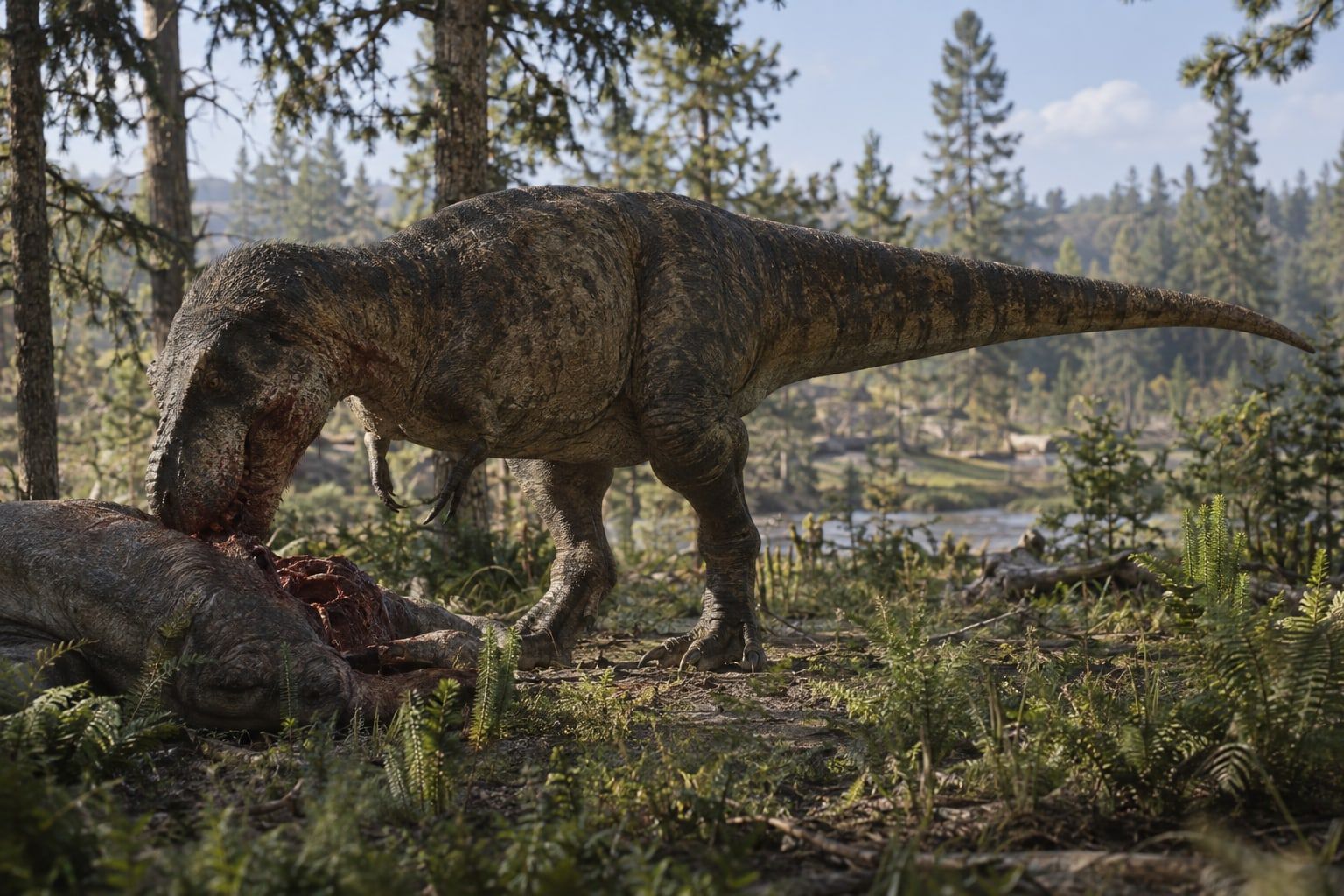
It lived about 84 to 72 million years ago, in the Late Cretaceous, in what is now Alberta, Canada, and Montana, in the United States. Its bones come from the Dinosaur Park Formation, the Two Medicine Formation and the Bearpaw Shale, where it lived alongside the duck-billed Gryposaurus and Corythosaurus and the tyrannosaur Daspletosaurus.
How it was found
Brown named Prosaurolophus in 1916. It is known from 15 finds, including several skulls, so scientists have been able to study how it changed as it grew.
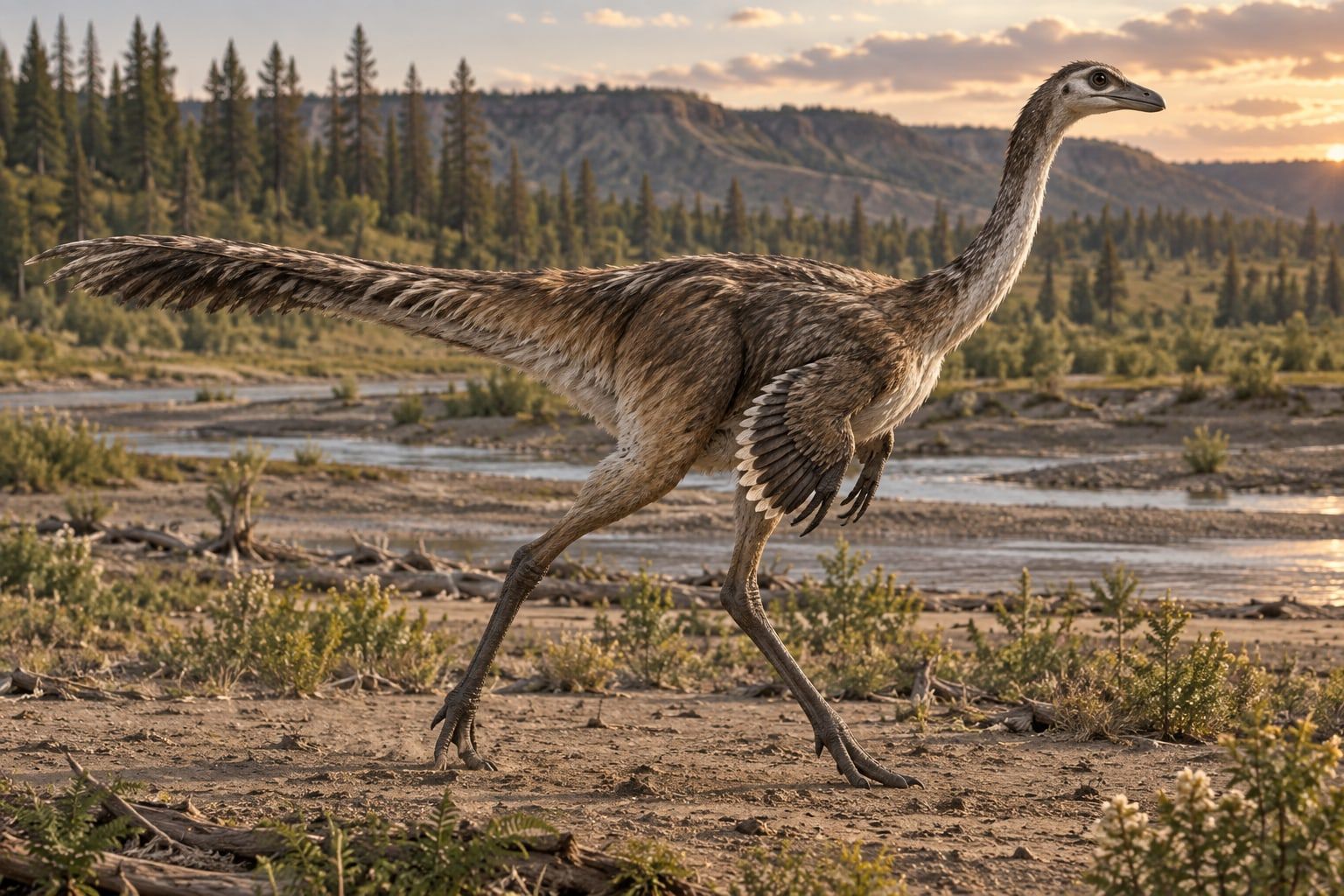
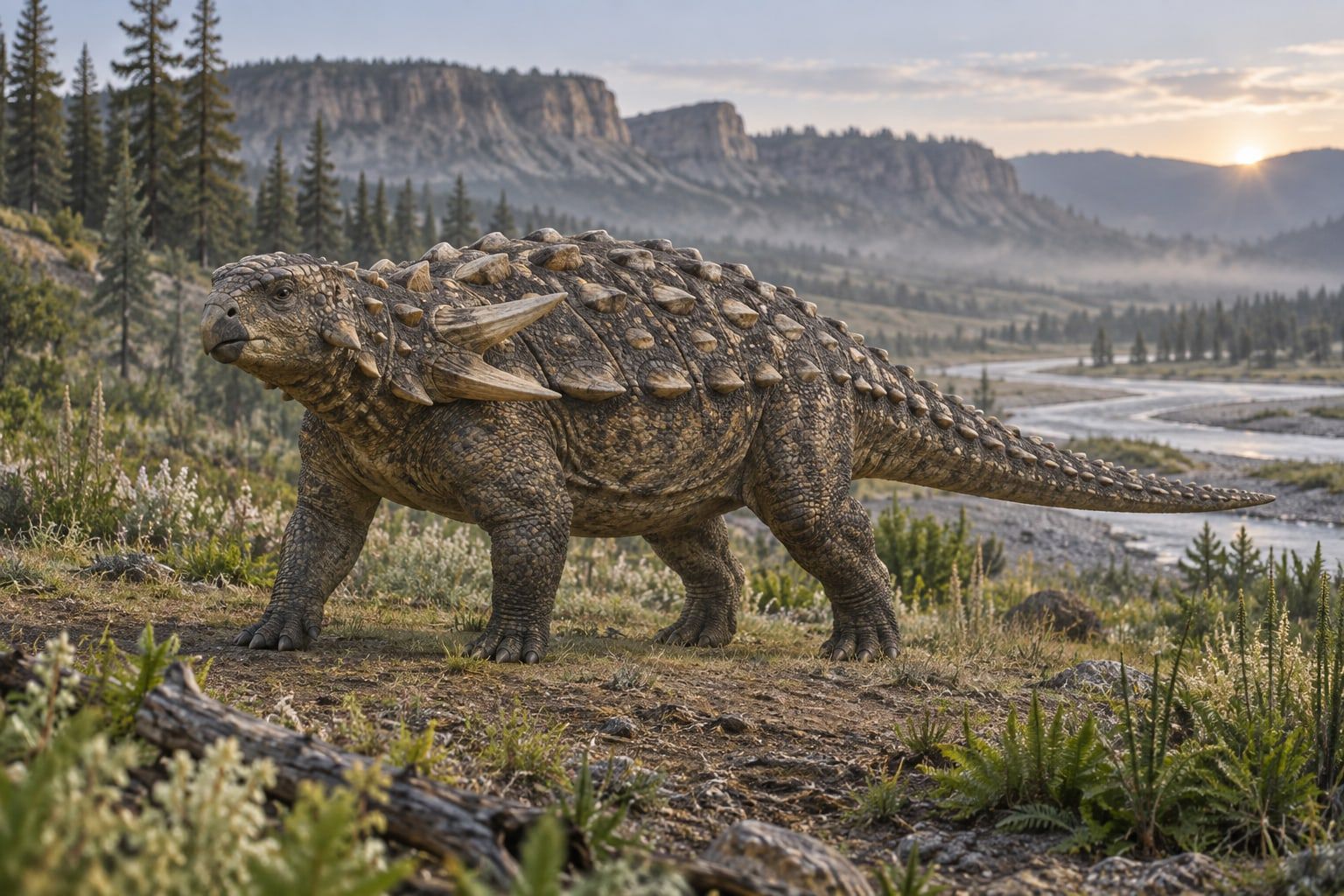
Lived alongside
Found in the same rock formations
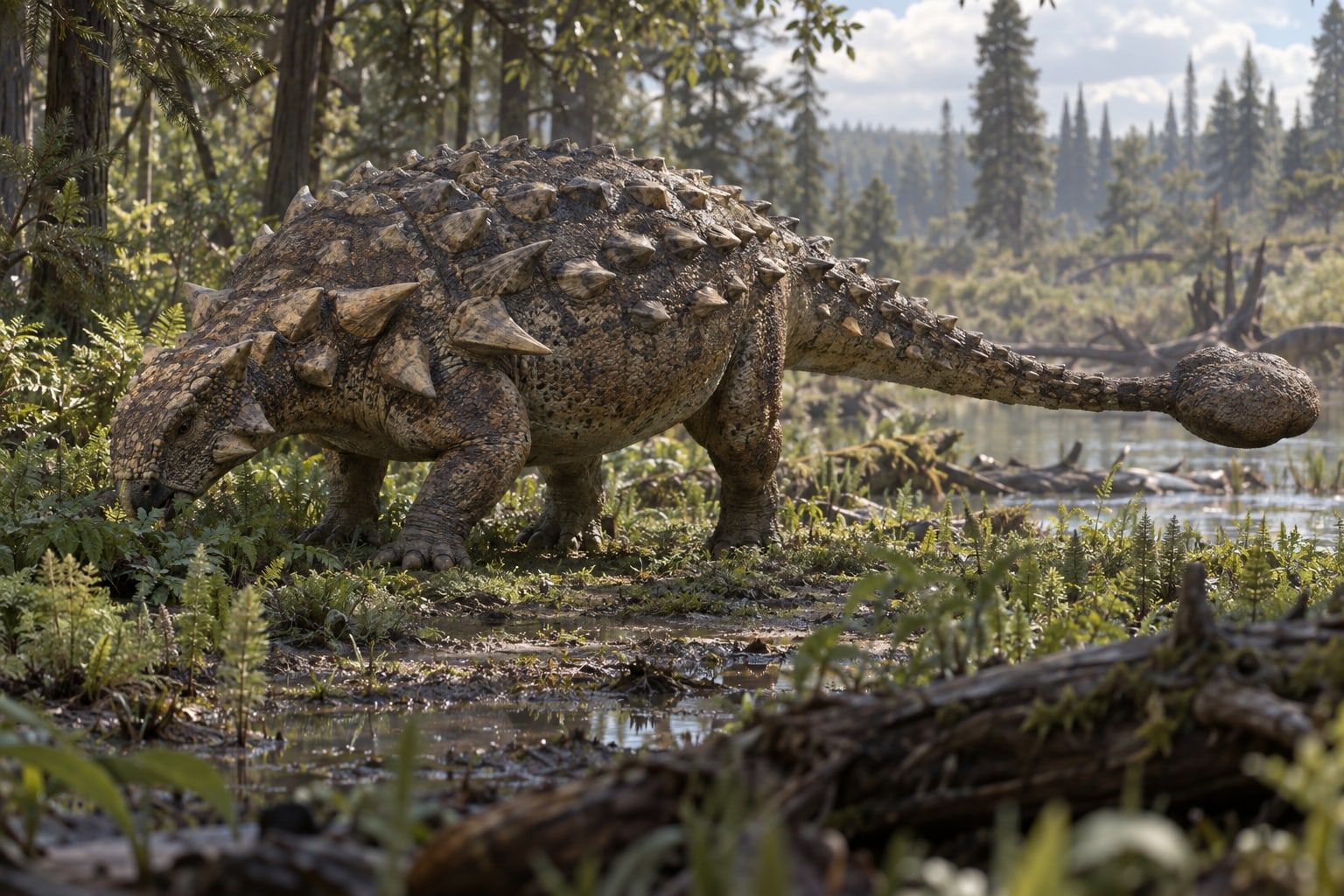
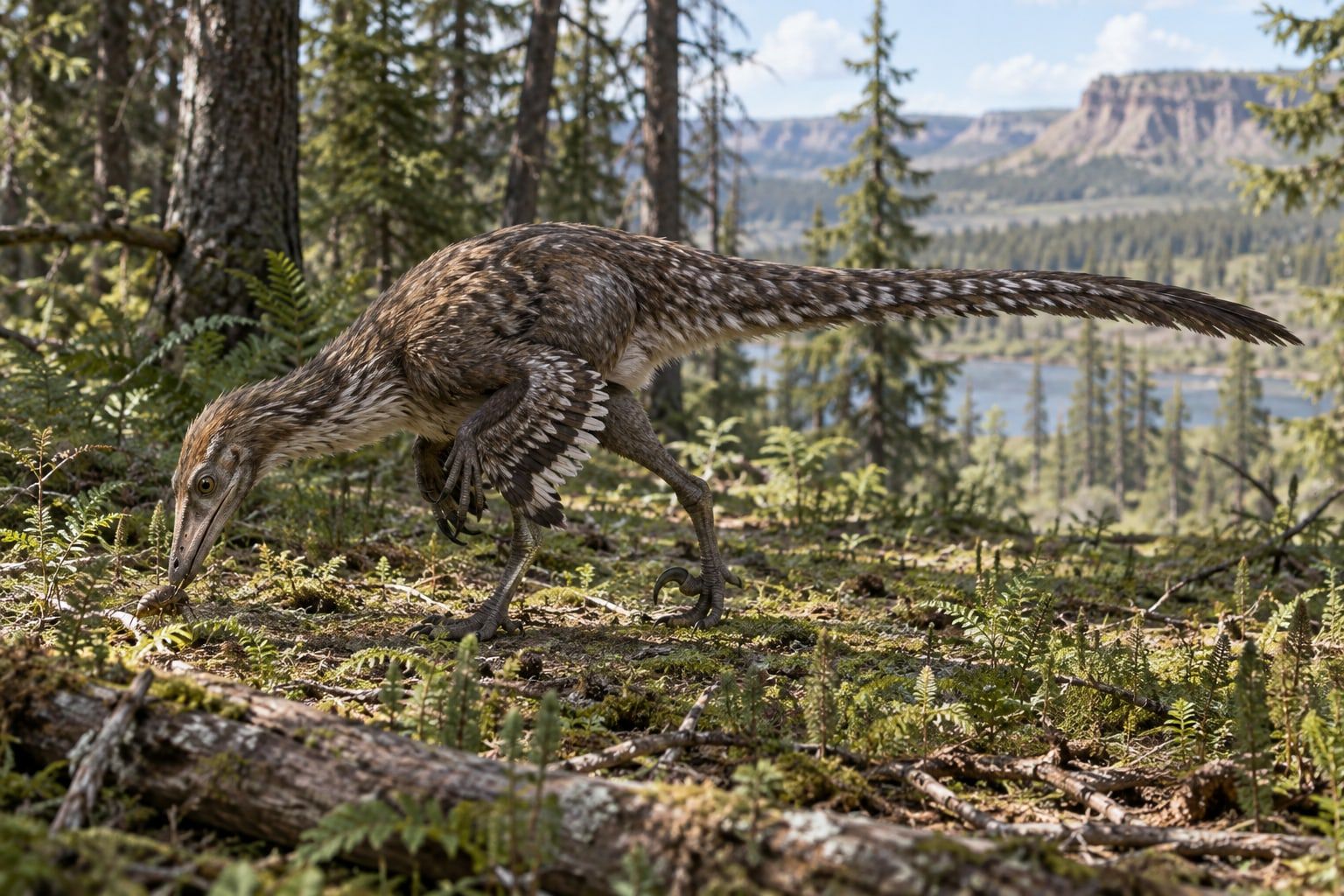
Close relatives
Other members of Hadrosauridae
Sources: WikidataNamed in: B. Brown. 1916. A new crested trachodont dinosaur, Prosaurolophus maximus. Bulletin of the American Museum of Natural History 35(37):701-708