Probrachylophosaurus
"before Brachylophosaurus"
- Lived
- 84 to 72 million years ago, Late Cretaceous
- Diet
- Herbivore
- Group
- Ornithopods, Hadrosauridae
- Found in
- United States
- Named by
- Freedman Fowler and Horner 2015
Where its fossils were found
The evidence
Today

80 million years ago
Habitat
It lived on a river plain in what is now Montana. The Judith River Formation also preserves Daspletosaurus, Gorgosaurus and Centrosaurus.
Field notes
About Probrachylophosaurus
What it was like
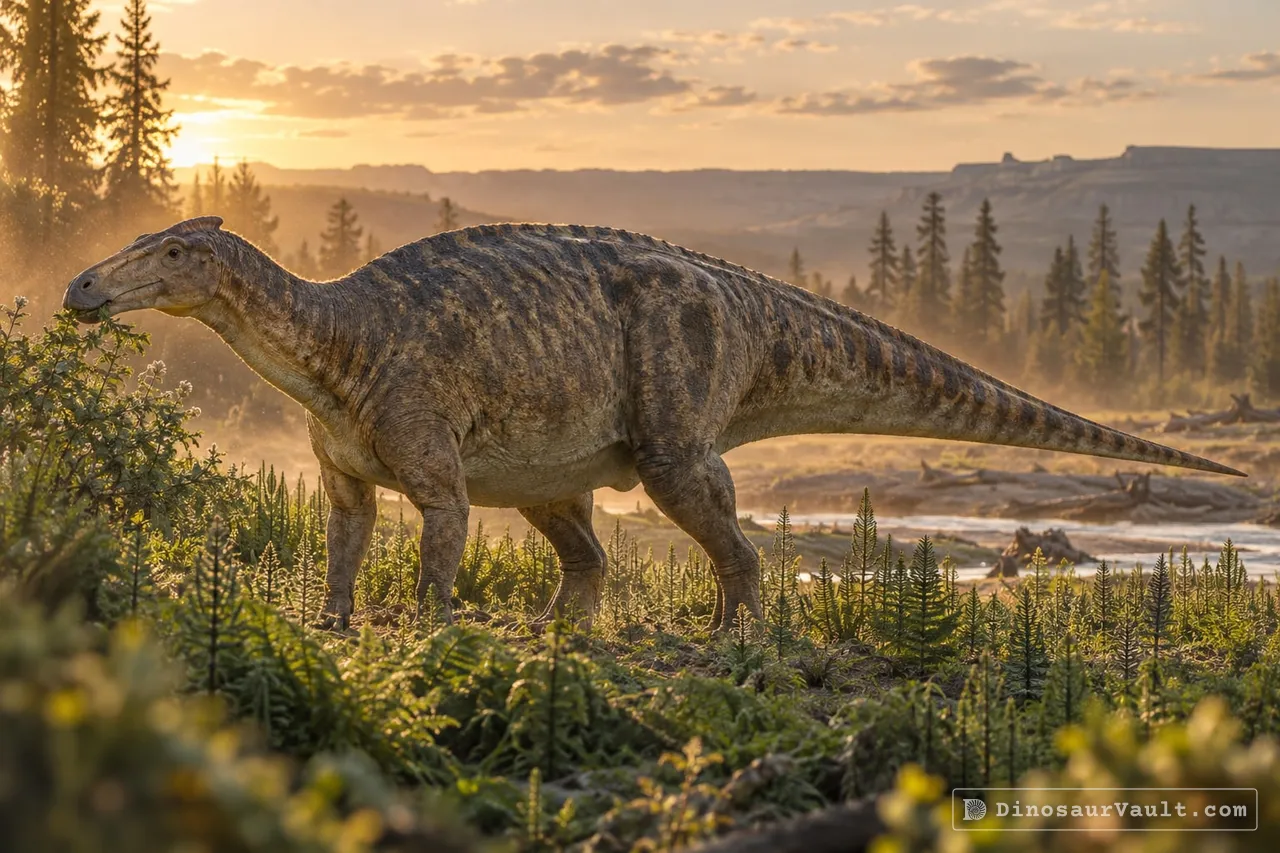
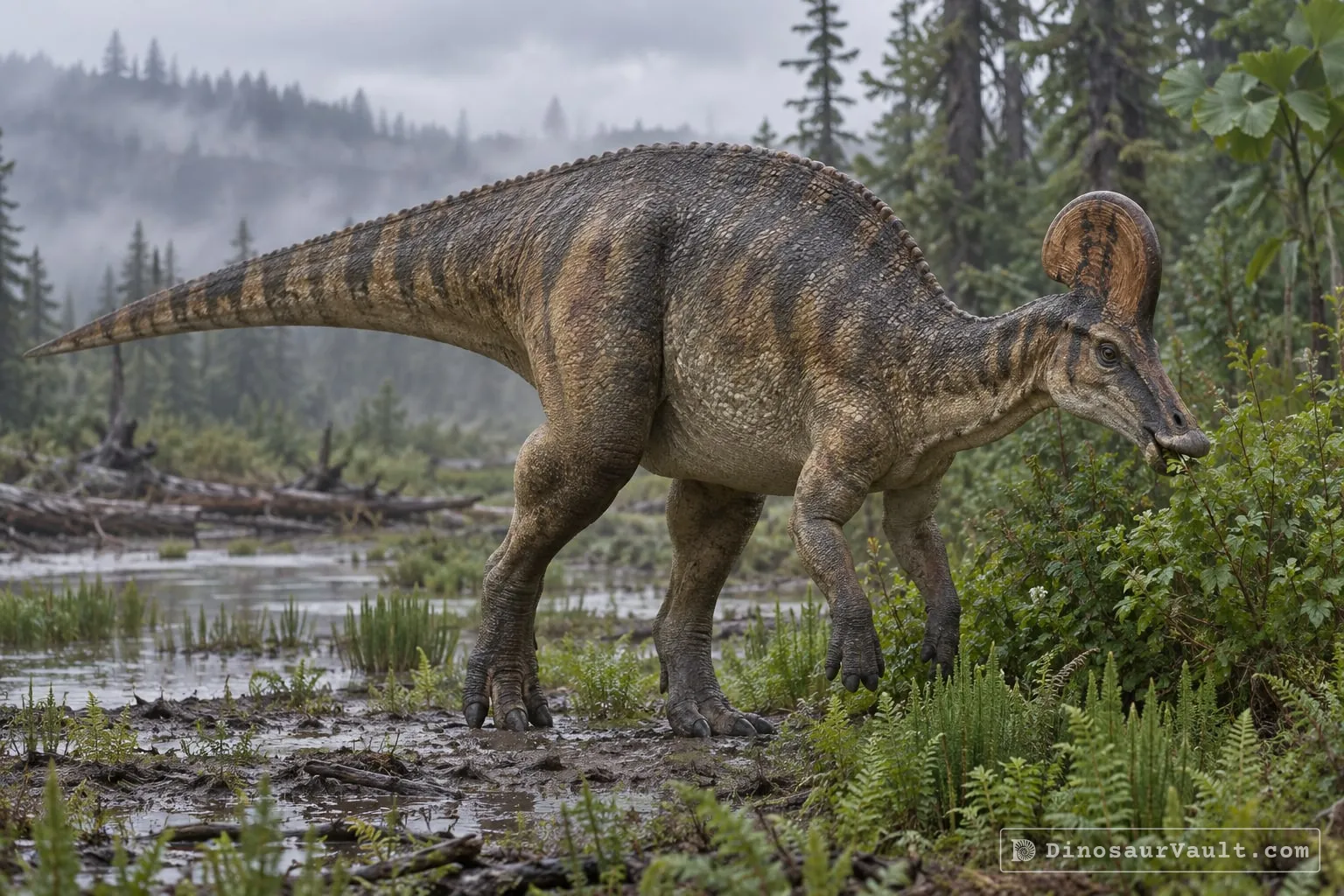
Probrachylophosaurus was a duckbill with a short, solid crest on top of its head, triangular in cross-section. It seems to sit between older duckbills with no crest and Brachylophosaurus, which had a broad, flat crest, so it may show how that crest evolved.
Its world
It lived in the Late Cretaceous, in what is now Montana. It comes from the Judith River Formation, where it shared the land with the tyrannosaurs Daspletosaurus and Gorgosaurus and the horned Centrosaurus.
How it was found
Freedman Fowler and Horner named Probrachylophosaurus in 2015, from a skull and partial skeleton.
Field gallery
More views of Probrachylophosaurus
Scenes reconstructed from the available fossil evidence.
1 of 3
Lived alongside
Found in the same rock formations
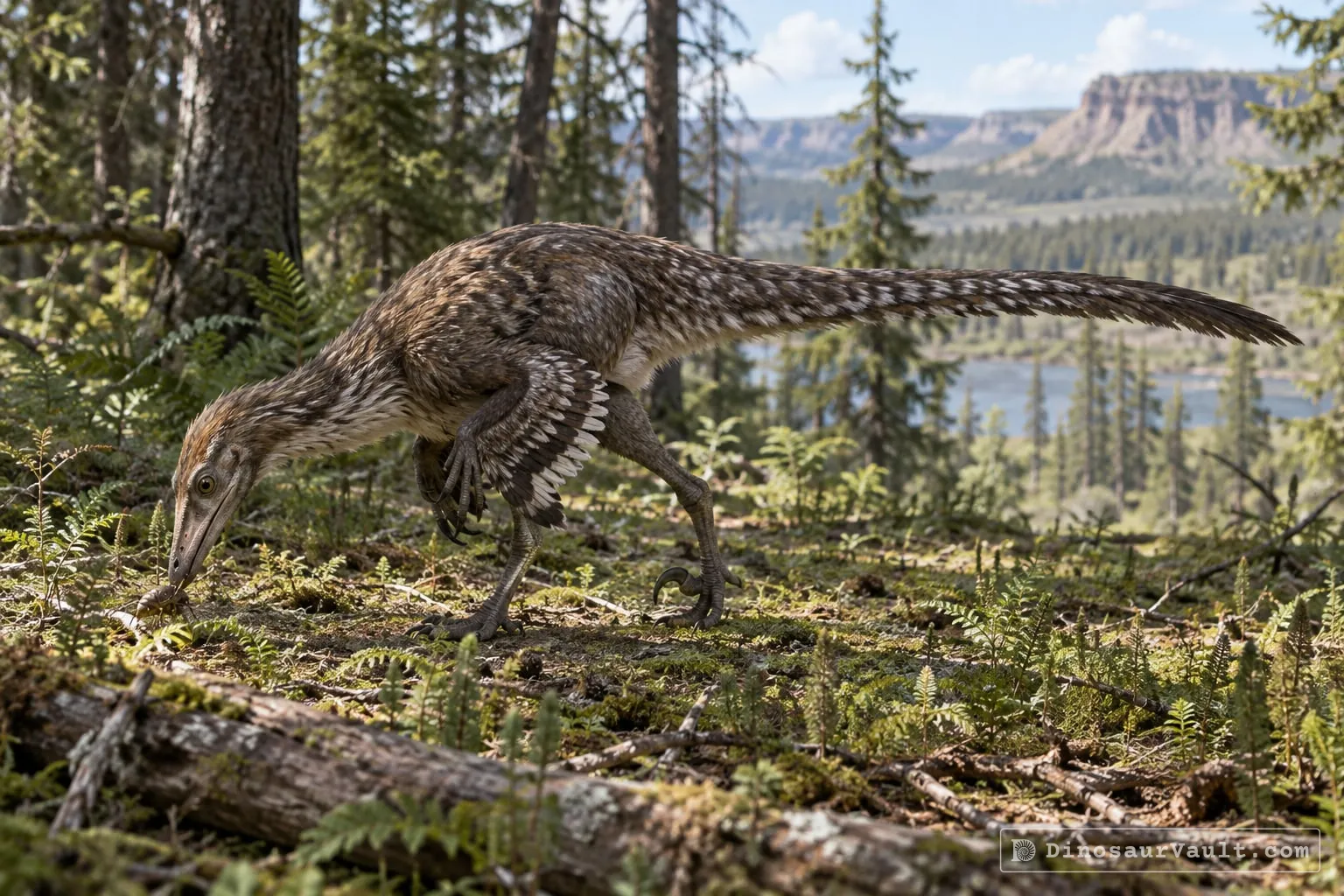
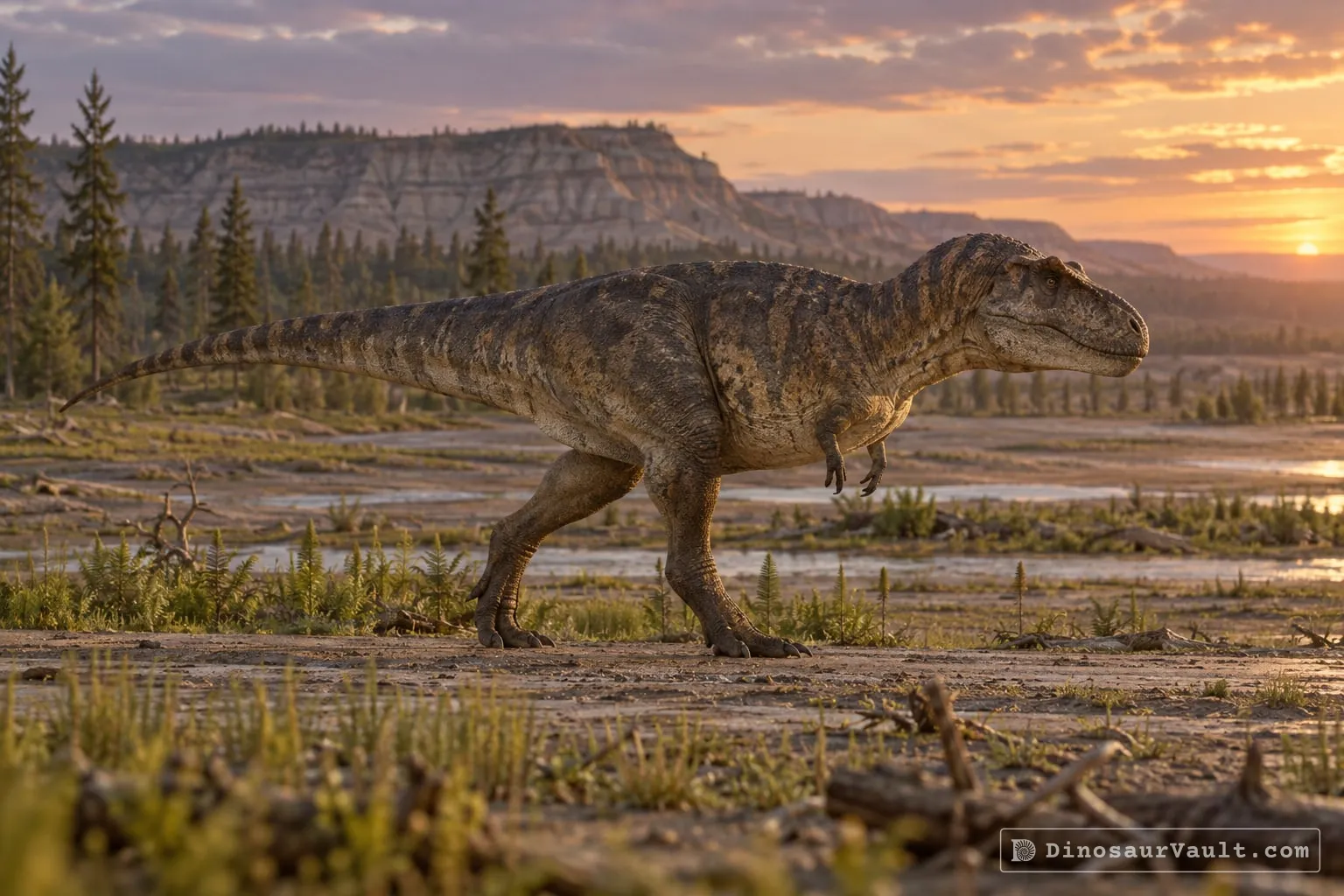
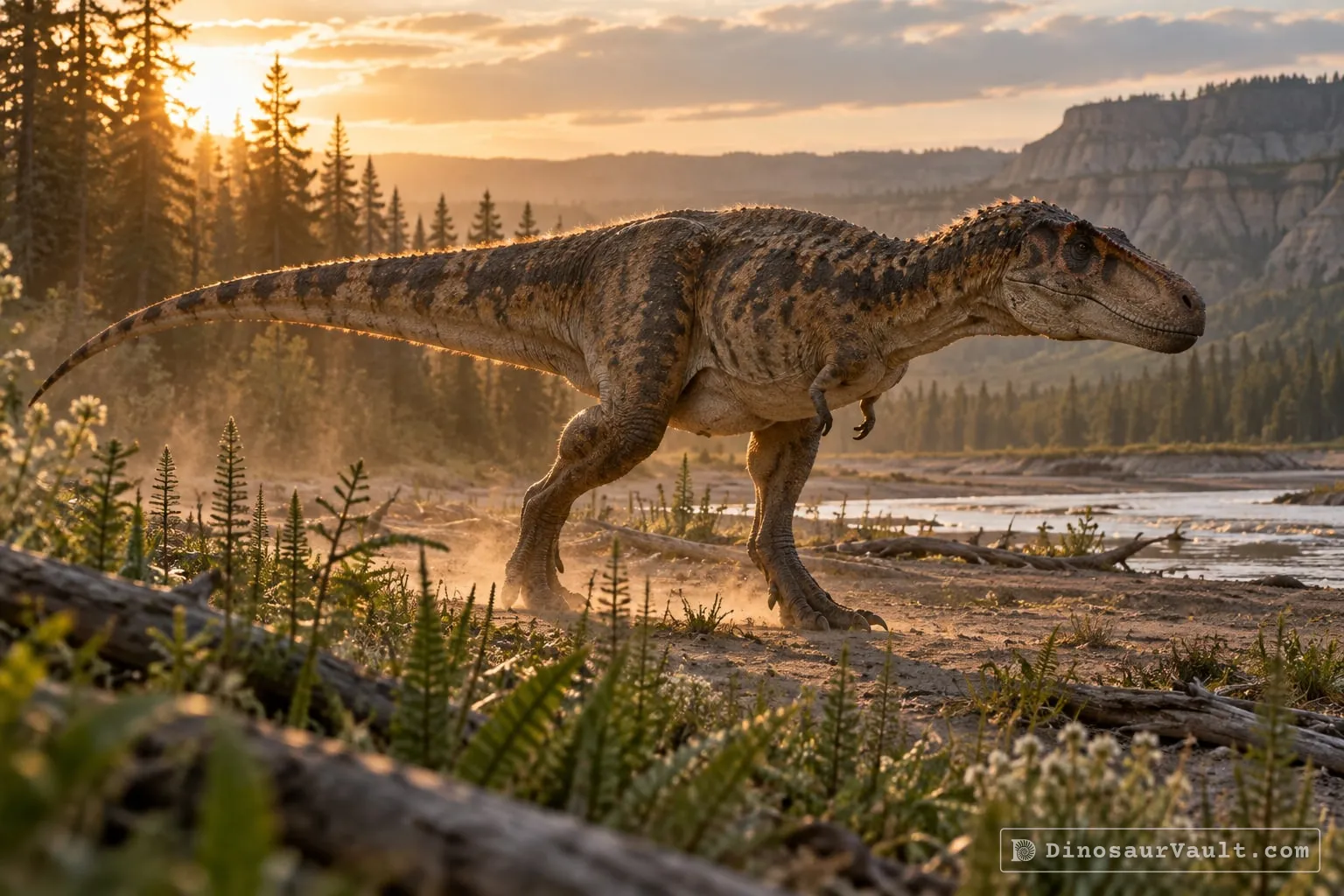
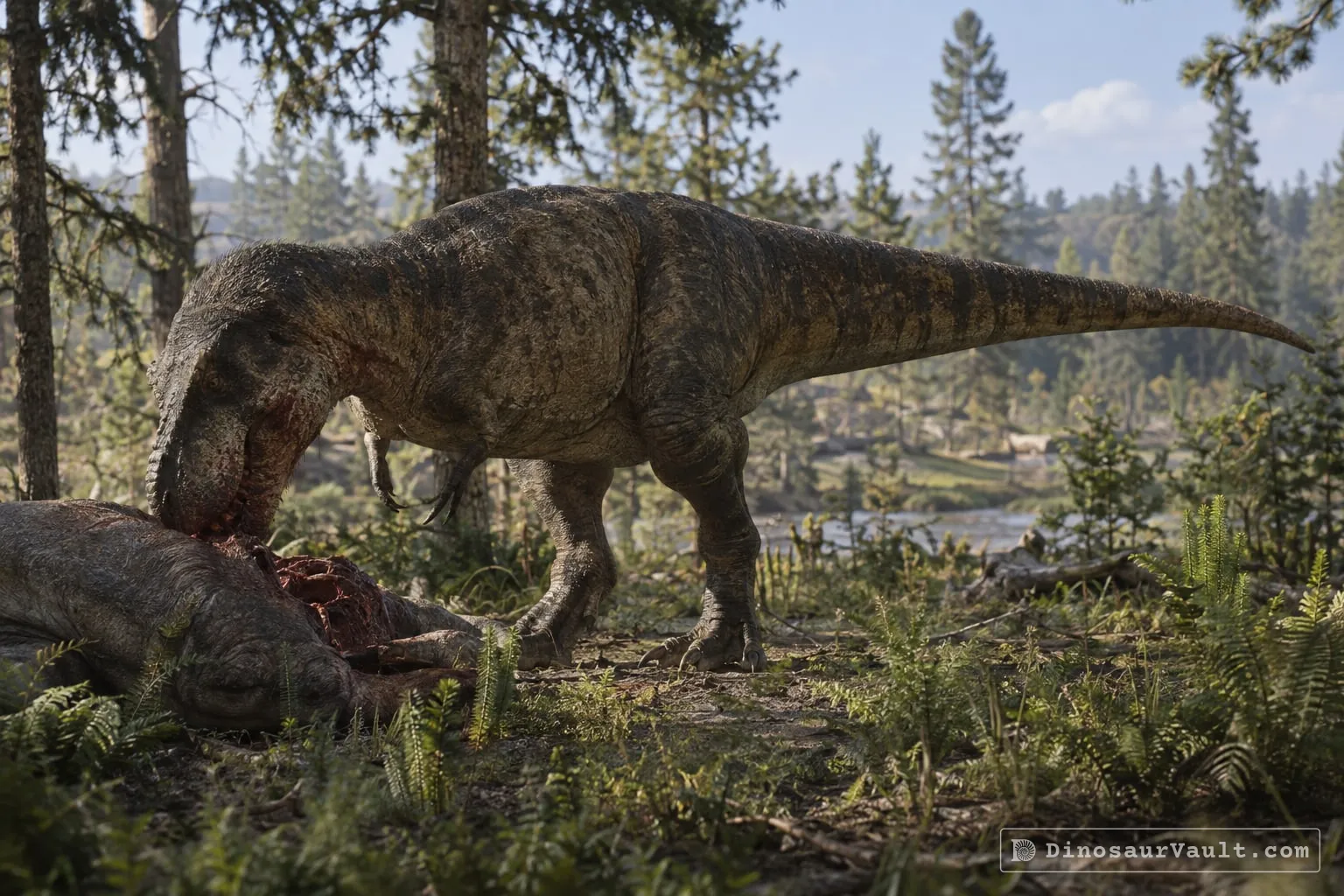
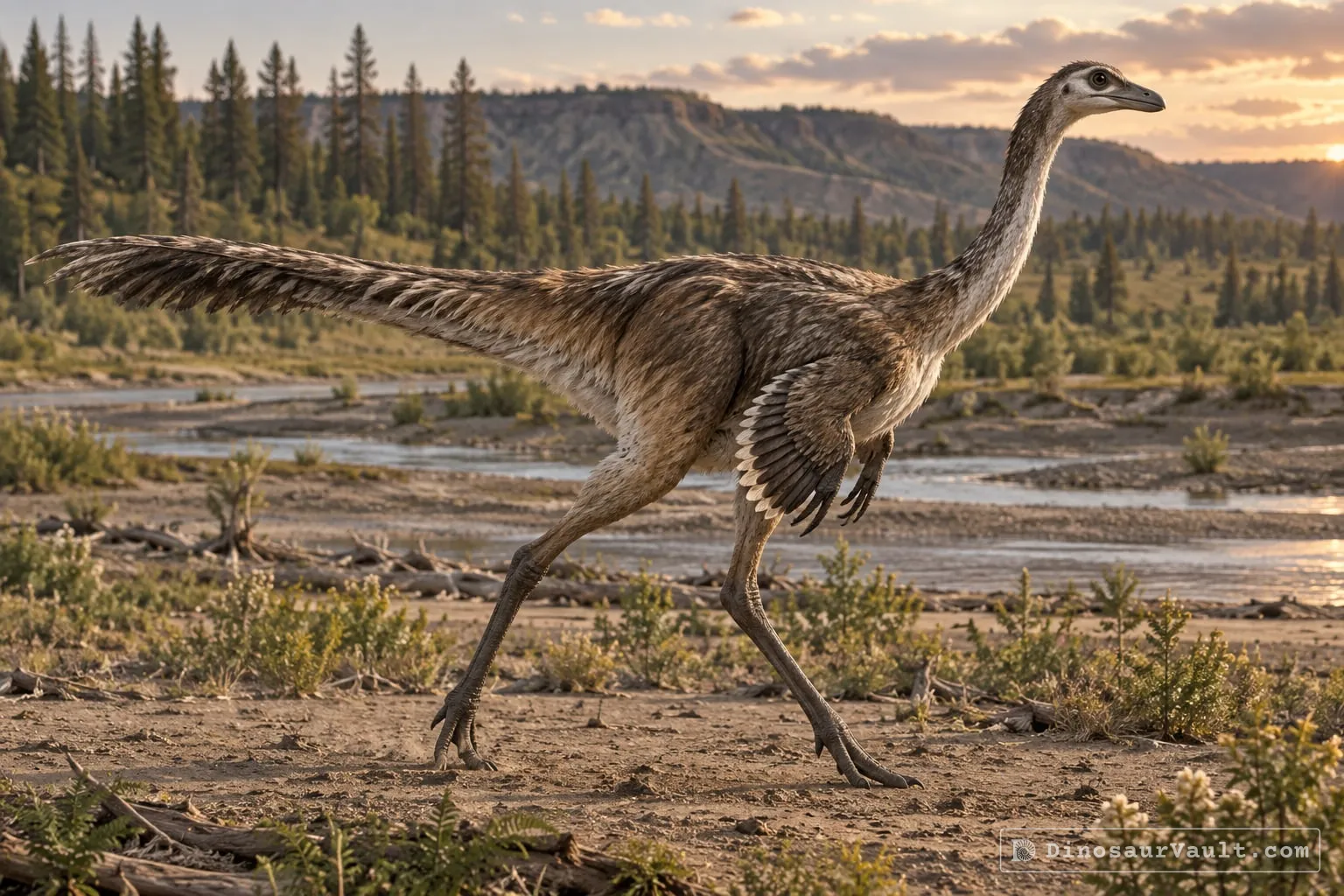
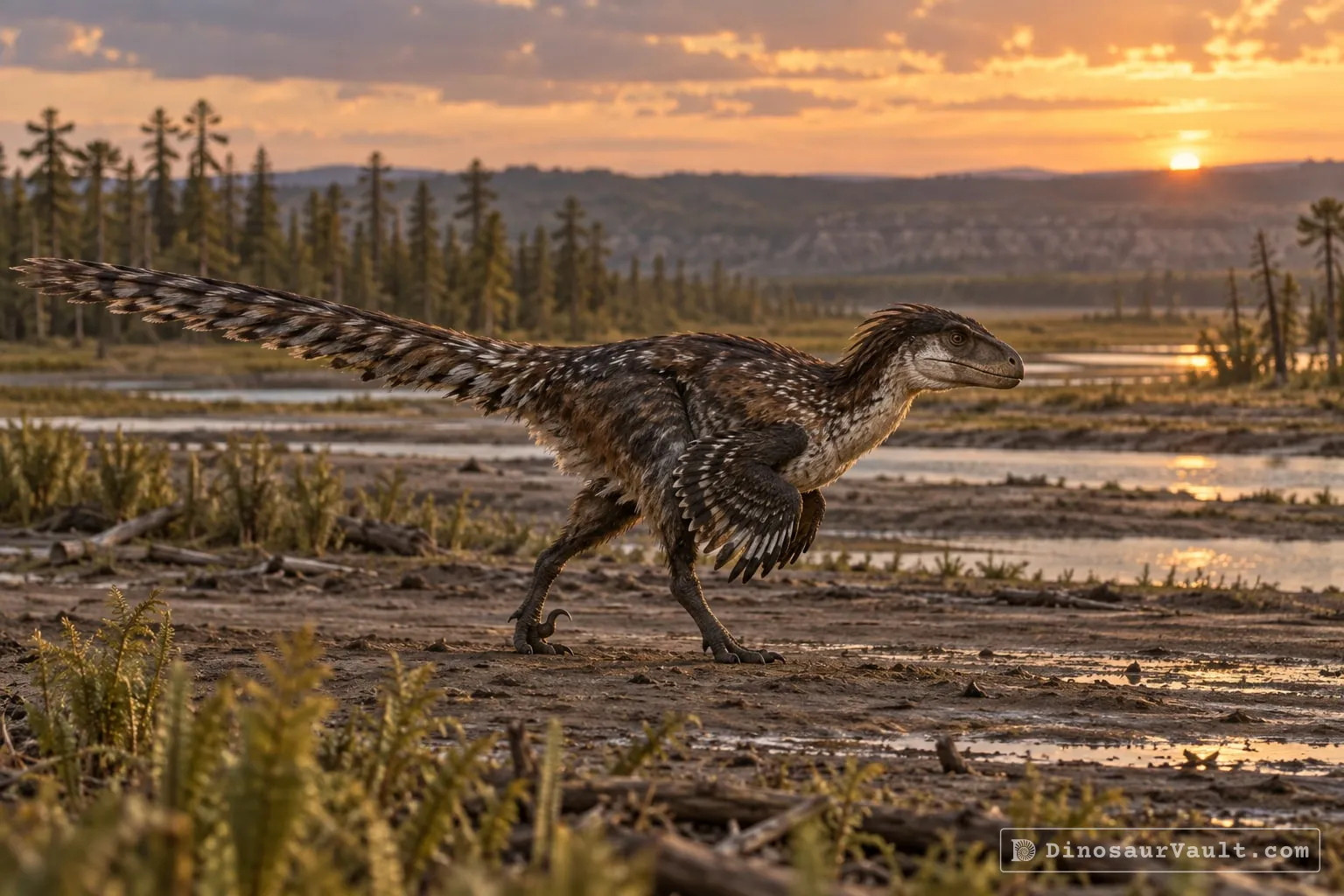
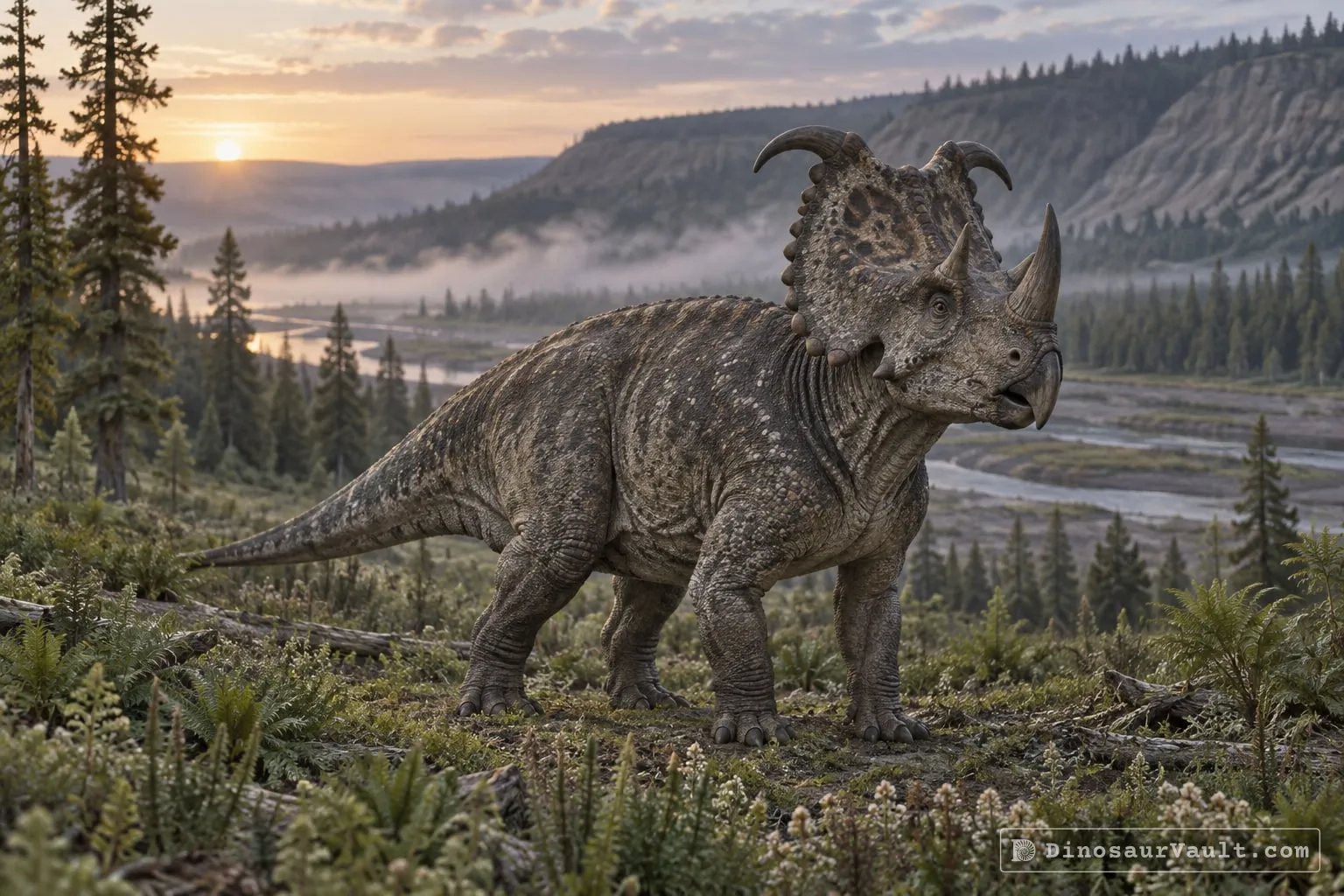


A rock formation can hold fossils laid down millions of years apart, so not every animal here met Probrachylophosaurus.
The evidence
The science behind Probrachylophosaurus
Which parts of the picture come from its own bones, and which come from its relatives.
From its own fossils
- A large individual's skull and partial skeleton make up the type specimen. Its forelimbs were not found, and the front of the snout is crushed or missing.
- The short, solid crest is made entirely of the nasal bones. It is thick in the middle, thinner at the sides and triangular in cross-section, and projects a short way back over the skull roof.
- Growth marks inside a shinbone show that the large individual was approaching adult size but had not yet stopped growing. Its lower jaw, tail and a foot bone show signs of injury or disease.
Borrowed from relatives
- The missing front of the snout follows Brachylophosaurus, as in the naming study's skull reconstruction, while the eye region, cheek and lower jaw follow its own bones.
- Its shoulders and upper forelimbs are restored after Brachylophosaurus.
- Its small crest may mark a stage between a crestless relative like Acristavus and the broad crest of Brachylophosaurus.
Still unknown
- Whether it was a direct ancestor of Brachylophosaurus. One later study could not tell whether it or Ornatops was closer to Brachylophosaurus.
- The exact shape of the front of its snout and nostrils.
- Its color and the soft tissue around its crest.
Discovery timeline
- 2015Named itFreedman Fowler & Horner
- 2015Close relativeWoodward et al.
- 2021Family treeMcDonald et al.
Key papers
The research behind what we know of Probrachylophosaurus
Named it
Described skulls from a large individual and a subadult, and proposed that their small crests represent a stage in crest evolution.
A New Brachylophosaurin Hadrosaur (Dinosauria: Ornithischia) with an Intermediate Nasal Crest from the Campanian Judith River Formation of Northcentral Montana. PLOS ONE 10: e0141304
Read the paper : A New Brachylophosaurin Hadrosaur (Dinosauria: Ornithischia) with an Intermediate Nasal Crest from the Campanian Judith River Formation of Northcentral Montana (opens in a new tab)Close relative
Tracked growth in Maiasaura shinbones, providing a comparison used to interpret growth marks in Probrachylophosaurus.
Maiasaura , a model organism for extinct vertebrate population biology: a large sample statistical assessment of growth dynamics and survivorship. Paleobiology 41: 503-527
Read the paper : Maiasaura , a model organism for extinct vertebrate population biology: a large sample statistical assessment of growth dynamics and survivorship (opens in a new tab)Family tree
Named Ornatops and grouped it with Probrachylophosaurus and Brachylophosaurus without settling which two were closest, with Maiasaura and Acristavus further out.
A new brachylophosaurin (Dinosauria: Hadrosauridae) from the Upper Cretaceous Menefee Formation of New Mexico. PeerJ 9: e11084
Read the paper : A new brachylophosaurin (Dinosauria: Hadrosauridae) from the Upper Cretaceous Menefee Formation of New Mexico (opens in a new tab)
Close relatives
Other members of Hadrosauridae


Sources: Wikidata