Outline: a typical ceratopsian
Monoclonius
"single sprout"
Type species Monoclonius crassus
- Lived
- 84 to 72 million years ago, Late Cretaceous
- Diet
- Herbivore
- Group
- Ceratopsians, Ceratopsidae
- Found in
- Canada and United States
- Named by
- Cope 1876
Where its fossils were found
The evidence
Today
80 million years ago
Field notes
About Monoclonius
What it was like
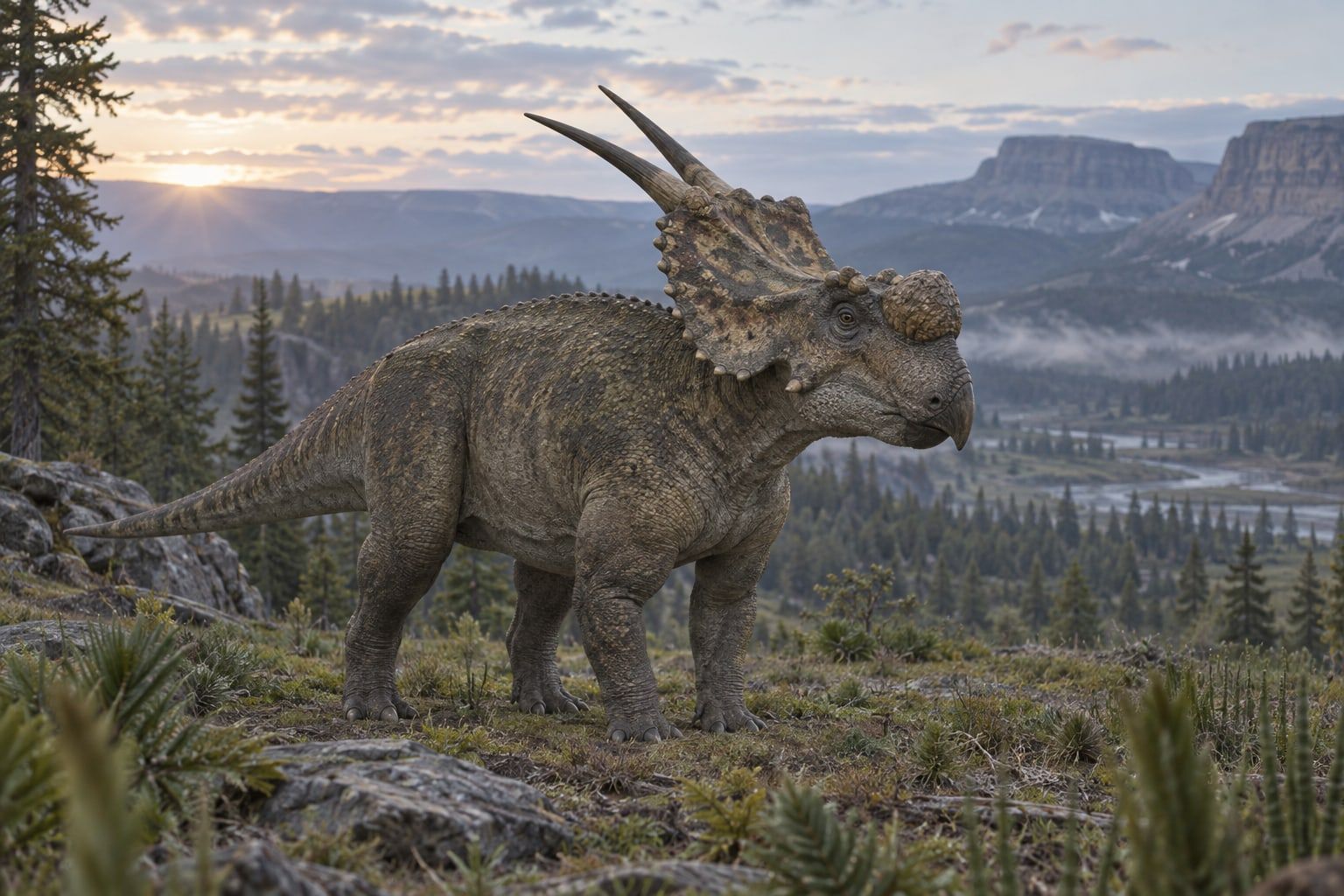
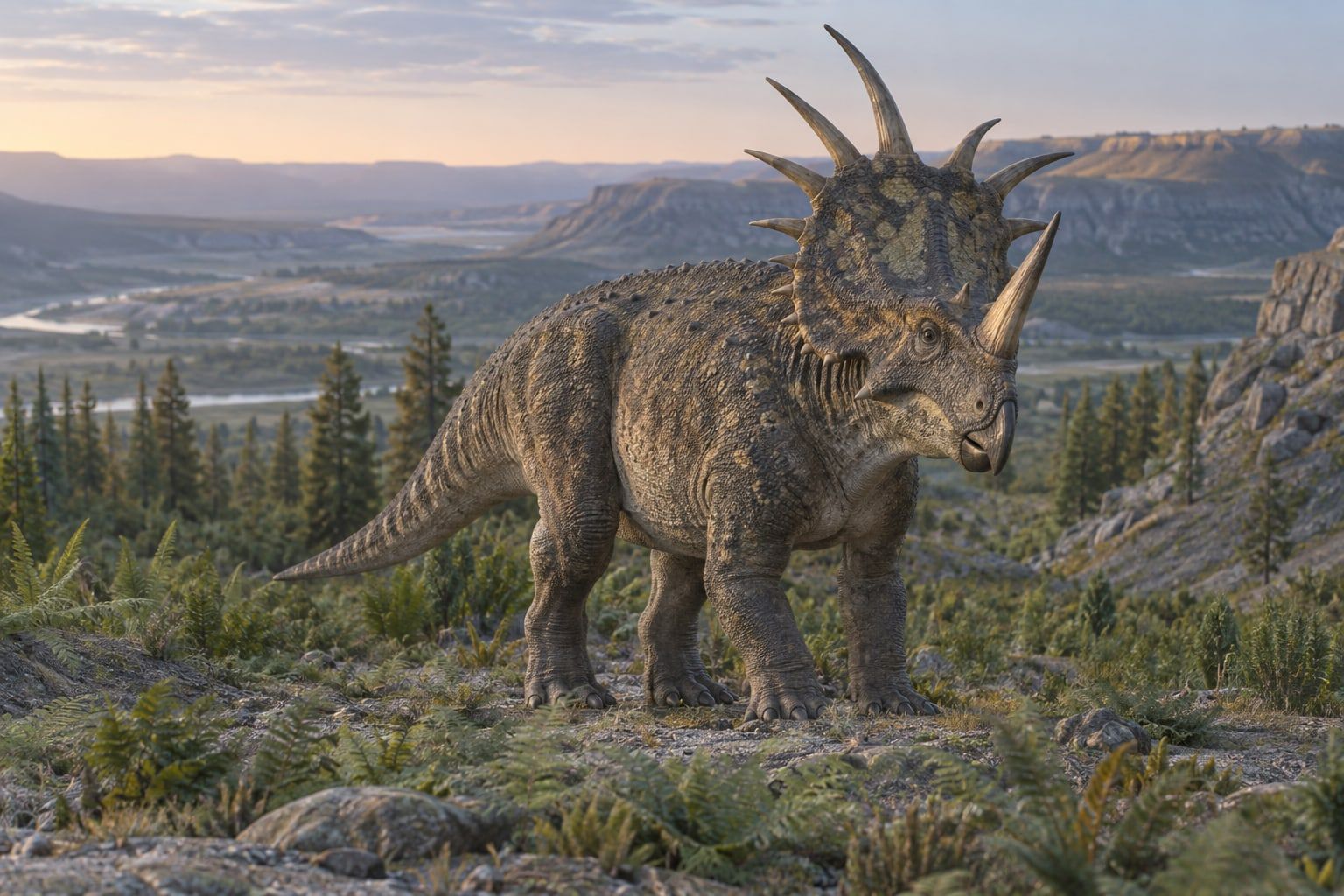
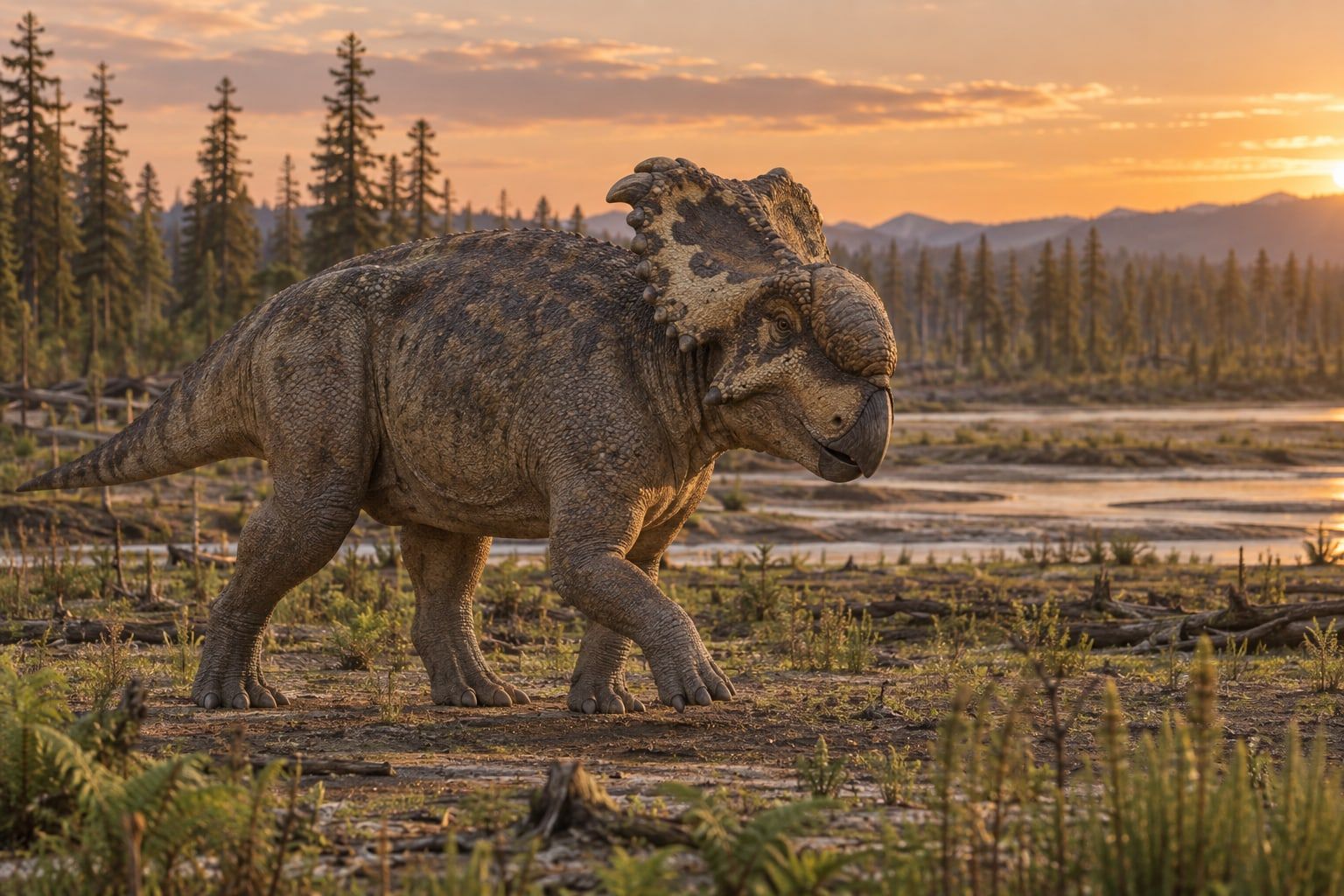
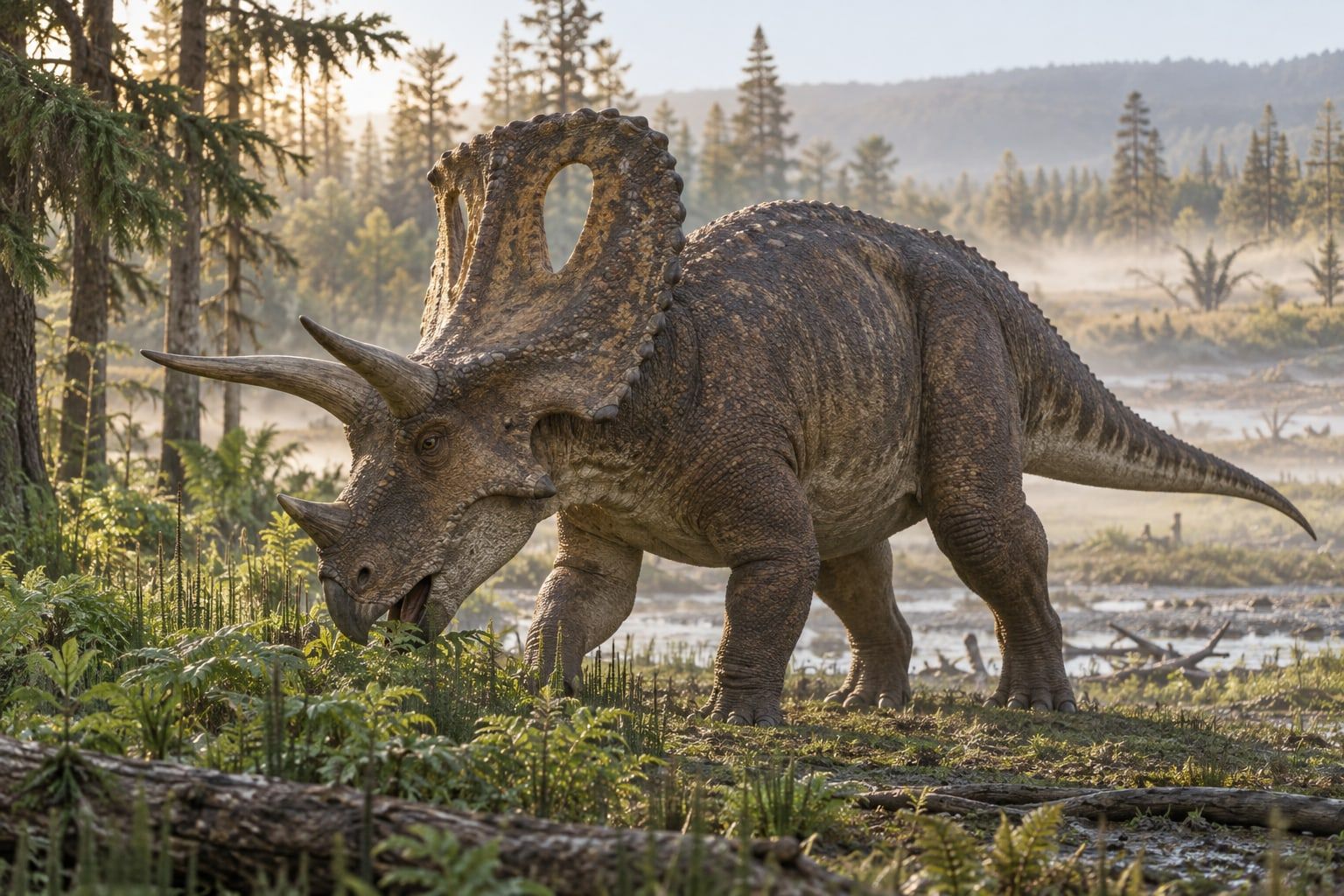
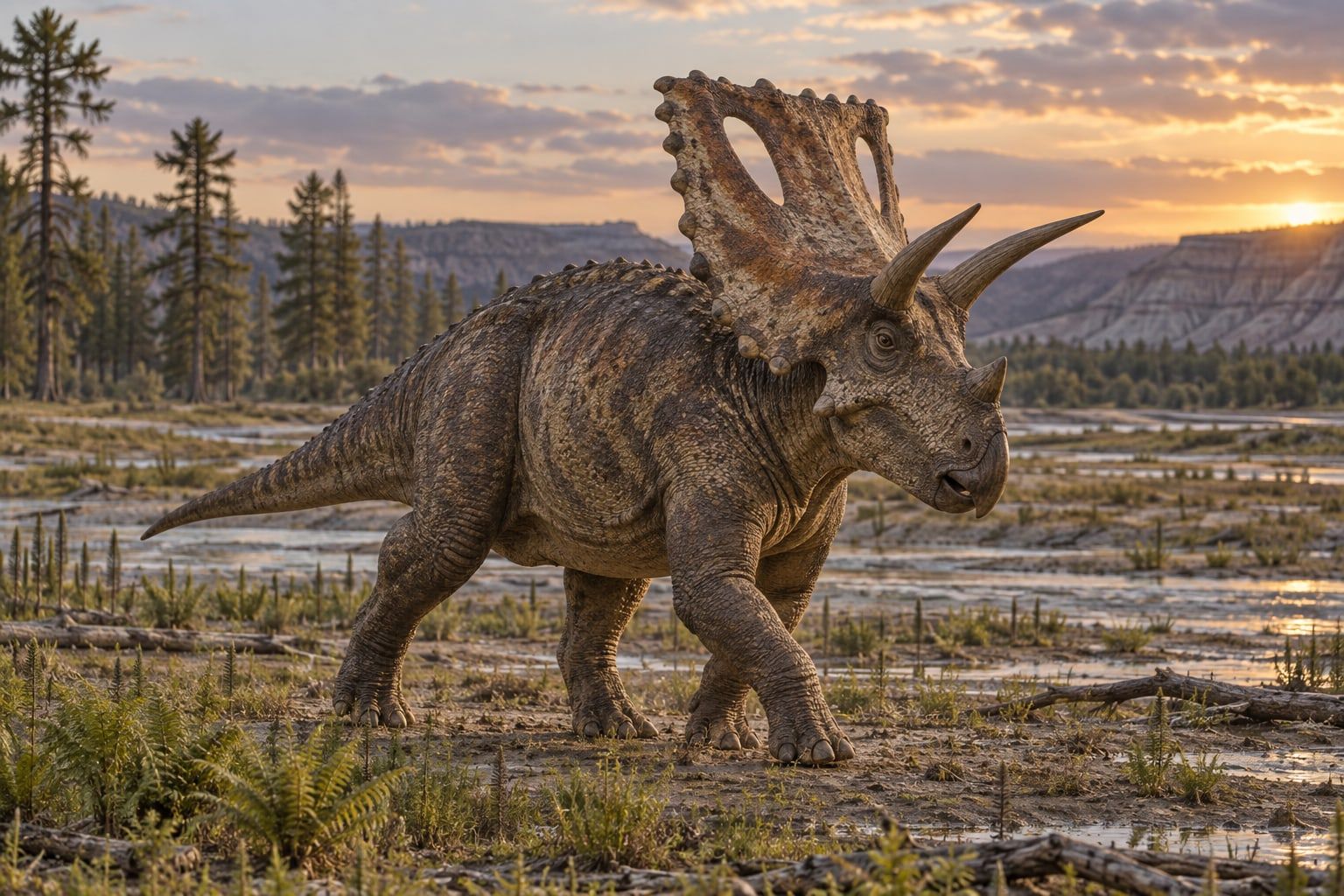
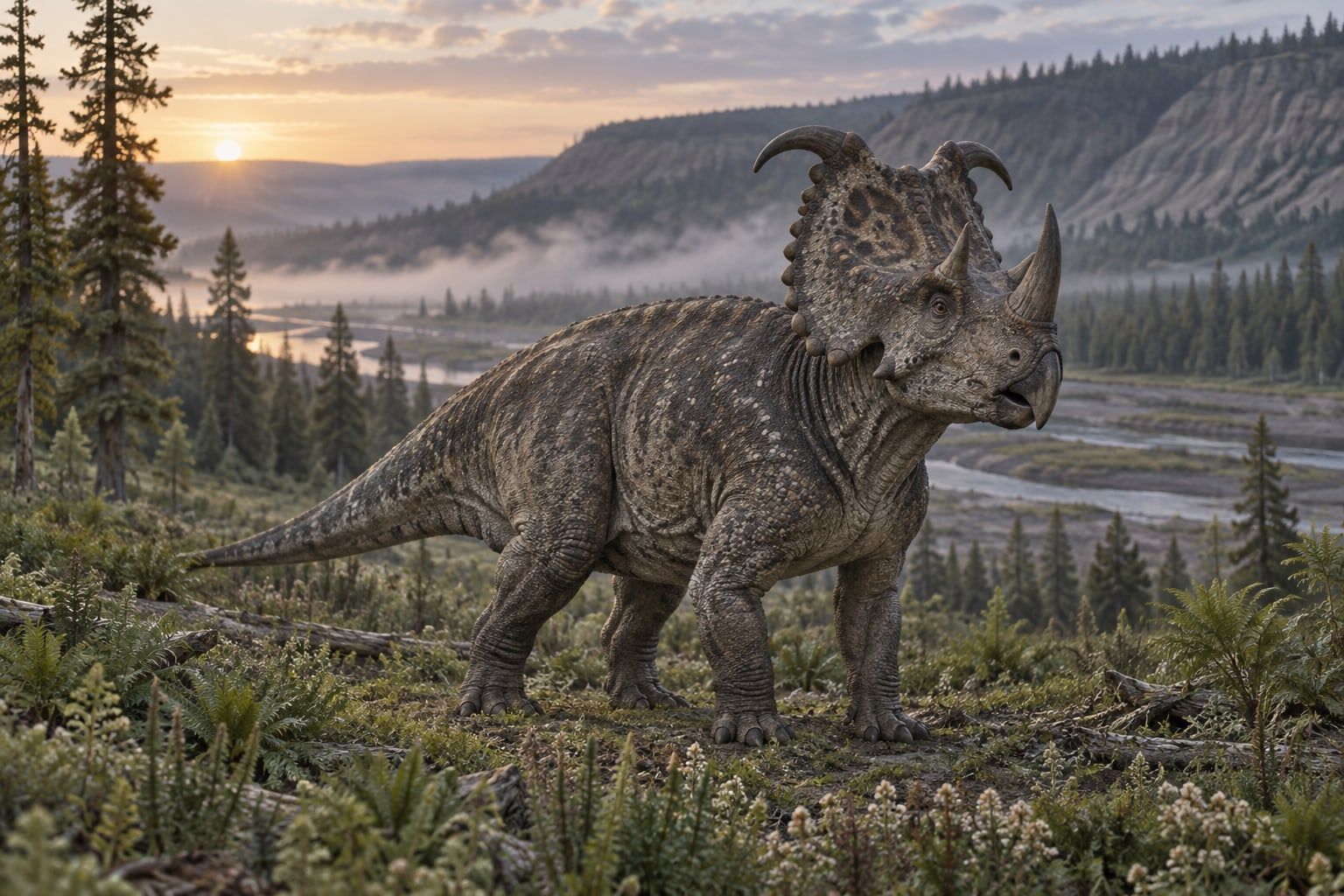
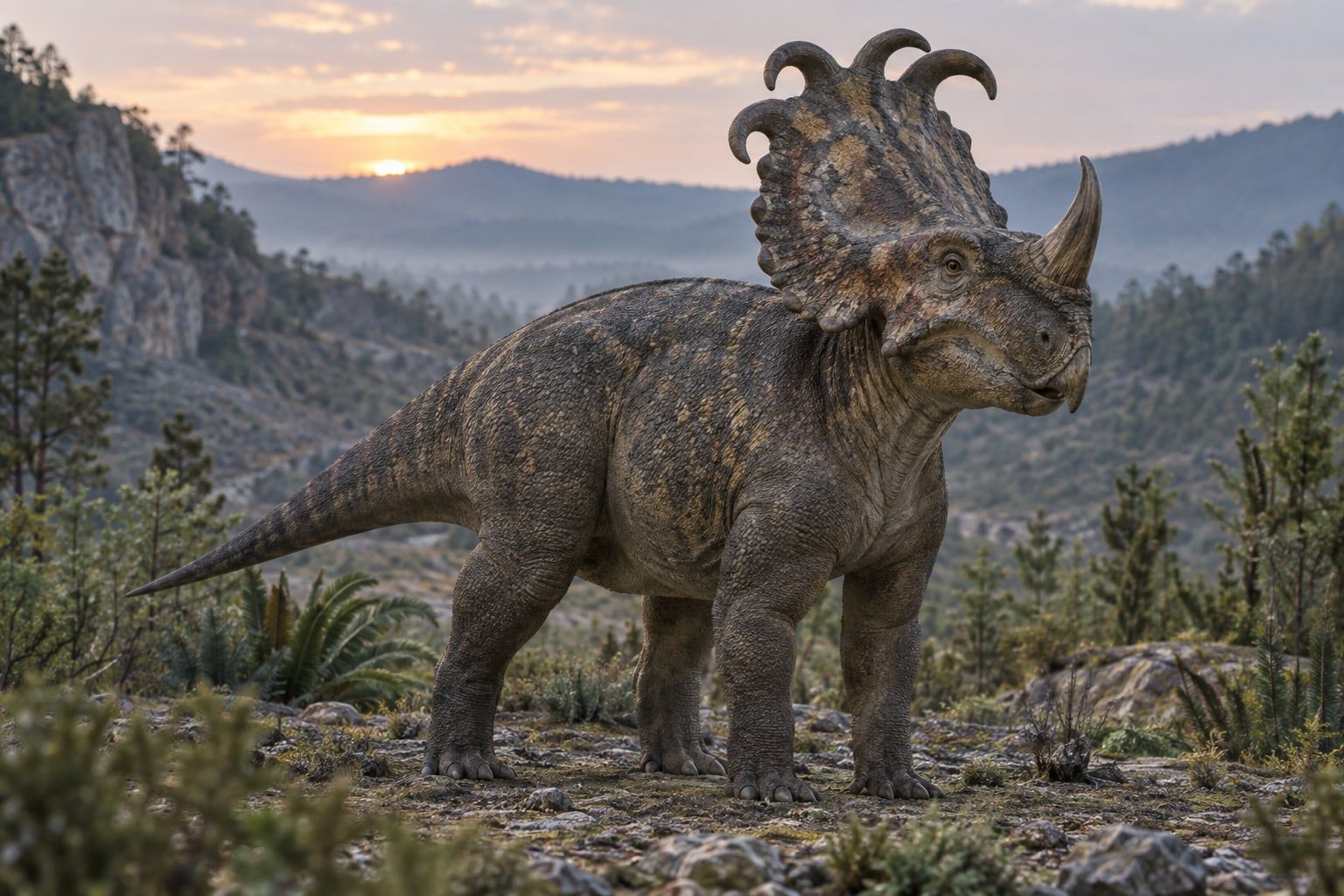
Monoclonius was a horned dinosaur with a large nose horn and a frill. The fossils are pieces of frills and skulls, and many scientists now think they are not enough to tell it apart from relatives such as Centrosaurus.
Its world
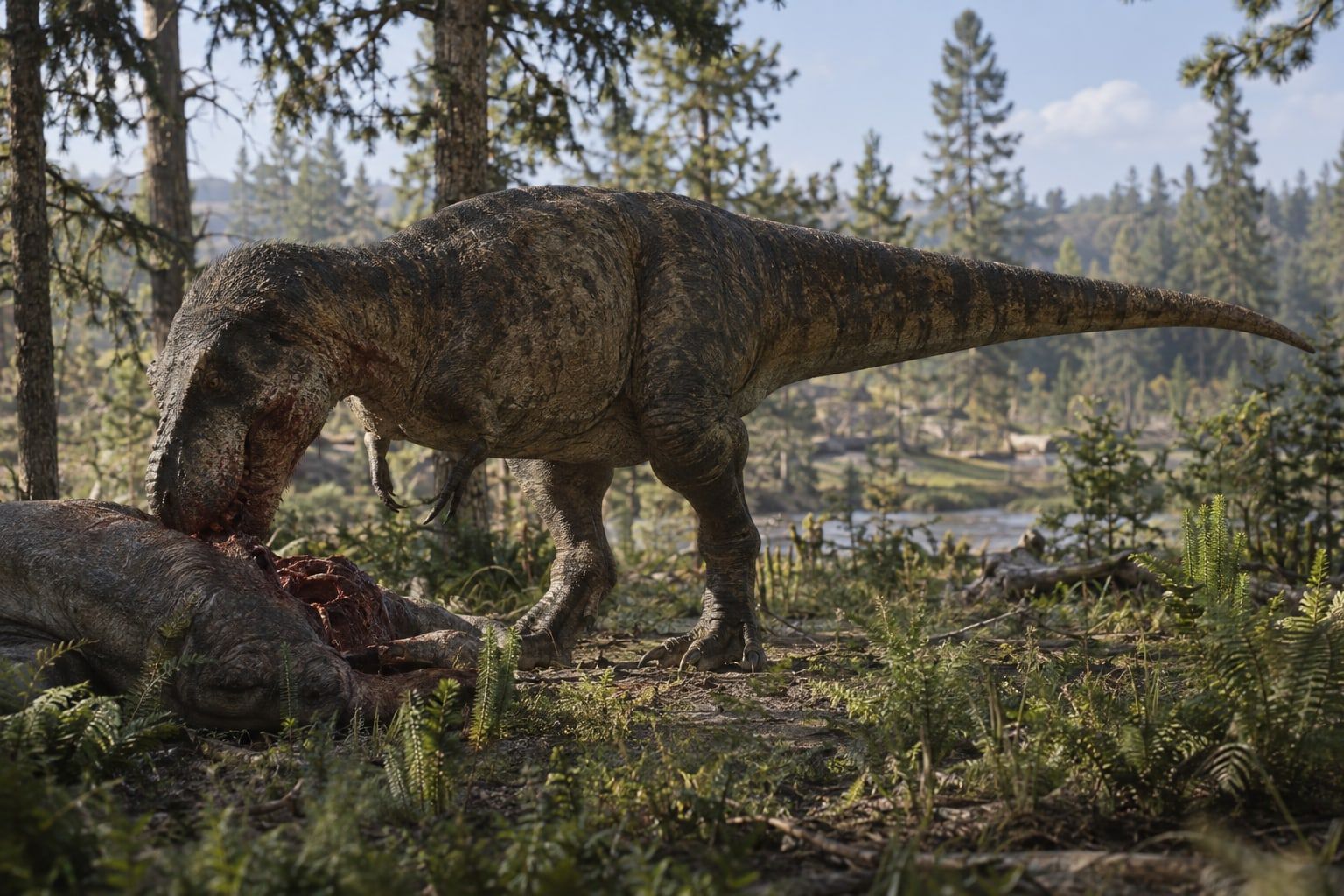
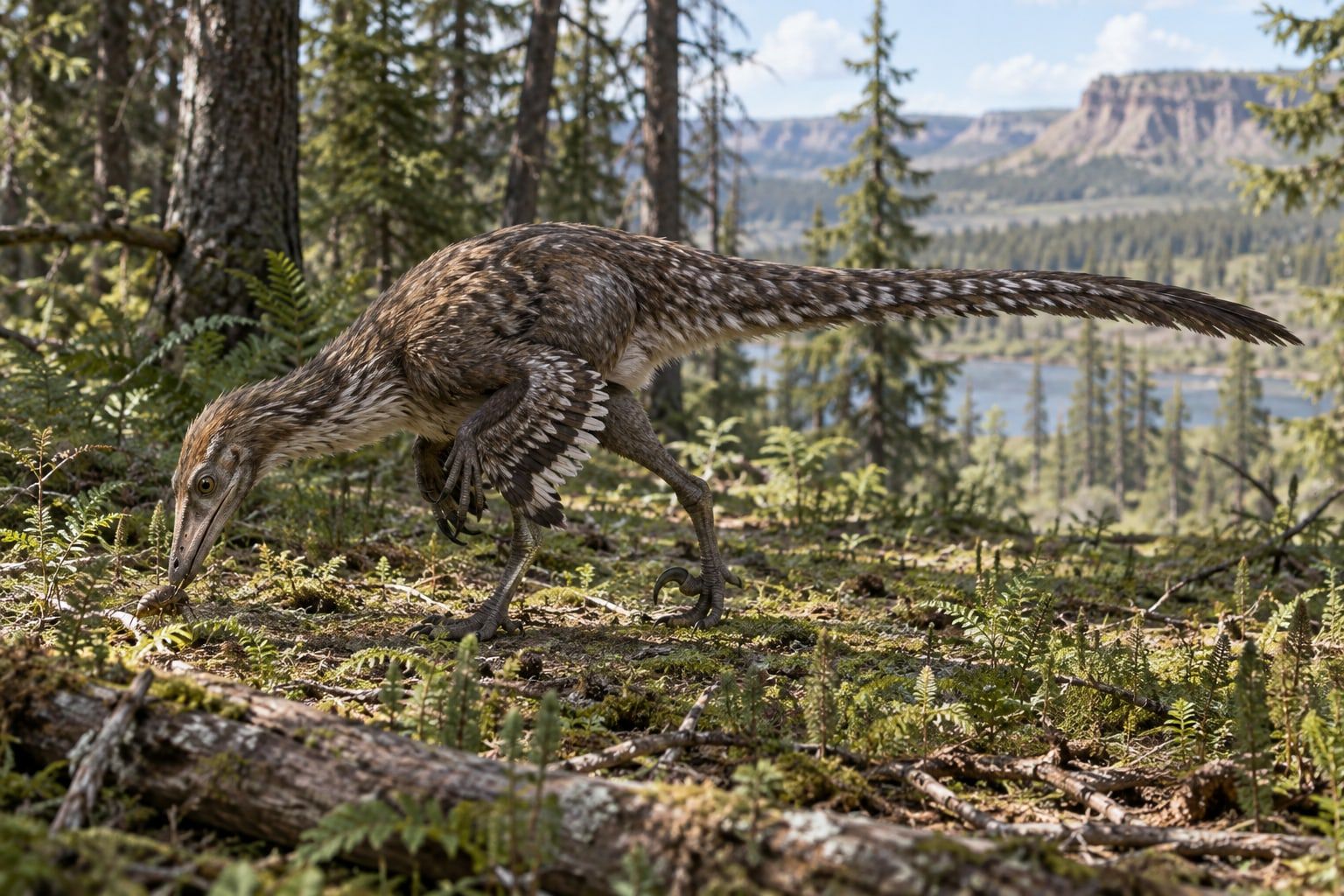
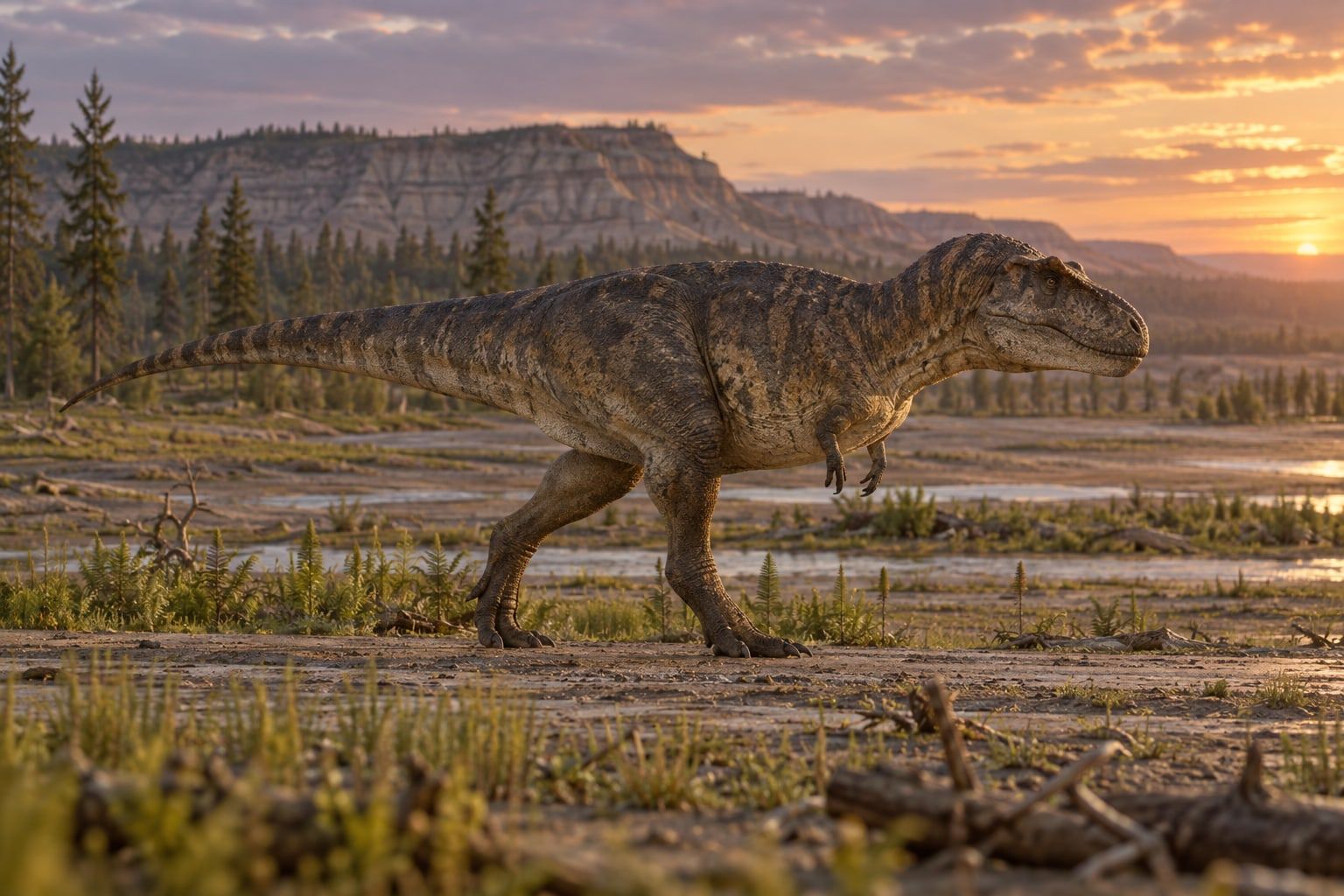
It lived in the Late Cretaceous, in western North America. Its fossils come from Montana and Alberta, where it shared the land with the tyrannosaurs Daspletosaurus and Gorgosaurus, the dome-headed Stegoceras and the duckbill Corythosaurus.
How it was found
Cope named Monoclonius in 1876, making it one of the first horned dinosaurs ever named. The type species is Monoclonius crassus. Because the fossils are so incomplete, most scientists treat the name as doubtful.
Lived alongside
Found in the same rock formations
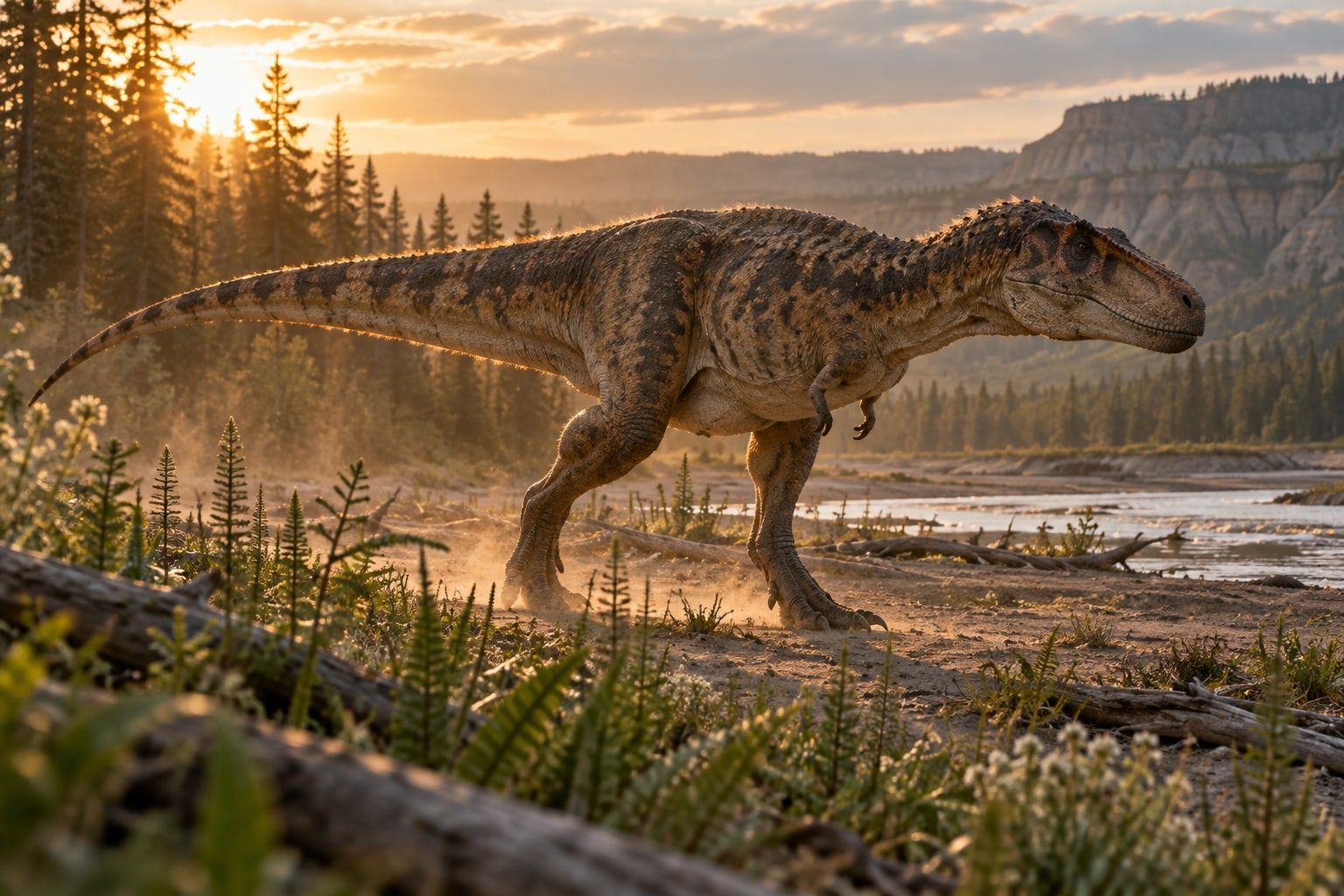
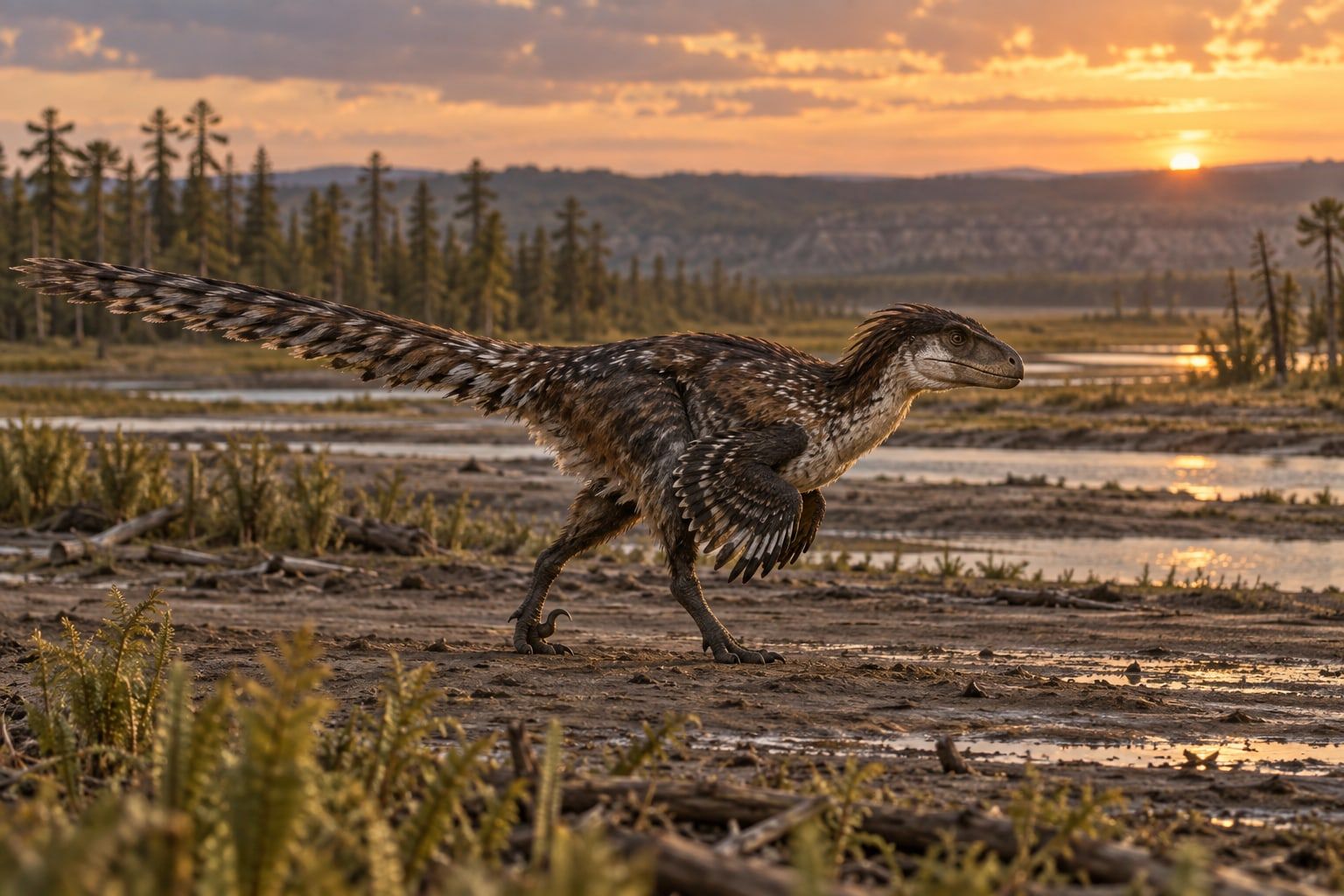
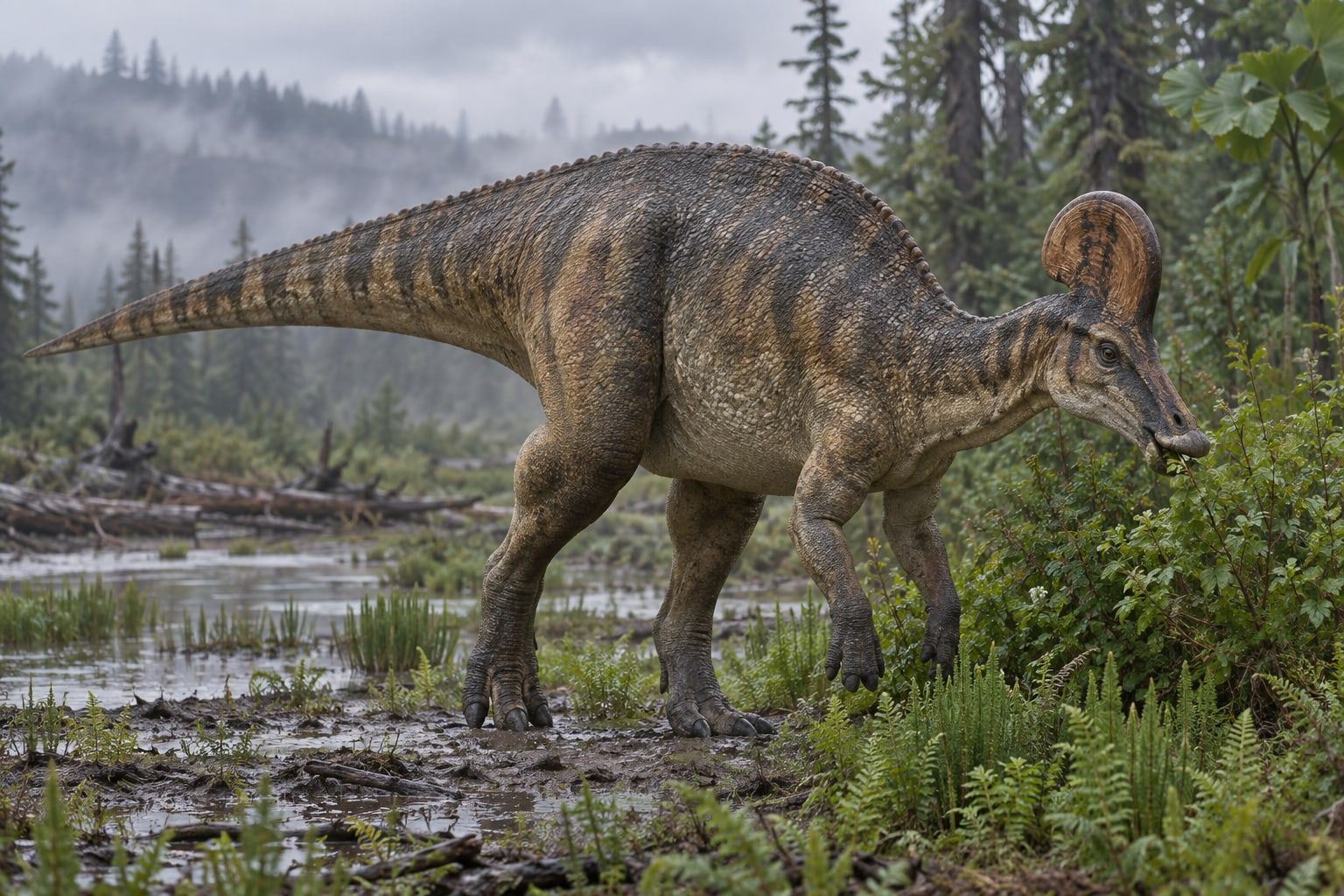
Close relatives
Other members of Ceratopsidae
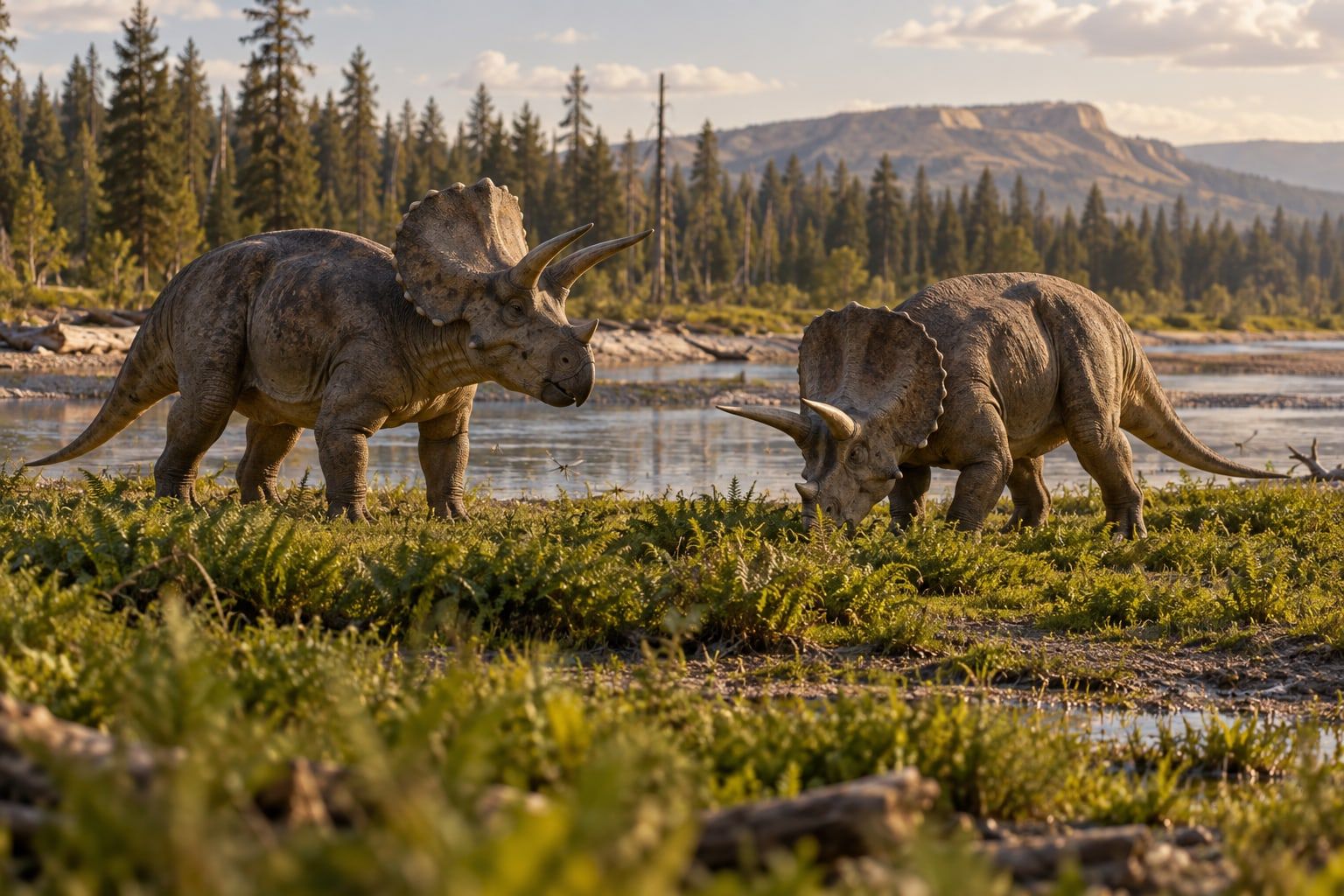
Sources: WikidataNamed in: E. D. Cope. 1876. Descriptions of some vertebrate remains from the Fort Union Beds of Montana. Proceedings of the Academy of Natural Sciences of Philadelphia 28:248-261