Loricatosaurus
"armored lizard"
- Lived
- 165 to 162 million years ago, Middle Jurassic
- Diet
- Herbivore
- Group
- Stegosaurs, Stegosauridae
- Found in
- France and United Kingdom
- Named by
- Maidment et al. 2008
Where its fossils were found
The evidence
Today

165 million years ago
Habitat
It lived on land near a shallow sea in Europe, with remains buried in marine rocks such as the Oxford Clay. Eustreptospondylus, Cetiosauriscus and Callovosaurus are also recorded from these rocks.
Field notes
About Loricatosaurus
What it was like
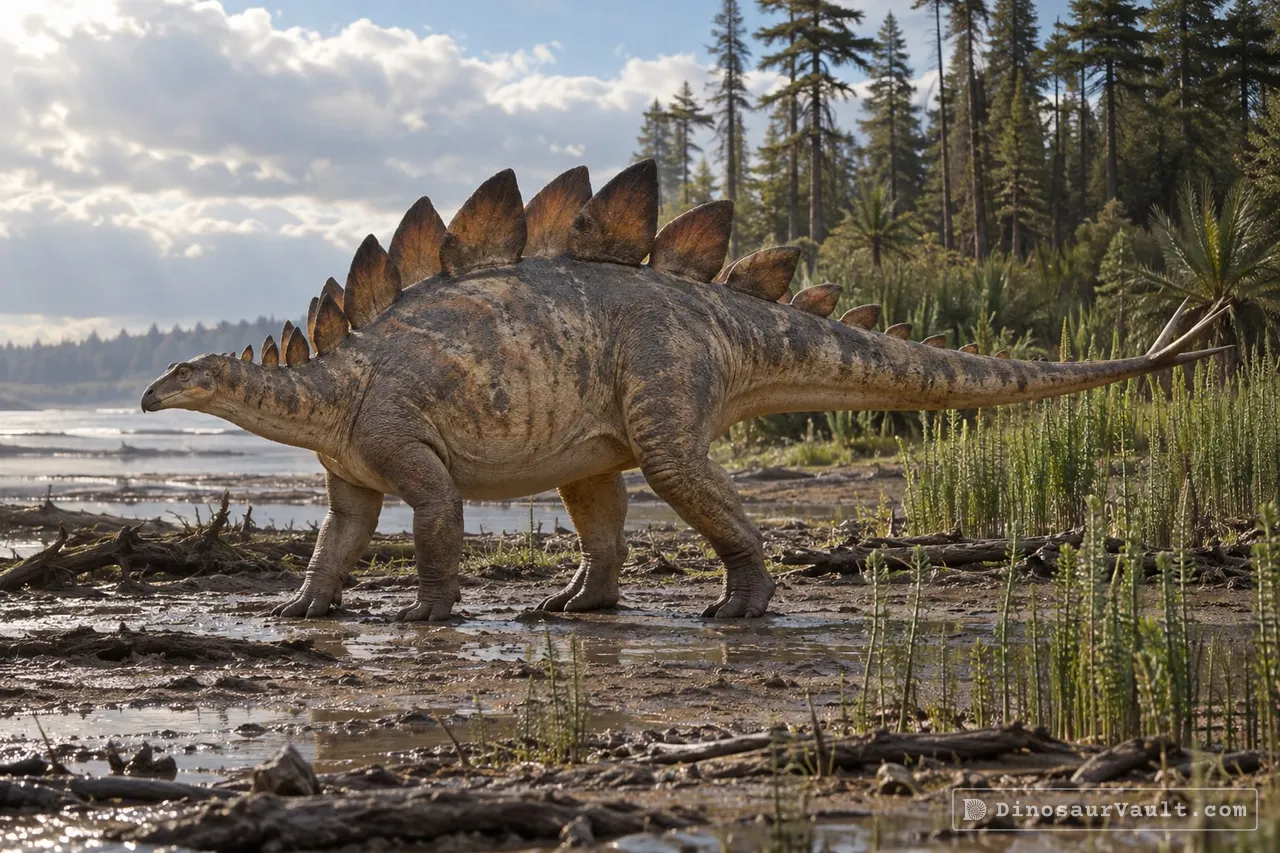
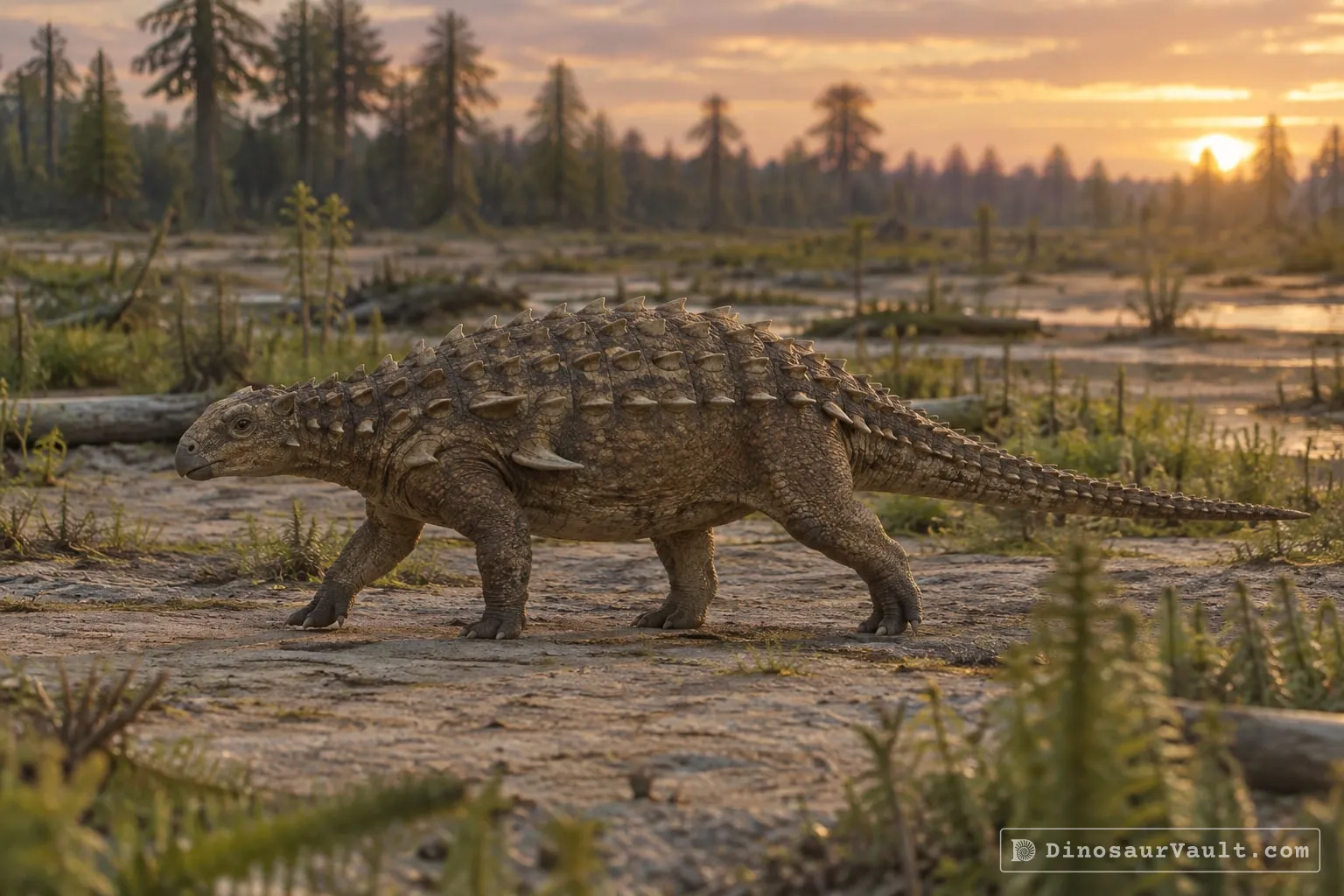
Loricatosaurus was a stegosaur, a plant eater with plates and spikes along its back and tail. It is known from parts of the skeleton and armor, including spikes that may have come from its shoulders or tail.
Its world
It lived about 165 million years ago, in the Middle Jurassic, in what is now England and France. Its bones come from rocks such as the Oxford Clay, laid down in a shallow sea near land. Other dinosaurs from these rocks include the predators Eustreptospondylus and Metriacanthosaurus and the sauropod Cetiosauriscus.
How it was found
Its bones were long thought to belong to another stegosaur. Maidment and colleagues gave them their own genus in 2008.
Field gallery
More views of Loricatosaurus
Scenes reconstructed from the available fossil evidence.
1 of 2
Lived alongside
Found in the same rock formations
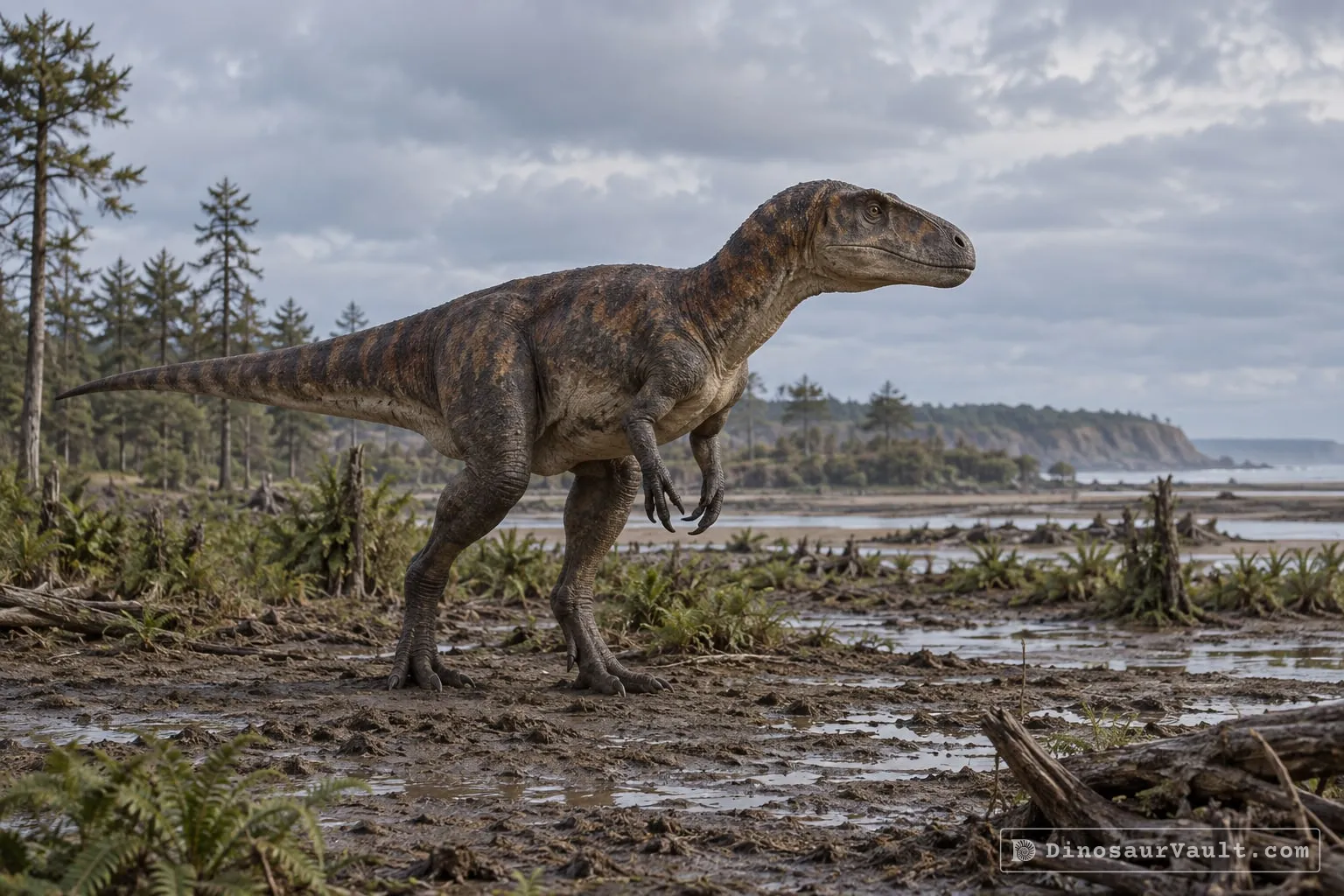
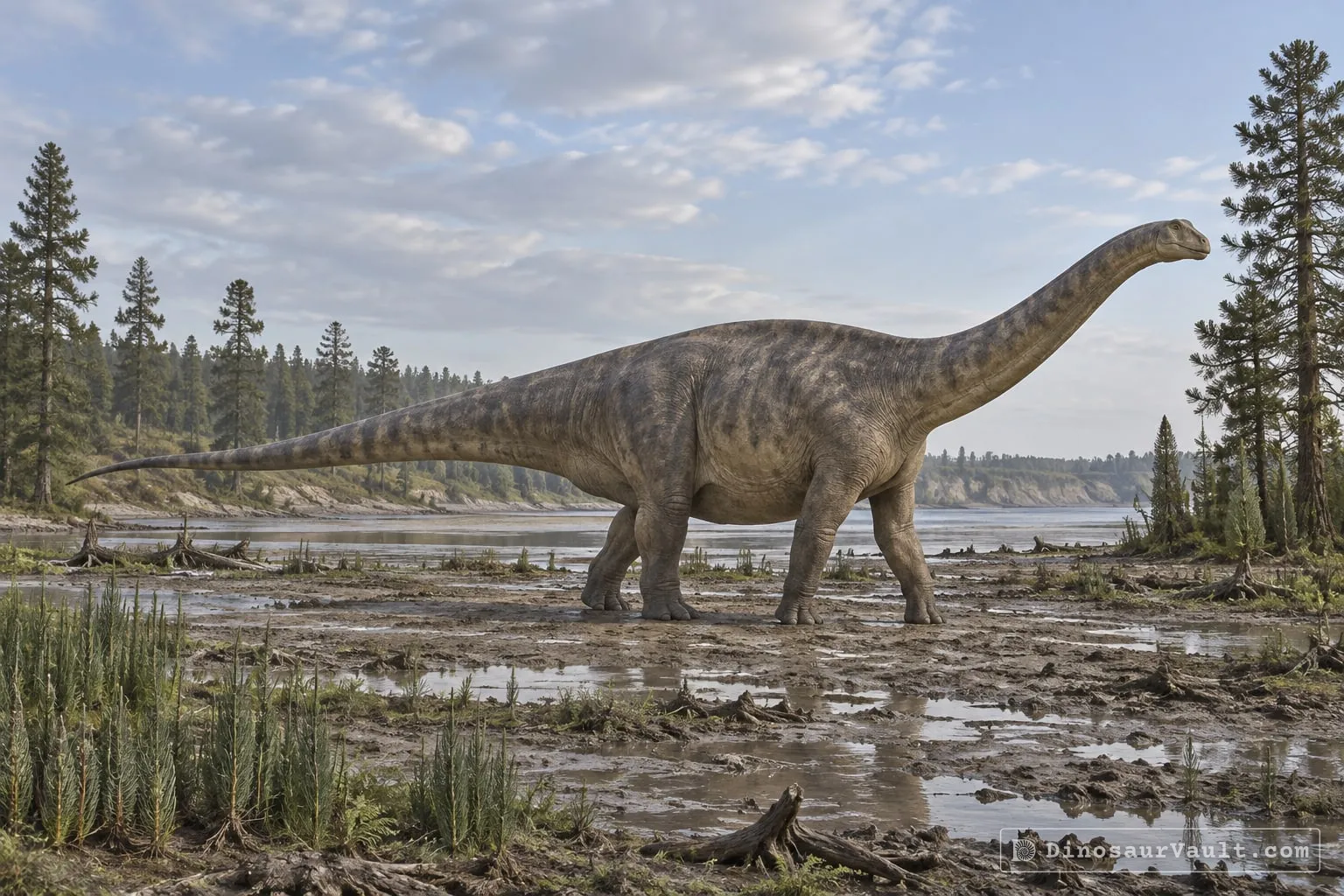
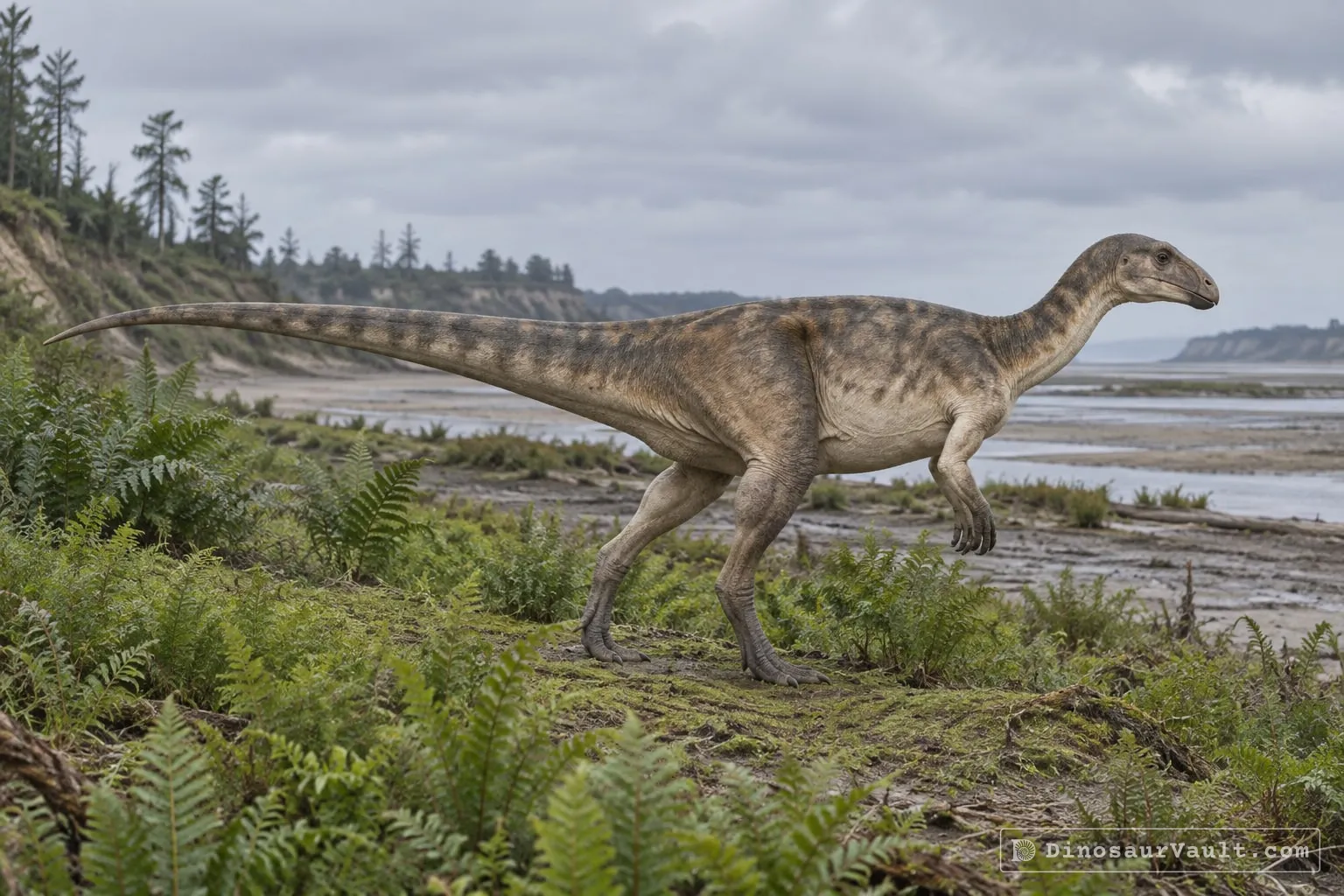
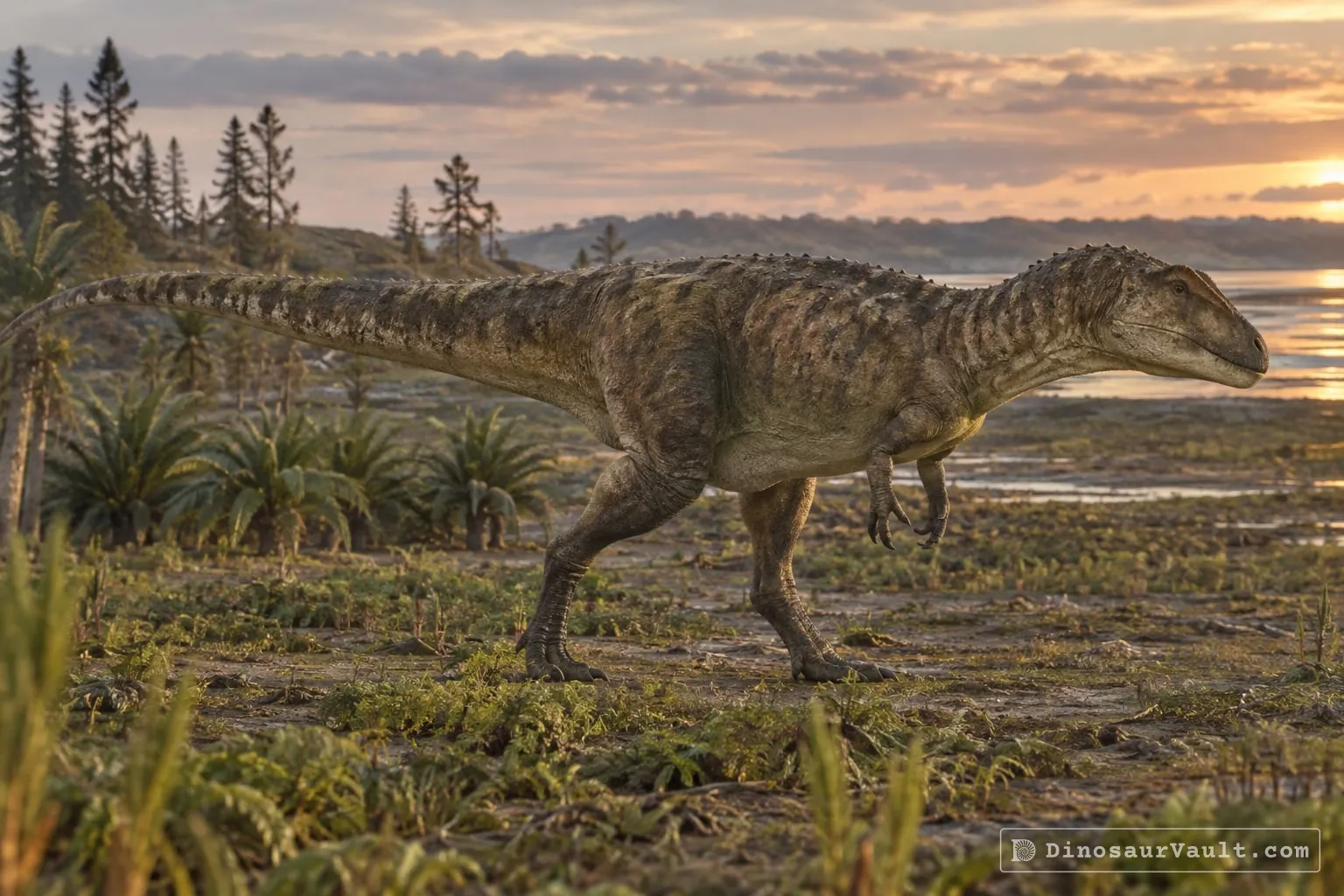


A rock formation can hold fossils laid down millions of years apart, so not every animal here met Loricatosaurus.
The evidence
The science behind Loricatosaurus
Which parts of the picture come from its own bones, and which come from its relatives.
From its own fossils
- Partial skeletons preserve neck, back and tail bones, parts of the limbs and hips, and bony armor.
- An early tail vertebra has side projections that fork at their tips, a feature used to recognize this genus.
- A spike once identified as shoulder armor was later interpreted as part of a tail spike.
Borrowed from relatives
- The missing head and much of the body outline are restored by comparison with Stegosaurus and other stegosaurs.
- The arrangement of its armor follows comparisons with more complete stegosaur skeletons.
Still unknown
- The full shape of its skull.
- The exact number and arrangement of its plates and spikes.
- Its color.
Discovery timeline
- 2008Named itMaidment et al.
- 2010Family treeMaidment
- 2017Family treeRaven & Maidment
Key papers
The research behind what we know of Loricatosaurus
Named it
Named Loricatosaurus for distinctive English and French stegosaur skeletons that had previously been grouped with another genus.
Systematics and phylogeny of Stegosauria (Dinosauria: Ornithischia). Journal of Systematic Palaeontology 6: 367-407
Read the paper : Systematics and phylogeny of Stegosauria (Dinosauria: Ornithischia) (opens in a new tab)Family tree
Reviewed stegosaur discoveries, explained why Loricatosaurus received its own name and updated the group's evolutionary relationships.
Stegosauria: a historical review of the body fossil record and phylogenetic relationships. Swiss Journal of Geosciences 103: 199-210
Read the paper : Stegosauria: a historical review of the body fossil record and phylogenetic relationships (opens in a new tab)Family tree
Used new fossils and bone measurements to produce a more detailed family tree for Loricatosaurus and other plated dinosaurs.
A new phylogeny of Stegosauria (Dinosauria, Ornithischia). Palaeontology 60: 401-408
Read the paper : A new phylogeny of Stegosauria (Dinosauria, Ornithischia) (opens in a new tab)
Close relatives
Other members of Stegosauridae


Sources: Wikidata