Callovosaurus
- Lived
- 165 to 162 million years ago, Middle Jurassic
- Diet
- Herbivore
- Group
- Ornithopods
- Found in
- United Kingdom
- Named by
- Galton 1980
Where its fossils were found
The evidence
Today

165 million years ago
Habitat
It probably lived on coastal land near the Jurassic sea in what is now England. The Oxford Clay also holds Eustreptospondylus and Loricatosaurus.
Field notes
About Callovosaurus
What it was like
Callovosaurus is known from a single thigh bone. It came from a medium-sized plant eater, perhaps an early relative of Iguanodon.
Its world
It lived in the Middle Jurassic, in what is now England. It comes from the Oxford Clay, rocks laid down in the sea, which also hold the predator Eustreptospondylus and the stegosaur Loricatosaurus.
How it was found
Galton named Callovosaurus in 1980.
Field gallery
More views of Callovosaurus
Scenes reconstructed from the available fossil evidence.
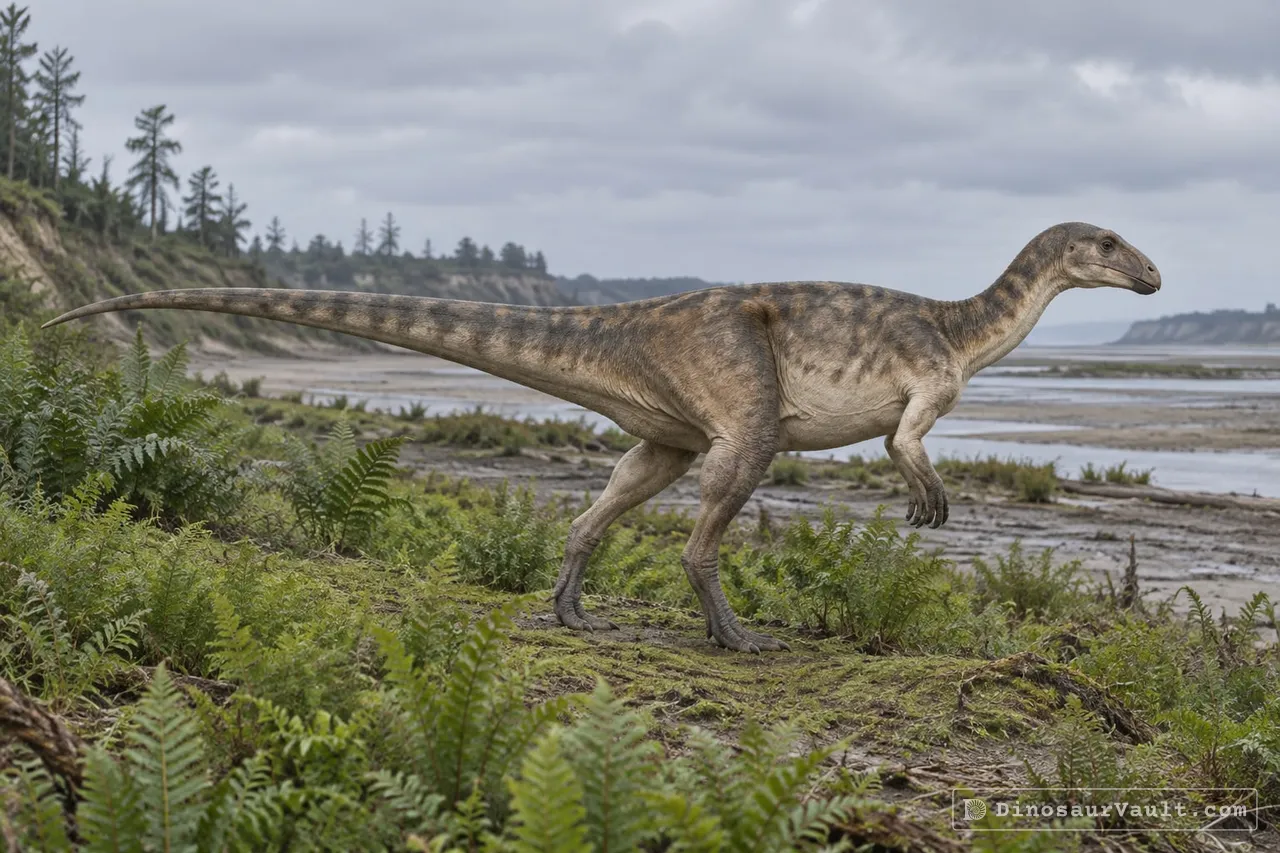
1 of 3
Lived alongside
Found in the same rock formations
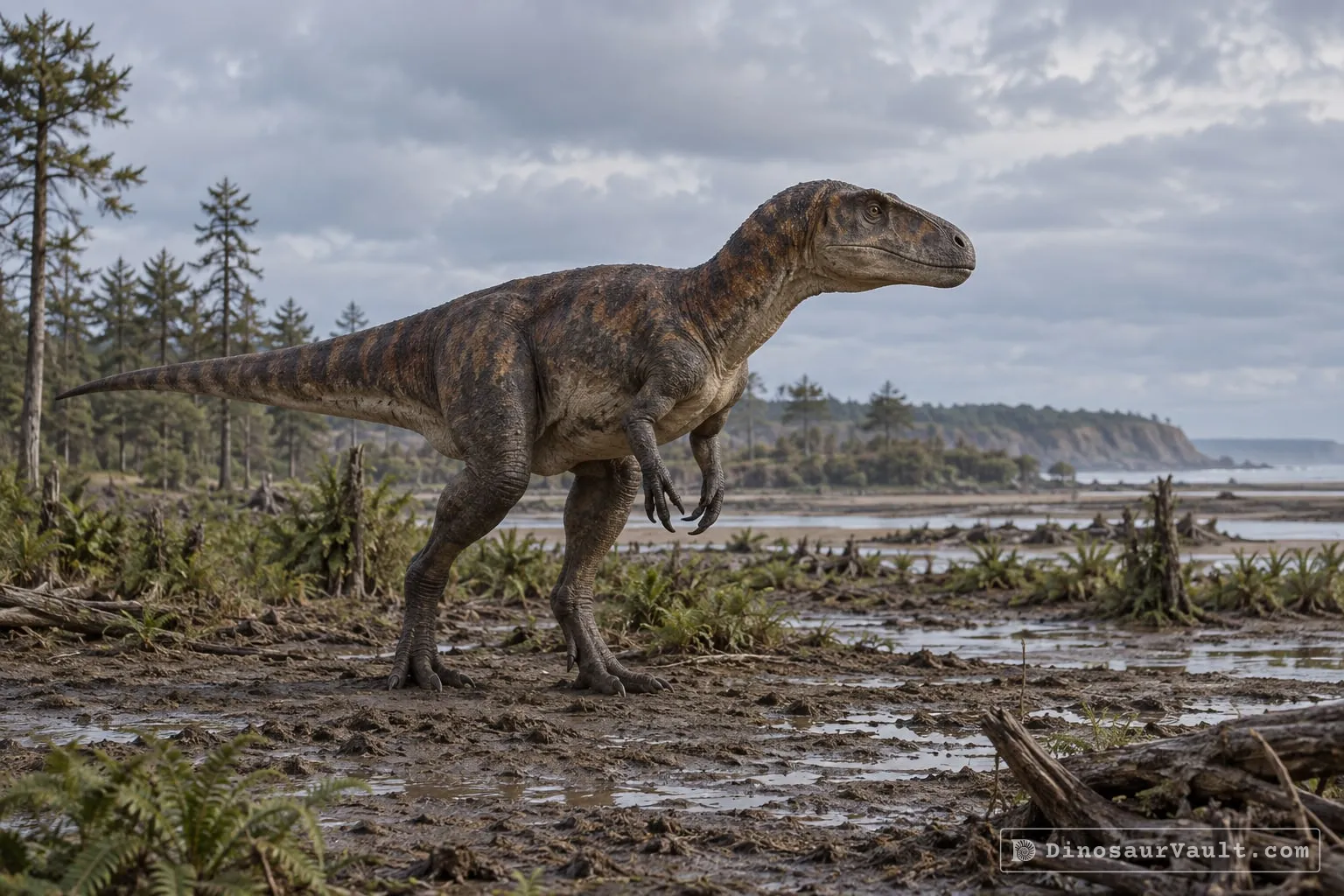
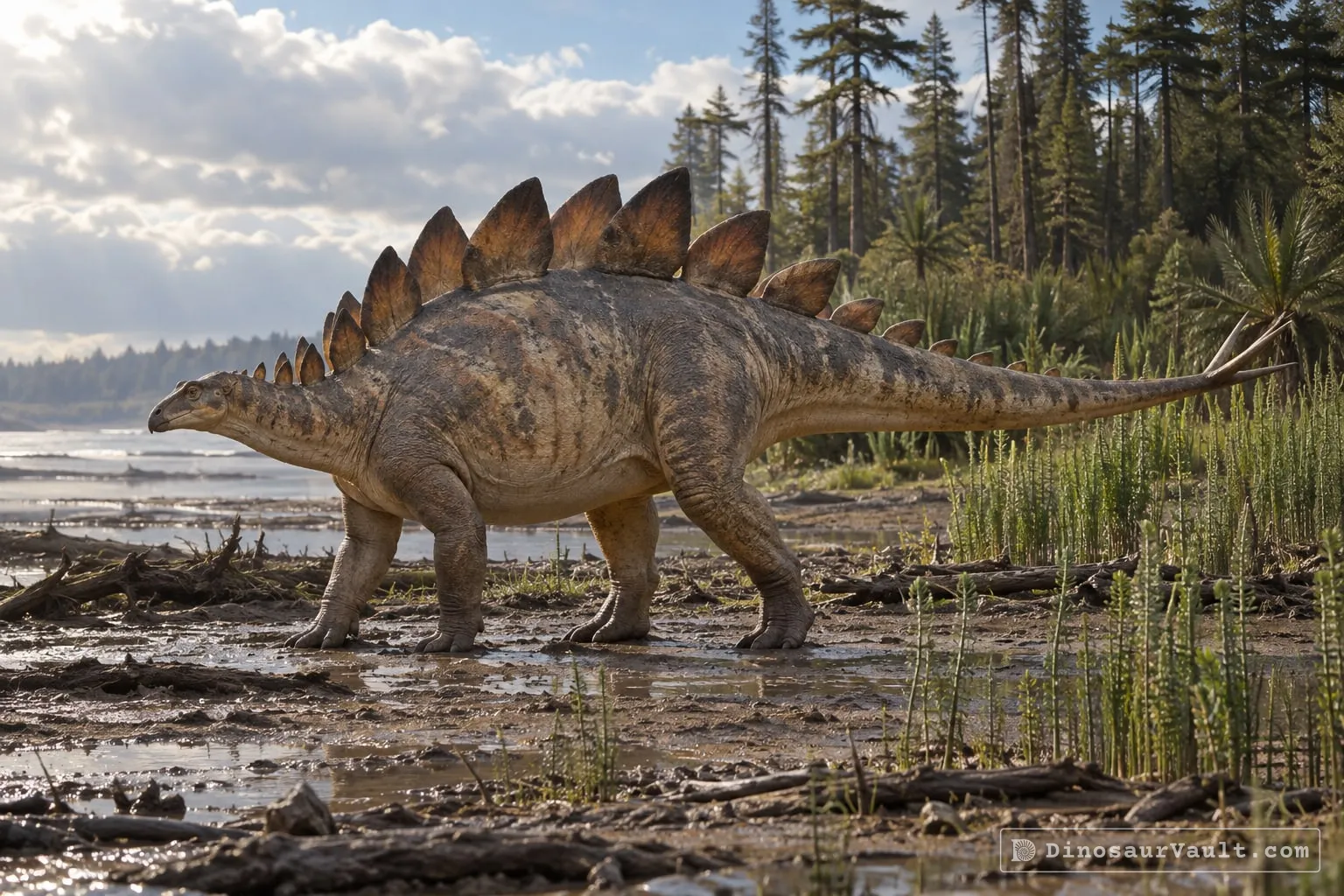
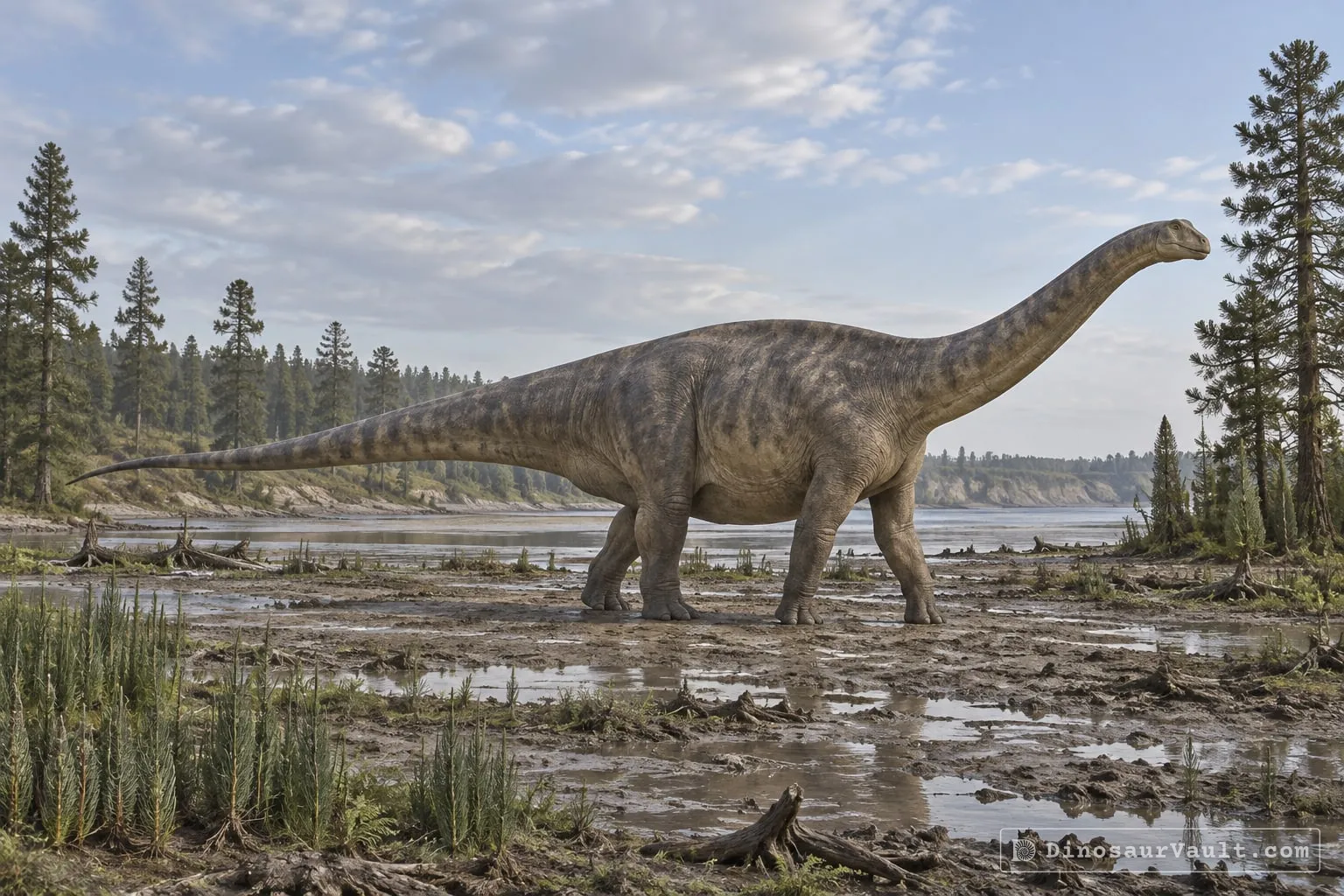
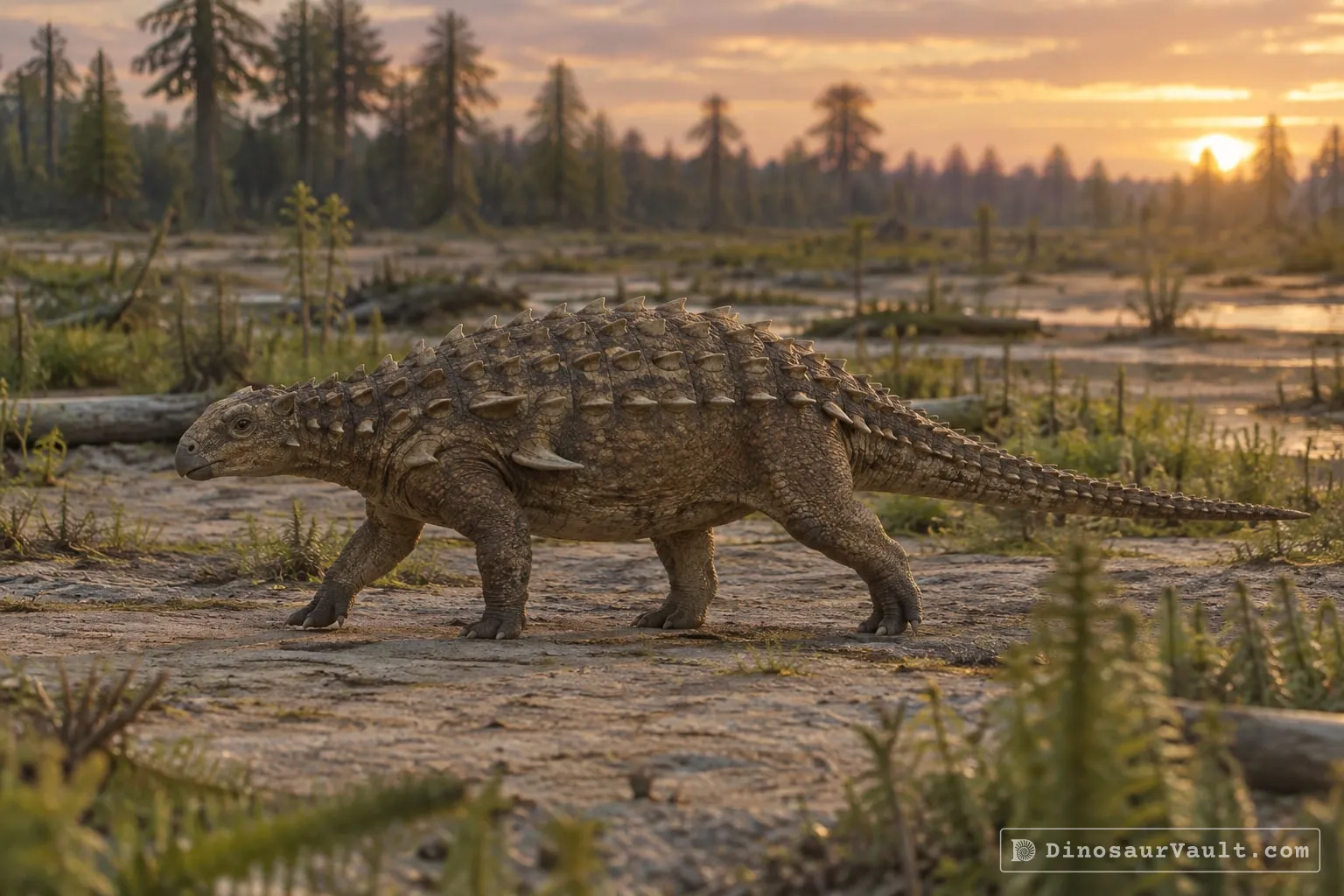
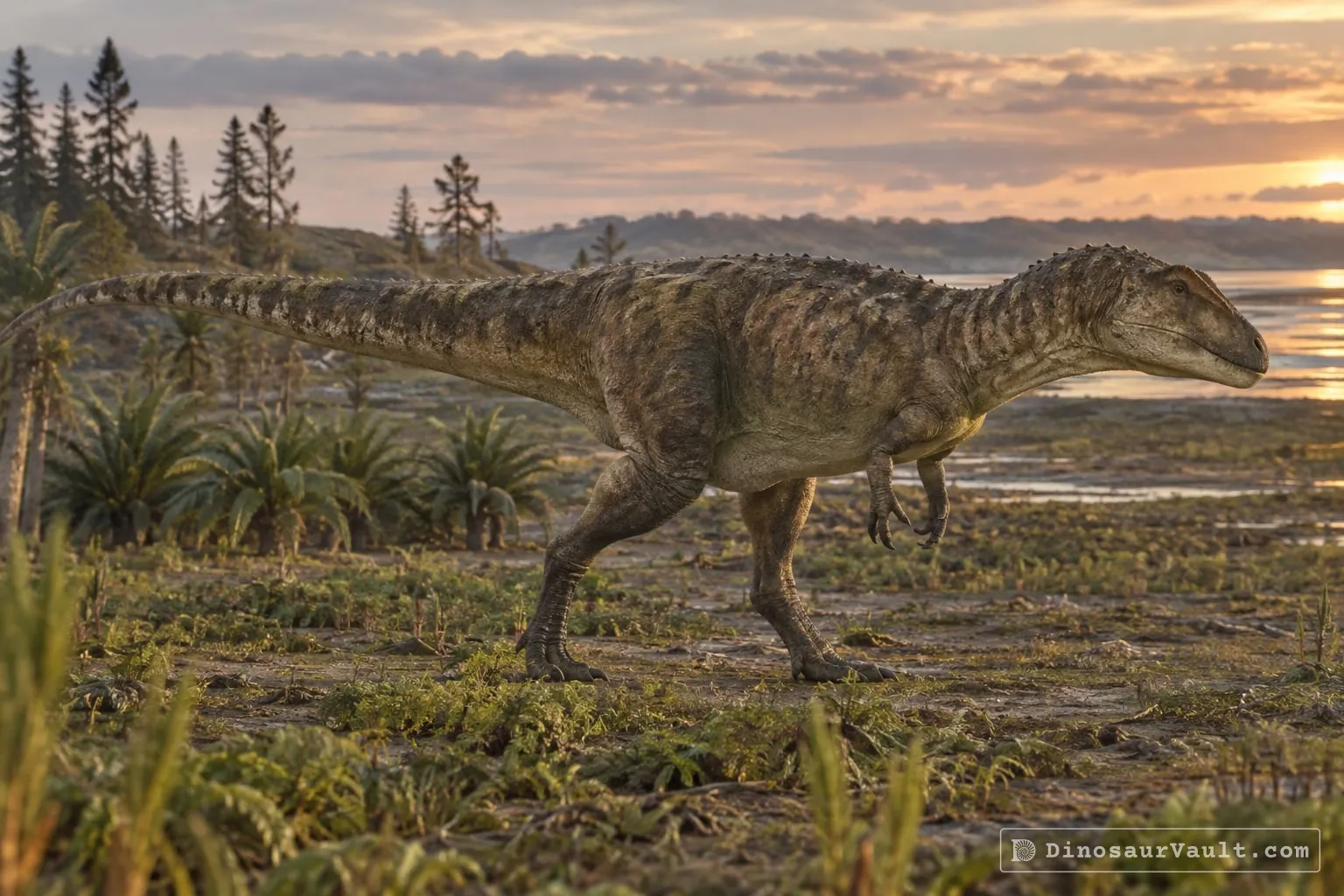


A rock formation can hold fossils laid down millions of years apart, so not every animal here met Callovosaurus.
The evidence
The science behind Callovosaurus
Which parts of the picture come from its own bones, and which come from its relatives.
From its own fossils
- A single thigh bone is the basis for Callovosaurus.
- The thigh bone has a flattened surface below the head, where it fitted into the hip.
Borrowed from relatives
- The head, arms, feet and tail are restored by comparison with early iguanodontians such as Dryosaurus.
- Dryosaurus provides a model for a slender, two-legged plant eater with small grasping hands.
Still unknown
- Its exact position in the iguanodontian family tree.
- The shape of its head and most of its body.
- Its skin covering and color.
Discovery timeline
- 1980Named itGalton
- 1981Close relativeGalton
- 2025Family treeMaidment et al.
Key papers
The research behind what we know of Callovosaurus
Named it
Named Callovosaurus from an isolated thigh bone.
European Jurassic ornithopod dinosaurs of the families Hypsilophodontidae and Camptosauridae. Neues Jahrbuch für Geologie und Paläontologie - Abhandlungen 160: 73-95
Read the paper : European Jurassic ornithopod dinosaurs of the families Hypsilophodontidae and Camptosauridae (opens in a new tab)Close relative
Described the body skeleton of Dryosaurus, a useful comparison for the many missing parts of Callovosaurus.
Dryosaurus, a hypsilophodontid dinosaur from the upper jurassic of north America and Africa postcranial skeleton. Paläontologische Zeitschrift 55: 271-312
Read the paper : Dryosaurus, a hypsilophodontid dinosaur from the upper jurassic of north America and Africa postcranial skeleton (opens in a new tab)Family tree
Compared early plant-eater thigh bones and questioned the assignment of Callovosaurus to the dryosaurid family.
The world’s oldest cerapodan ornithischian dinosaur from the Middle Jurassic of Morocco. Royal Society Open Science 12
Read the paper : The world’s oldest cerapodan ornithischian dinosaur from the Middle Jurassic of Morocco (opens in a new tab)
Close relatives
Other members of Euiguanodontia

Sources: Wikidata