Eousdryosaurus
"eastern Dryosaurus"
- Lived
- 152 to 145 million years ago, Late Jurassic
- Diet
- Herbivore
- Group
- Ornithopods, Dryosauridae
- Found in
- Portugal
- Named by
- Escaso et al. 2014
Where its fossils were found
The evidence
Today

150 million years ago
Habitat
It lived on a river plain in what is now Portugal. Dinosaurs from the Lourinhã Formation include Allosaurus, Ceratosaurus and Dacentrurus.
Field notes
About Eousdryosaurus
What it was like
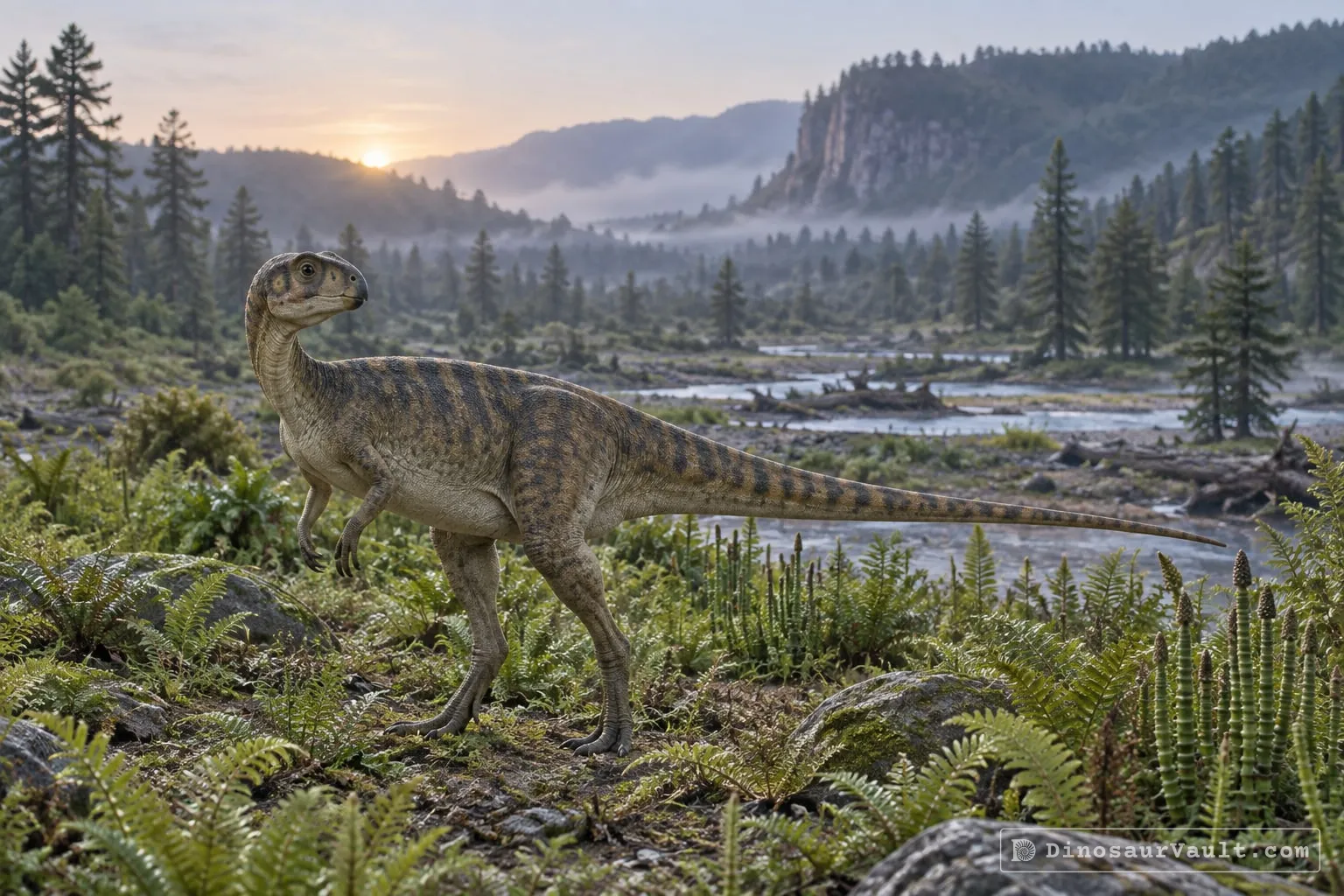
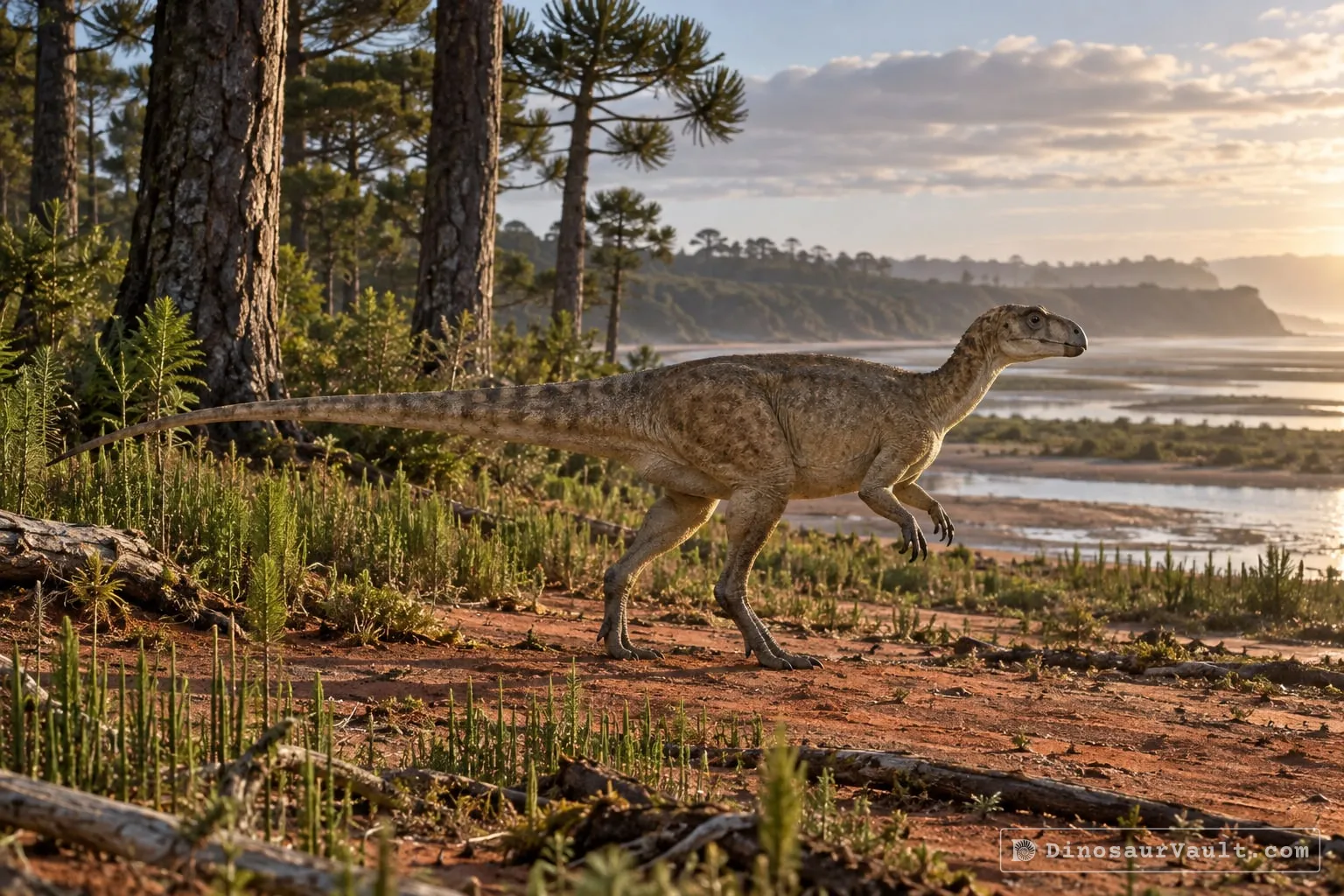
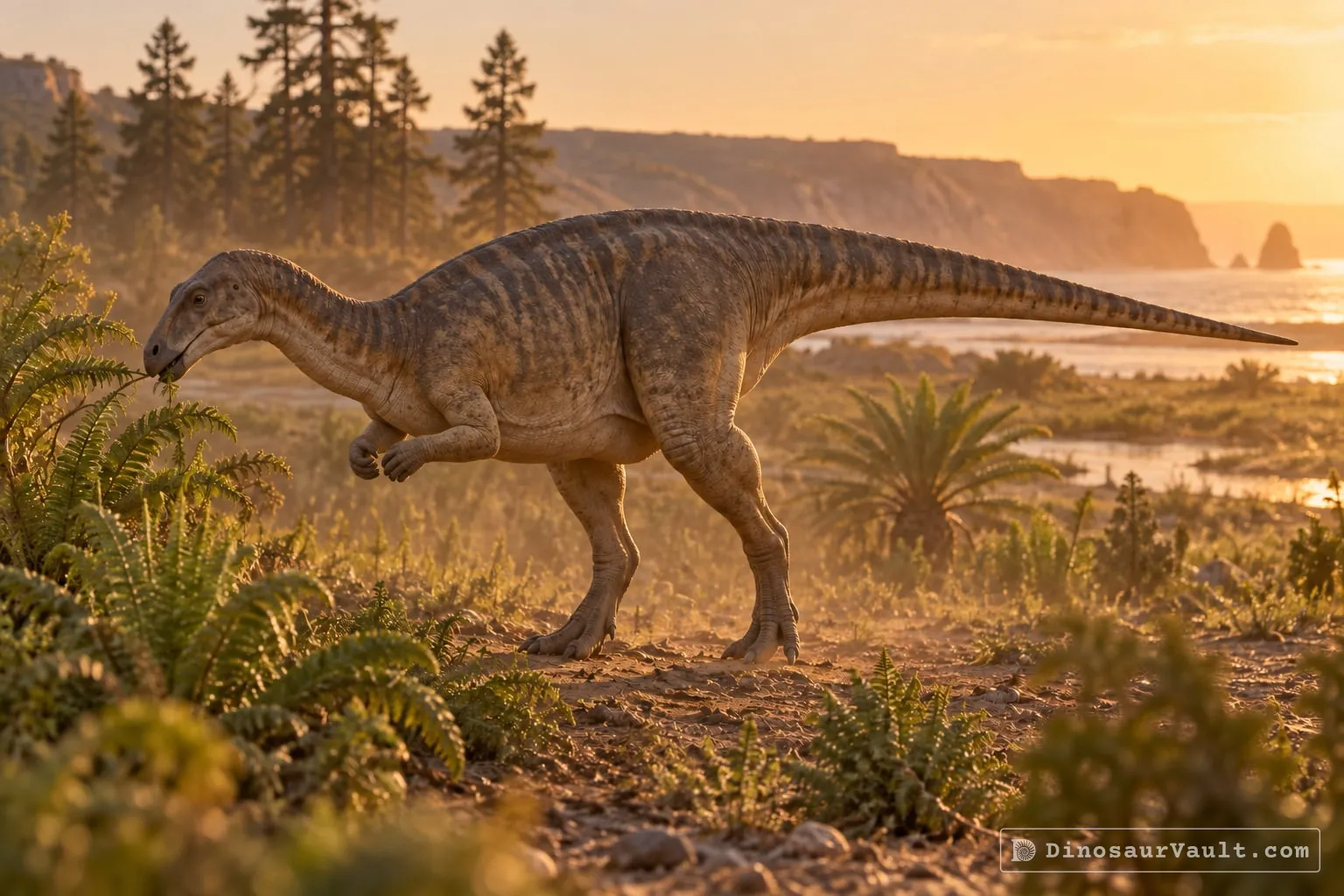
Eousdryosaurus was a small, fast plant eater related to Dryosaurus, known from part of a young animal's skeleton. Its first toe was very small.
Its world
It lived in the Late Jurassic in what is now western Portugal. Its bones come from the Lourinhã Formation, where it shared the land with the hunters Allosaurus, Ceratosaurus and Torvosaurus and the stegosaur Dacentrurus.
How it was found
Escaso and colleagues named Eousdryosaurus in 2014, from a single find.
Field gallery
More views of Eousdryosaurus
Scenes reconstructed from the available fossil evidence.
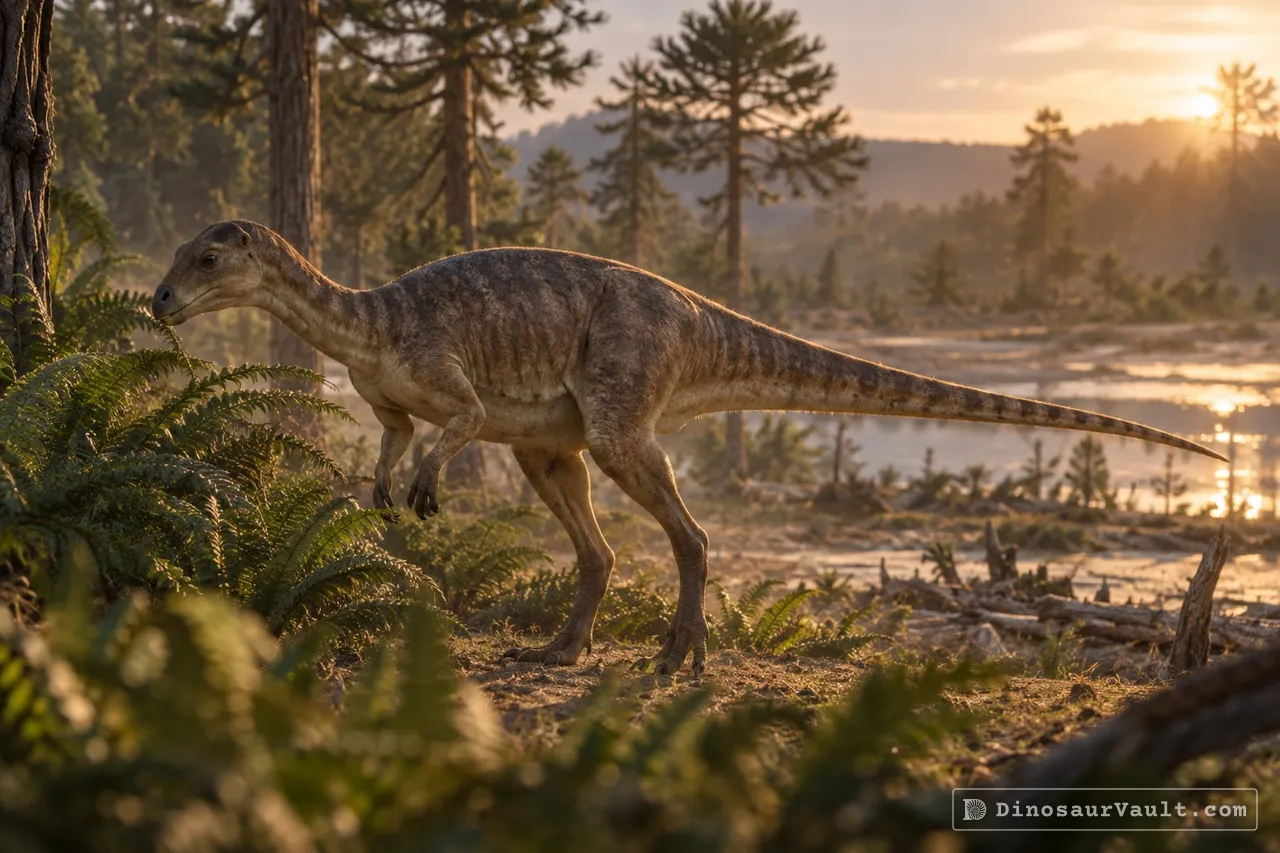
1 of 3
Lived alongside
Found in the same rock formations
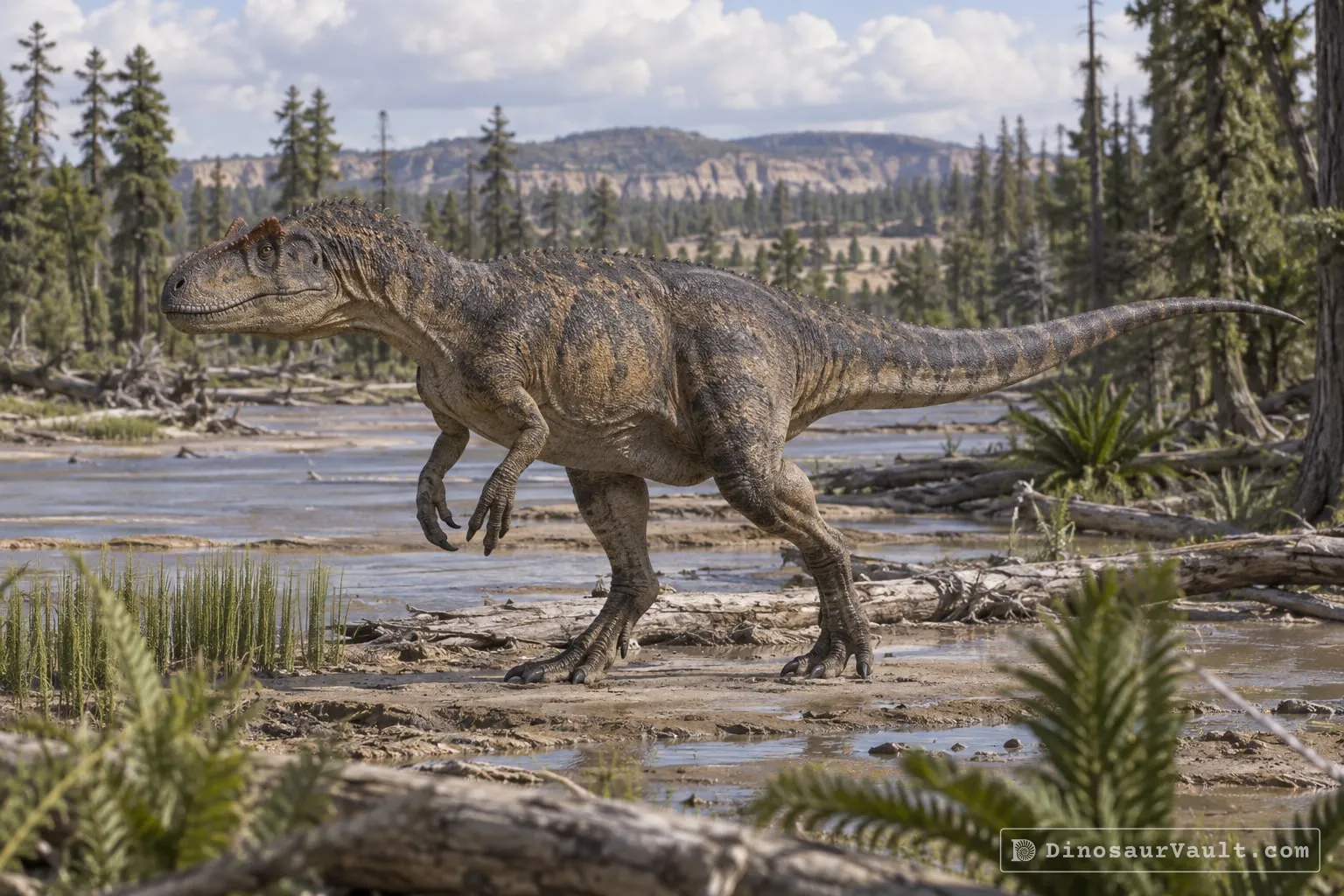
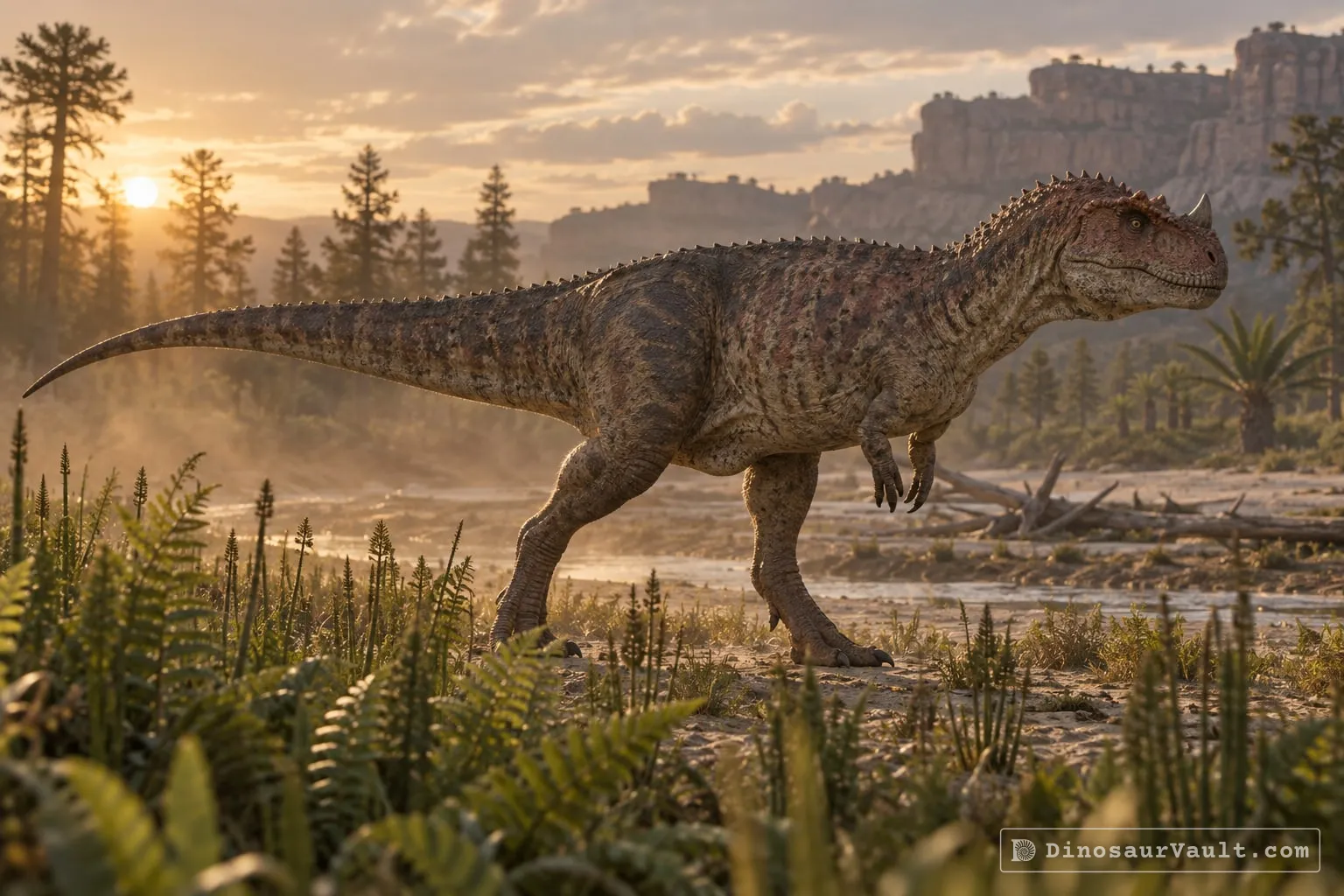
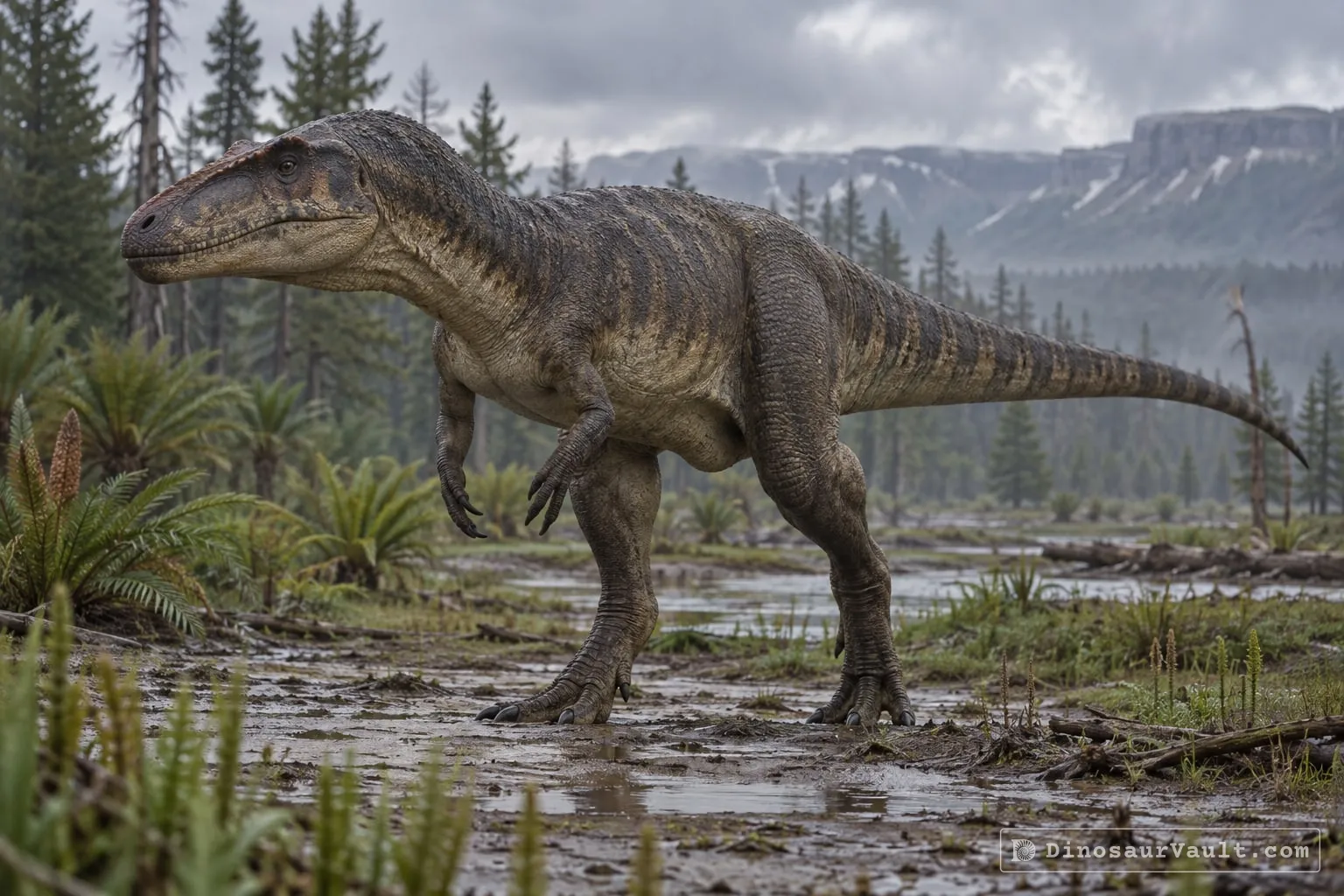
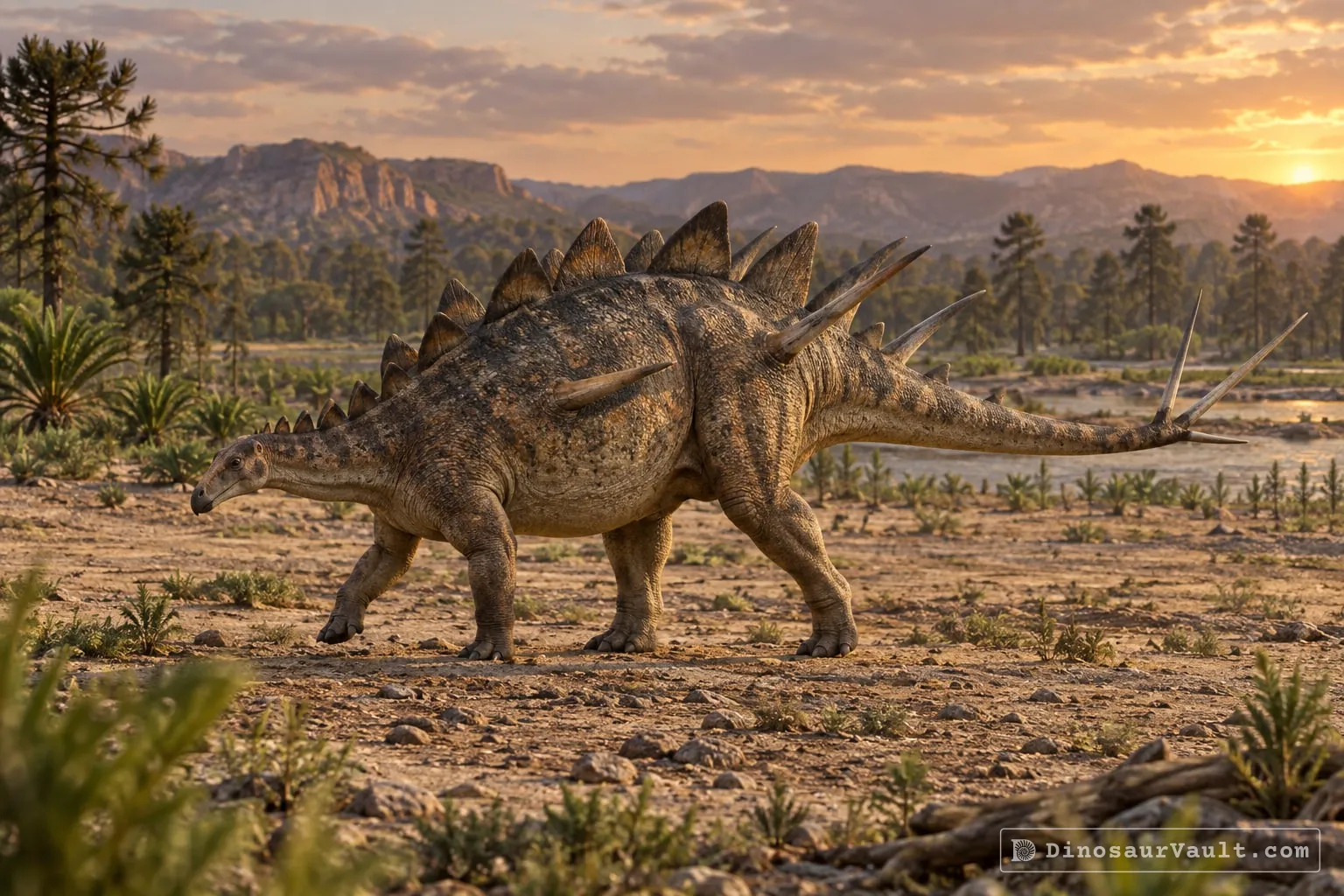
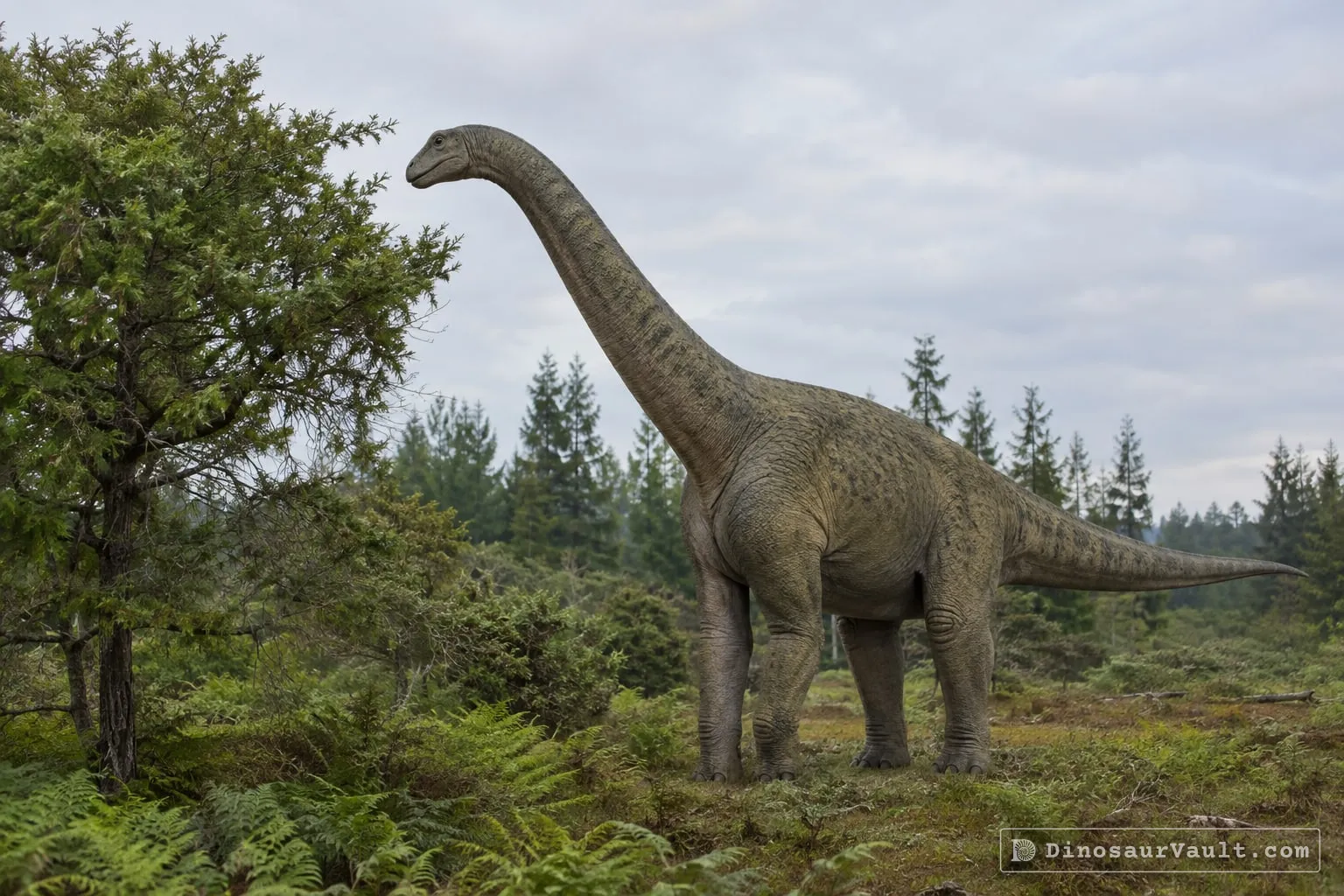


A rock formation can hold fossils laid down millions of years apart, so not every animal here met Eousdryosaurus.
The evidence
The science behind Eousdryosaurus
Which parts of the picture come from its own bones, and which come from its relatives.
From its own fossils
- The only skeleton includes nine joined vertebrae from the front of the tail, a hip bone, one thigh bone and part of the other, a shin bone, a fibula, ankle bones and a complete left foot.
- Its first toe is tiny, with just a single toe bone, and its toe claws are flattened, long and pointed.
- Its thigh bone is slender and bowed forward, and the fibula is very slender. Its describers linked it with dryosaurids, small plant-eating ornithopods, partly from the position of a muscle attachment on the thigh bone.
Borrowed from relatives
- The missing head is restored from relatives: Iyuku for the snout and lower jaw, and Dysalotosaurus for the back of the skull and the jaw joint.
- Dryosaurus guides the missing neck, body and arms, while the slender legs follow Eousdryosaurus's own bones.
Still unknown
- Its adult size and proportions.
- Its closest relatives. It was named as a dryosaurid, one analysis placed it among the elasmarians, and a recent study found it closest to Dryosaurus.
- The precise shape of its skull.
Discovery timeline
- 2014Named itEscaso et al.
- 2020Same rocksRotatori, Moreno-Azanza & Mateus
- 2023Family treeRotatori et al.
- 2026Family treeRotatori et al.
Key papers
The research behind what we know of Eousdryosaurus
Named it
Named a small dryosaurid from a partial skeleton, including a complete foot with a greatly reduced first toe.
A new dryosaurid ornithopod (Dinosauria, Ornithischia) from the Late Jurassic of Portugal. Journal of Vertebrate Paleontology 34: 1102-1112
Read the paper : A new dryosaurid ornithopod (Dinosauria, Ornithischia) from the Late Jurassic of Portugal (opens in a new tab)Same rocks
Described more ornithopod bones from Portugal, noted that the Eousdryosaurus skeleton is immature, and kept bones that lack its diagnostic parts out of the genus.
New information on ornithopod dinosaurs from the Late Jurassic of Portugal. Acta Palaeontologica Polonica 65
Read the paper : New information on ornithopod dinosaurs from the Late Jurassic of Portugal (opens in a new tab)Family tree
Named Hesperonyx from the same formation and recovered Eousdryosaurus within the dryosaurid family in both analyses.
An unexpected early-diverging iguanodontian dinosaur (Ornithischia, Ornithopoda) from the Upper Jurassic of Portugal. Journal of Vertebrate Paleontology 43
Read the paper : An unexpected early-diverging iguanodontian dinosaur (Ornithischia, Ornithopoda) from the Upper Jurassic of Portugal (opens in a new tab)Family tree
A broad study of early iguanodontians scored the type skeleton firsthand and found Eousdryosaurus closest to Dryosaurus.
The early origin of Iguanodontia: new insights into the macroevolution, diversity and biogeography of the clade. Palaeontology 69
Read the paper : The early origin of Iguanodontia: new insights into the macroevolution, diversity and biogeography of the clade (opens in a new tab)
Close relatives
Other members of Dryosauridae


Sources: Wikidata