Dryosaurus
DRY-oh-SORE-us
"tree lizard"
- Lived
- 155 to 143 million years ago, Late Jurassic
- Diet
- Herbivore
- Length
- about 4 m (13 ft)
- Group
- Ornithopods, Dryosauridae
- Found in
- United States
- Named by
- Marsh 1894
Size comparison
To scale
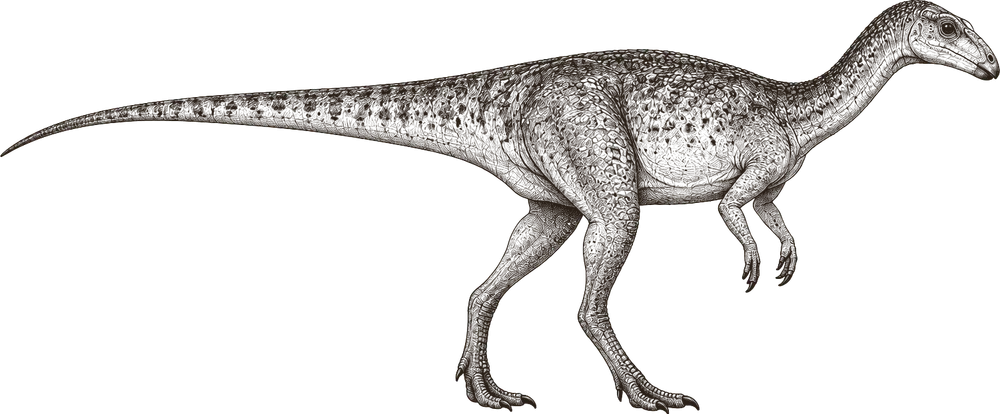

Scale in meters
Where its fossils were found
The evidence
Today

150 million years ago
Also reported from France.
Habitat
Rivers crossed a floodplain with seasonal dry spells, conifers and low fern growth. Stegosaurus, Diplodocus and Camptosaurus lived in the same region.
Field notes
About Dryosaurus
What it was like
Dryosaurus was a small, fast-moving plant eater that walked and ran on two long, slender legs. It grew to roughly 4 meters (13 feet) long, with a toothless beak at the front of its jaws for cropping plants and ridged cheek teeth farther back for grinding them.
Its build, long legs, a stiff tail held out for balance, and a light frame, suggests speed was its main defense against the large predators that shared its world.
Its world
Dryosaurus lived from about 155 to 143 million years ago, spanning the end of the Late Jurassic and the start of the Early Cretaceous, in what is now the western United States, with likely finds also reported from France. Its bones come from the Morrison Formation in Utah, Wyoming, and Colorado, and from the Marnes de Bléville in France.
It shared the Morrison ecosystem with some of the best known dinosaurs of the Jurassic, including Stegosaurus, Allosaurus, Brachiosaurus, Diplodocus, and Apatosaurus. About 20 fossil finds of Dryosaurus are known, making it one of the better represented ornithopods of its time.
How it was found
Marsh named Dryosaurus in 1894 from Morrison Formation bones found in the western United States. Its closest relatives include Dysalotosaurus, Valdosaurus, Elrhazosaurus, and Eousdryosaurus, and for a time some of these were even classified as species of Dryosaurus itself before being recognized as separate genera. The many Dryosaurus finds since have made it one of the better studied small ornithopods of the Jurassic.
Field gallery
More views of Dryosaurus
Scenes reconstructed from the available fossil evidence.
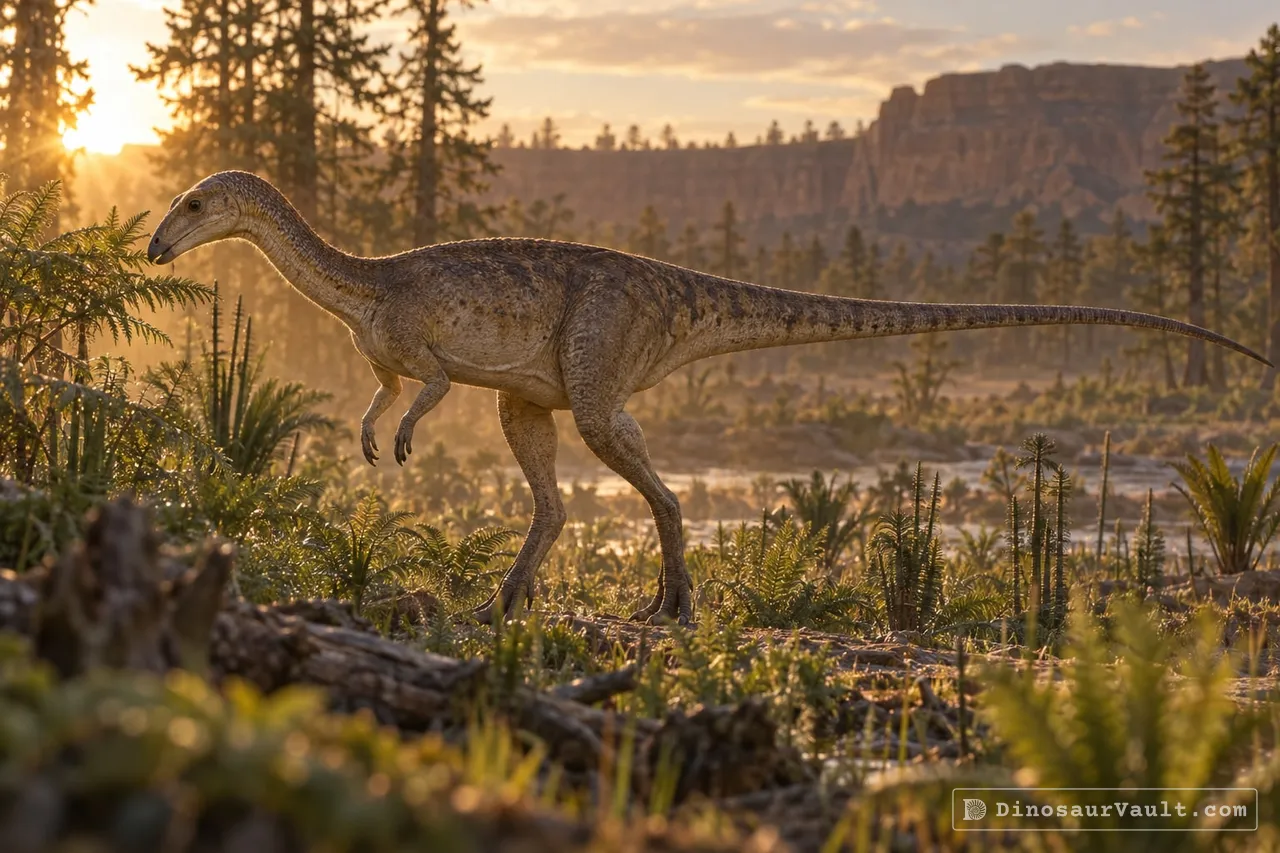
1 of 7
Lived alongside
Found in the same rock formations
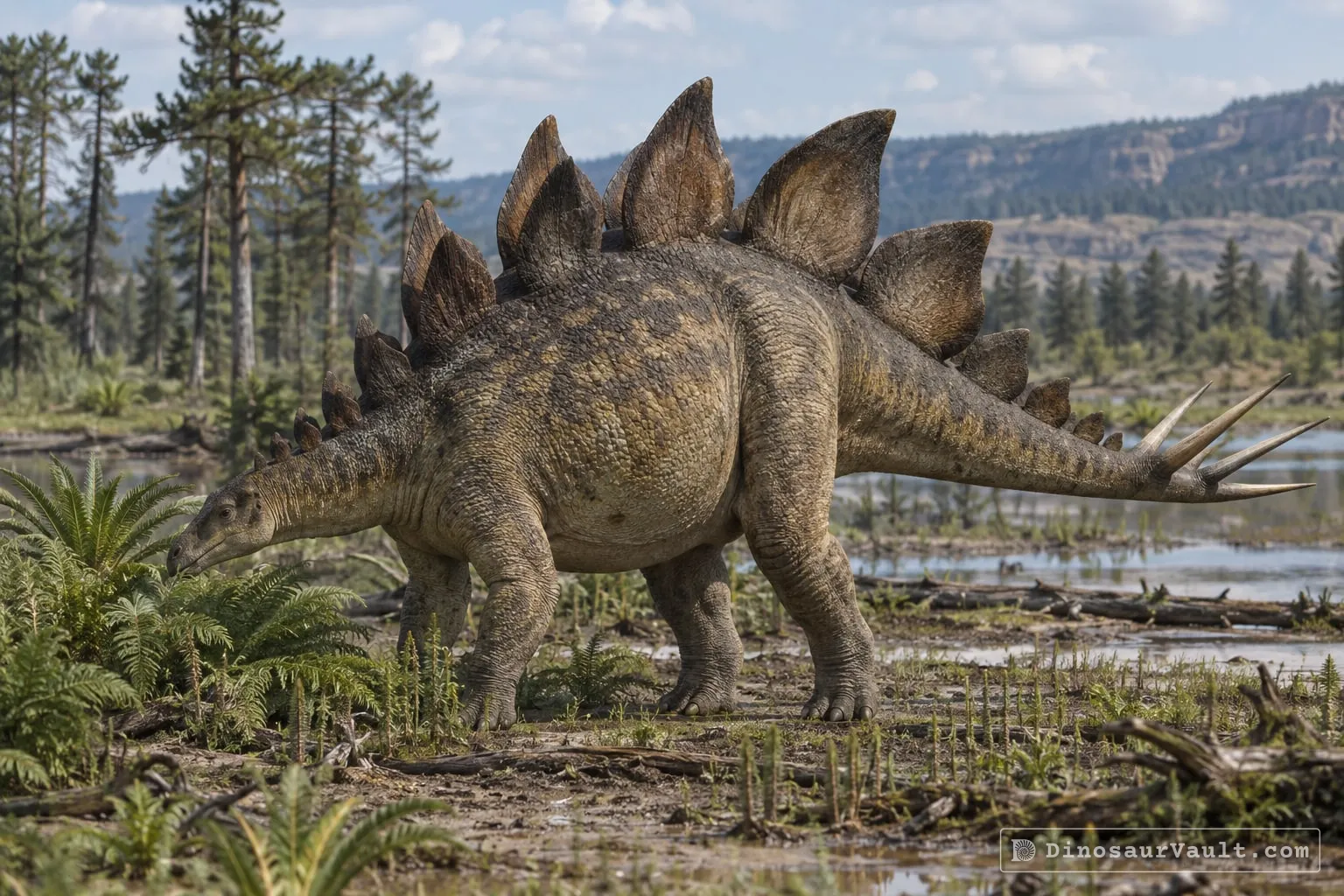
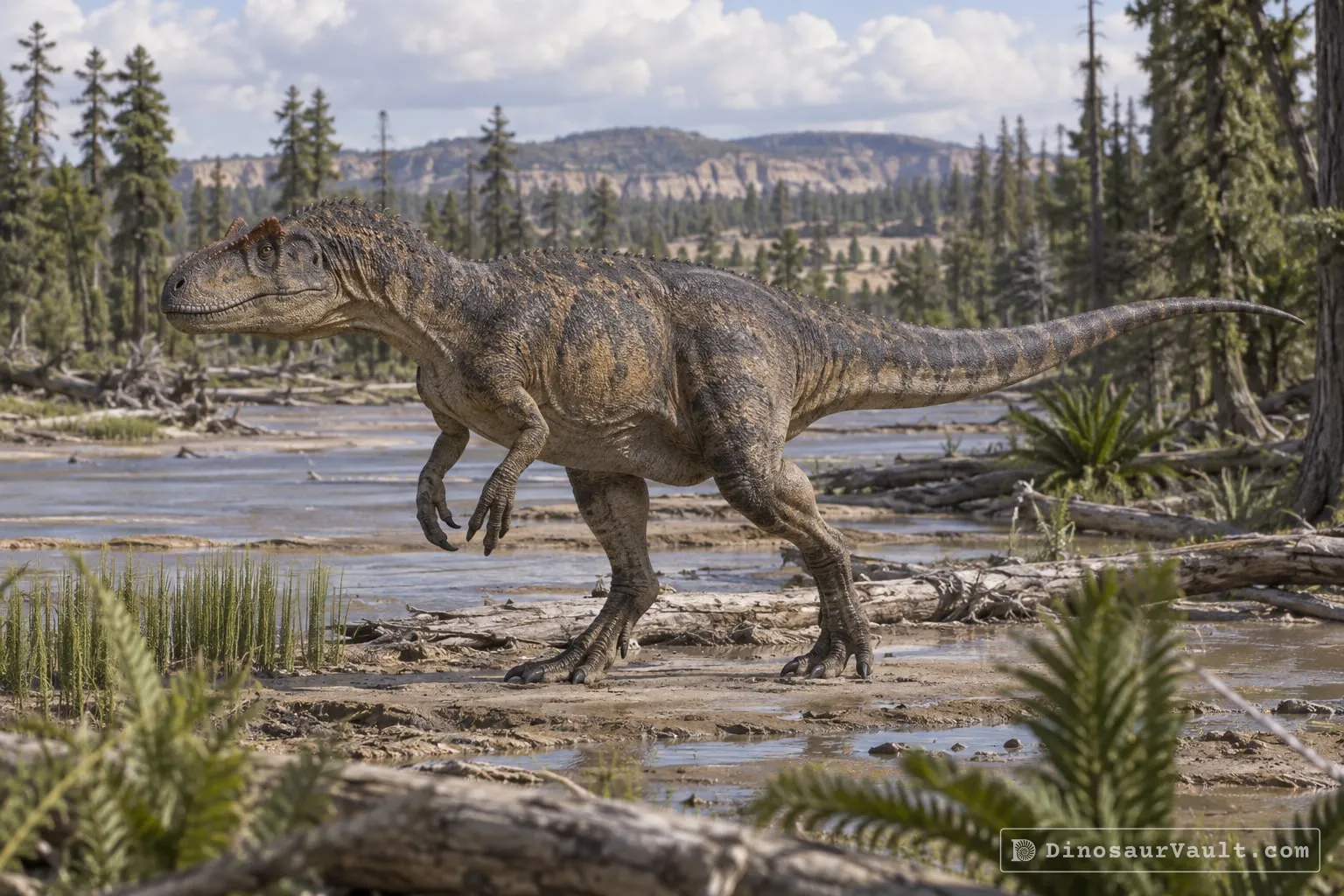
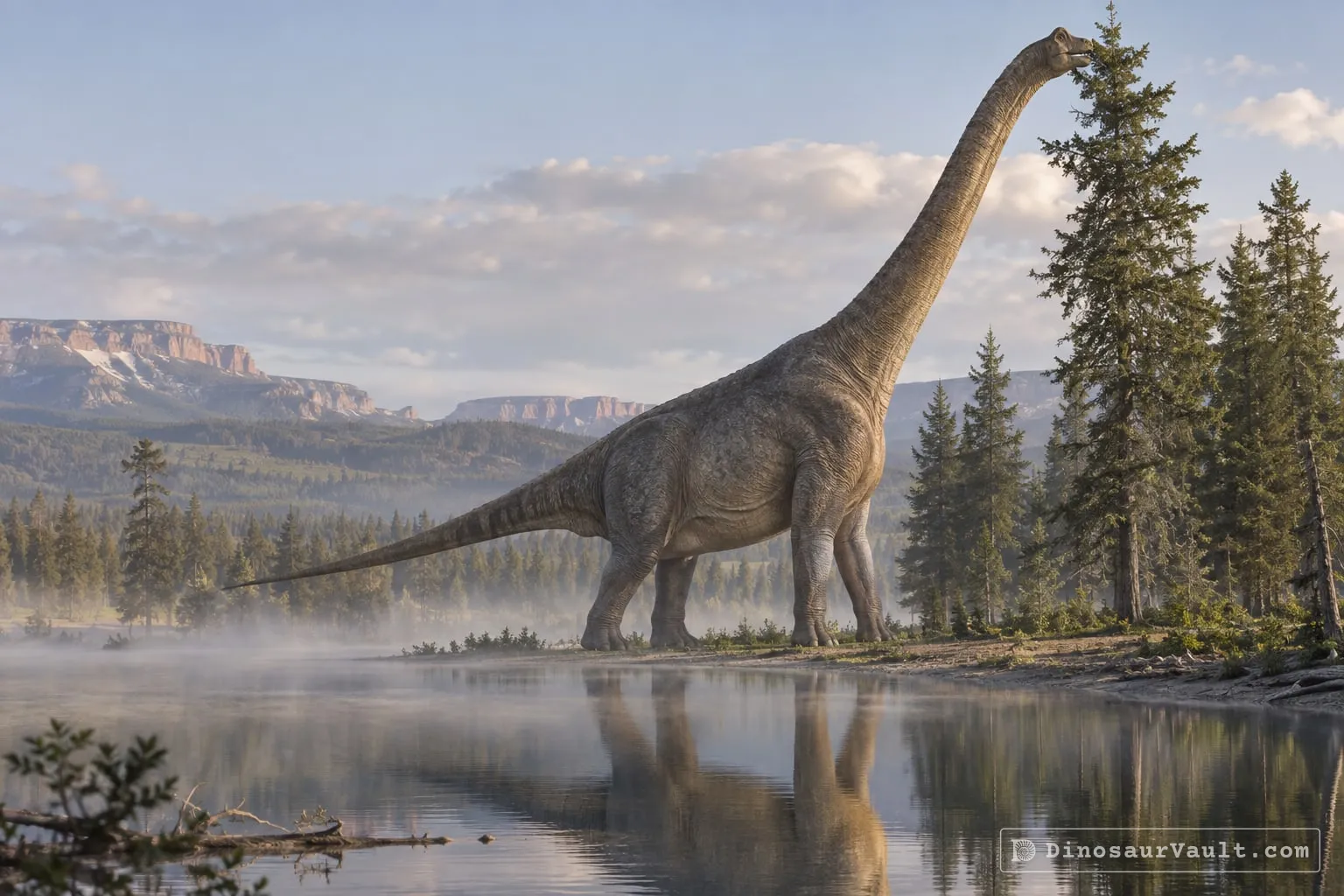
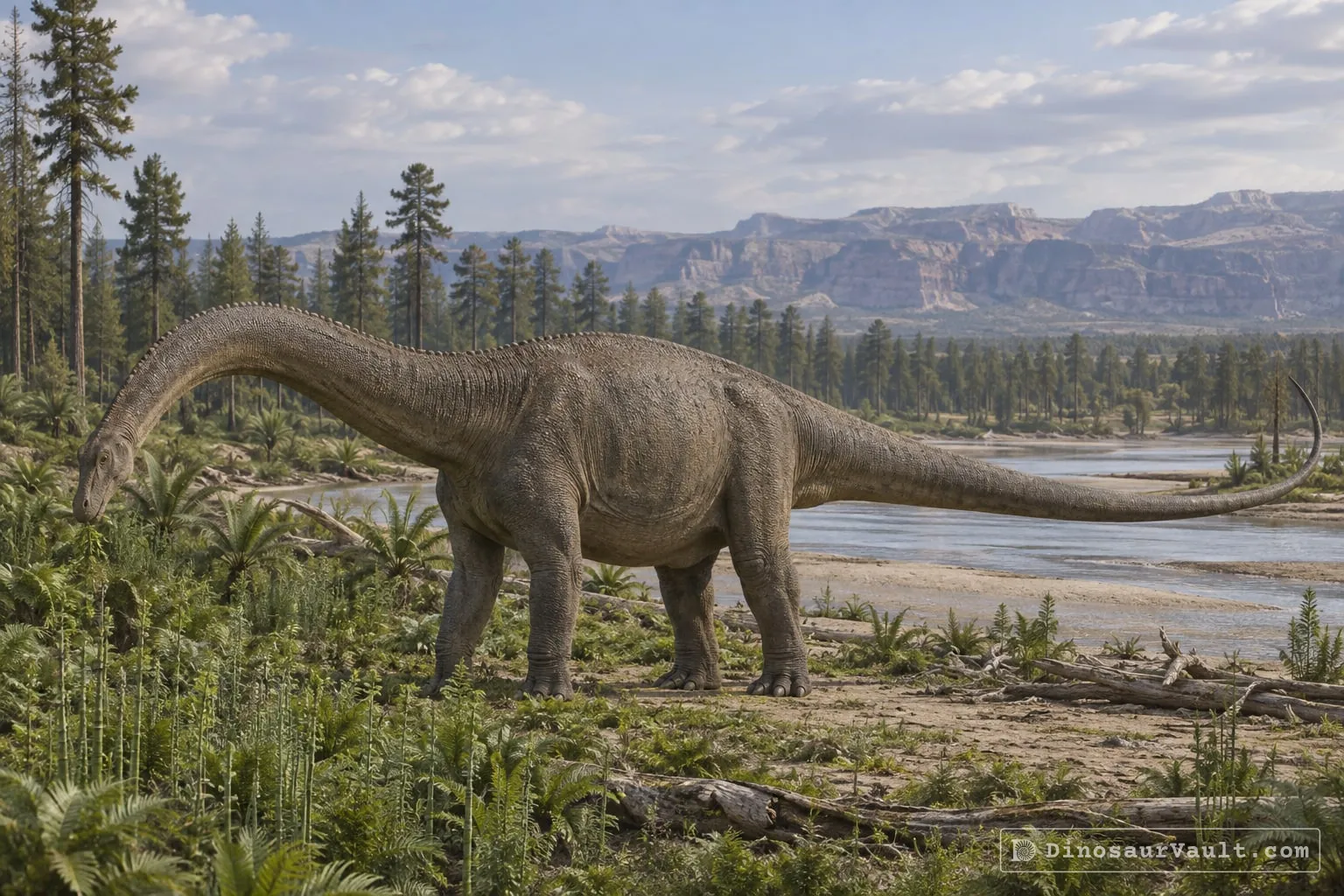
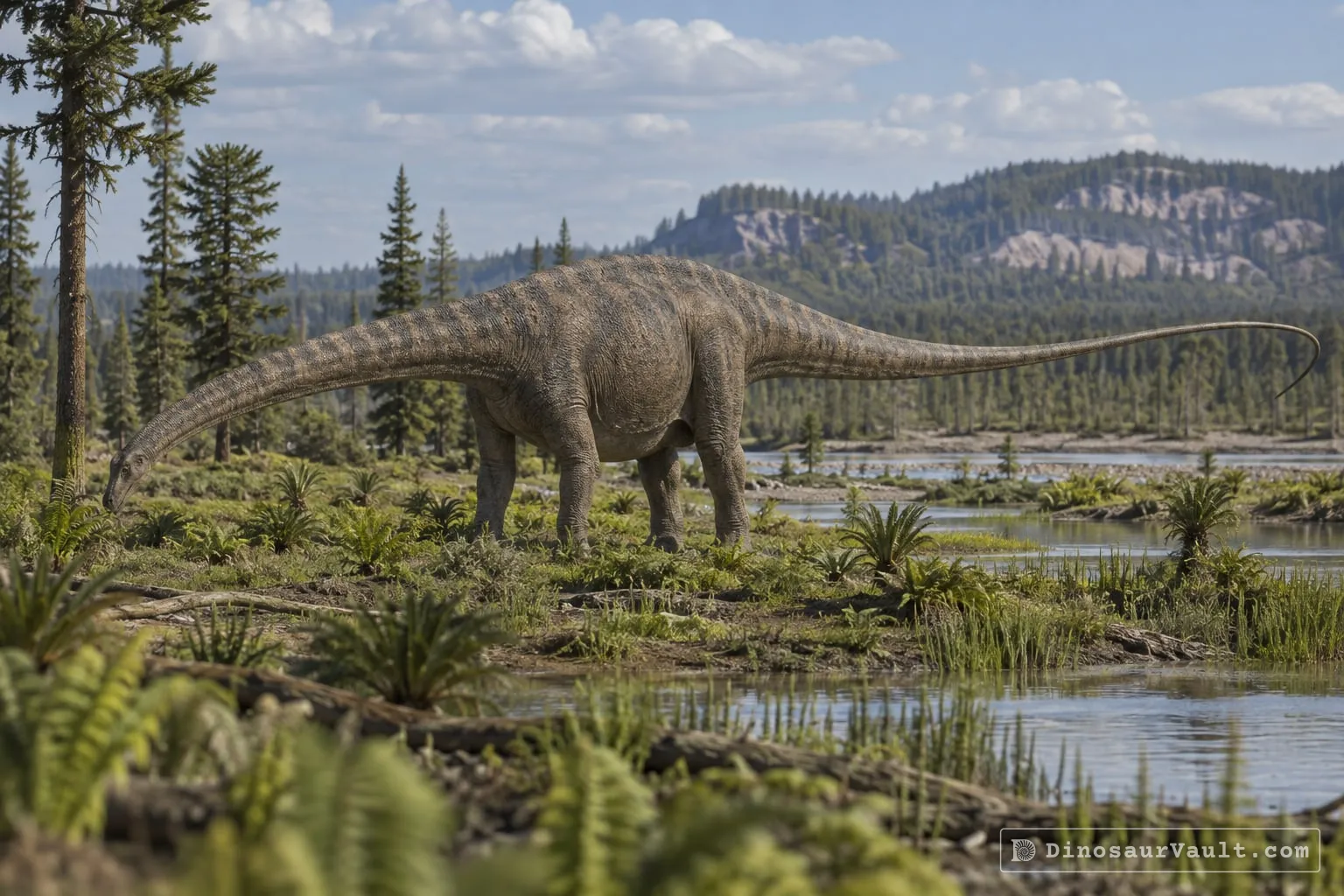
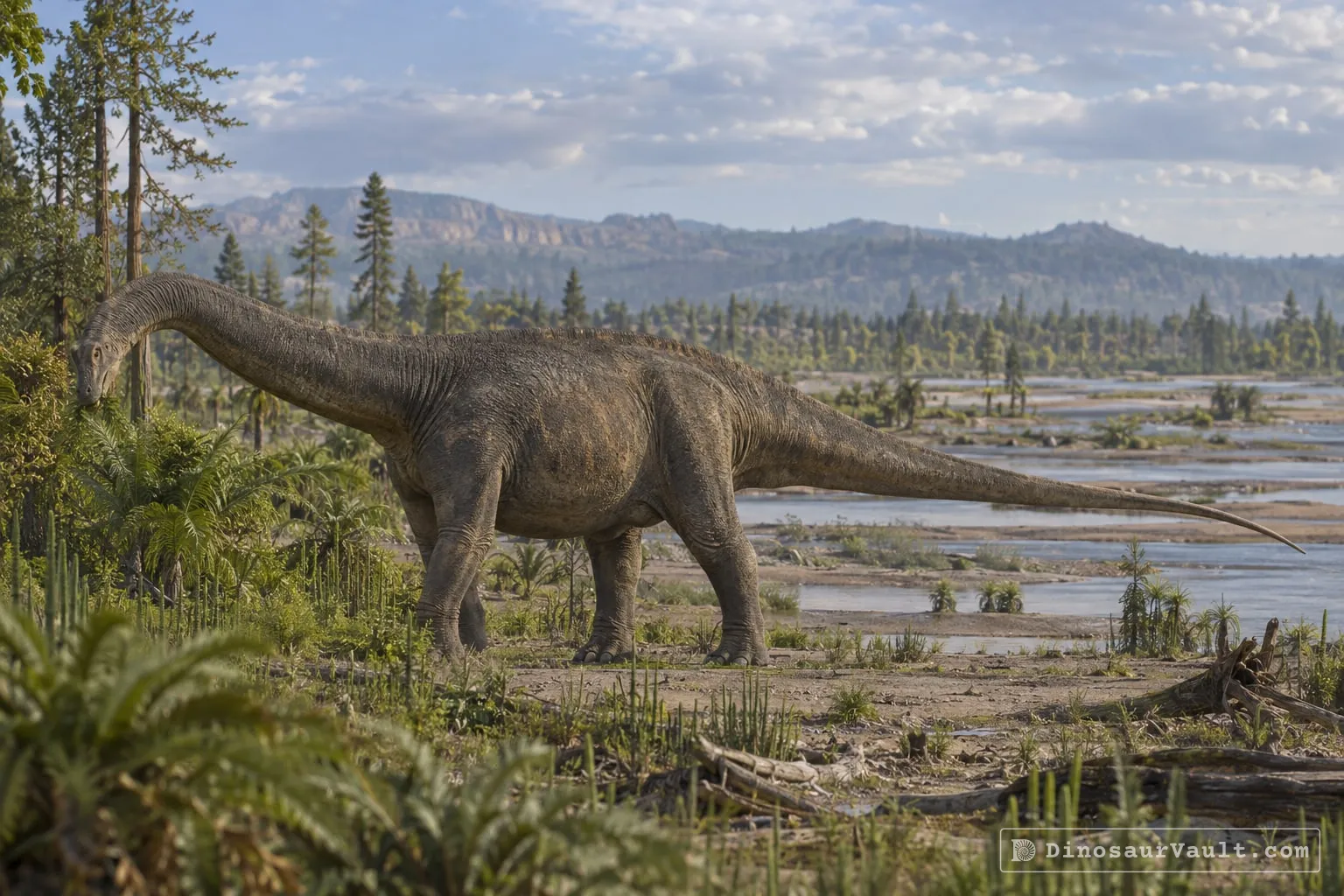
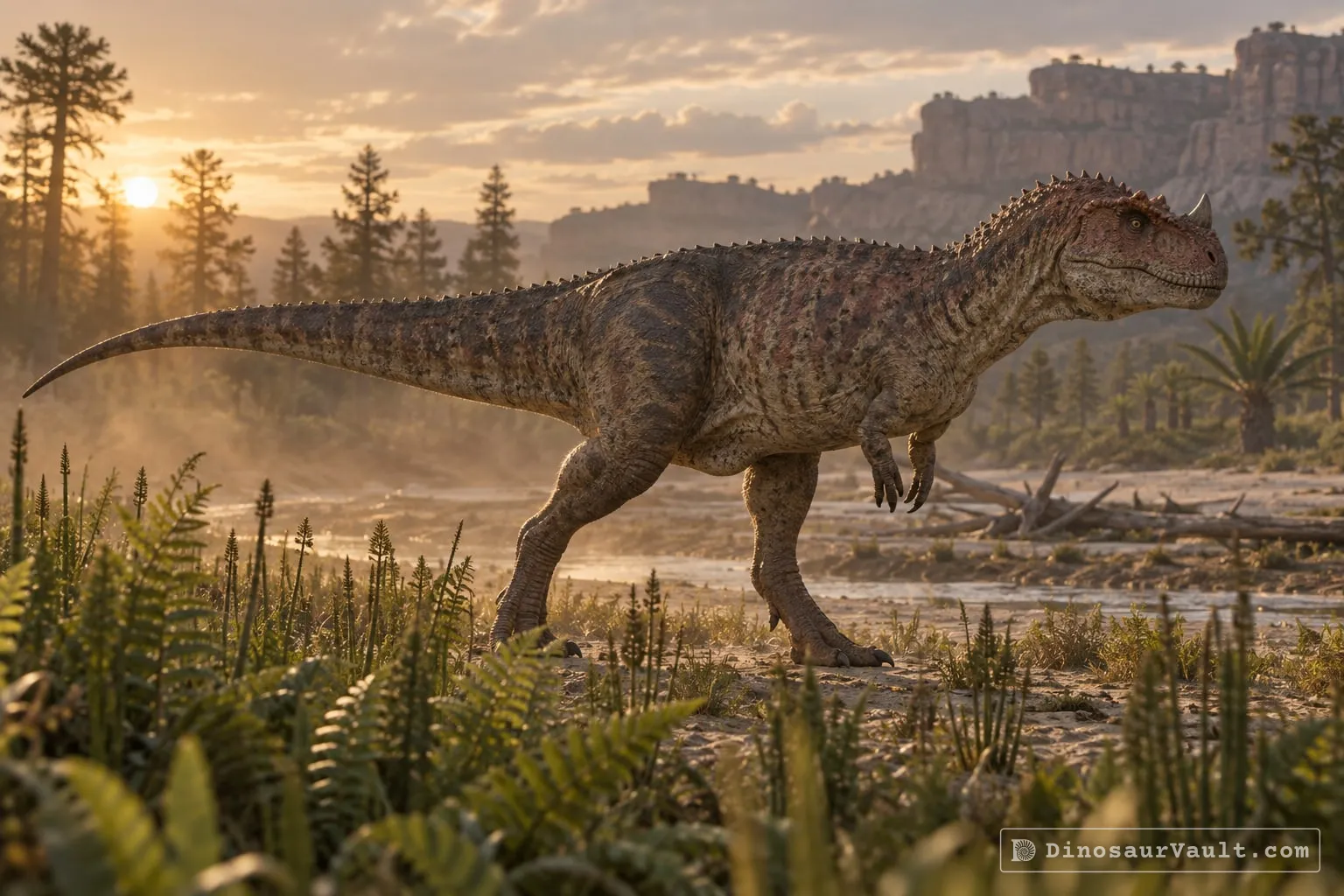
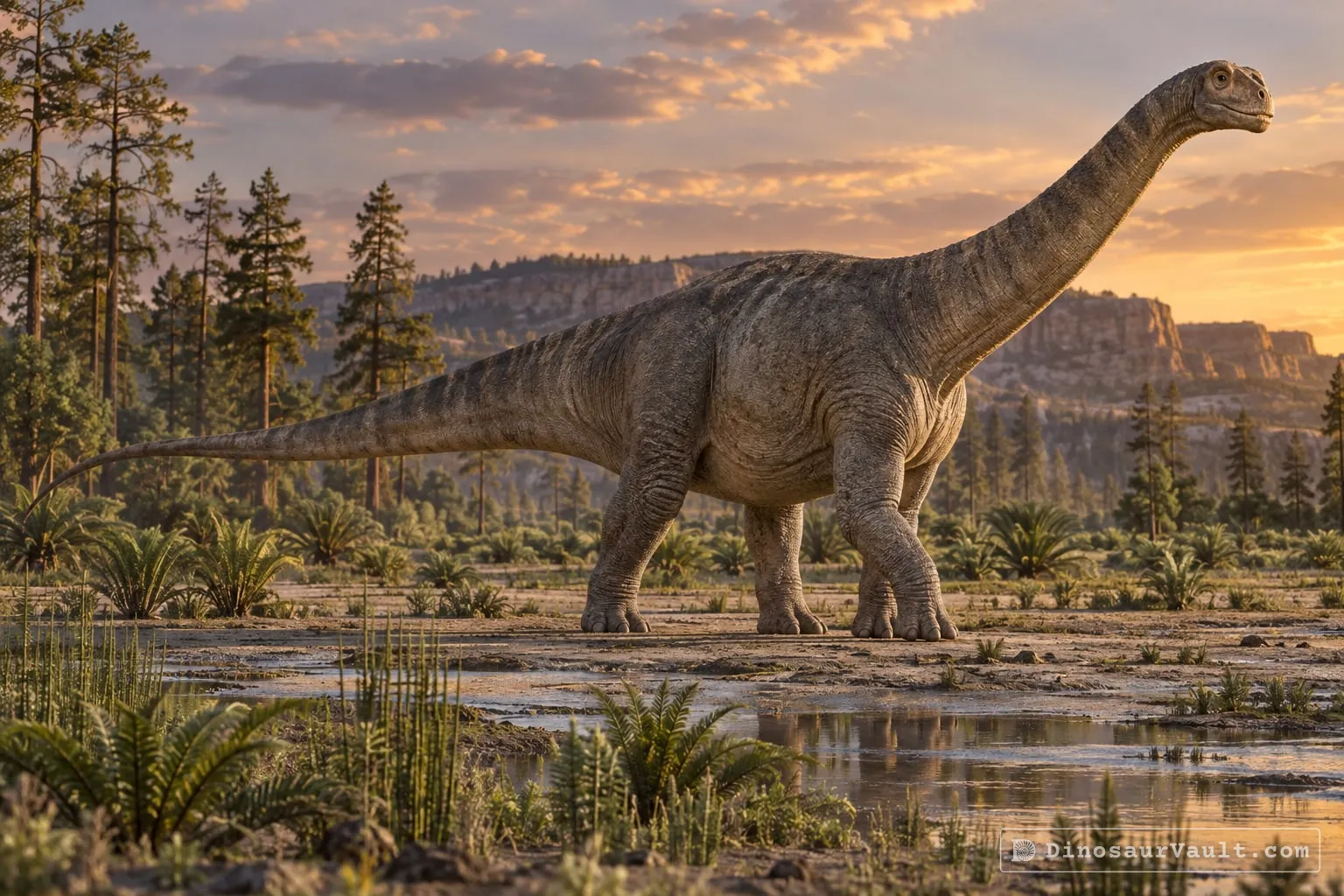


A rock formation can hold fossils laid down millions of years apart, so not every animal here met Dryosaurus.
The evidence
The science behind Dryosaurus
Which parts of the picture come from its own bones, and which come from its relatives.
From its own fossils
- Skull and skeleton material shows a short beak, large eyes and small arms.
- Long, slender hind legs and a stiff tail gave it a light, balanced build.
- A partial juvenile skull gives a direct look at a young animal.
Borrowed from relatives
- Much of the body is known from its own bones; Dysalotosaurus helps fill remaining gaps.
- Skin covering follows comparisons with other ornithopods.
Still unknown
- Its color and markings.
- The exact ages and full lengths of the known young animals.
- Whether adults cared for their young.
Often drawn wrong
- It had no thumb spike like that of Iguanodon or tall head crest.
- Its tail was held off the ground to balance the body.
Discovery timeline
- 1894Named itMarsh
- 1981Full descriptionGalton
- 2004Its worldTurner & Peterson
Key papers
The research behind what we know of Dryosaurus
Named it
Established Dryosaurus as a distinct genus among the plant-eating dinosaurs of the American Jurassic.
The typical Ornithopoda of the American Jurassic. American Journal of Science s3-48: 85-90
Read the paper : The typical Ornithopoda of the American Jurassic (opens in a new tab)Full description
Compared bones behind the skull in American Dryosaurus and African material now assigned to Dysalotosaurus.
Dryosaurus, a hypsilophodontid dinosaur from the upper jurassic of north America and Africa postcranial skeleton. Paläontologische Zeitschrift 55: 271-312
Read the paper : Dryosaurus, a hypsilophodontid dinosaur from the upper jurassic of north America and Africa postcranial skeleton (opens in a new tab)Its world
Reconstructed the rivers, wetlands, vegetation and seasonal climate of the Morrison ecosystem where Dryosaurus lived.
Reconstruction of the Upper Jurassic Morrison Formation extinct ecosystem—a synthesis. Sedimentary Geology 167: 309-355
Read the paper : Reconstruction of the Upper Jurassic Morrison Formation extinct ecosystem—a synthesis (opens in a new tab)
Close relatives
Other members of Dryosauridae


Sources: Wikidata