Outline: a typical ceratopsian
Einiosaurus
eye-nee-oh-SORE-us
"bison lizard"
- Lived
- 84 to 72 million years ago, Late Cretaceous
- Diet
- Herbivore
- Length
- estimates range from 4.5 to 6 m (15 to 20 ft)
- Group
- Ceratopsians, Ceratopsidae
- Found in
- United States
- Named by
- Sampson 1994
Where its fossils were found
The evidence
Today

80 million years ago
Field notes
About Einiosaurus
What it was like
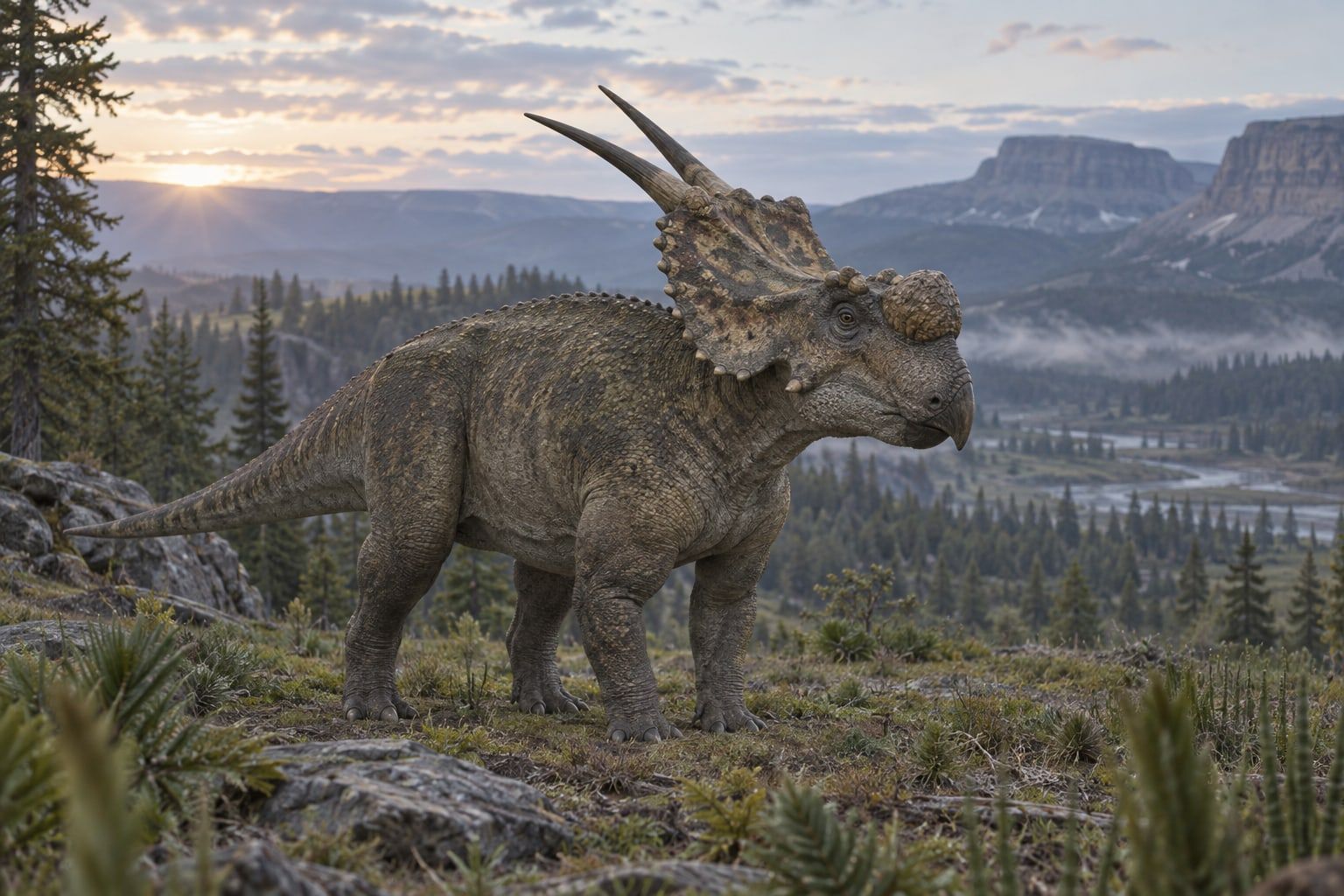
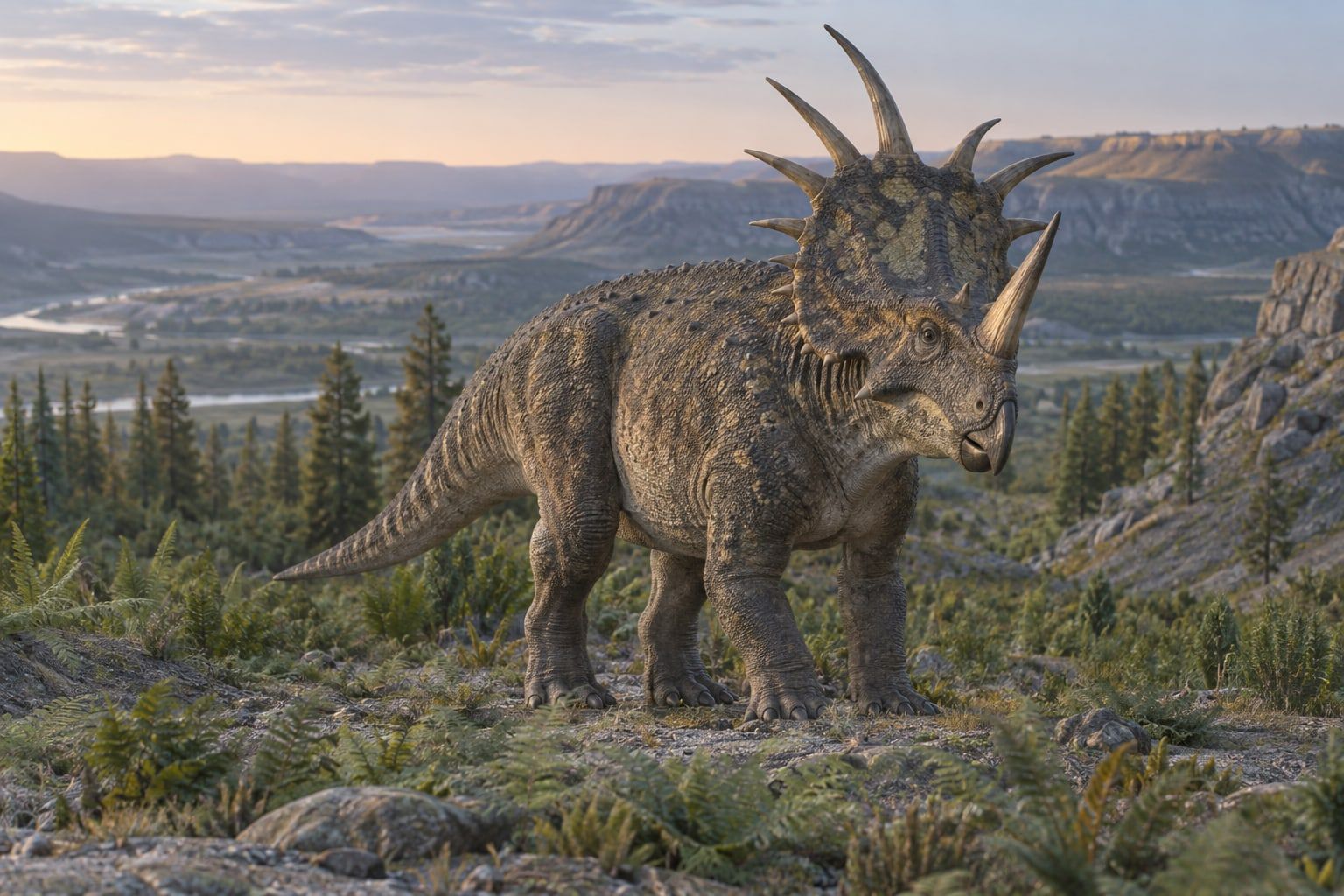
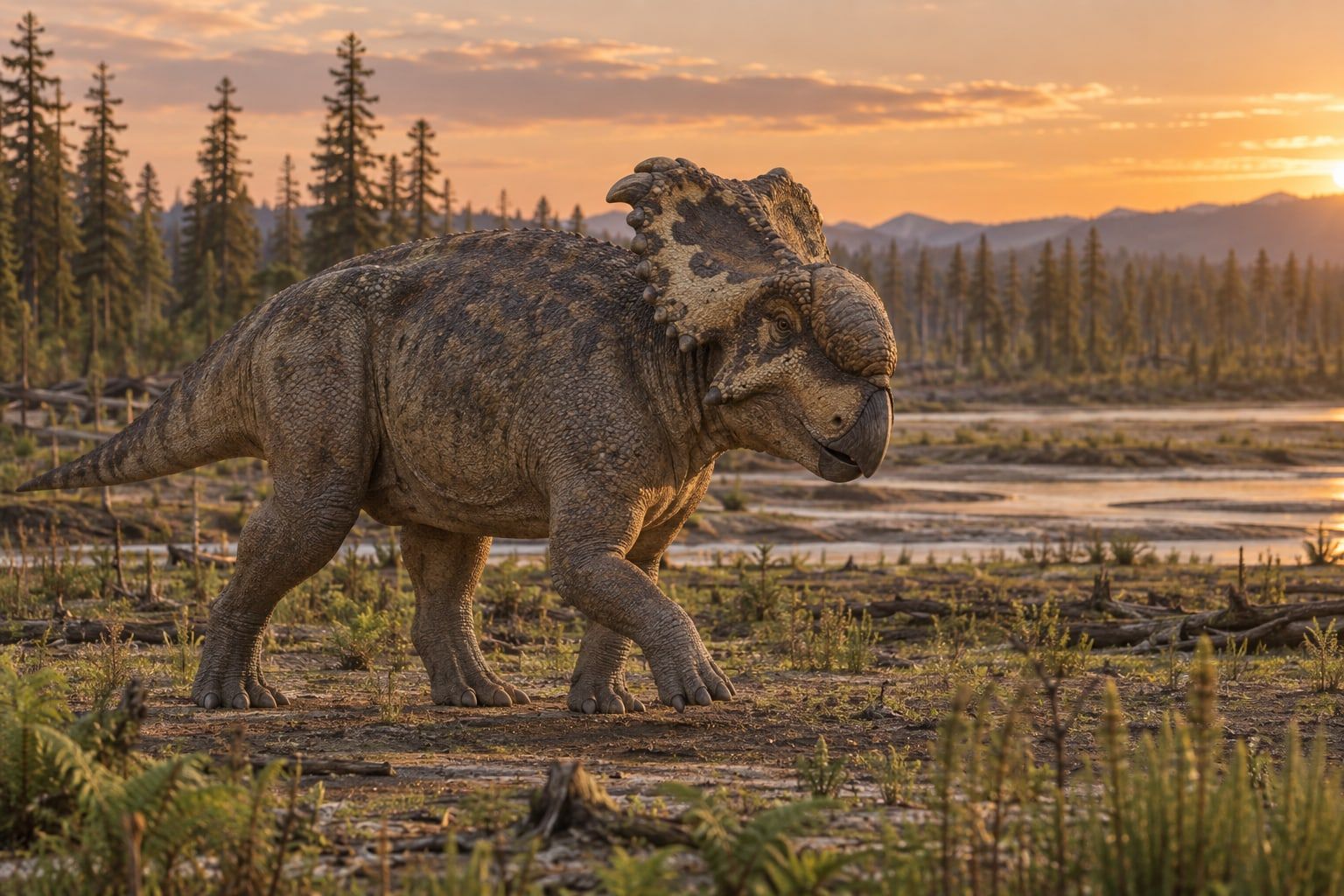
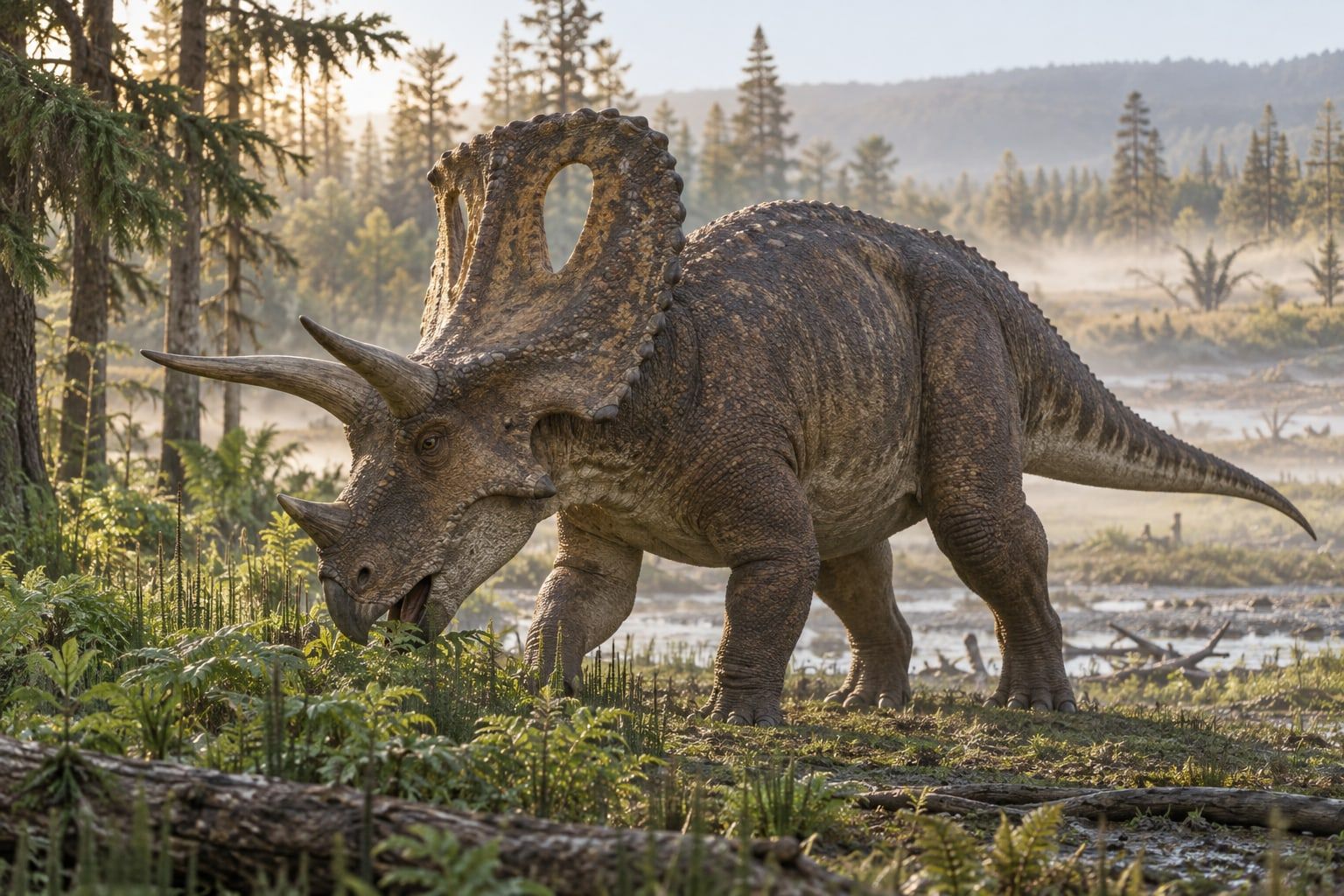
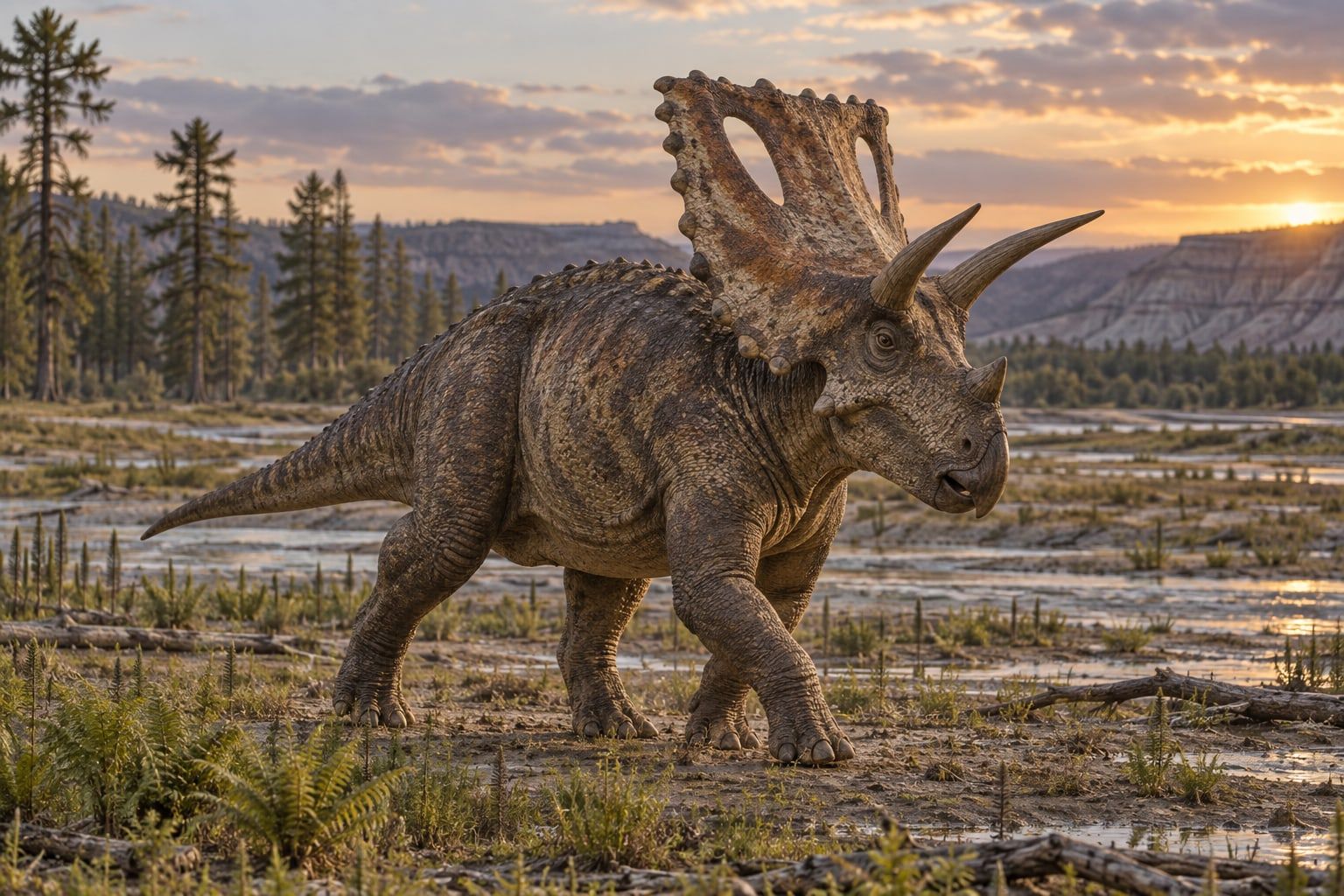
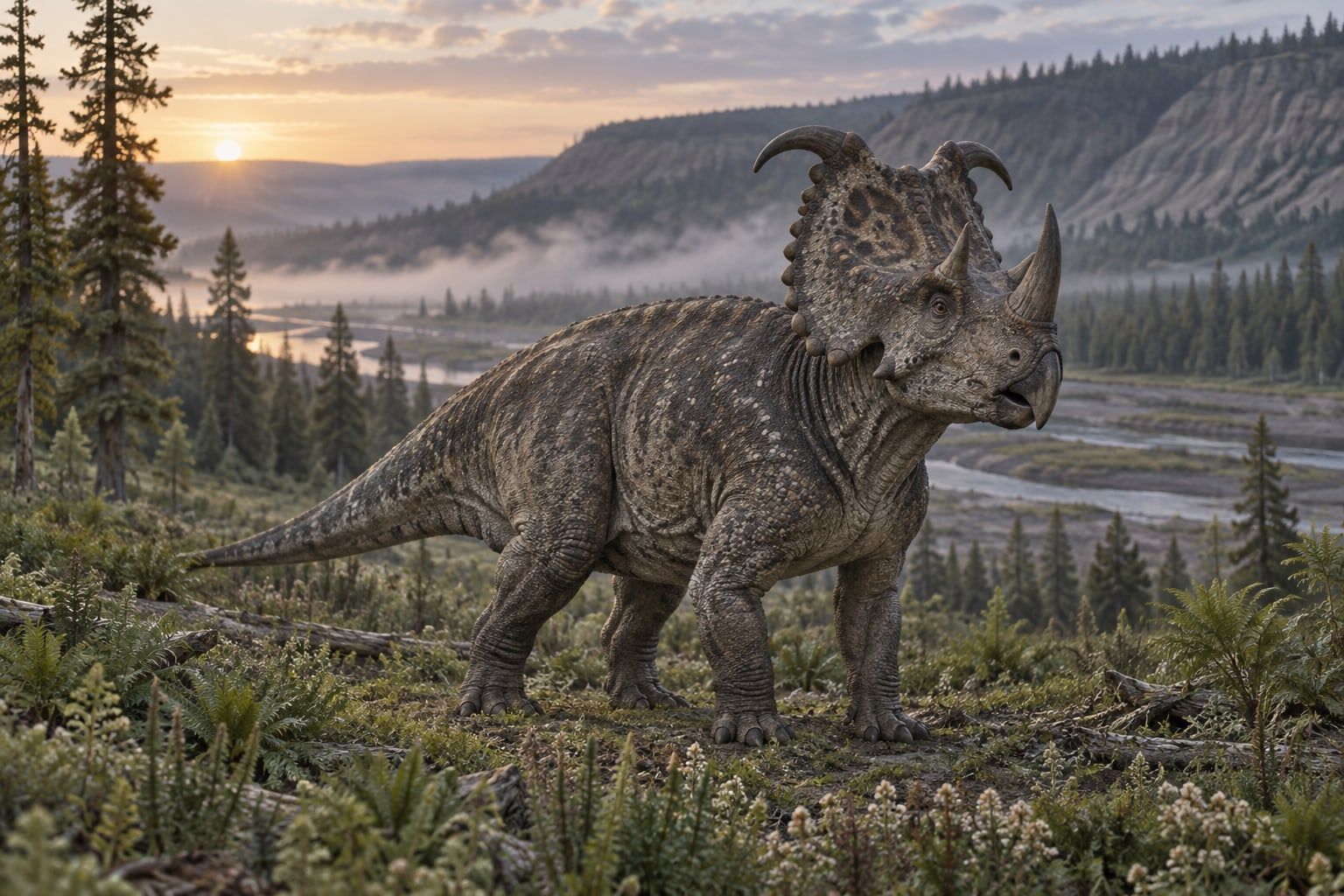
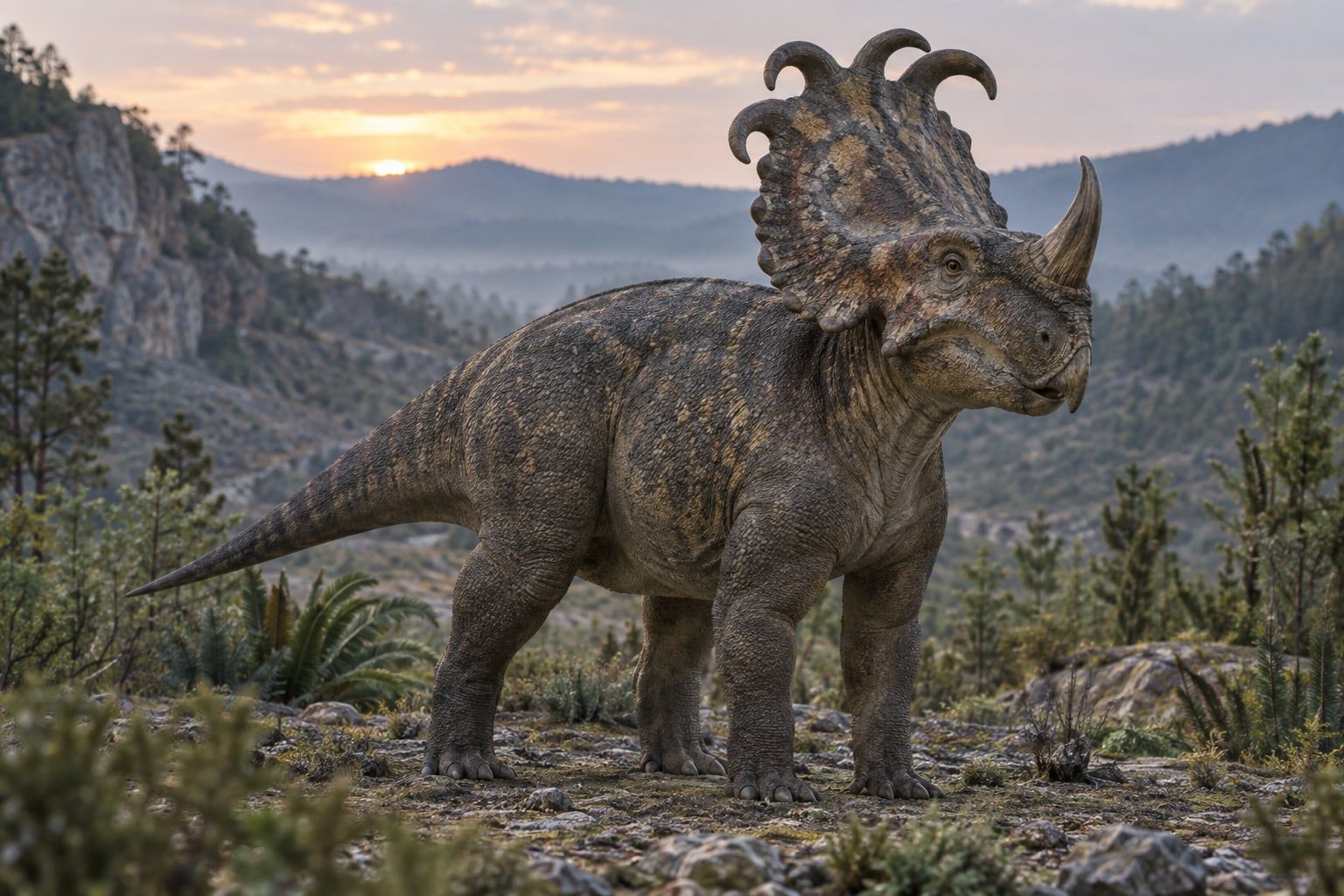
Einiosaurus was a horned plant eater between 4.5 and 6 meters (15 to 20 feet) long. Its nose horn curved sharply forward and down, like a bottle opener, and a pair of long spikes rose from the back of its frill.
It walked on four legs and cut plants with a narrow, hooked beak.
Its world
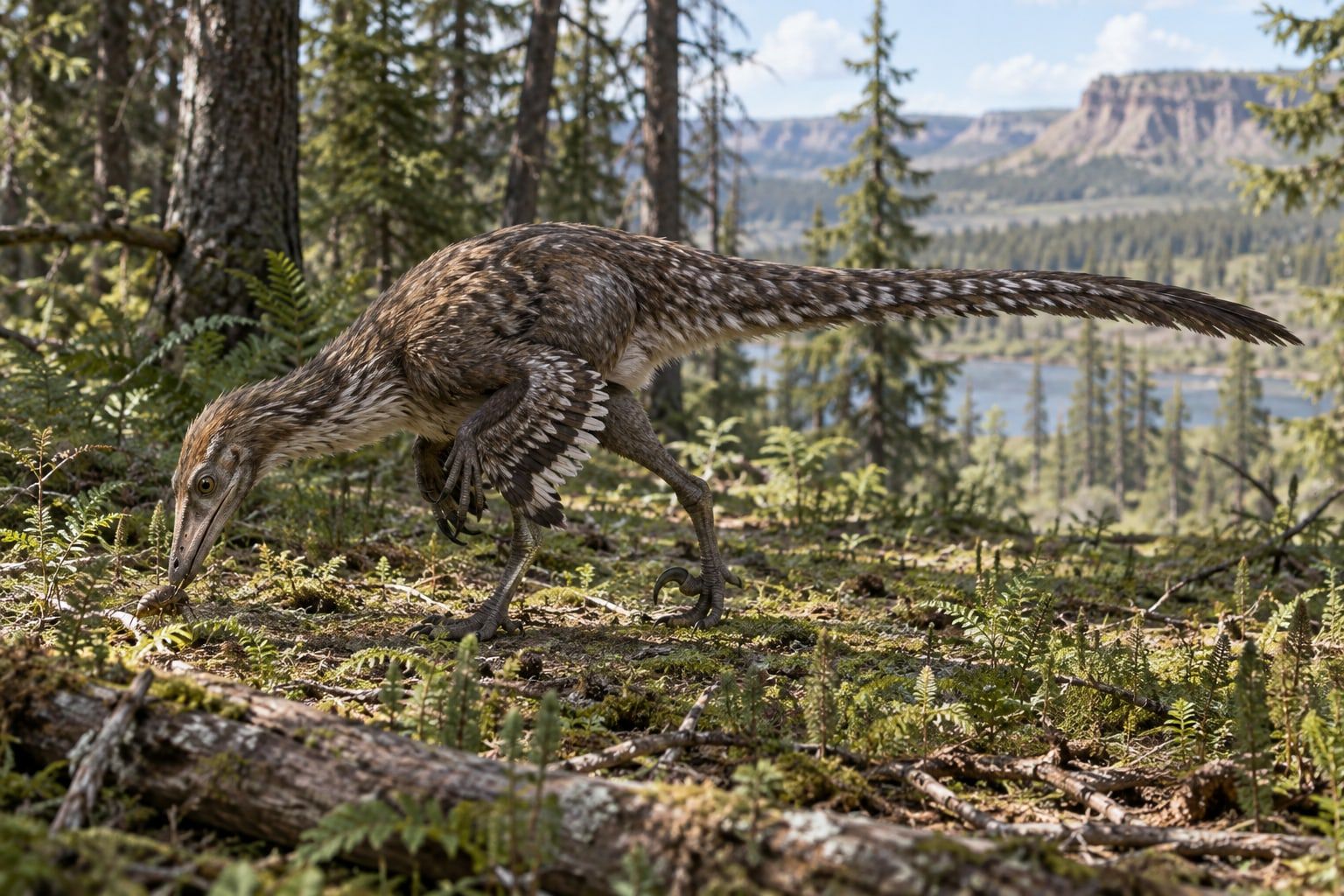
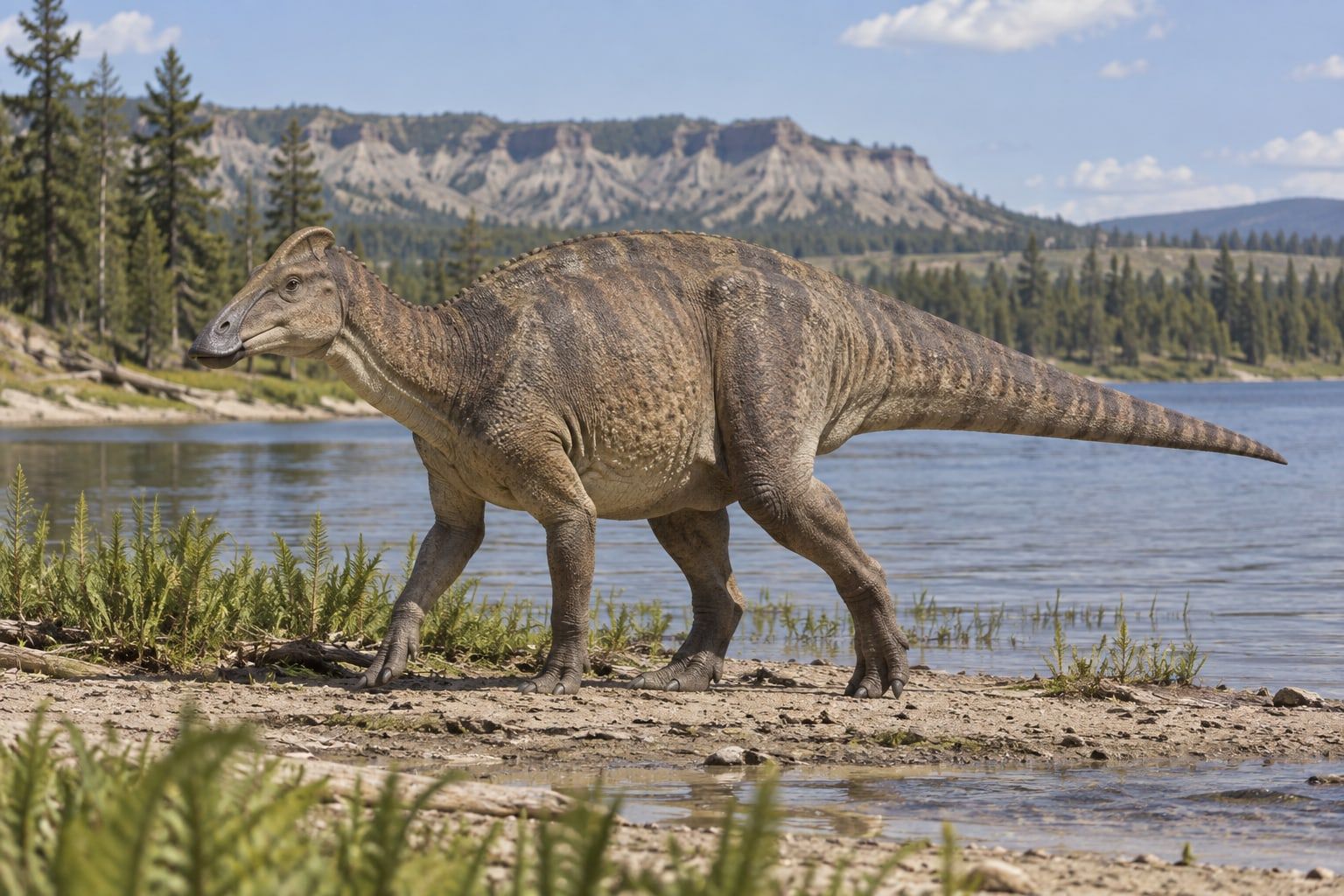
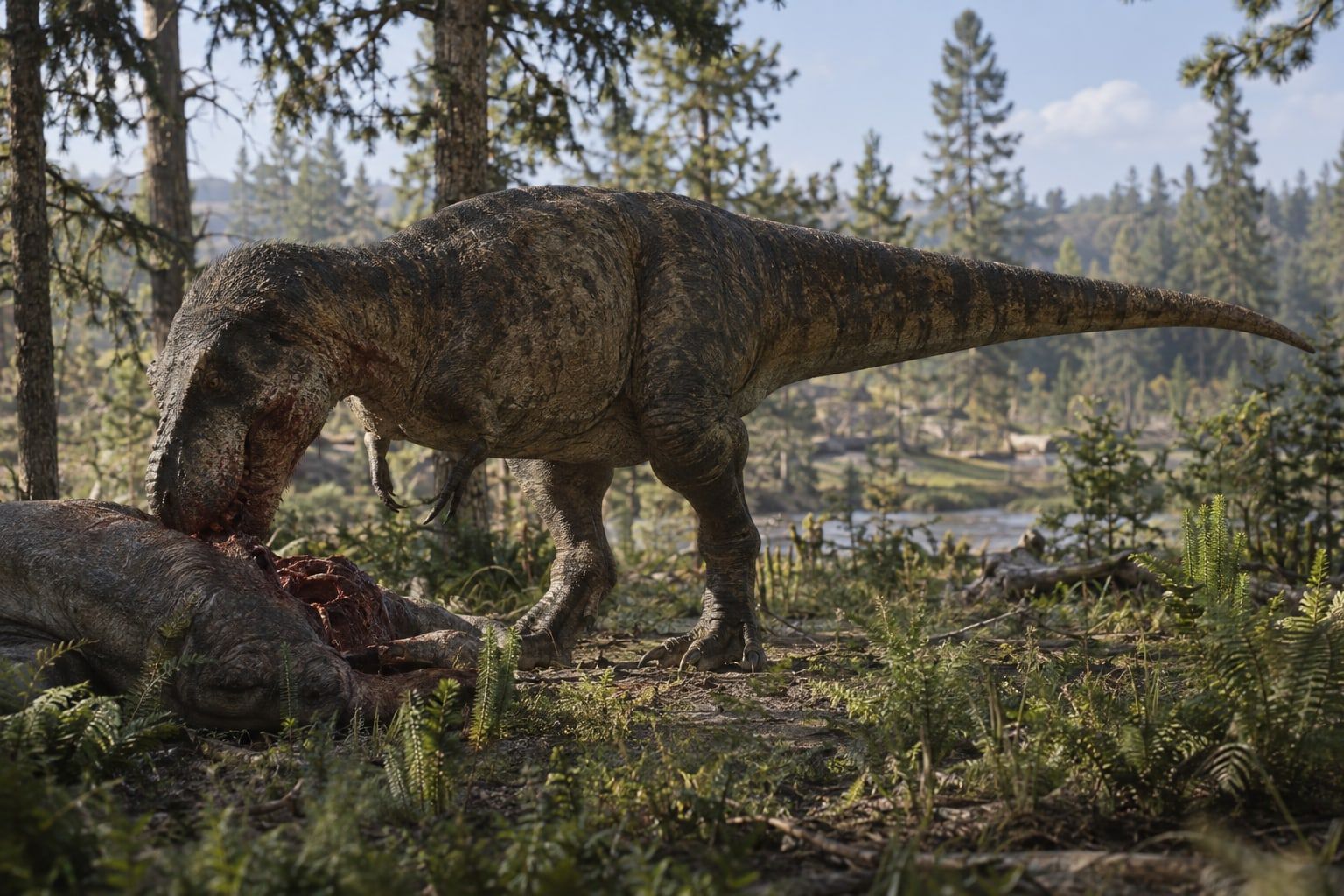
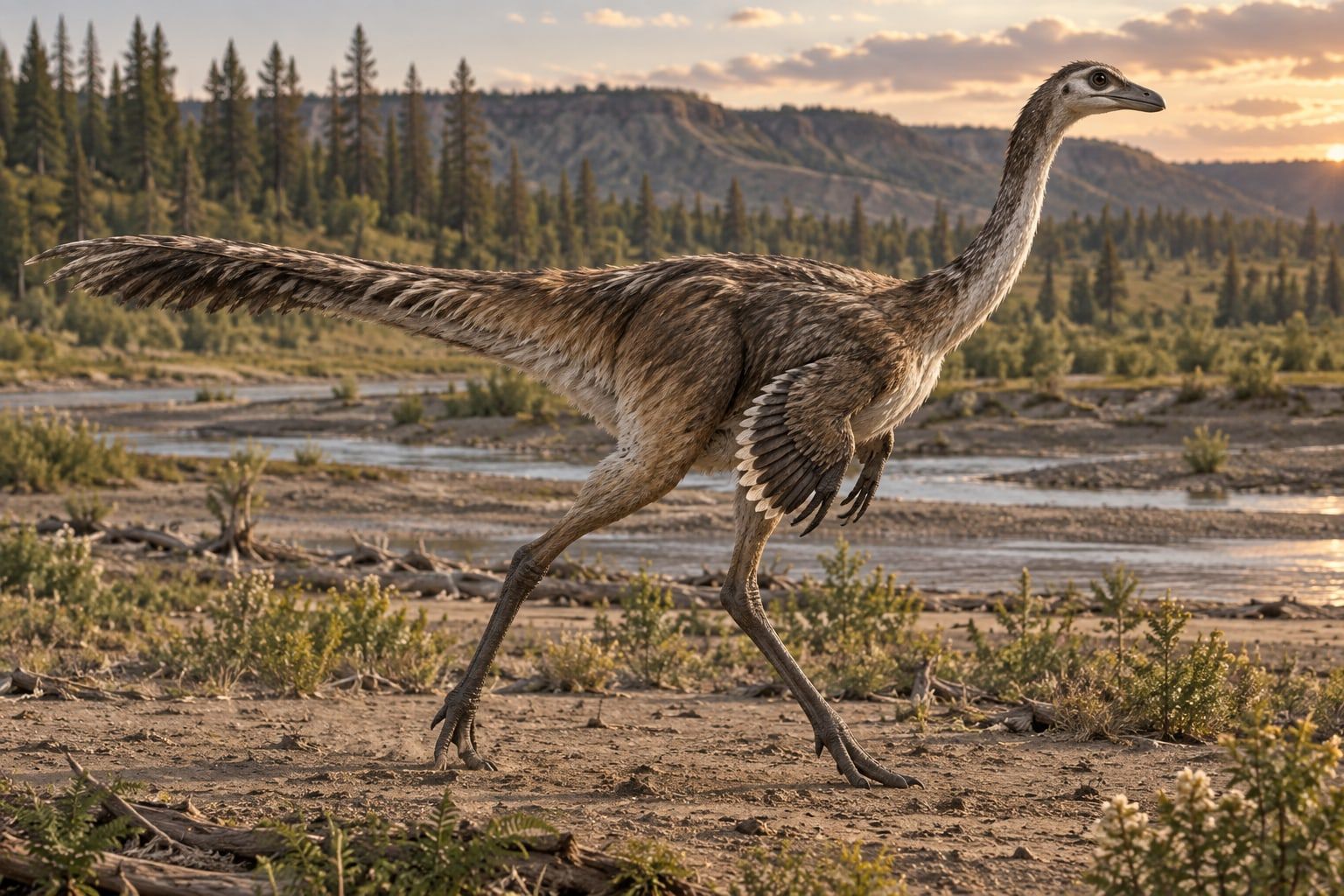
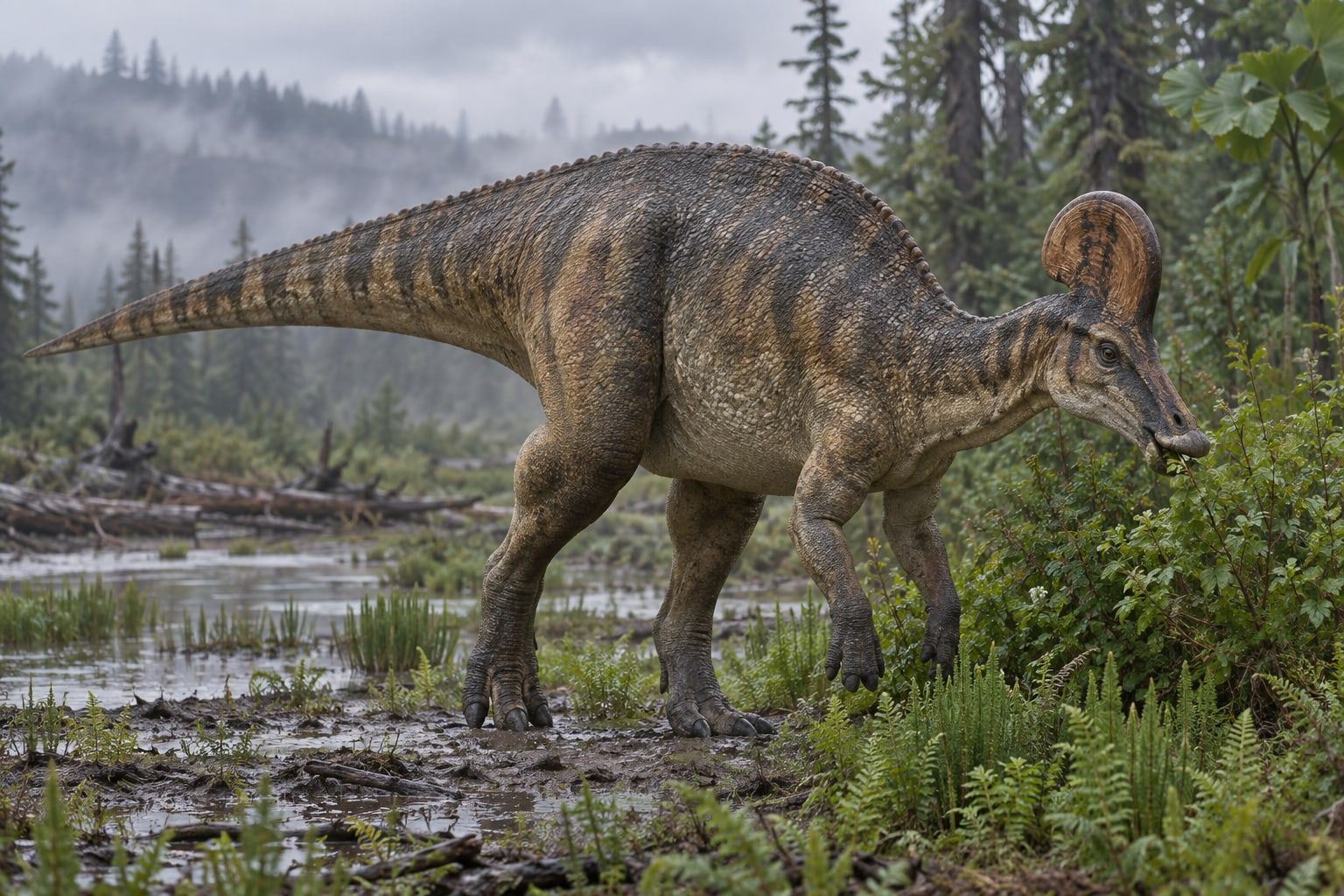
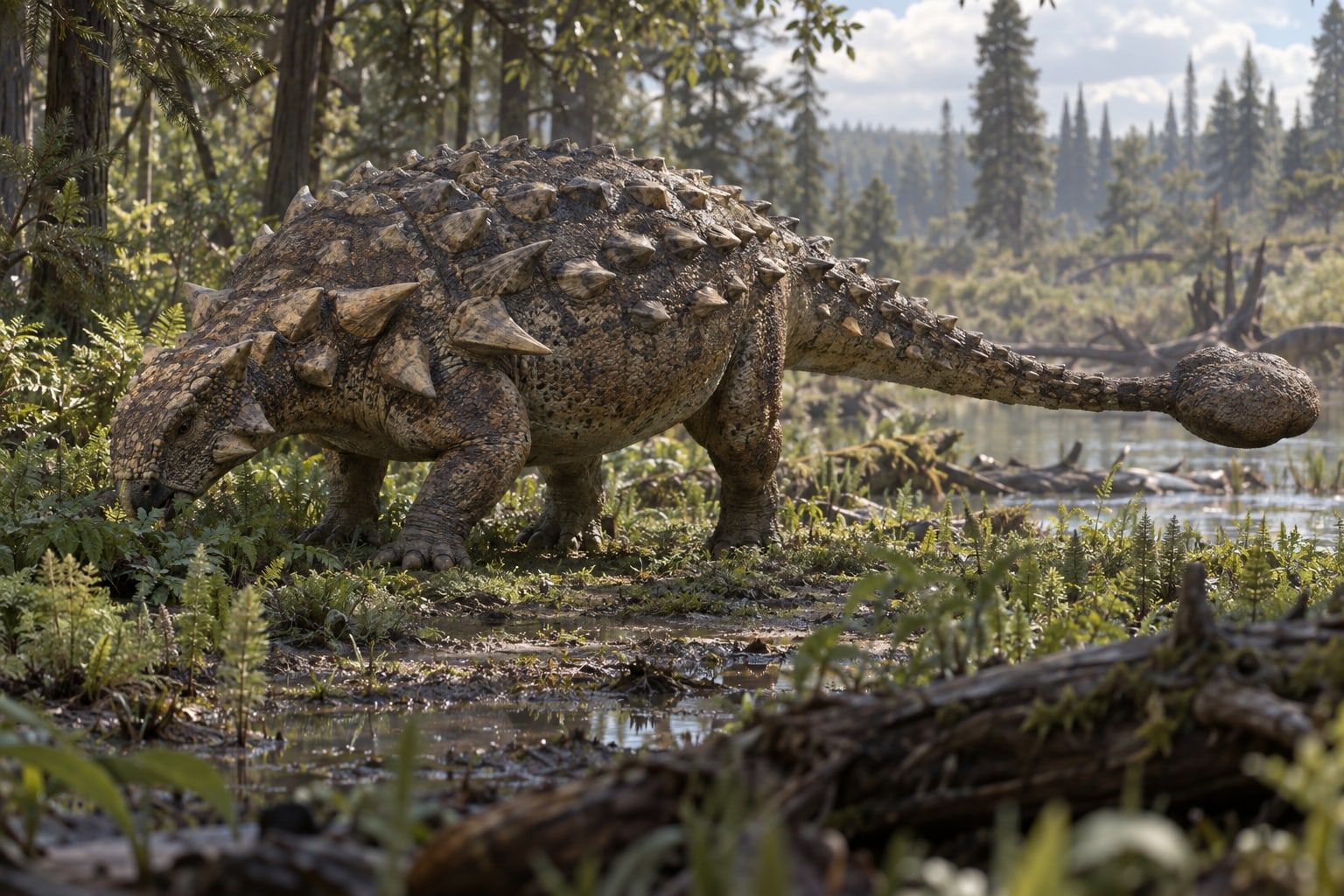
It lived about 84 to 72 million years ago, in the Late Cretaceous, in what is now Montana. Its fossils come from the Two Medicine Formation, where it lived beside the horned Achelousaurus, the duck-bill Maiasaura and the tyrannosaur Daspletosaurus.
Its bones were found in bonebeds holding several animals together, which suggests it lived in herds, or at least gathered in groups.
How it was found
Sampson named Einiosaurus in 1994. Its name comes from a word for bison in a local native language.
Lived alongside
Found in the same rock formations
Close relatives
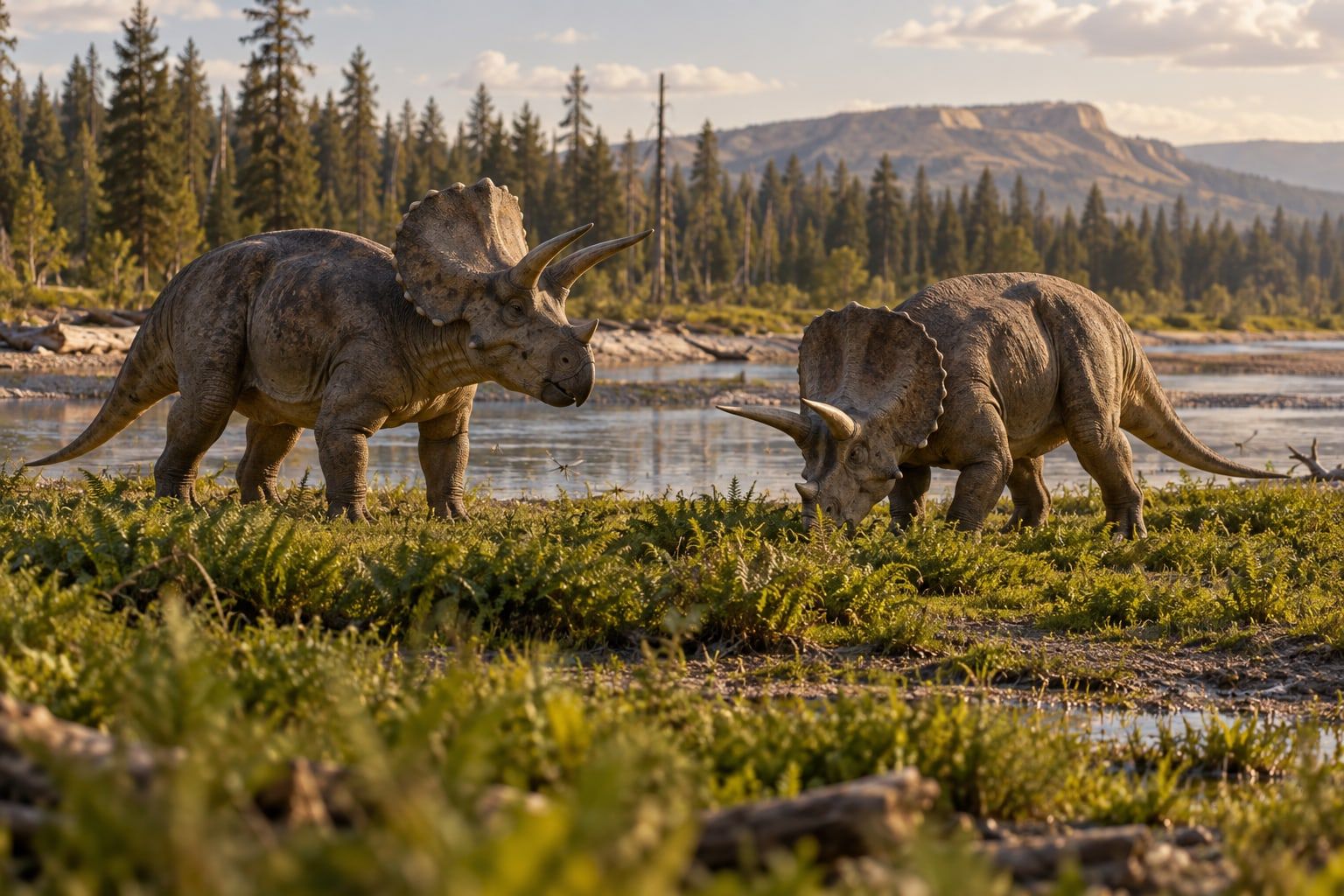
Other members of Ceratopsidae
Sources: WikidataNamed in: S. D. Sampson. 1994. Two new horned dinosaurs (Ornithischia: Ceratopsidae) from the Upper Cretaceous Two Medicine Formation, Montana, USA. Journal of Vertebrate Paleontology 14(3, suppl.):44A