Outline: a typical ornithopod
Brachylophosaurus
BRACK-ee-LOH-foh-SORE-us
"short-crested lizard"
- Lived
- 84 to 72 million years ago, Late Cretaceous
- Diet
- Herbivore
- Length
- estimates range from 7 to 11 m (23 to 36 ft)
- Group
- Ornithopods, Hadrosauridae
- Found in
- United States and Canada
- Named by
- Sternberg 1953
Where its fossils were found
The evidence
Today

80 million years ago
Field notes
About Brachylophosaurus
What it was like
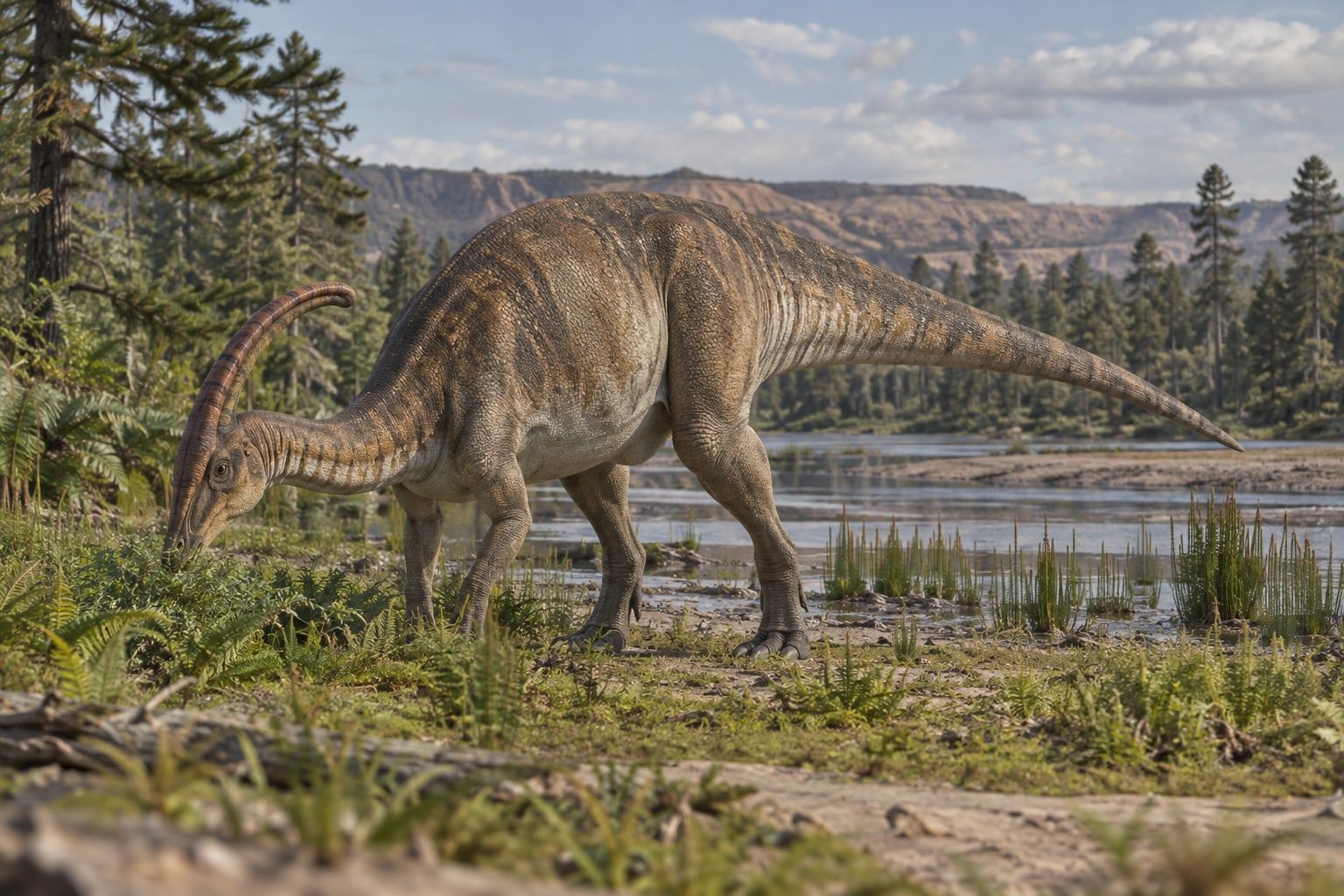
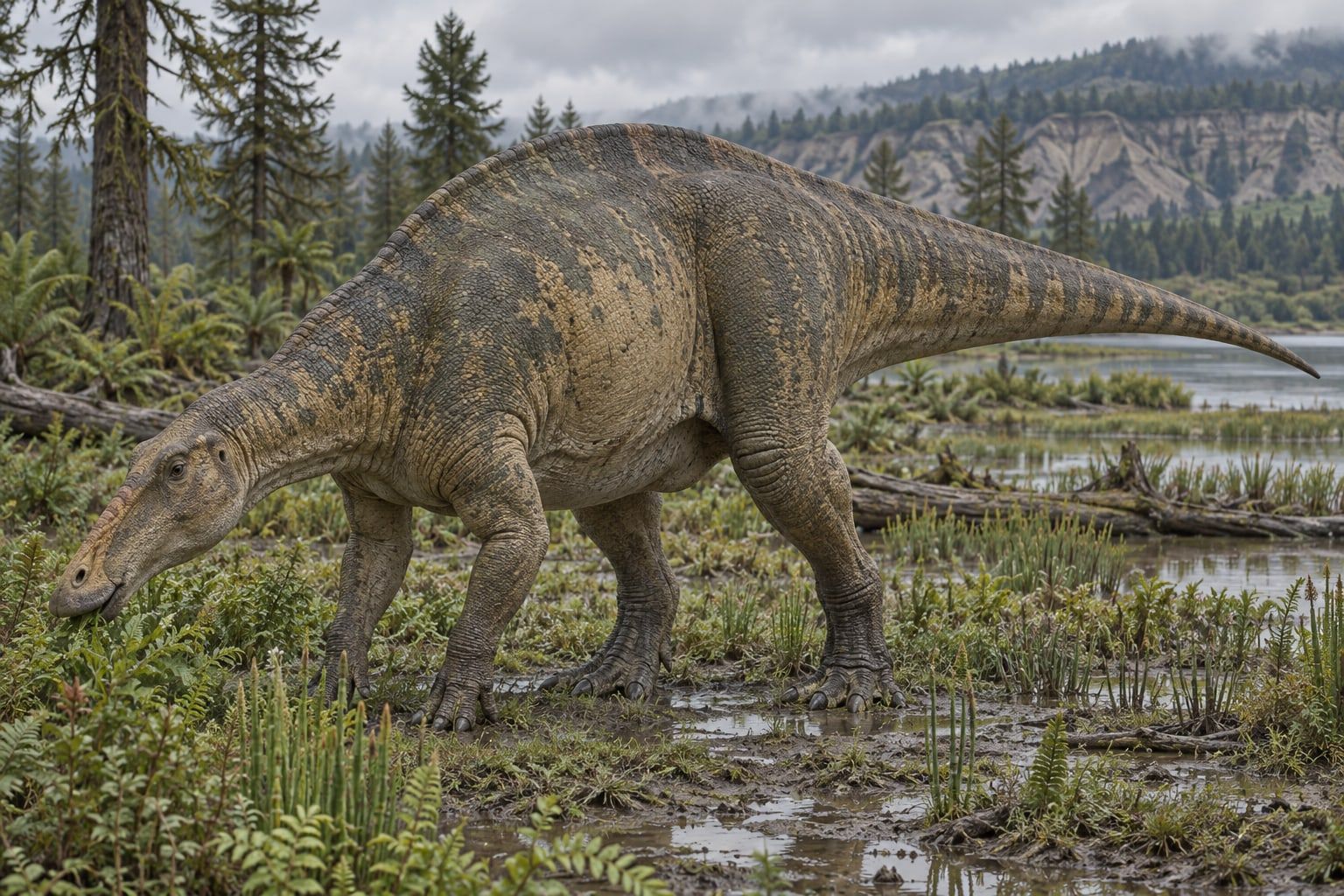
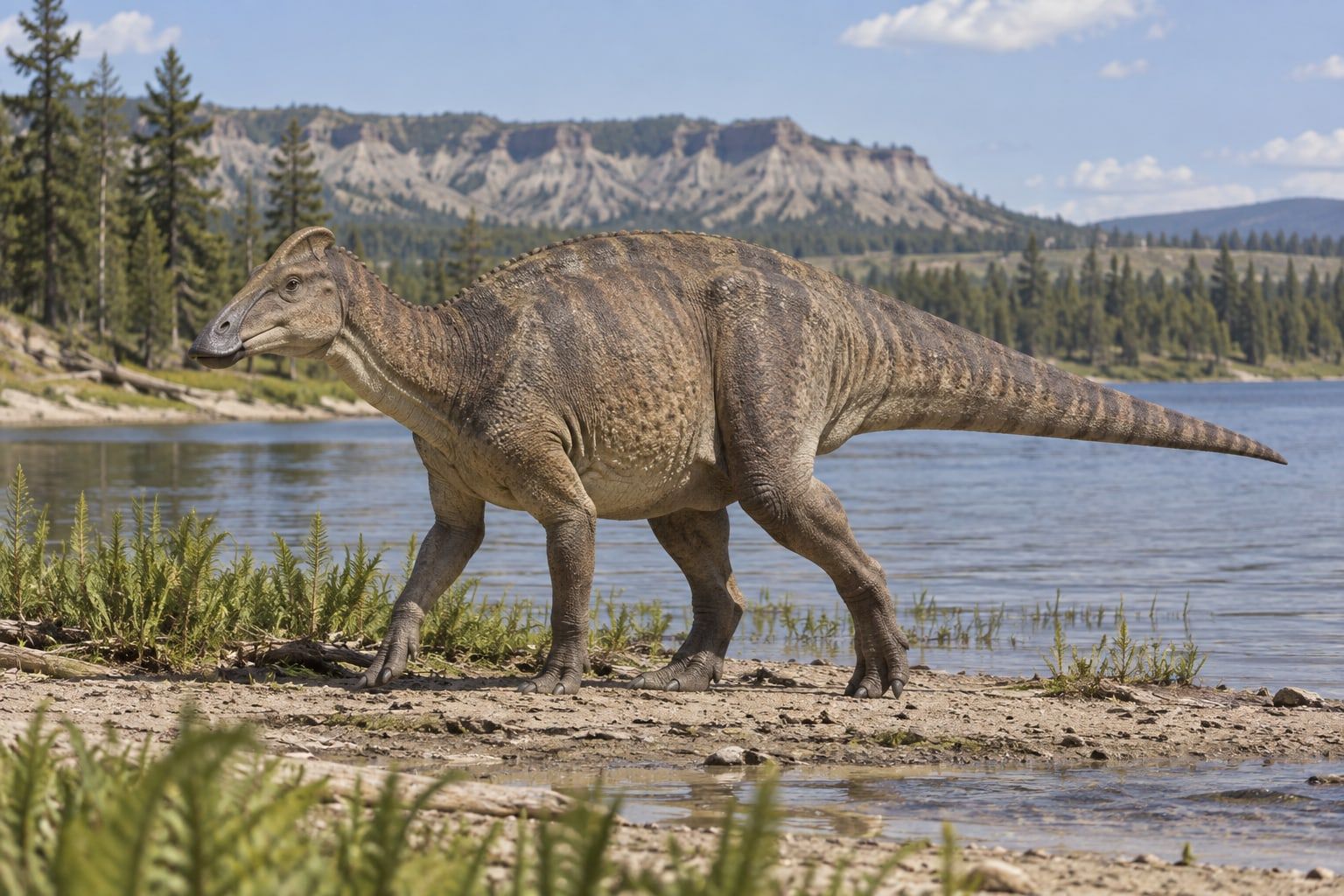
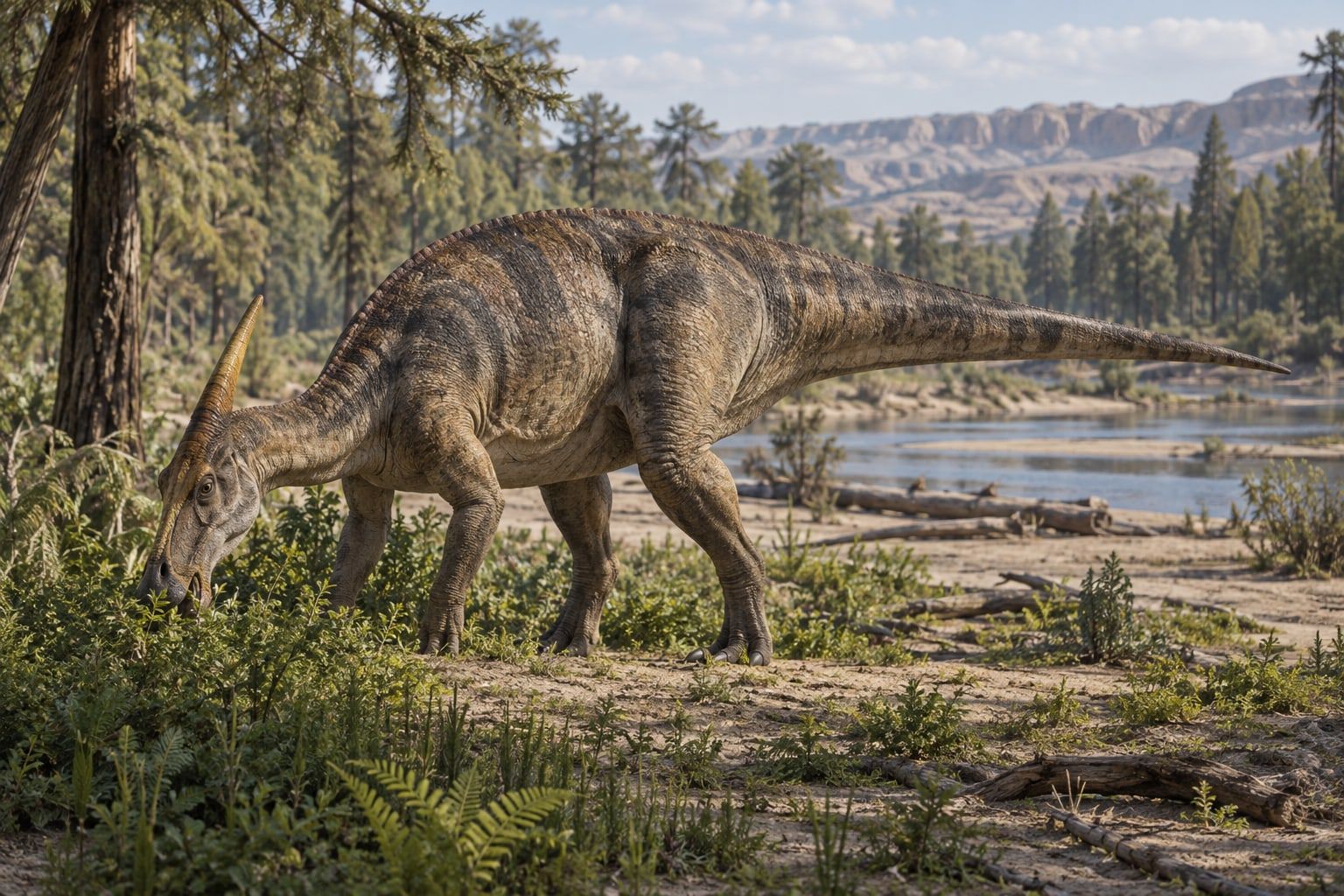
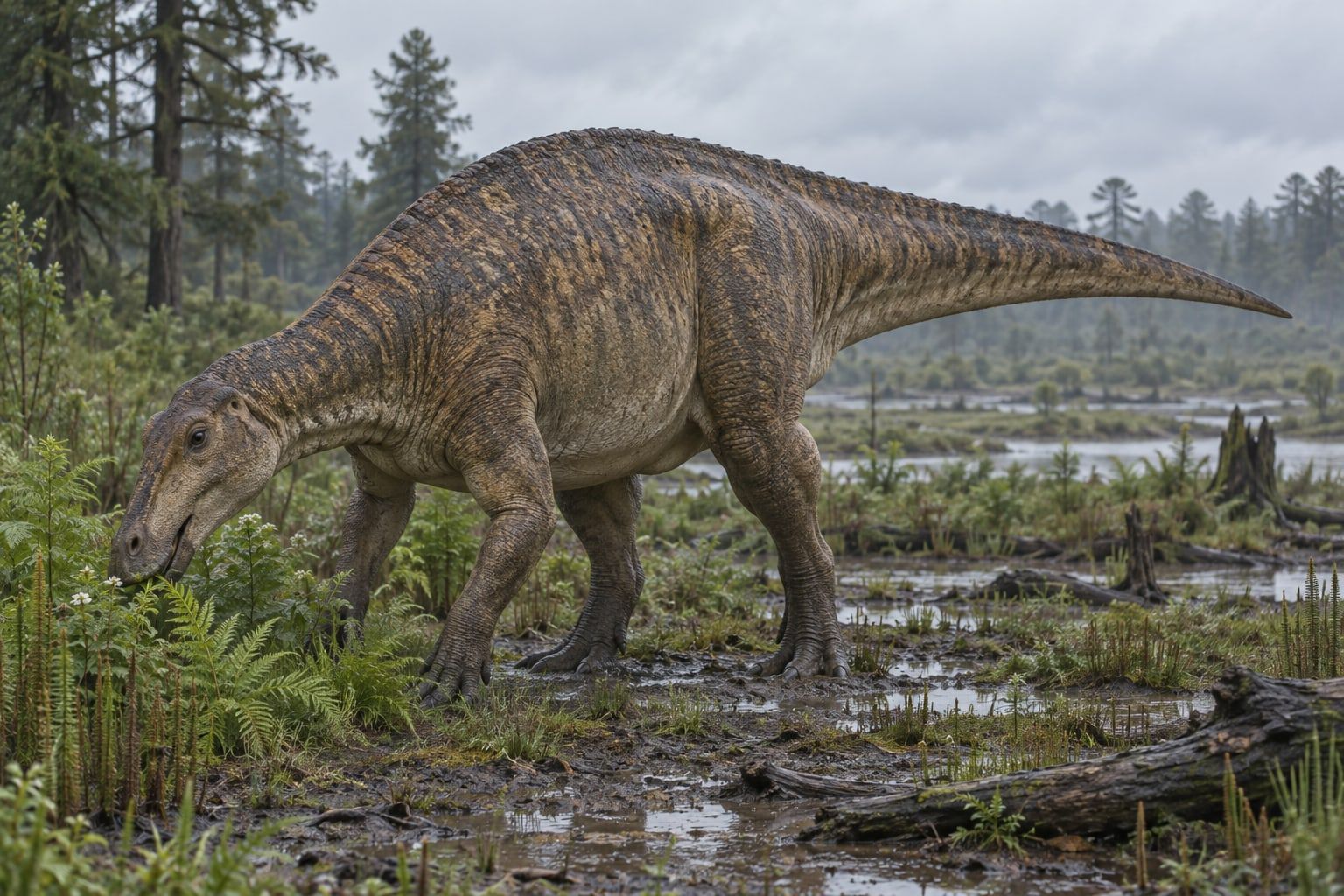
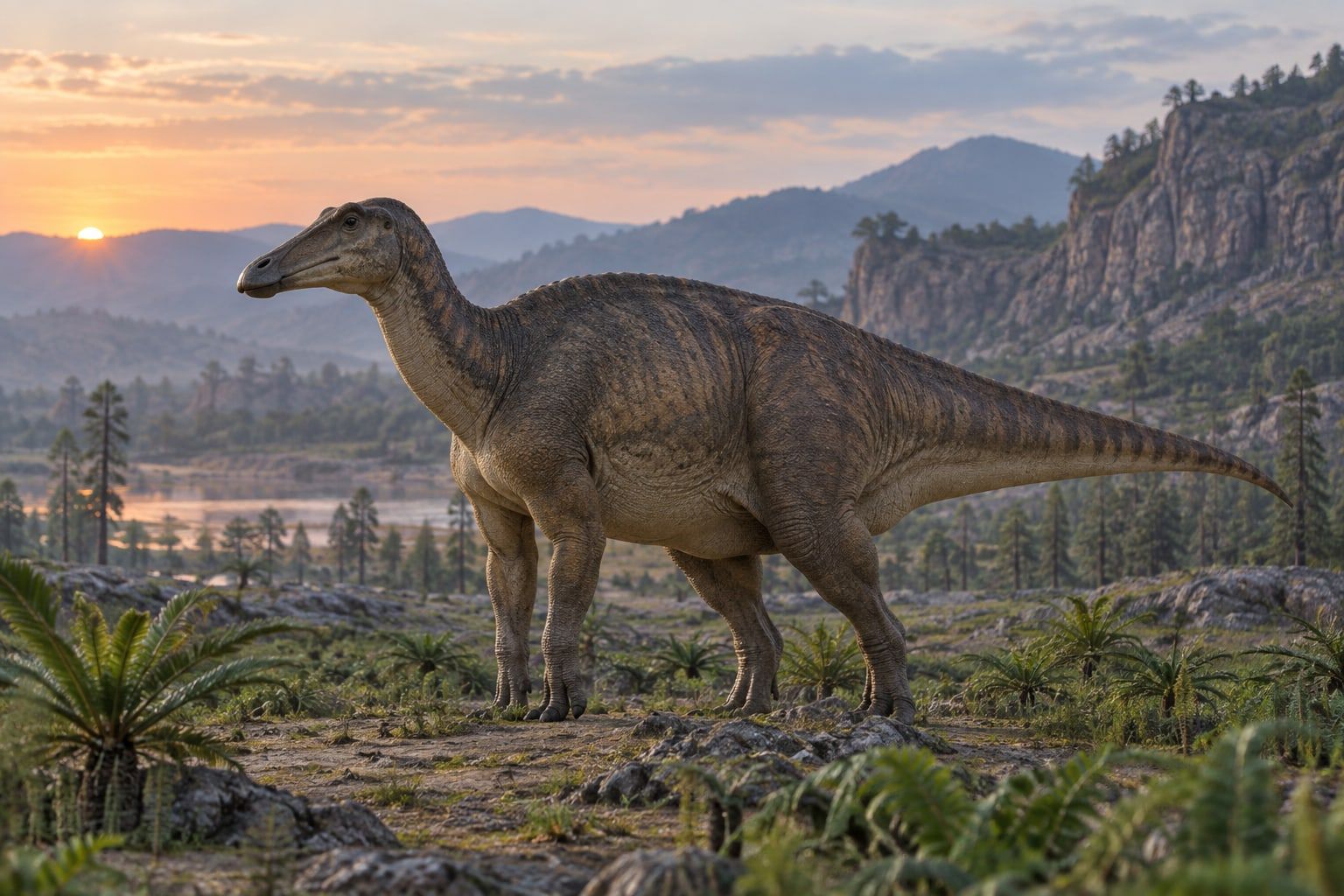
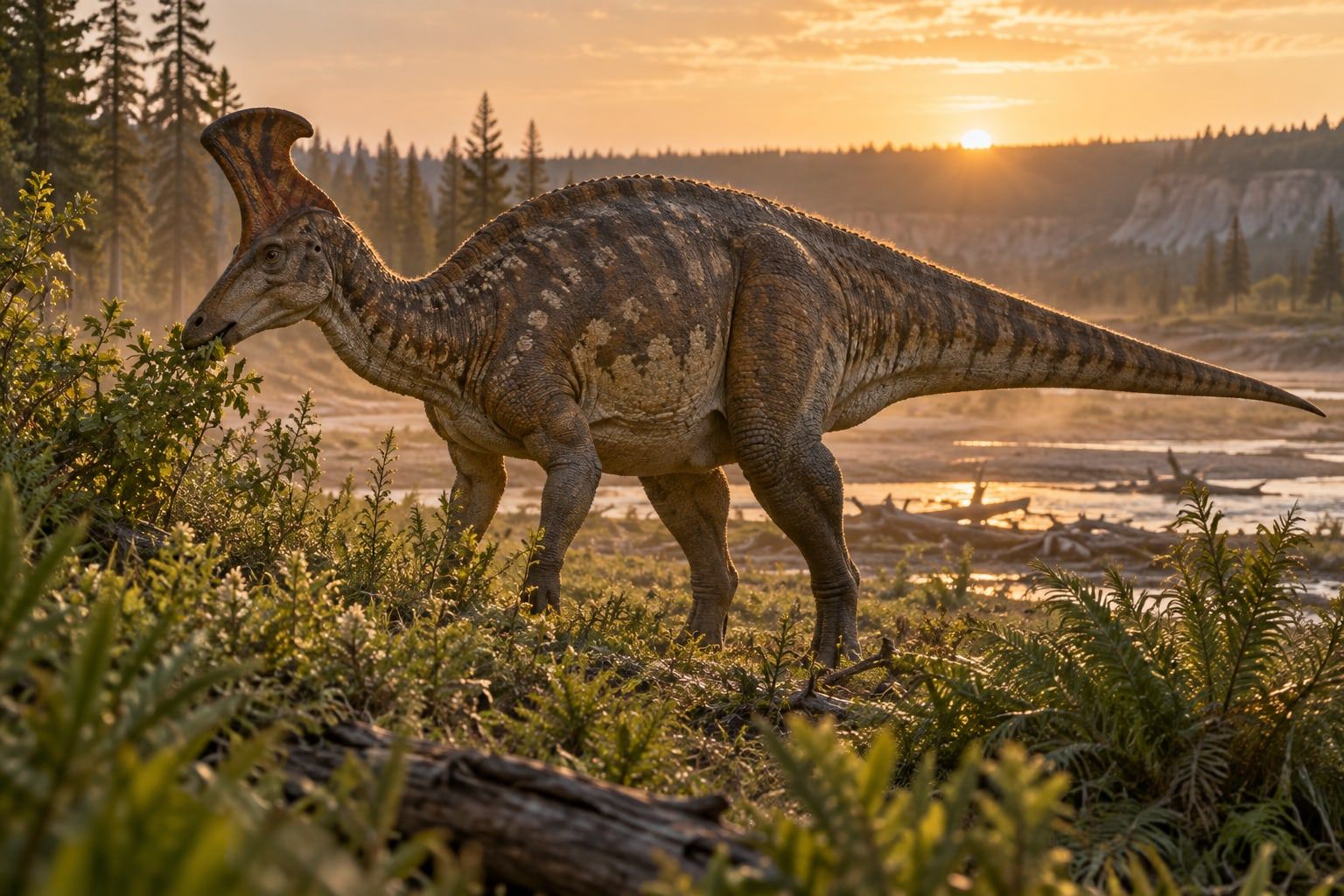
Brachylophosaurus was a duck-billed dinosaur between 7 and 11 meters (23 to 36 feet) long. It had a broad beak and a flat, bony crest that sat on top of its head like a short shelf.
Like other duck-bills it chewed plants with hundreds of teeth packed into its jaws. It could walk on two legs or four.
Its world
It lived about 84 to 72 million years ago, in the Late Cretaceous, in what are now Montana and Alberta. Its fossils come from the Judith River, Oldman and Claggett formations.
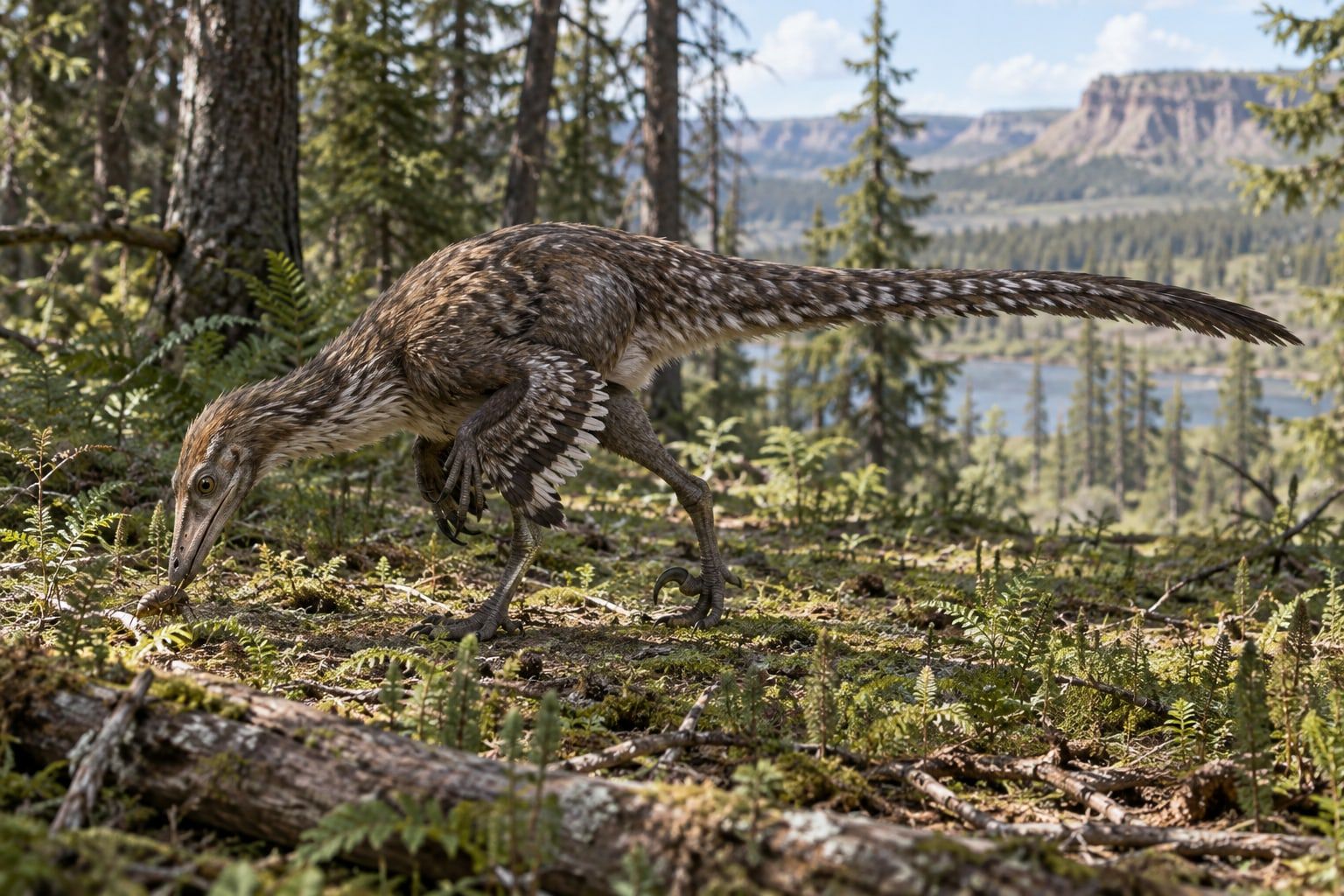
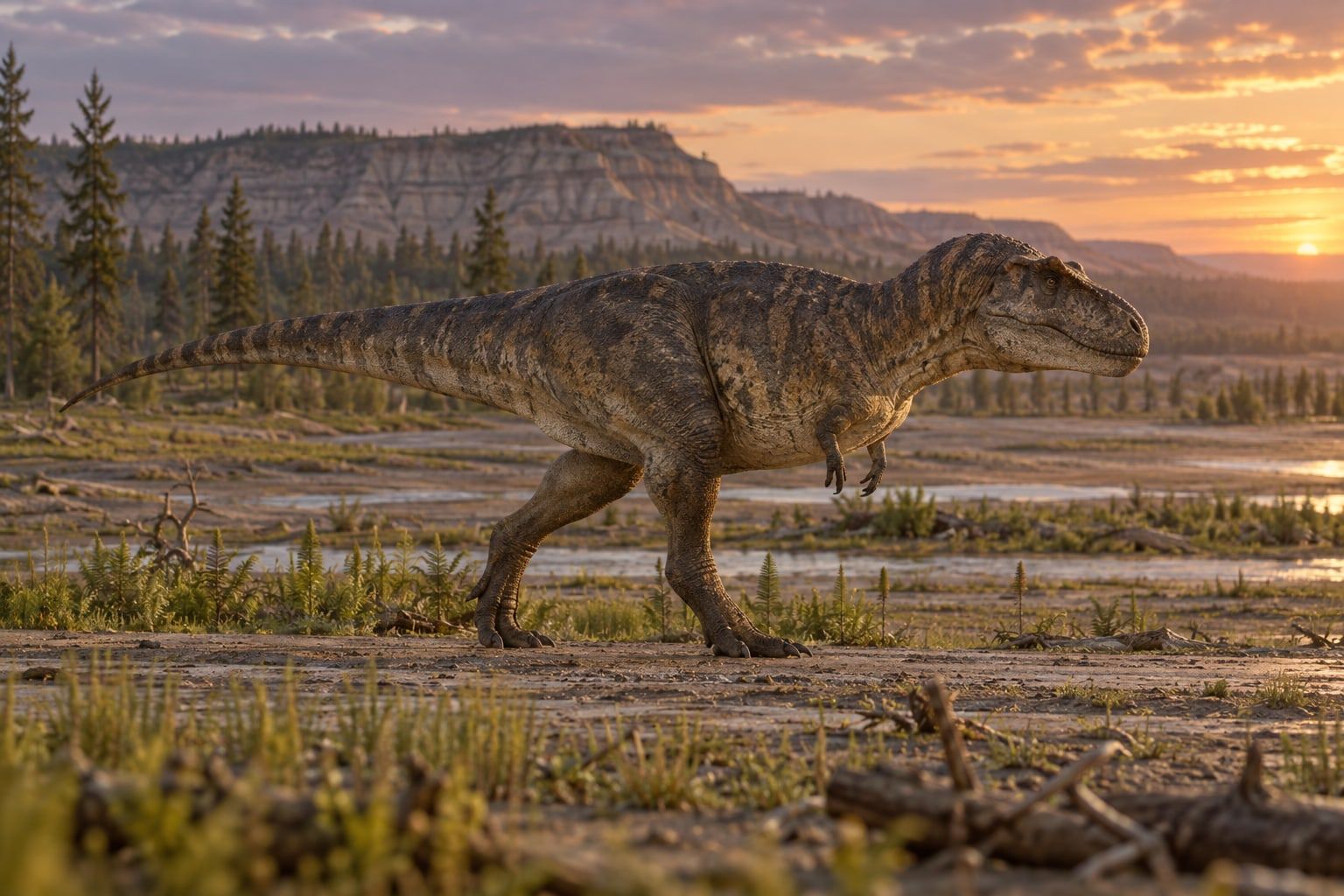
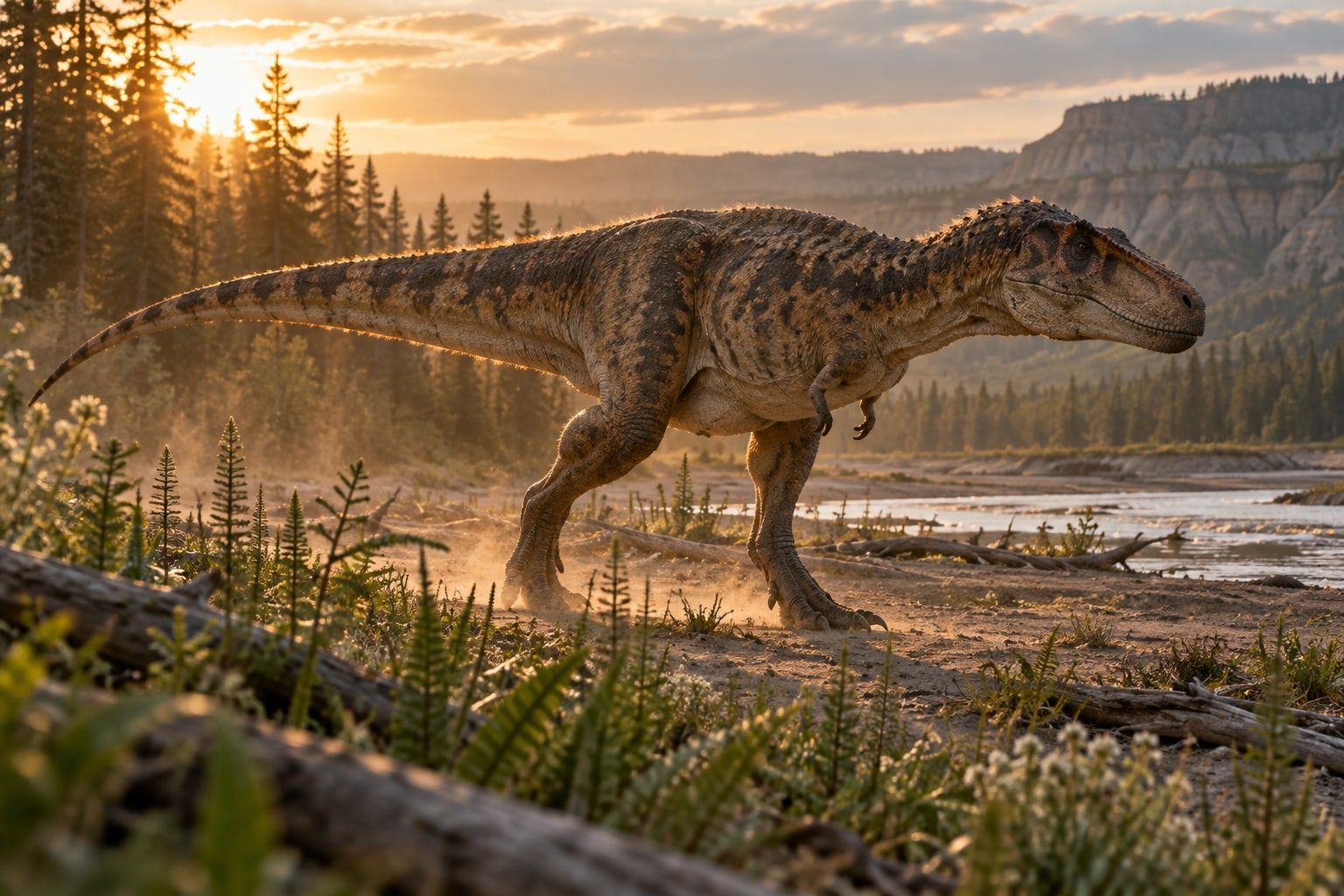
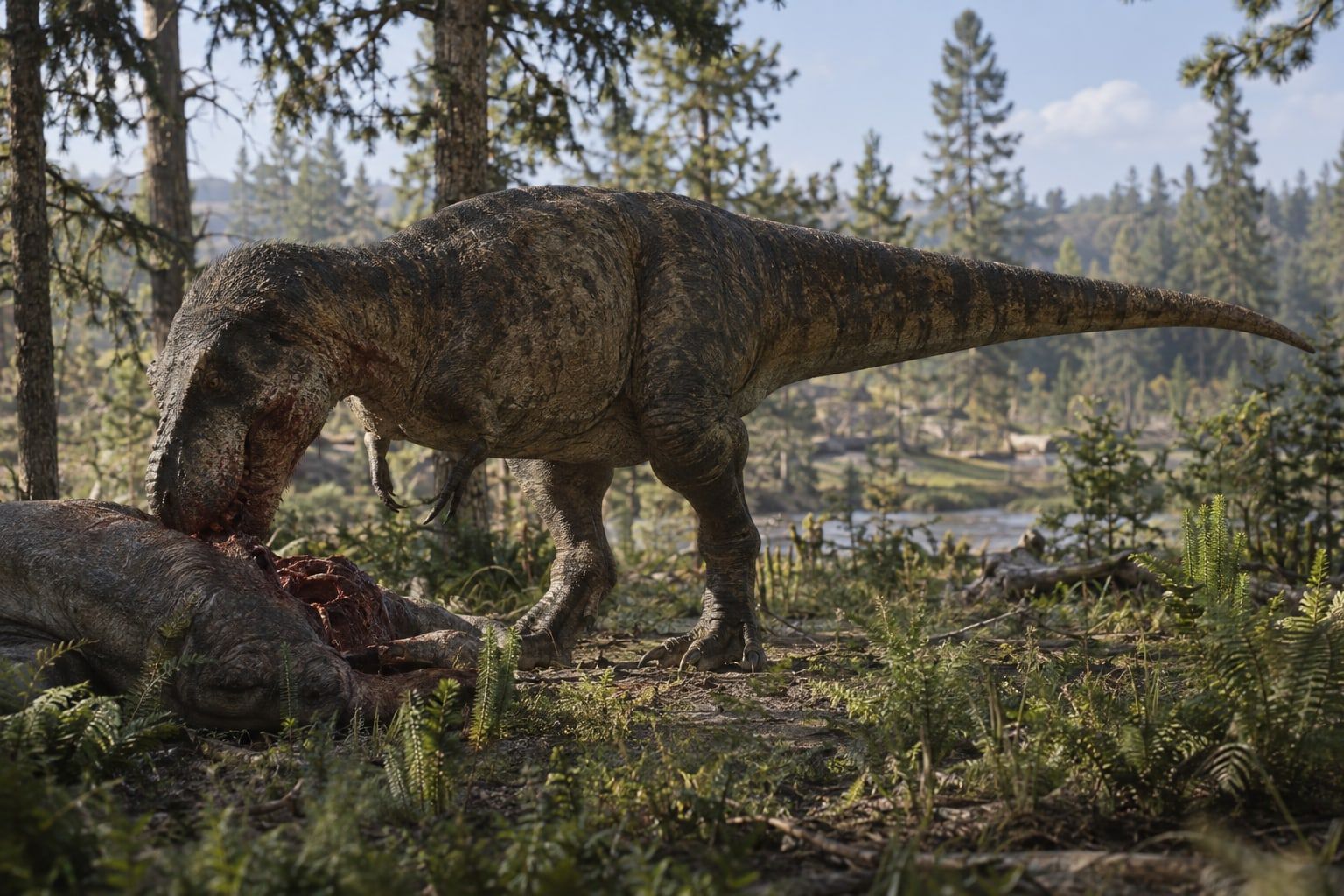
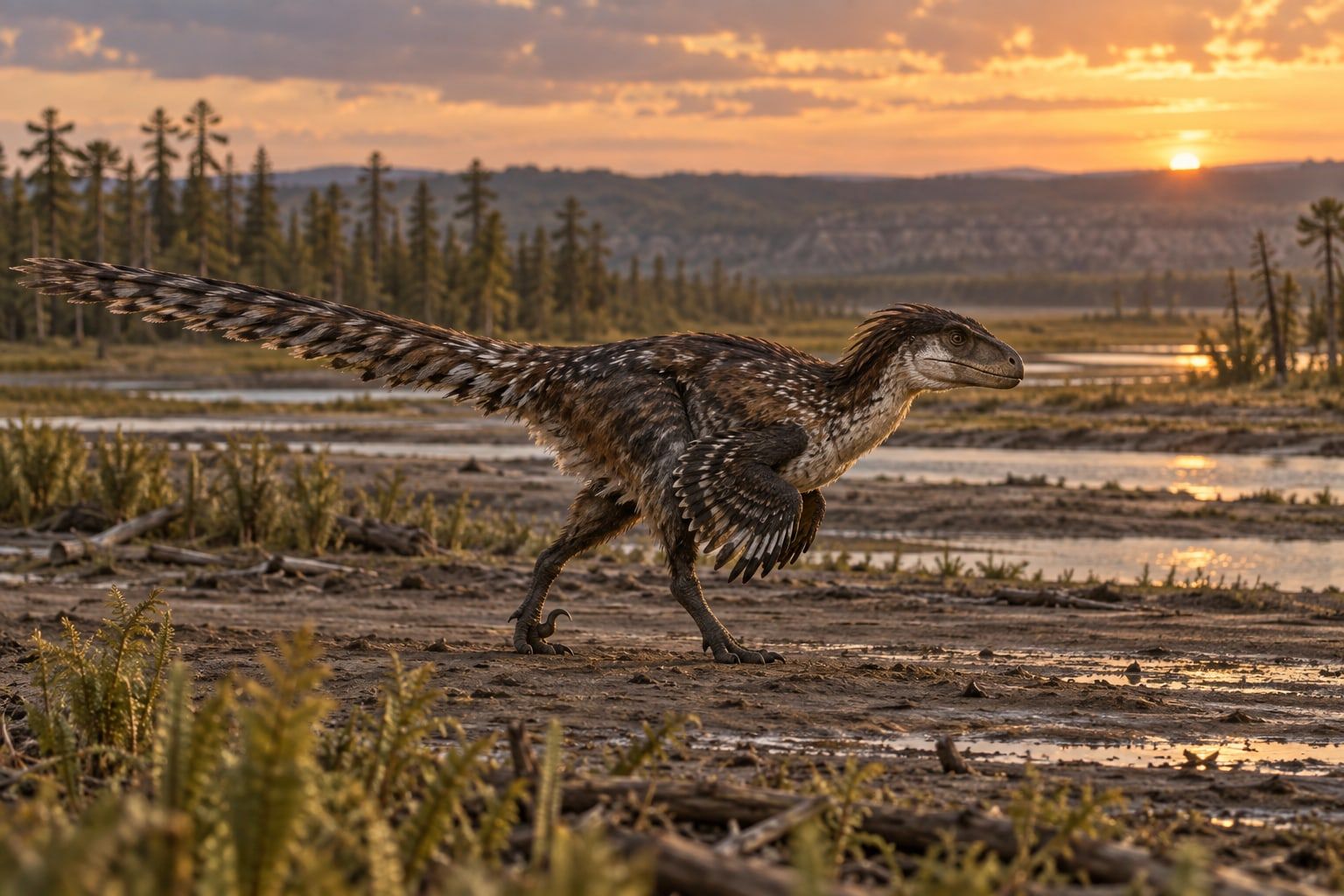
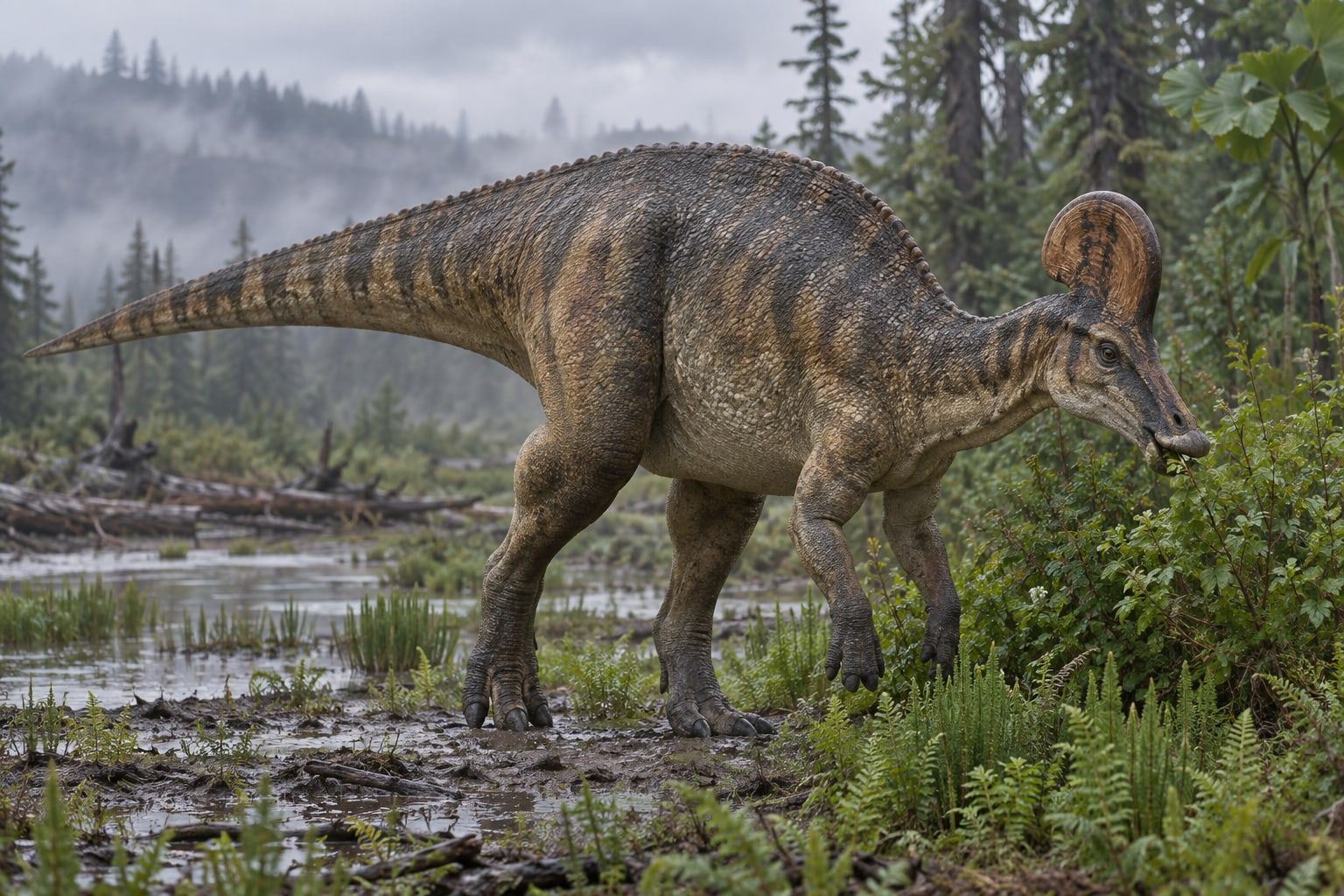
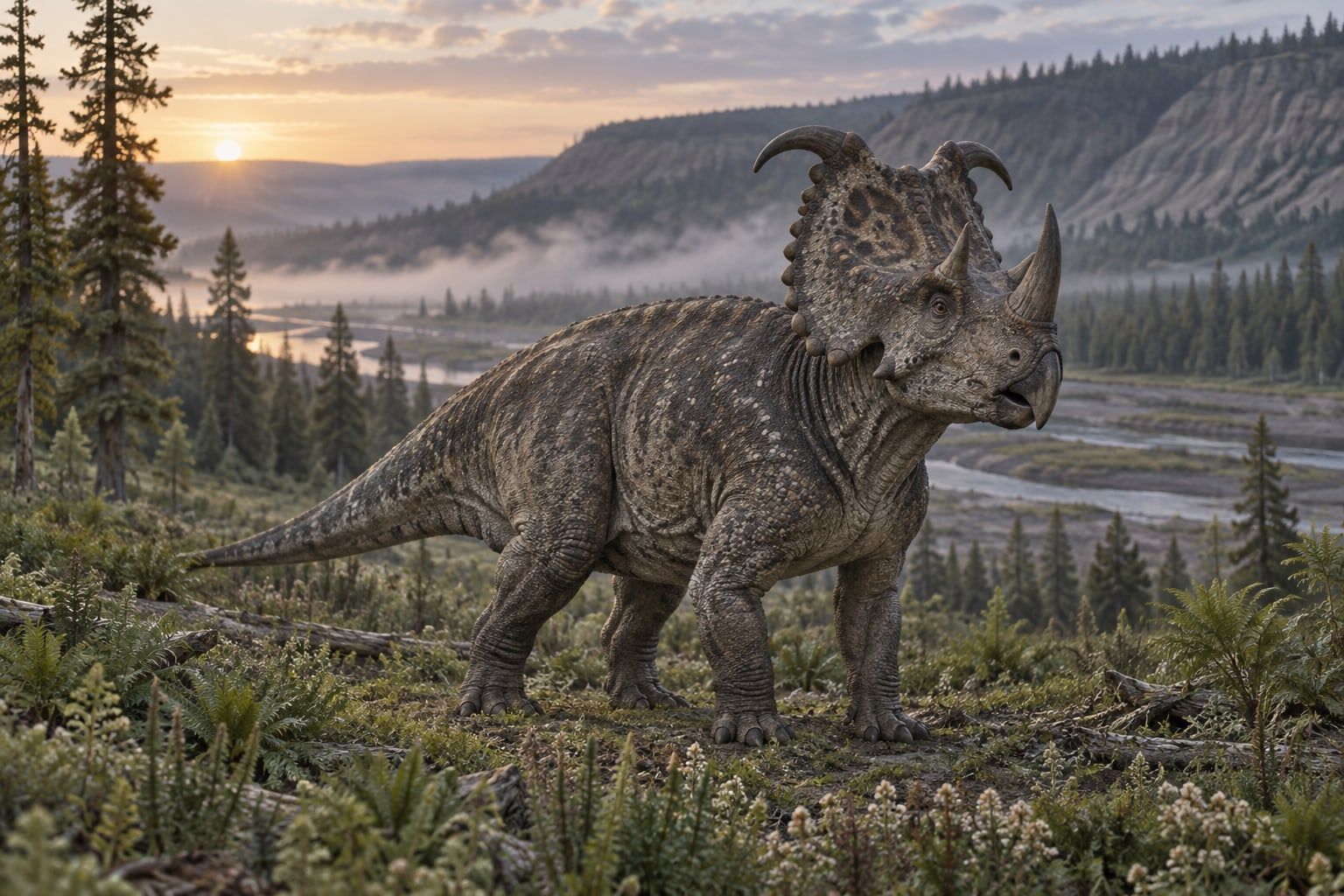
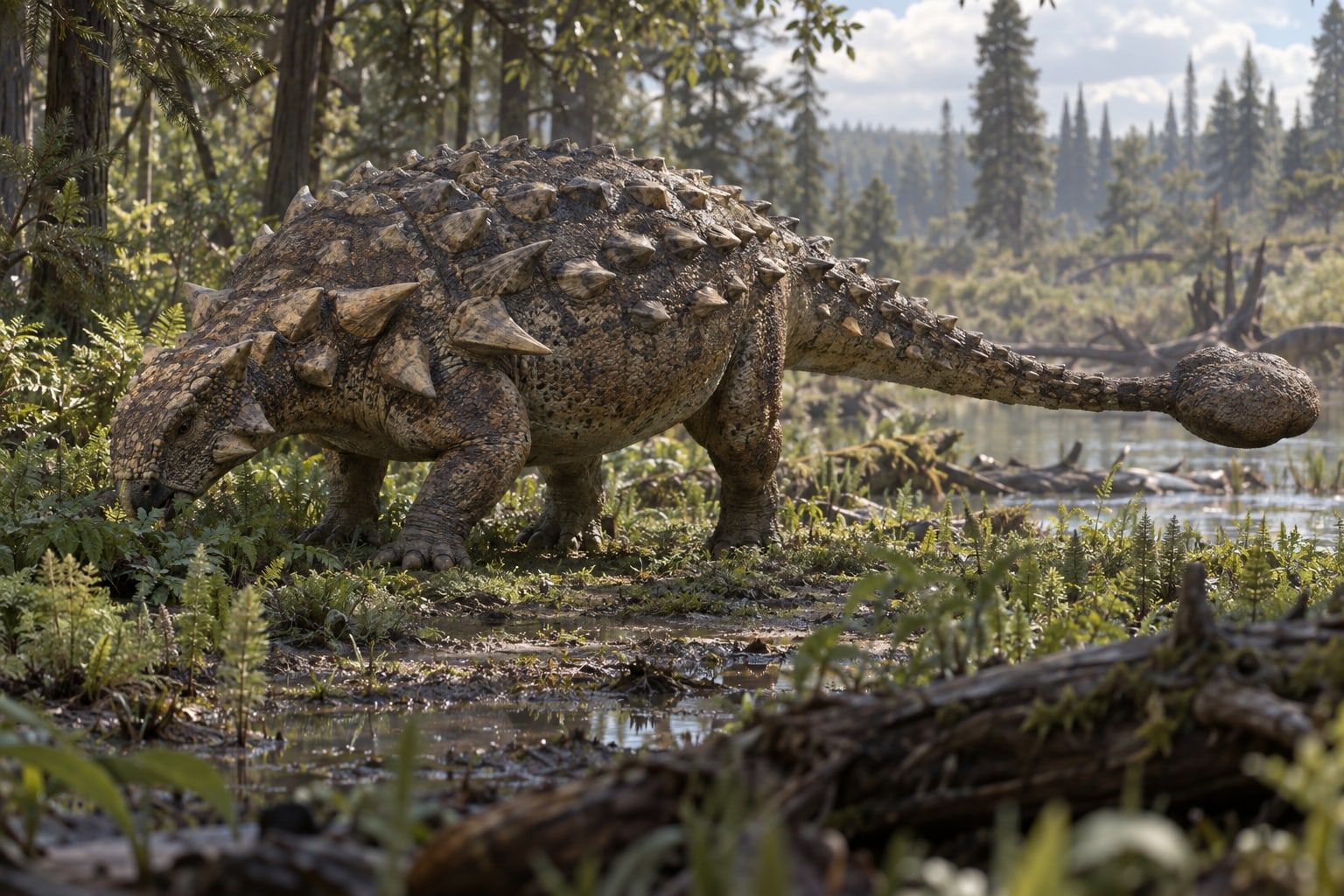
It shared these lands with Corythosaurus, Centrosaurus and Euoplocephalus, and had to watch for the tyrannosaurs Gorgosaurus and Daspletosaurus.
How it was found
Sternberg named Brachylophosaurus in 1953. Later finds in Montana included skeletons with skin impressions and even traces of soft tissue, which make it one of the best studied duck-bills.
Lived alongside
Found in the same rock formations
Close relatives
Other members of Hadrosauridae
Sources: WikidataNamed in: C. M. Sternberg. 1953. A mew hadrosaur from the Oldman Formation of Alberta: discussion of nomenclature. National Museum of Canada Bulletin 128:1-12