Albertadromeus
"Alberta runner"
- Lived
- 84 to 72 million years ago, Late Cretaceous
- Diet
- Herbivore
- Group
- Early ornithischians, Thescelosauridae
- Found in
- Canada
- Named by
- Brown et al. 2013
Where its fossils were found
The evidence
Today

80 million years ago
Habitat
Its bones come from the Oldman Formation in Alberta, Canada. Gorgosaurus and Daspletosaurus lived in the same region.
Field notes
About Albertadromeus
What it was like
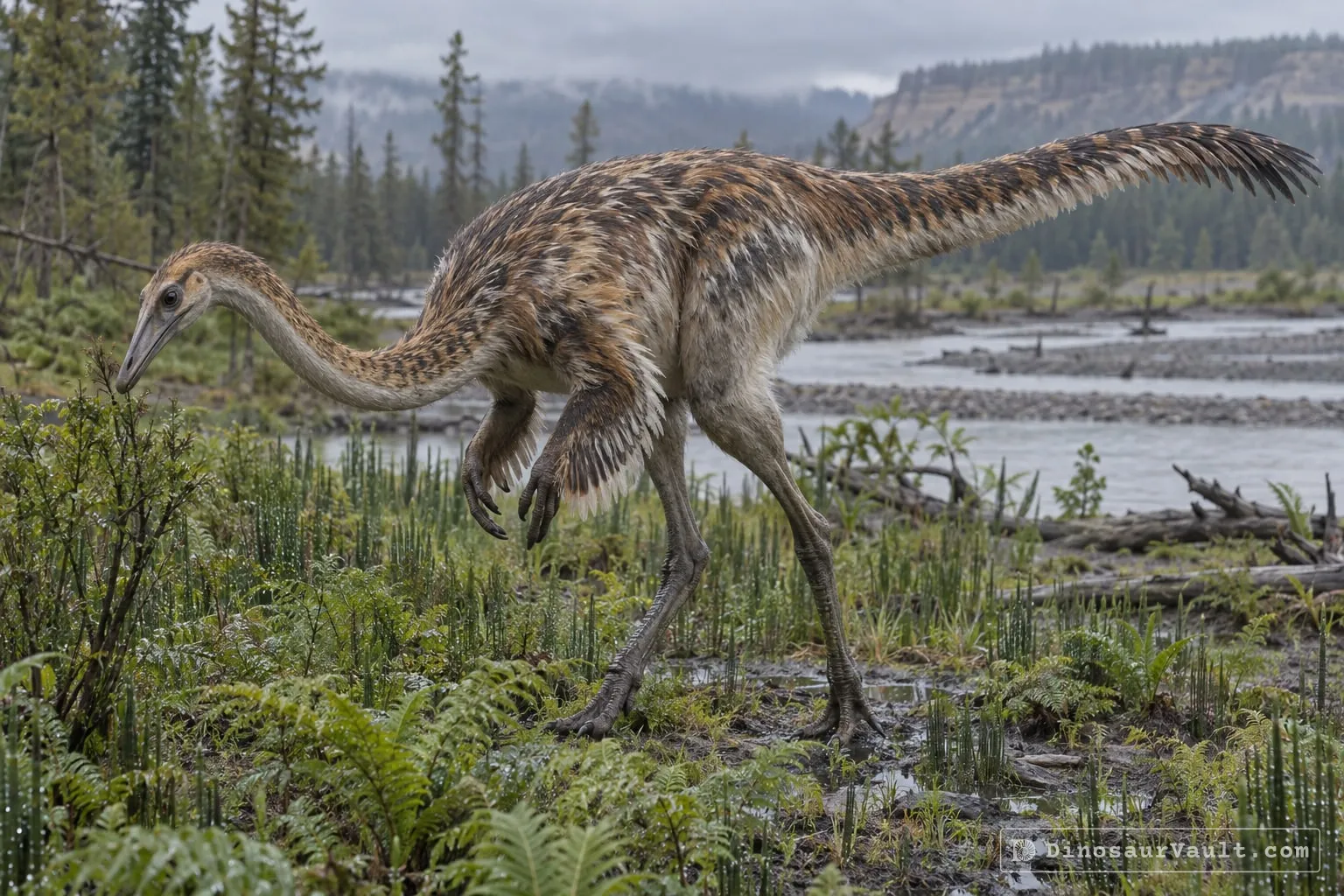
Albertadromeus was a very small plant eater, about the size of a turkey, that ran on long hind legs. It is known from leg bones and part of the tail.
Its world
It lived in the Late Cretaceous, in what is now Alberta, Canada. It comes from the Oldman Formation, where it shared the land with the tyrannosaurs Gorgosaurus and Daspletosaurus. Small, fast plant eaters like it were probably common prey.
How it was found
Brown and colleagues named Albertadromeus in 2013.
Field gallery
More views of Albertadromeus
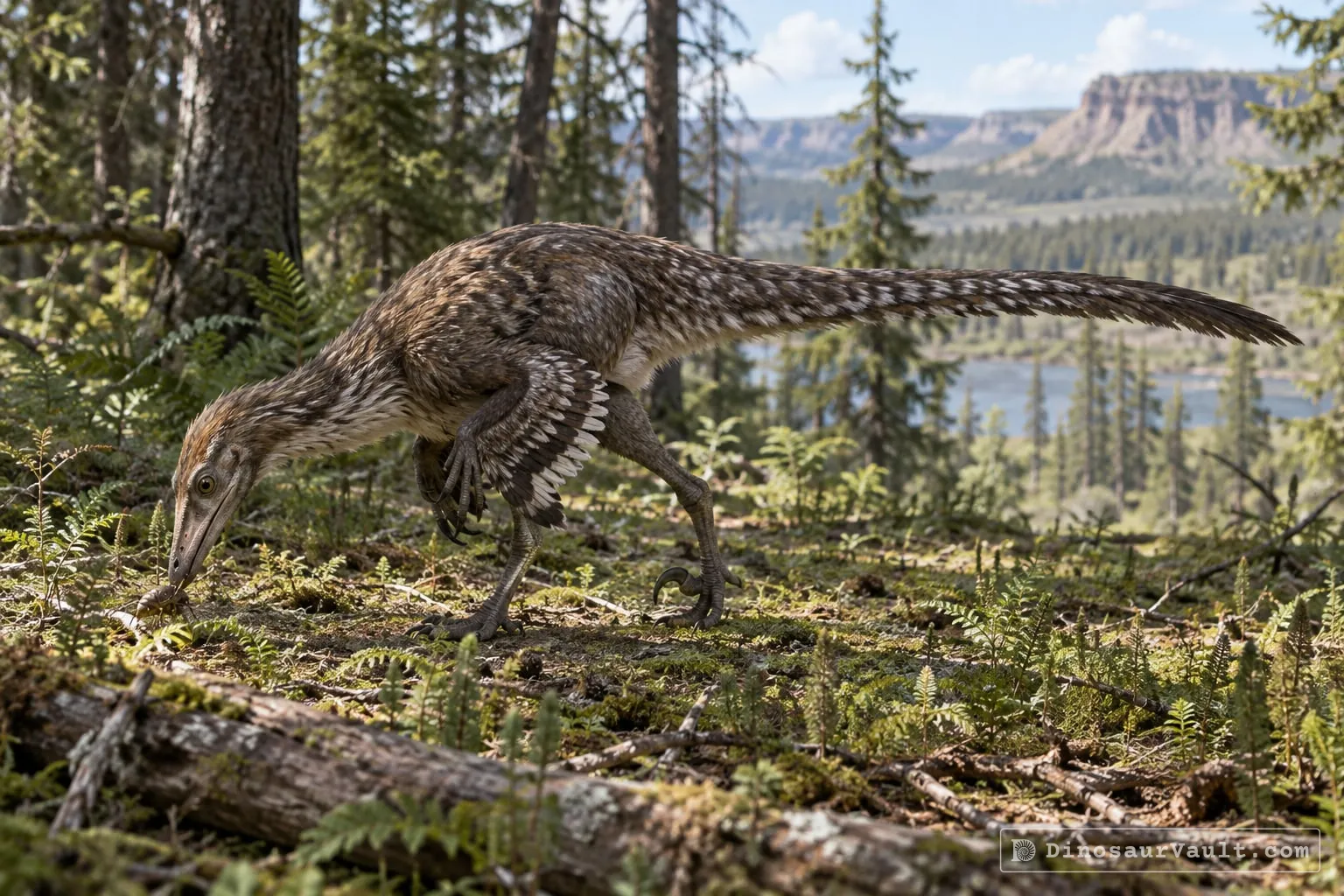
Scenes reconstructed from the available fossil evidence.
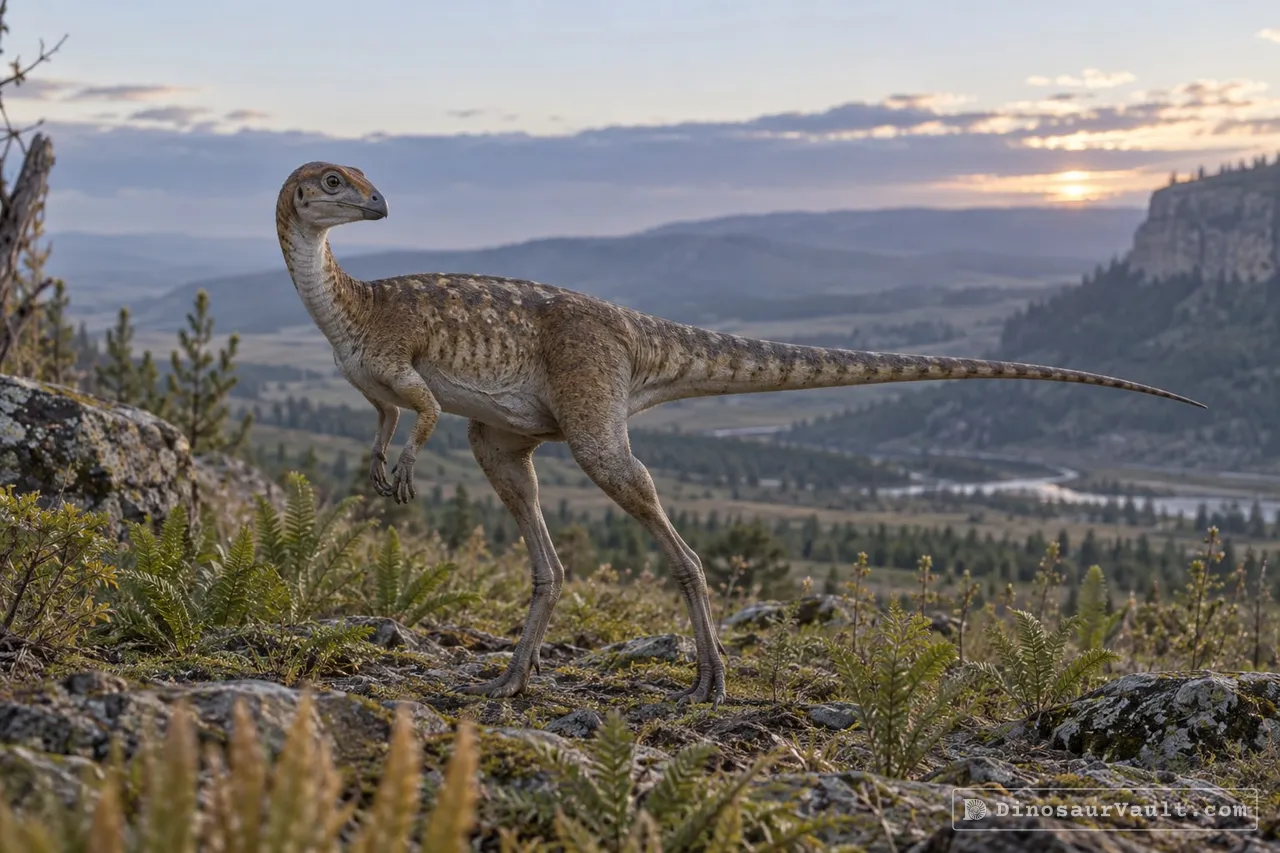
1 of 3
Lived alongside
Found in the same rock formations
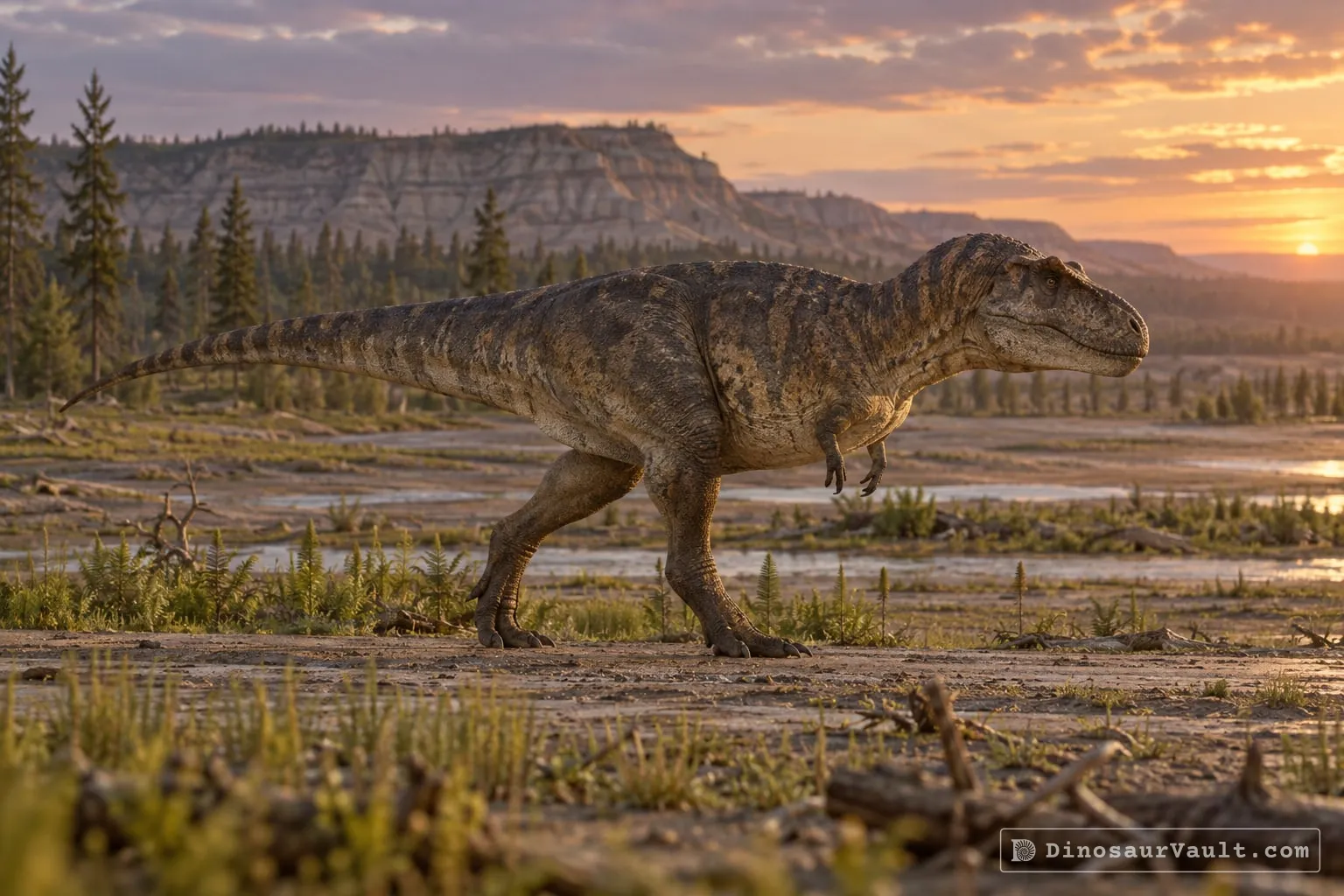
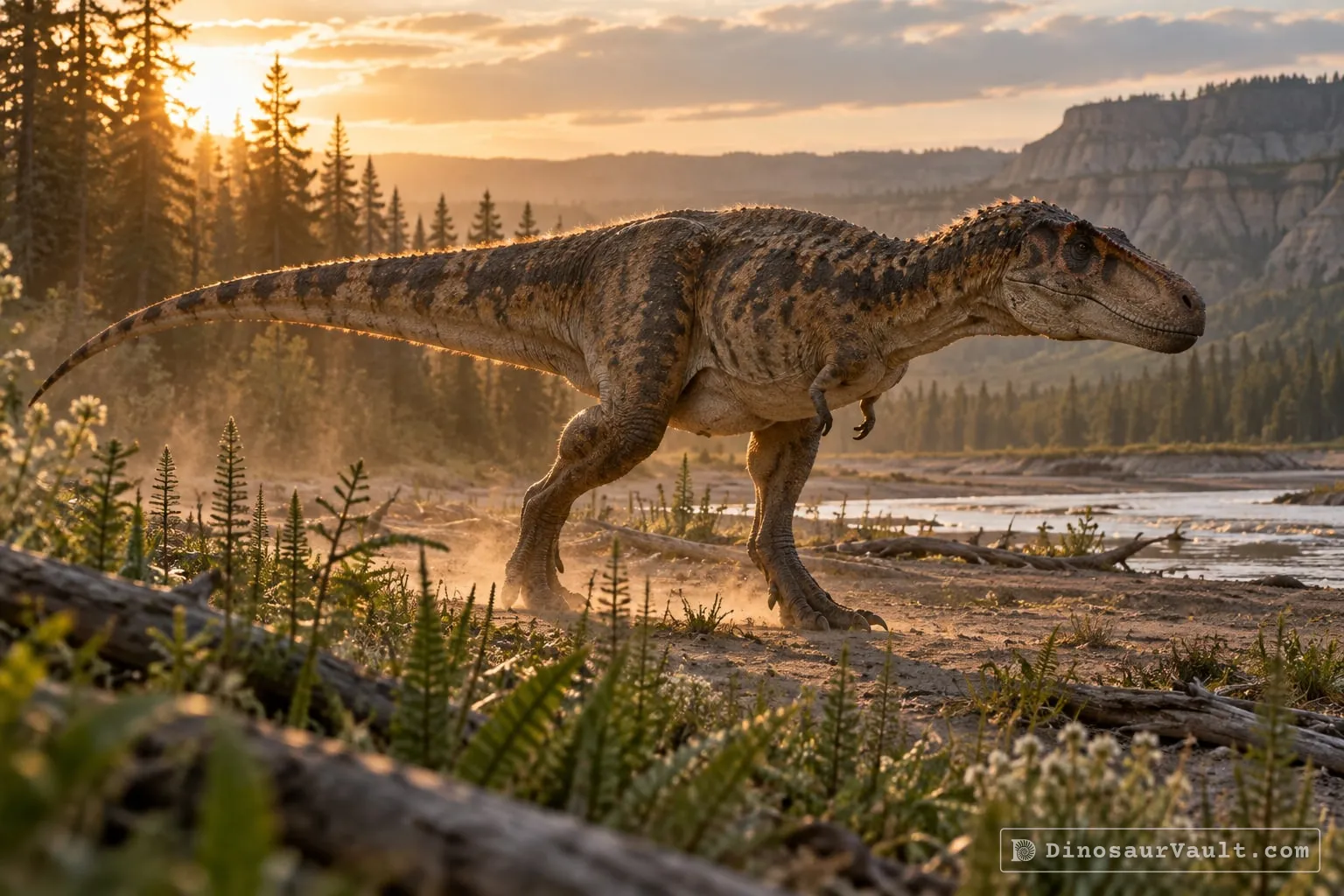
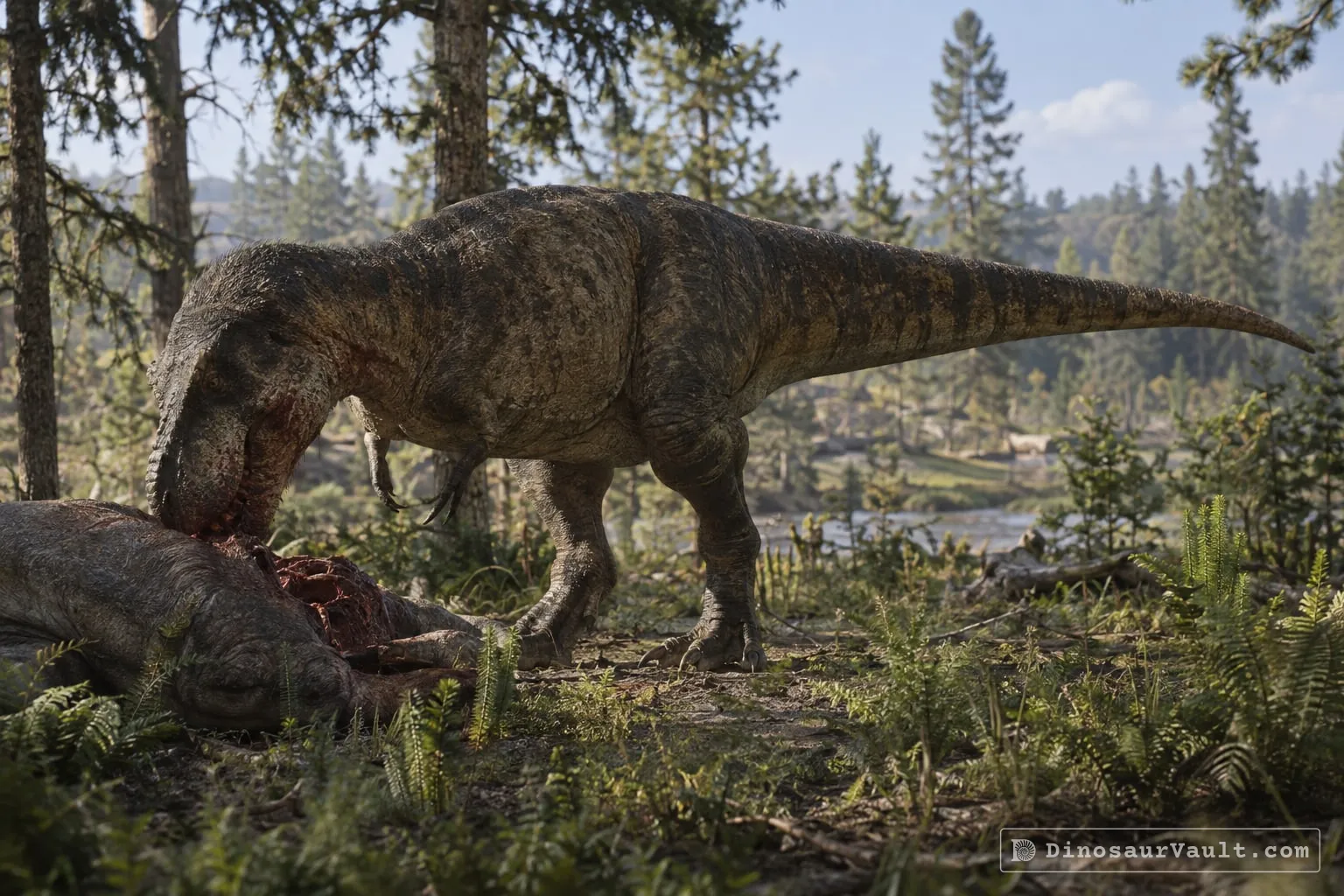
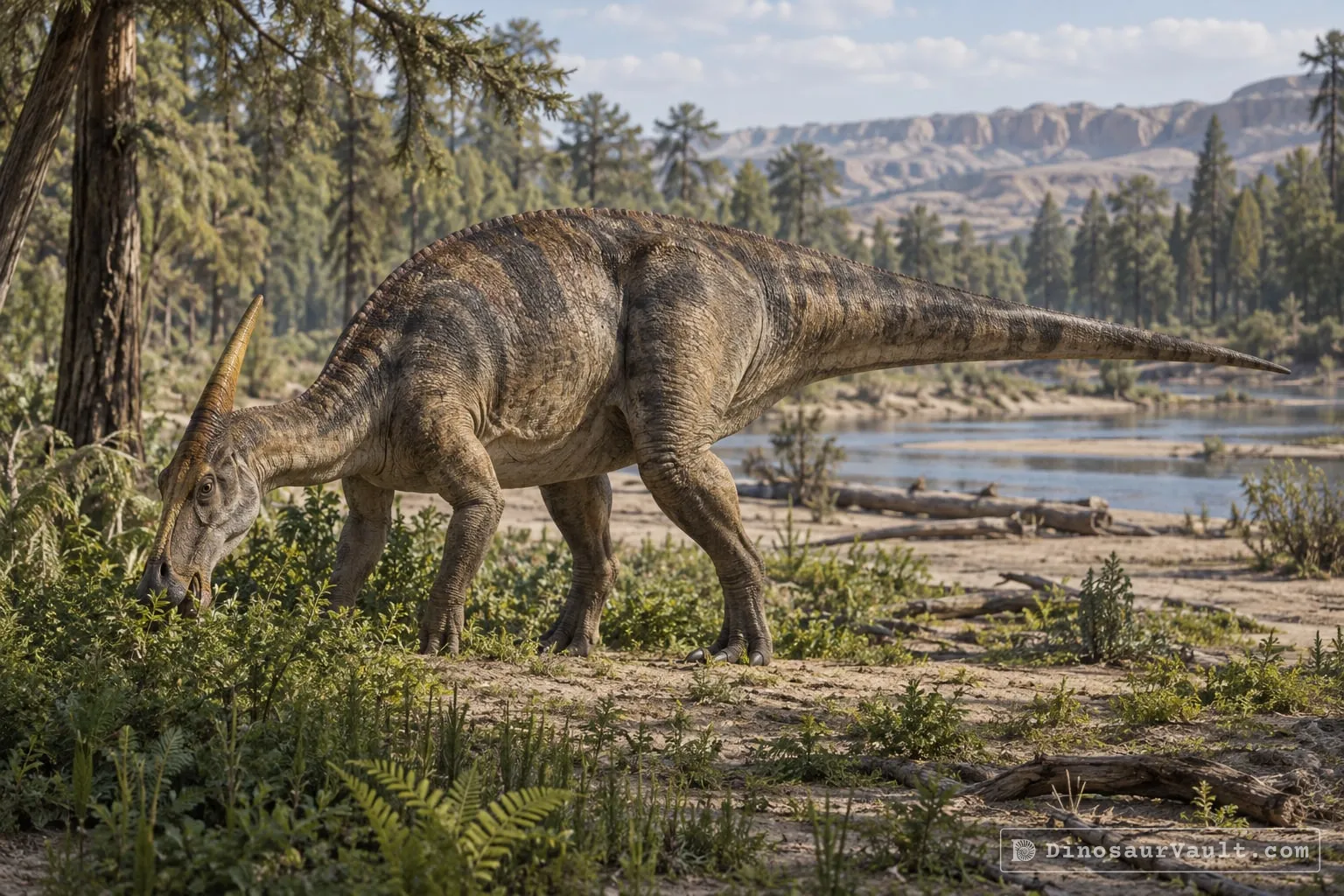
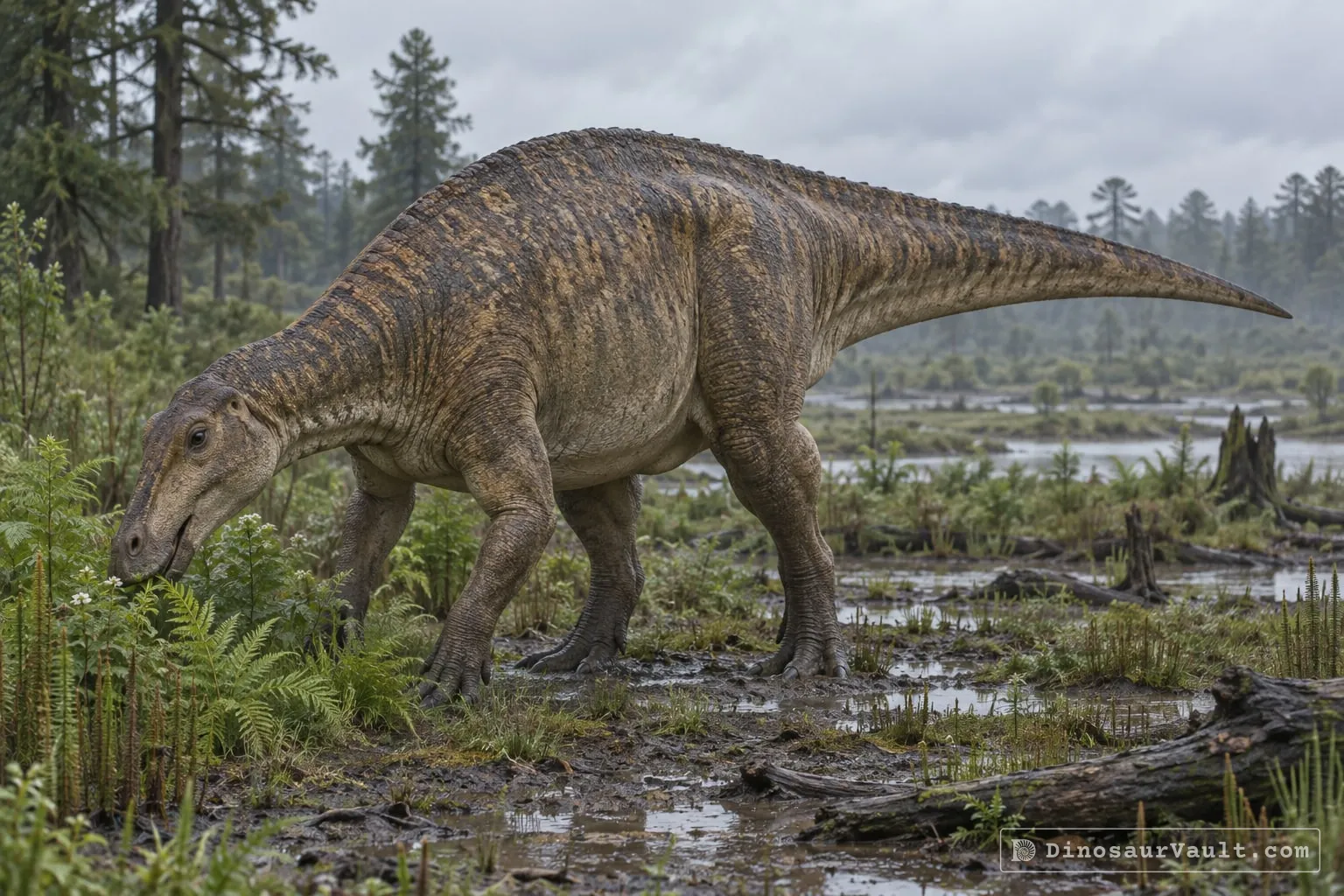
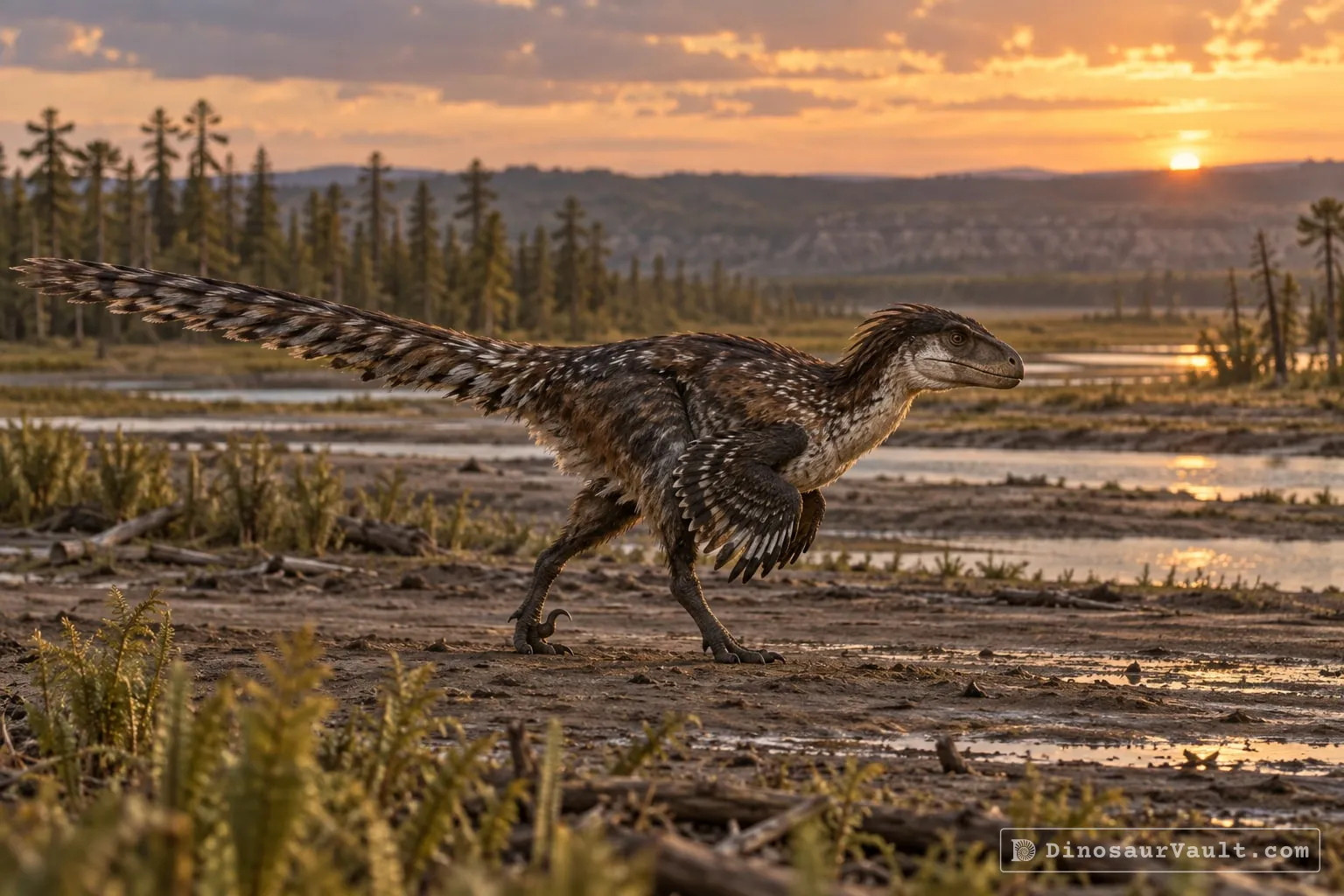


A rock formation can hold fossils laid down millions of years apart, so not every animal here met Albertadromeus.
The evidence
The science behind Albertadromeus
Which parts of the picture come from its own bones, and which come from its relatives.
From its own fossils
- Its partial skeleton preserves hind-leg bones and part of the backbone.
- The slender outer shin bone is reduced near the ankle and fused to the front of the main shin bone.
- The top of its shin bone slopes down toward the back, and the bony ridge on the front of its knee end is relatively long.
Borrowed from relatives
- The skull and forelimbs can be restored using small relatives such as Orodromeus and Zephyrosaurus as guides.
Still unknown
- The shape of its own skull, including whether it had the cheek horn seen in relatives whose cheek bones are known.
- Its closest relative. One analysis pairs it with Koreanosaurus, while a newer one moves Koreanosaurus to a different branch.
- Whether it dug burrows like some other small plant-eating dinosaurs.
Discovery timeline
- 2007Close relativeVarricchio, Martin & Katsura
- 2013Named itBrown et al.
- 2021Family treeMadzia et al.
- 2024Family treeFonseca et al.
- 2026Close relativeAvrahami & Zanno
Key papers
The research behind what we know of Albertadromeus
Close relative
Found an adult Oryctodromeus and young inside a fossil burrow, showing that some small plant-eating dinosaurs sheltered underground.
First trace and body fossil evidence of a burrowing, denning dinosaur. Proceedings of the Royal Society B: Biological Sciences 274: 1361-1368
Read the paper : First trace and body fossil evidence of a burrowing, denning dinosaur (opens in a new tab)Named it
Named a small plant eater with fused shin bones and showed how easily small dinosaurs are missed in the fossil record.
New data on the diversity and abundance of small-bodied ornithopods (Dinosauria, Ornithischia) from the Belly River Group (Campanian) of Alberta. Journal of Vertebrate Paleontology 33: 495-520
Read the paper : New data on the diversity and abundance of small-bodied ornithopods (Dinosauria, Ornithischia) from the Belly River Group (Campanian) of Alberta (opens in a new tab)Family tree
Defined dinosaur family branches and included Albertadromeus among the small plant eaters grouped with Orodromeus.
The phylogenetic nomenclature of ornithischian dinosaurs. PeerJ 9: e12362
Read the paper : The phylogenetic nomenclature of ornithischian dinosaurs (opens in a new tab)Family tree
A large family tree of early bird-hipped dinosaurs kept Albertadromeus among the orodromines and, in one version, placed it beside Koreanosaurus.
A comprehensive phylogenetic analysis on early ornithischian evolution. Journal of Systematic Palaeontology 22
Read the paper : A comprehensive phylogenetic analysis on early ornithischian evolution (opens in a new tab)Close relative
Described the skull of a related small plant eater and noted that orodromines with known cheek bones all carry a horn there.
Cranial Osteology of Fona herzogae (Dinosauria: Thescelosaurinae) from the Mussentuchit Member of the Cedar Mountain Formation. PLOS One 21: e0353169
Read the paper : Cranial Osteology of Fona herzogae (Dinosauria: Thescelosaurinae) from the Mussentuchit Member of the Cedar Mountain Formation (opens in a new tab)
Close relatives
Other members of Thescelosauridae


Sources: Wikidata