Xuanhanosaurus
"Xuanhan lizard"
Type species Xuanhanosaurus qilixiaensis
- Lived
- 171 to 168 million years ago, Middle Jurassic
- Diet
- Carnivore
- Group
- Theropods, Piatnitzkysauridae
- Found in
- China
- Named by
- Dong 1984
Where its fossils were found
The evidence
Today

170 million years ago
Habitat
Rivers, floodplains and lakes formed the landscape preserved in the Shaximiao Formation. Shunosaurus, Mamenchisaurus and Huayangosaurus lived in the same region.
Field notes
About Xuanhanosaurus
What it was like
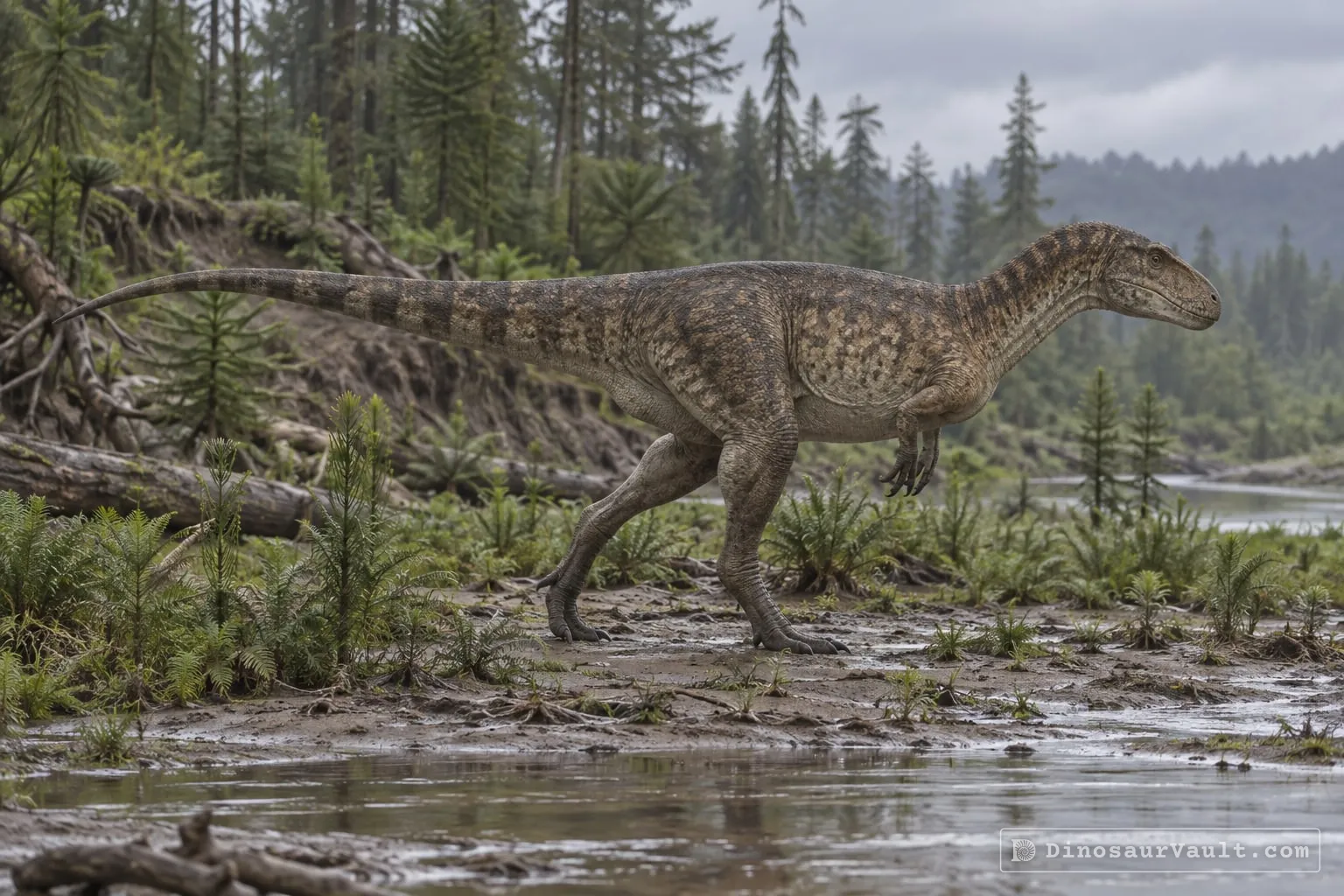
Xuanhanosaurus was a medium-sized theropod with strong arms. It is known from part of the skeleton, including a front limb, backbone and shoulder.
Its world
It lived in the Middle Jurassic, in what is now China. It comes from the Shaximiao Formation, home to the sauropods Shunosaurus and Mamenchisaurus and the stegosaur Huayangosaurus.
How it was found
Dong named Xuanhanosaurus in 1984. The type species is Xuanhanosaurus qilixiaensis. It was later found to be a close relative of Piatnitzkysaurus and Marshosaurus.
Field gallery
More views of Xuanhanosaurus
Scenes reconstructed from the available fossil evidence.
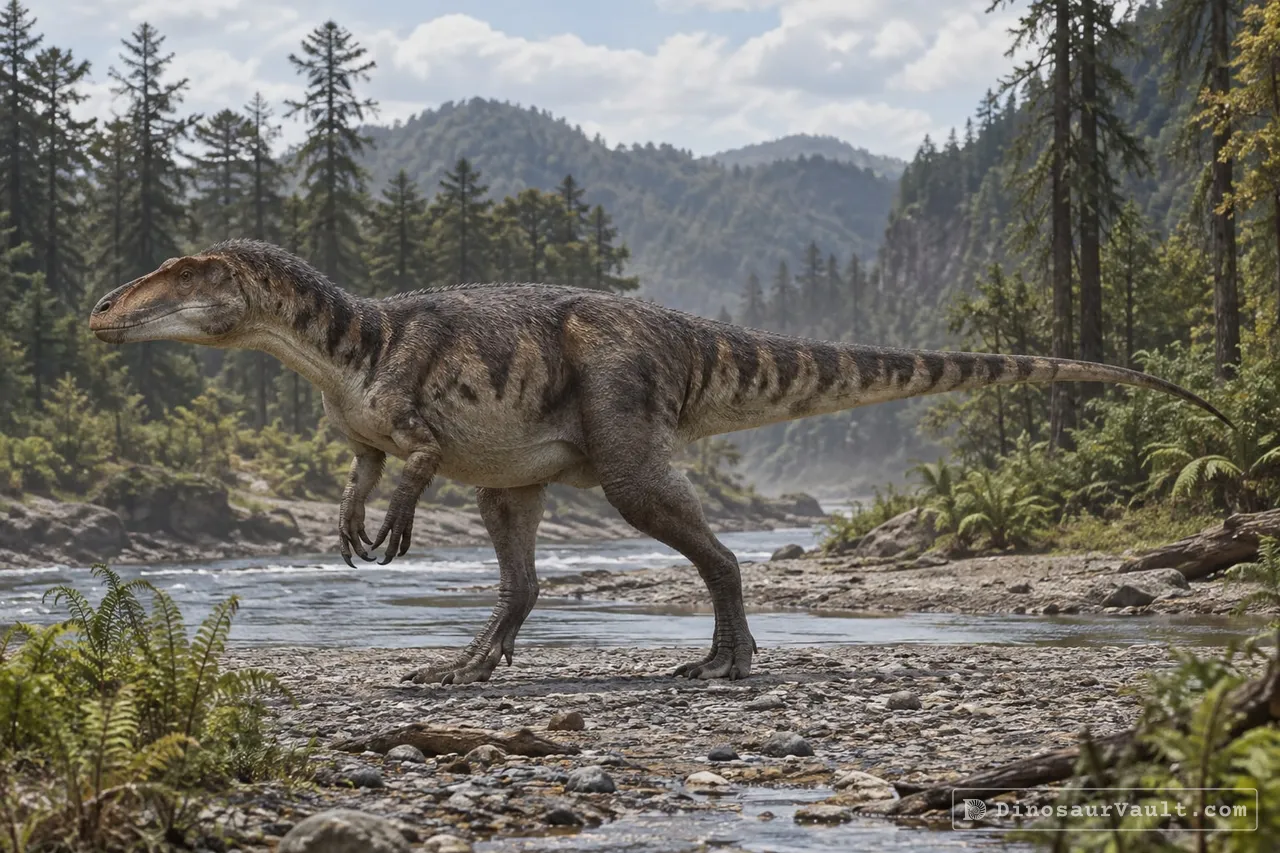
1 of 3
Lived alongside
Found in the same rock formations
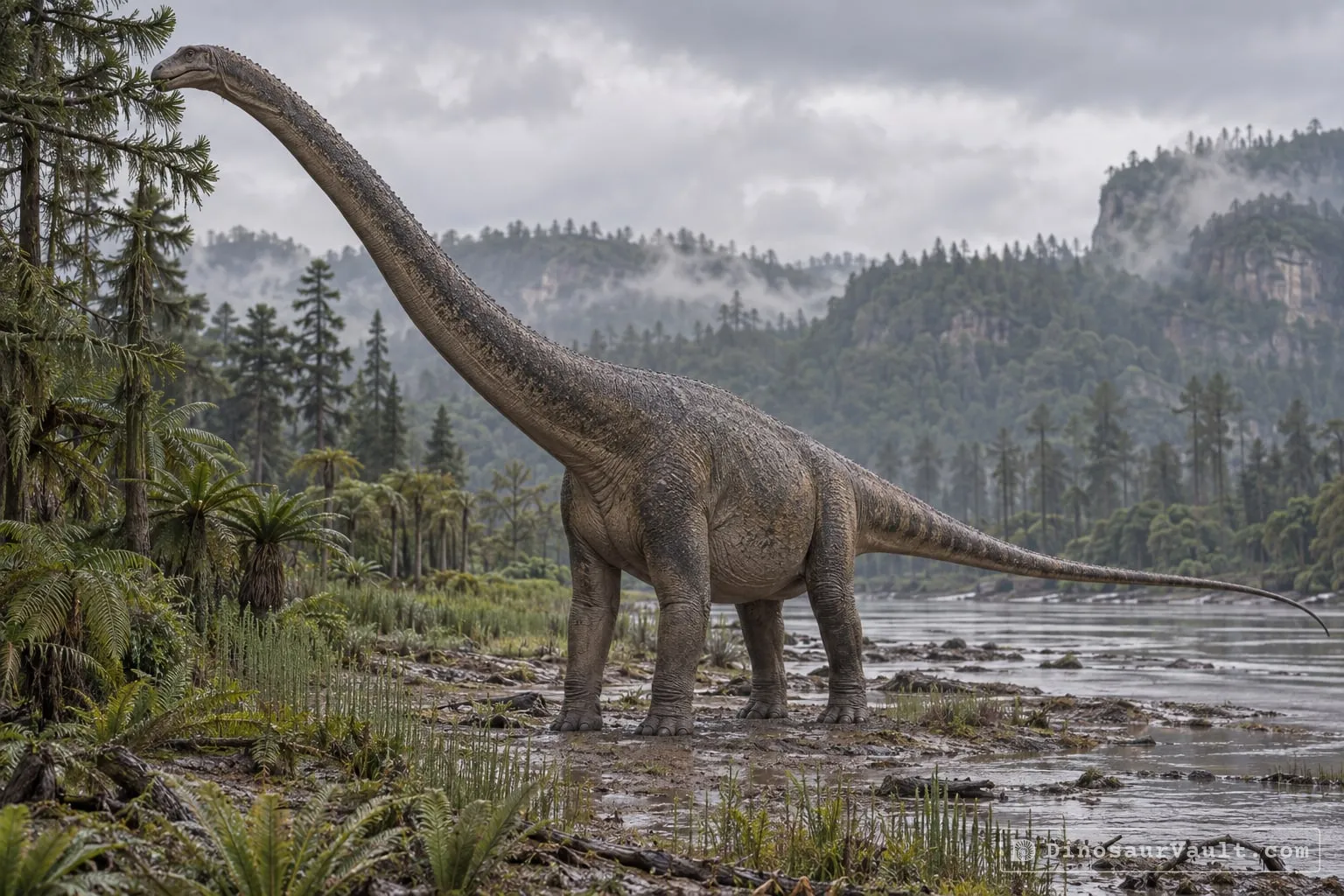
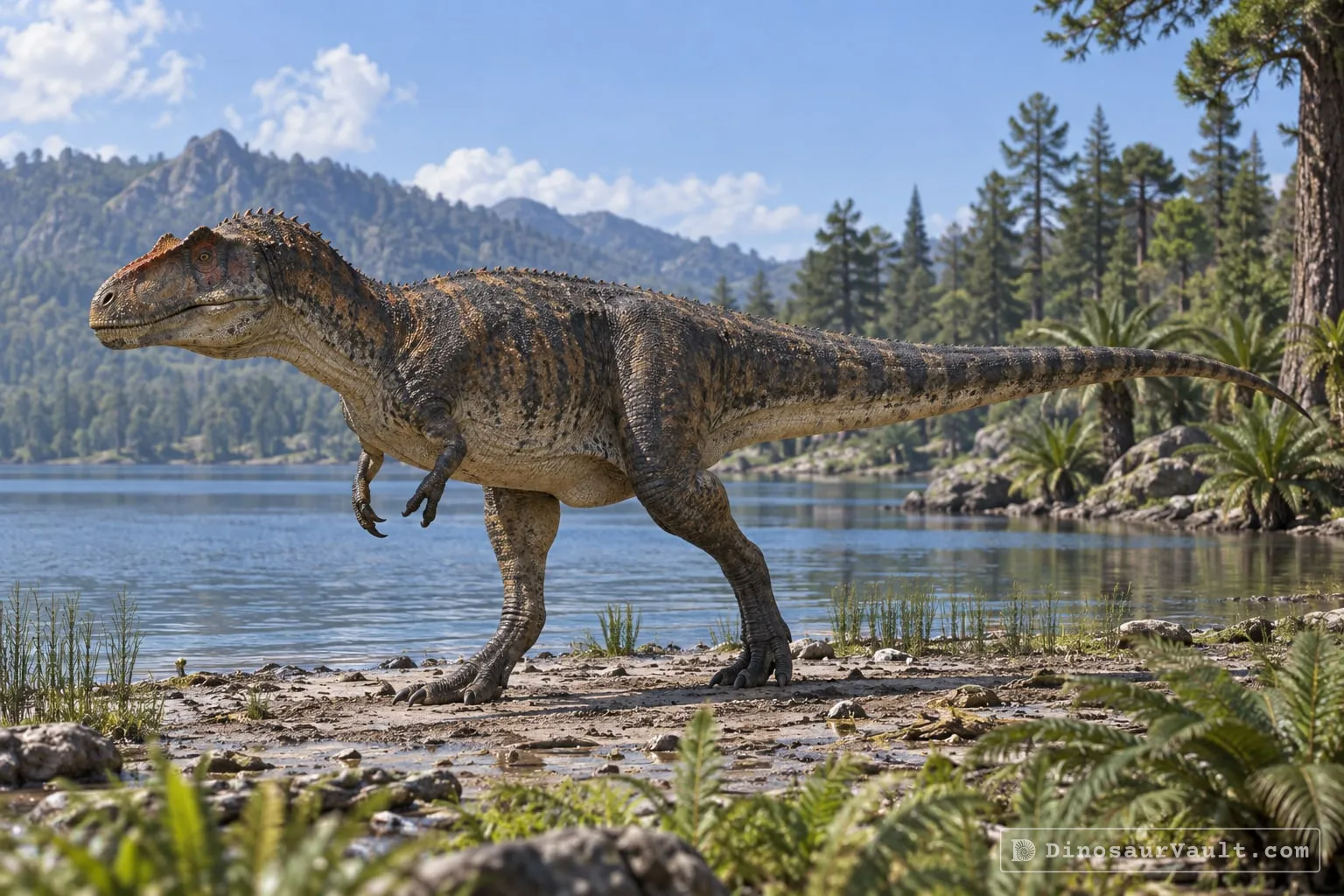
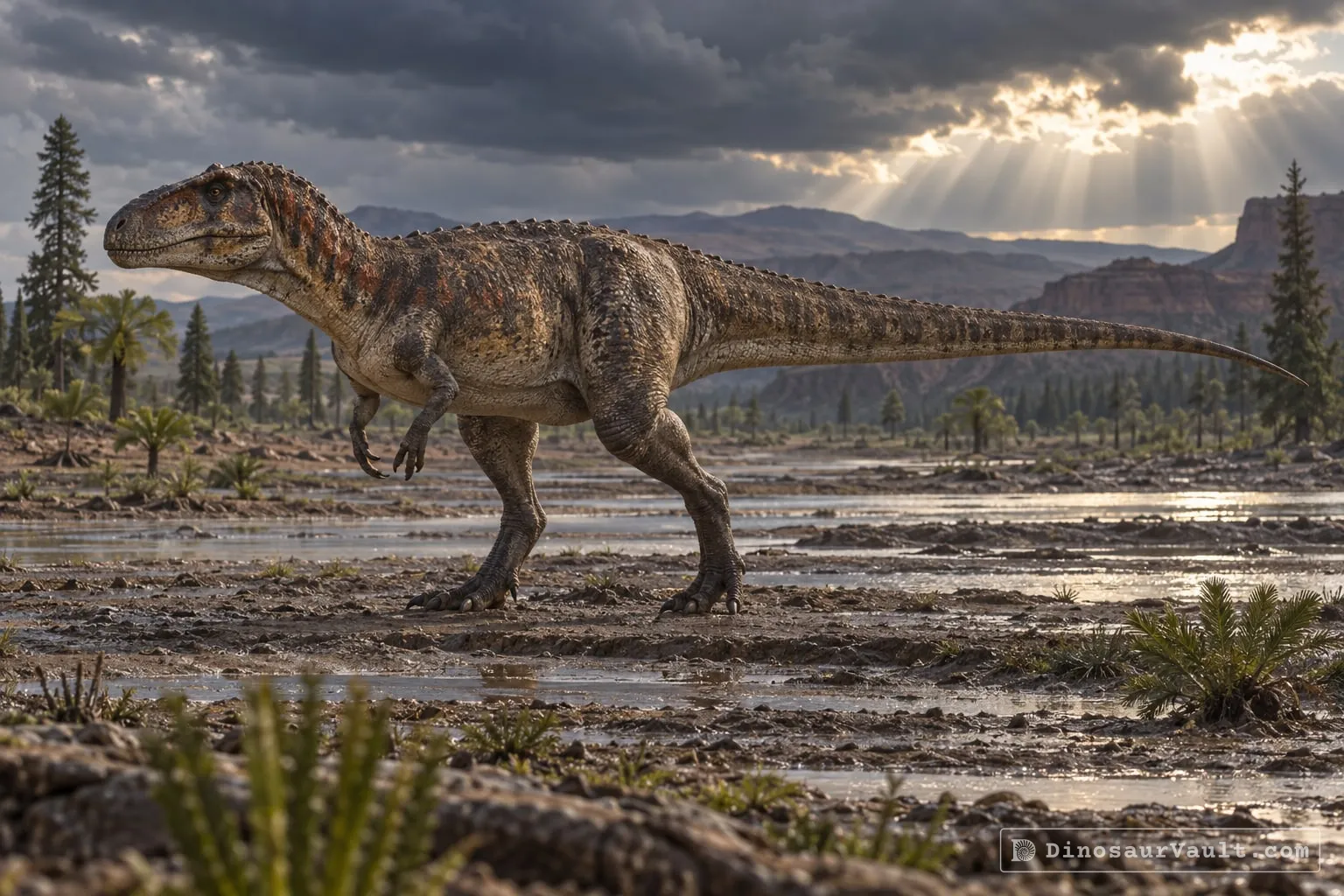
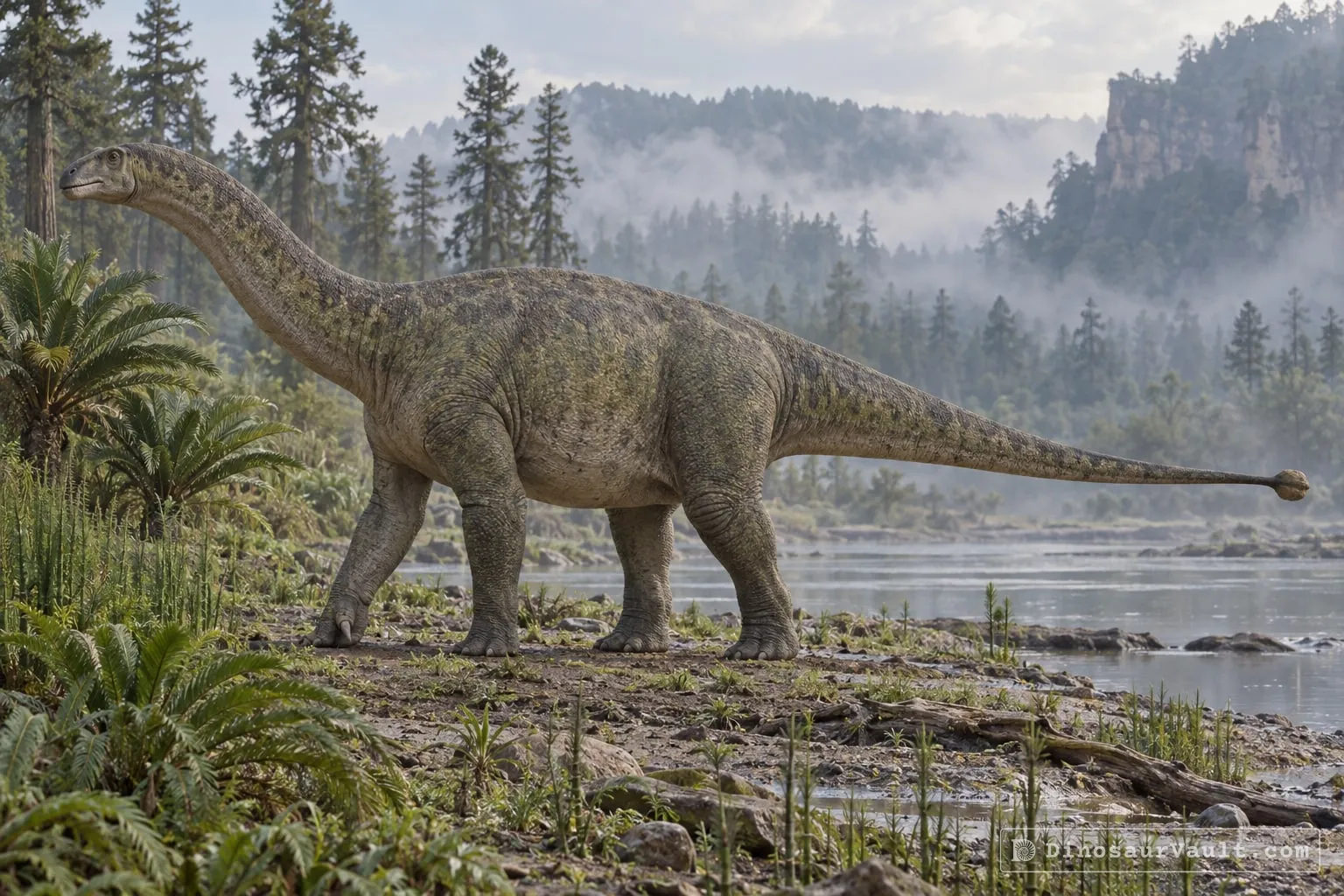
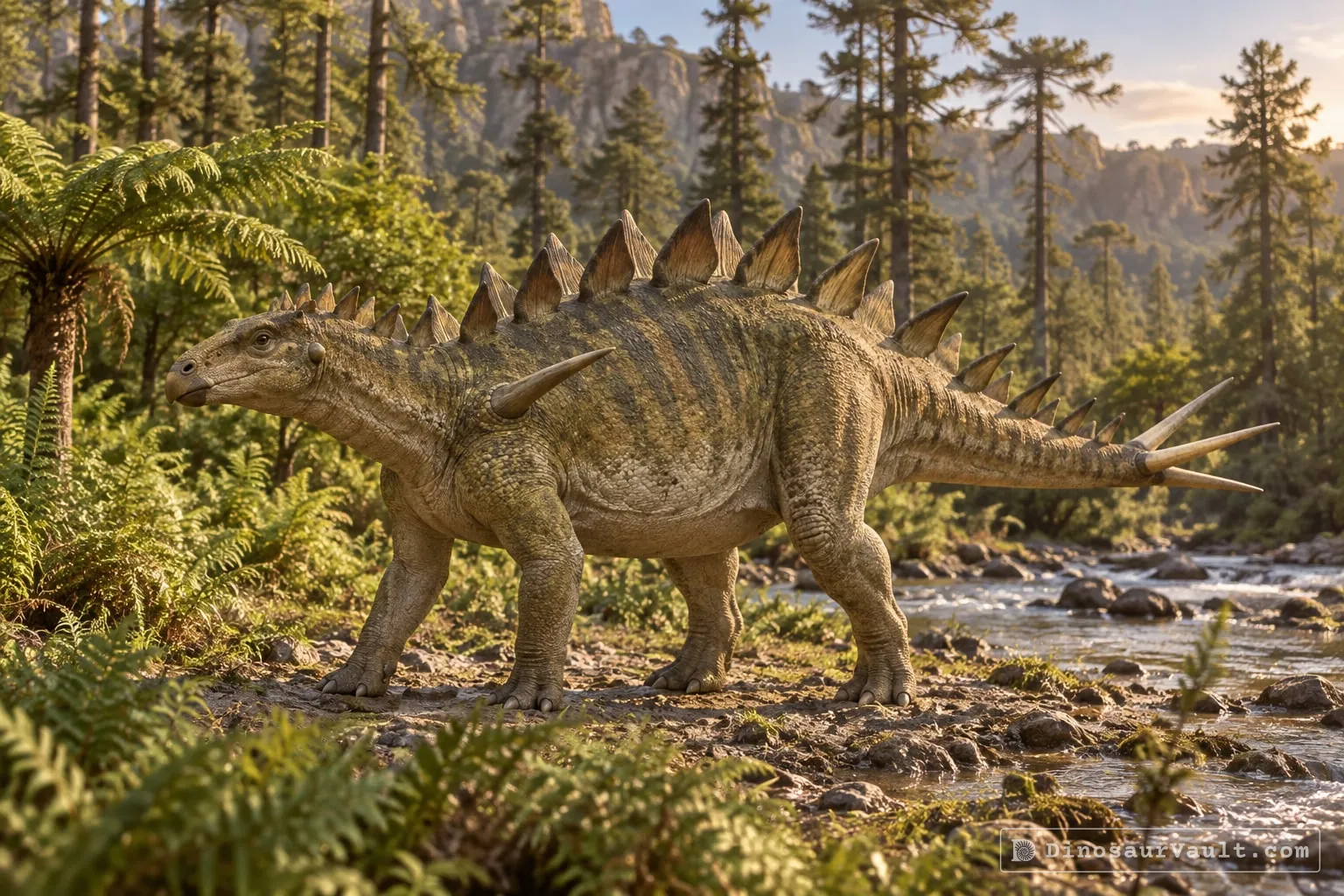
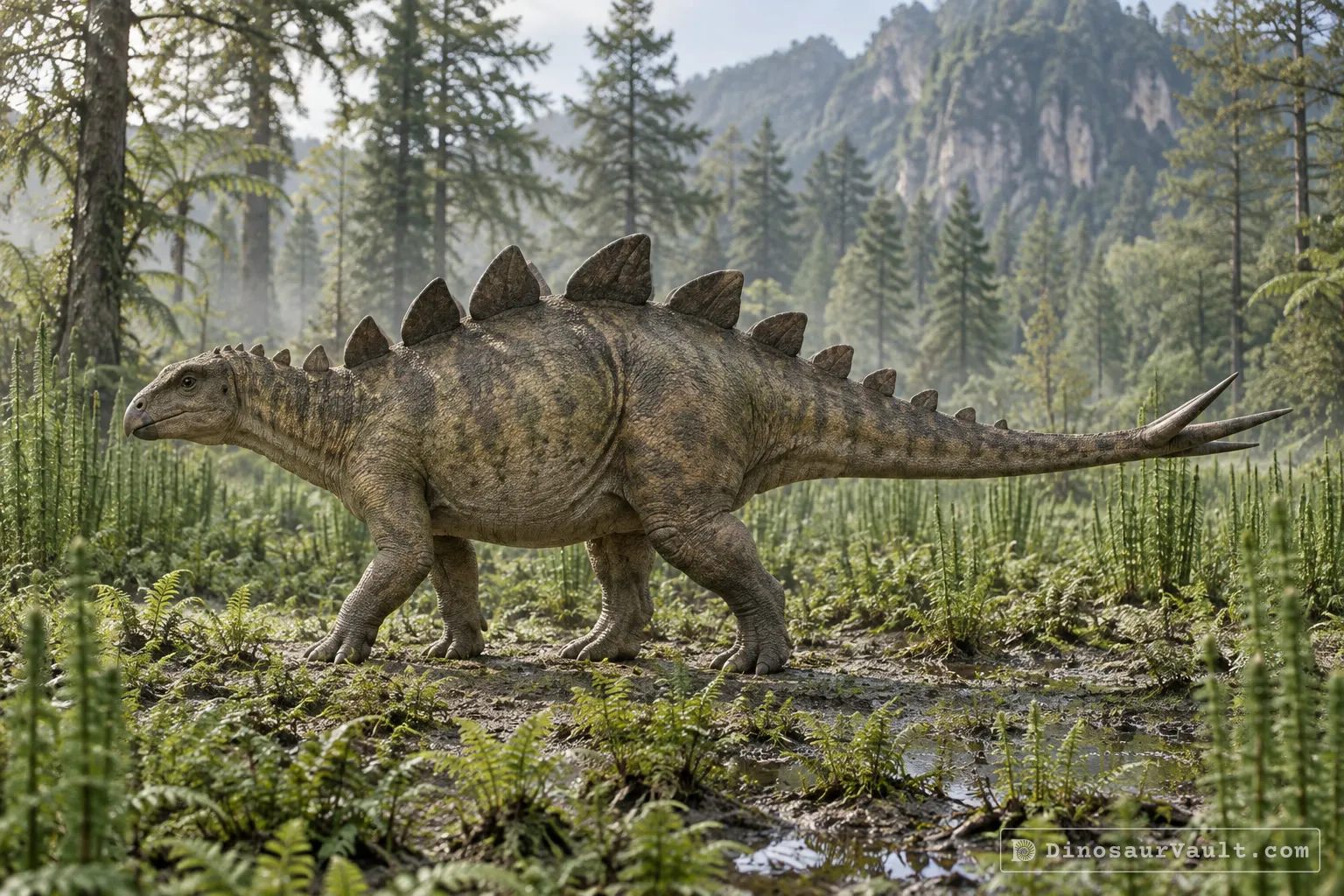
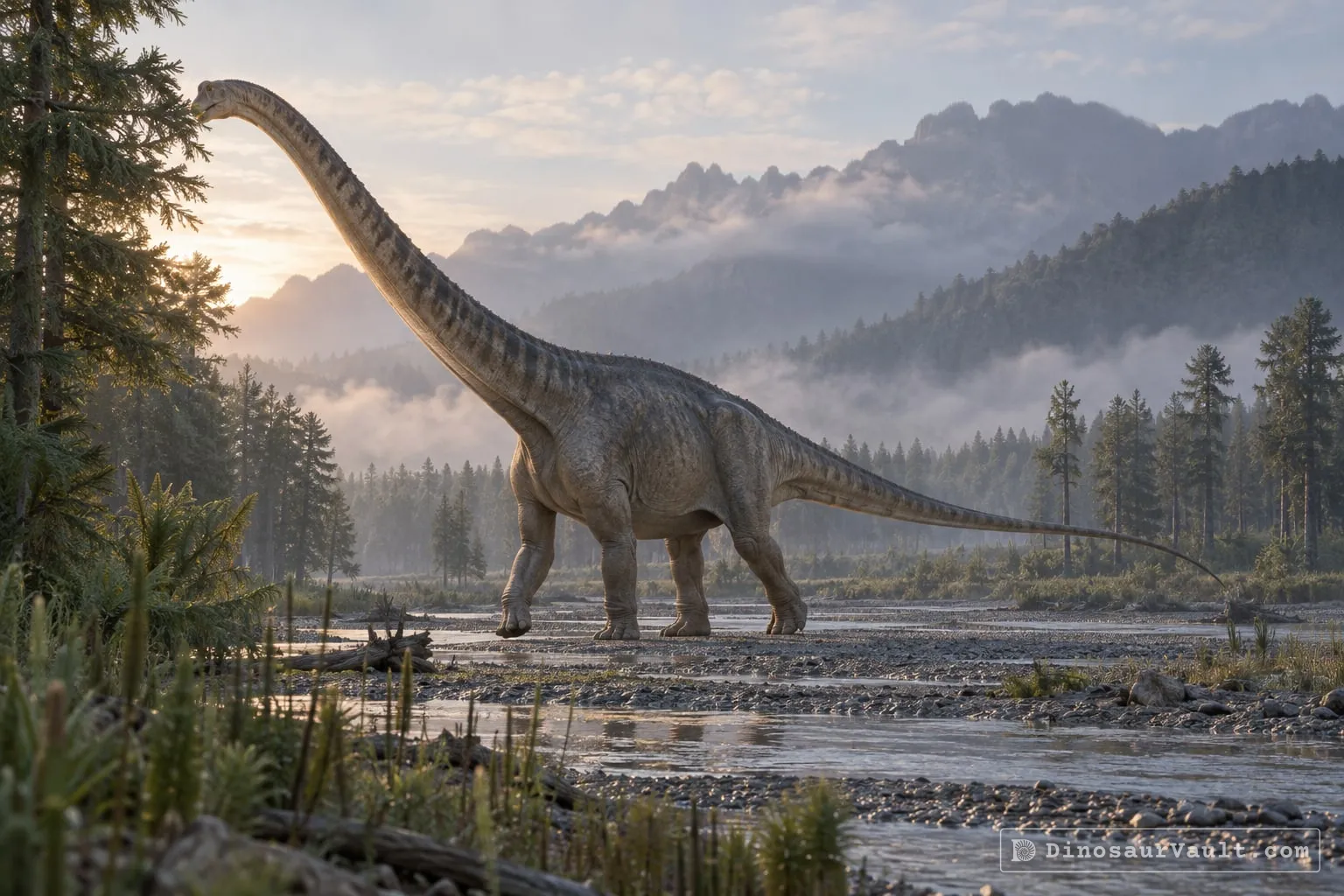


A rock formation can hold fossils laid down millions of years apart, so not every animal here met Xuanhanosaurus.
The evidence
The science behind Xuanhanosaurus
Which parts of the picture come from its own bones, and which come from its relatives.
From its own fossils
- Part of a skeleton preserves the shoulders, forelimbs and back vertebrae.
- The upper arm was stout, the shoulder blade was broad, and the hand had short palm bones with four finger positions.
Borrowed from relatives
- Sinraptor provides a comparison for the missing head, neck and trunk.
- The reduced outer finger in Dilophosaurus offers a model for completing the fingertips.
Still unknown
- The shape of its skull and the proportions of its hind legs.
- The number and shape of its finger claws.
- Its skin covering and color.
Often drawn wrong
- Strong arms are sometimes used to show it walking on all fours; it is restored as a two-legged theropod.
- Its palms faced inward rather than flat toward the ground.
Discovery timeline
- 1984Named itDong
- 2012RedescriptionCarrano, Benson & Sampson
- 2020SkullHendrickx et al.
Key papers
The research behind what we know of Xuanhanosaurus
Named it
Named Xuanhanosaurus from a partial skeleton with strong arms, shoulder bones and back vertebrae.
[A new theropod dinosaur from the Middle Jurassic of Sichuan Basin]. Vertebrata PalAsiatica 22: 213-218
No link available
Redescription
Reexamined Xuanhanosaurus and identified its stout upper arm, broad shoulder blade and hand with four finger positions.
The phylogeny of Tetanurae (Dinosauria: Theropoda). Journal of Systematic Palaeontology 10: 211-300
Read the paper : The phylogeny of Tetanurae (Dinosauria: Theropoda) (opens in a new tab)Skull
Described the teeth of Sinraptor, whose well-preserved skull offers a comparison for the missing head of Xuanhanosaurus.
Dental anatomy of the apex predator Sinraptor dongi (Theropoda: Allosauroidea) from the Late Jurassic of China. Canadian Journal of Earth Sciences 57: 1127-1147
Read the paper : Dental anatomy of the apex predator Sinraptor dongi (Theropoda: Allosauroidea) from the Late Jurassic of China (opens in a new tab)
Close relatives
Other members of Piatnitzkysauridae


Sources: Wikidata