Outline: a typical ceratopsian
Vagaceratops
"wandering horned face"
- Lived
- 84 to 72 million years ago, Late Cretaceous
- Diet
- Herbivore
- Group
- Ceratopsians, Ceratopsidae
- Found in
- Canada and United States
- Named by
- Sampson 2010
Where its fossils were found
The evidence
Today
80 million years ago
Field notes
About Vagaceratops
What it was like
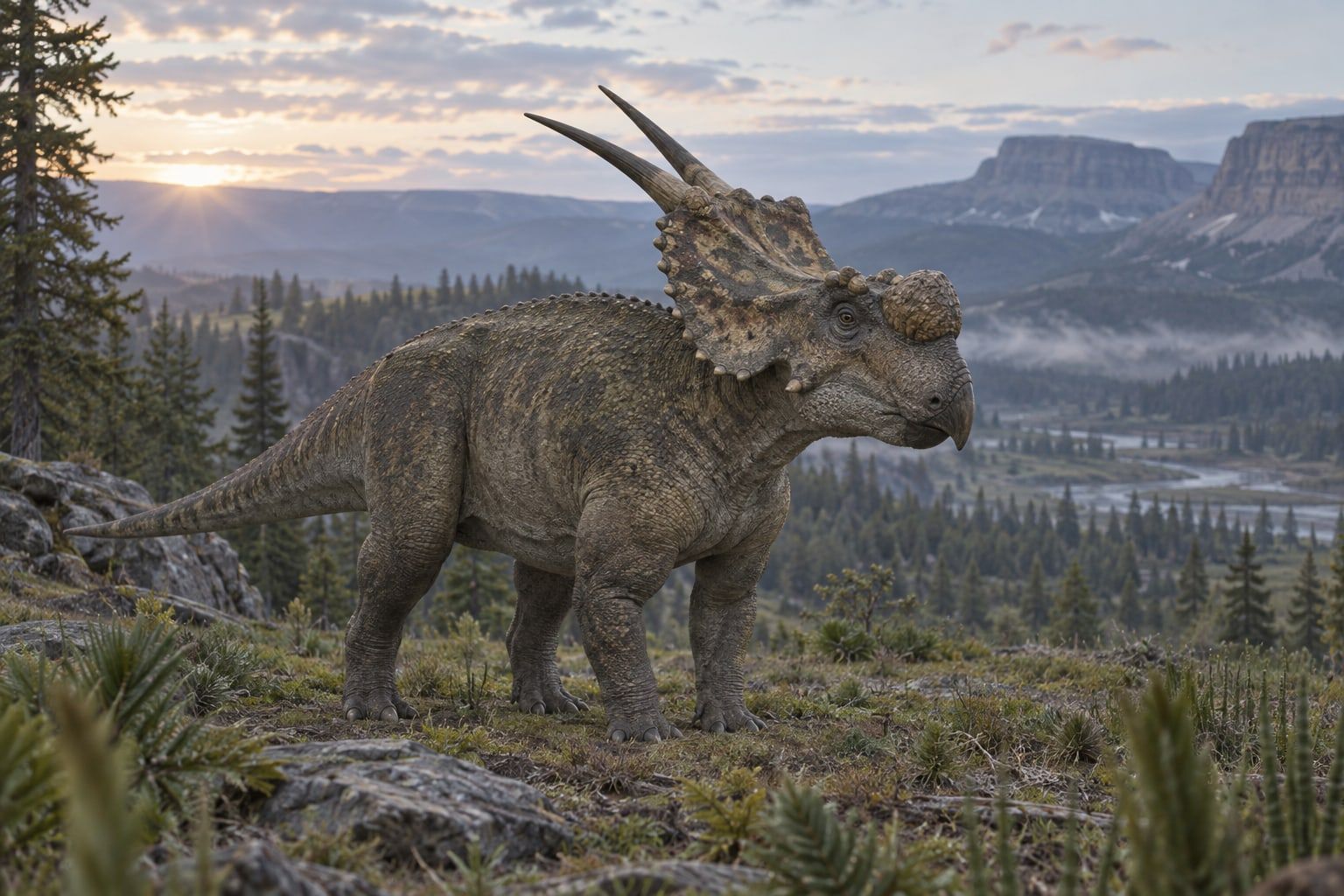
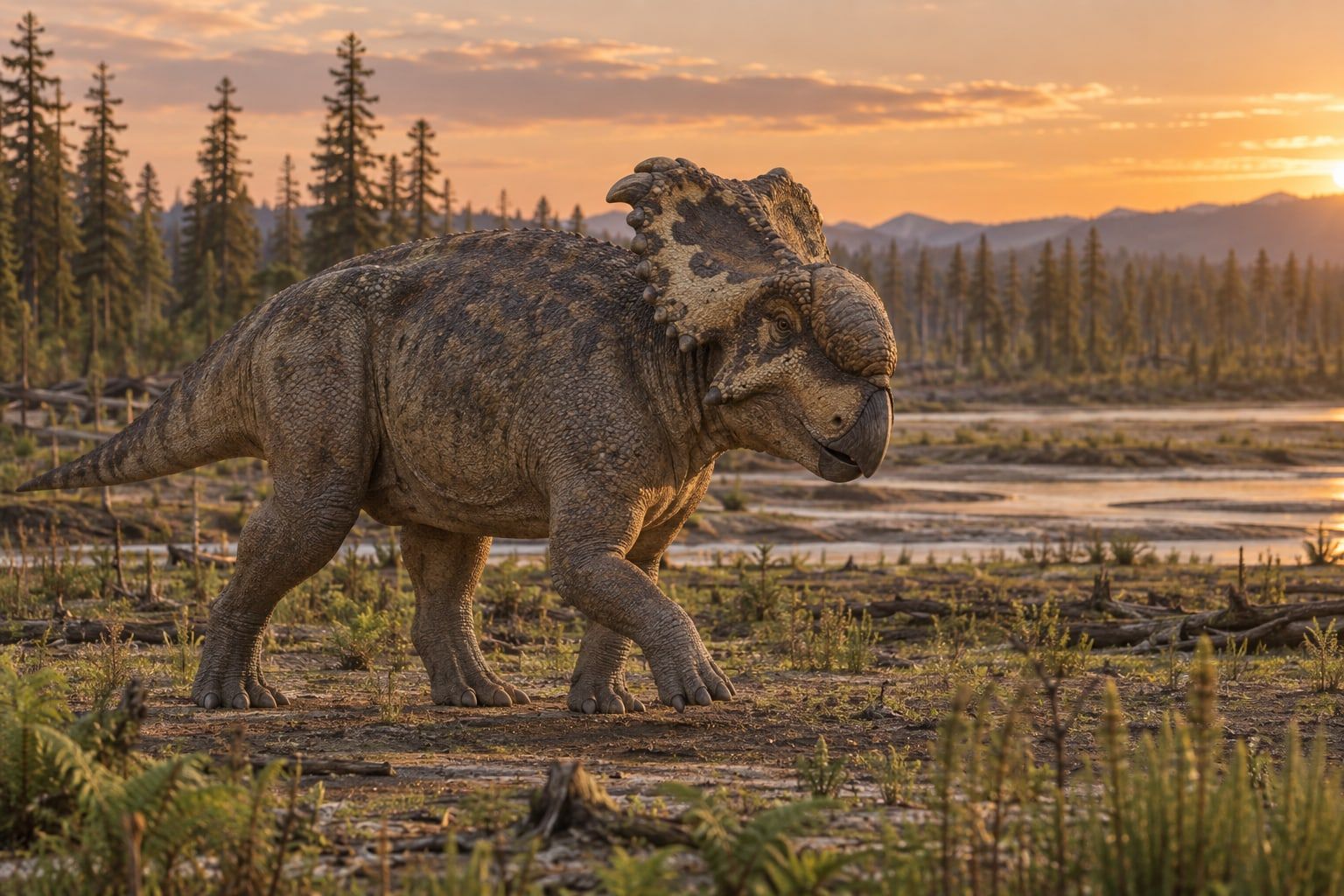
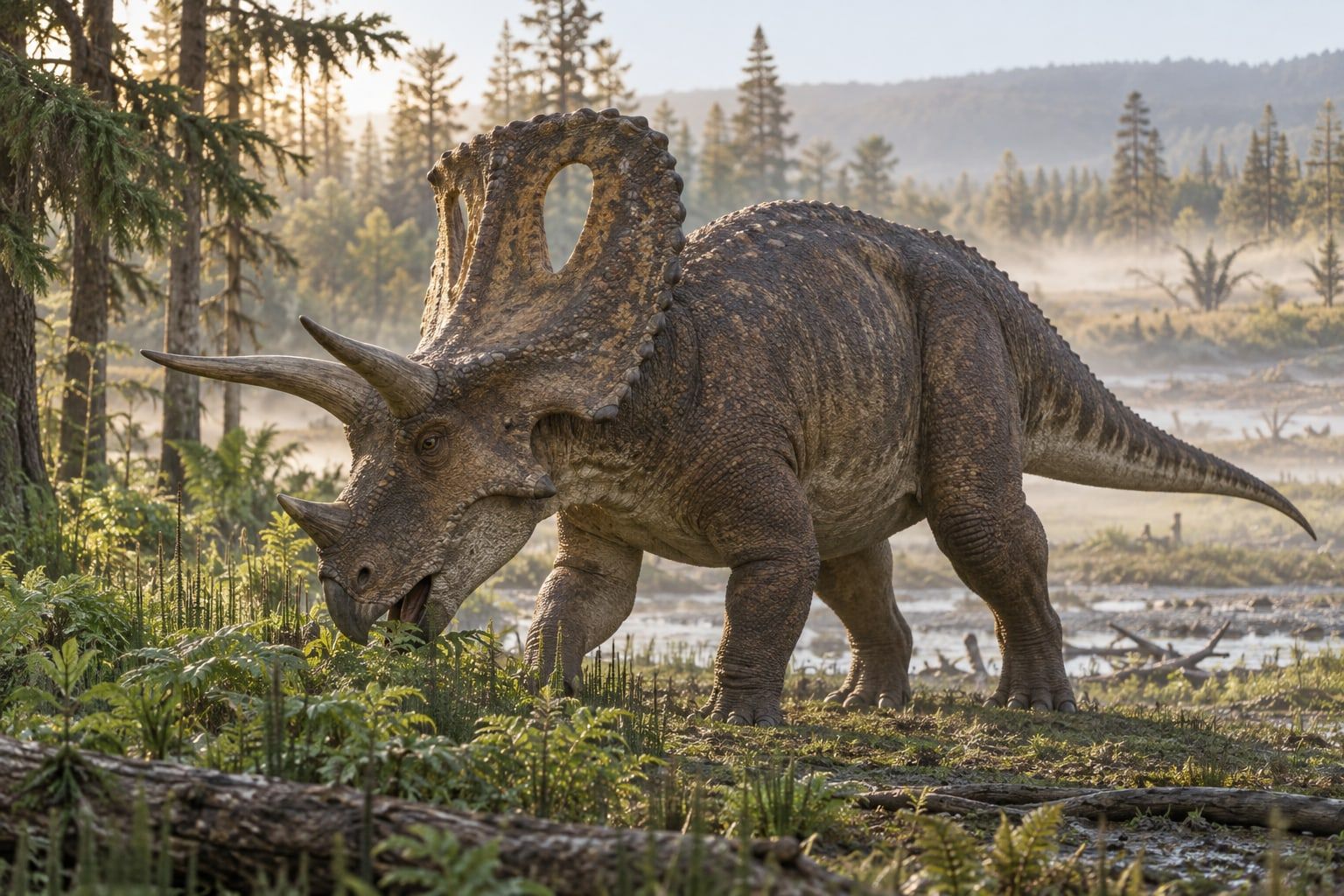
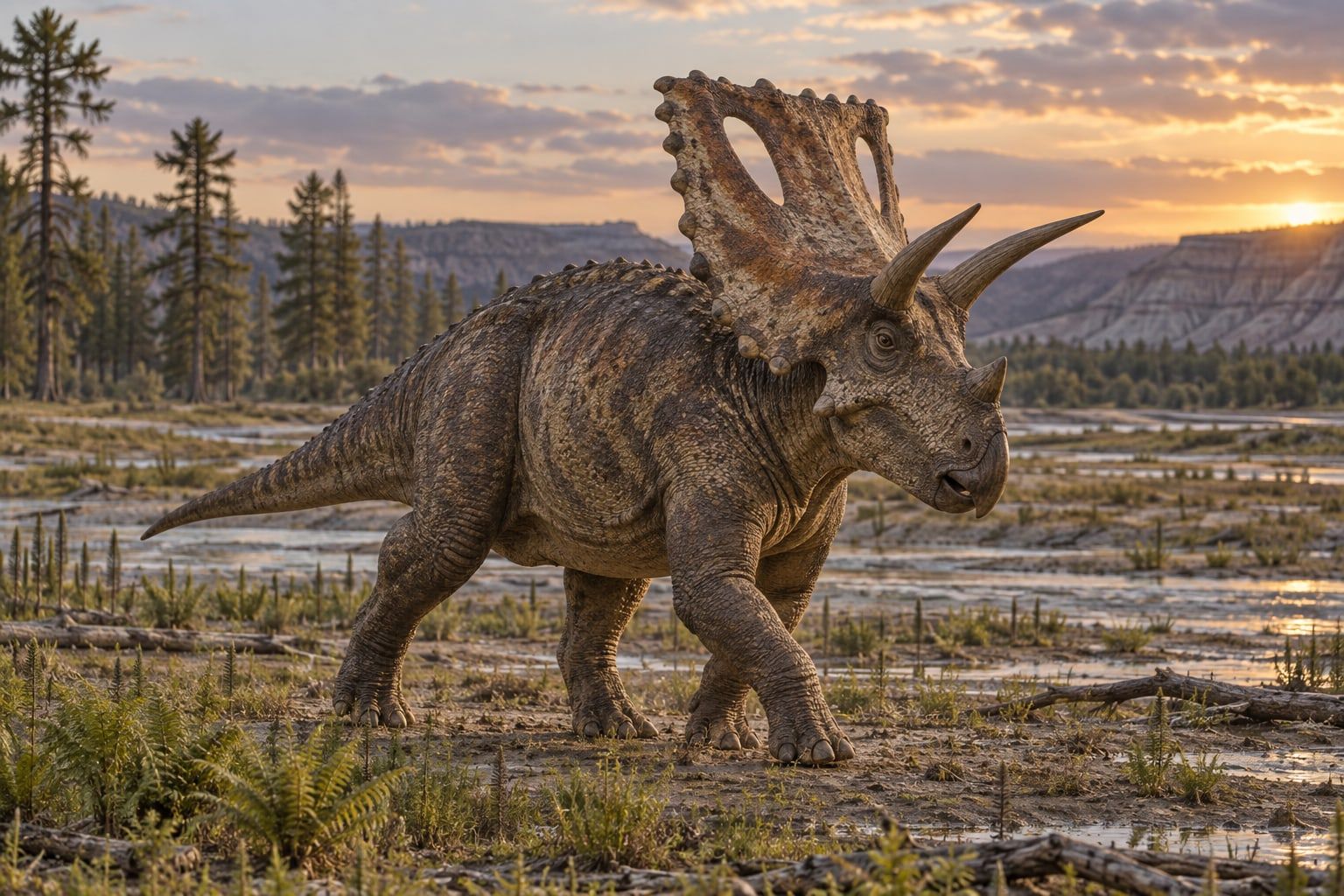
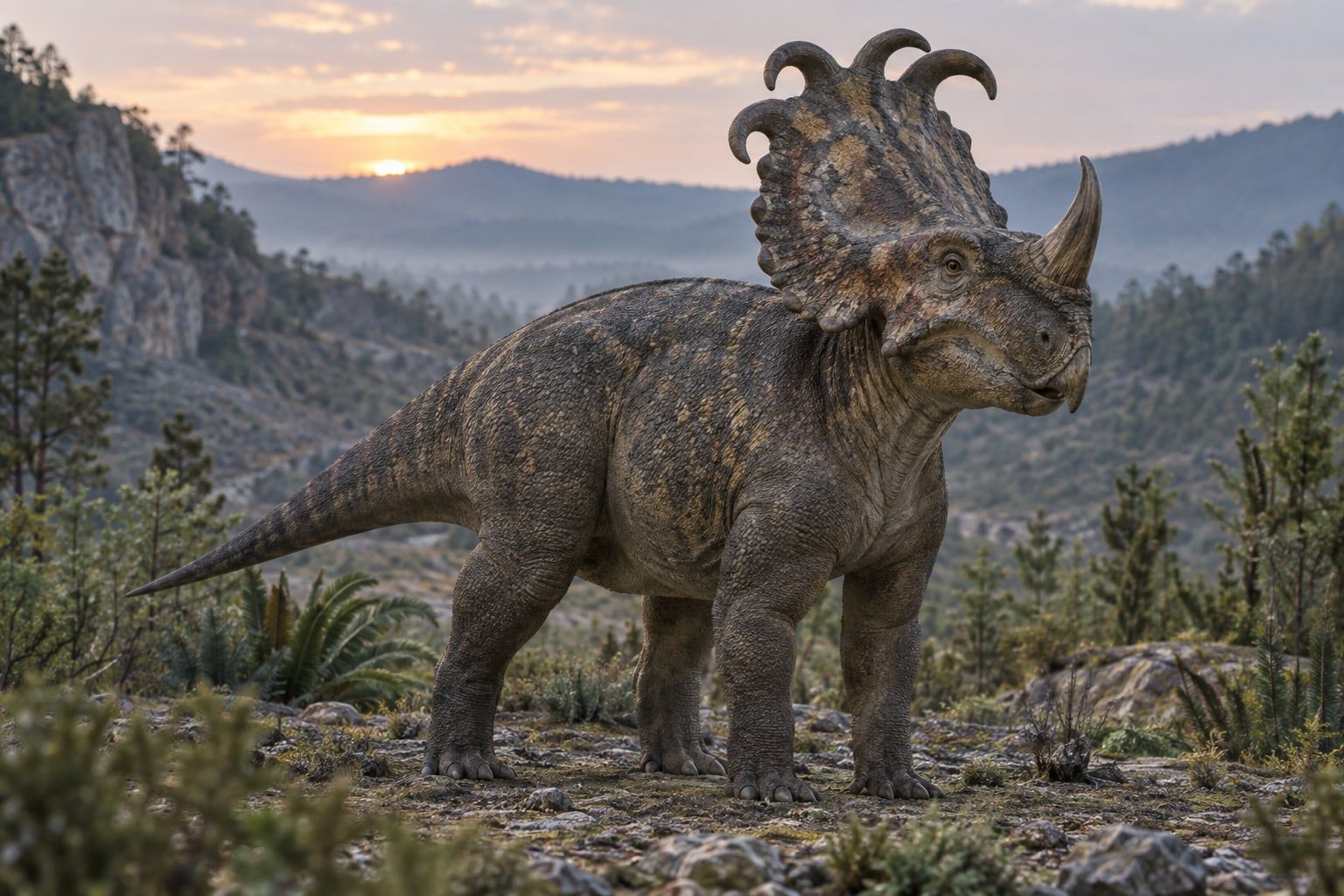
Vagaceratops was a horned dinosaur with a broad, short frill and a row of forward-curling hooks along its top edge. Its brow horns were small.
It is a close relative of Kosmoceratops from farther south, which had a very similar frill. Some scientists think it is instead a species of Chasmosaurus.
Its world
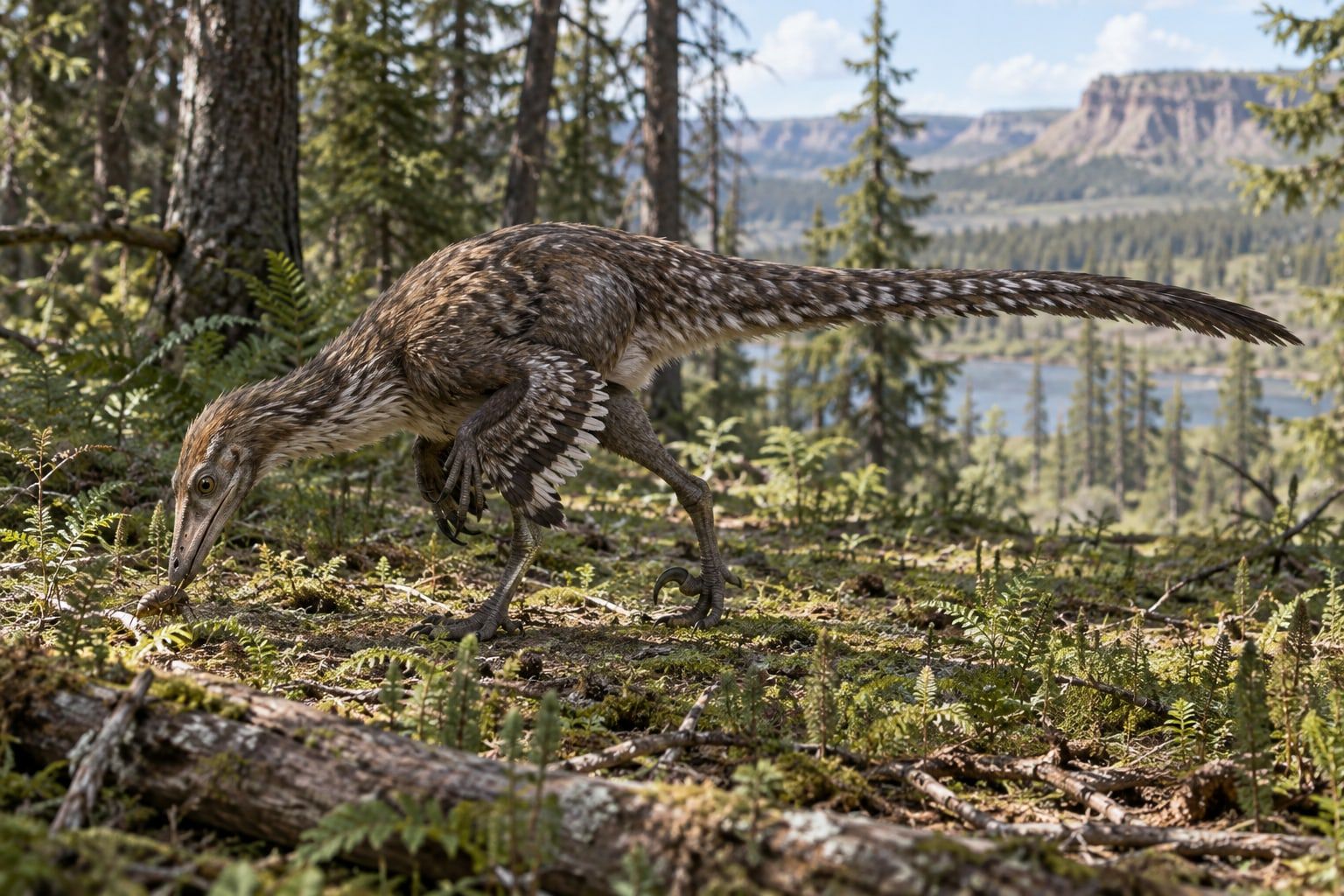
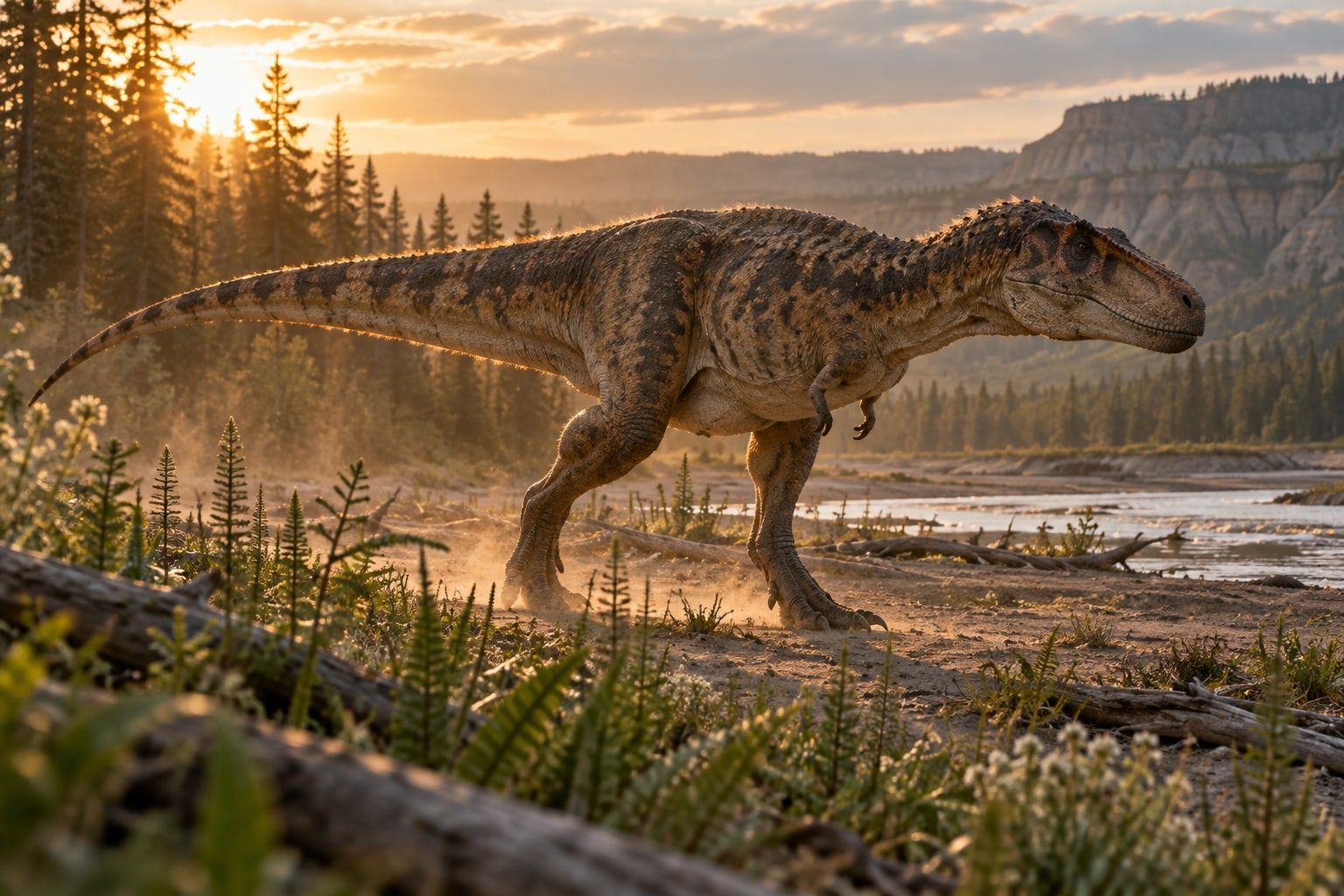
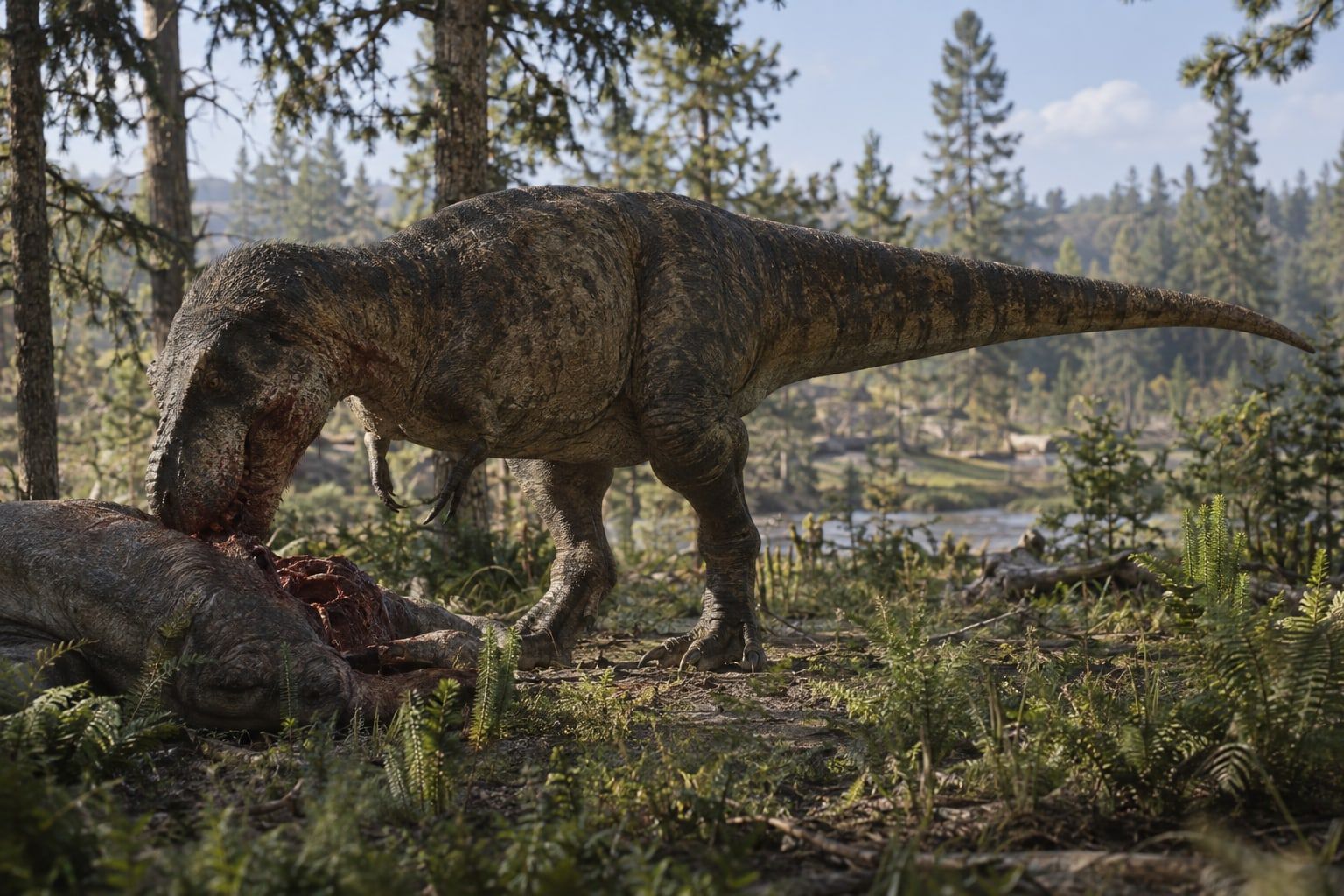
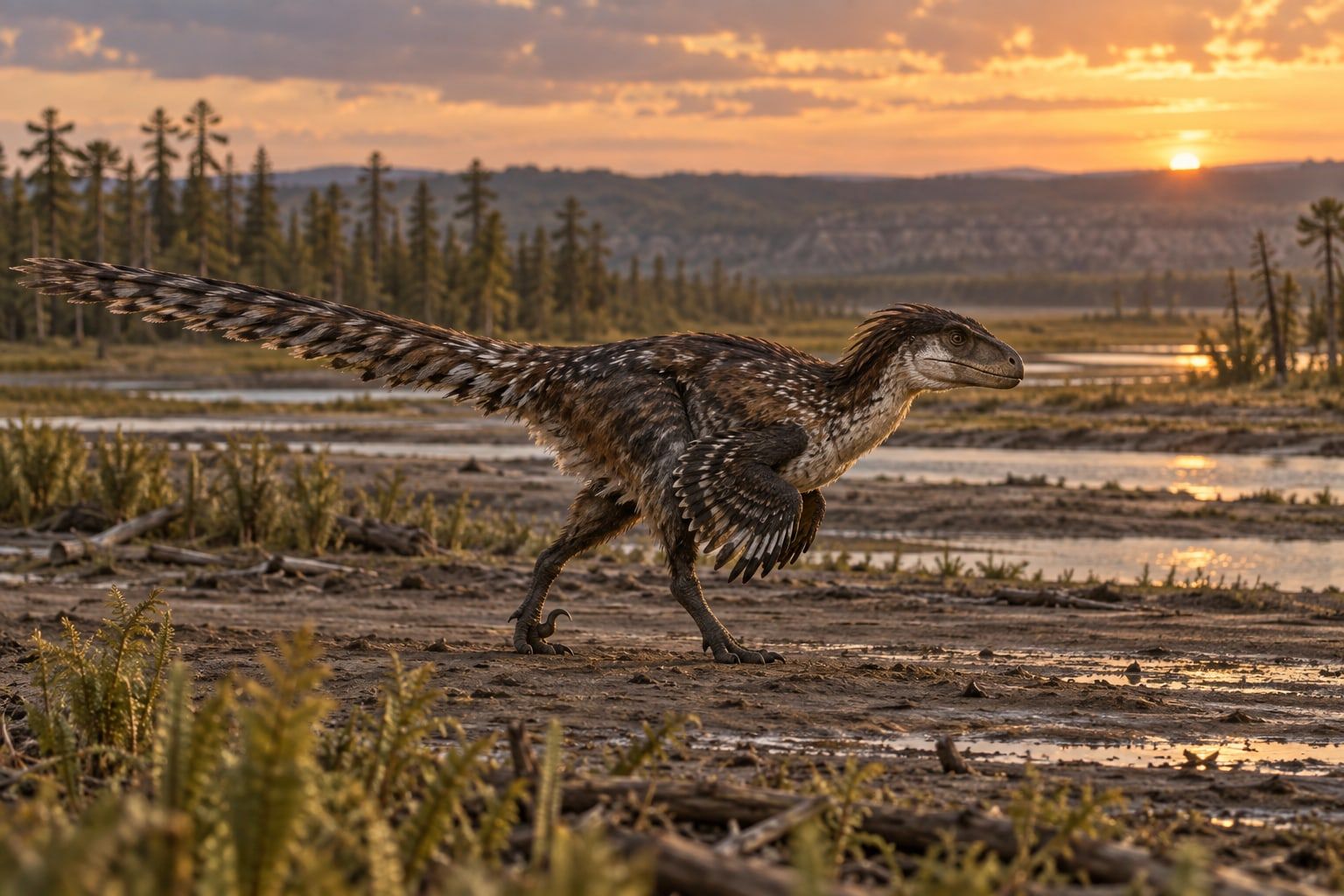
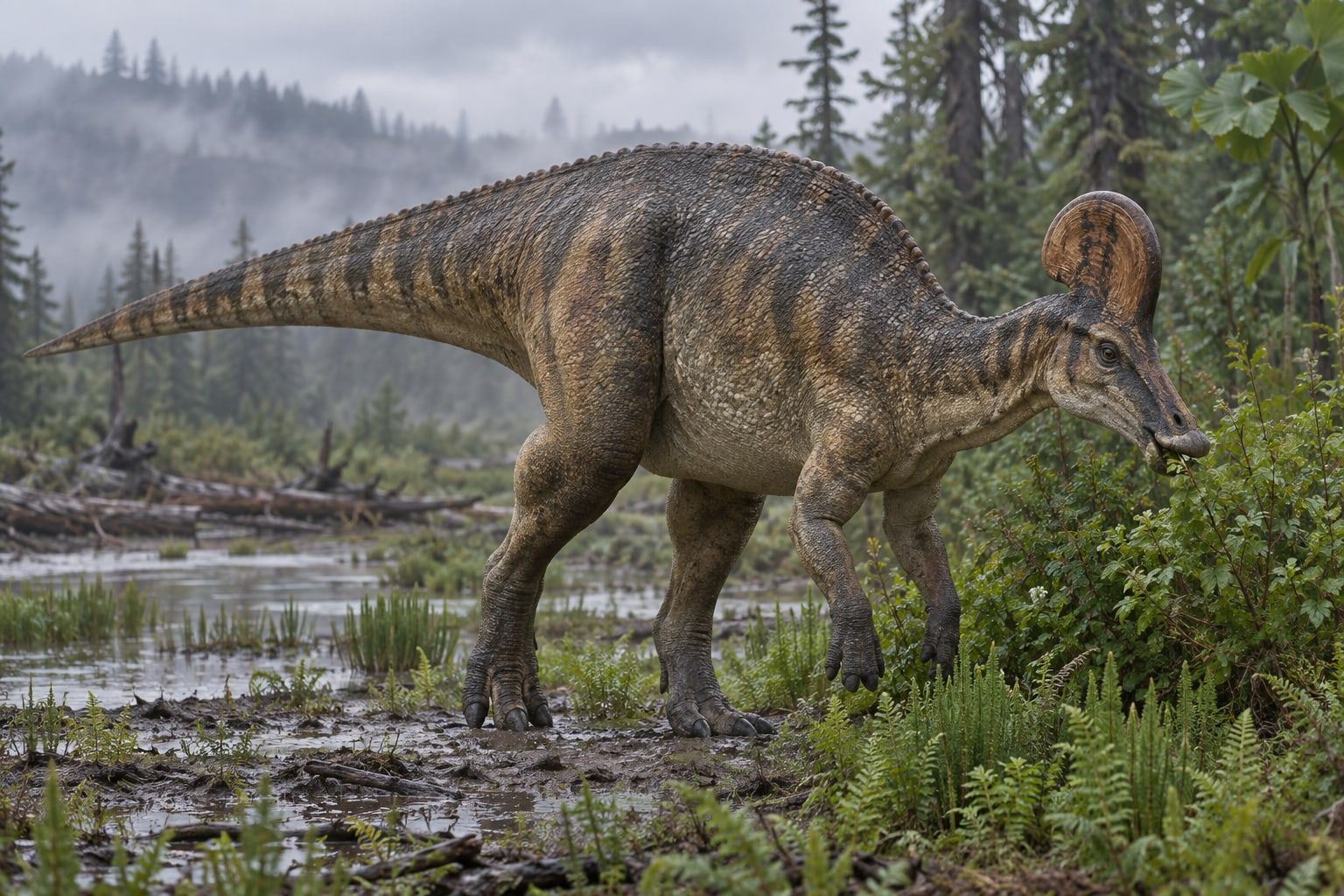
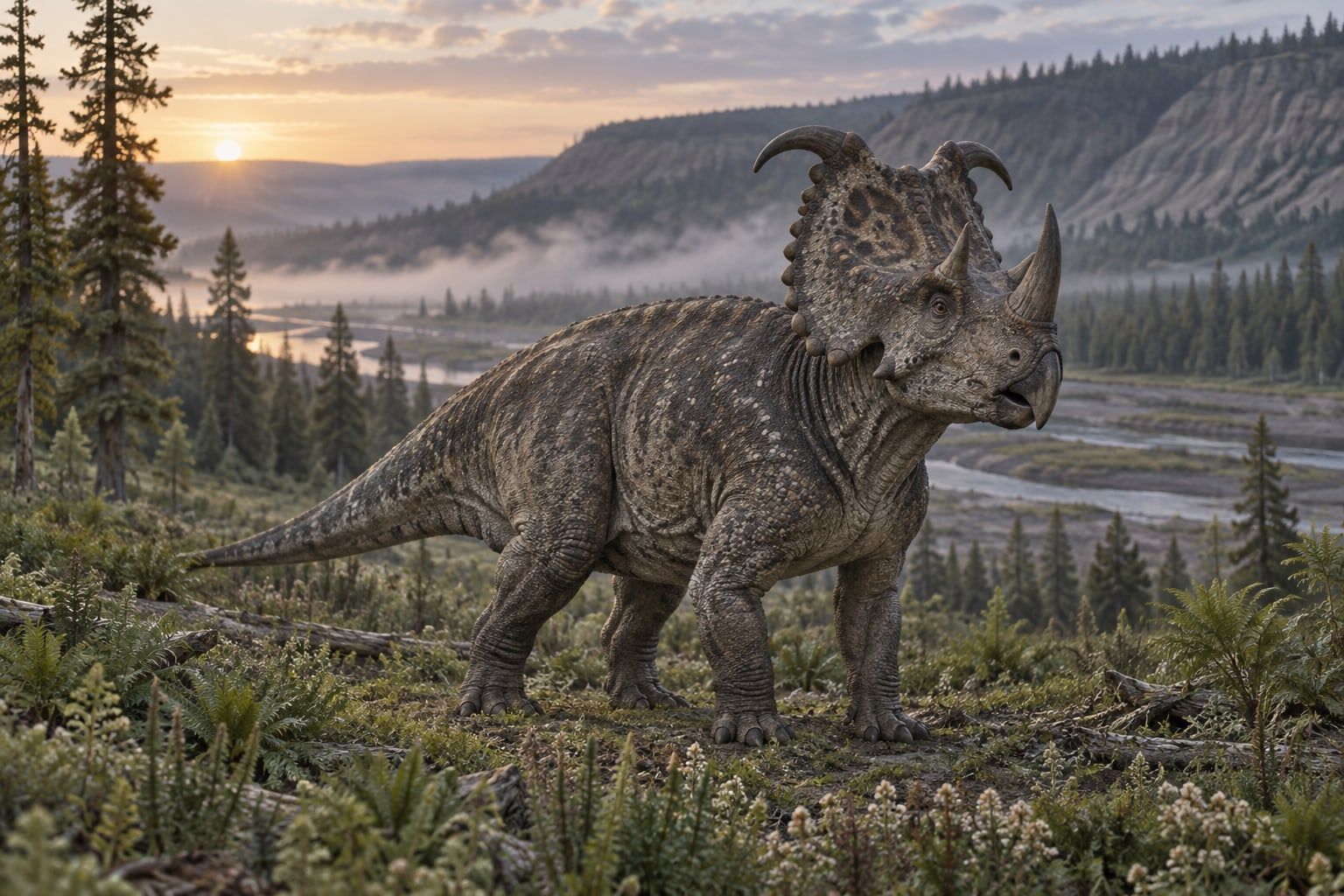
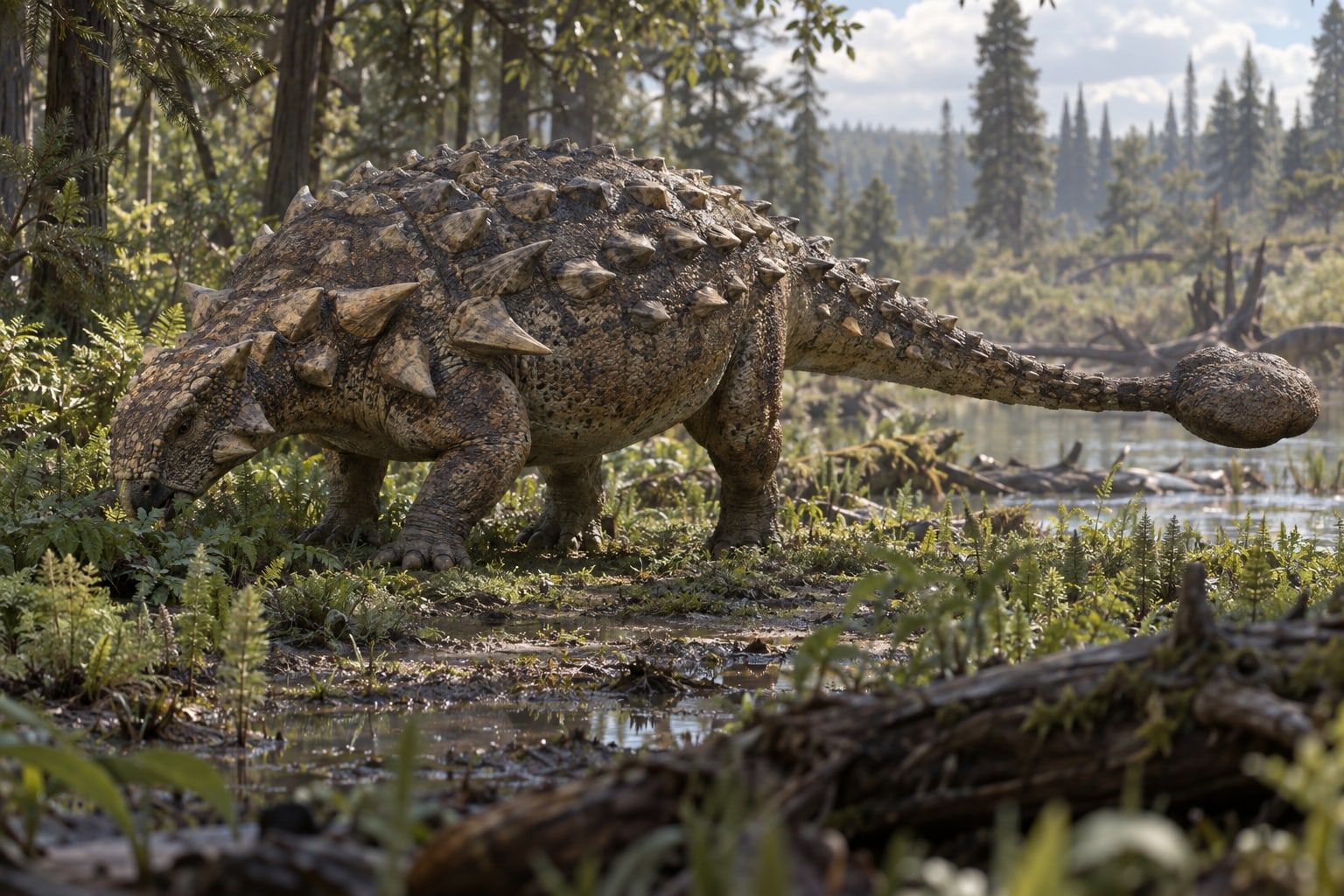
It lived in the Late Cretaceous in what is now Alberta, Canada, with a find reported from Montana. Its bones come from the Dinosaur Park Formation, where it shared the land with the horned Centrosaurus, the armored Euoplocephalus, the crested Corythosaurus and the tyrannosaurs Gorgosaurus and Daspletosaurus.
How it was found
Sampson named Vagaceratops in 2010 for a skull that had been described as a species of Chasmosaurus. The name reflects the idea that its ancestors wandered between north and south.
Lived alongside
Found in the same rock formations
Close relatives
Other members of Ceratopsidae
Sources: WikidataNamed in: A. A. Farke, M. J. Ryan, and P. M. Barrett, D. H. Tanke, D. R. Braman, M. A. Loewen, M. R. Graham. 2011. A new centrosaurine from the Late Cretaceous of Alberta, Canada, and the evolution of parietal ornamentation in horned dinosaurs. Acta Palaeontologica Polonica 56(4):691-702