Spiclypeus
"spike shield"
Type species Spiclypeus shipporum
- Lived
- 84 to 72 million years ago, Late Cretaceous
- Diet
- Herbivore
- Group
- Ceratopsians, Ceratopsidae
- Found in
- United States
- Named by
- Mallon et al. 2016
Where its fossils were found
The evidence
Today

80 million years ago
Habitat
It lived on a river floodplain in Montana, where floods buried plant debris in mud. Other dinosaurs from the Judith River rocks include Daspletosaurus, Gorgosaurus and Corythosaurus.
Field notes
About Spiclypeus
What it was like
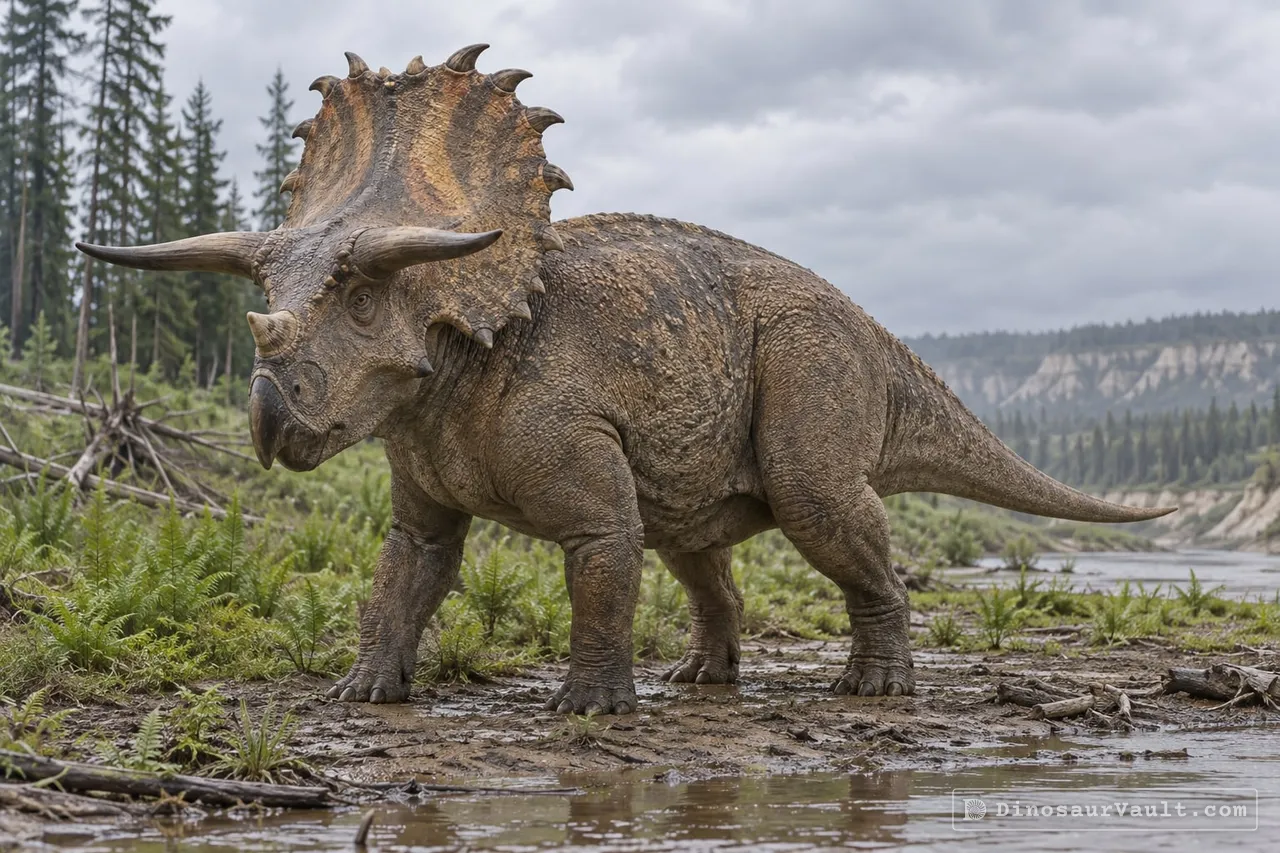
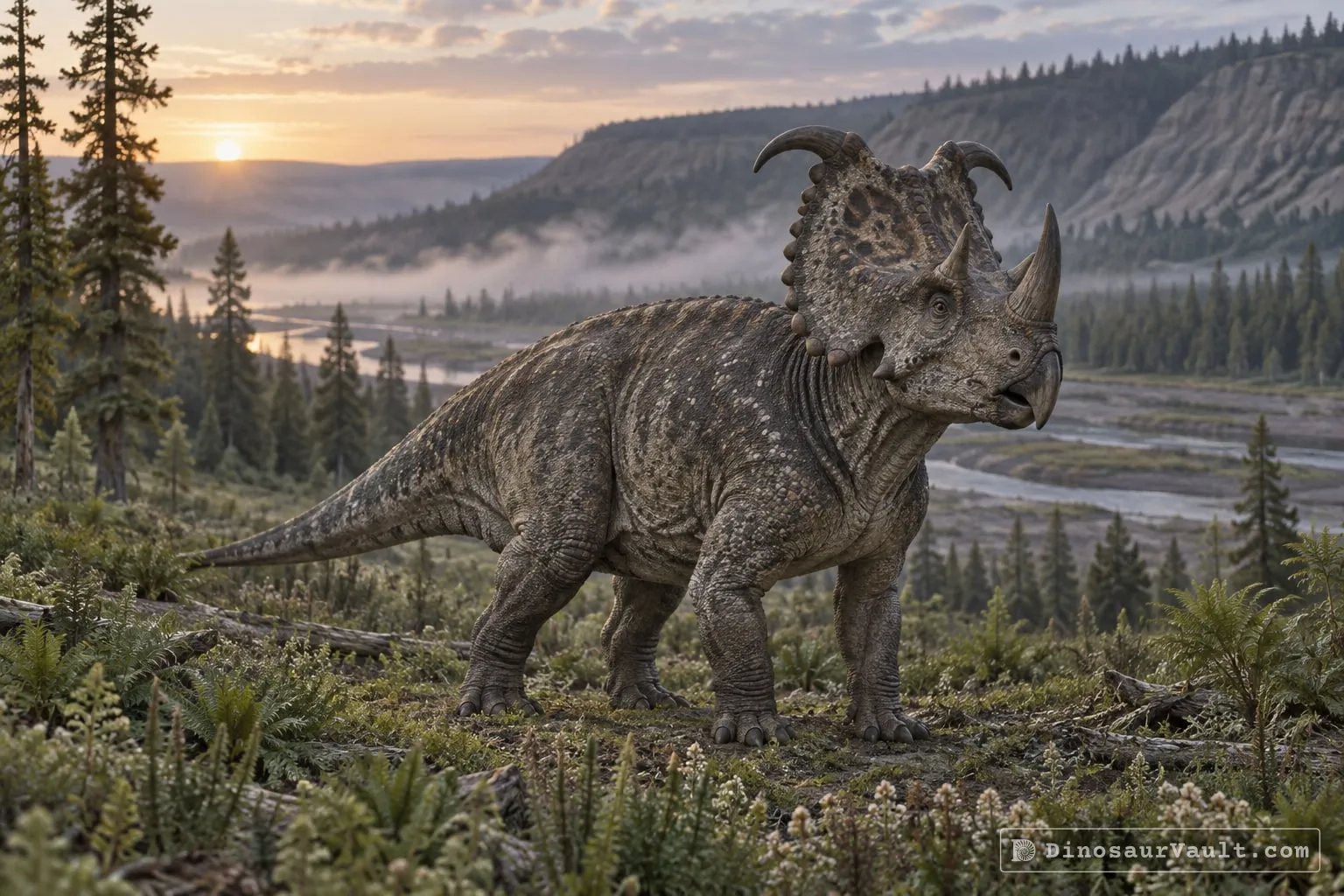
Spiclypeus was a horned dinosaur with a broad frill edged with spikes, some curling forward and some sticking out sideways. Its brow horns pointed out to the sides. The skeleton belonged to an old animal with a diseased arm, which may have limped for years.
Its world
It lived in the Late Cretaceous, in what is now Montana. It comes from the Judith River Formation, where it shared the land with the tyrannosaurs Daspletosaurus and Gorgosaurus and the duckbill Corythosaurus.
How it was found
Mallon and colleagues named Spiclypeus in 2016. The type species is Spiclypeus shipporum.
Field gallery
More views of Spiclypeus
Scenes reconstructed from the available fossil evidence.
Lived alongside
Found in the same rock formations
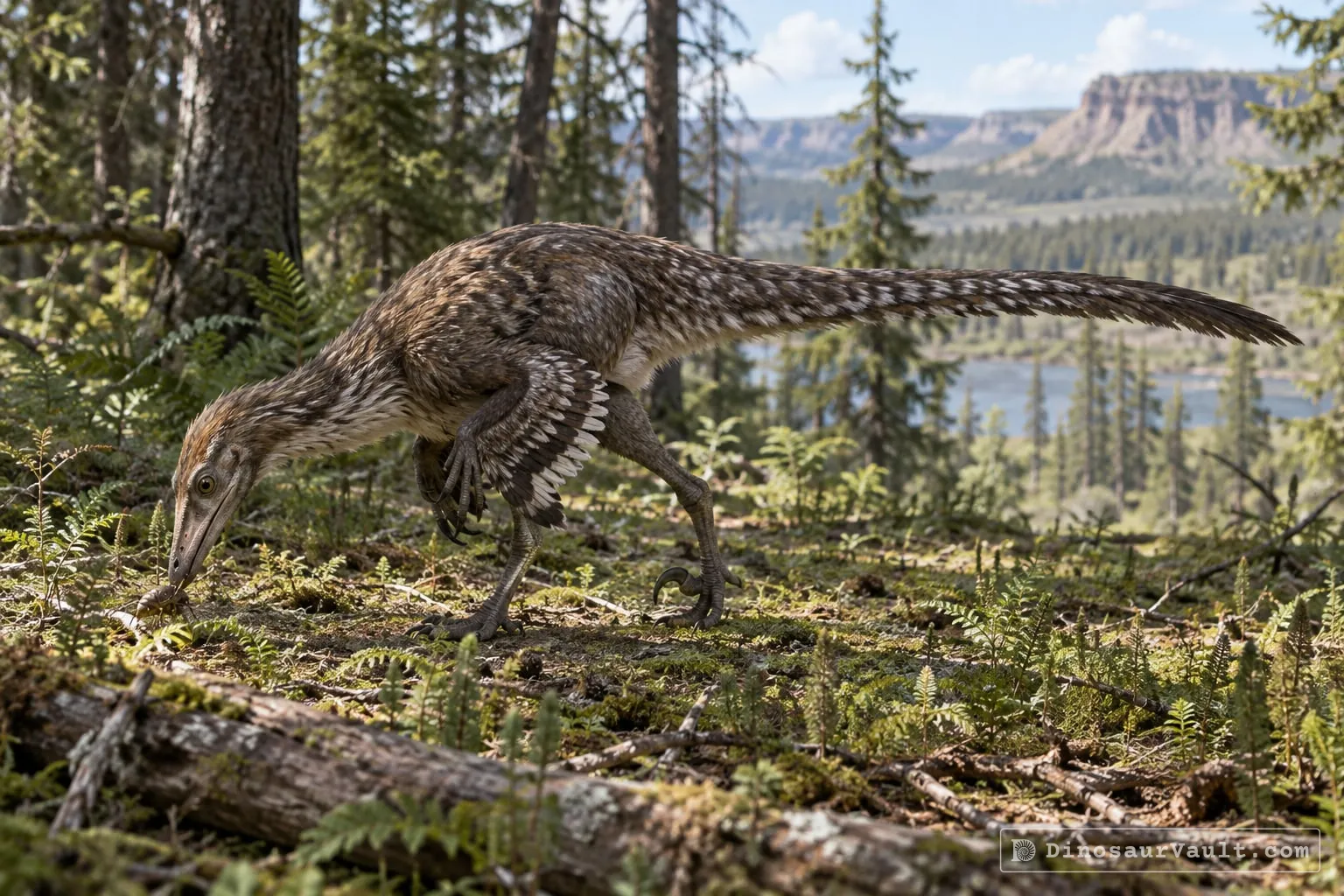
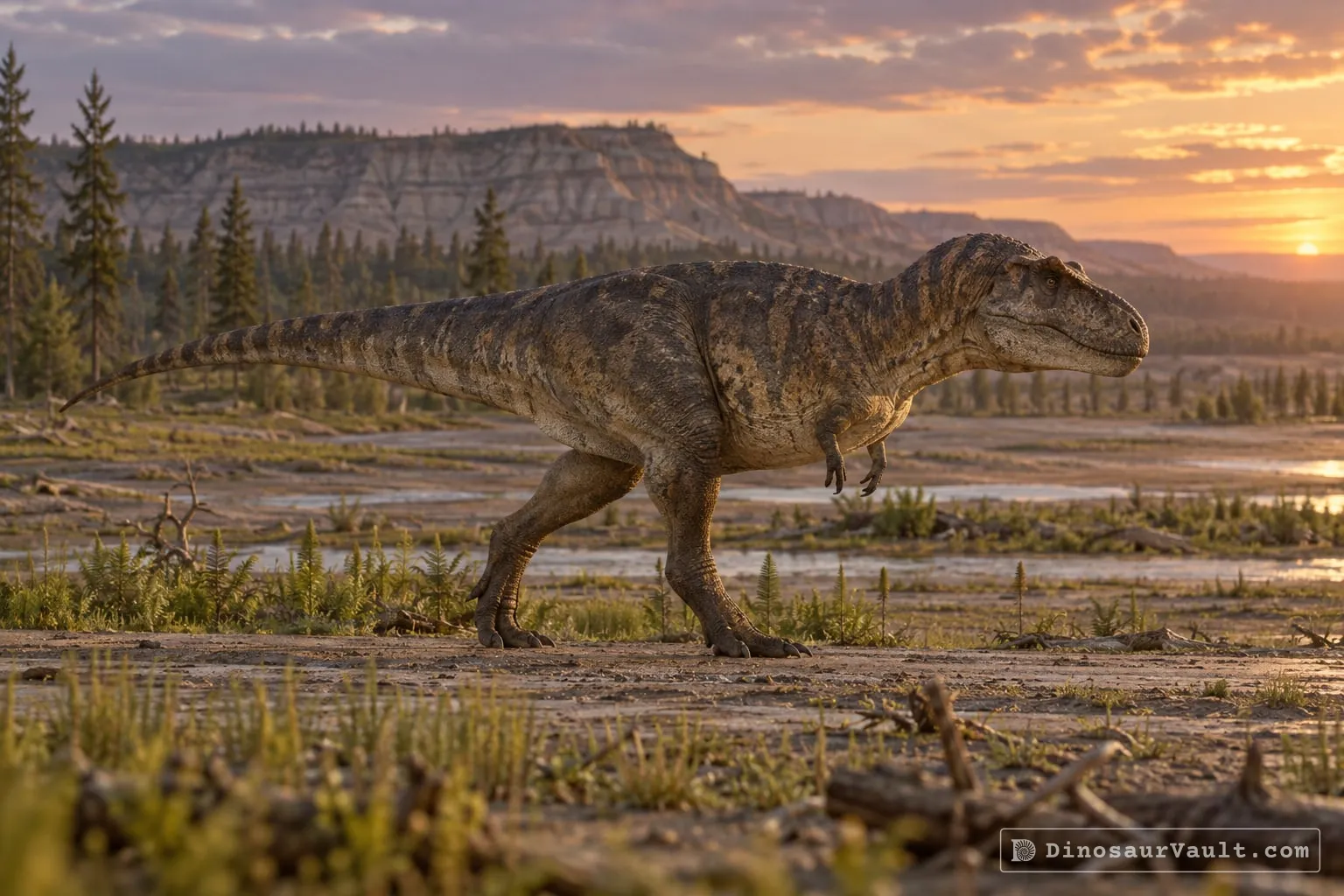
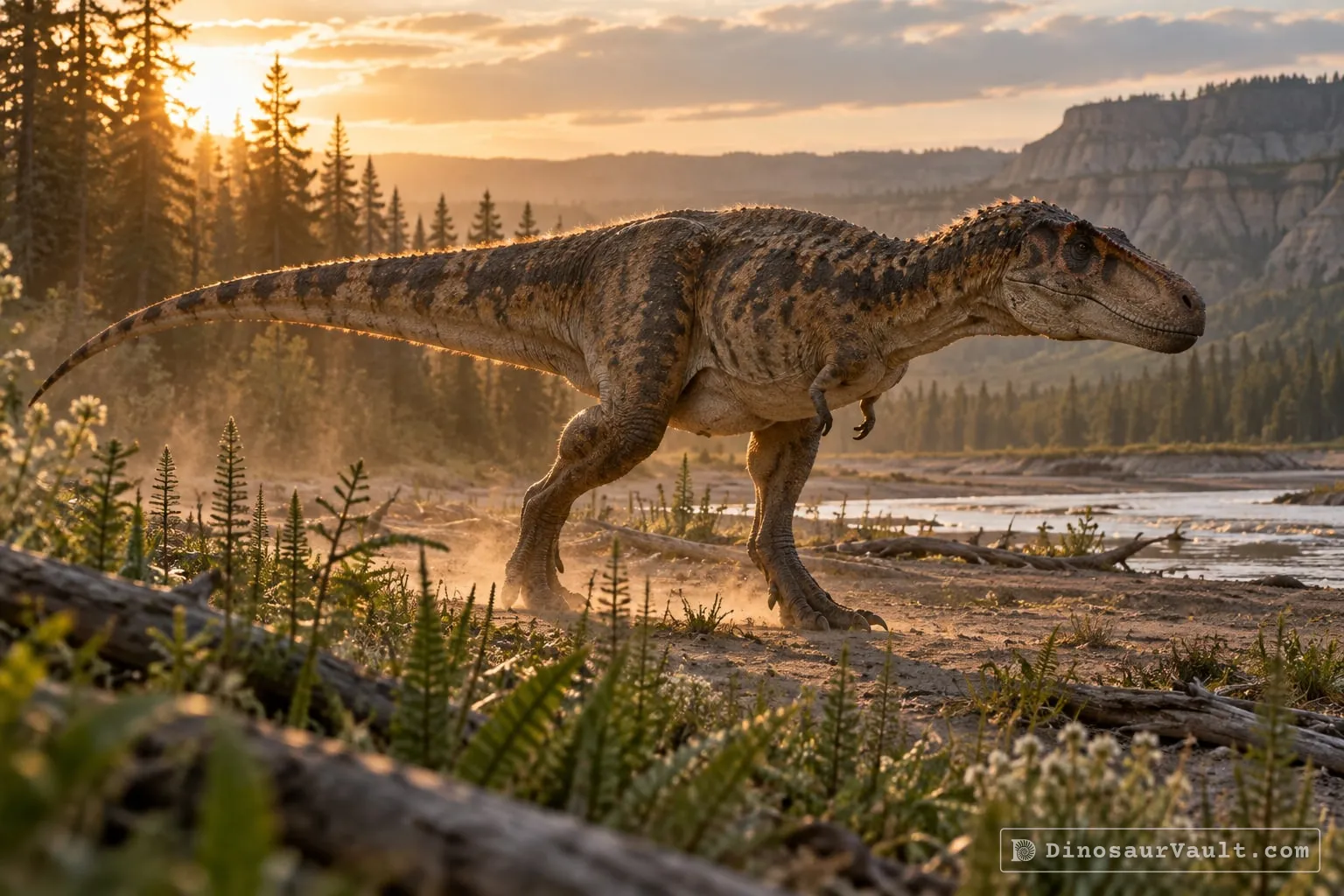
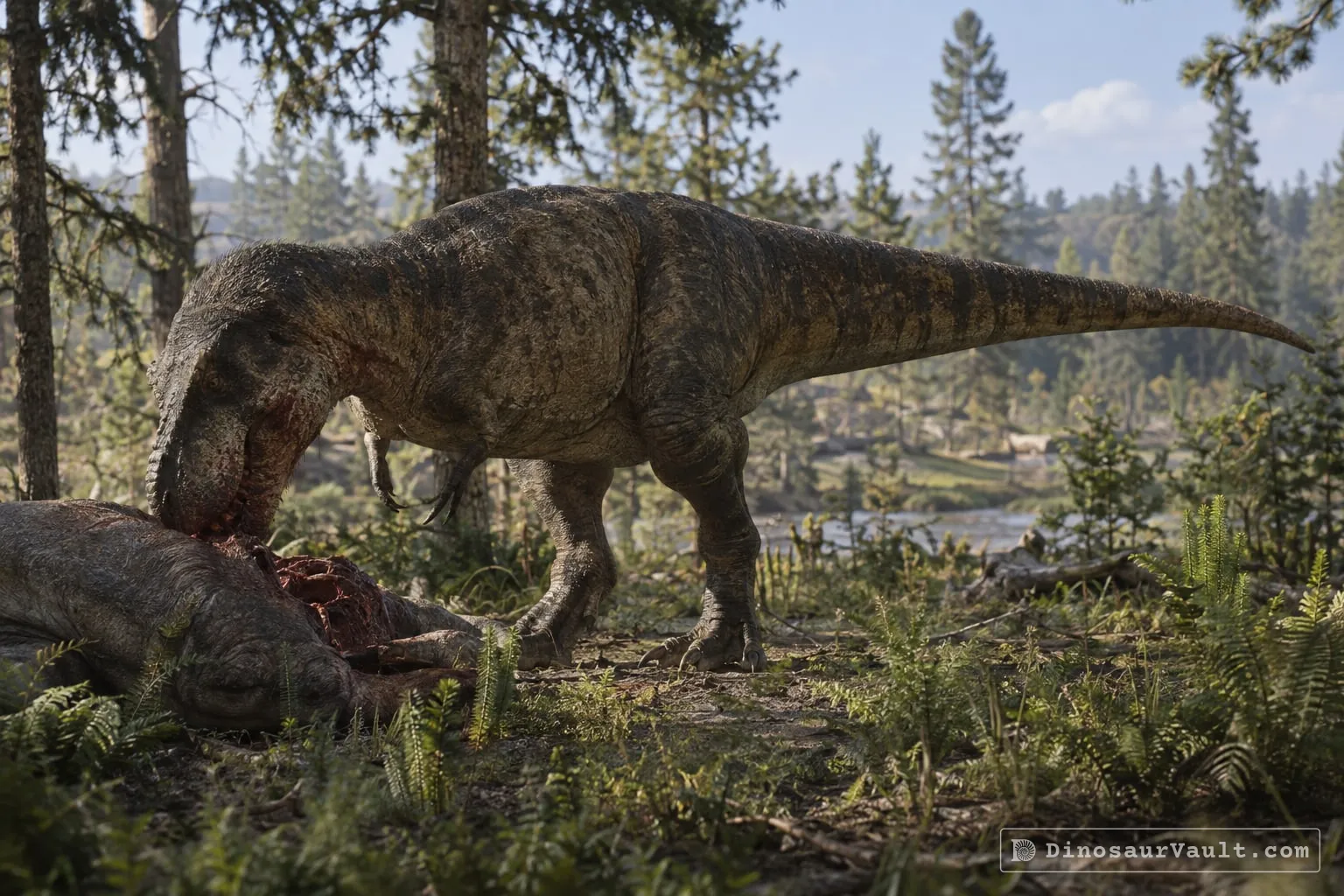
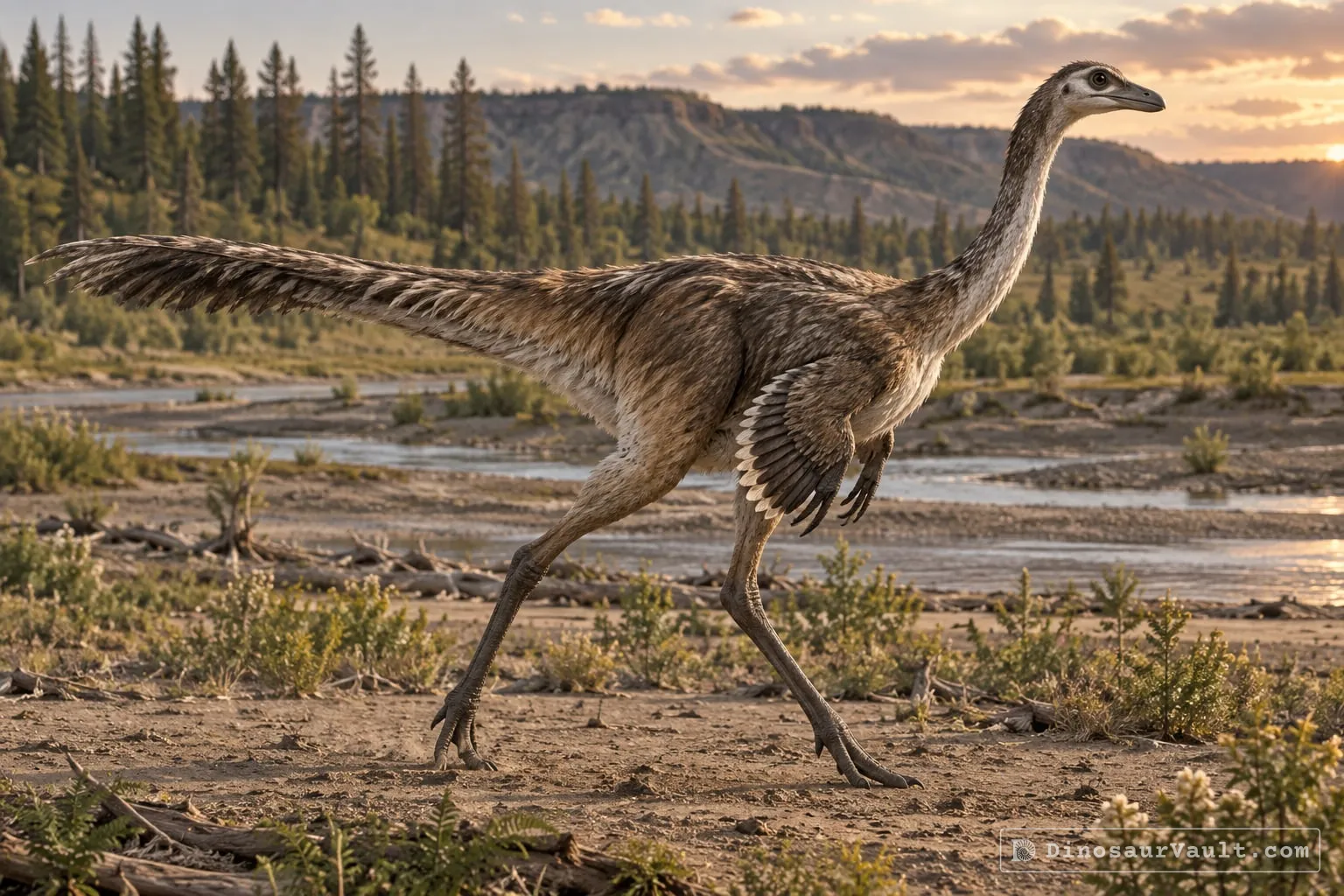
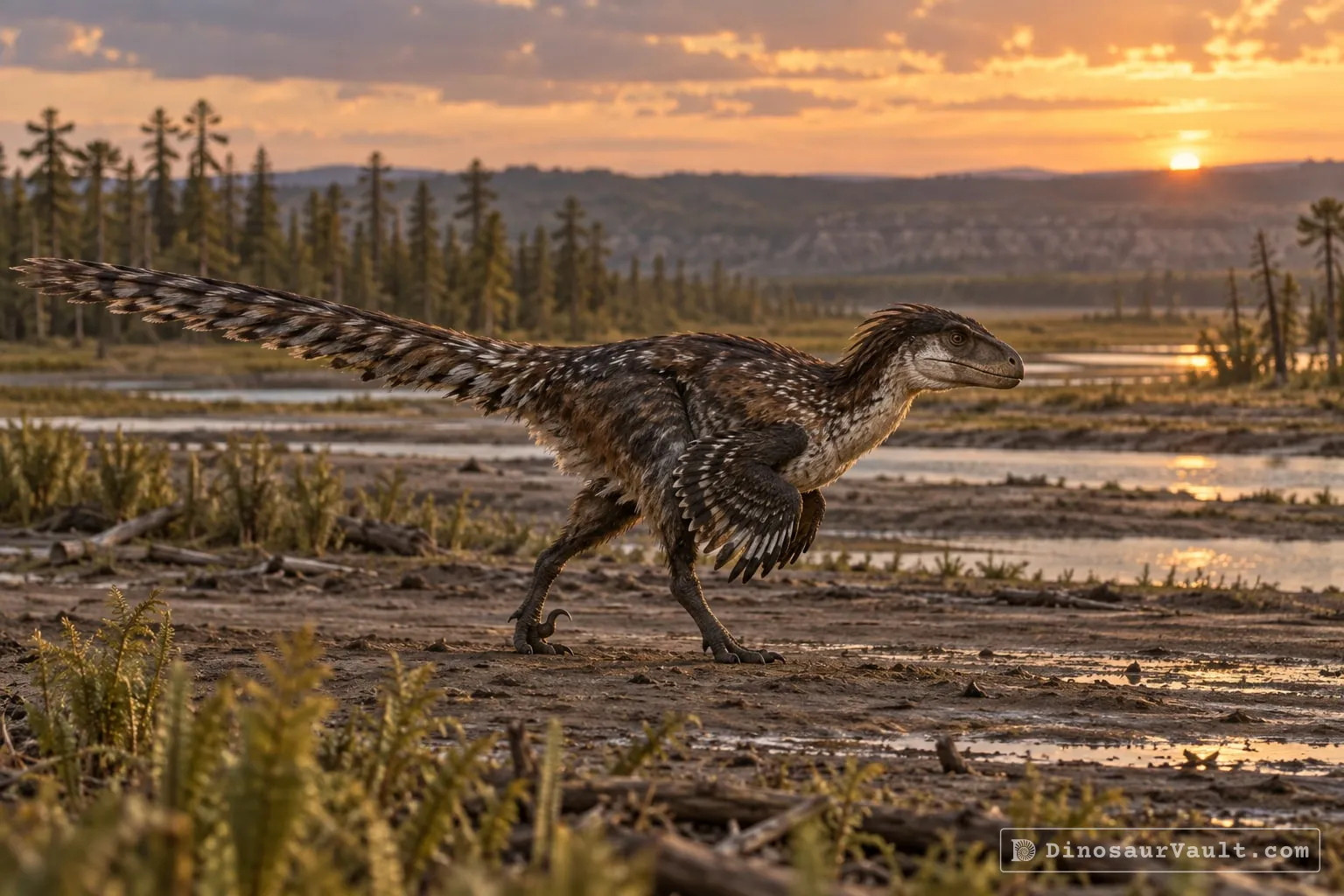
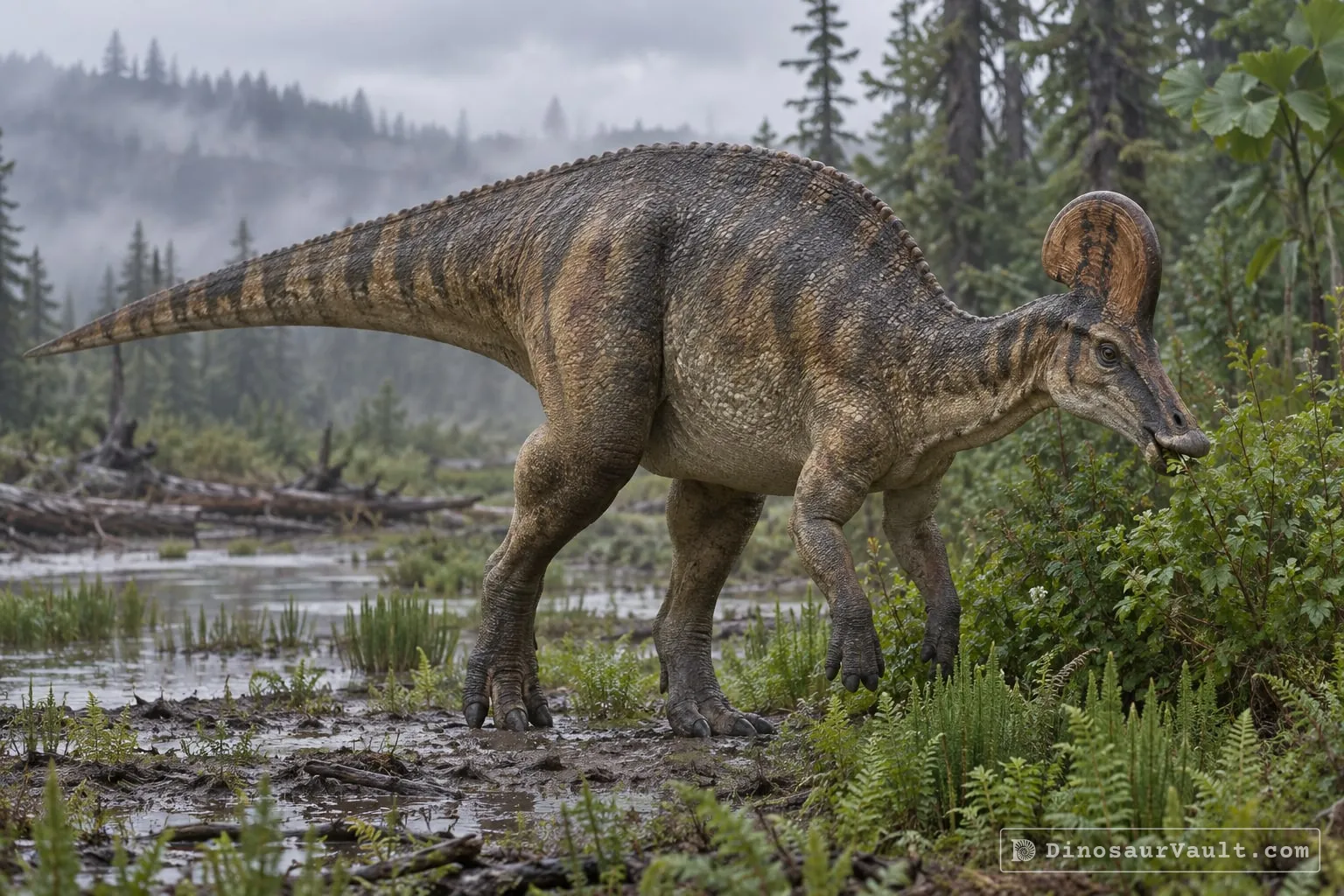


A rock formation can hold fossils laid down millions of years apart, so not every animal here met Spiclypeus.
The evidence
The science behind Spiclypeus
Which parts of the picture come from its own bones, and which come from its relatives.
From its own fossils
- A partial skull preserves a hooked beak, sideways-pointing brow horns and a frill with a deep notch at the back.
- Some frill spikes curl forward over the frill, while others point backward.
- The skeleton includes parts of the backbone and limbs, with severe disease in the upper arm bone.
Borrowed from relatives
- Triceratops guides missing skull connections and the structure of the hands.
- Vagaceratops provides a comparison for the trunk and short forearms.
Still unknown
- The exact position and angle of its nose horn.
- Its complete hand and foot anatomy.
- Its skin color.
Often drawn wrong
- Forward-pointing brow horns miss its distinctive sideways sweep.
- Uniformly backward-pointing frill spikes miss the spikes that curl forward.
Discovery timeline
- 2009Close relativeFujiwara
- 2014Close relativeHolmes
- 2016Named itMallon et al.
Key papers
The research behind what we know of Spiclypeus
Close relative
Reassembled a Triceratops hand with stout inner fingers and reduced outer fingers, a useful comparison for missing hands in other horned dinosaurs.
A reevaluation of the manus structure inTriceratops(Ceratopsia: Ceratopsidae). Journal of Vertebrate Paleontology 29: 1136-1147
Read the paper : A reevaluation of the manus structure inTriceratops(Ceratopsia: Ceratopsidae) (opens in a new tab)Close relative
Described a largely connected Vagaceratops skeleton, providing a comparison for the missing trunk and limbs of Spiclypeus.
The postcranial skeleton of Vagaceratops irvinensis (Dinosauria, Ceratopsidae). Vertebrate Anatomy Morphology Palaeontology 1: 1-21
Read the paper : The postcranial skeleton of Vagaceratops irvinensis (Dinosauria, Ceratopsidae) (opens in a new tab)Named it
Described the unusual brow horns and curled frill spikes, together with chronic disease in the skull and arm.
Spiclypeus shipporum gen. et sp. nov., a Boldly Audacious New Chasmosaurine Ceratopsid (Dinosauria: Ornithischia) from the Judith River Formation (Upper Cretaceous: Campanian) of Montana, USA. PLOS ONE 11: e0154218
Read the paper : Spiclypeus shipporum gen. et sp. nov., a Boldly Audacious New Chasmosaurine Ceratopsid (Dinosauria: Ornithischia) from the Judith River Formation (Upper Cretaceous: Campanian) of Montana, USA (opens in a new tab)
Close relatives
Other members of Ceratopsidae


Sources: Wikidata