Medusaceratops
"Medusa horned face"
Type species Medusaceratops lokii
- Lived
- 84 to 72 million years ago, Late Cretaceous
- Diet
- Herbivore
- Group
- Ceratopsians, Ceratopsidae
- Found in
- United States
- Named by
- Ryan et al. 2010
Where its fossils were found
The evidence
Today

80 million years ago
Habitat
It lived on a coastal plain crossed by rivers in what is now Montana. Daspletosaurus, Gorgosaurus and Corythosaurus occur in the Judith River Formation.
Field notes
About Medusaceratops
What it was like
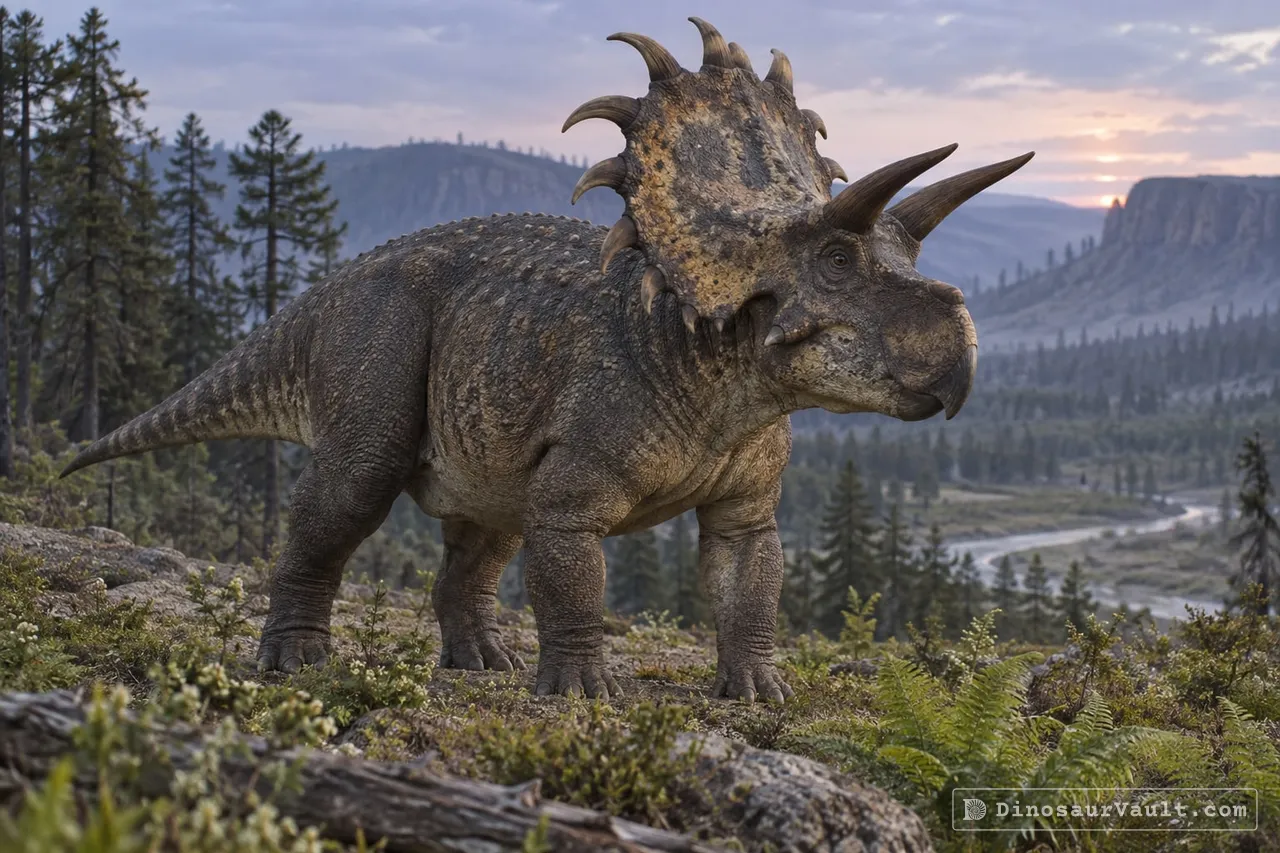
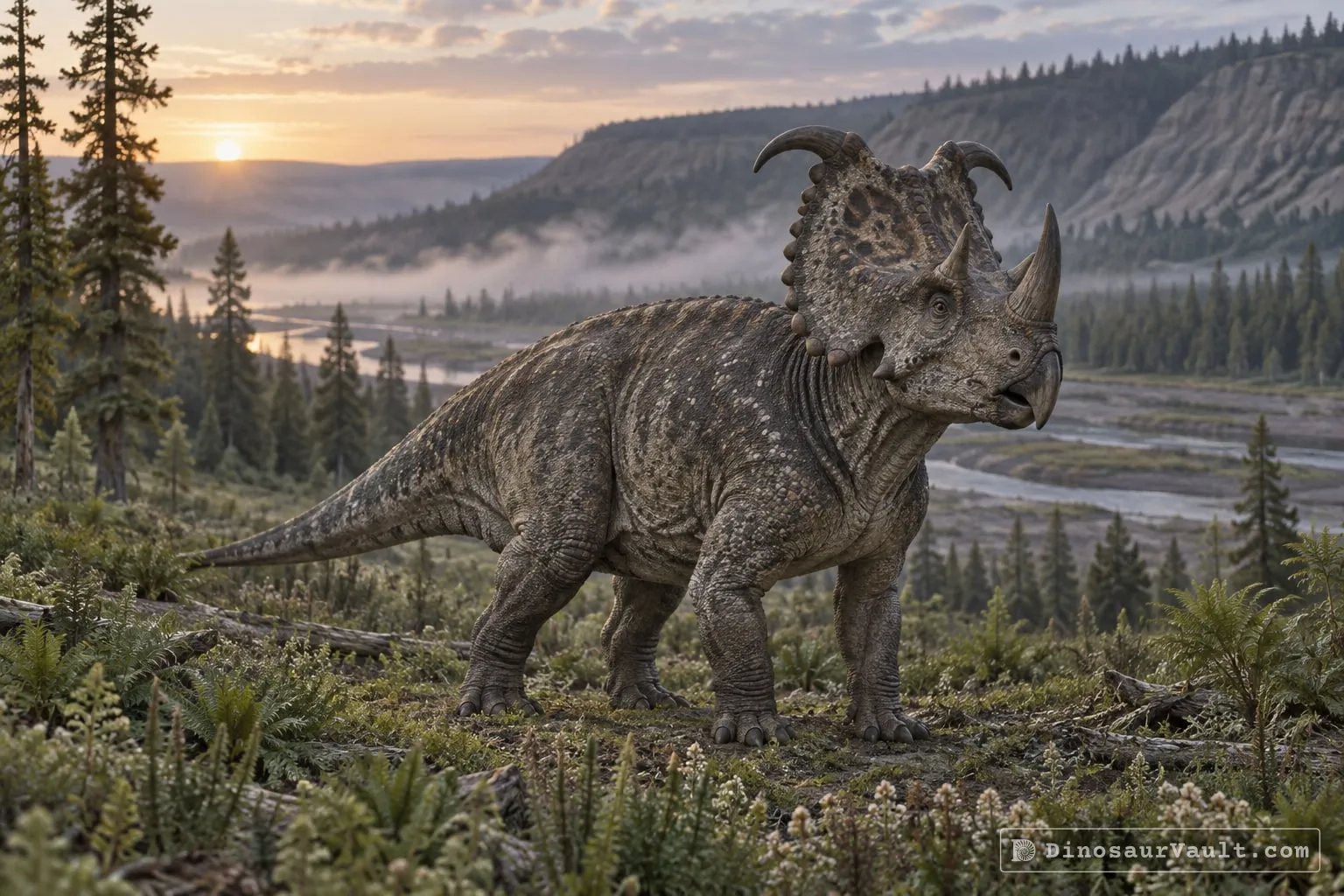
Medusaceratops was a horned dinosaur with large, curved hooks along the edge of its frill, which reminded its namers of the snake hair of a monster from Greek myth. It had long brow horns and was a close relative of Albertaceratops.
Its world
It lived in the Late Cretaceous, in what is now Montana. It comes from the Judith River Formation, where it shared the land with the tyrannosaurs Daspletosaurus and Gorgosaurus and the duckbill Corythosaurus.
How it was found
Ryan and colleagues named Medusaceratops in 2010. The type species is Medusaceratops lokii. Its frill bones were found in a bone bed with many animals.
Field gallery
More views of Medusaceratops
Scenes reconstructed from the available fossil evidence.
Lived alongside
Found in the same rock formations
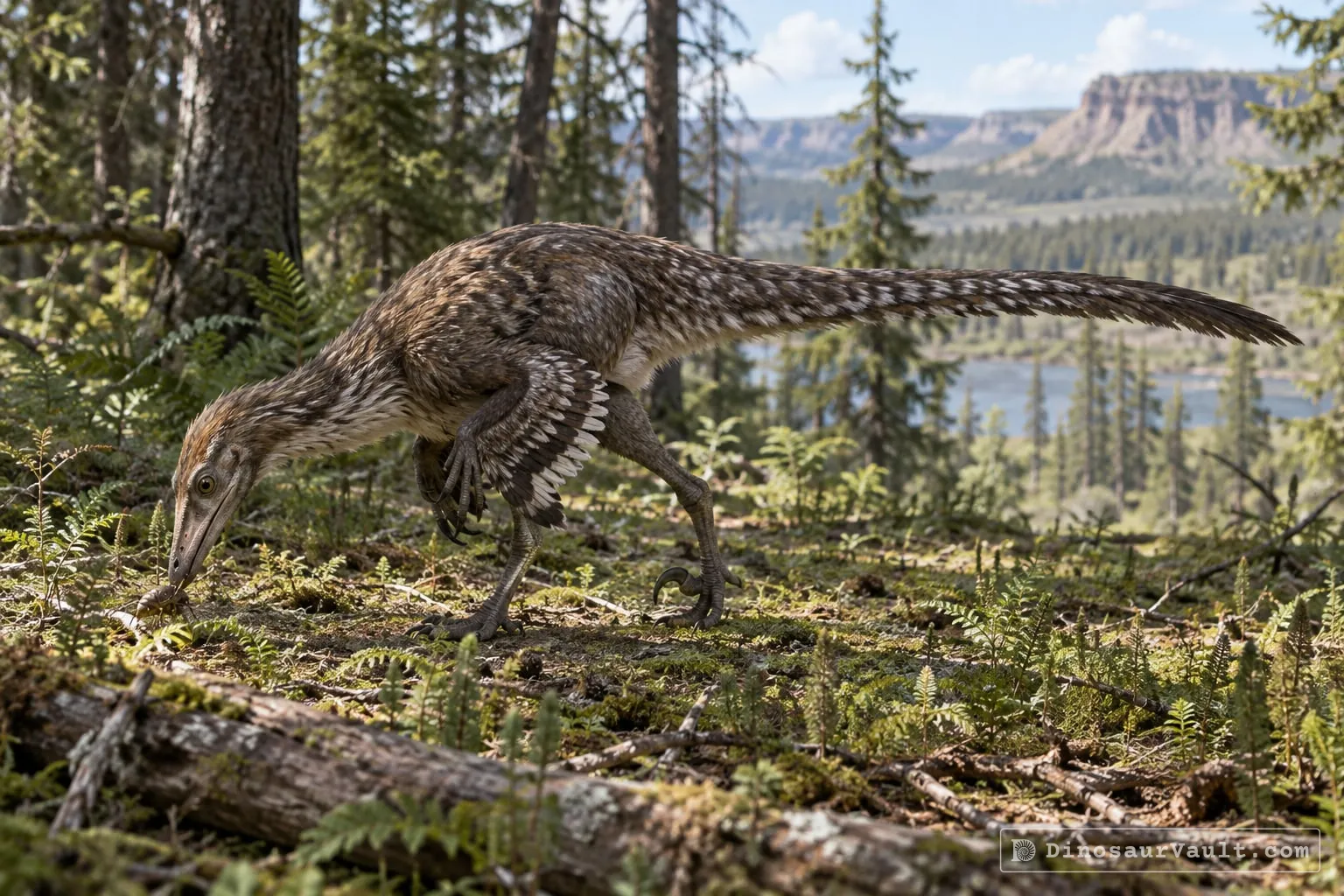
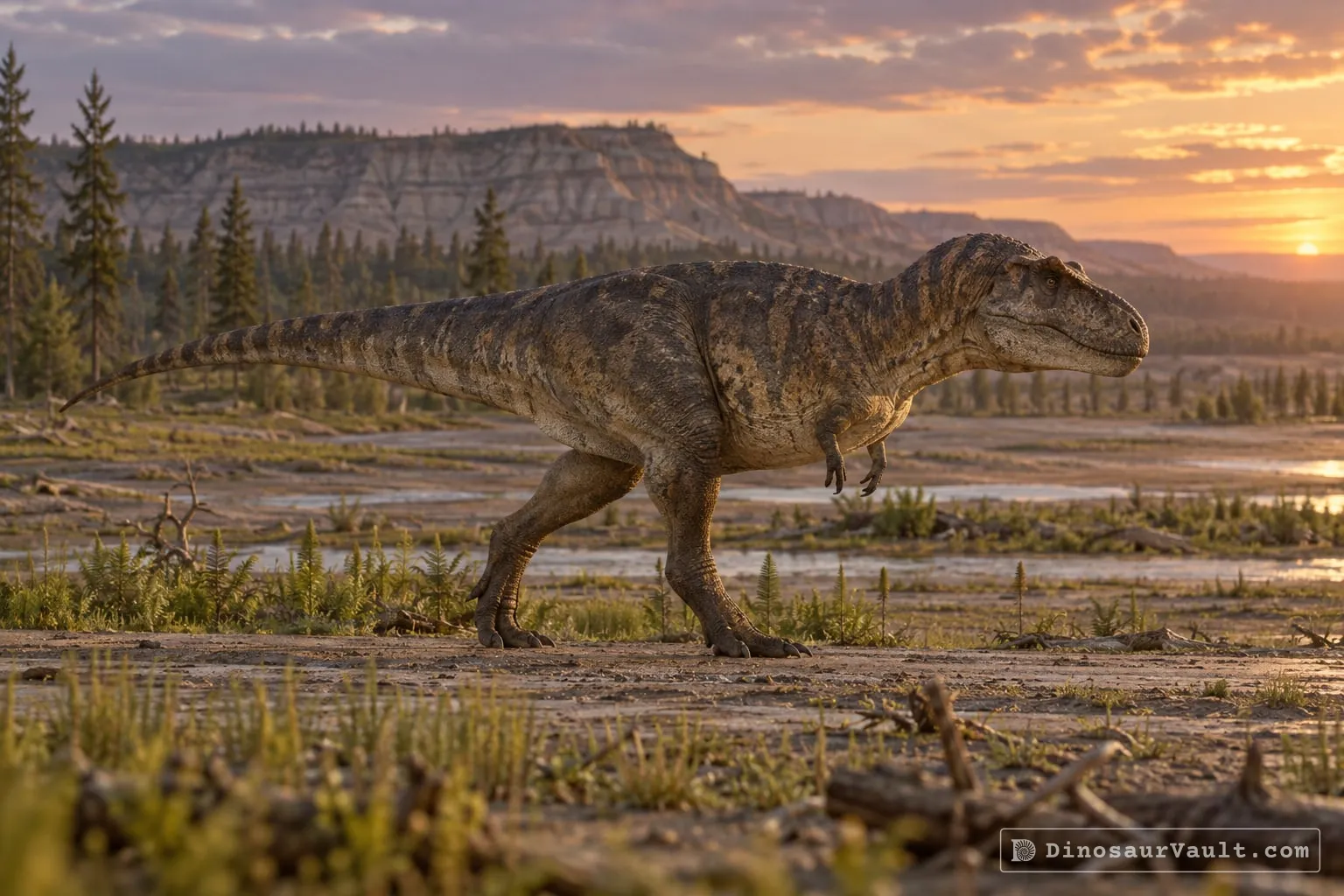
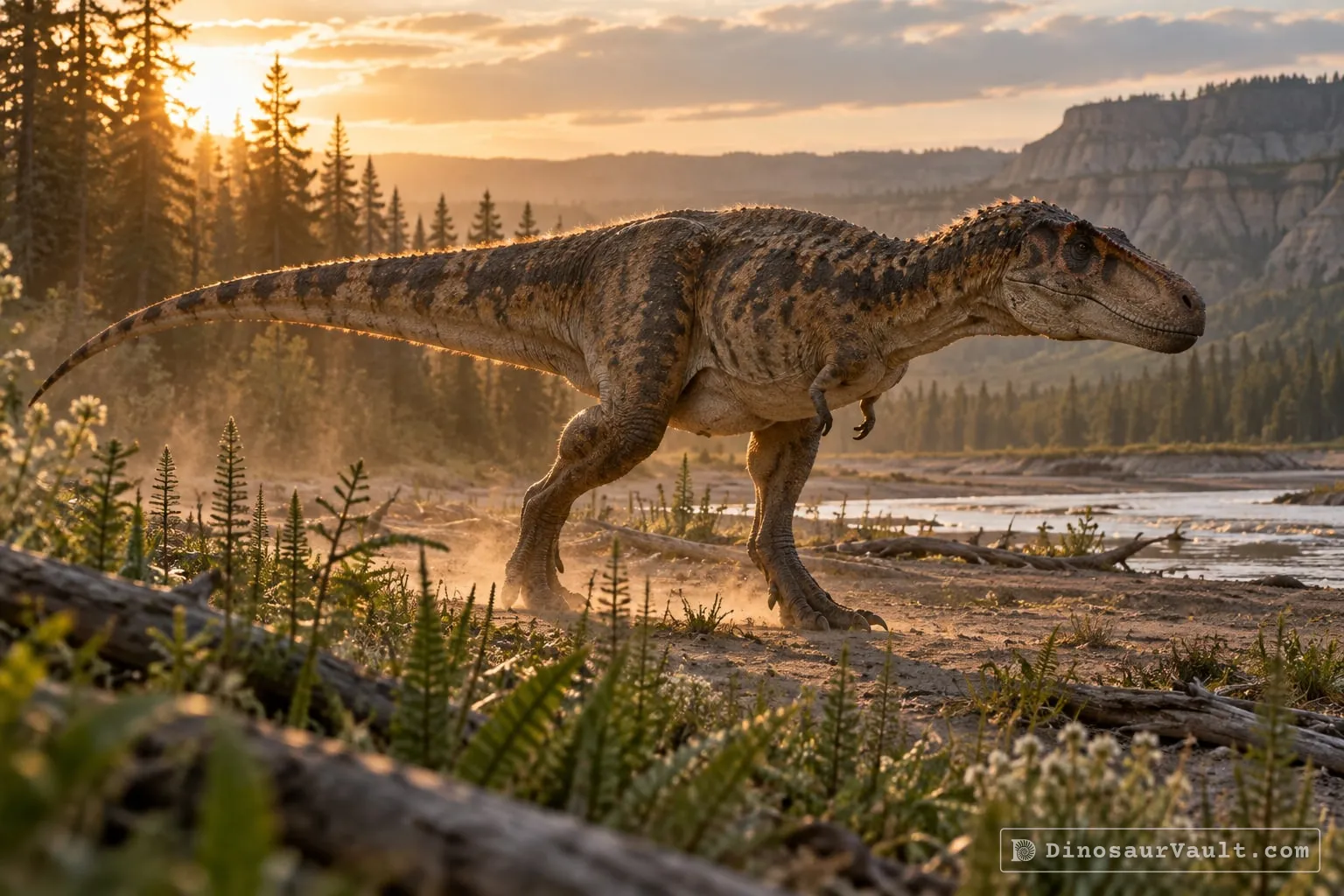
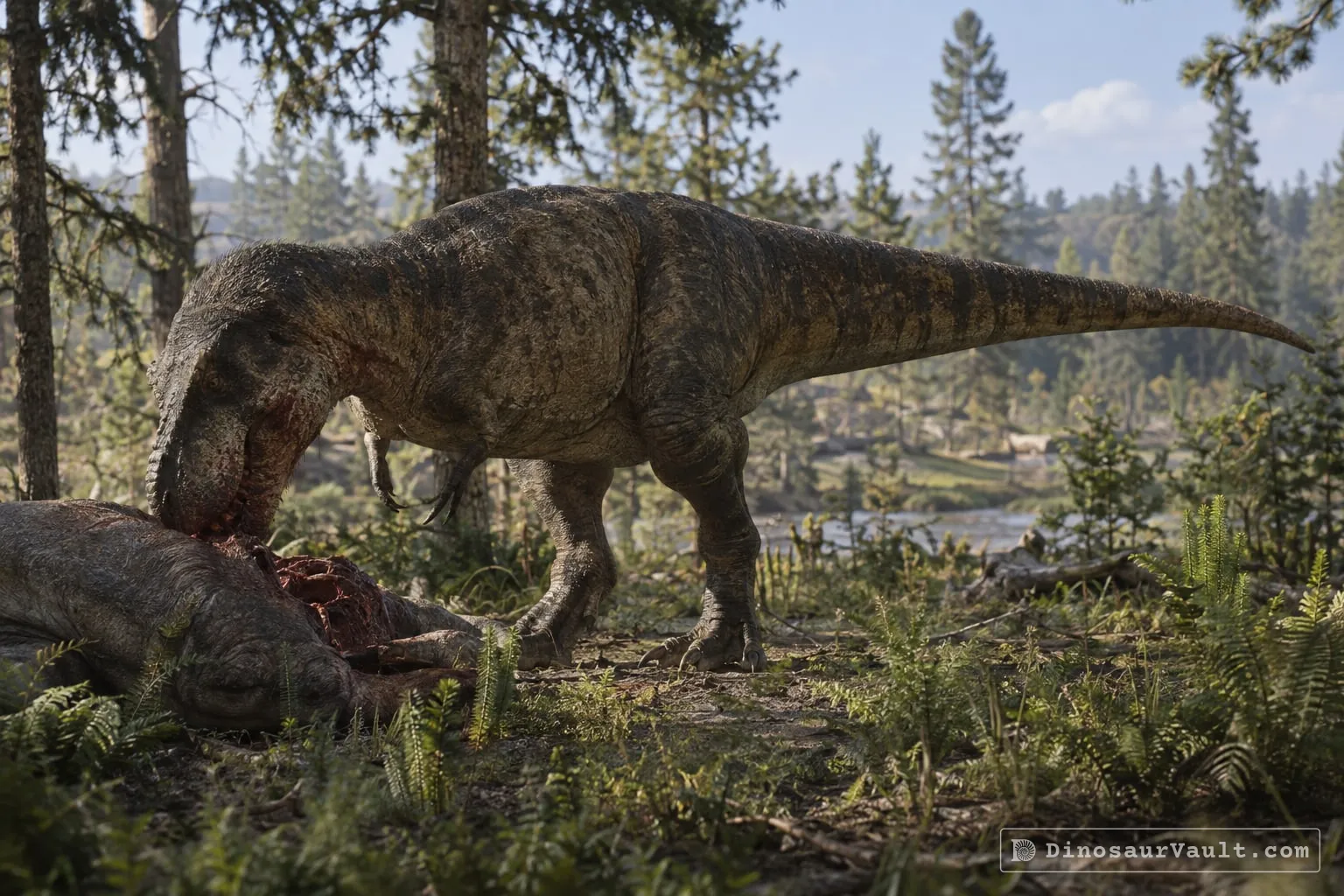
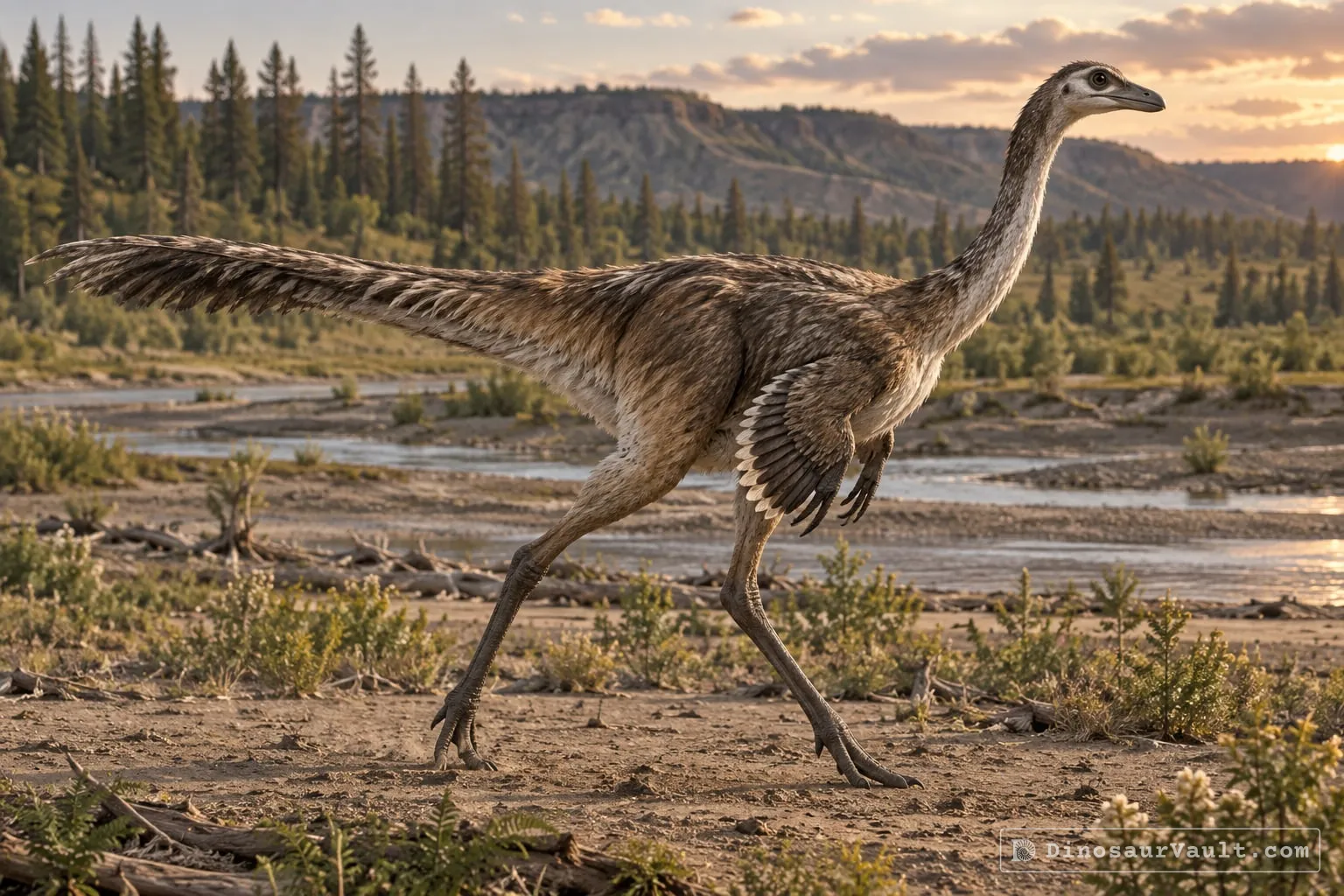
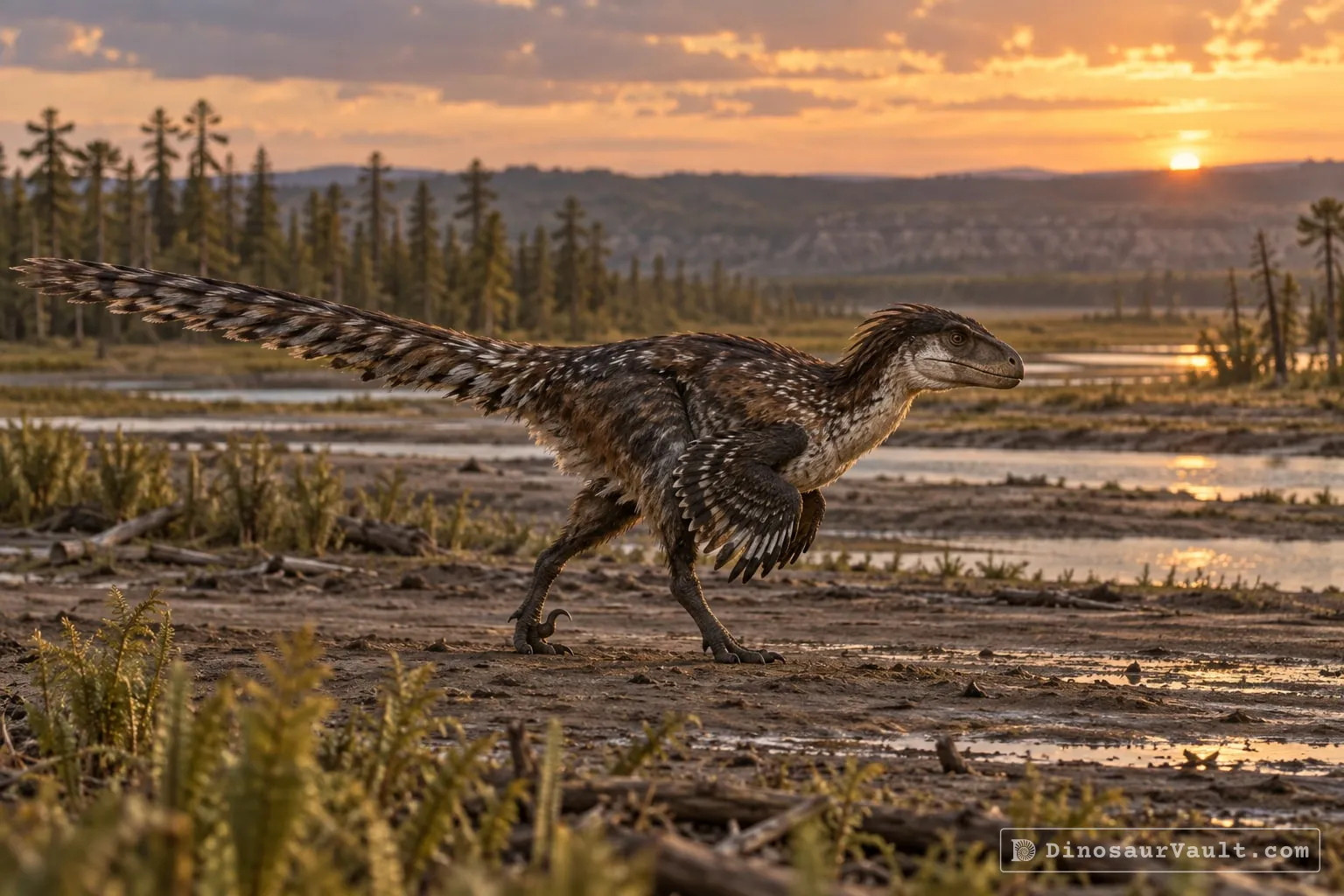
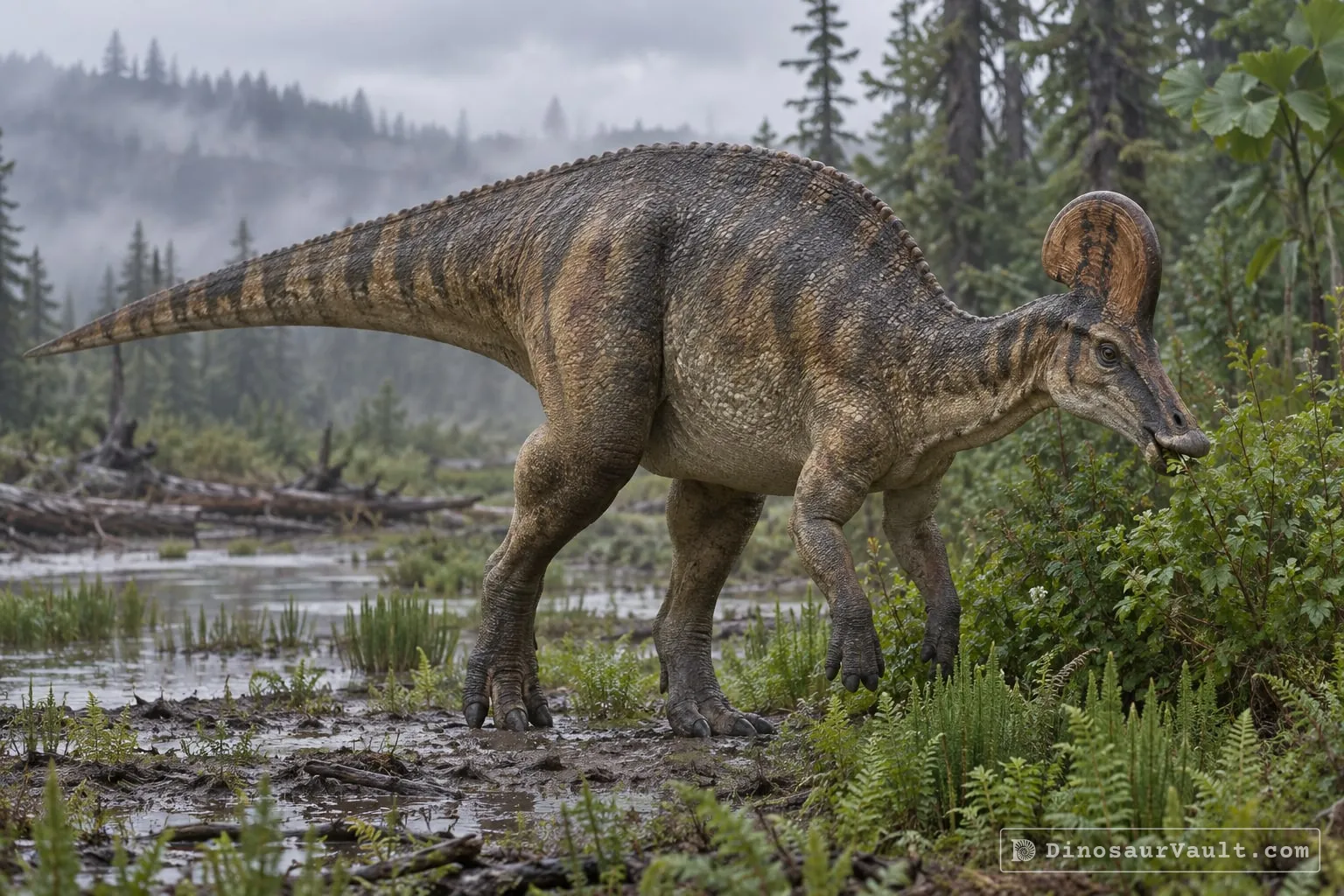


A rock formation can hold fossils laid down millions of years apart, so not every animal here met Medusaceratops.
The evidence
The science behind Medusaceratops
Which parts of the picture come from its own bones, and which come from its relatives.
From its own fossils
- Frill bones show a broad central bar and more edge ornaments than the first reconstruction included. On each side, the second ornament from the middle is a large, thick hook that curves forward and outward.
- Skull bones referred to it from the same bone bed show a long, blade-shaped nose horn and horns over the eyes that point forward and outward.
- A tail vertebra assigned to Medusaceratops shows a long-lasting bone infection that followed an injury the animal survived.
Borrowed from relatives
- Its lower beak is restored by comparison with Centrosaurus and Styracosaurus, and its neck, body and legs by comparison with relatives such as Wendiceratops.
- Albertaceratops and Lokiceratops help explain its place among horned dinosaurs with elaborate frills.
Still unknown
- Exactly how it is related to Albertaceratops and Lokiceratops. The grouping that links the three is only weakly supported.
- The full proportions of its body. Its skeleton behind the head has not been fully described.
- How its frill ornaments changed as it grew.
Discovery timeline
- 2010Named itRyan, Russell & Hartman
- 2017New findChiba et al.
- 2024Family treeLoewen et al.
- 2026New findWang et al.
Key papers
The research behind what we know of Medusaceratops
Named it
Named a horned dinosaur from partial frill bones with large, curved ornaments.
A new chasmosaurine ceratopsid from the Judith River Formation, Montana. New Perspectives on Horned Dinosaurs: The Royal Tyrrell Museum Ceratopsian Symposium. Indiana University Press, Bloomington.
No link available
New find
New frill bones placed Medusaceratops on the Centrosaurus side of the horned dinosaur family tree.
New material and systematic re-evaluation of Medusaceratops lokii (Dinosauria, Ceratopsidae) from the Judith River Formation (Campanian, Montana). Journal of Paleontology 92: 272-288
Read the paper : New material and systematic re-evaluation of Medusaceratops lokii (Dinosauria, Ceratopsidae) from the Judith River Formation (Campanian, Montana) (opens in a new tab)Family tree
Identified Medusaceratops, Albertaceratops and Lokiceratops as close relatives within a regional group of horned dinosaurs.
Lokiceratops rangiformis gen. et sp. nov. (Ceratopsidae: Centrosaurinae) from the Campanian Judith River Formation of Montana reveals rapid regional radiations and extreme endemism within centrosaurine dinosaurs. PeerJ 12: e17224
Read the paper : Lokiceratops rangiformis gen. et sp. nov. (Ceratopsidae: Centrosaurinae) from the Campanian Judith River Formation of Montana reveals rapid regional radiations and extreme endemism within centrosaurine dinosaurs (opens in a new tab)New find
Found a long-lasting bone infection in a tail vertebra of Medusaceratops that followed an injury, showing the animal survived for a long time afterward.
A case of an expansile lesion in a caudal vertebra of Medusaceratops lokii. Fossil Record 29: 599-610
Read the paper : A case of an expansile lesion in a caudal vertebra of Medusaceratops lokii (opens in a new tab)
Close relatives
Other members of Ceratopsidae


Sources: Wikidata