Martharaptor
"Martha's thief"
- Lived
- 137 to 133 million years ago, Early Cretaceous
- Diet
- Herbivore
- Group
- Theropods
- Found in
- United States
- Named by
- Senter et al. 2012
Where its fossils were found
The evidence
Today

135 million years ago
Habitat
A river floodplain in Utah, where floodwater spread sand beyond the river channel. Other dinosaurs from the Cedar Mountain Formation include Utahraptor, Nedcolbertia and Falcarius.
Field notes
About Martharaptor
What it was like
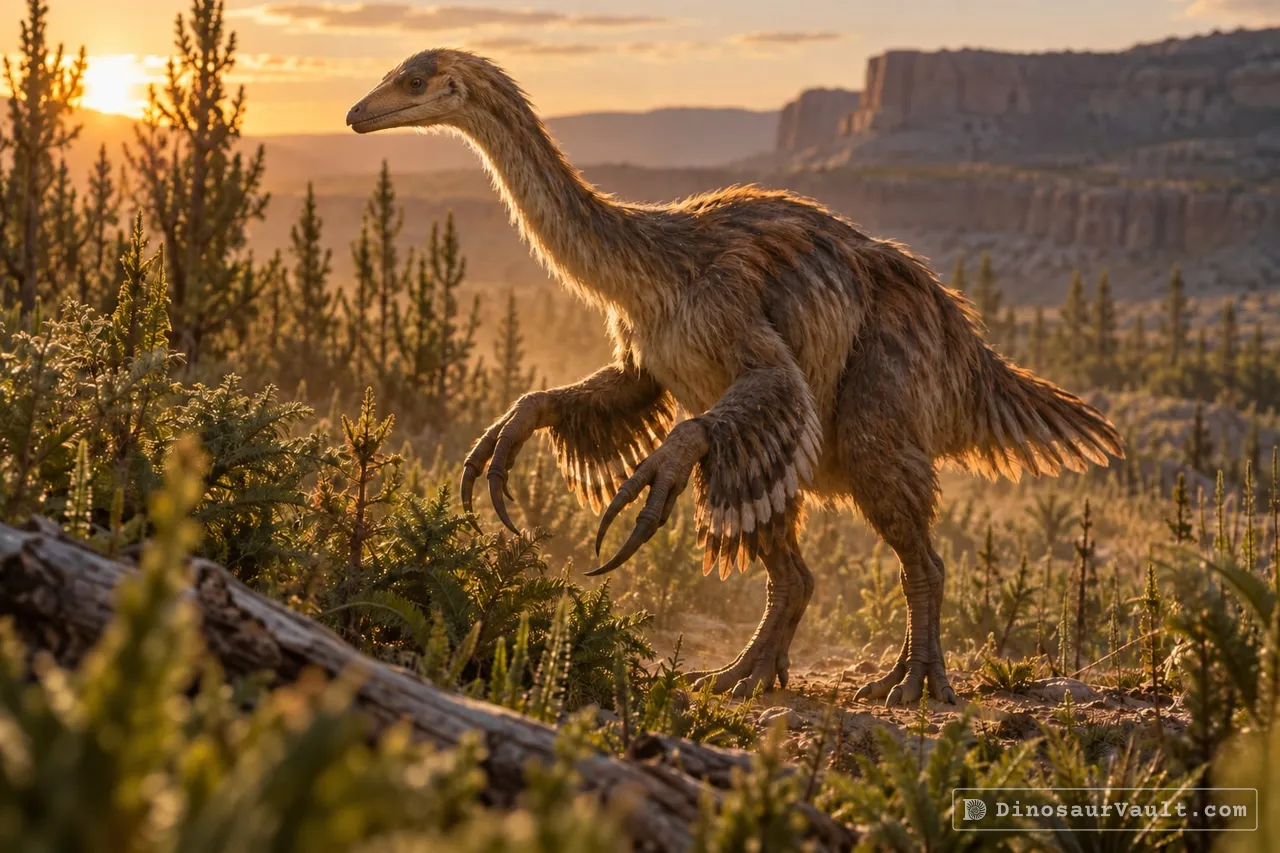
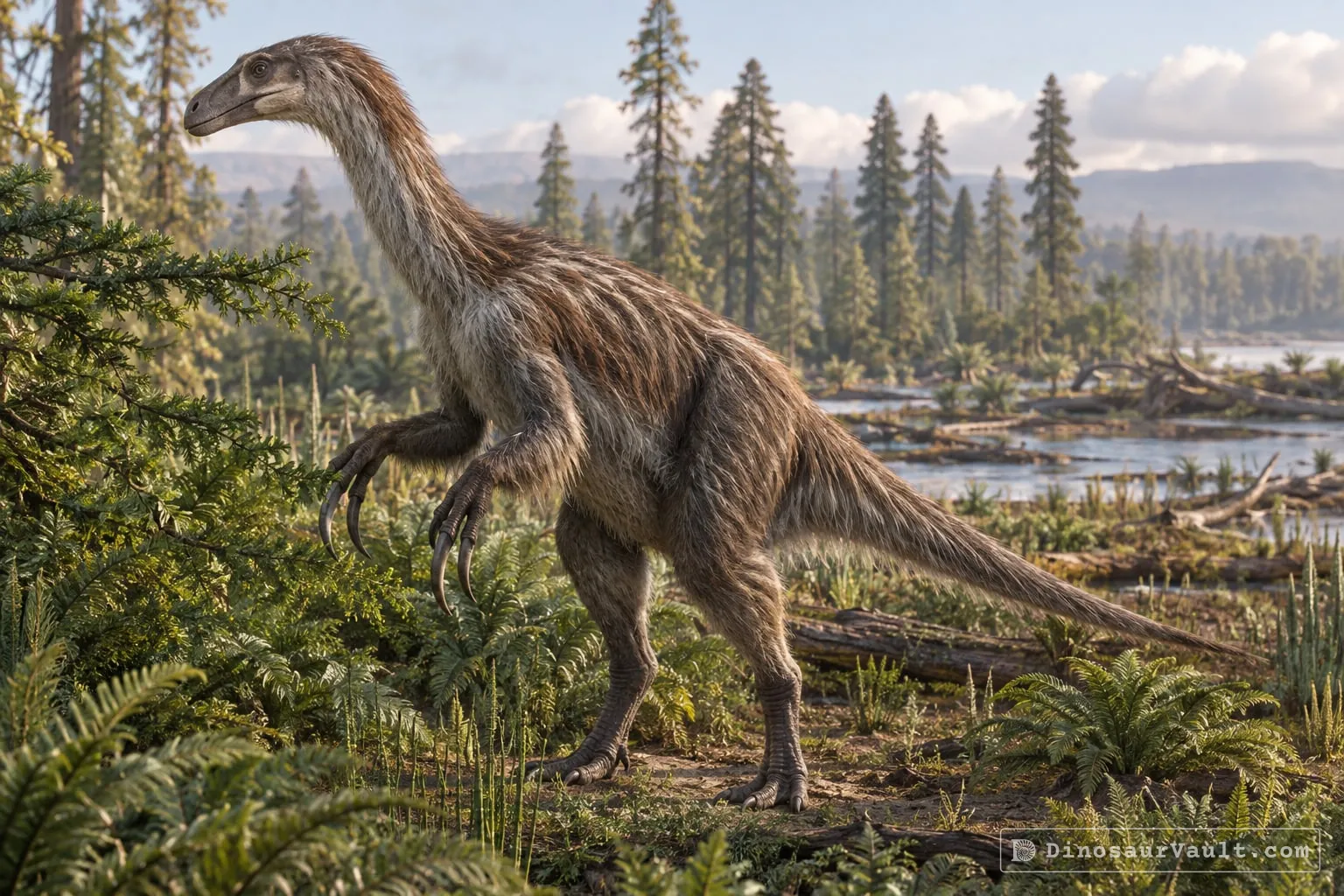
Martharaptor was a therizinosaur, part of a group of feathered theropods that turned to eating plants and grew long claws on their hands. It is known from a few bones of the hands, feet and hips.
Its world
It lived about 137 to 133 million years ago, in the Early Cretaceous, in what is now Utah. Its bones come from the Cedar Mountain Formation, where the early therizinosaur Falcarius also lived.
How it was found
Senter and colleagues named it in 2012 from one find. The name honors the person who found the site.
Field gallery
More views of Martharaptor
Scenes reconstructed from the available fossil evidence.
Lived alongside
Found in the same rock formations
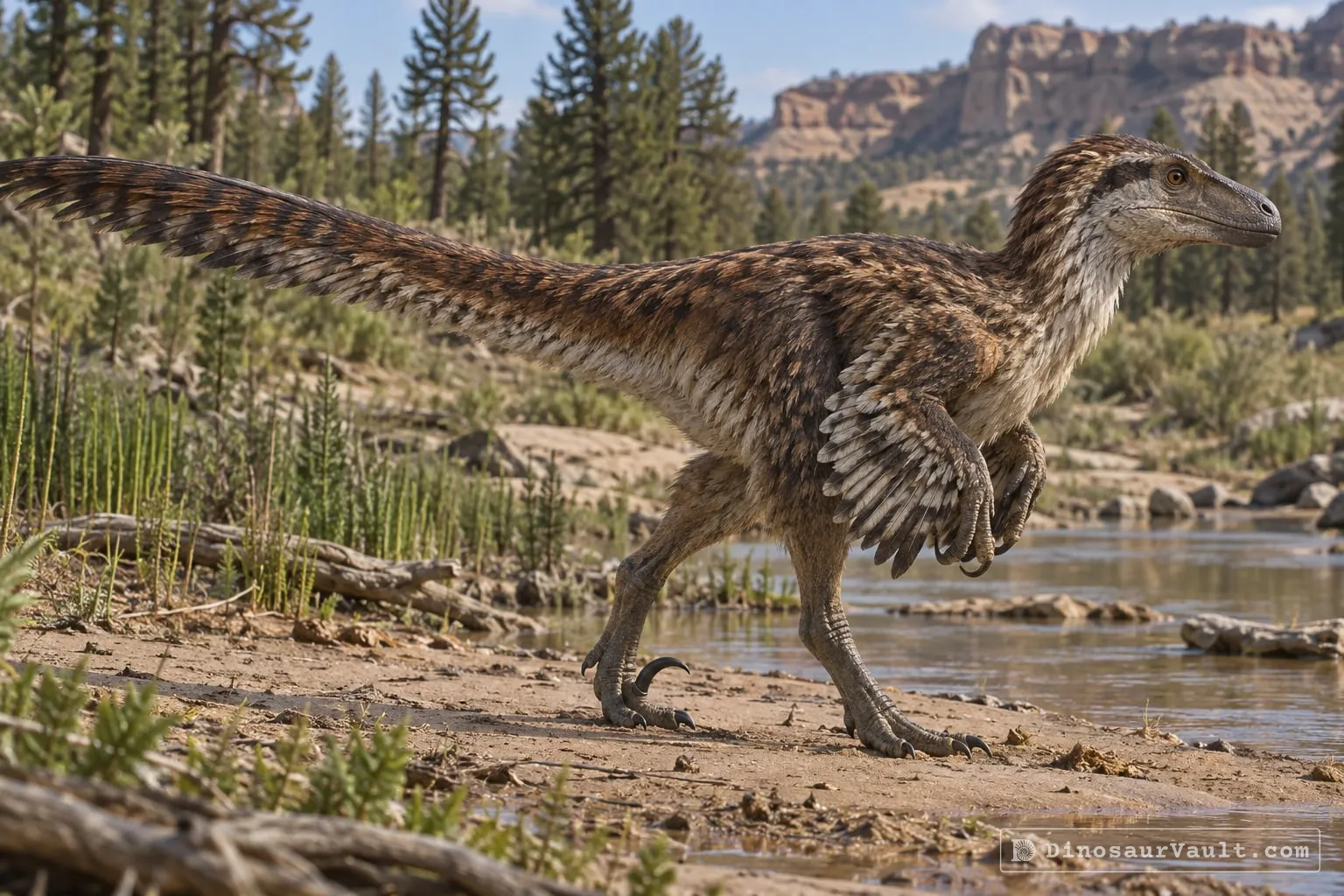
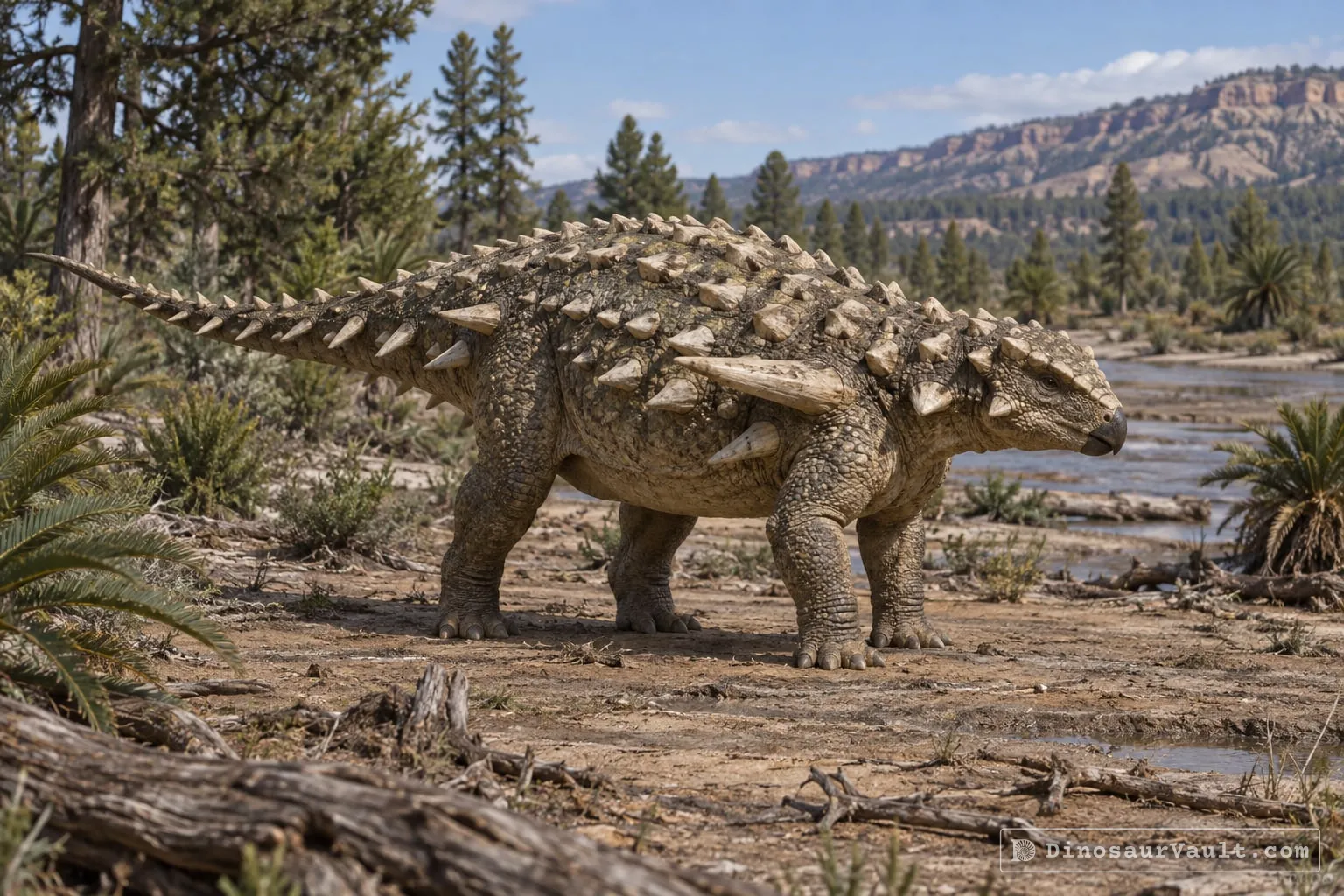
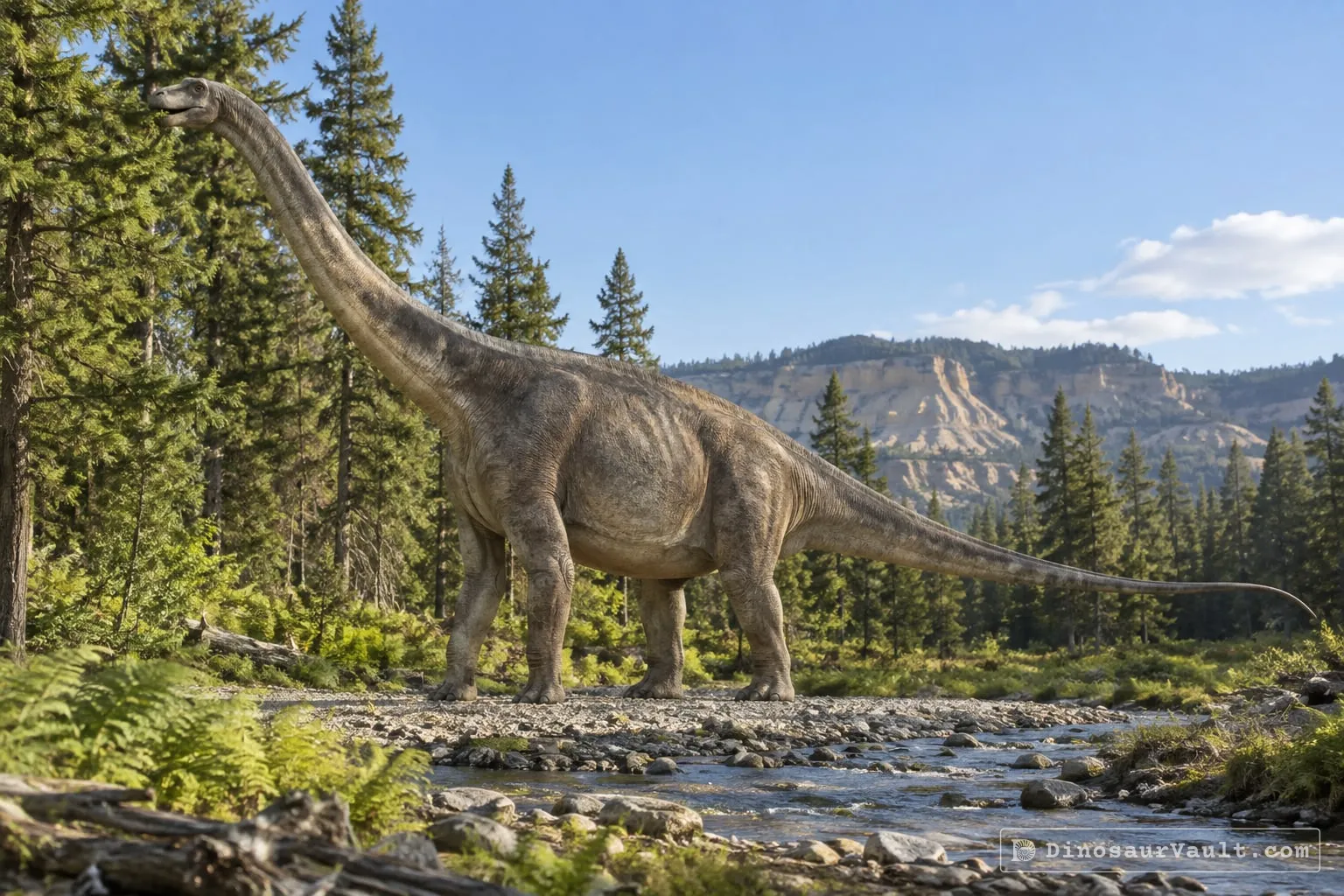
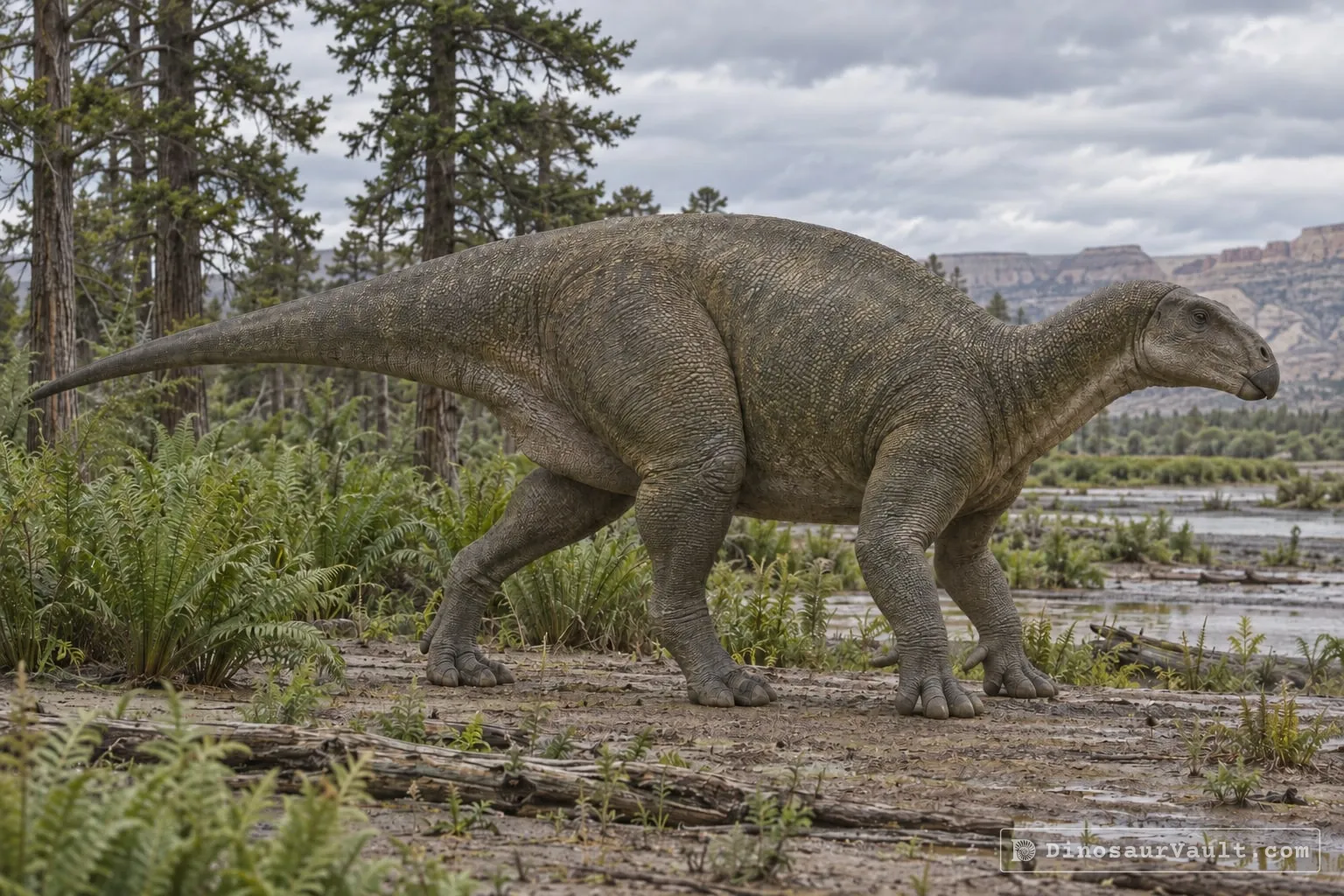
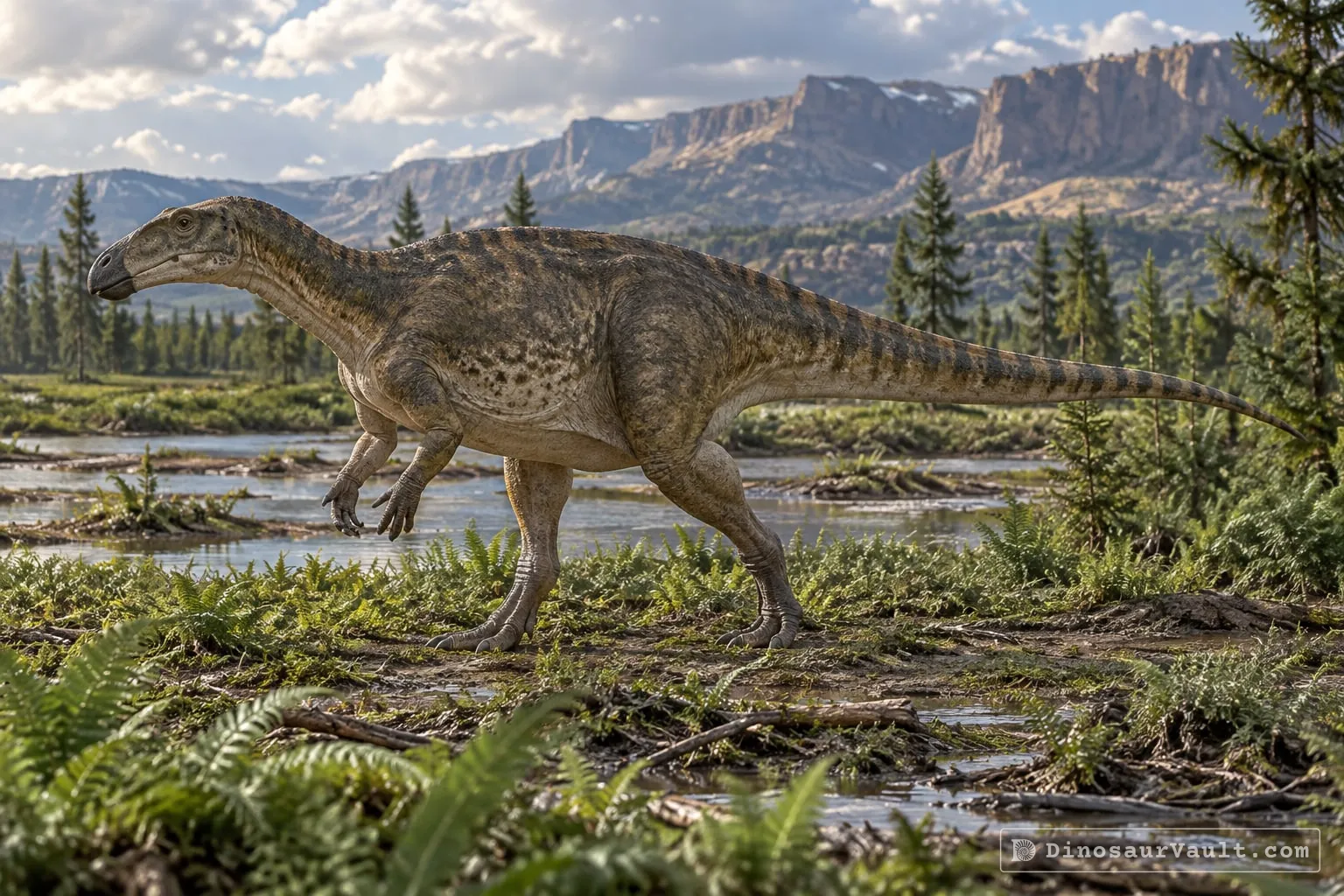
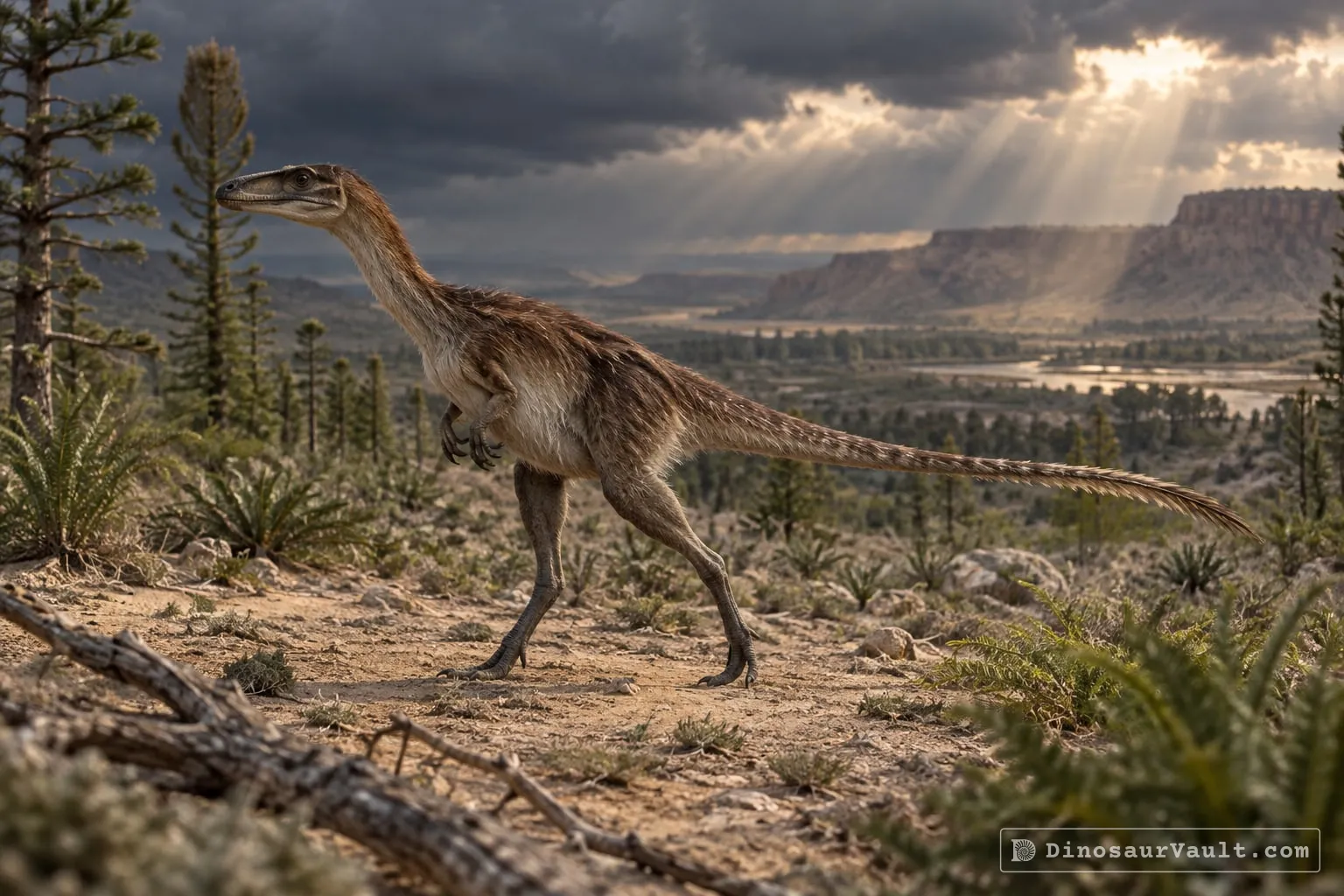
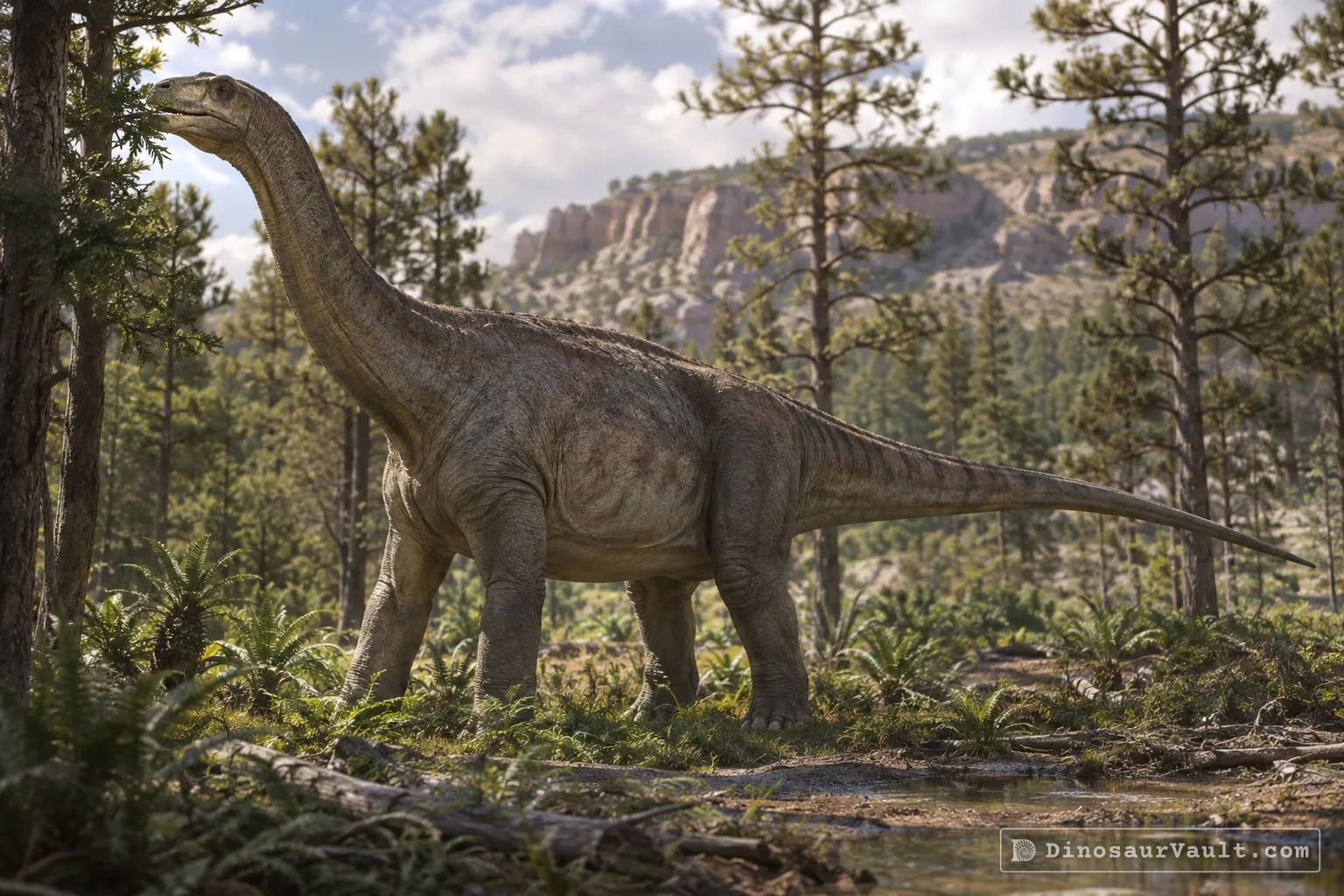


A rock formation can hold fossils laid down millions of years apart, so not every animal here met Martharaptor.
The evidence
The science behind Martharaptor
Which parts of the picture come from its own bones, and which come from its relatives.
From its own fossils
- The type specimen is a fragmentary skeleton with vertebrae, a shoulder blade, arm and foot bones, and a fragment tentatively identified as part of the hip.
- Its hand claws are deep, strongly curved and similar in shape to one another.
- Its innermost long foot bone is slender, unlike the stout equivalent in later therizinosaurs. Its preserved foot claws are strongly curved and flattened from side to side.
Borrowed from relatives
- A feather covering is inferred from Beipiaosaurus, an early therizinosaur with preserved feathers.
- Falcarius provides a comparison for the missing skull, neck and much of the body.
Still unknown
- Its full size and skull shape.
- Its exact family-tree position: a later analysis restricted to therizinosaurs leaves its closest relationships unresolved.
- The shape and color of its feathers.
Discovery timeline
- 2009Close relativeXu, Zheng & You
- 2012Named itSenter, Kirkland & DeBlieux
- 2021Close relativeLiao et al.
- 2026Family treeLiao et al.
Key papers
The research behind what we know of Martharaptor
Close relative
Found broad, single-filament feathers in Beipiaosaurus, supporting feathered restorations of its therizinosaur relatives.
A new feather type in a nonavian theropod and the early evolution of feathers. Proceedings of the National Academy of Sciences 106: 832-834
Read the paper : A new feather type in a nonavian theropod and the early evolution of feathers (opens in a new tab)Named it
Described the fragmentary skeleton and distinctive hand and foot bones, placing Martharaptor among therizinosaurs.
Martharaptor greenriverensis, a New Theropod Dinosaur from the Lower Cretaceous of Utah. PLoS ONE 7: e43911
Read the paper : Martharaptor greenriverensis, a New Theropod Dinosaur from the Lower Cretaceous of Utah (opens in a new tab)Close relative
Detailed the body skeleton of Beipiaosaurus and compared its bones with other therizinosaurs, including Martharaptor.
Postcranial osteology of Beipiaosaurus inexpectus (Theropoda: Therizinosauria). PLOS ONE 16: e0257913
Read the paper : Postcranial osteology of Beipiaosaurus inexpectus (Theropoda: Therizinosauria) (opens in a new tab)Family tree
An analysis restricted to therizinosaurs placed Martharaptor on a later branch than the naming study, with its closest relationships unresolved.
A new therizinosaur from the Early Cretaceous Jehol Biota and ecomorphological patterns among early therizinosaurians. Journal of Systematic Palaeontology 24
Read the paper : A new therizinosaur from the Early Cretaceous Jehol Biota and ecomorphological patterns among early therizinosaurians (opens in a new tab)
Close relatives
Other members of Therizinosauroidea


Sources: Wikidata