Outline: a typical theropod
Alxasaurus
"Alxa lizard"
Type species Alxasaurus elesitaiensis
- Lived
- 121 to 113 million years ago, Early Cretaceous
- Diet
- Herbivore
- Group
- Theropods
- Found in
- China
- Named by
- Russell and Dong 1994
Where its fossils were found
The evidence
Today

115 million years ago
Field notes
About Alxasaurus
What it was like
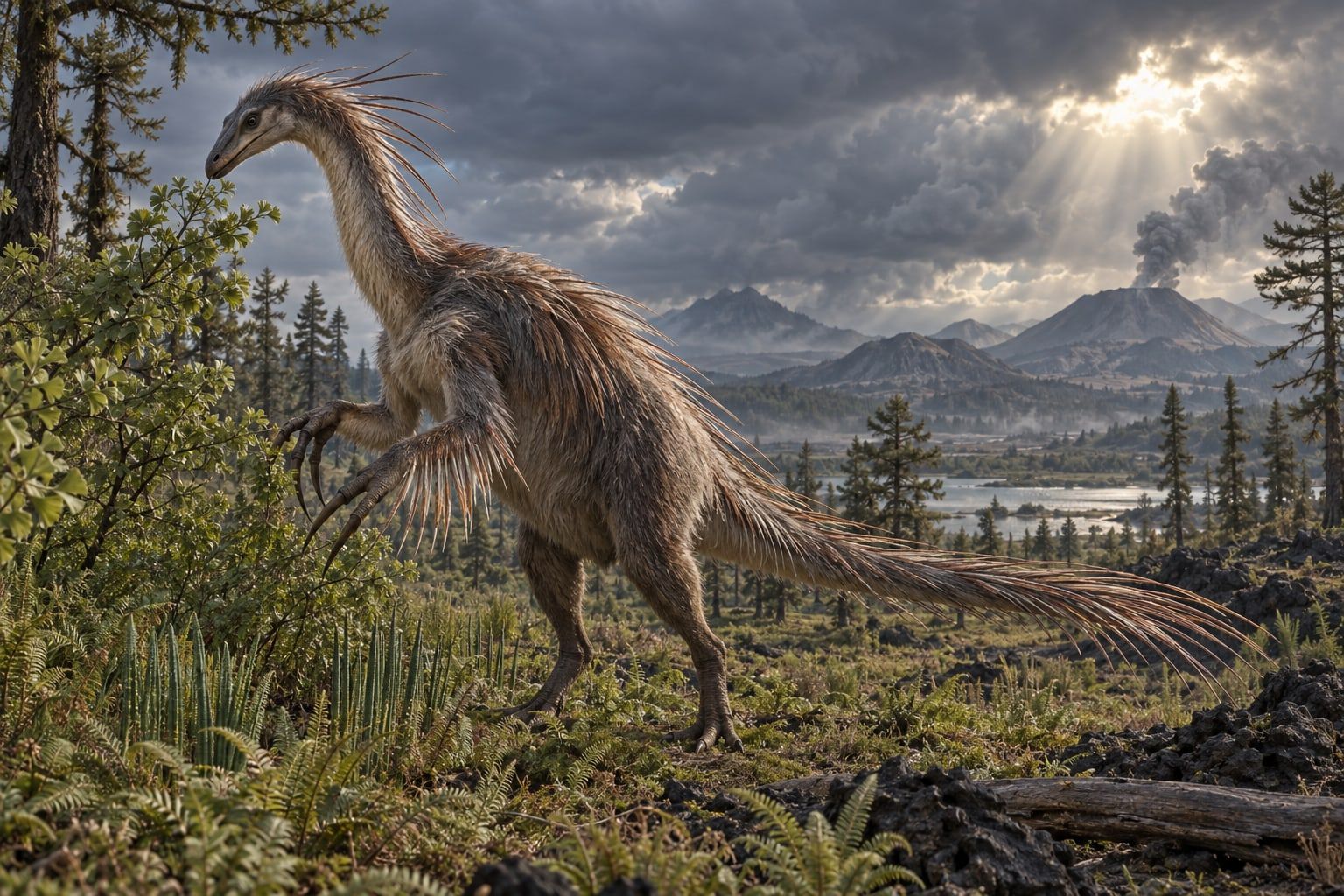
Alxasaurus was an early therizinosaur, one of the long-clawed plant eaters with meat-eating ancestors. It had a long neck, big hands with long claws, and small leaf-shaped teeth.
It was one of the first finds to show that therizinosaurs were theropods, relatives of meat eaters, and not something else.
Its world
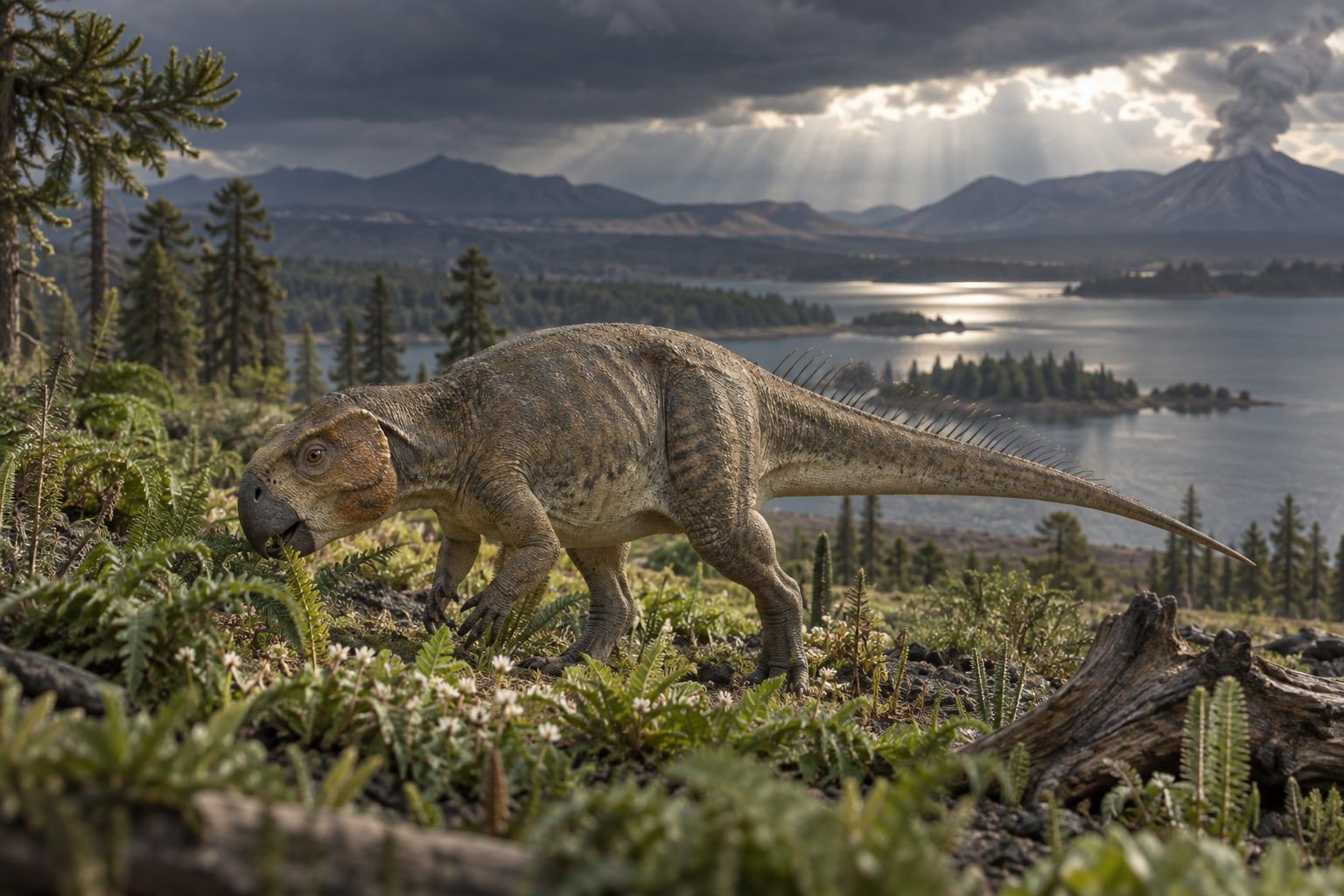
It lived about 121 to 113 million years ago, in the Early Cretaceous, in what is now northern China. Its bones come from the Bayangobi Formation, where it shared the land with Psittacosaurus.
How it was found
Russell and Dong named Alxasaurus in 1994. Several skeletons were found during a joint dig by Chinese and Canadian scientists.
Lived alongside
Found in the same rock formations
Close relatives
Other members of Therizinosauroidea
Sources: WikidataNamed in: D. A. Russell and Z.-M. Dong. 1994. The affinities of a new theropod from the Alxa Desert, Inner Mongolia, People's Republic of China. Canadian Journal of Earth Sciences 30(10-11):2107-2127