Lokiceratops
LOH-kee-SER-uh-tops
"Loki horned face"
Type species Lokiceratops rangiformis
- Lived
- 84 to 72 million years ago, Late Cretaceous
- Diet
- Herbivore
- Group
- Ceratopsians, Ceratopsidae
- Found in
- United States
- Named by
- Loewen et al. 2024
Where its fossils were found
The evidence
Today

80 million years ago
Habitat
It lived on a river plain beside the Western Interior Seaway in what is now Montana. Wood and amber occur in its burial layer; nearby dinosaurs included Albertaceratops, Medusaceratops and Wendiceratops.
Field notes
About Lokiceratops
What it was like
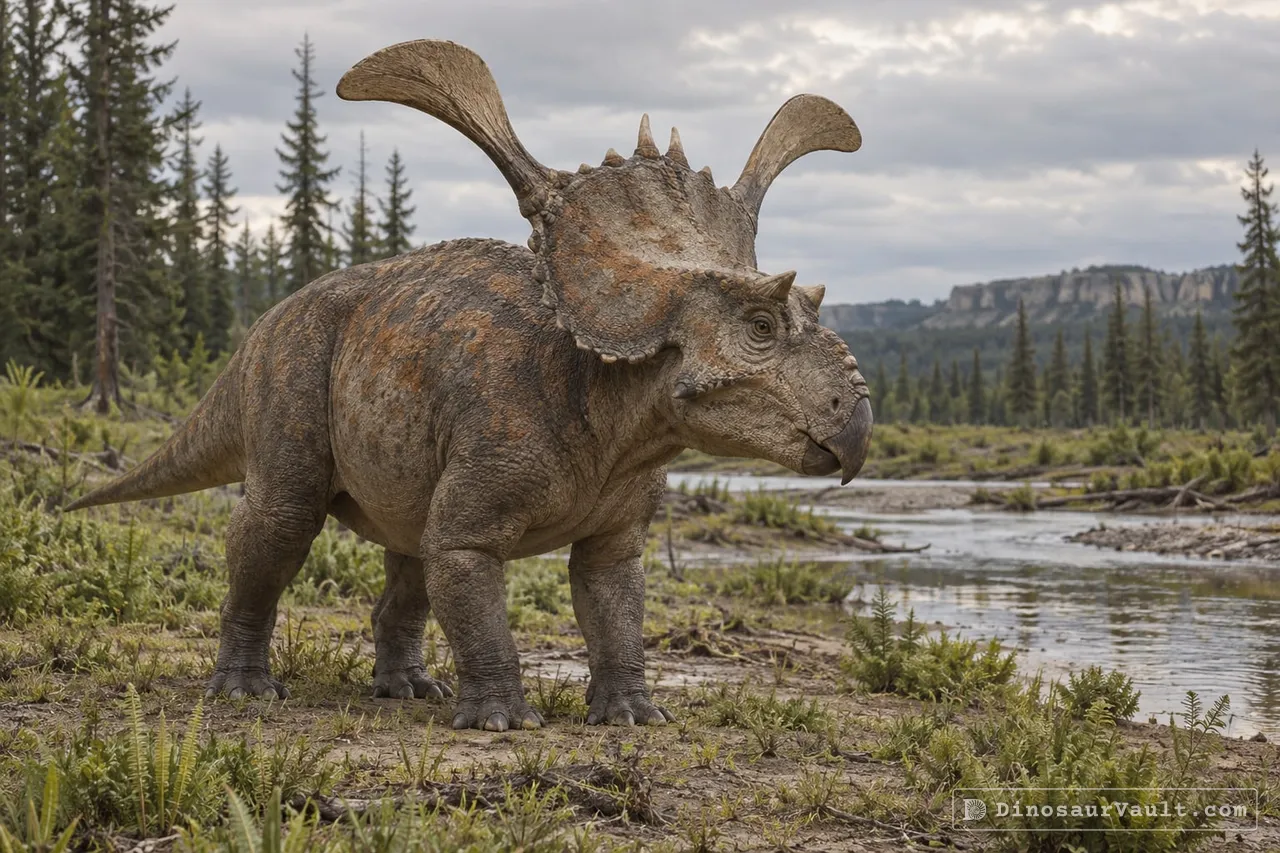
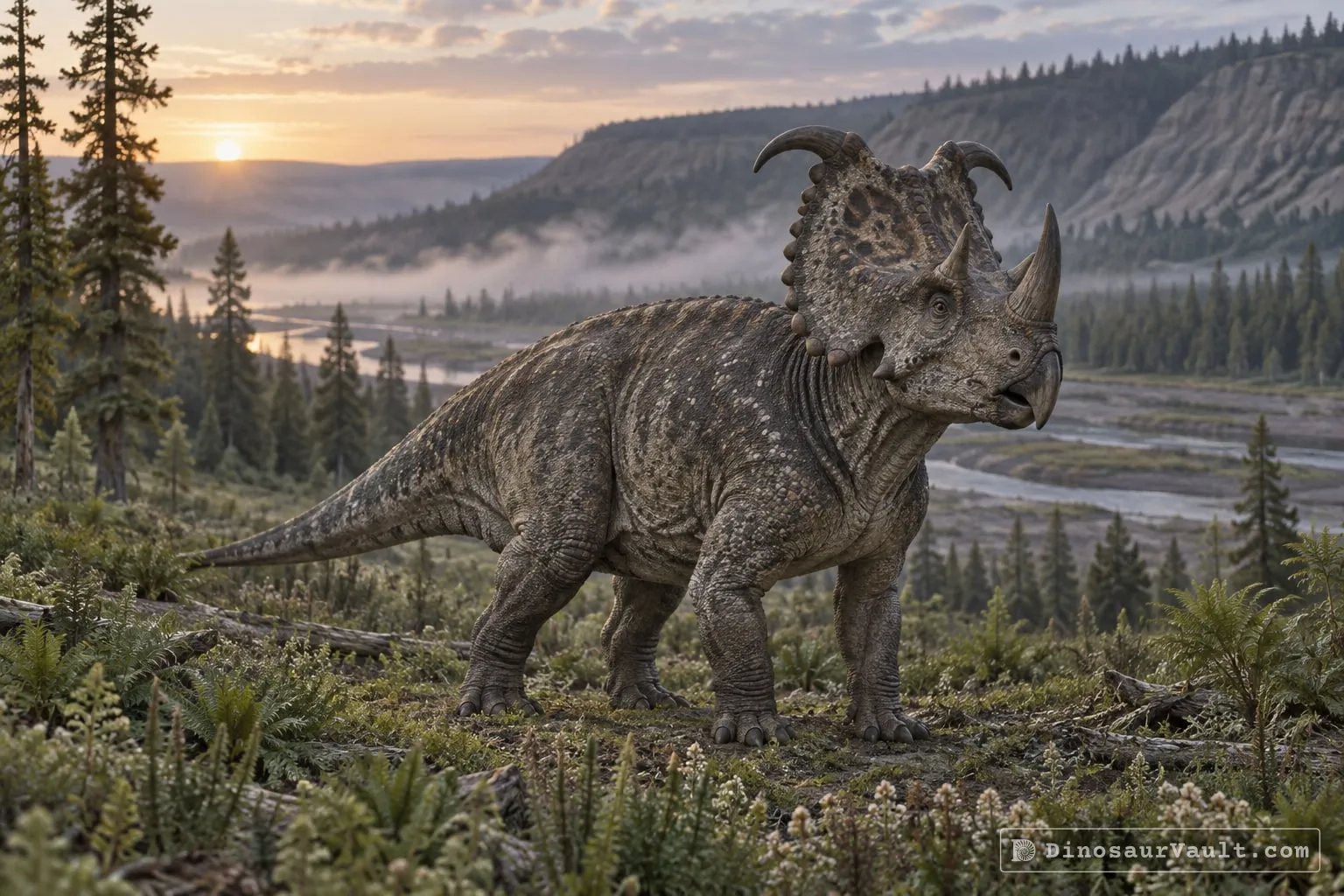
Lokiceratops was a horned plant eater that walked on four legs. It had no nose horn, but its frill carried a pair of huge, curved blades, and the two sides of the frill were not quite the same.
Like its relatives, it probably used its headgear for display, to tell its own kind apart and to impress rivals.
Its world
It lived about 84 to 72 million years ago, in the Late Cretaceous, in what is now Montana. Its fossils come from the Judith River Formation, where several other horned dinosaurs lived at nearly the same time, a sign of how many kinds there were.
Its neighbors included Centrosaurus, the duck-bill Corythosaurus and the tyrannosaurs Gorgosaurus and Daspletosaurus.
How it was found
Loewen and colleagues named Lokiceratops in 2024. The type species is Lokiceratops rangiformis. It is known from one find that includes most of the skull.
Field gallery
More views of Lokiceratops
Scenes reconstructed from the available fossil evidence.
1 of 3
Lived alongside
Found in the same rock formations
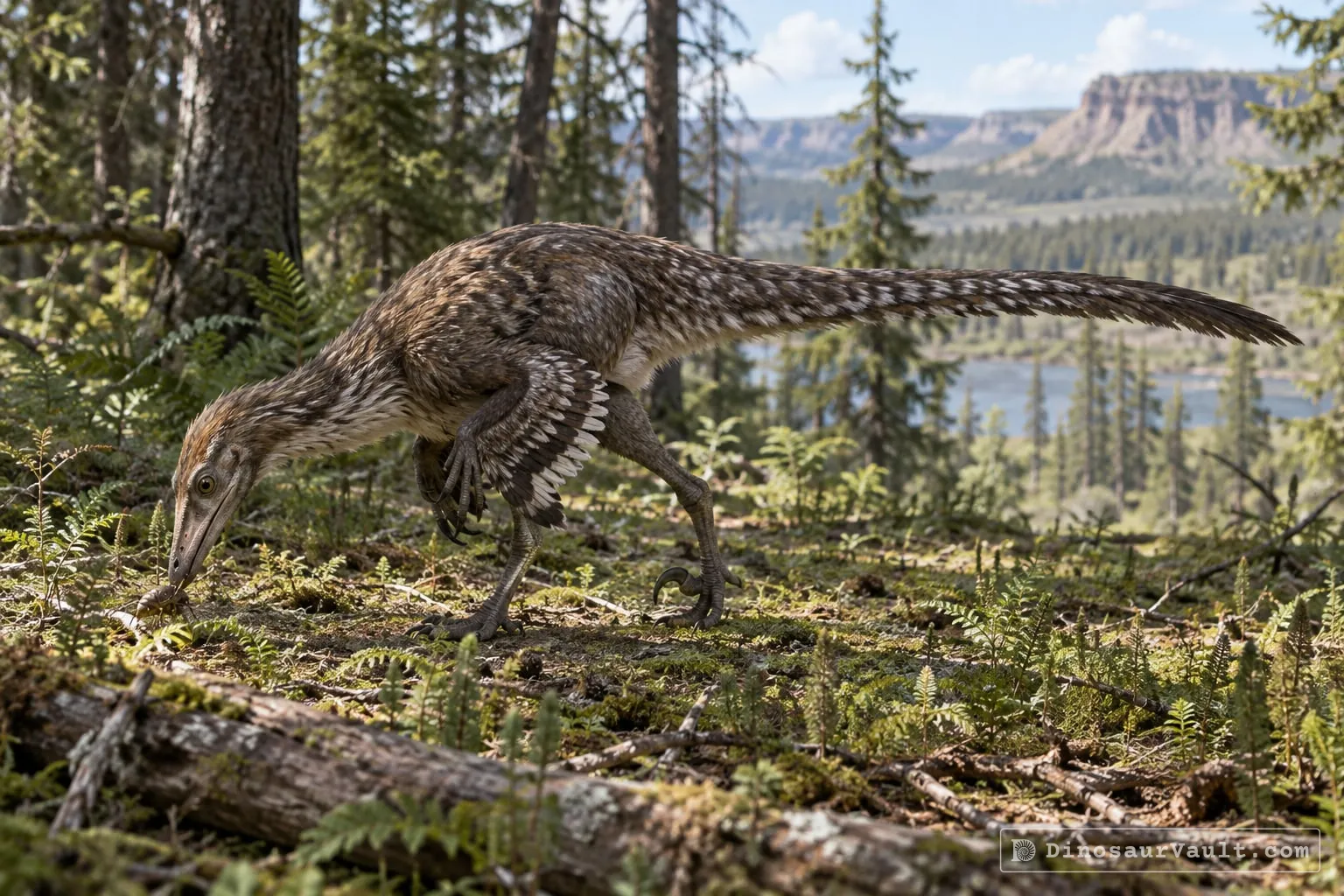
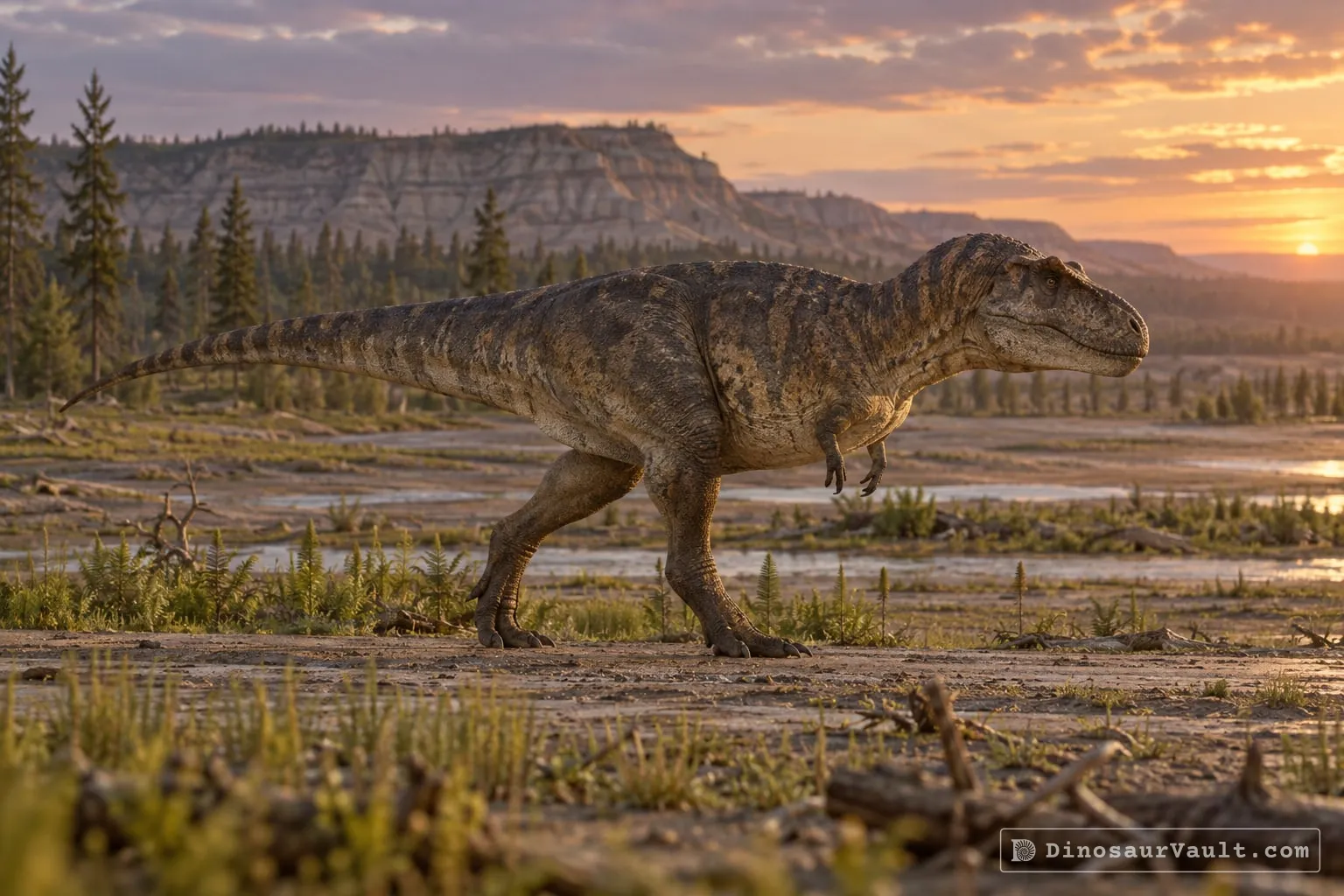
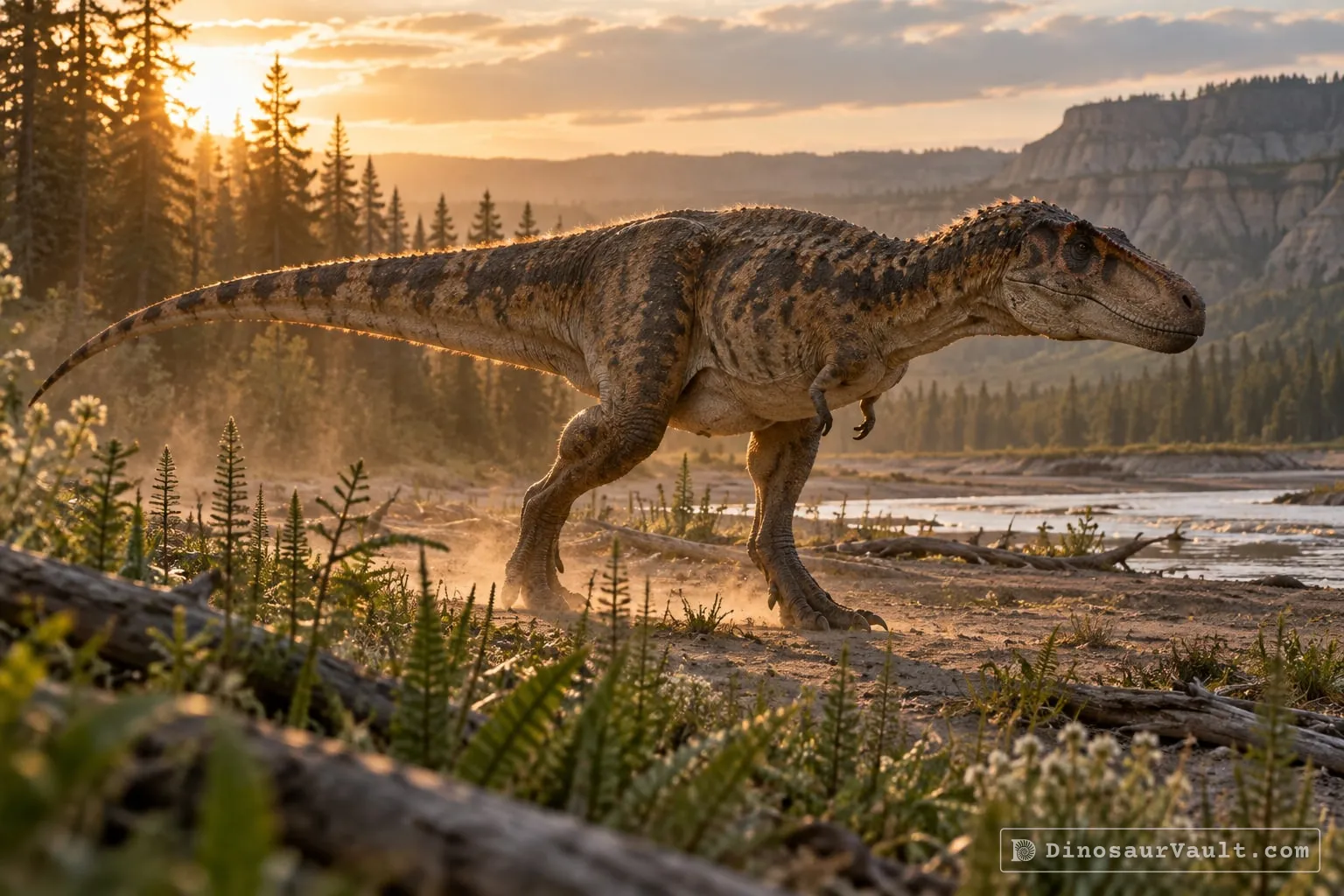
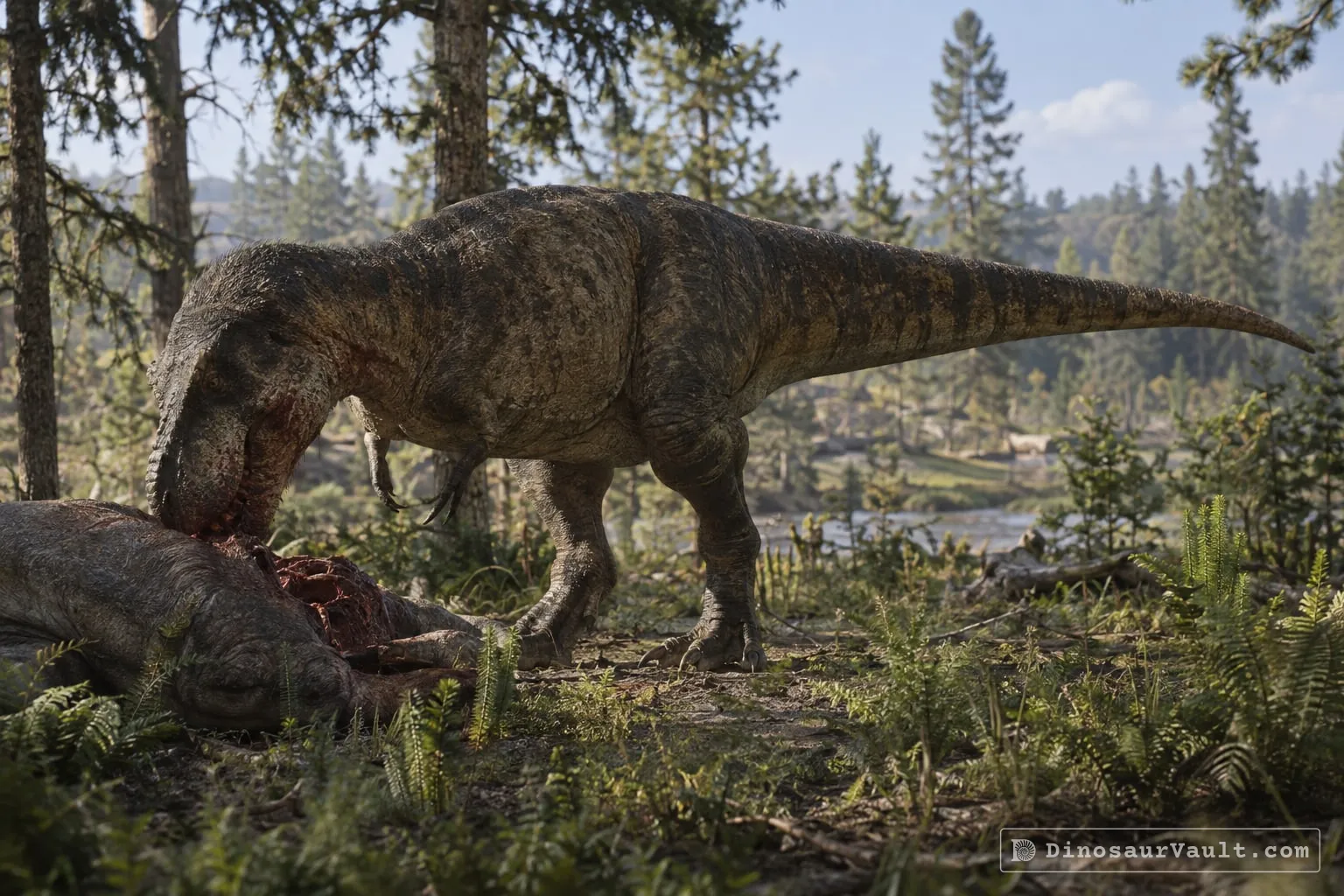
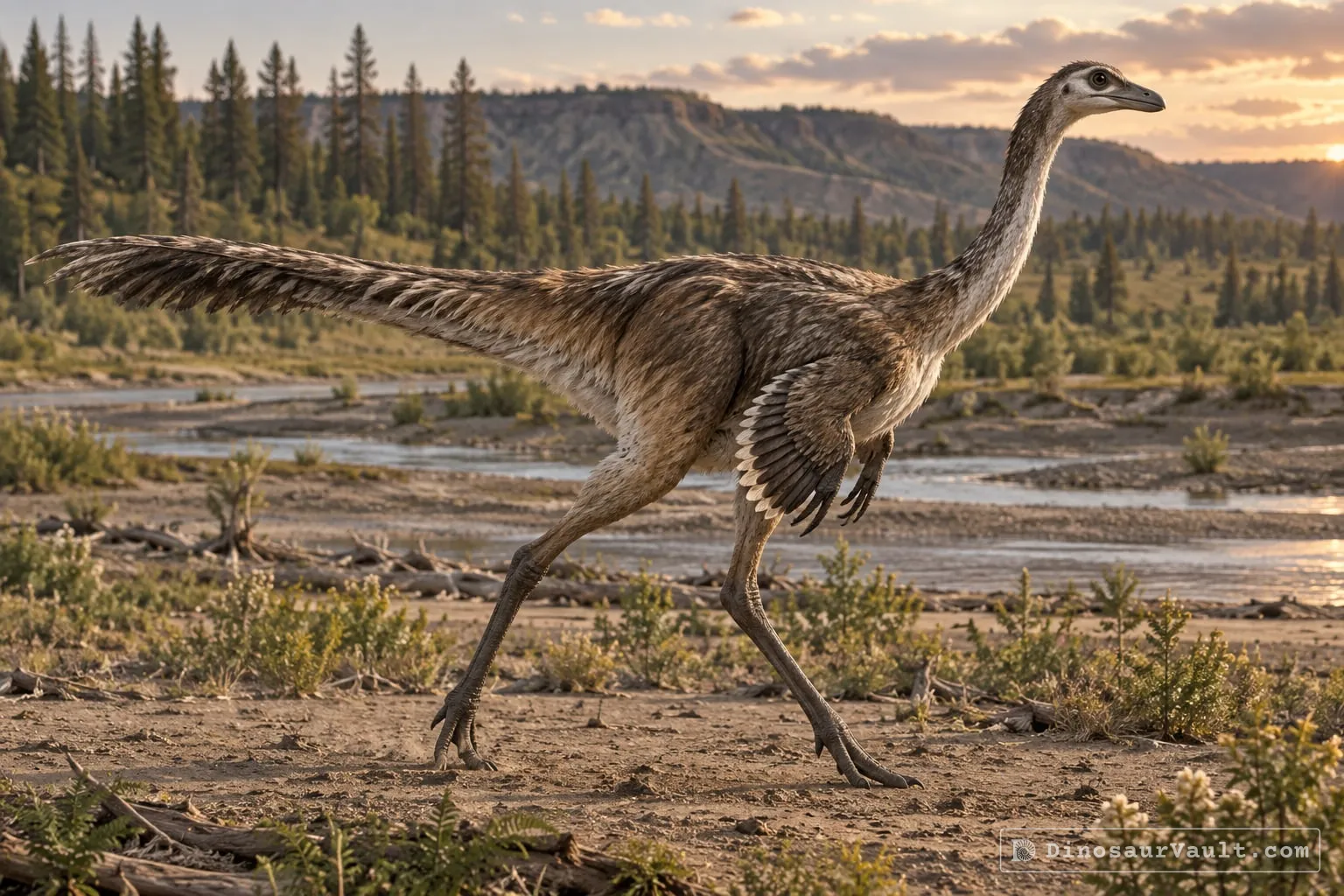
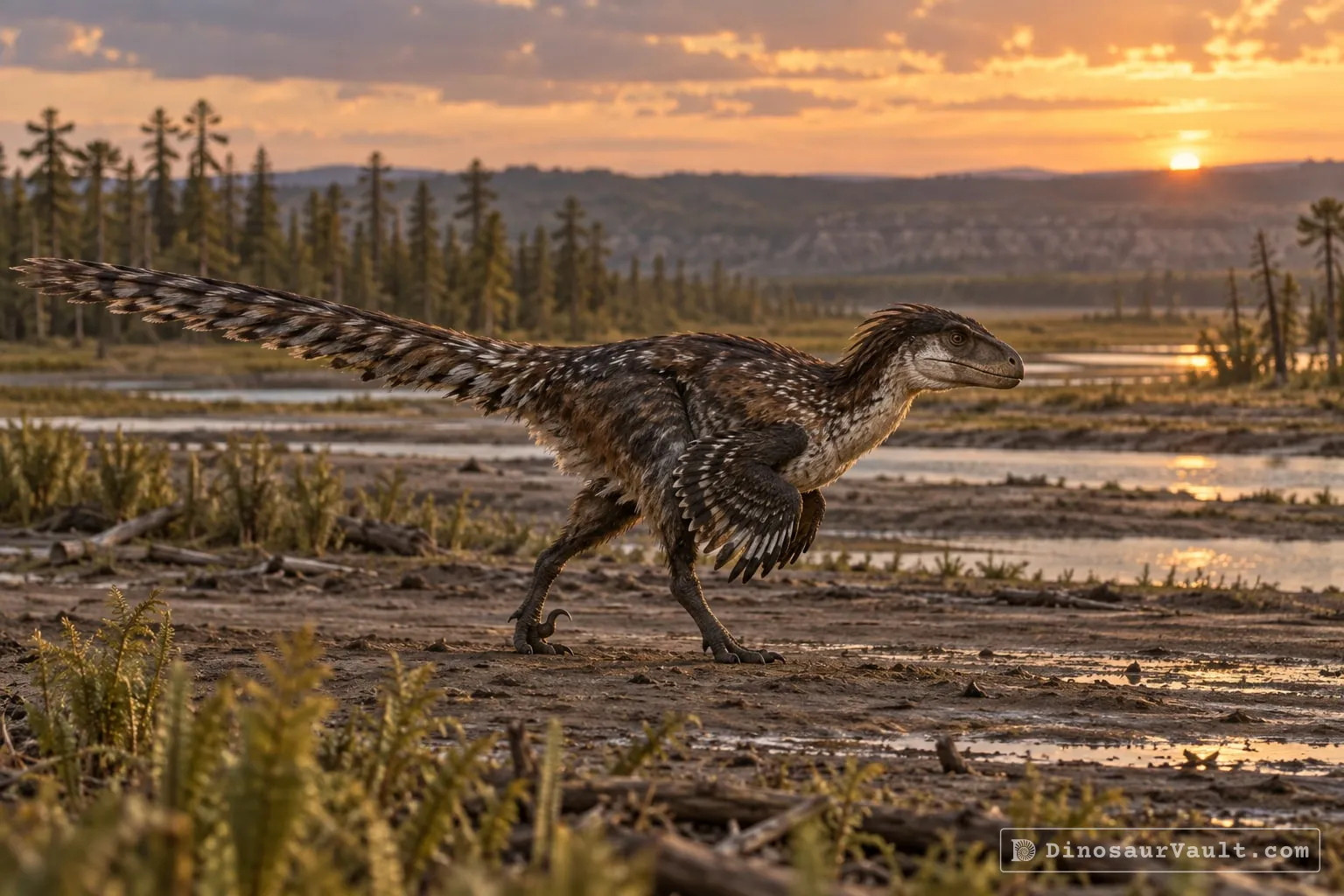
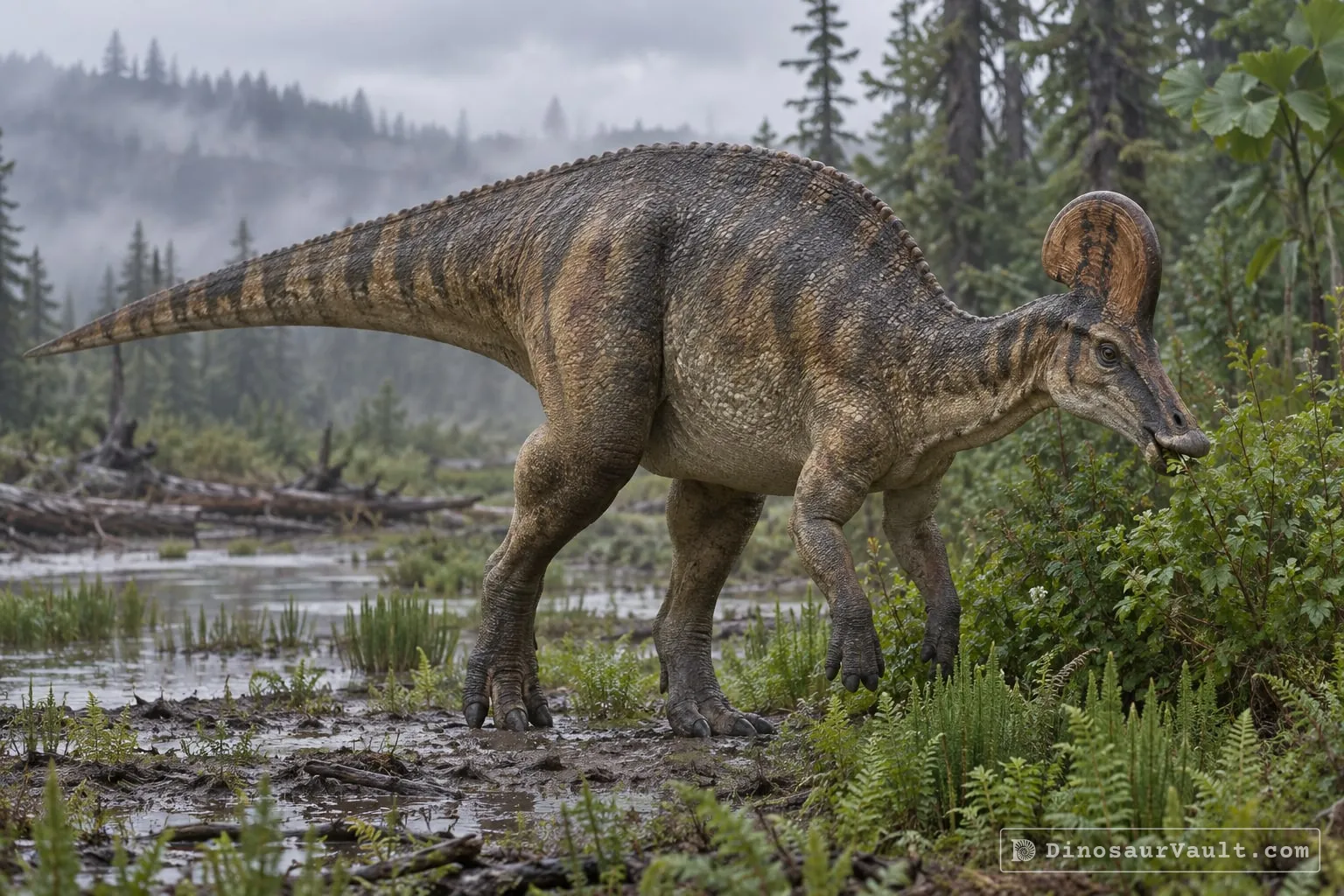


A rock formation can hold fossils laid down millions of years apart, so not every animal here met Lokiceratops.
The evidence
The science behind Lokiceratops
Which parts of the picture come from its own bones, and which come from its relatives.
From its own fossils
- A skull and partial skeleton preserve long brow horns and a smooth snout without a nose horn.
- The frill carries huge, curved blades and rear points of unequal size on opposite sides.
Borrowed from relatives
- Missing limbs and body parts are restored from better-known centrosaurines such as Centrosaurus and Styracosaurus.
Still unknown
- Its skin colors and patterns.
- How much its headgear varied between individuals.
- How its frill developed as it grew.
Discovery timeline
- 2007Close relativeRYAN
- 2017Close relativeChiba et al.
- 2024Named itLoewen et al.
Key papers
The research behind what we know of Lokiceratops
Close relative
Described Albertaceratops, a relative with long brow horns that helps explain the ancestry of Lokiceratops headgear.
A NEW BASAL CENTROSAURINE CERATOPSID FROM THE OLDMAN FORMATION, SOUTHEASTERN ALBERTA. Journal of Paleontology 81: 376-396
Read the paper : A NEW BASAL CENTROSAURINE CERATOPSID FROM THE OLDMAN FORMATION, SOUTHEASTERN ALBERTA (opens in a new tab)Close relative
New frill material placed Medusaceratops among centrosaurines, providing a clearer comparison with the closely related Lokiceratops.
New material and systematic re-evaluation of Medusaceratops lokii (Dinosauria, Ceratopsidae) from the Judith River Formation (Campanian, Montana). Journal of Paleontology 92: 272-288
Read the paper : New material and systematic re-evaluation of Medusaceratops lokii (Dinosauria, Ceratopsidae) from the Judith River Formation (Campanian, Montana) (opens in a new tab)Named it
Named Lokiceratops from its large frill blades and distinctive headgear, placing it near Albertaceratops and Medusaceratops.
Lokiceratops rangiformis gen. et sp. nov. (Ceratopsidae: Centrosaurinae) from the Campanian Judith River Formation of Montana reveals rapid regional radiations and extreme endemism within centrosaurine dinosaurs. PeerJ 12: e17224
Read the paper : Lokiceratops rangiformis gen. et sp. nov. (Ceratopsidae: Centrosaurinae) from the Campanian Judith River Formation of Montana reveals rapid regional radiations and extreme endemism within centrosaurine dinosaurs (opens in a new tab)
Close relatives
Other members of Ceratopsidae


Sources: Wikidata