Hualianceratops
"ornamented horned face"
- Lived
- 162 to 155 million years ago, Late Jurassic
- Diet
- Herbivore
- Group
- Ceratopsians, Chaoyangsauridae
- Found in
- China
- Named by
- Han et al. 2015
Where its fossils were found
The evidence
Today

160 million years ago
Habitat
Rivers deposited mud across the landscape of the Shishugou Formation in China. Yinlong, Guanlong and Mamenchisaurus also lived here.
Field notes
About Hualianceratops
What it was like
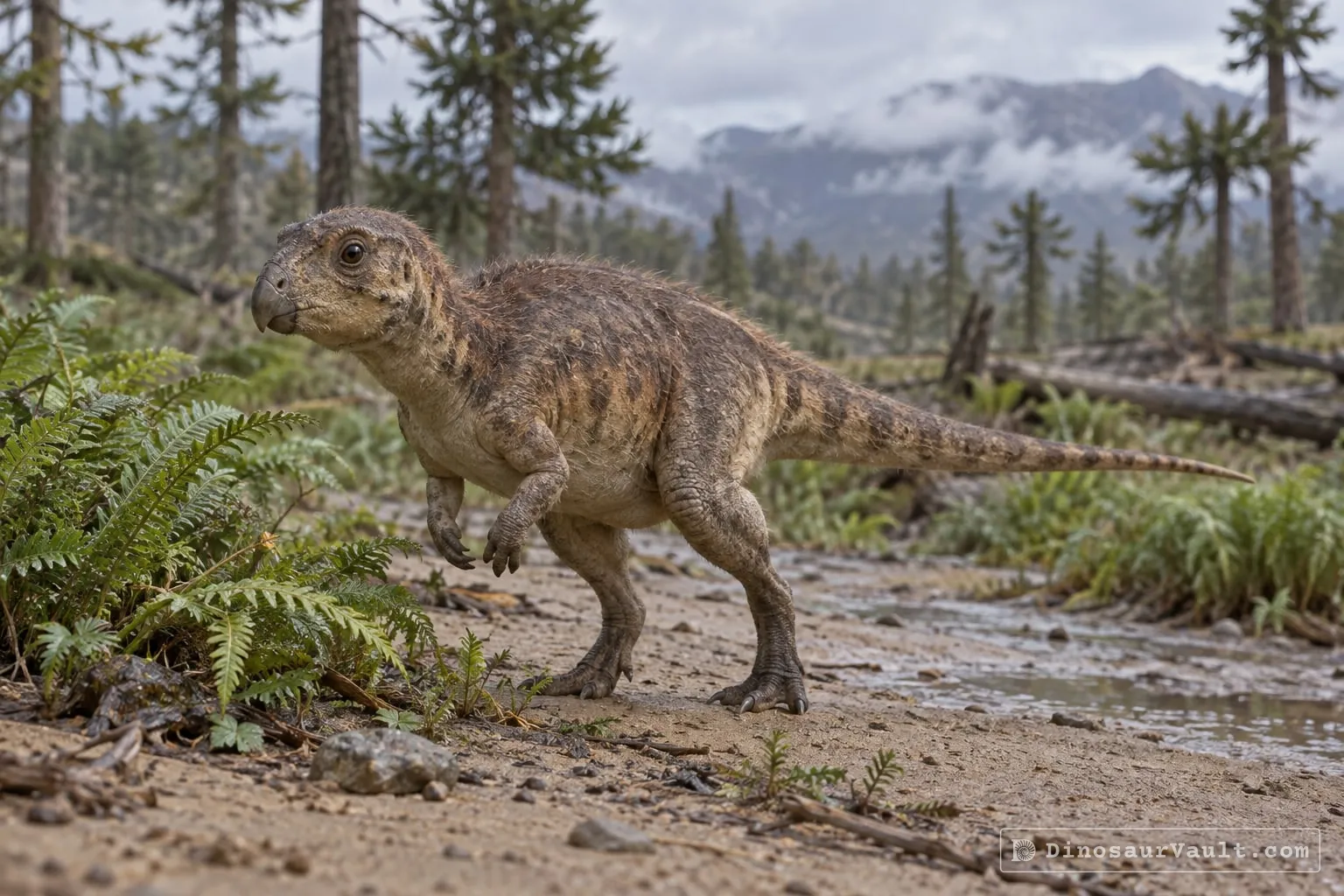
Hualianceratops was one of the earliest horned dinosaurs, a small plant eater with rough, textured bones on its face. Much of the front of its face is missing, so the complete shape of its beak is unknown.
Its world
It lived in the Late Jurassic in what is now northwestern China. Its bones come from the Shishugou Formation, where it shared the land with Yinlong, another early horned dinosaur, the crested Guanlong and the long-necked Mamenchisaurus.
How it was found
Han and colleagues named it in 2015.
Field gallery
More views of Hualianceratops
Scenes reconstructed from the available fossil evidence.
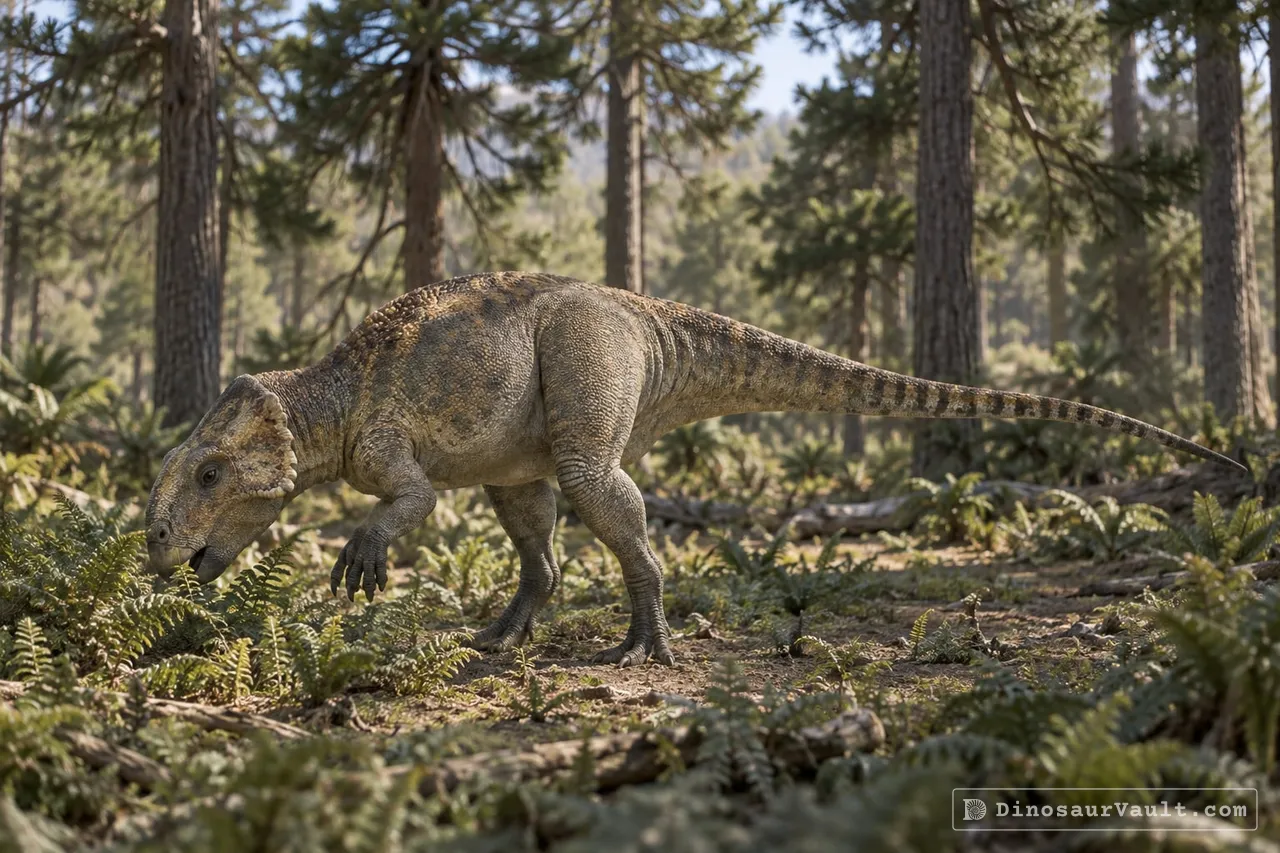
1 of 3
Lived alongside
Found in the same rock formations
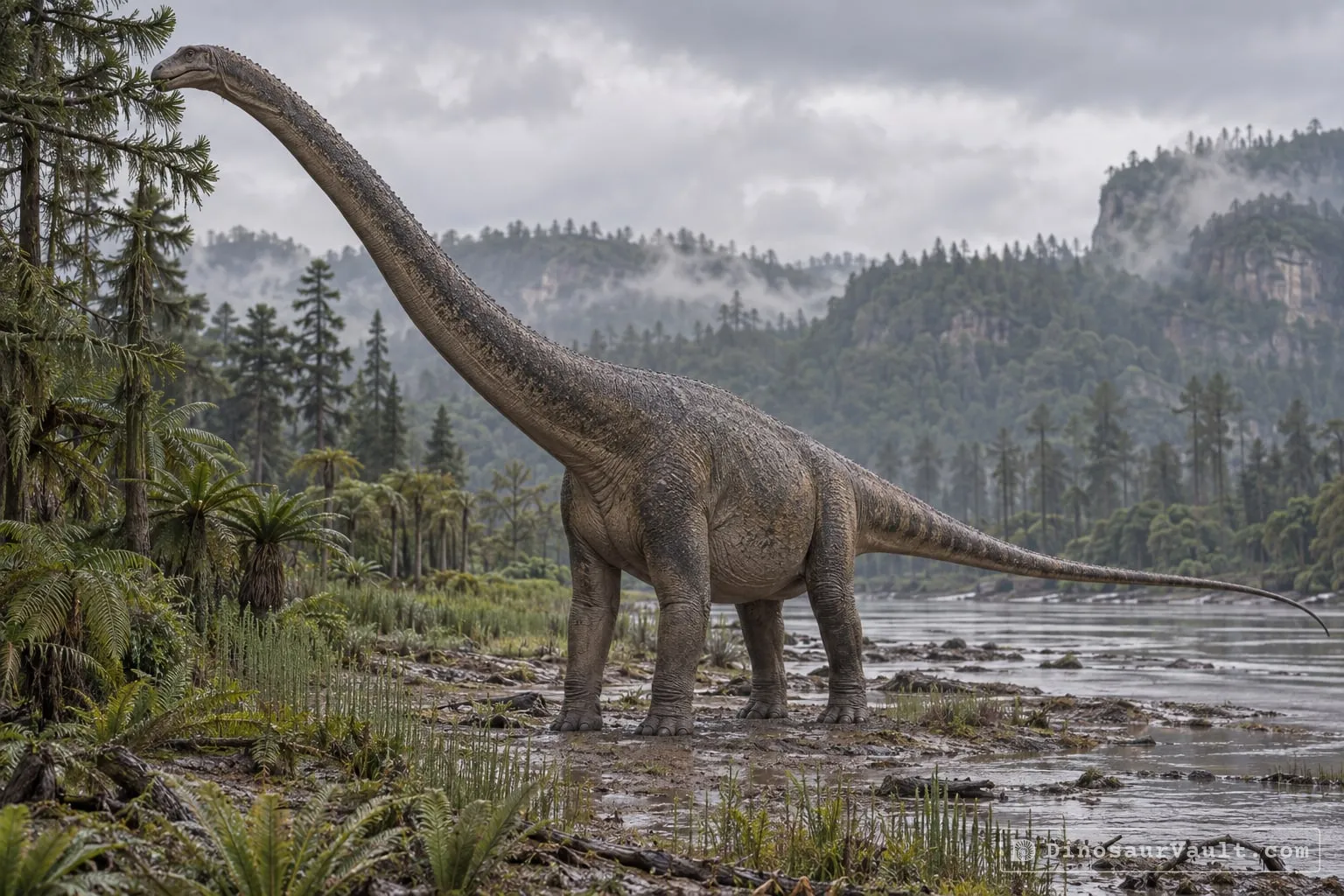
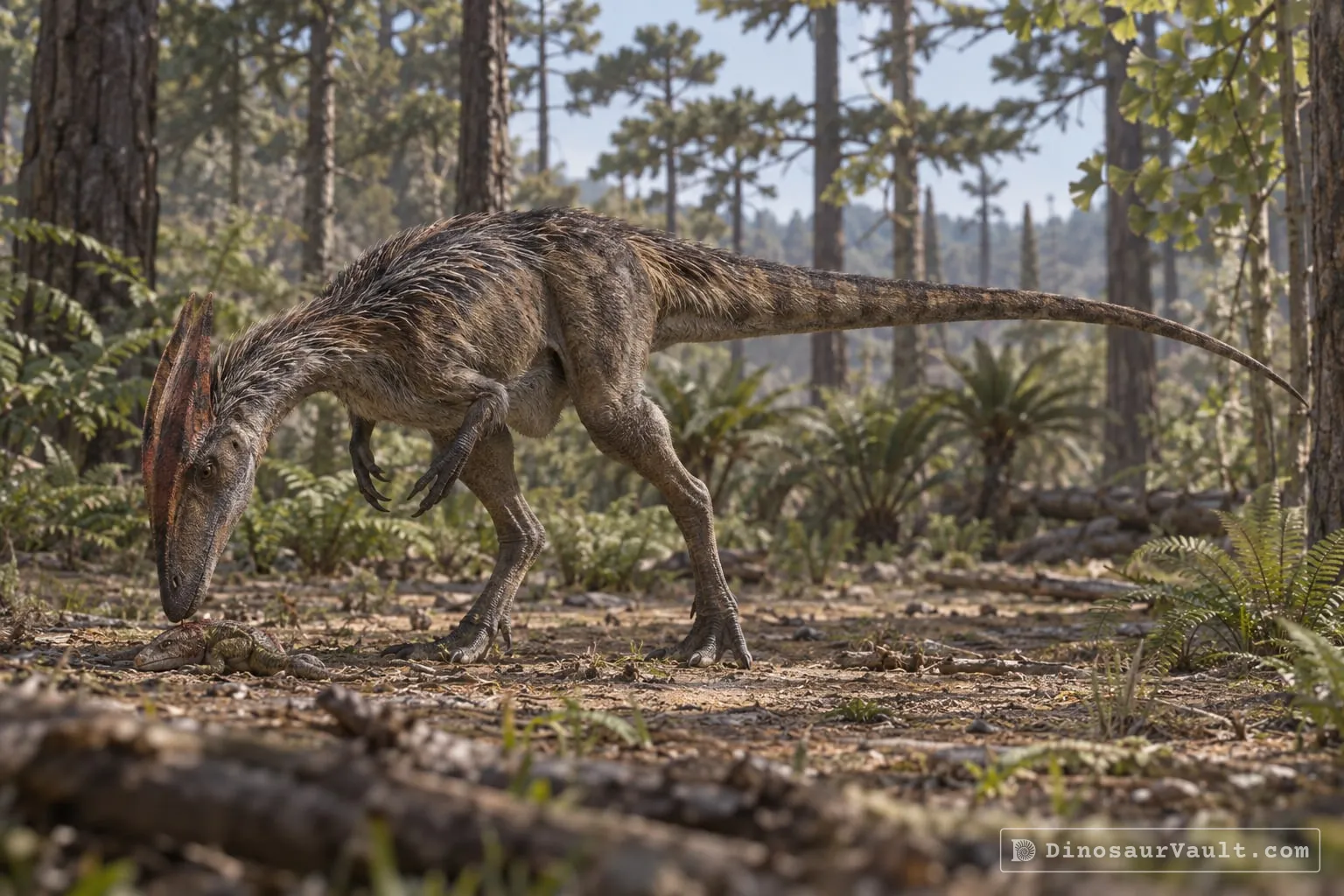
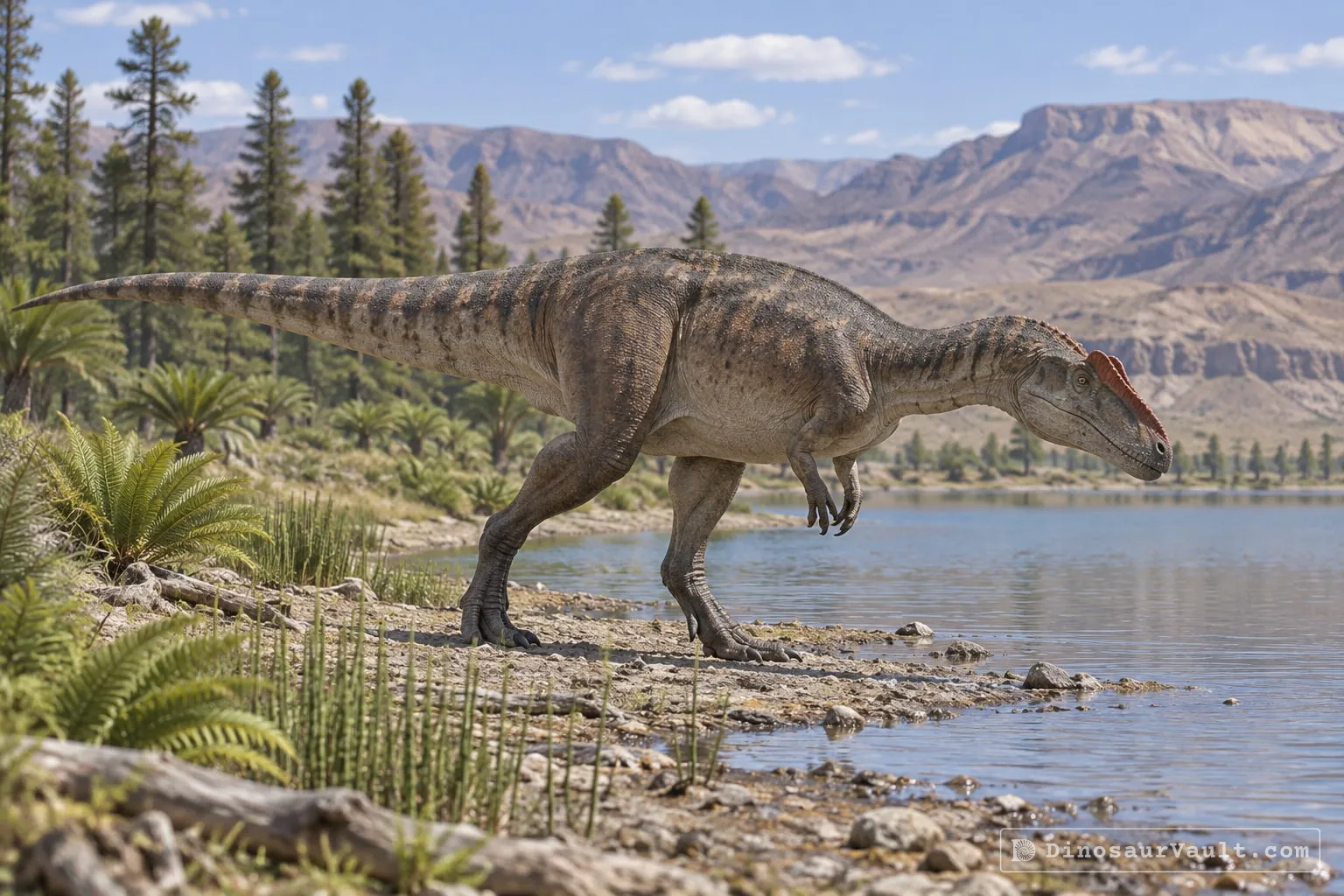
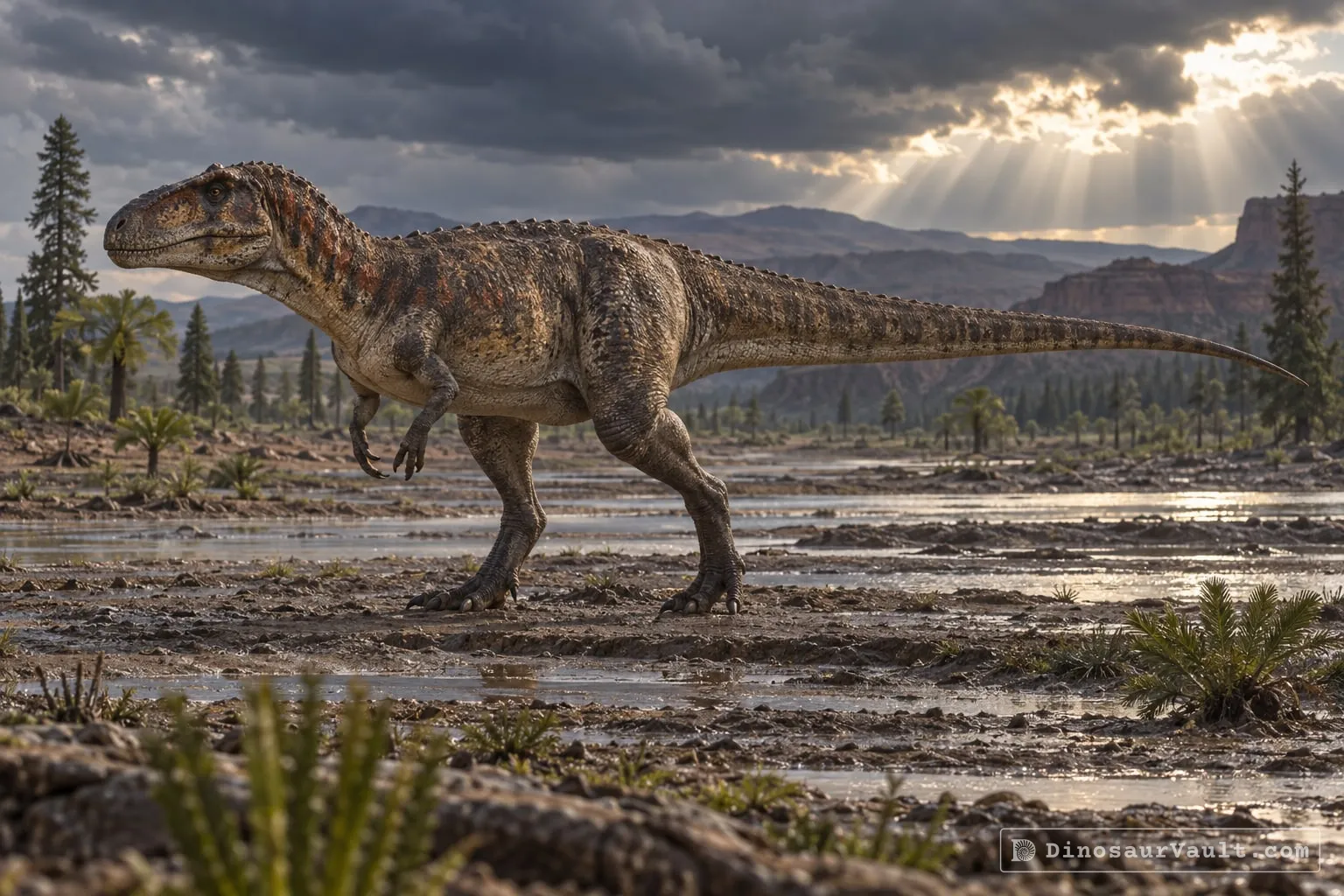
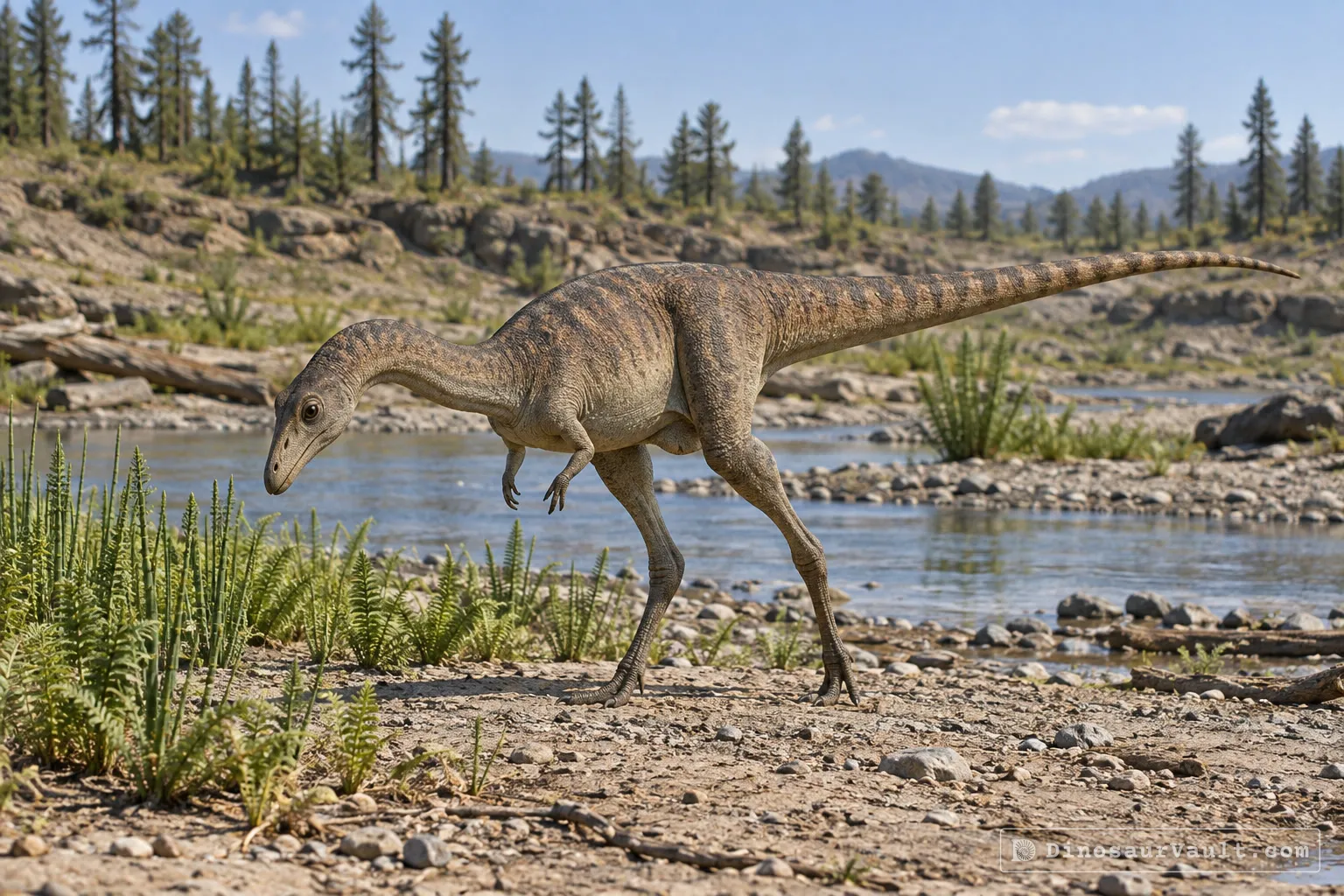
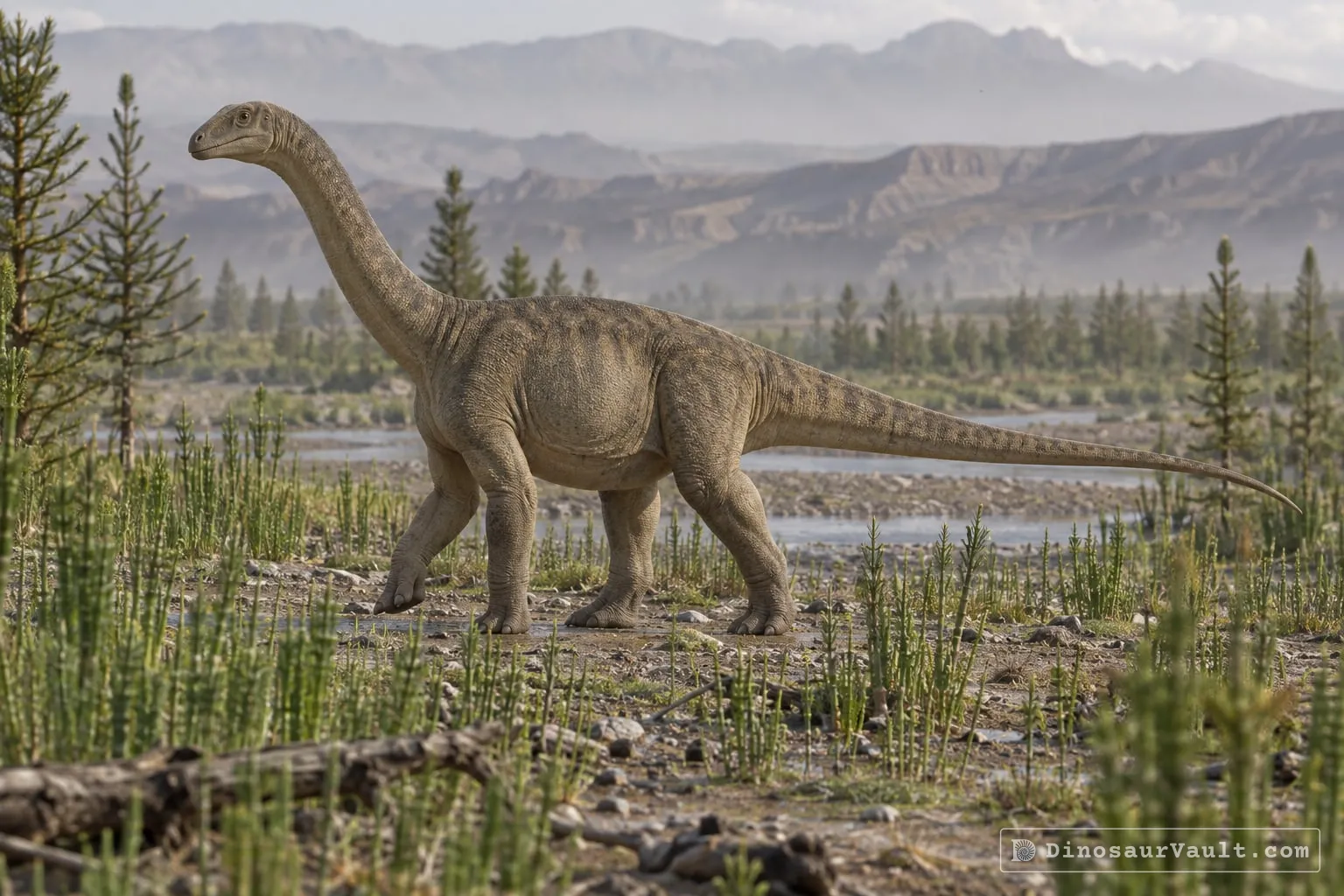


A rock formation can hold fossils laid down millions of years apart, so not every animal here met Hualianceratops.
The evidence
The science behind Hualianceratops
Which parts of the picture come from its own bones, and which come from its relatives.
From its own fossils
- The type specimen includes the right cheek, parts of the skull and much of the lower jaw, poorly preserved bones of the body, and a nearly complete left foot.
- The lower jaw is short and deep, and much of the face has strongly textured bone. The toe claws of its foot are mildly downcurved and narrow from side to side.
- A second lower jaw, assigned to it because it is short, deep and rough, preserves triangular teeth with small replacement teeth growing beneath them.
Borrowed from relatives
- The missing front of the face and the skull roof are restored from Yinlong, keeping the deeper lower jaw and broad cheek of Hualianceratops.
- The short neck, short slender arms and body also follow Yinlong, which is known from a nearly complete skeleton.
Still unknown
- The shape of its complete snout.
- How the textured facial bones looked beneath the skin.
- Its color and how its appearance changed as it grew.
Discovery timeline
- 2015Named itHan et al.
- 2015Close relativeHan et al.
- 2022How it fedHu et al.
Key papers
The research behind what we know of Hualianceratops
Named it
Described a short, deep jaw and heavily textured facial bones, adding another early branch to the ceratopsian family tree.
A New Taxon of Basal Ceratopsian from China and the Early Evolution of Ceratopsia. PLOS ONE 10: e0143369
Read the paper : A New Taxon of Basal Ceratopsian from China and the Early Evolution of Ceratopsia (opens in a new tab)Close relative
Described the skull of Yinlong bone by bone, from the beak and snout to the skull roof, and compared it with other early horned dinosaurs.
Cranial anatomy ofYinlong downsi(Ornithischia: Ceratopsia) from the Upper Jurassic Shishugou Formation of Xinjiang, China. Journal of Vertebrate Paleontology 36: e1029579
Read the paper : Cranial anatomy ofYinlong downsi(Ornithischia: Ceratopsia) from the Upper Jurassic Shishugou Formation of Xinjiang, China (opens in a new tab)How it fed
Described a second jaw assigned to Hualianceratops and compared tooth replacement in early ceratopsians with the more crowded teeth of later relatives.
Computed tomographic analysis of the dental system of three Jurassic ceratopsians and implications for the evolution of tooth replacement pattern and diet in early-diverging ceratopsians. eLife 11
Read the paper : Computed tomographic analysis of the dental system of three Jurassic ceratopsians and implications for the evolution of tooth replacement pattern and diet in early-diverging ceratopsians (opens in a new tab)
Close relatives
Other members of Chaoyangsauridae


Sources: Wikidata