Hesperonychus
"western claw"
- Lived
- 84 to 72 million years ago, Late Cretaceous
- Diet
- Carnivore
- Length
- about 1 m (3 ft)
- Group
- Theropods, Dromaeosauridae
- Found in
- Canada
- Named by
- Longrich and Currie 2009
Size comparison
To scale

Scale in metersOutline: typical theropod shape
Where its fossils were found
The evidence
Today

80 million years ago
Habitat
Rivers wound across a coastal plain with conifer forests and ferns. Gorgosaurus, Corythosaurus and Chasmosaurus also lived in the Dinosaur Park Formation.
Field notes
About Hesperonychus
What it was like
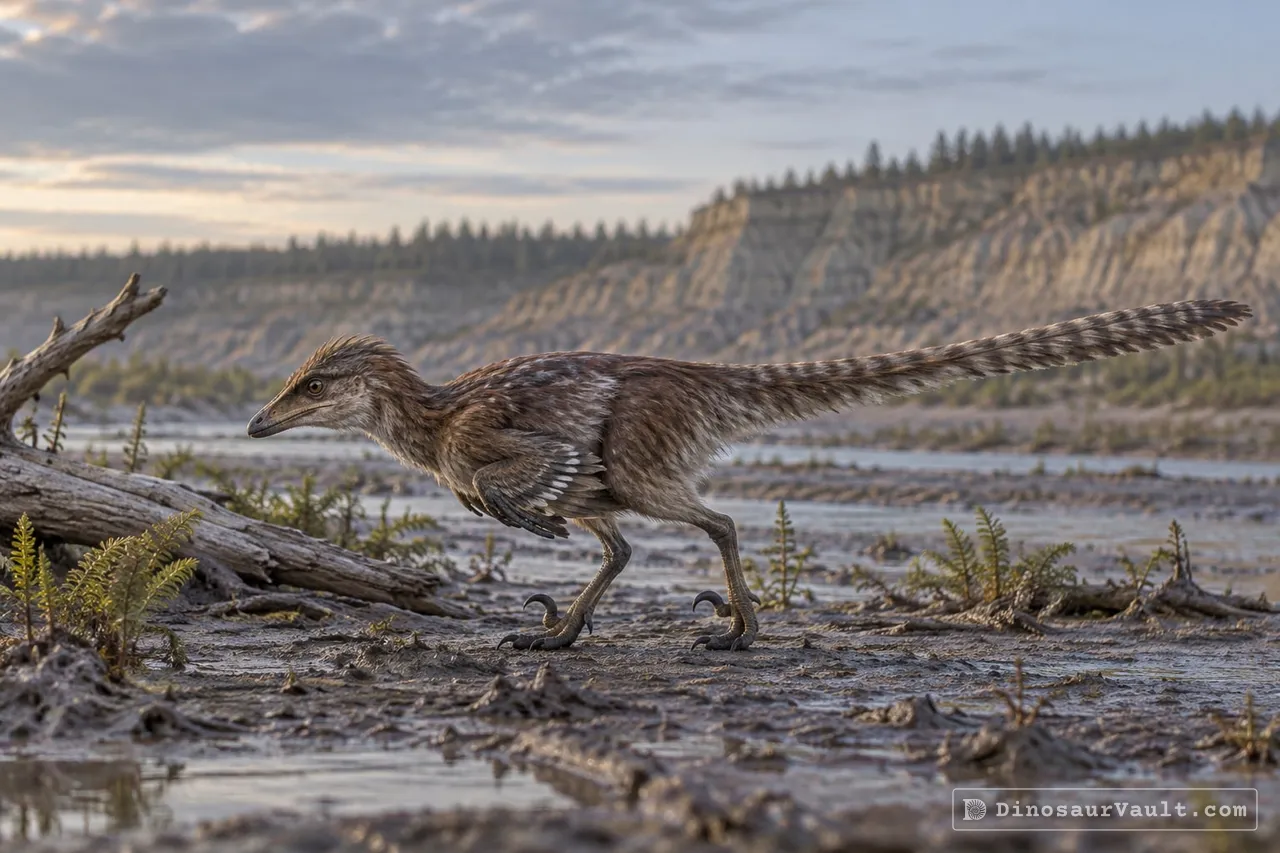
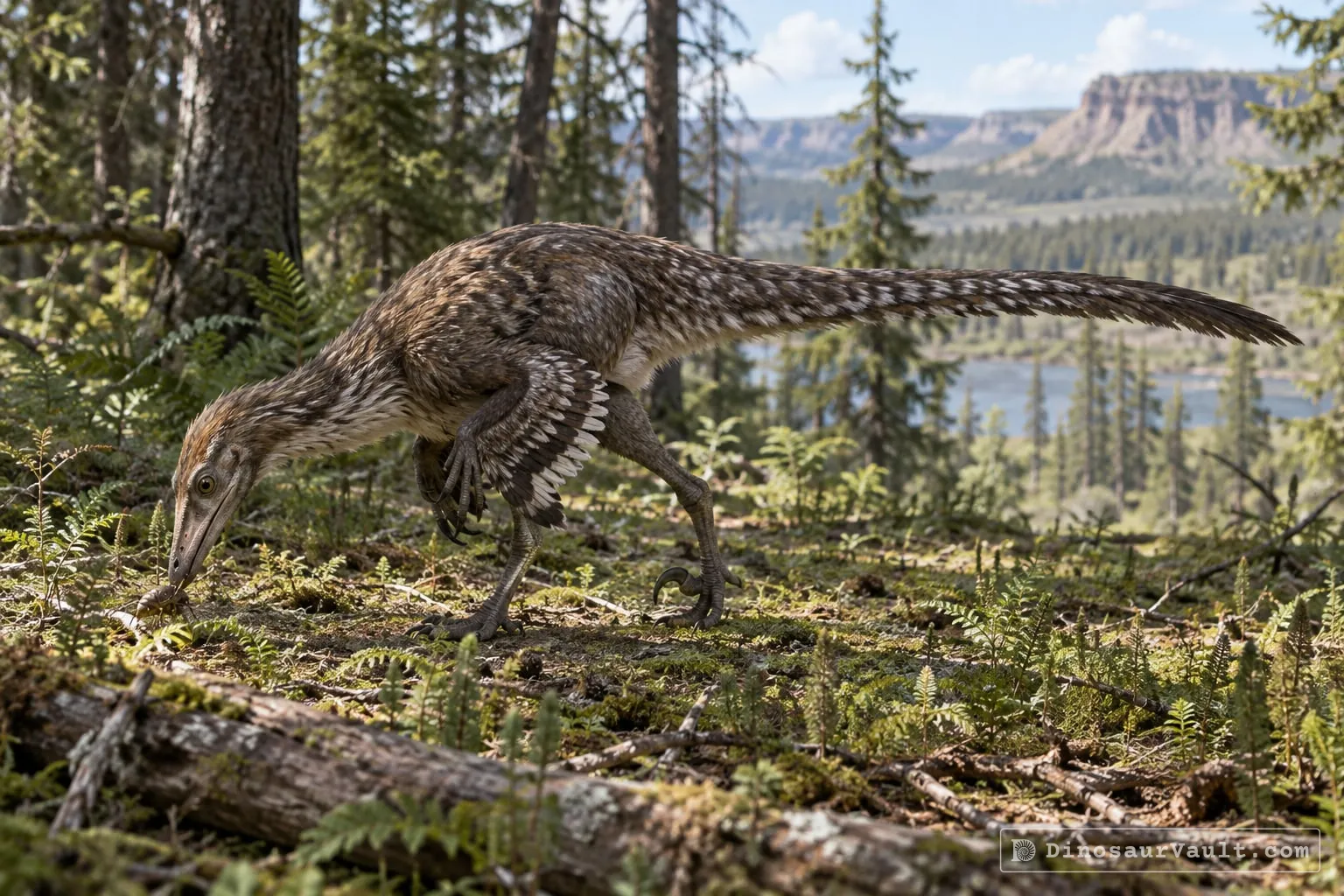
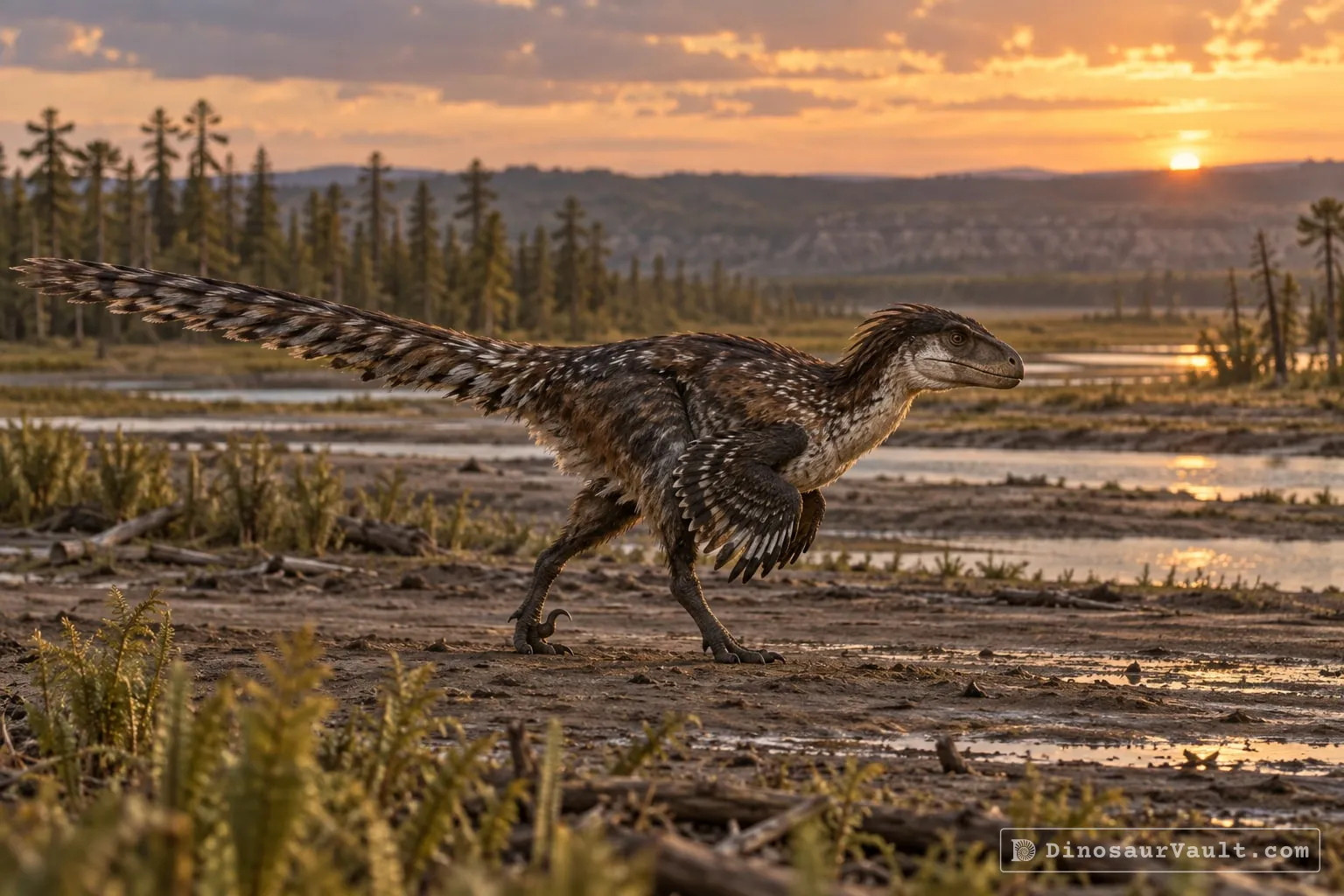
Hesperonychus was a tiny feathered hunter, about 1 meter (3 feet) long and probably no heavier than a chicken. It was a close relative of Microraptor. It is one of the smallest meat-eating dinosaurs known from North America, and it probably hunted insects, lizards and small mammals.
Its world
It lived in the Late Cretaceous in what is now Alberta, Canada. Its bones come from the Dinosaur Park Formation, where it lived alongside Troodon, the tyrannosaur Gorgosaurus and plant eaters such as Corythosaurus and Chasmosaurus.
How it was found
Longrich and Currie named it in 2009. It is known from hip bones and several toe claws.
Field gallery
More views of Hesperonychus
Scenes reconstructed from the available fossil evidence.
Lived alongside
Found in the same rock formations
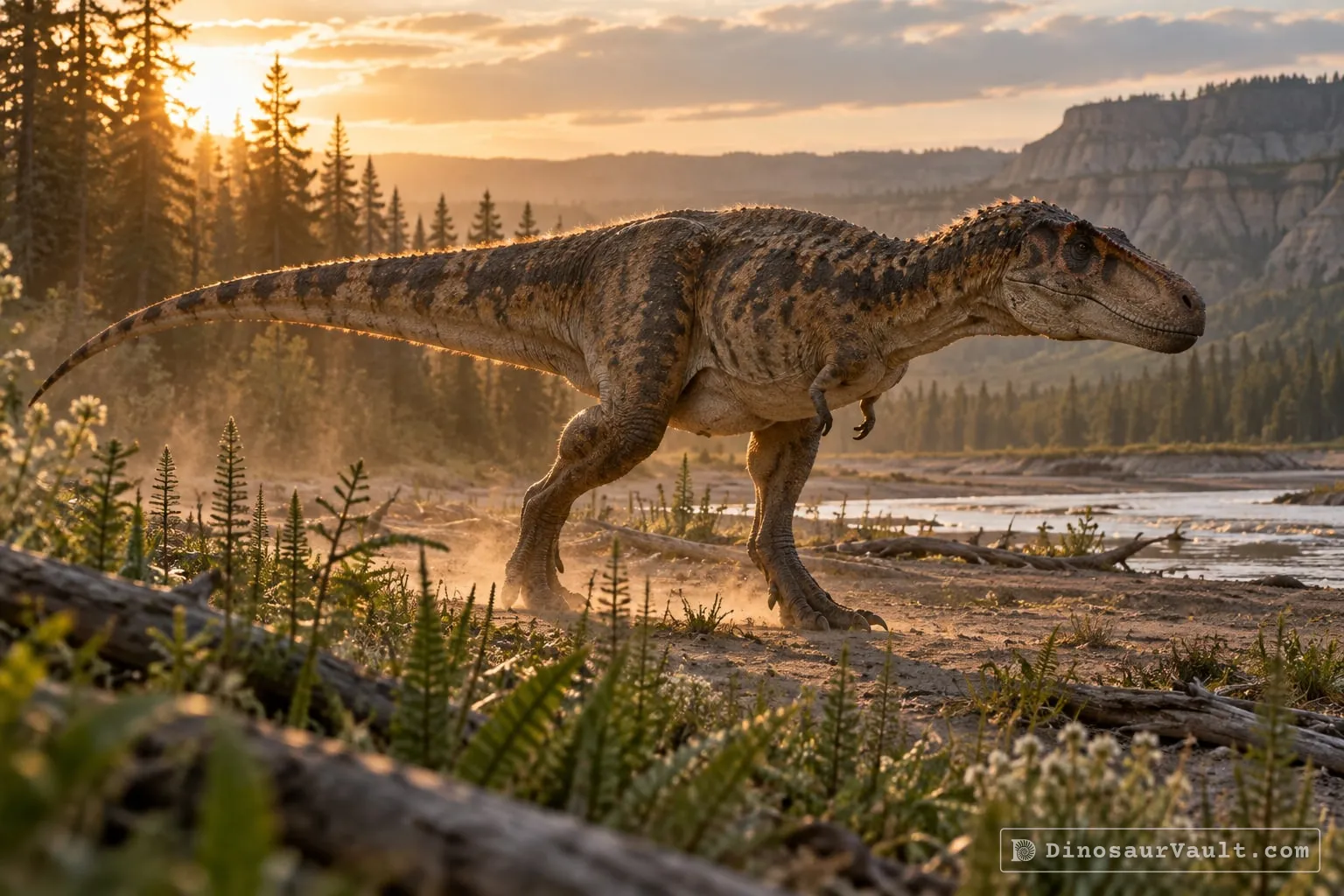
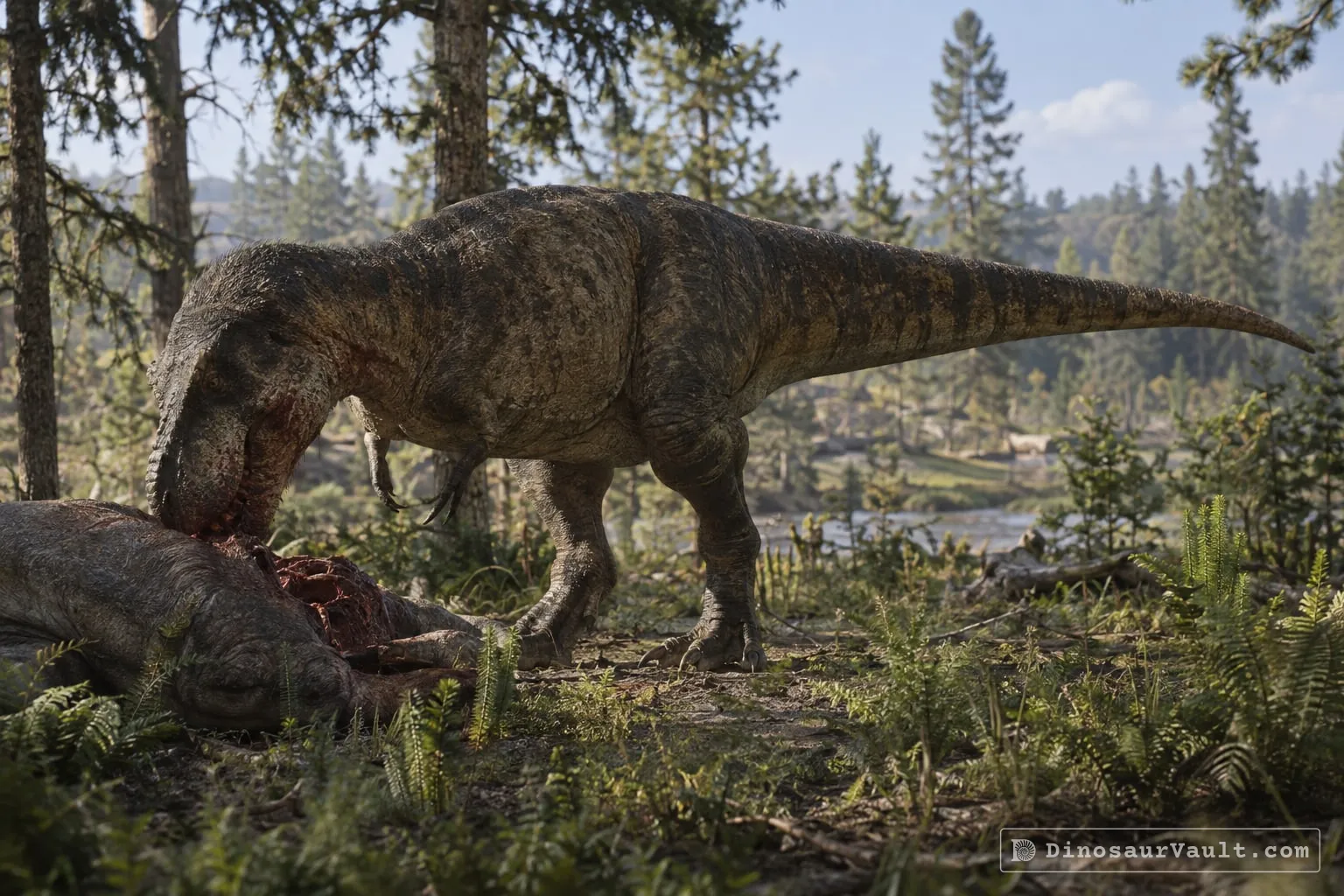
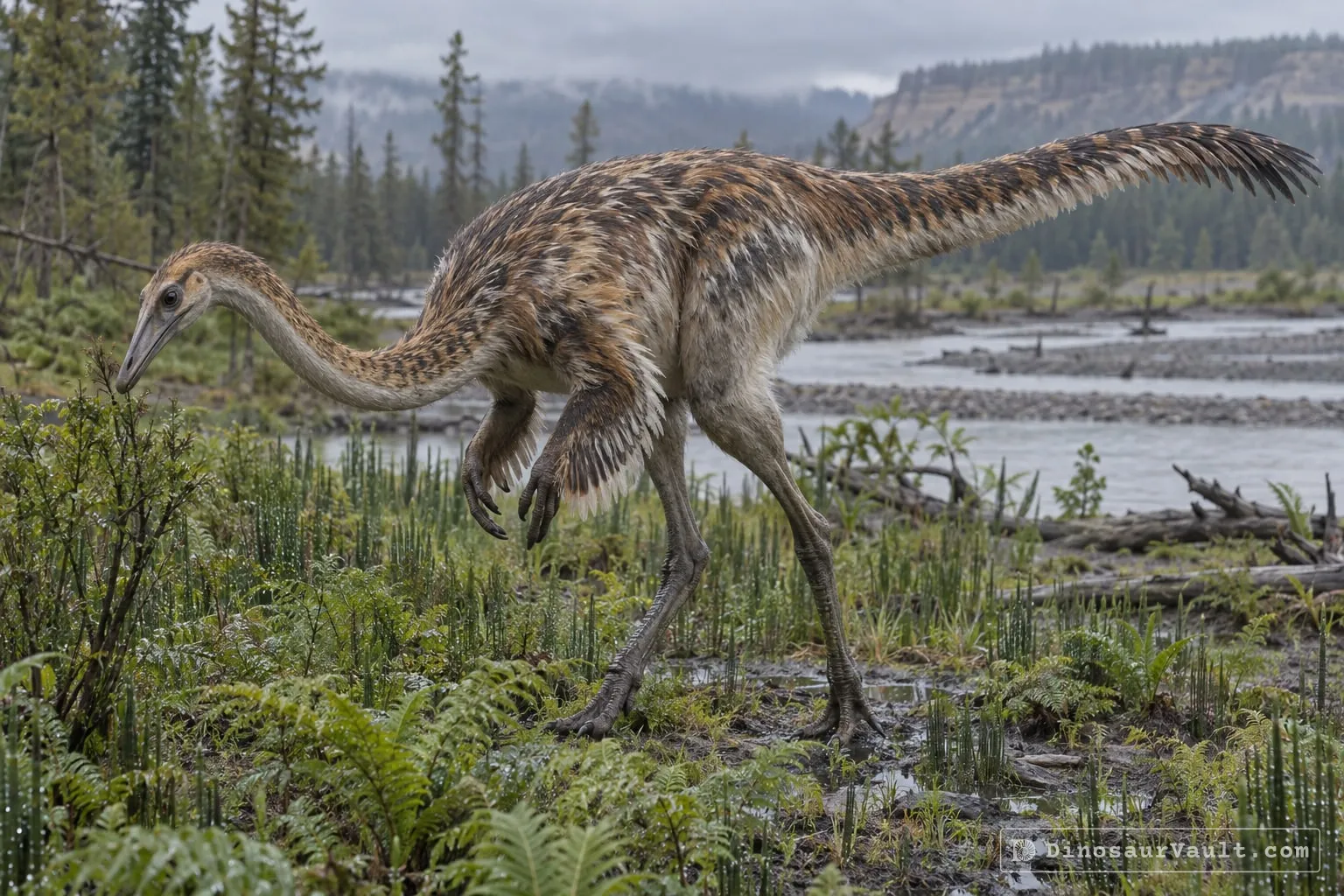
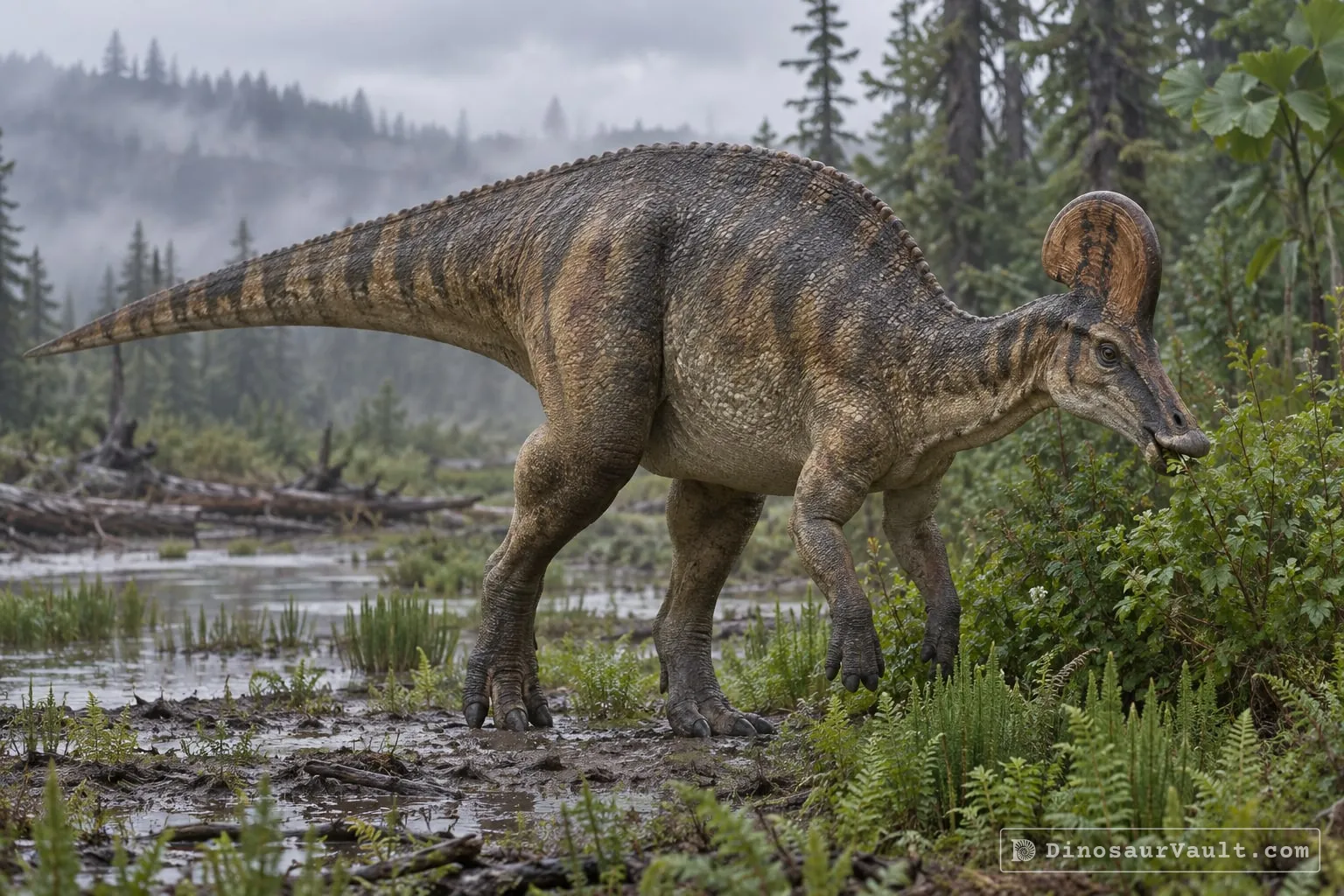
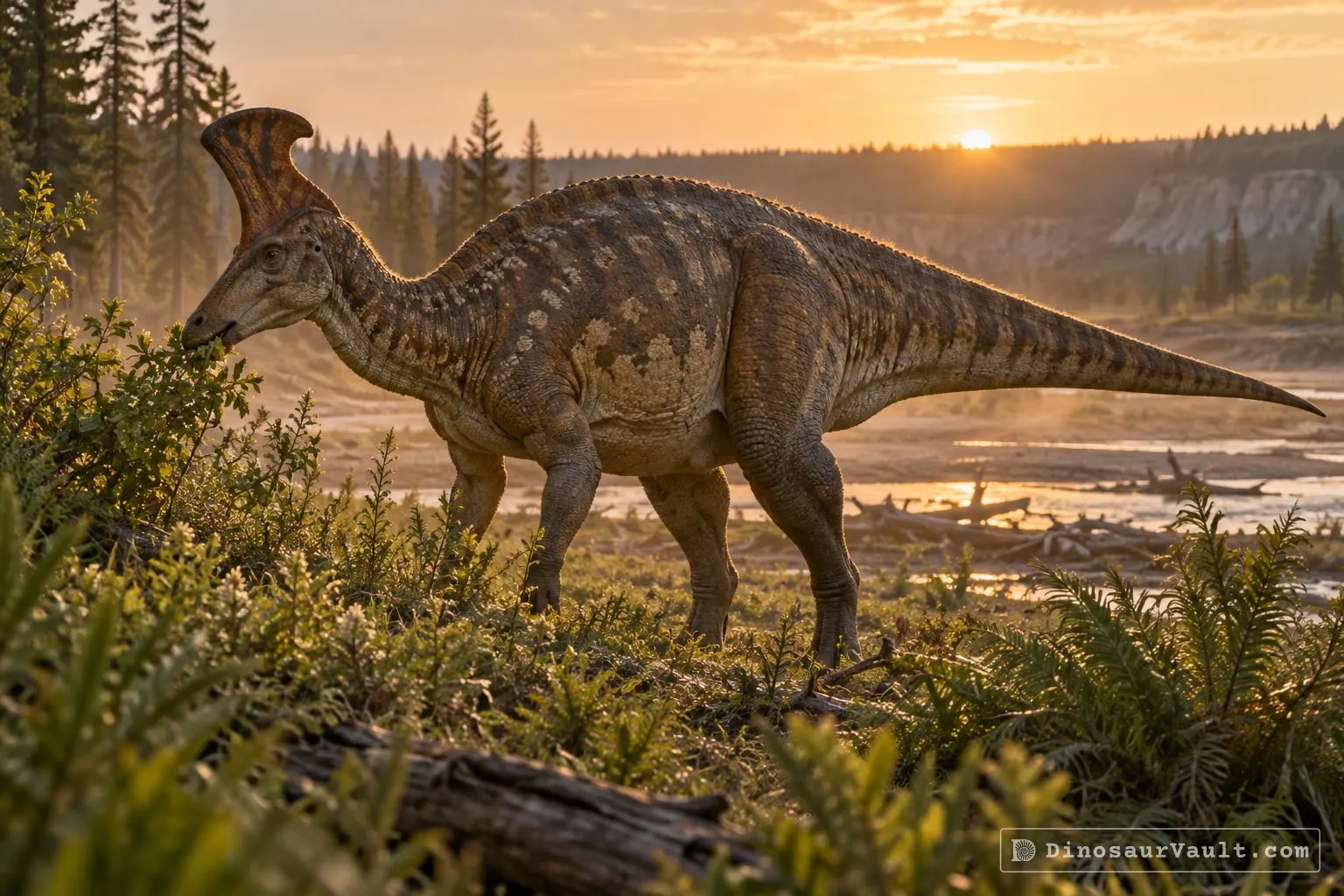
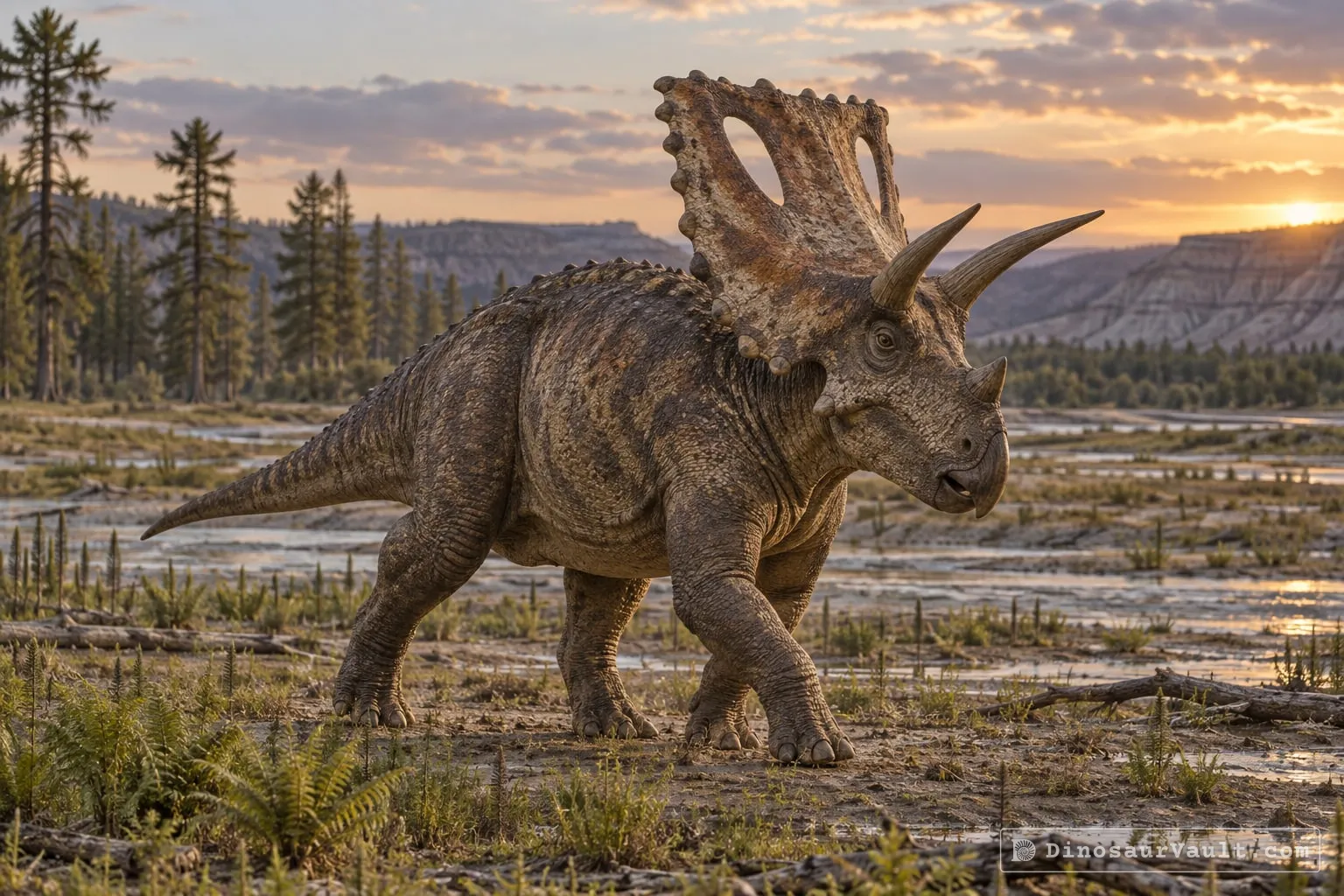


A rock formation can hold fossils laid down millions of years apart, so not every animal here met Hesperonychus.
The evidence
The science behind Hesperonychus
Which parts of the picture come from its own bones, and which come from its relatives.
From its own fossils
- The original fossil is a partial pelvis with distinctive shapes in the hip bones.
- Fused hip bones show that this small individual had reached bodily maturity.
Borrowed from relatives
- Sinornithosaurus provides a comparison for the missing head, arms, legs and tail.
- Branched feathers in Sinornithosaurus support restoring Hesperonychus with a feathered coat.
Still unknown
- Whether the isolated toe bones and claws assigned to it really belong to Hesperonychus.
- Whether it had long wing feathers or could fly.
- Its feather colors and exact body proportions.
Often drawn wrong
- A bare, lizard-like body ignores the feathered covering known in its close relatives.
- Its small size should not make it a baby version of a larger raptor: the original pelvis came from a mature animal.
Discovery timeline
- 2001Close relativeXu & Wu
- 2001Close relativeXu, Zhou & Prum
- 2009Named itLongrich & Currie
Key papers
The research behind what we know of Hesperonychus
Close relative
Described the lightly built skull of Sinornithosaurus, providing a comparison for the missing head of Hesperonychus.
Cranial morphology of Sinornithosaurus millenii Xu et al. 1999 (Dinosauria: Theropoda: Dromaeosauridae) from the Yixian Formation of Liaoning, China. Canadian Journal of Earth Sciences 38: 1739-1752
Read the paper : Cranial morphology of Sinornithosaurus millenii Xu et al. 1999 (Dinosauria: Theropoda: Dromaeosauridae) from the Yixian Formation of Liaoning, China (opens in a new tab)Close relative
Found branched feather structures in Sinornithosaurus, supporting a feathered coat in its relative Hesperonychus.
Branched integumental structures in Sinornithosaurus and the origin of feathers. Nature 410: 200-204
Read the paper : Branched integumental structures in Sinornithosaurus and the origin of feathers (opens in a new tab)Named it
Named Hesperonychus from a mature pelvis and identified it as a tiny relative of Microraptor and Sinornithosaurus.
A microraptorine (Dinosauria–Dromaeosauridae) from the Late Cretaceous of North America. Proceedings of the National Academy of Sciences 106: 5002-5007
Read the paper : A microraptorine (Dinosauria–Dromaeosauridae) from the Late Cretaceous of North America (opens in a new tab)
Close relatives
Other members of Dromaeosauridae


Sources: Wikidata