Drusilasaura
Type species Drusilasaura deseadensis
- Lived
- 101 to 90 million years ago, Late Cretaceous
- Diet
- Herbivore
- Group
- Sauropods
- Found in
- Argentina
- Named by
- Navarrete et al. 2011
Where its fossils were found
The evidence
Today

95 million years ago
Habitat
It lived in what is now southern Argentina, in a region with river floodplains. The Bajo Barreal Formation also preserves Epachthosaurus, Sarmientosaurus and Xenotarsosaurus.
Field notes
About Drusilasaura
What it was like
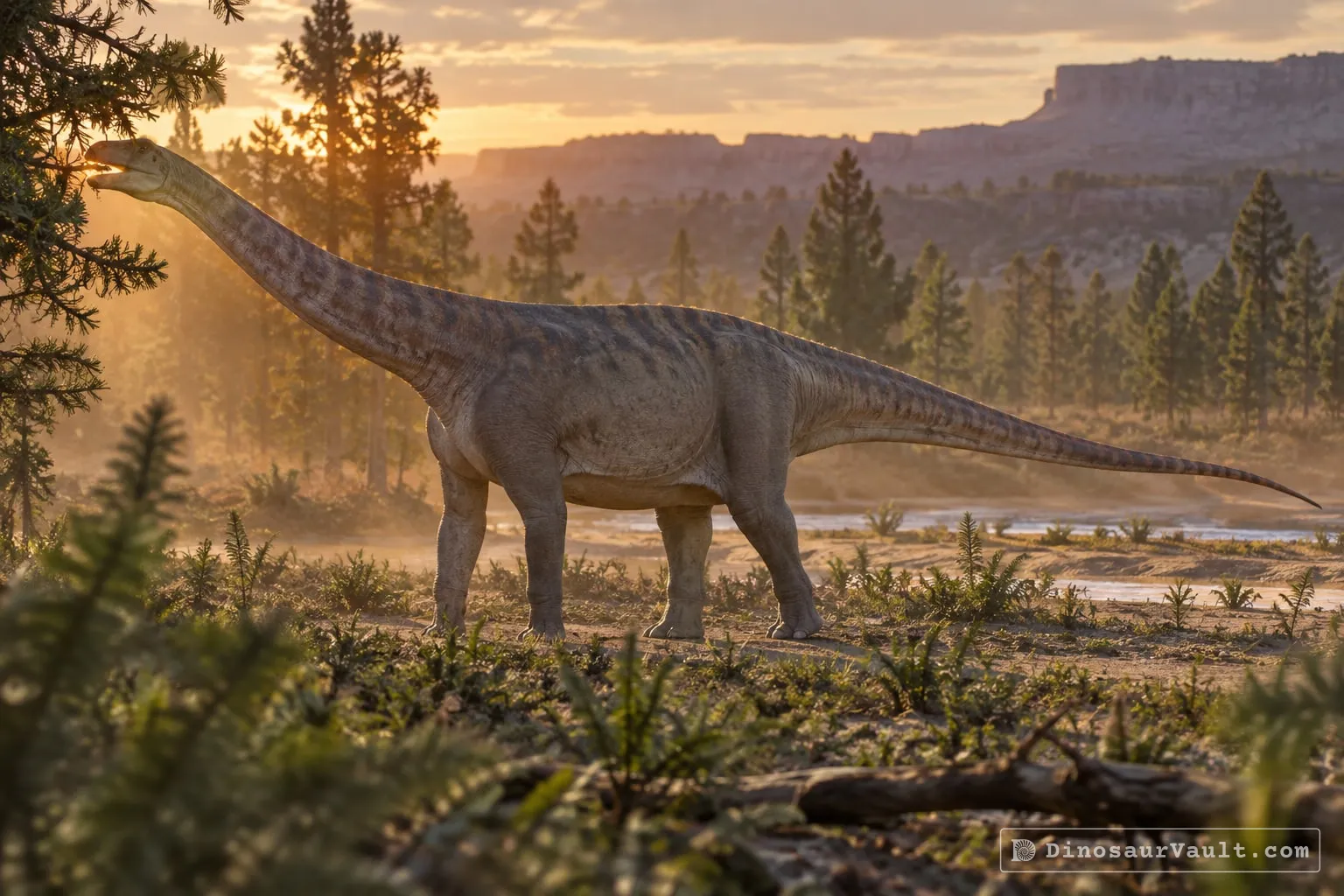
Drusilasaura was a titanosaur, a long-necked plant eater. It is known from bones of the back, ribs and a shoulder blade.
Its world
It lived in the Late Cretaceous in the far south of what is now Argentina. Its bones come from the Bajo Barreal Formation, where it shared the land with the titanosaurs Epachthosaurus and Sarmientosaurus and the predator Xenotarsosaurus.
How it was found
Navarrete and colleagues named it in 2011. The type species is Drusilasaura deseadensis.
Field gallery
More views of Drusilasaura
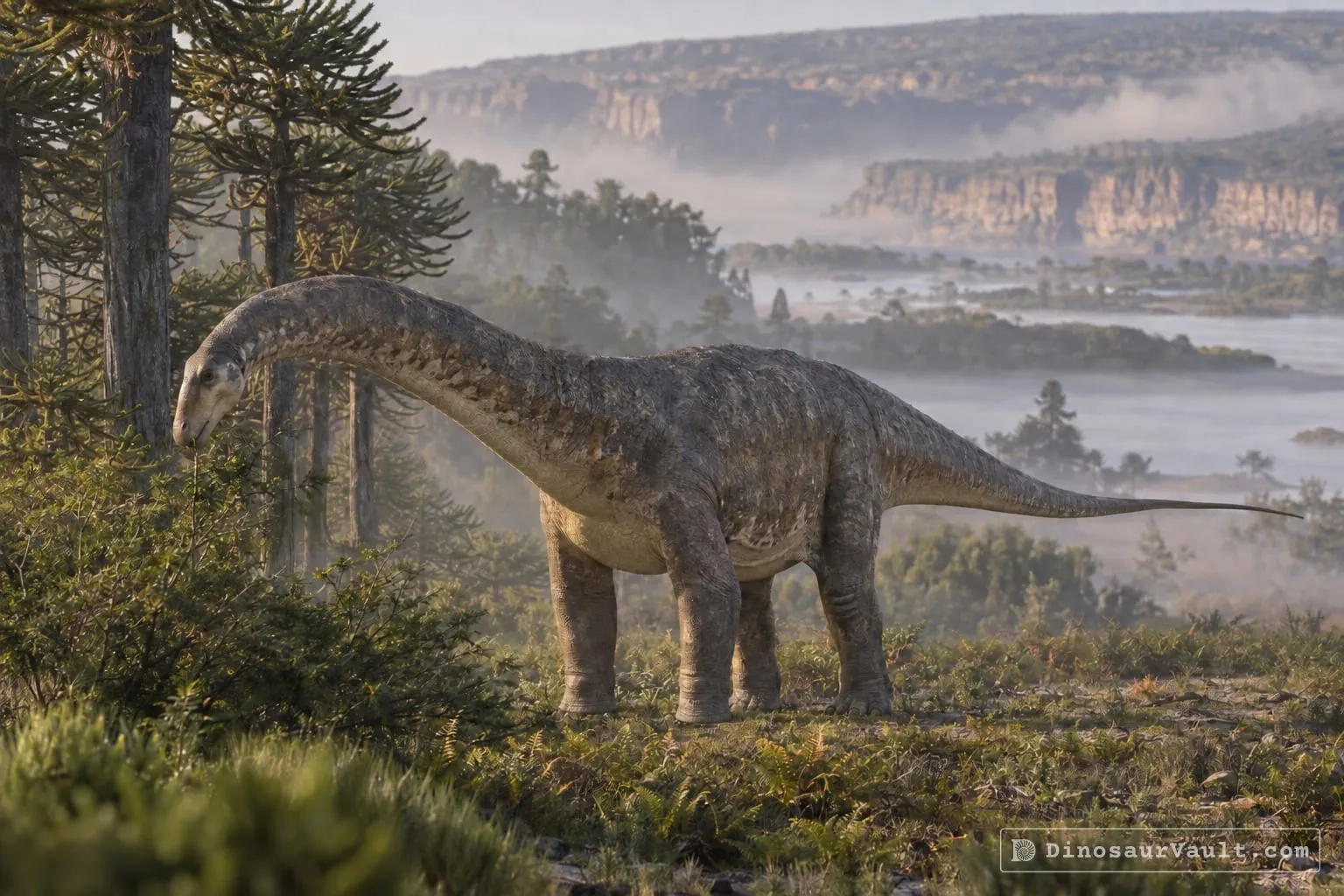
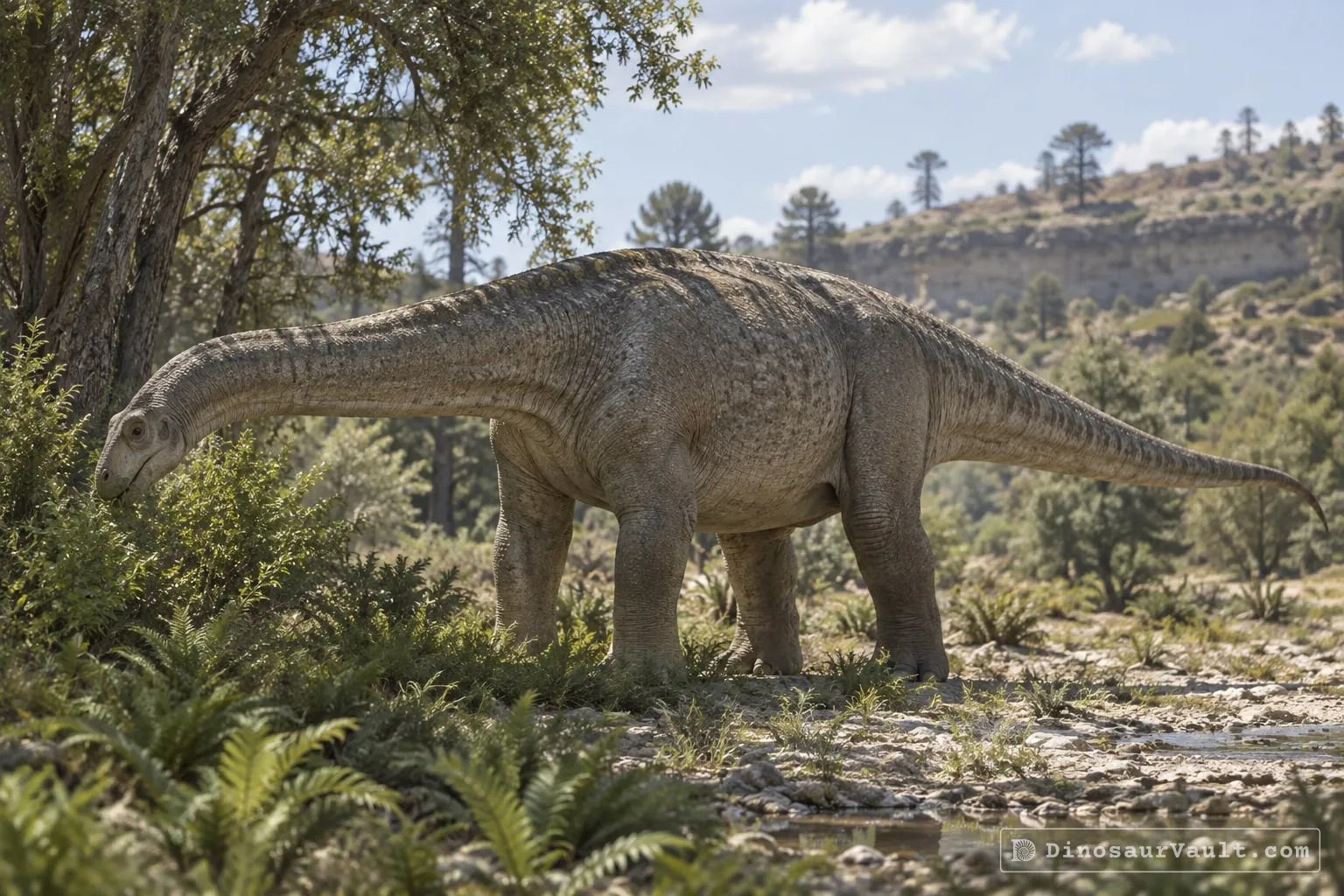
Scenes reconstructed from the available fossil evidence.
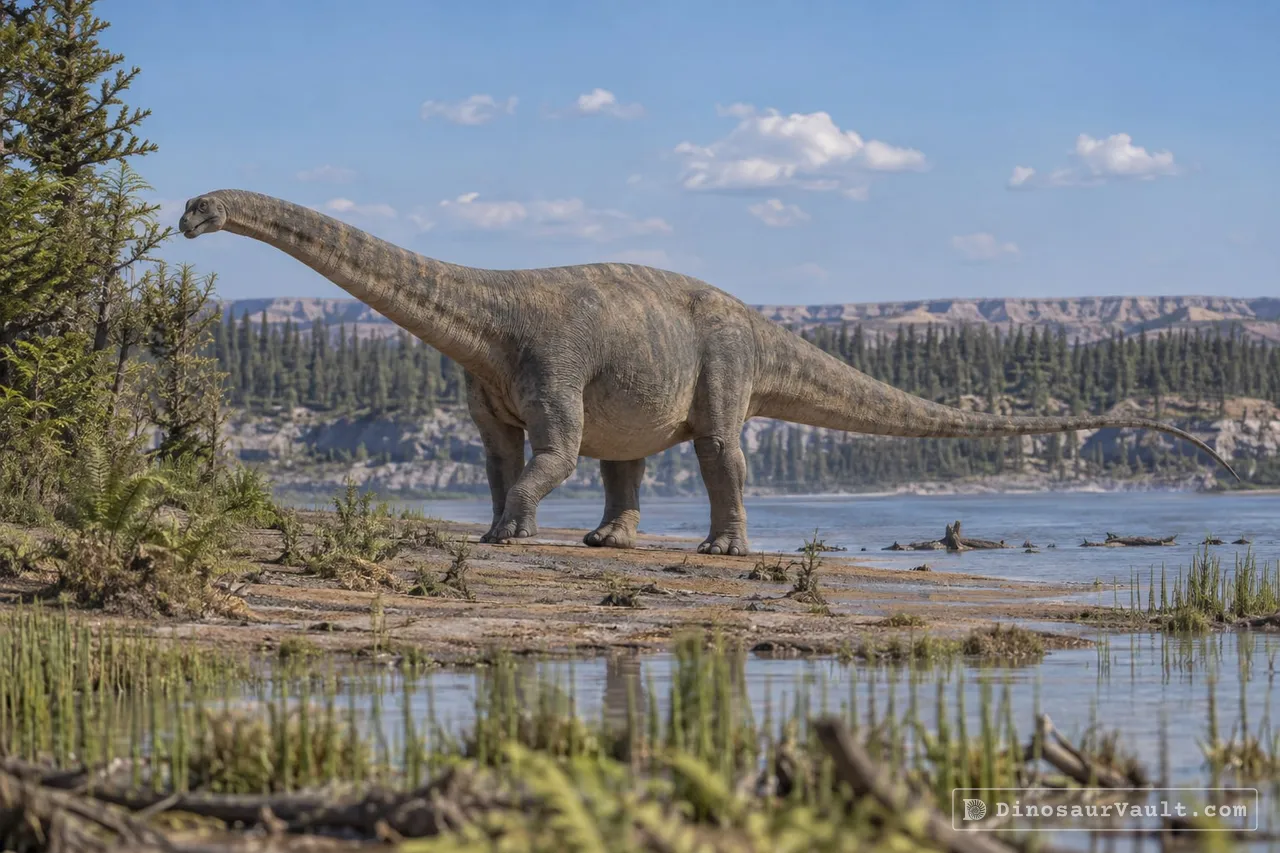
Lived alongside
Found in the same rock formations
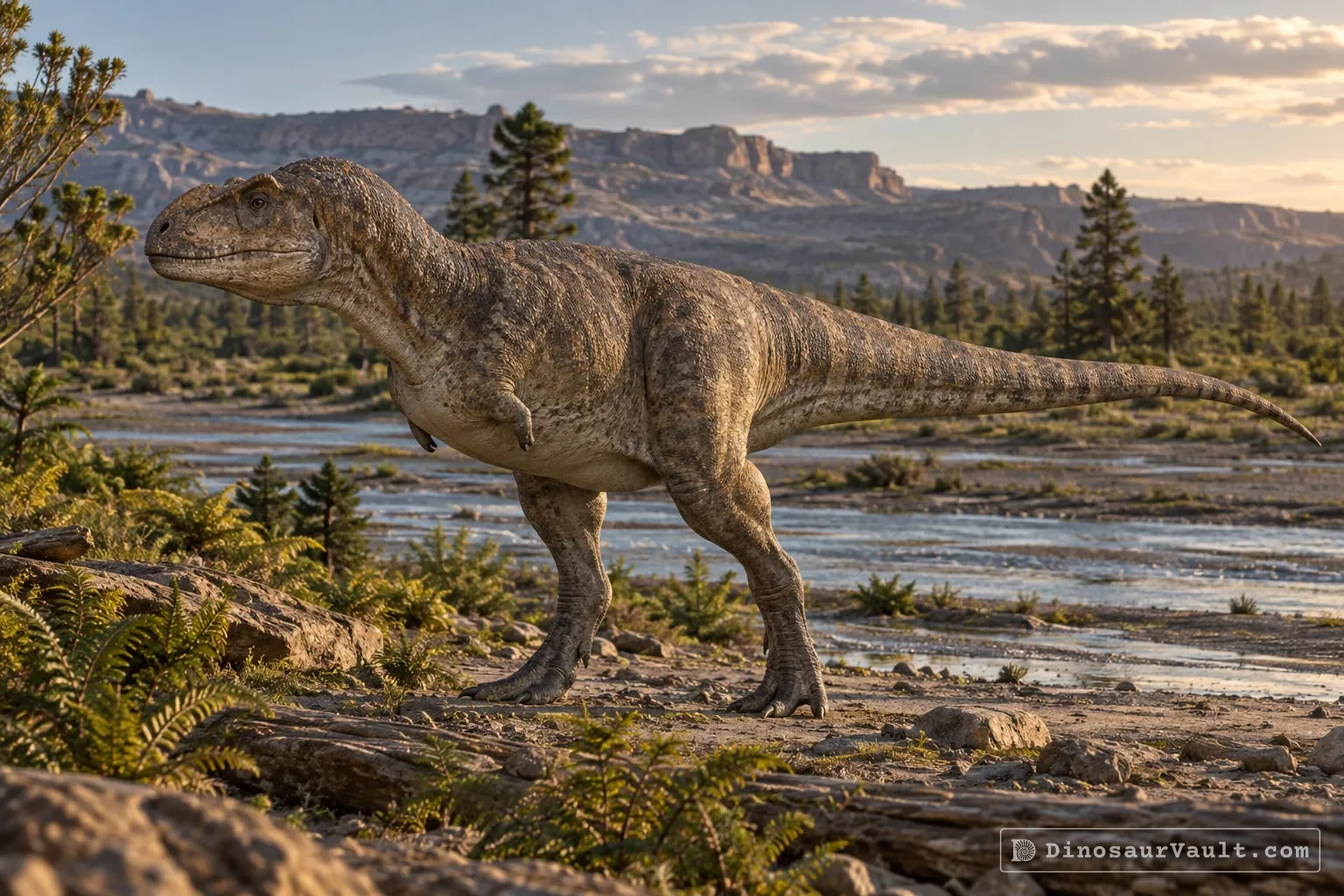
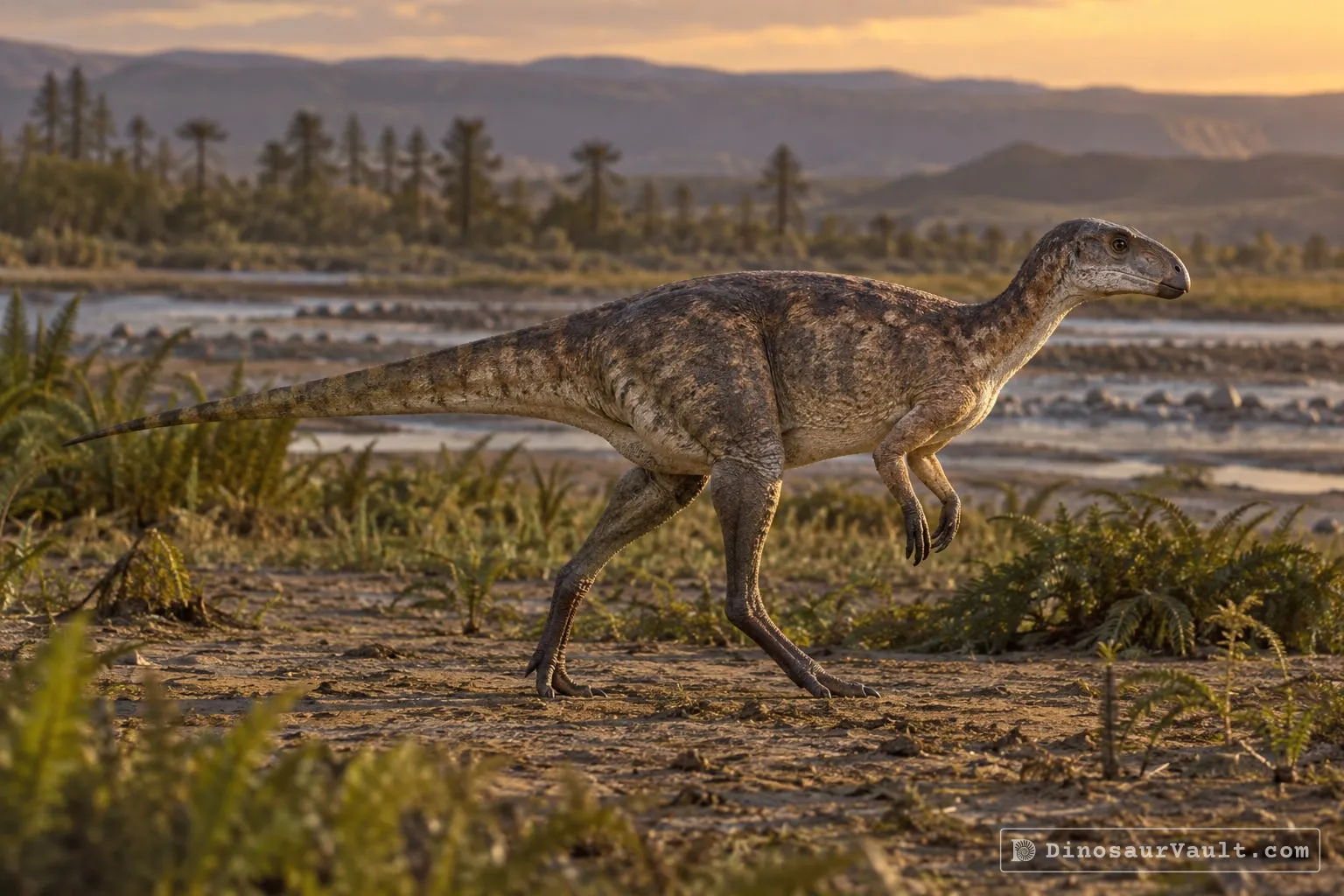
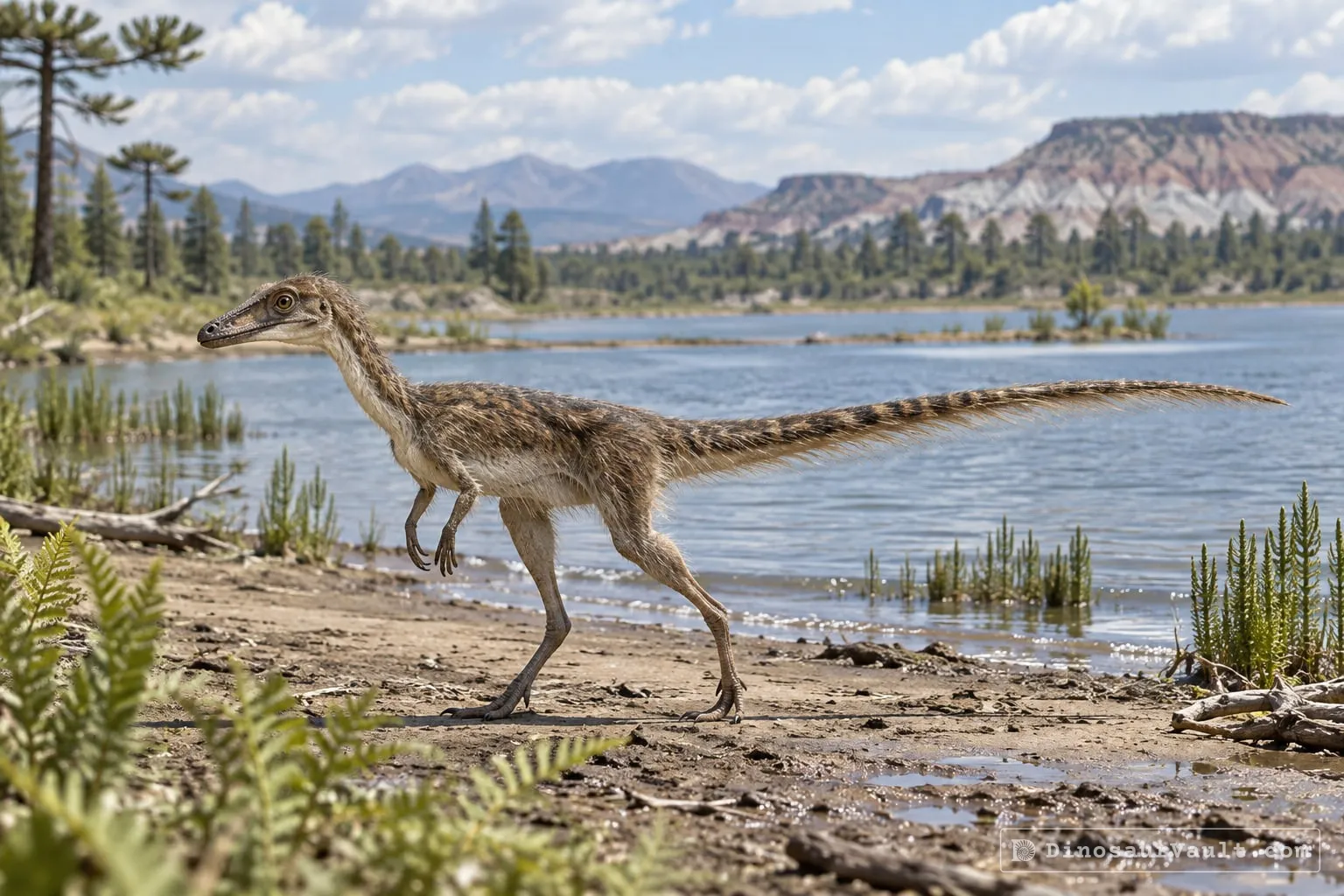


A rock formation can hold fossils laid down millions of years apart, so not every animal here met Drusilasaura.
The evidence
The science behind Drusilasaura
Which parts of the picture come from its own bones, and which come from its relatives.
From its own fossils
- The partial type skeleton preserves back, hip and tail vertebrae, a left shoulder blade, rib fragments and incomplete bones from beneath the tail.
- The front tail vertebrae have broad spines that expand sideways and deep hollows between their joints.
- The left shoulder blade is broad near the shoulder joint and narrows along its blade.
Borrowed from relatives
- Its missing skull is compared with Tapuiasaurus and its missing neck with the partly preserved neck of Mendozasaurus.
- The naming study compared its broad tail spines with those of Mendozasaurus and Futalognkosaurus.
Still unknown
- The shape of its skull and the proportions of its neck and limbs.
- Its color and skin covering.
- Studies disagree about whether it belongs to the group that includes Mendozasaurus and Futalognkosaurus.
Discovery timeline
- 2011Named itNavarrete, Casal & Martínez
- 2016Same rocksMartínez et al.
- 2017Family treeCarballido et al.
- 2018Family treeGonzàlez Riga et al.
Key papers
The research behind what we know of Drusilasaura
Named it
Described a large titanosaur from vertebrae, ribs and a shoulder blade, and suggested a relationship with Mendozasaurus and Futalognkosaurus.
Drusilasaura deseadensis gen. et sp. nov., un nuevo titanosaurio (Dinosauria-Sauropoda), de la Formación Bajo Barreal, Cretácico Superior del norte de Santa Cruz, Argentina. REVISTA BRASILEIRA DE PALEONTOLOGIA 14: 1-14
Read the paper : Drusilasaura deseadensis gen. et sp. nov., un nuevo titanosaurio (Dinosauria-Sauropoda), de la Formación Bajo Barreal, Cretácico Superior del norte de Santa Cruz, Argentina (opens in a new tab)Same rocks
Described the skull and neck of Sarmientosaurus from the same formation, showing that its titanosaurs had different skull shapes.
A Basal Lithostrotian Titanosaur (Dinosauria: Sauropoda) with a Complete Skull: Implications for the Evolution and Paleobiology of Titanosauria. PLOS ONE 11: e0151661
Read the paper : A Basal Lithostrotian Titanosaur (Dinosauria: Sauropoda) with a Complete Skull: Implications for the Evolution and Paleobiology of Titanosauria (opens in a new tab)Family tree
One family-tree analysis placed Drusilasaura among the lognkosaurs, but with weak support.
A new giant titanosaur sheds light on body mass evolution among sauropod dinosaurs. Proceedings of the Royal Society B: Biological Sciences 284: 20171219
Read the paper : A new giant titanosaur sheds light on body mass evolution among sauropod dinosaurs (opens in a new tab)Family tree
Described the skeleton of Mendozasaurus, including its partly preserved neck, a comparison for the missing neck of Drusilasaura.
Osteology of the Late Cretaceous Argentinean sauropod dinosaur Mendozasaurus neguyelap: implications for basal titanosaur relationships. Zoological Journal of the Linnean Society 184: 136-181
Read the paper : Osteology of the Late Cretaceous Argentinean sauropod dinosaur Mendozasaurus neguyelap: implications for basal titanosaur relationships (opens in a new tab)
Close relatives
Other members of Lognkosauria


Sources: Wikidata