Furcatoceratops
"forked horned face"
Type species Furcatoceratops elucidans
- Lived
- 84 to 72 million years ago, Late Cretaceous
- Diet
- Herbivore
- Group
- Ceratopsians, Ceratopsidae
- Found in
- United States
- Named by
- Ishikawa et al. 2023
Where its fossils were found
The evidence
Today

80 million years ago
Habitat
It lived on river floodplains near the Western Interior Seaway, recorded in the Judith River Formation of Montana. Other dinosaurs from these rocks include Gorgosaurus, Daspletosaurus and Corythosaurus.
Field notes
About Furcatoceratops
What it was like
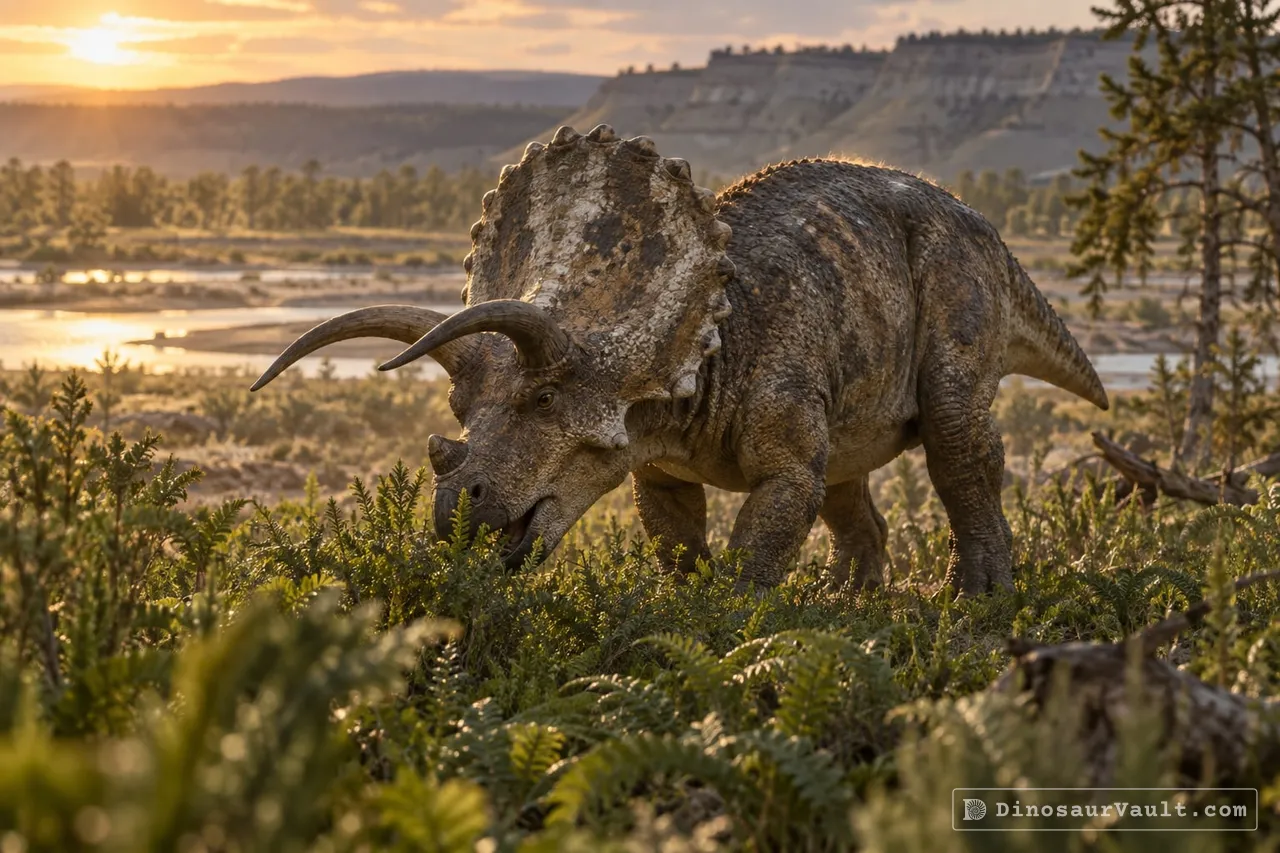
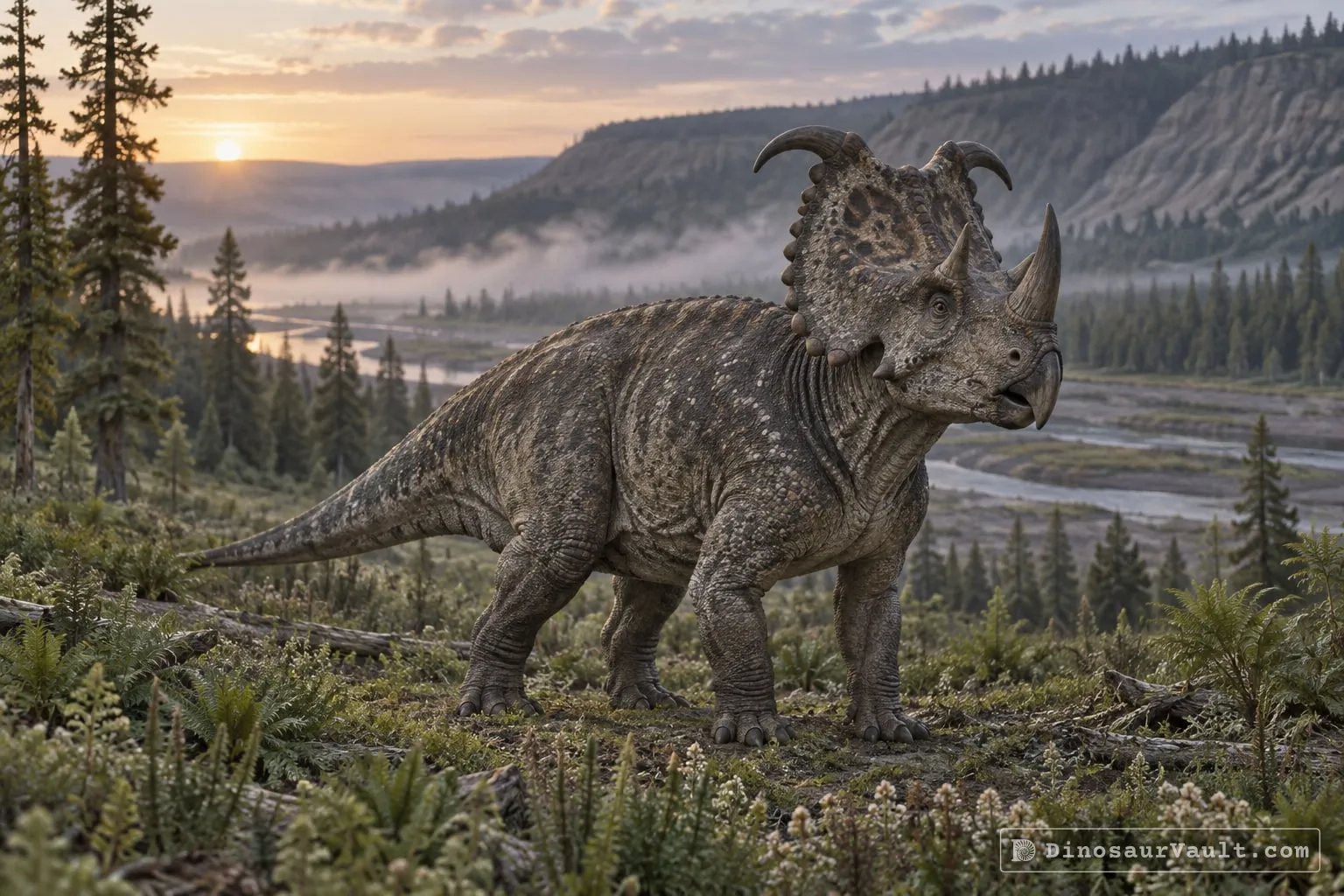
Furcatoceratops was a horned dinosaur, a relative of Nasutoceratops, with long horns over its eyes. It is known from a partial skull and skeleton of a young animal.
Its world
It lived in the Late Cretaceous in what is now Montana, in the United States. Its bones come from the Judith River Formation, where it shared the land with the tyrannosaurs Gorgosaurus and Daspletosaurus and the crested Corythosaurus.
How it was found
Ishikawa and colleagues named Furcatoceratops in 2023, from a single find.
Field gallery
More views of Furcatoceratops
Scenes reconstructed from the available fossil evidence.
1 of 3
Lived alongside
Found in the same rock formations
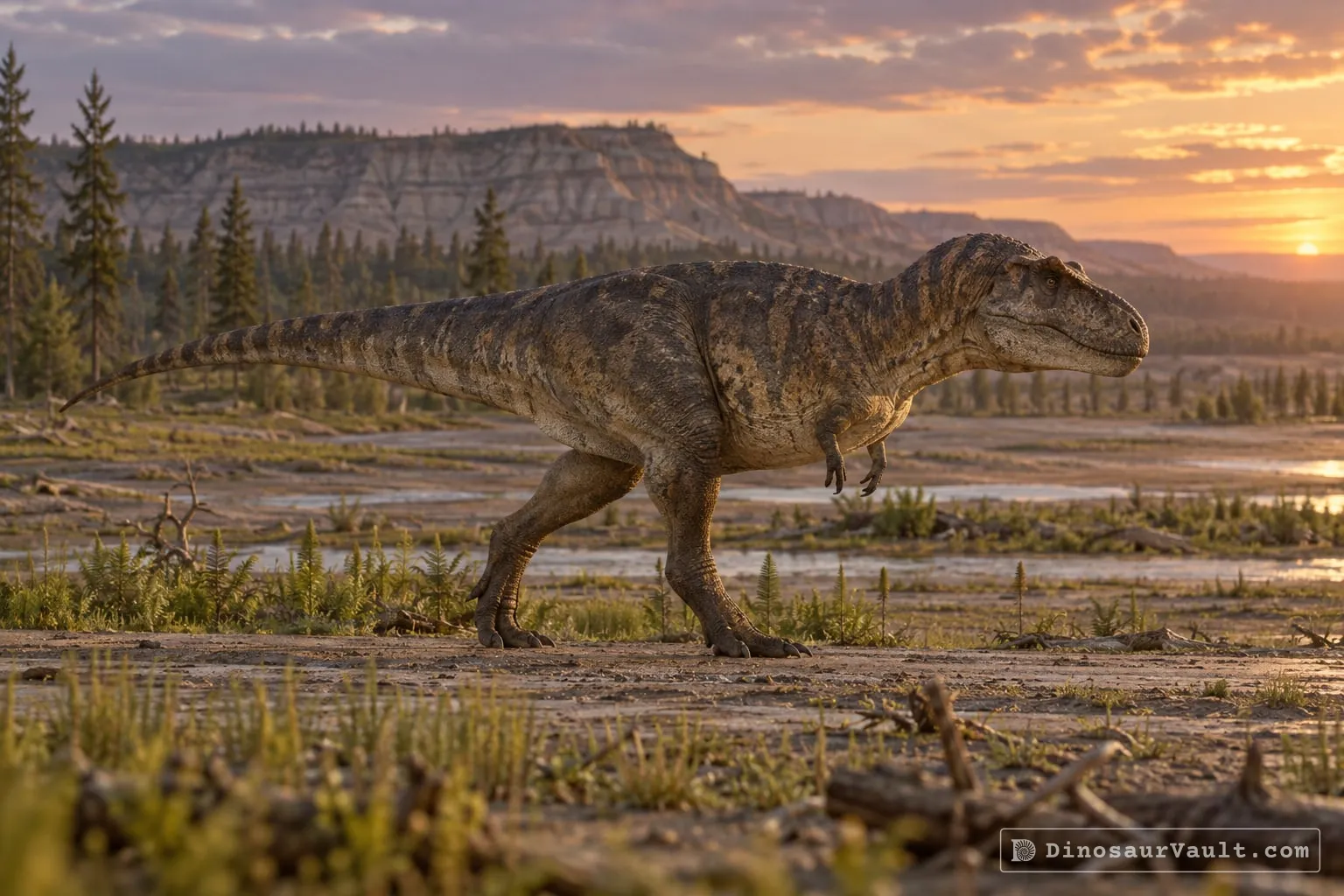
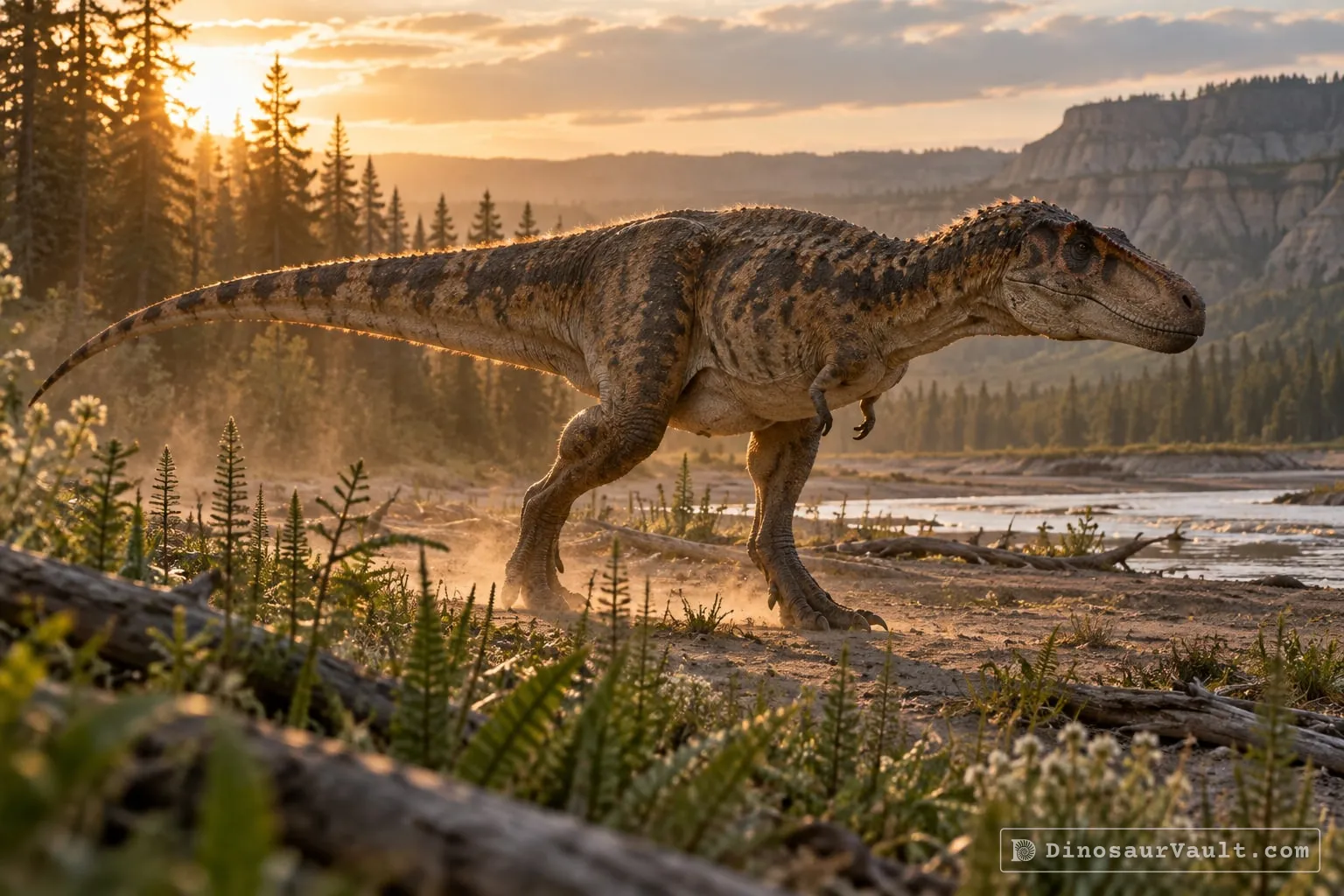
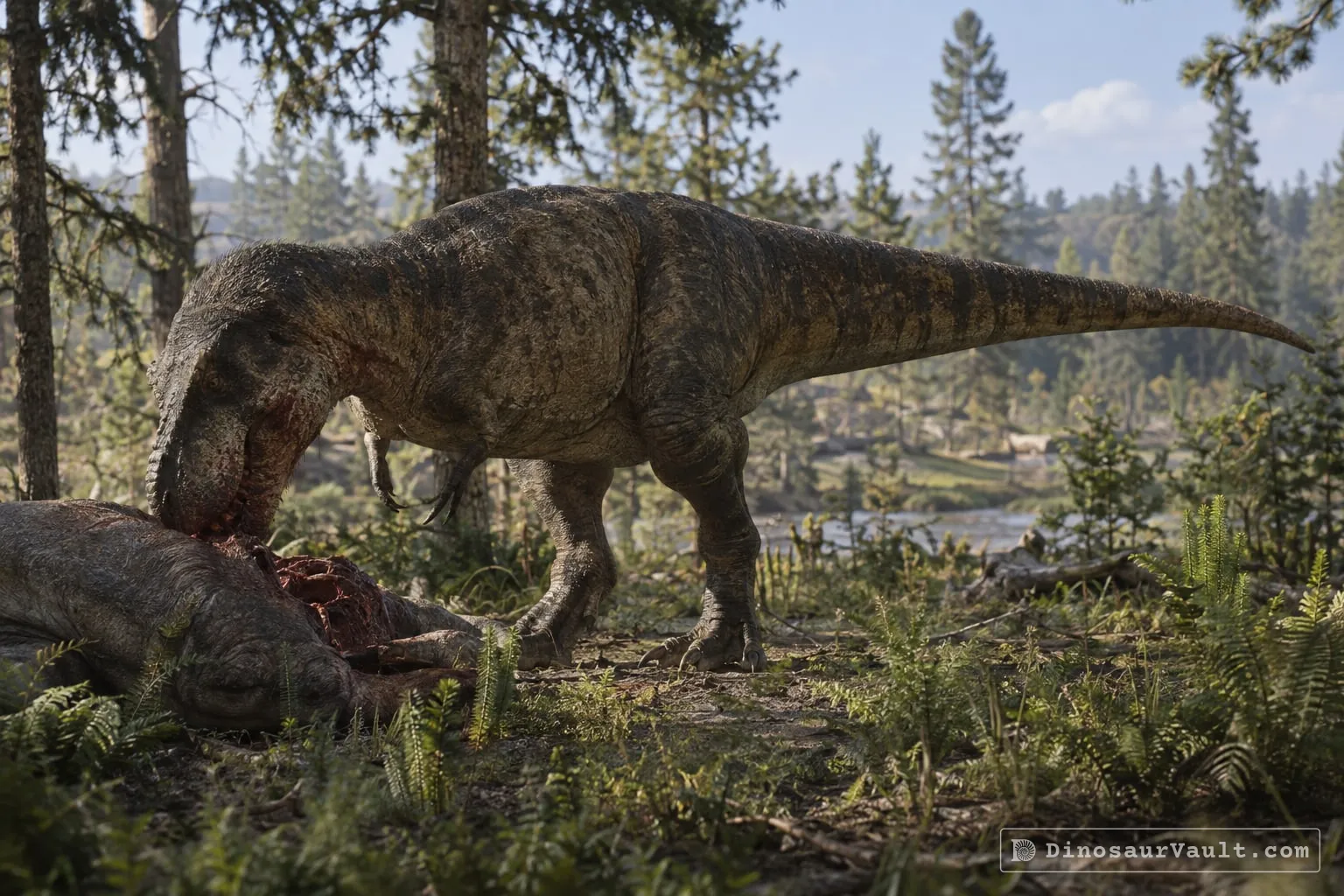
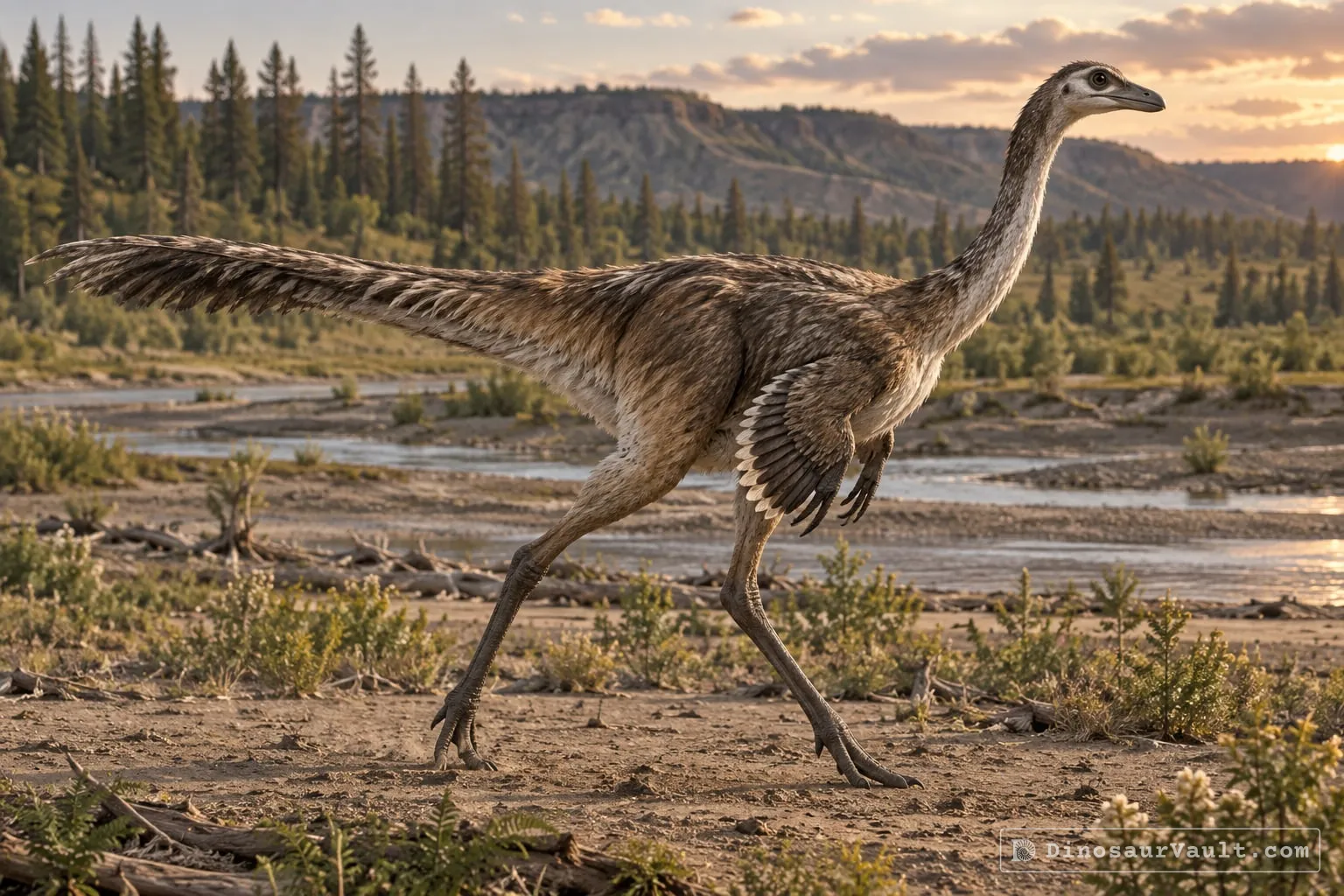
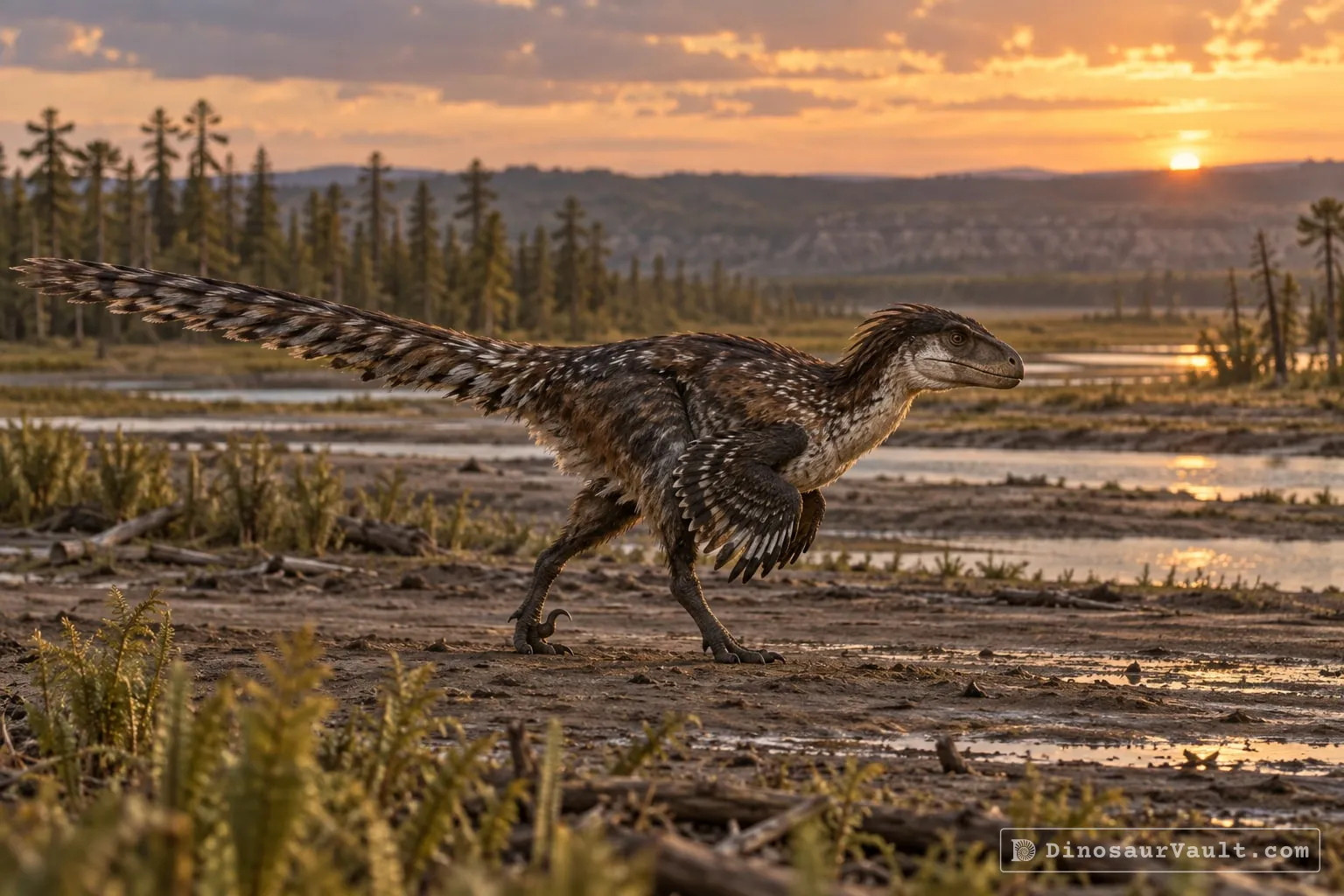
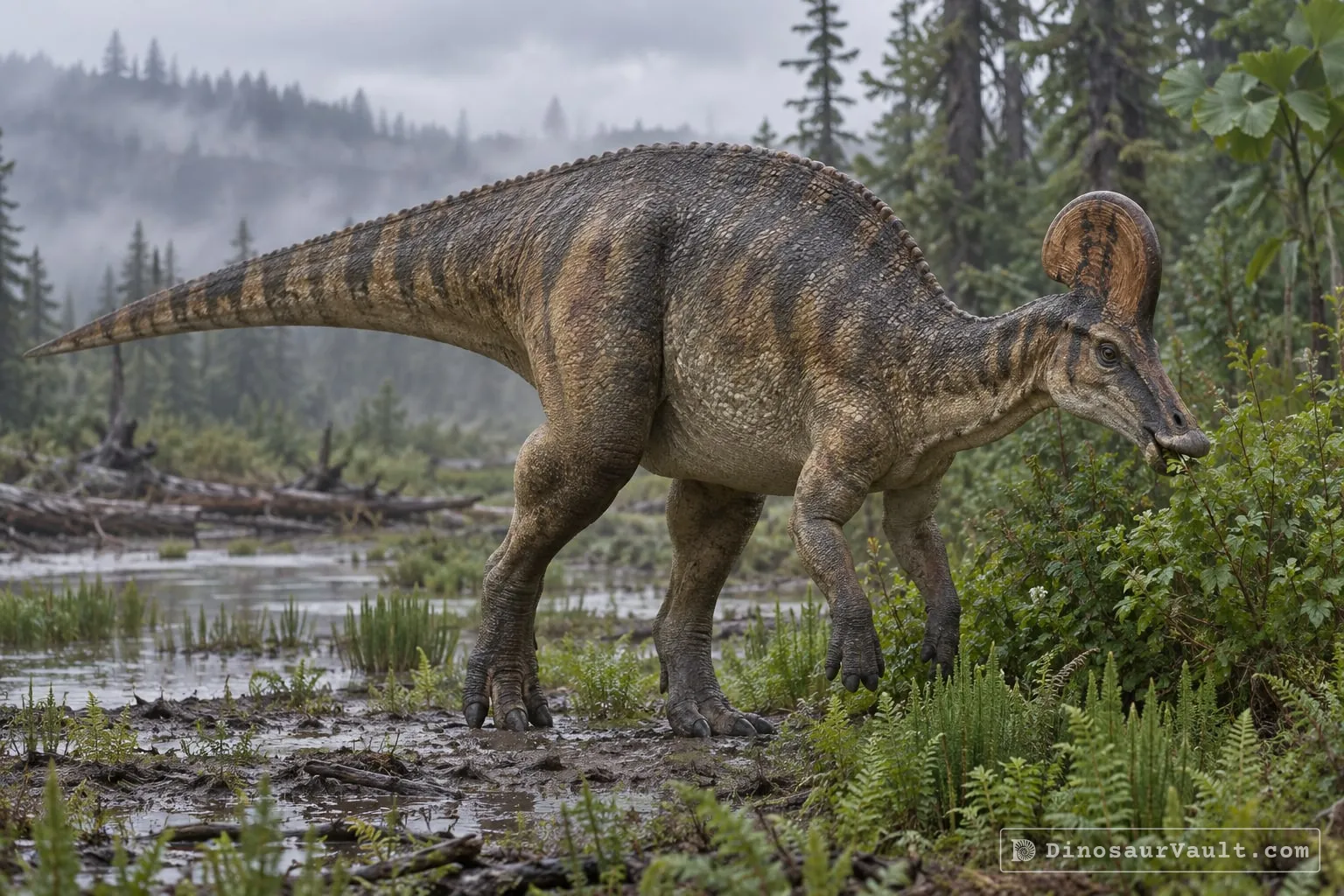


A rock formation can hold fossils laid down millions of years apart, so not every animal here met Furcatoceratops.
The evidence
The science behind Furcatoceratops
Which parts of the picture come from its own bones, and which come from its relatives.
From its own fossils
- A nearly complete skeleton preserves many separate skull bones and vertebrae.
- The horns above the eyes point forward and curve slightly inward.
- Bone textures, microscopic structure and fused joints identify the animal as a subadult.
Borrowed from relatives
- Most of the skeleton is known from its own bones, so little of the body needs to be borrowed from relatives.
- Nasutoceratops provides a close comparison for the skull and its long brow horns.
Still unknown
- The full size and horn shape of a mature adult.
- Its skin colors and patterns.
- Whether it regularly moved in herds.
Discovery timeline
- 2013Close relativeSampson et al.
- 2016Its worldRogers et al.
- 2023Named itIshikawa, Tsuihiji & Manabe
Key papers
The research behind what we know of Furcatoceratops
Close relative
Described Nasutoceratops with its short snout and long brow horns, establishing a close relative useful for comparing Furcatoceratops.
A remarkable short-snouted horned dinosaur from the Late Cretaceous (late Campanian) of southern Laramidia. Proceedings of the Royal Society B: Biological Sciences 280: 20131186
Read the paper : A remarkable short-snouted horned dinosaur from the Late Cretaceous (late Campanian) of southern Laramidia (opens in a new tab)Its world
Revised the formation's rock layers and ages, tracing changes in river channels, floodplain deposits and marine influence.
Age, Correlation, and Lithostratigraphic Revision of the Upper Cretaceous (Campanian) Judith River Formation in Its Type Area (North-Central Montana), with a Comparison of Low- and High-Accommodation Alluvial Records. The Journal of Geology 124: 99-135
Read the paper : Age, Correlation, and Lithostratigraphic Revision of the Upper Cretaceous (Campanian) Judith River Formation in Its Type Area (North-Central Montana), with a Comparison of Low- and High-Accommodation Alluvial Records (opens in a new tab)Named it
Named Furcatoceratops from a nearly complete subadult skeleton with forward-pointing brow horns and a close relationship to Nasutoceratops.
Furcatoceratops elucidans, a new centrosaurine (Ornithischia: Ceratopsidae) from the upper Campanian Judith River Formation, Montana, USA. Cretaceous Research 151: 105660
Read the paper : Furcatoceratops elucidans, a new centrosaurine (Ornithischia: Ceratopsidae) from the upper Campanian Judith River Formation, Montana, USA (opens in a new tab)
Close relatives
Other members of Ceratopsidae


Sources: Wikidata