Outline: a typical ceratopsian
Eotriceratops
"dawn three-horned face"
Type species Eotriceratops xerinsularis
- Lived
- 72 to 66 million years ago, Late Cretaceous
- Diet
- Herbivore
- Group
- Ceratopsians, Ceratopsidae
- Found in
- Canada
- Named by
- Wu et al. 2007
Where its fossils were found
The evidence
Today
70 million years ago
Field notes
About Eotriceratops
What it was like
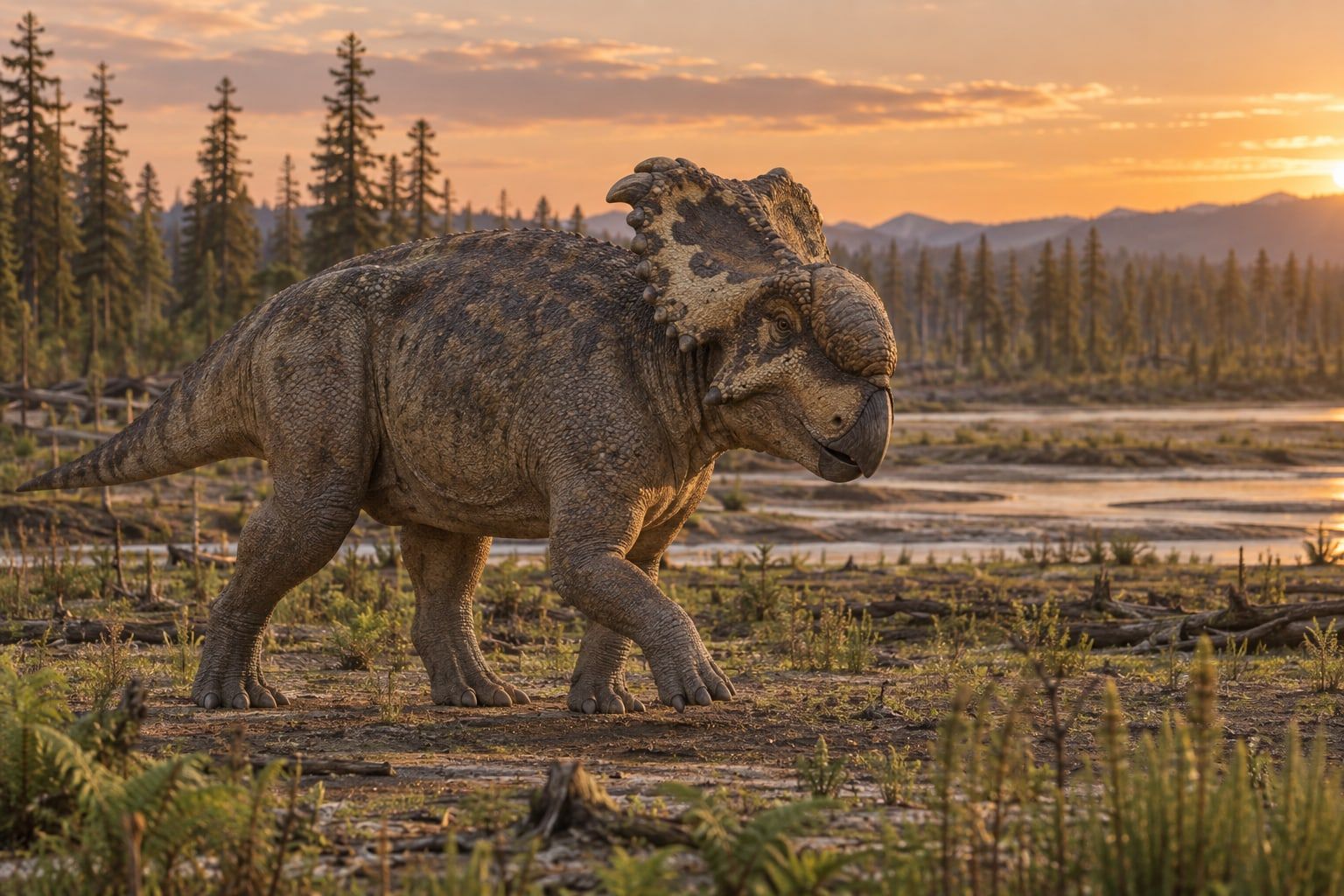
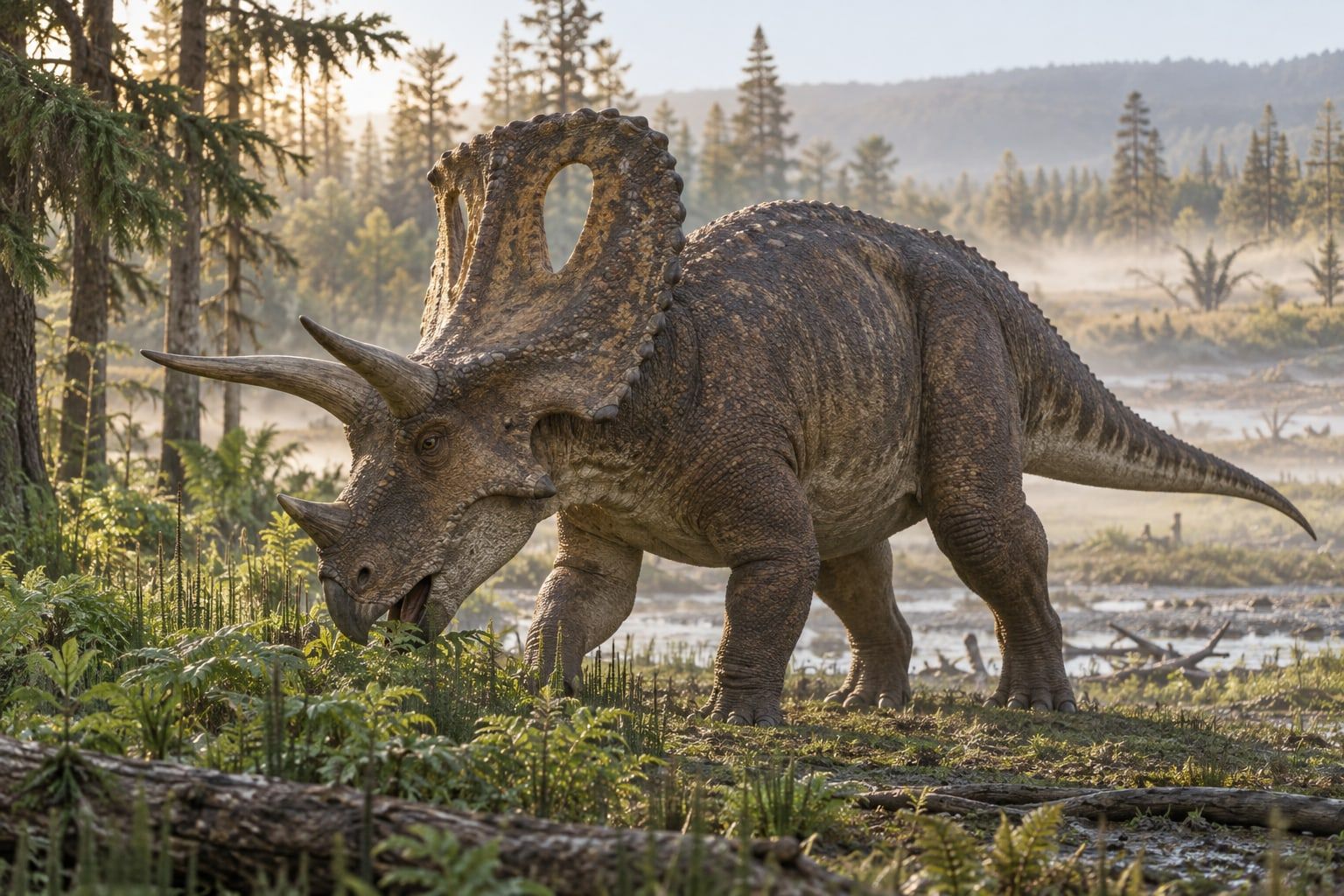
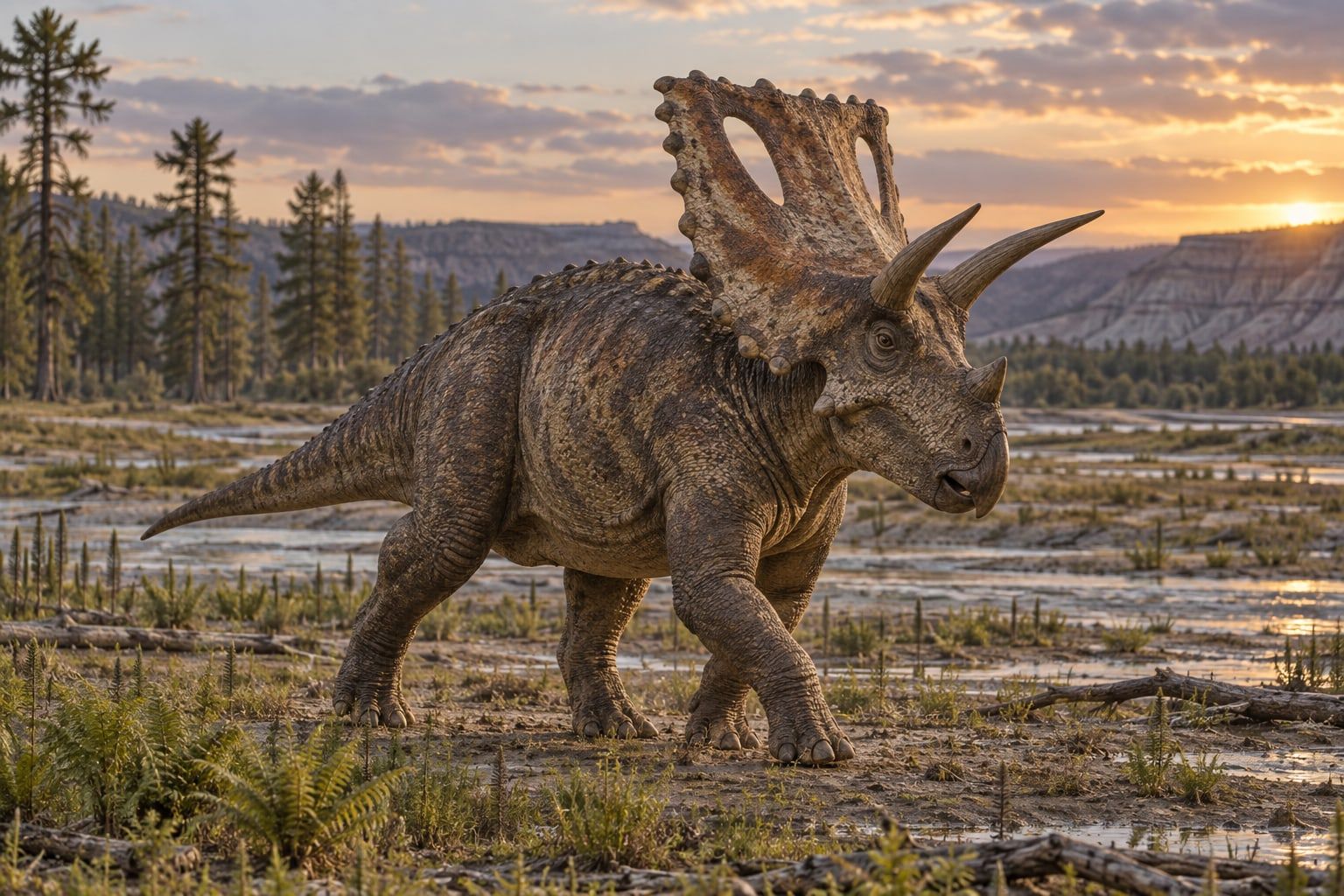
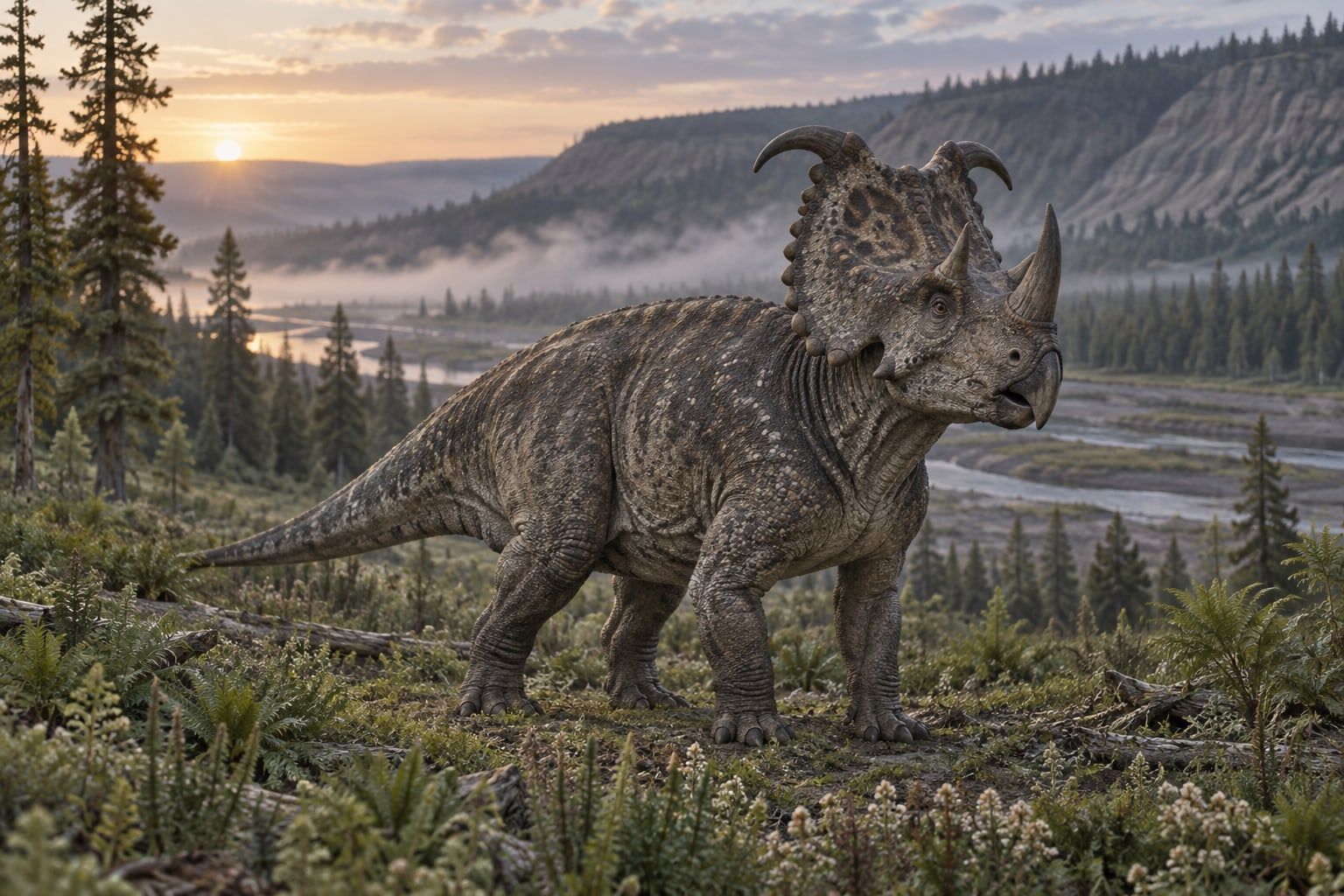
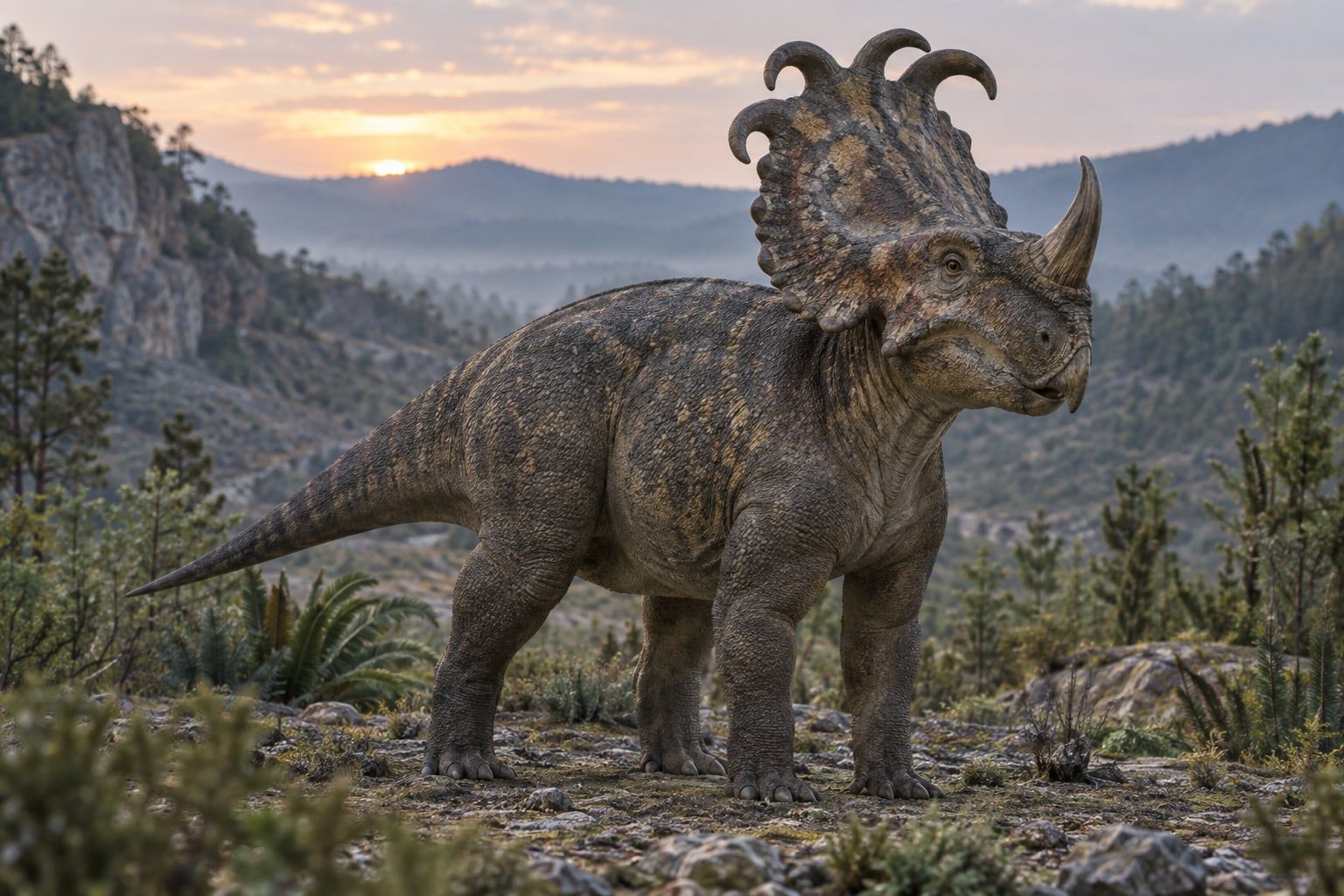
Eotriceratops was a huge horned dinosaur and one of the closest known relatives of Triceratops. It had long horns over its eyes and a big frill, and its skull ranks among the largest of any land animal, although only one partial skull has been found.
Its world
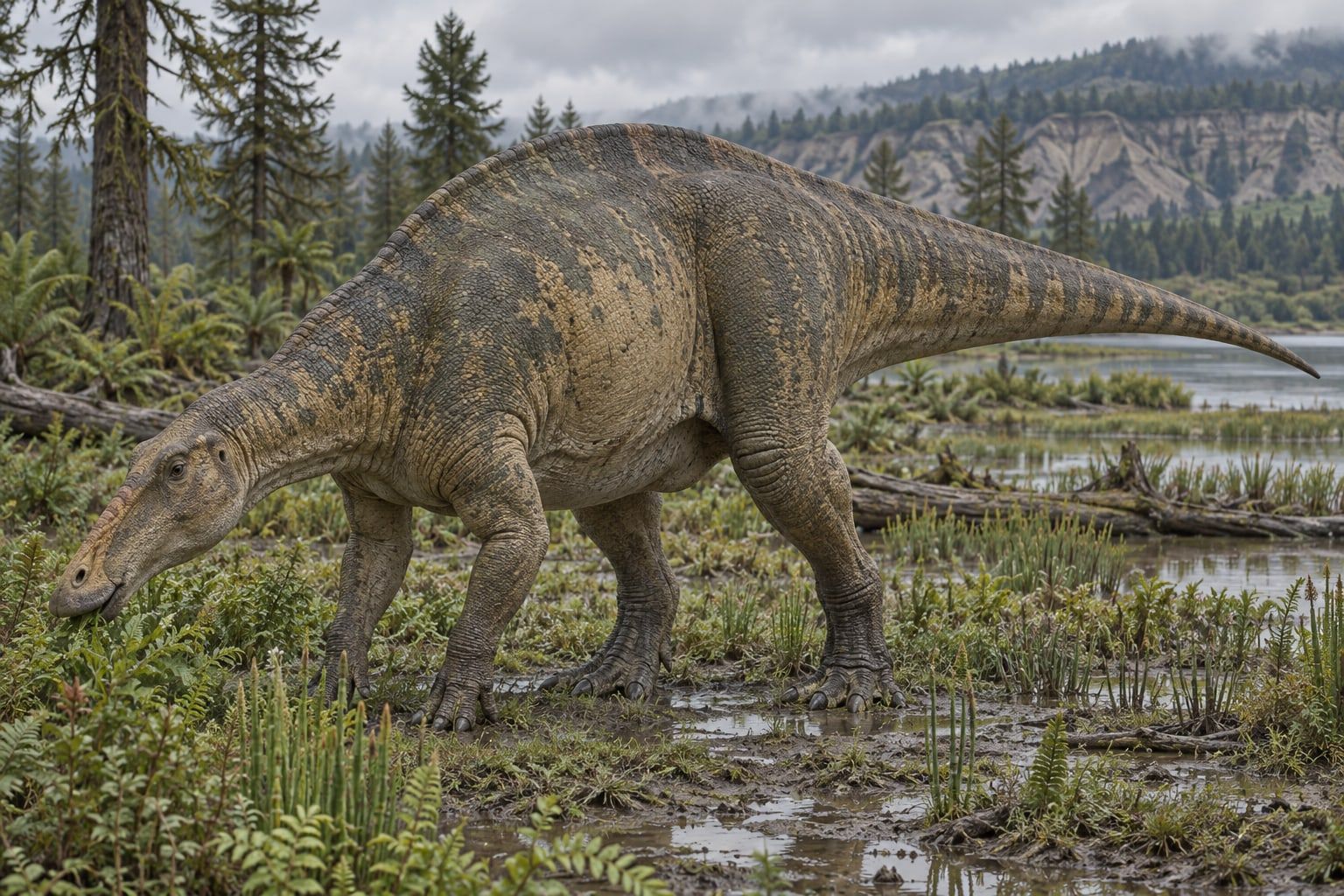
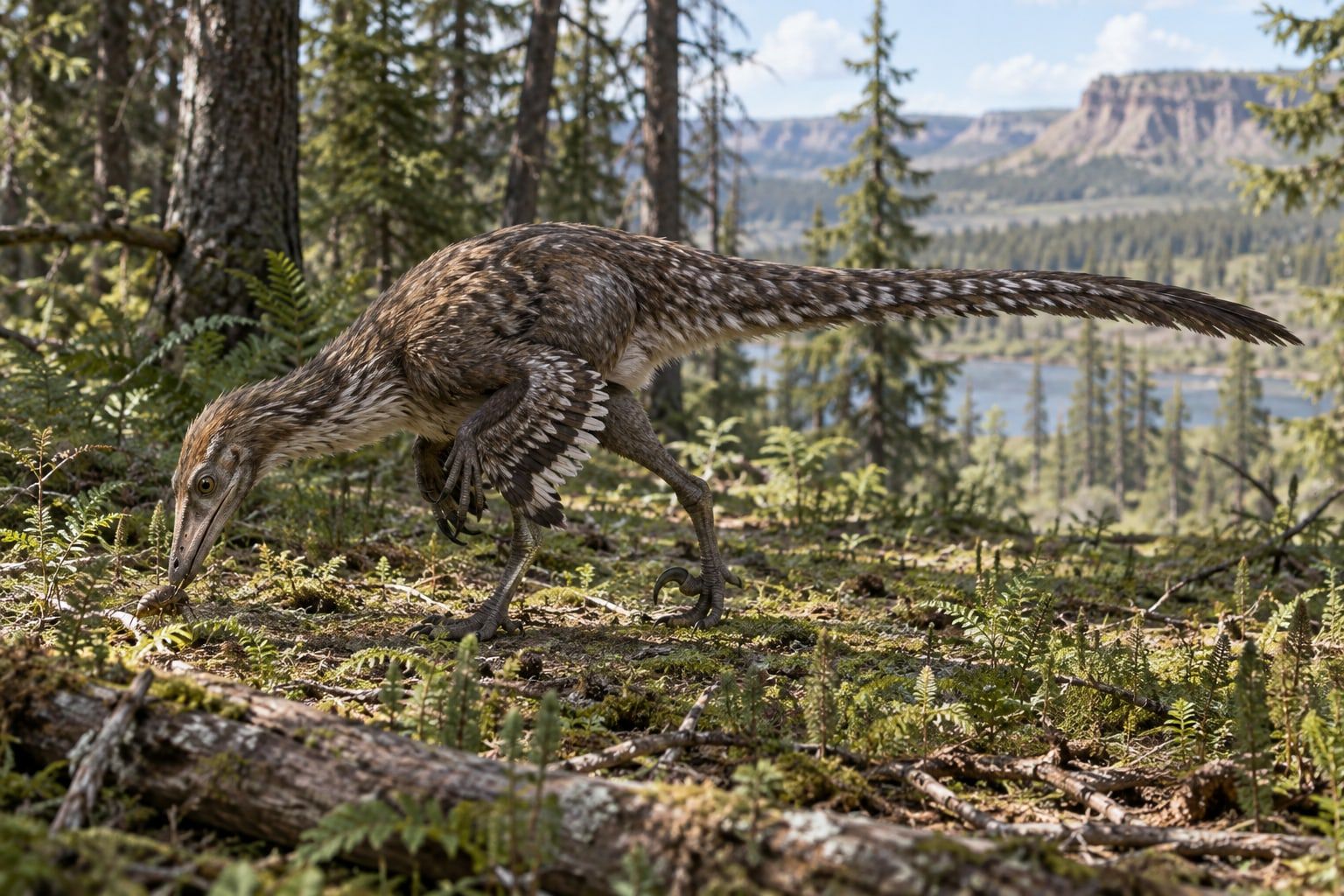
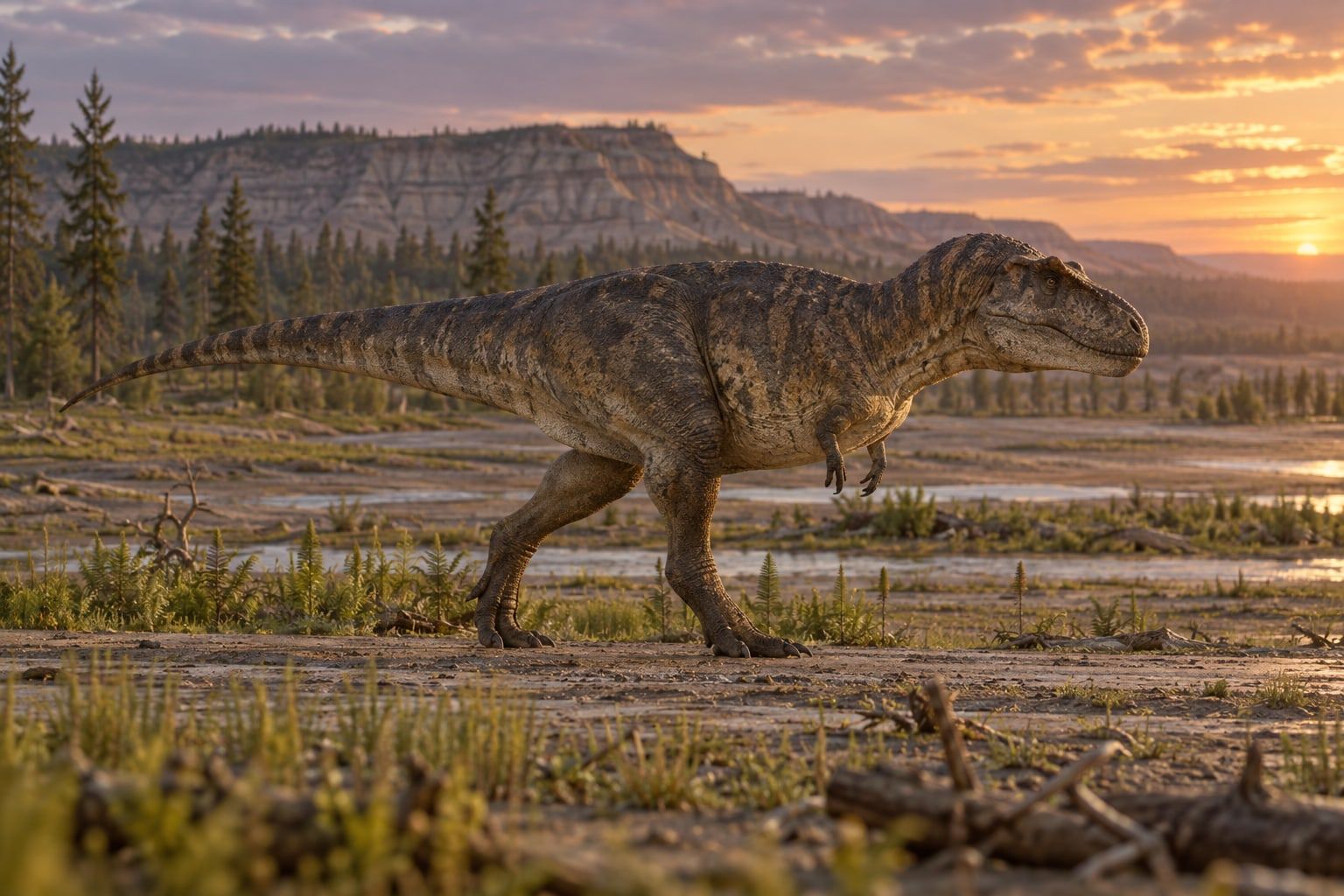
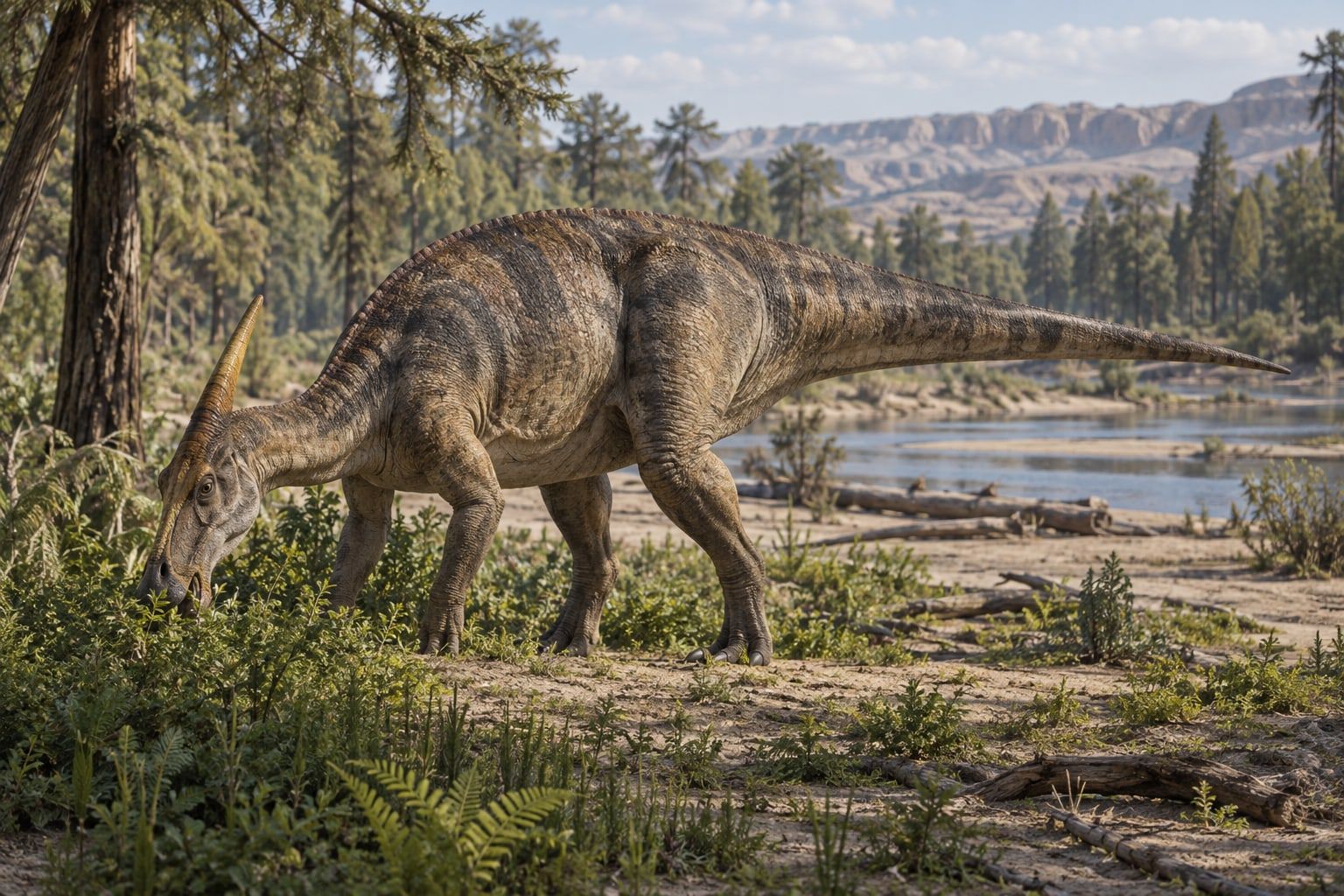
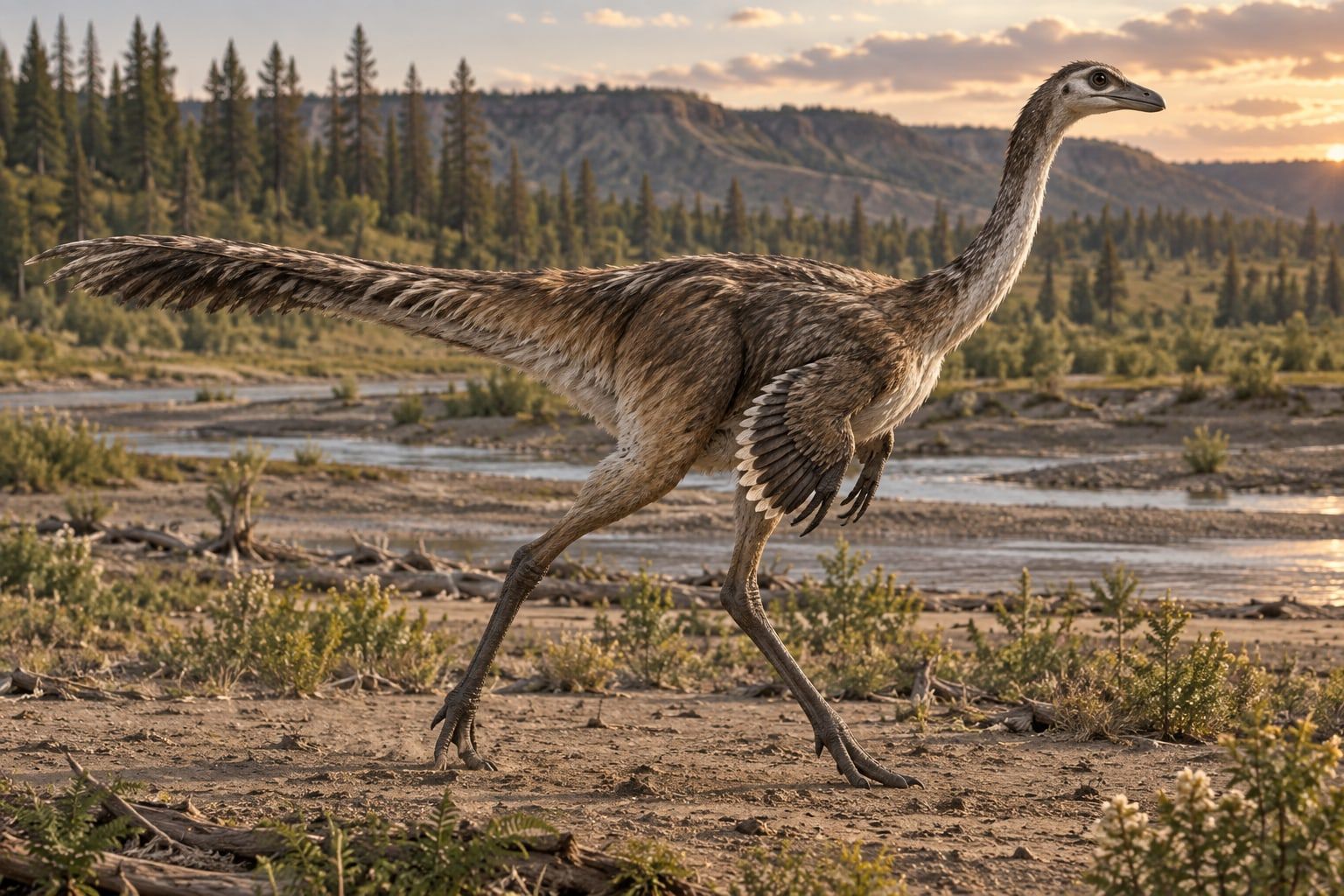
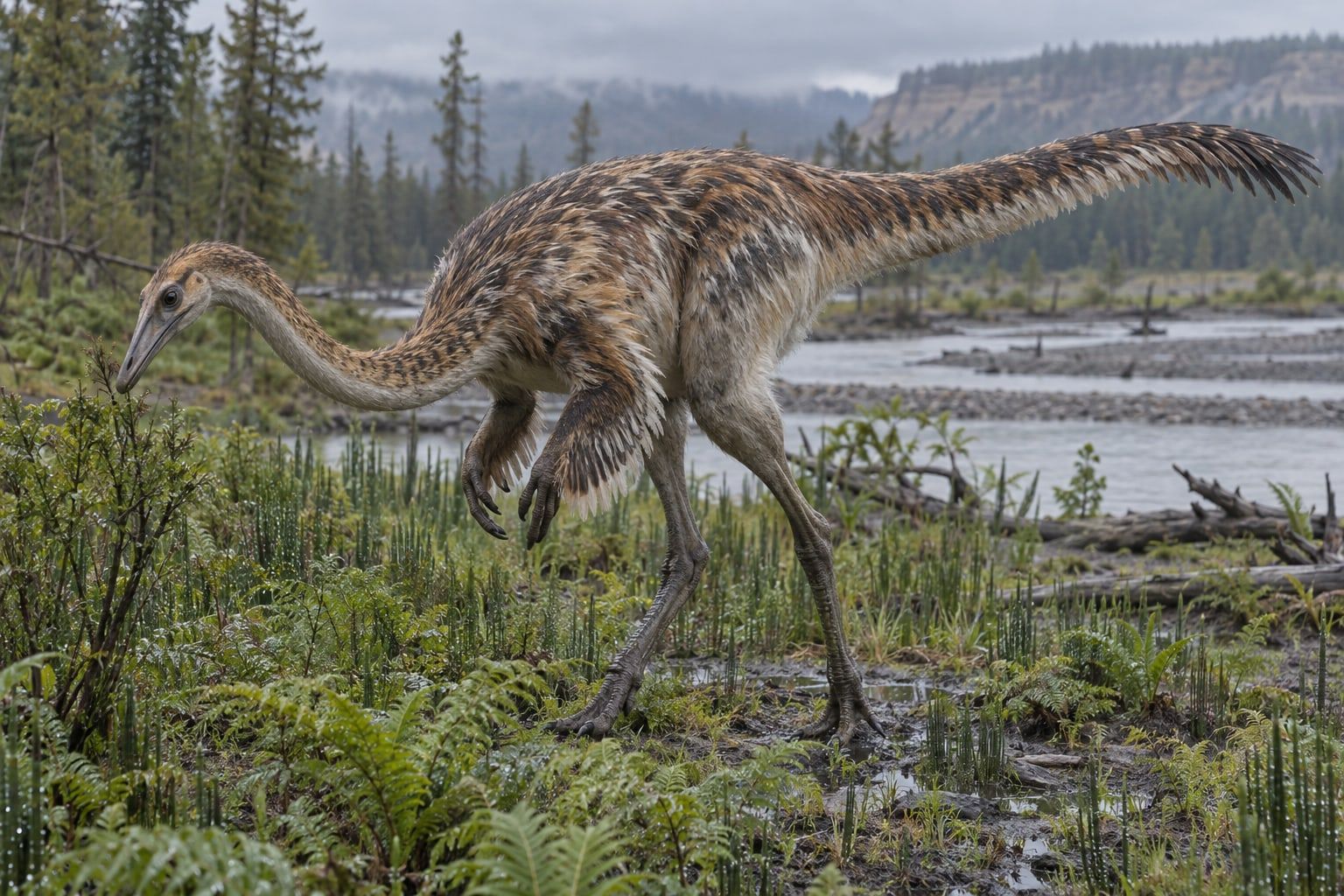
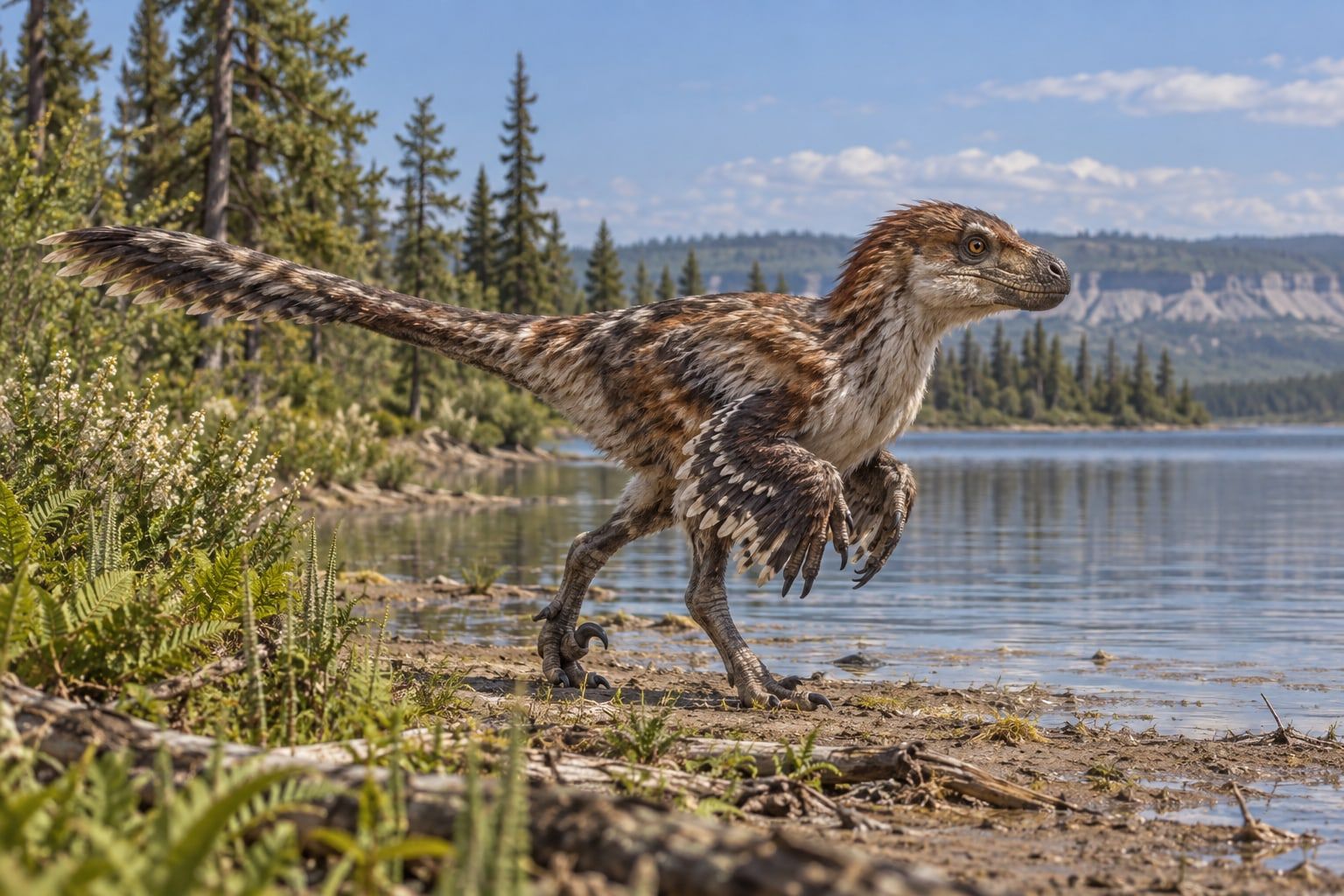
It lived about 72 to 66 million years ago, in the Late Cretaceous, in what is now Alberta, Canada. Its bones come from the Horseshoe Canyon Formation, where it shared the land with the duck-billed Edmontosaurus and Saurolophus, the horned Pachyrhinosaurus, the ostrich-like Ornithomimus and the tyrannosaur Albertosaurus.
How it was found
Wu and colleagues named Eotriceratops xerinsularis in 2007. The fossil is older than Triceratops, which is why it was named the "dawn" Triceratops.
Lived alongside
Found in the same rock formations
Close relatives
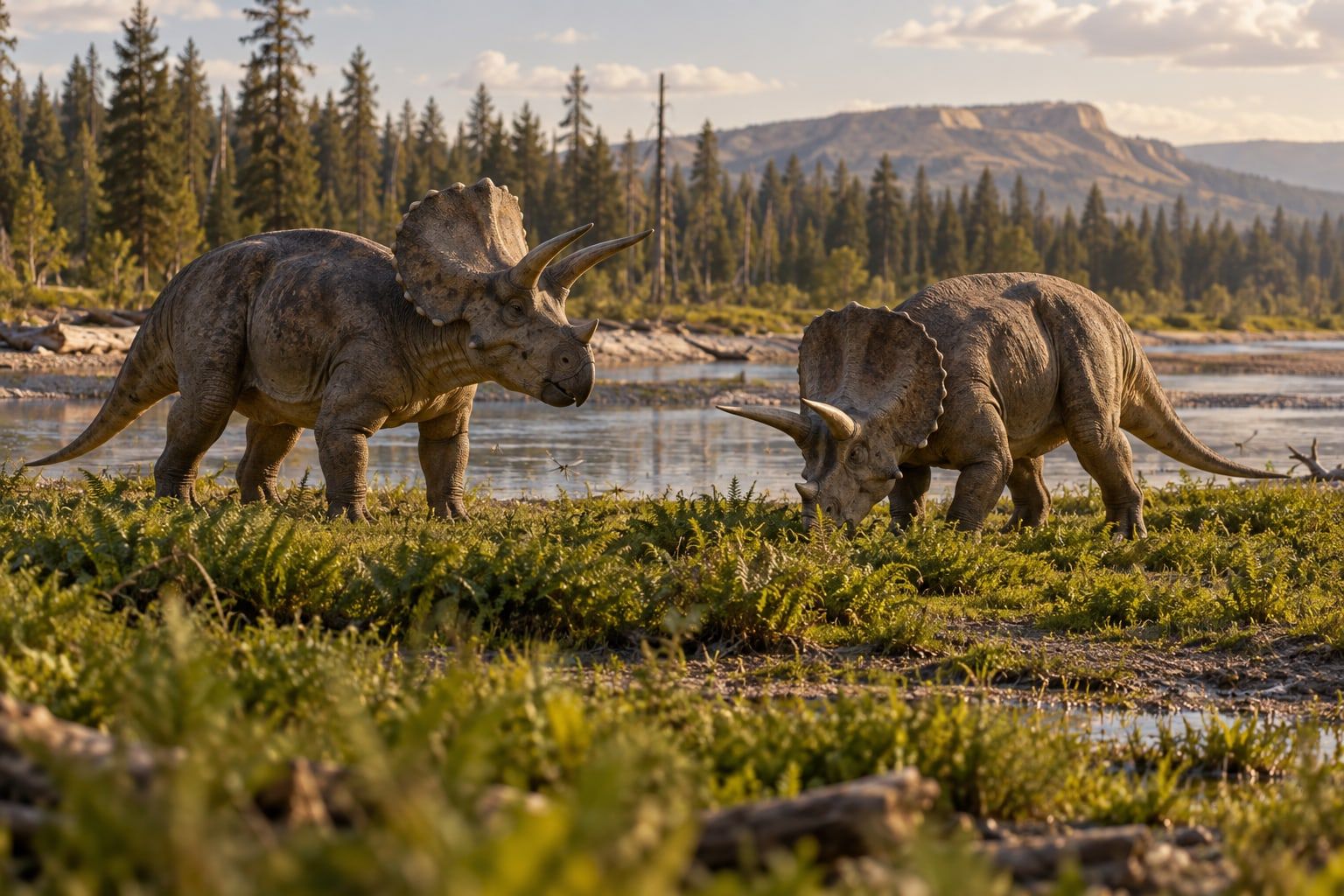
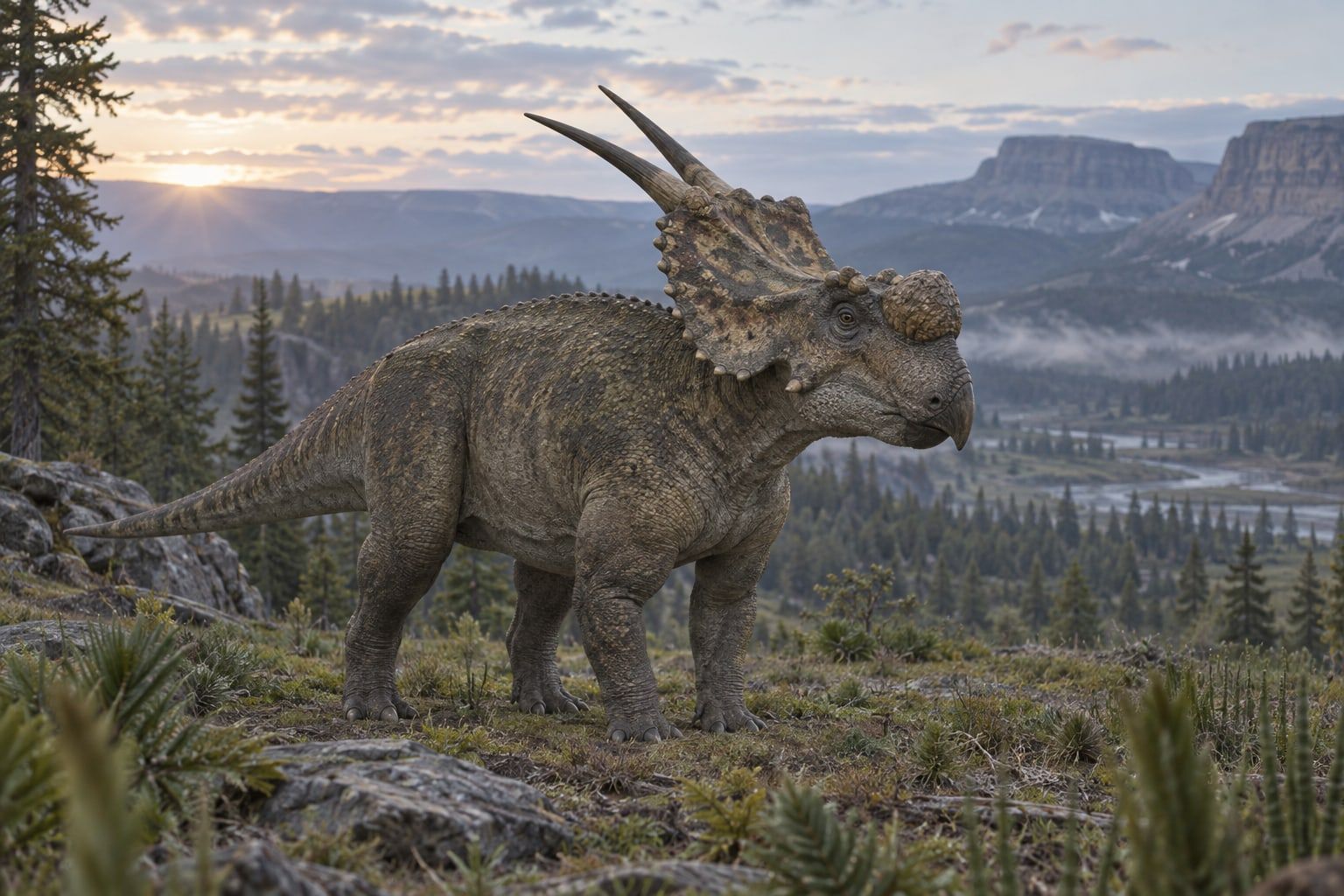
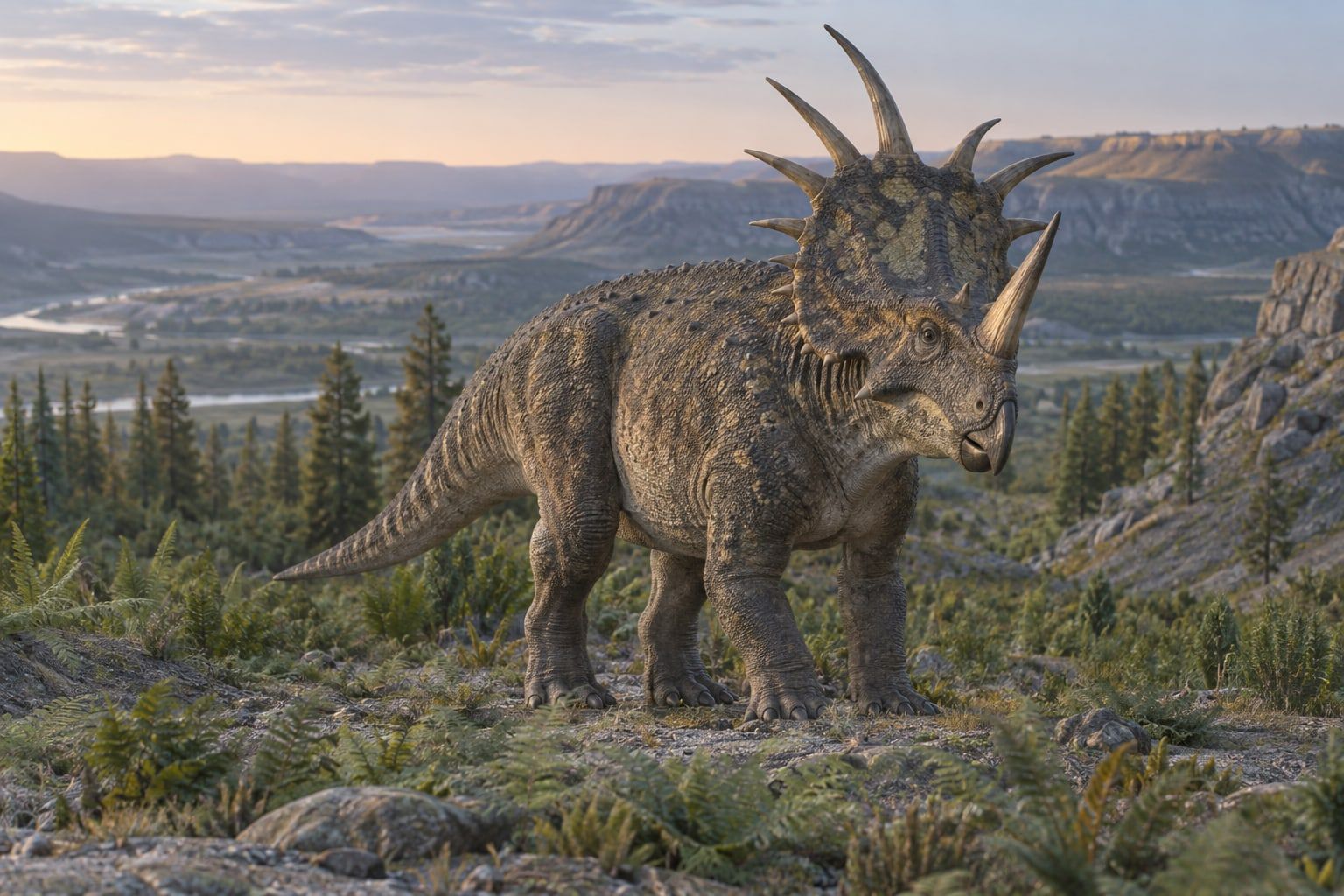
Other members of Ceratopsidae
Sources: WikidataNamed in: X.-C. Wu, D. B. Brinkman, and D. A. Ebert, D. R. Braman. 2007. A new ceratopsid dinosaur (Ornithischia) from the uppermost Horseshoe Canyon Formation (upper Maastrichtian), Alberta, Canada. Canadian Journal of Earth Sciences 44:1243-1265