Outline: a typical theropod
Boreonykus
"northern claw"
- Lived
- 84 to 72 million years ago, Late Cretaceous
- Diet
- Carnivore
- Group
- Theropods, Dromaeosauridae
- Found in
- Canada
- Named by
- Bell and Currie 2016
Where its fossils were found
The evidence
Today
80 million years ago
Field notes
About Boreonykus
What it was like
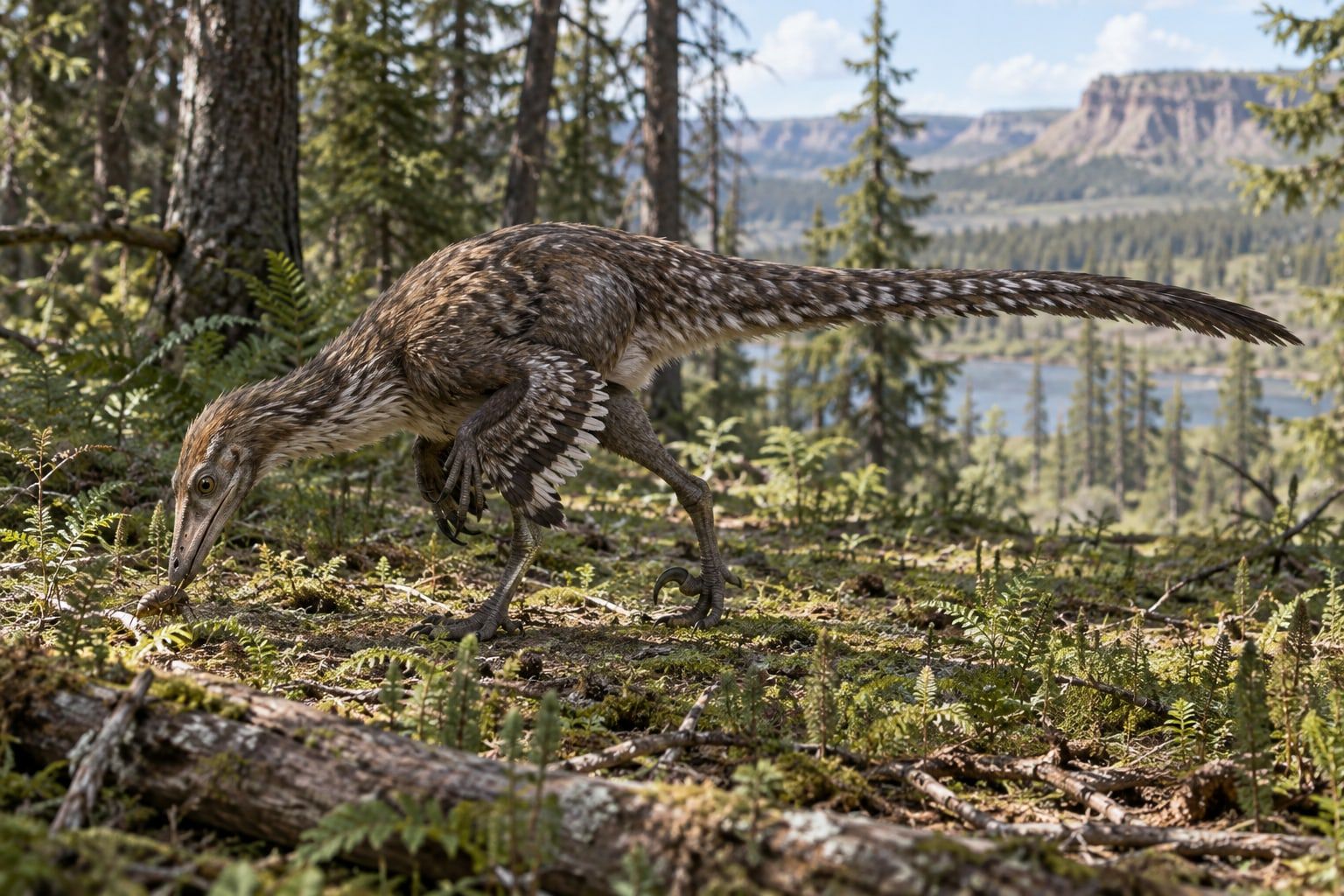
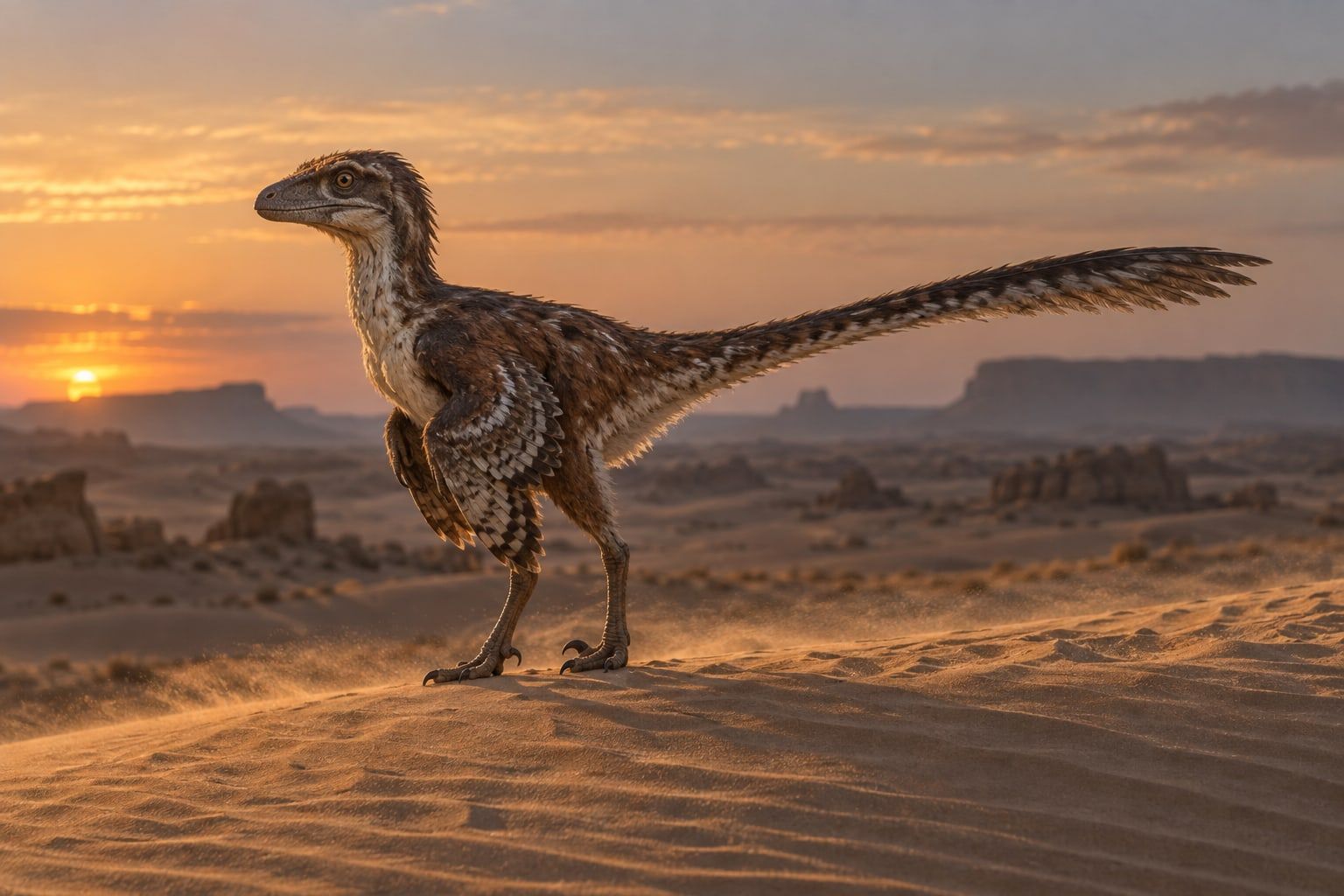
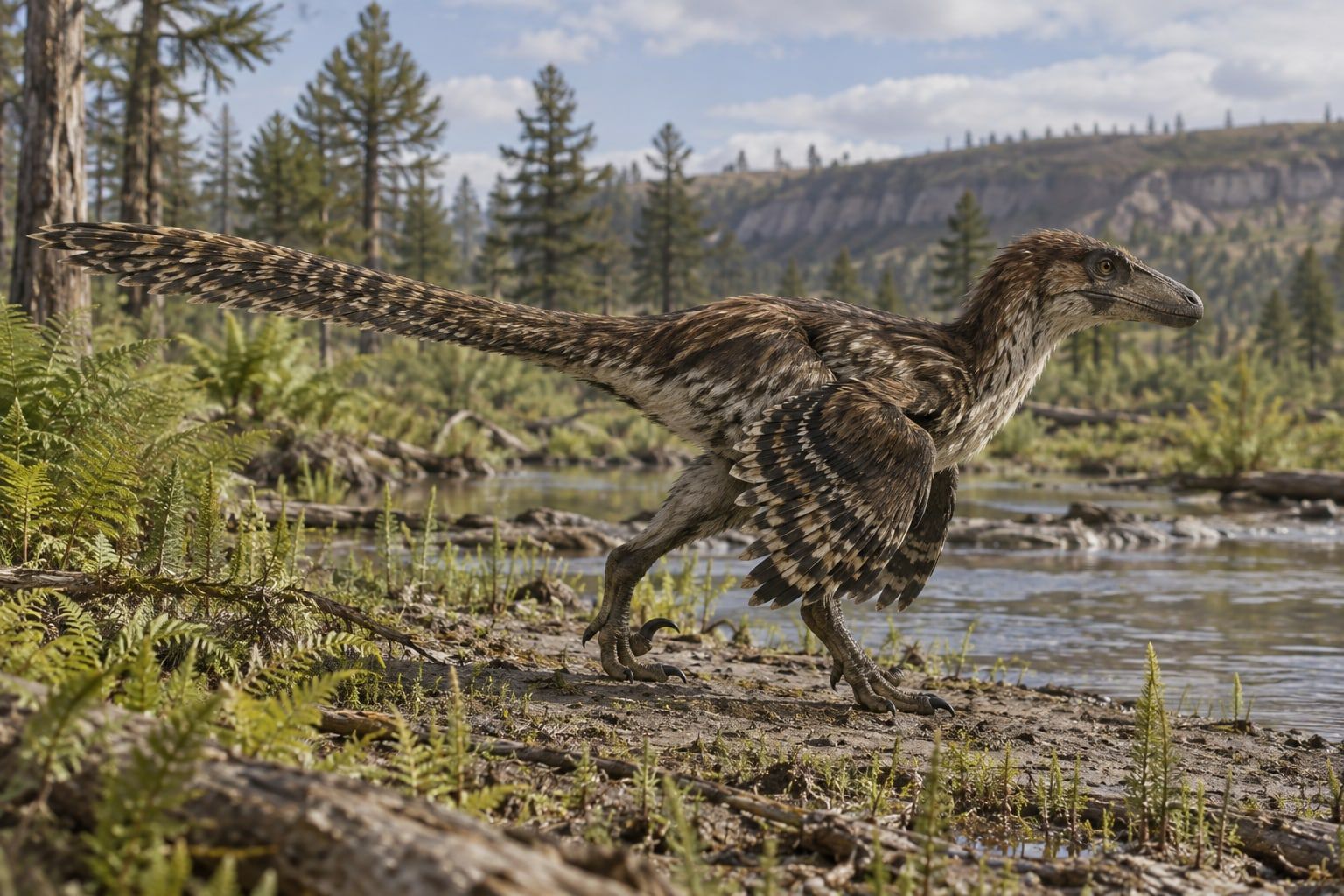
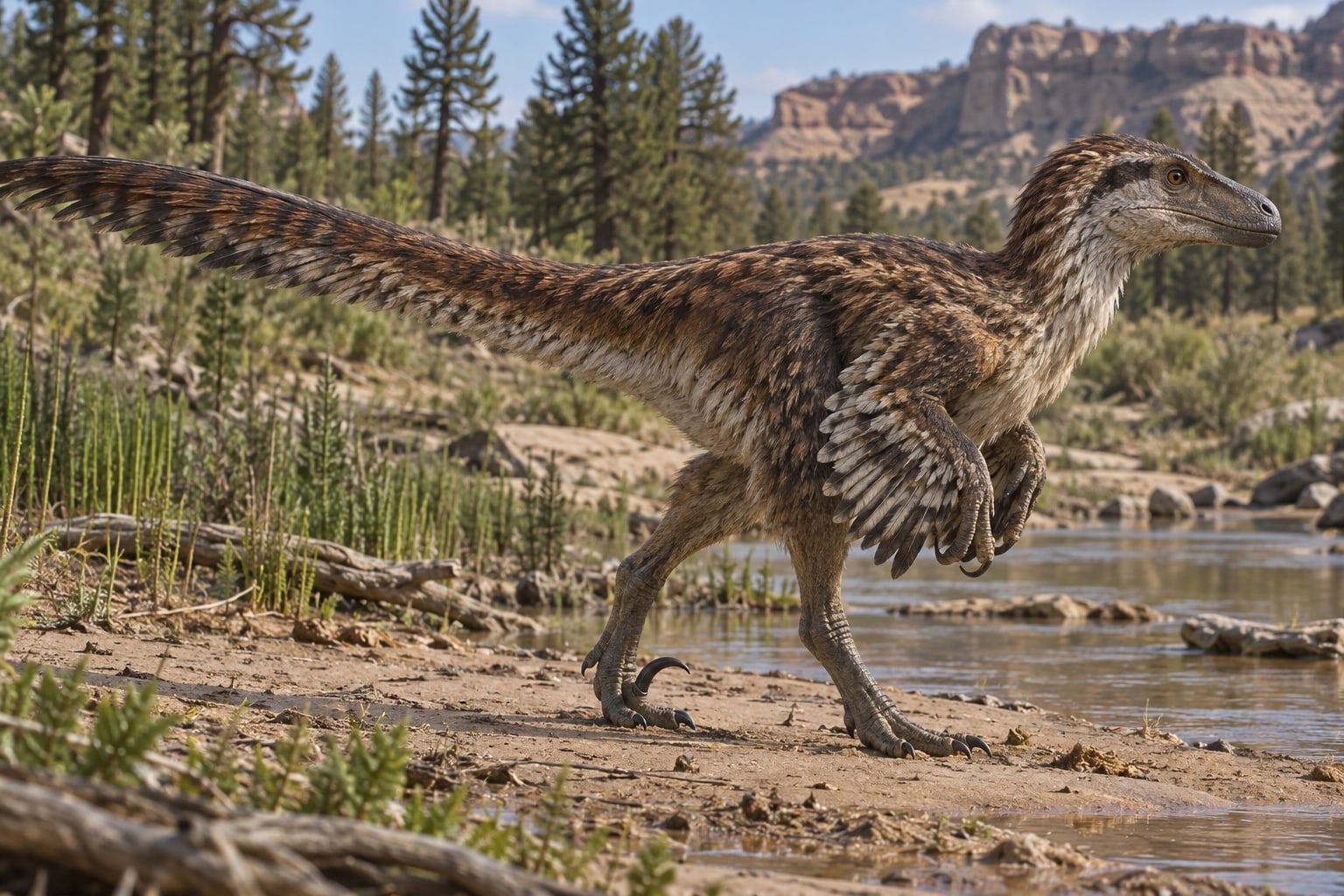
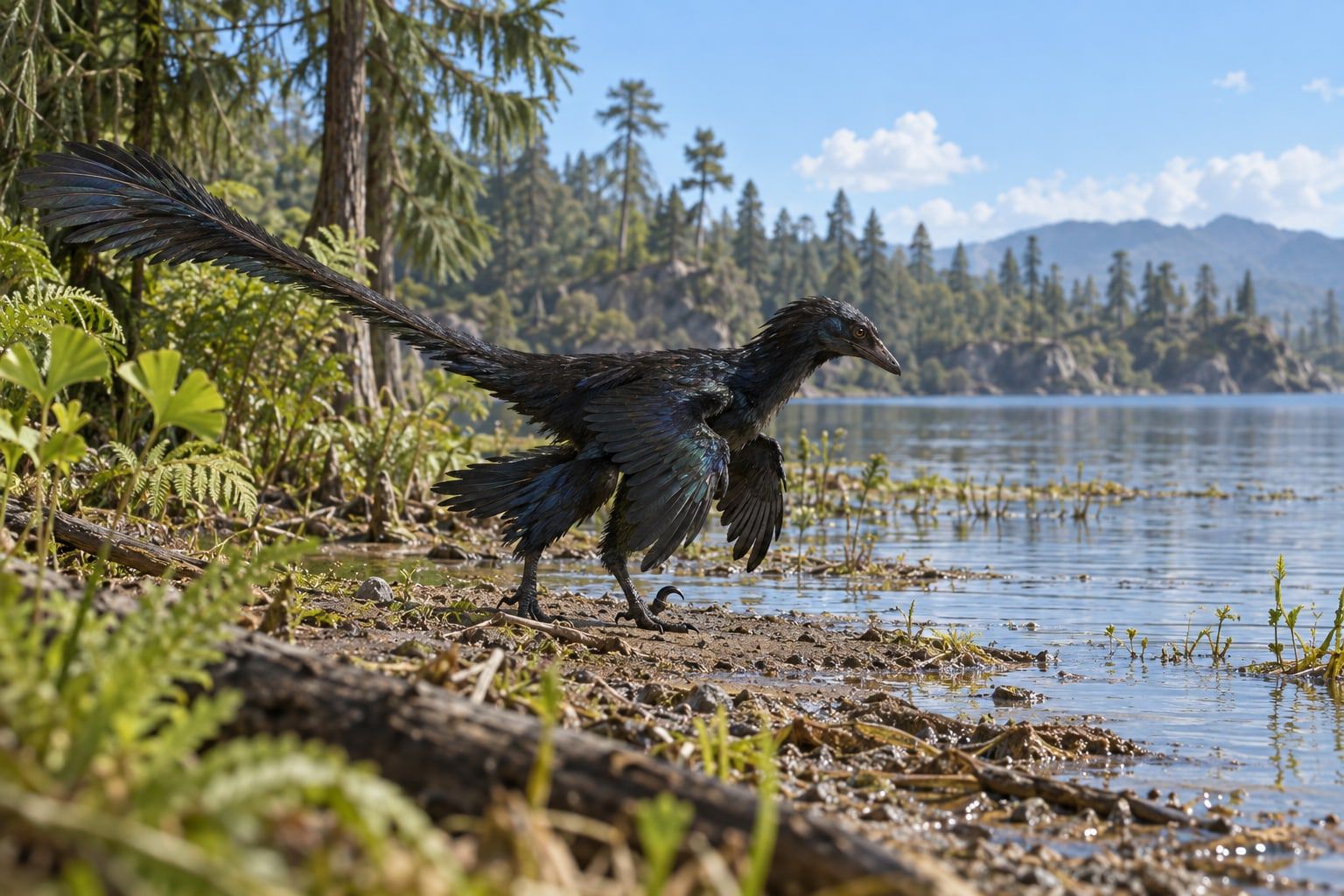
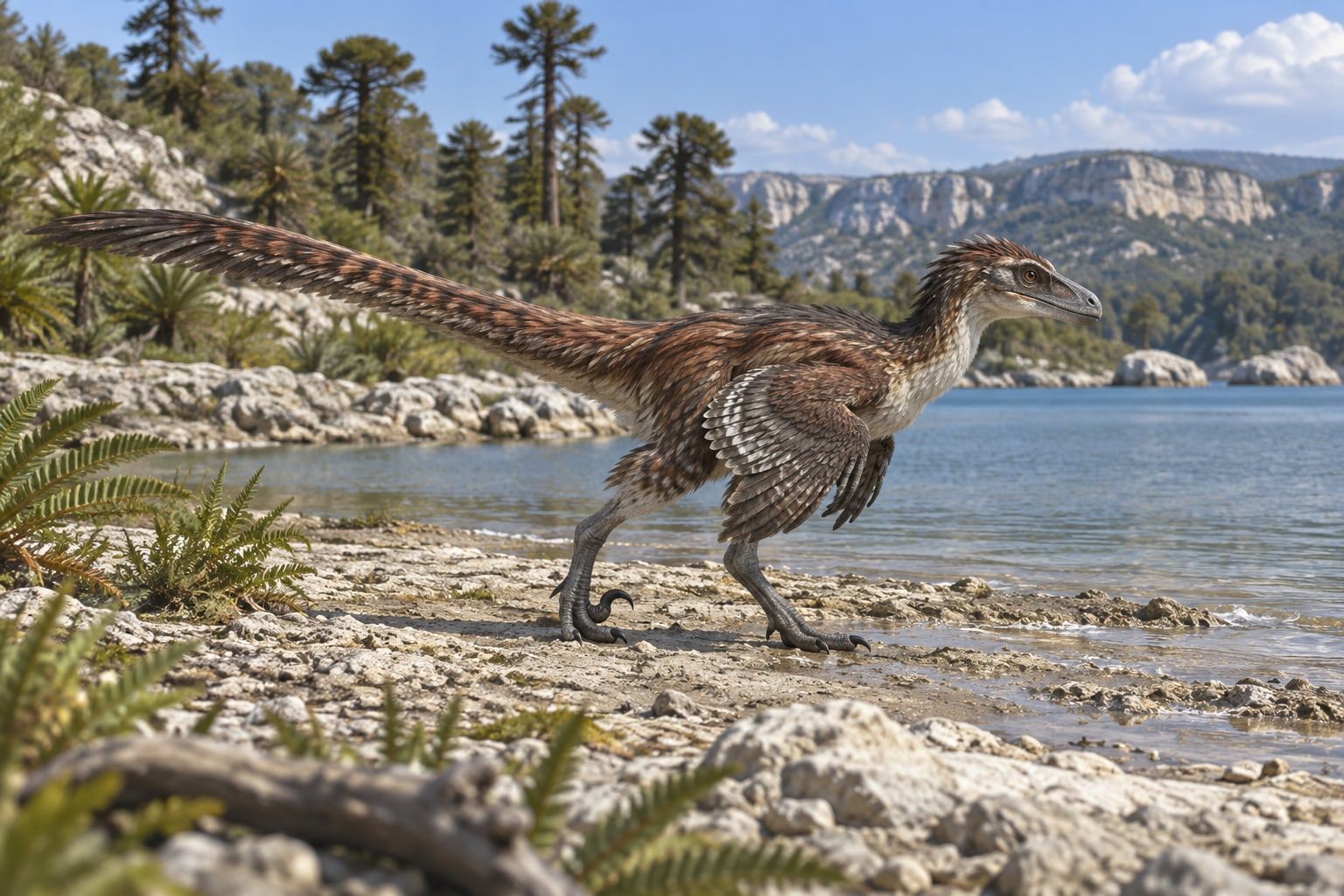
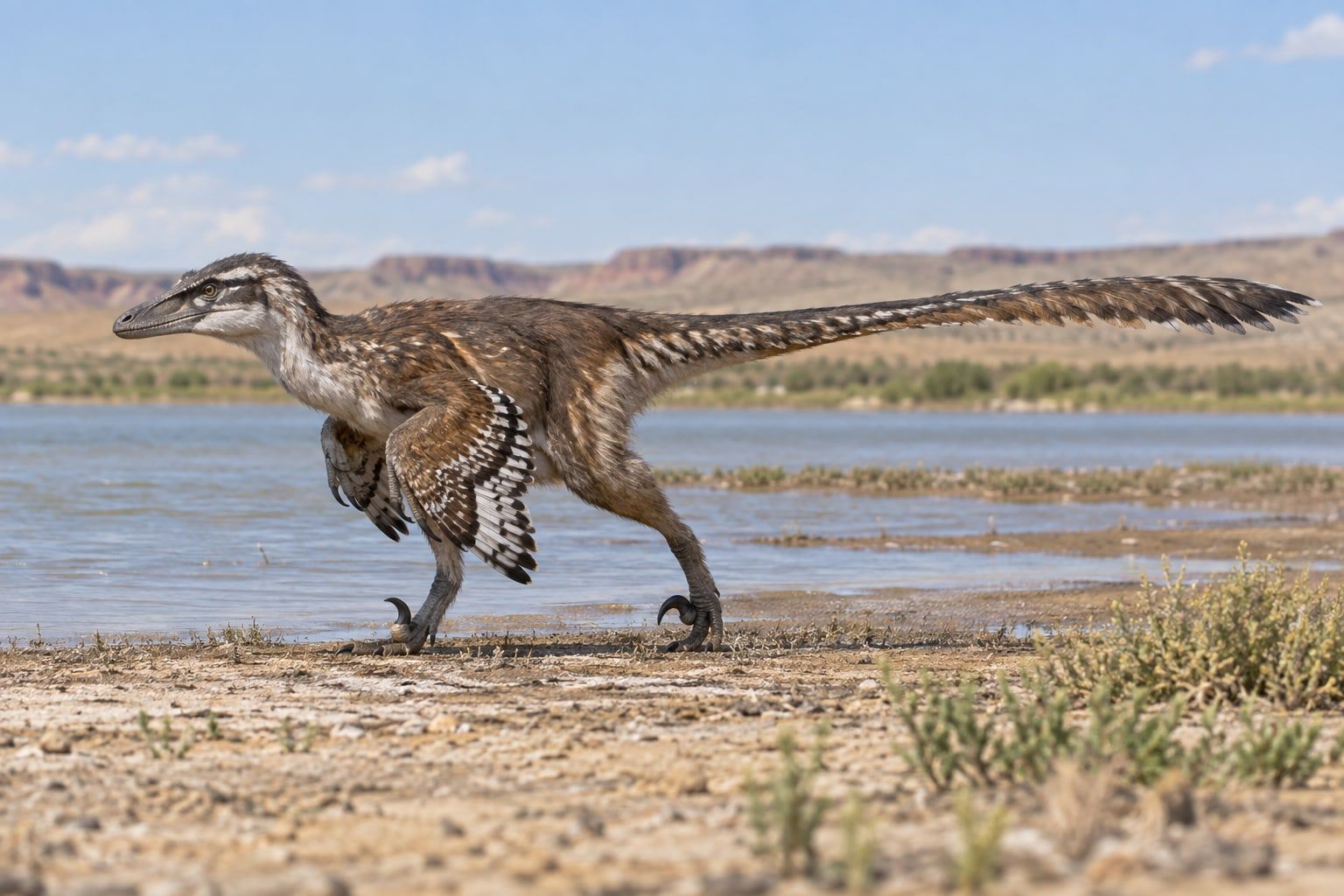
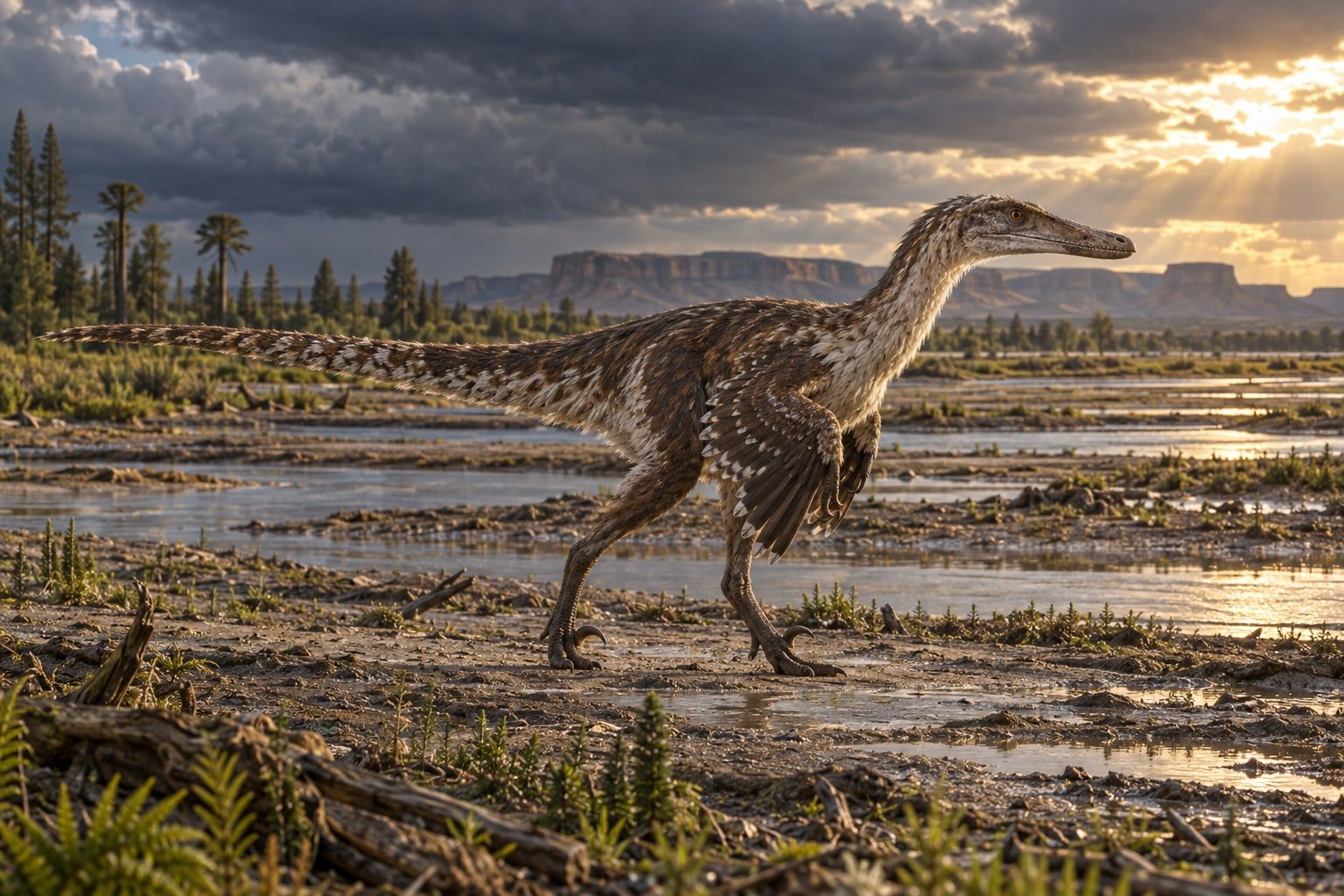
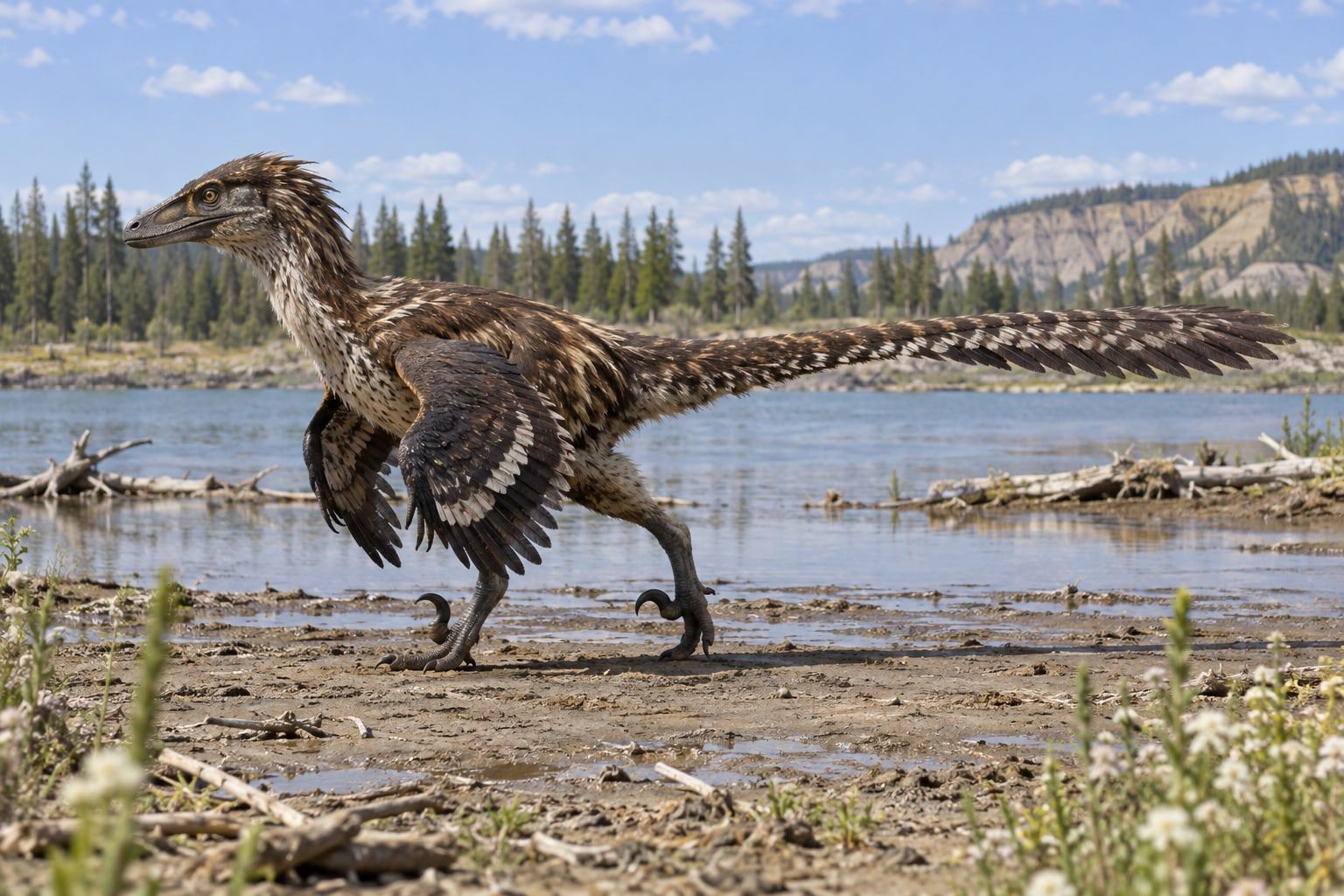
Boreonykus was a raptor, a feathered hunter with a sickle claw on each foot. It is known from a few bones, including a claw and part of the skull.
Its world
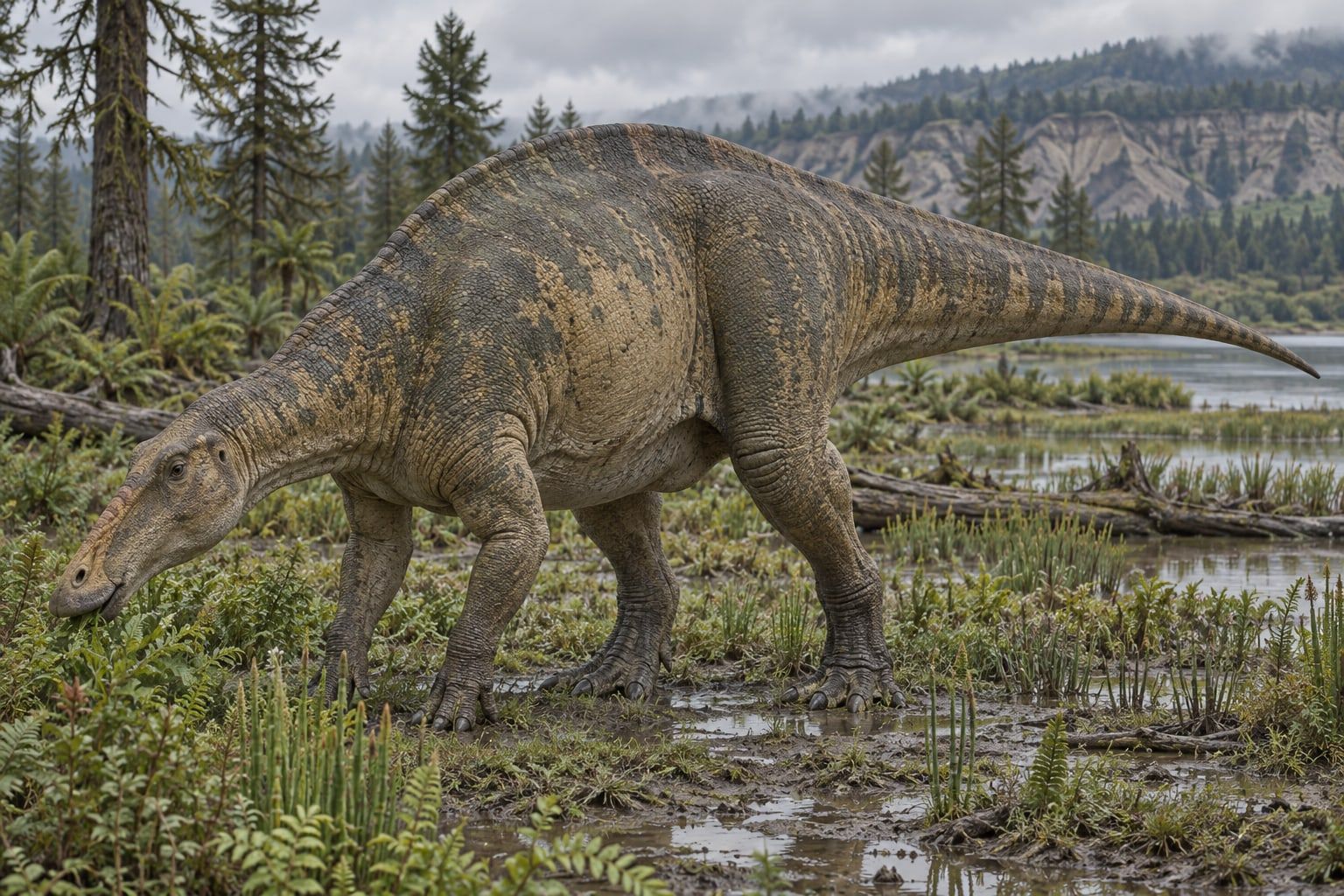
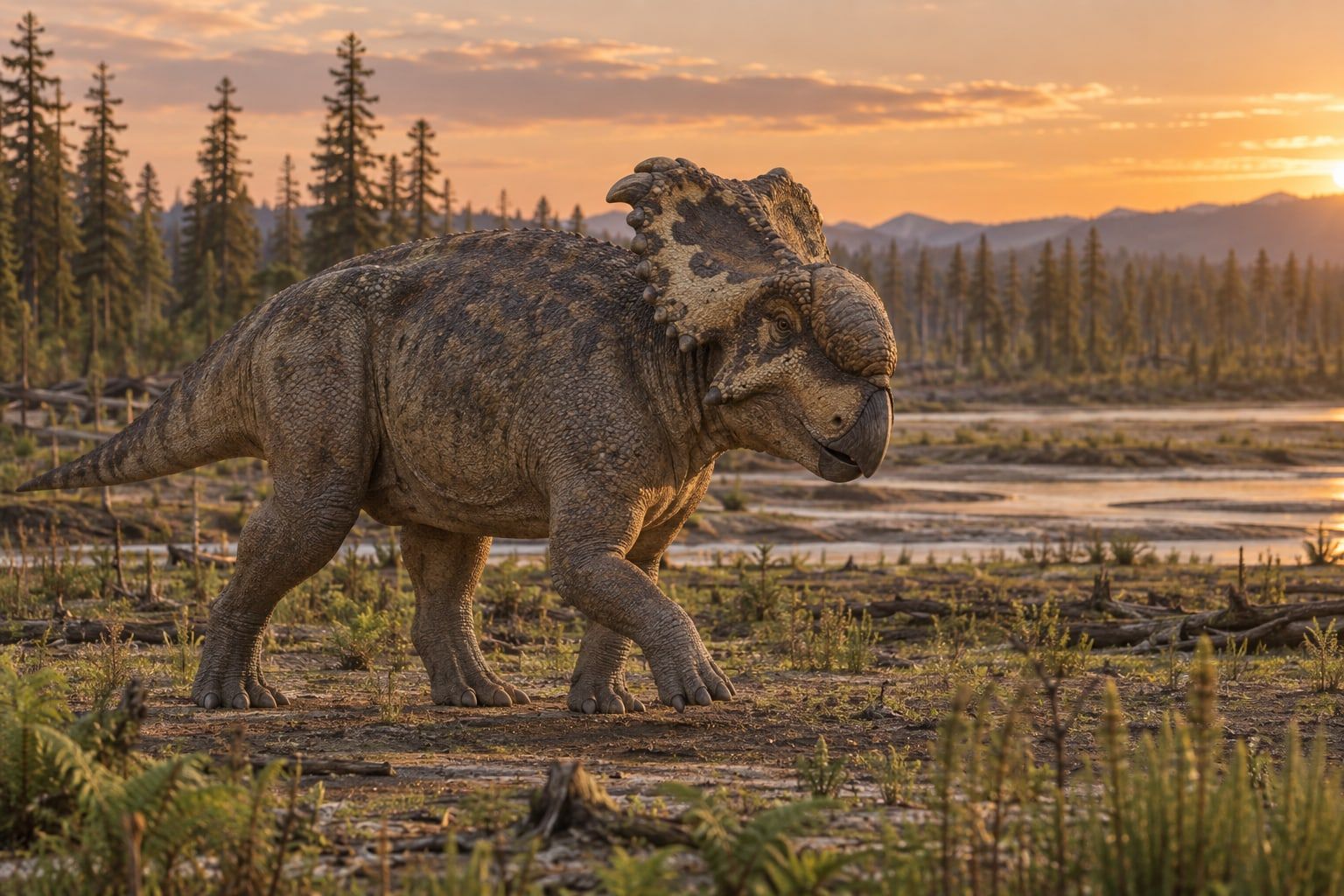
It lived in the Late Cretaceous in what is now Alberta, Canada. Its bones come from the Wapiti Formation, where it shared the land with the horned Pachyrhinosaurus and the duck-billed Edmontosaurus.
How it was found
Bell and Currie named Boreonykus in 2016. Its bones were found in a bone bed of Pachyrhinosaurus. It is one of the most northern raptors known from that time.
Lived alongside
Found in the same rock formations
Close relatives
Other members of Dromaeosauridae
Sources: WikidataNamed in: P. R. Bell and P. J. Currie. 2016. A high-latitude dromaeosaurid, Boreonykus certekorum, gen. et sp. nov. (Theropoda), from the upper Campanian Wapiti Formation, west-central Alberta. Journal of Vertebrate Paleontology 36(1):e1034359:1-9