Avaceratops
Type species Avaceratops lammersi
- Lived
- 84 to 72 million years ago, Late Cretaceous
- Diet
- Herbivore
- Length
- about 2.3 m (8 ft)
- Group
- Ceratopsians, Ceratopsidae
- Found in
- United States and Canada
- Named by
- Dodson 1986
Size comparison
To scale

Scale in metersOutline: typical ceratopsian shape
Where its fossils were found
The evidence
Today

80 million years ago
Habitat
River plains near the Western Interior Seaway in Montana supported Corythosaurus, Daspletosaurus and Gorgosaurus.
Field notes
About Avaceratops
What it was like
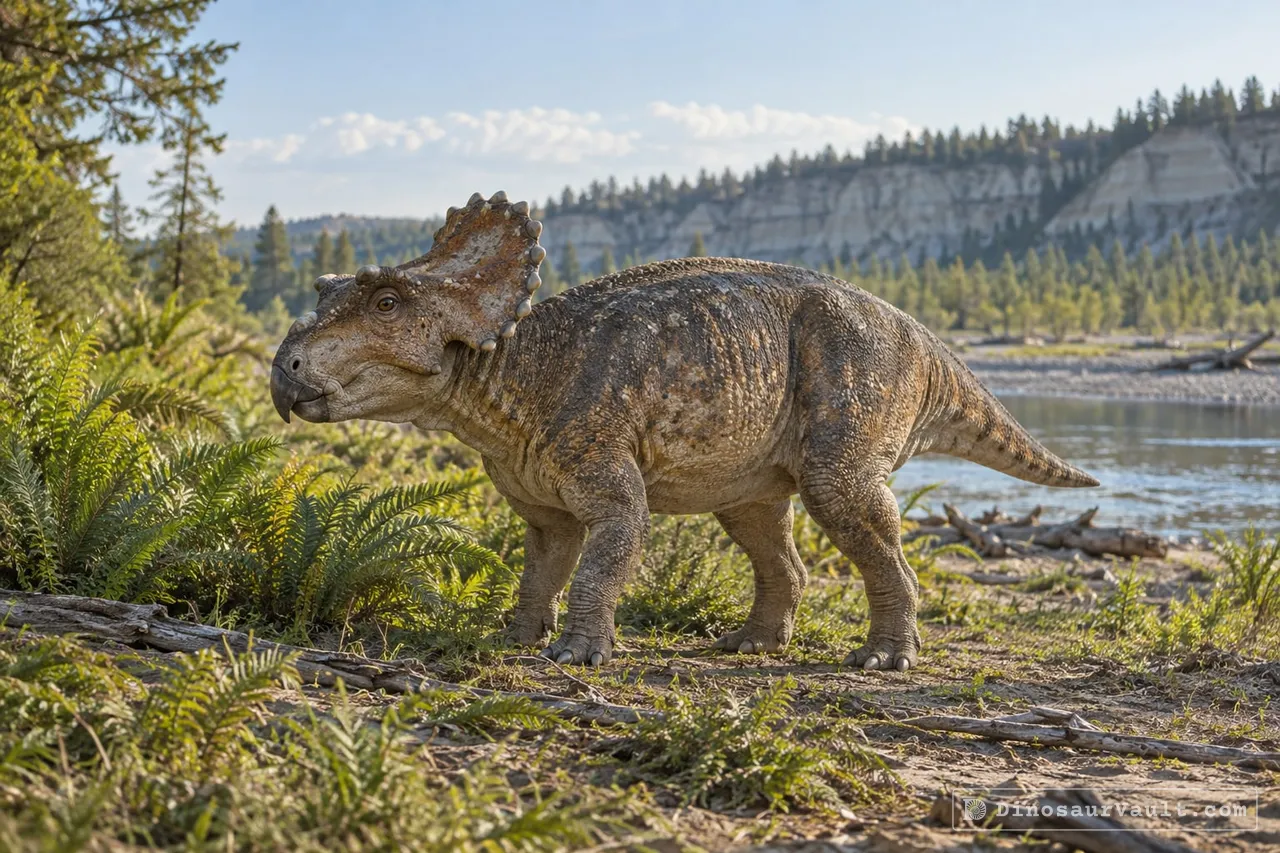
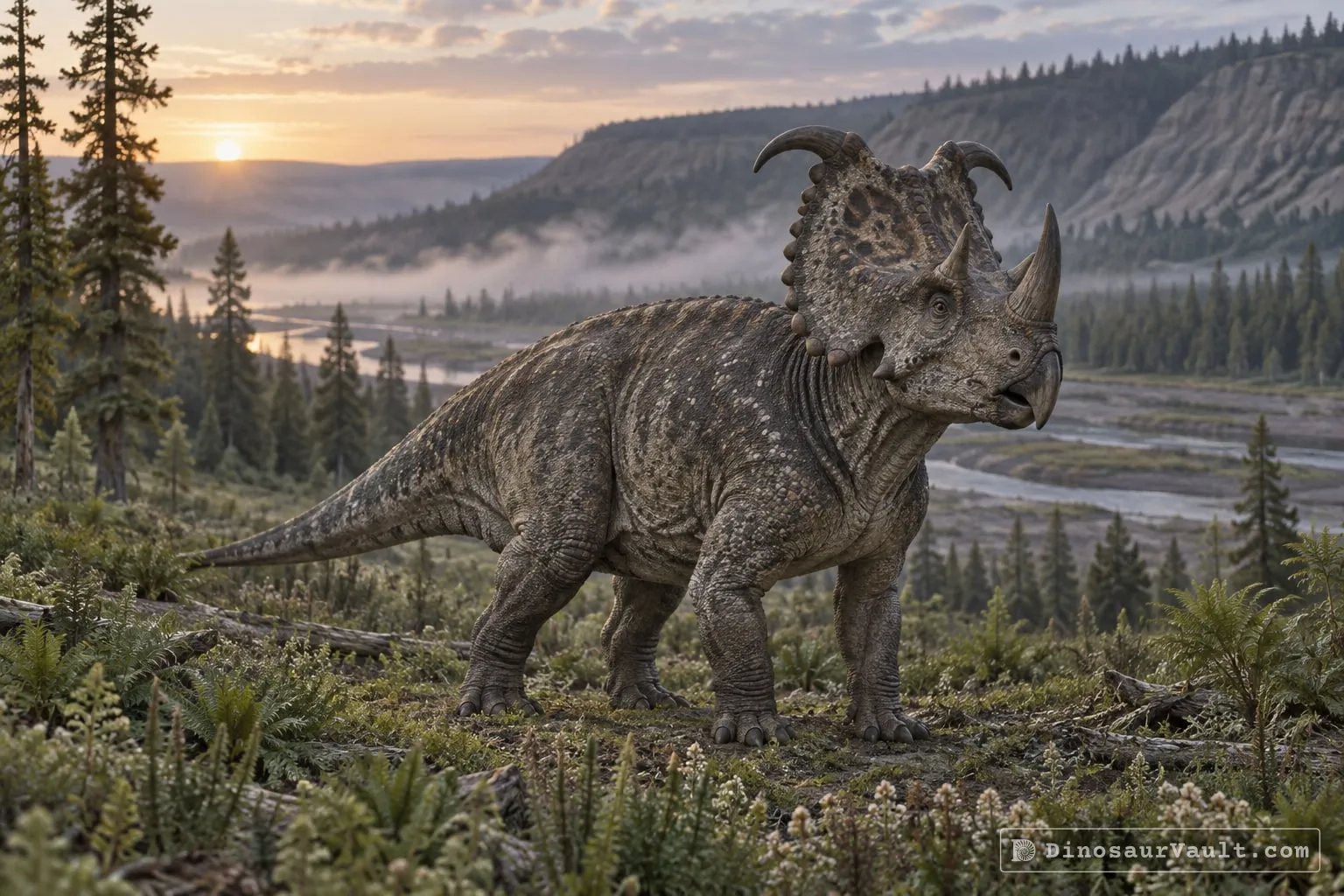
Avaceratops was a small horned dinosaur. The best known skeleton is about 2.3 meters (8 feet) long, but it seems to be a young animal, so adults were larger. It had a short frill and a nose horn.
Its world
It lived in the Late Cretaceous, in what is now Montana. It comes from the Judith River Formation, where it shared the land with the tyrannosaurs Daspletosaurus and Gorgosaurus and the duckbill Corythosaurus.
How it was found
Dodson named Avaceratops in 1986. The type species is Avaceratops lammersi. Its name honors the wife of the man who found it.
Field gallery
More views of Avaceratops
Scenes reconstructed from the available fossil evidence.
Lived alongside
Found in the same rock formations
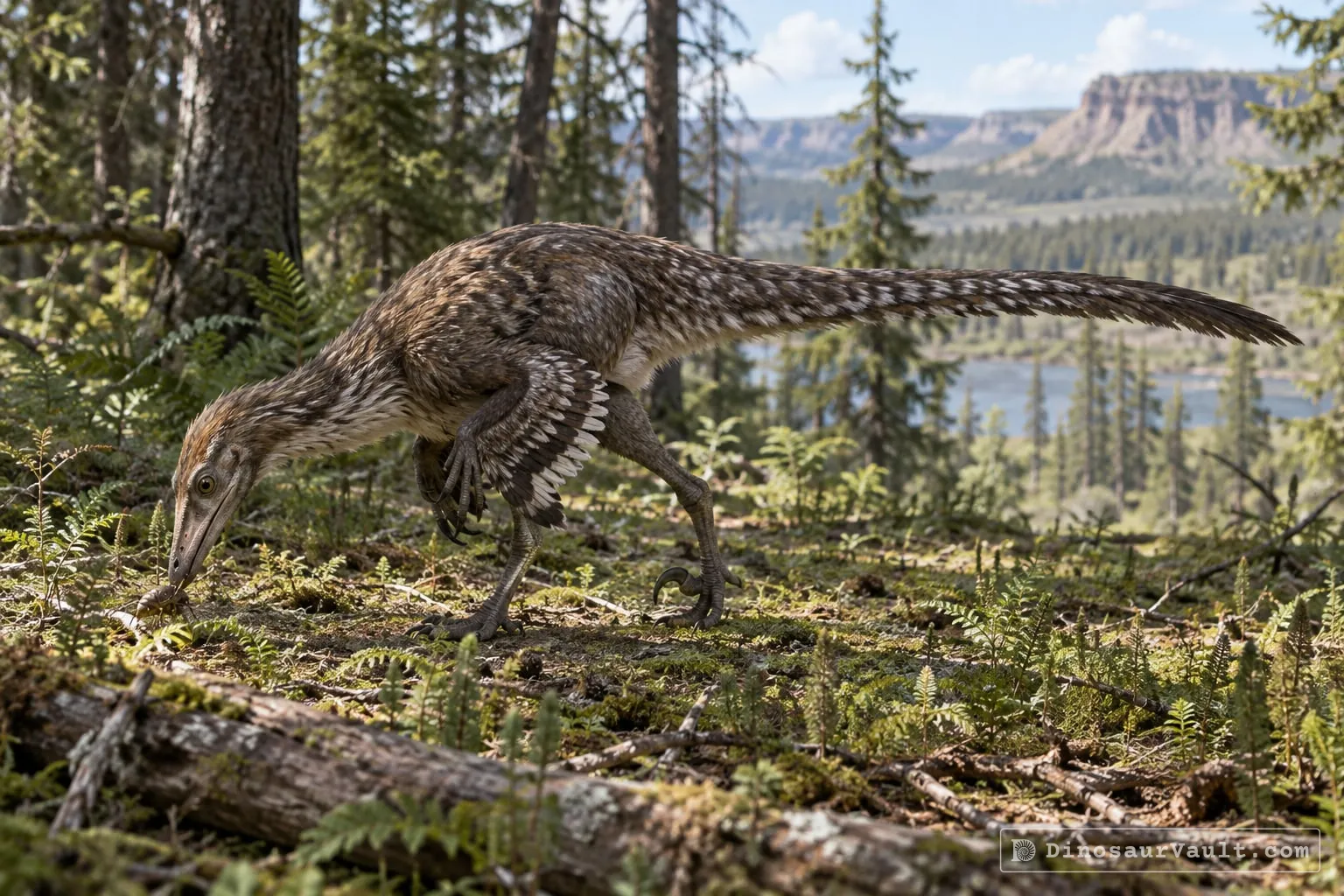
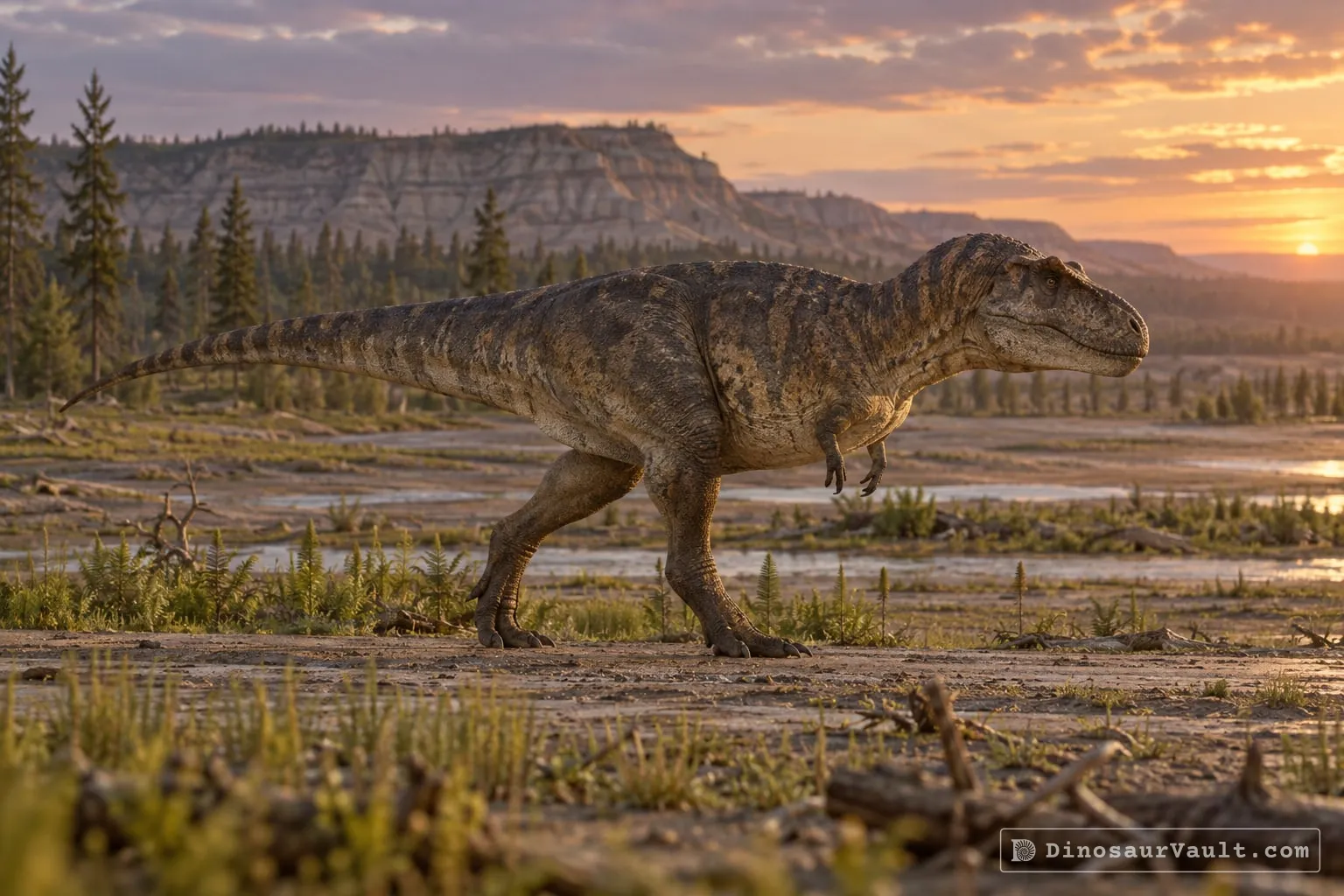
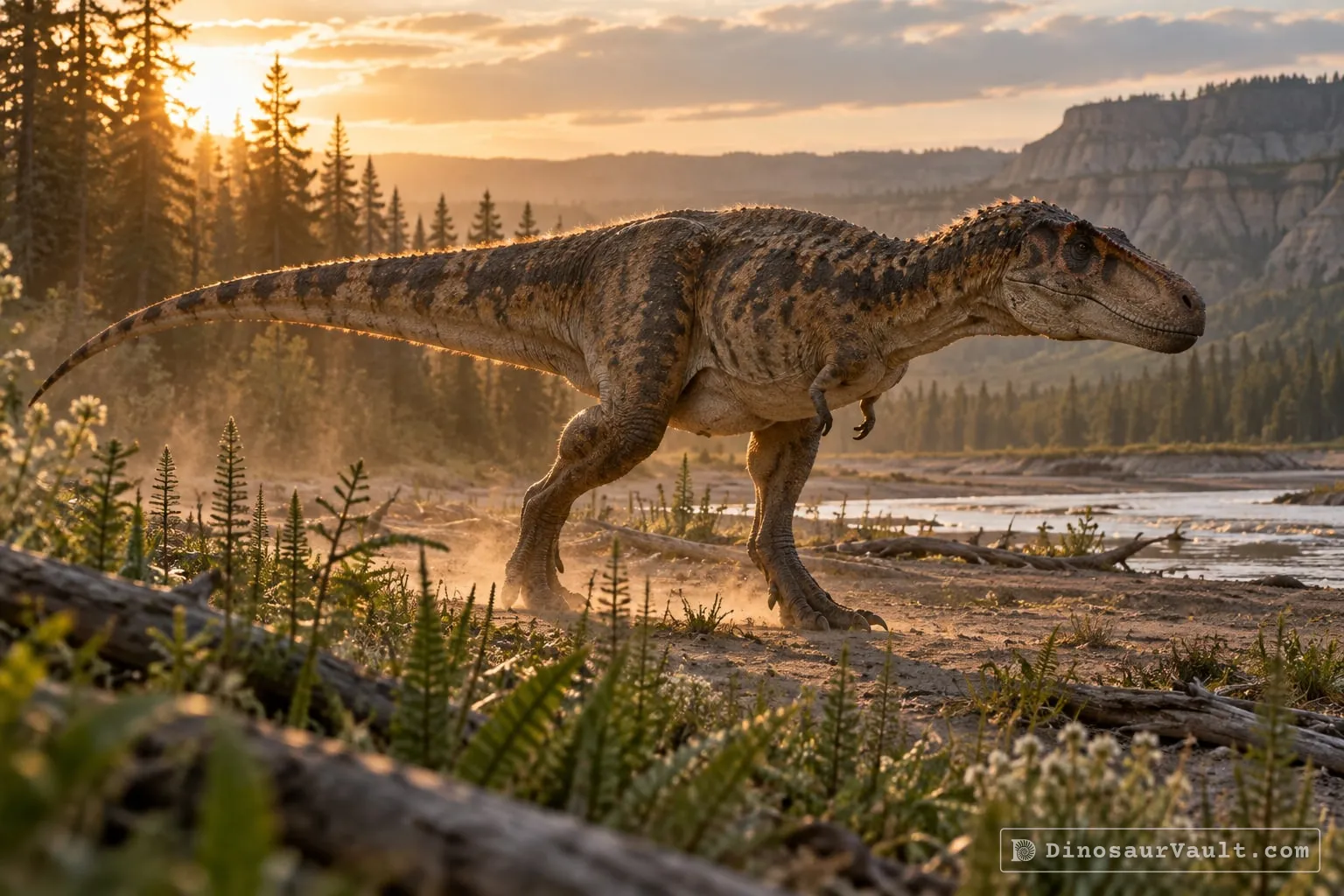
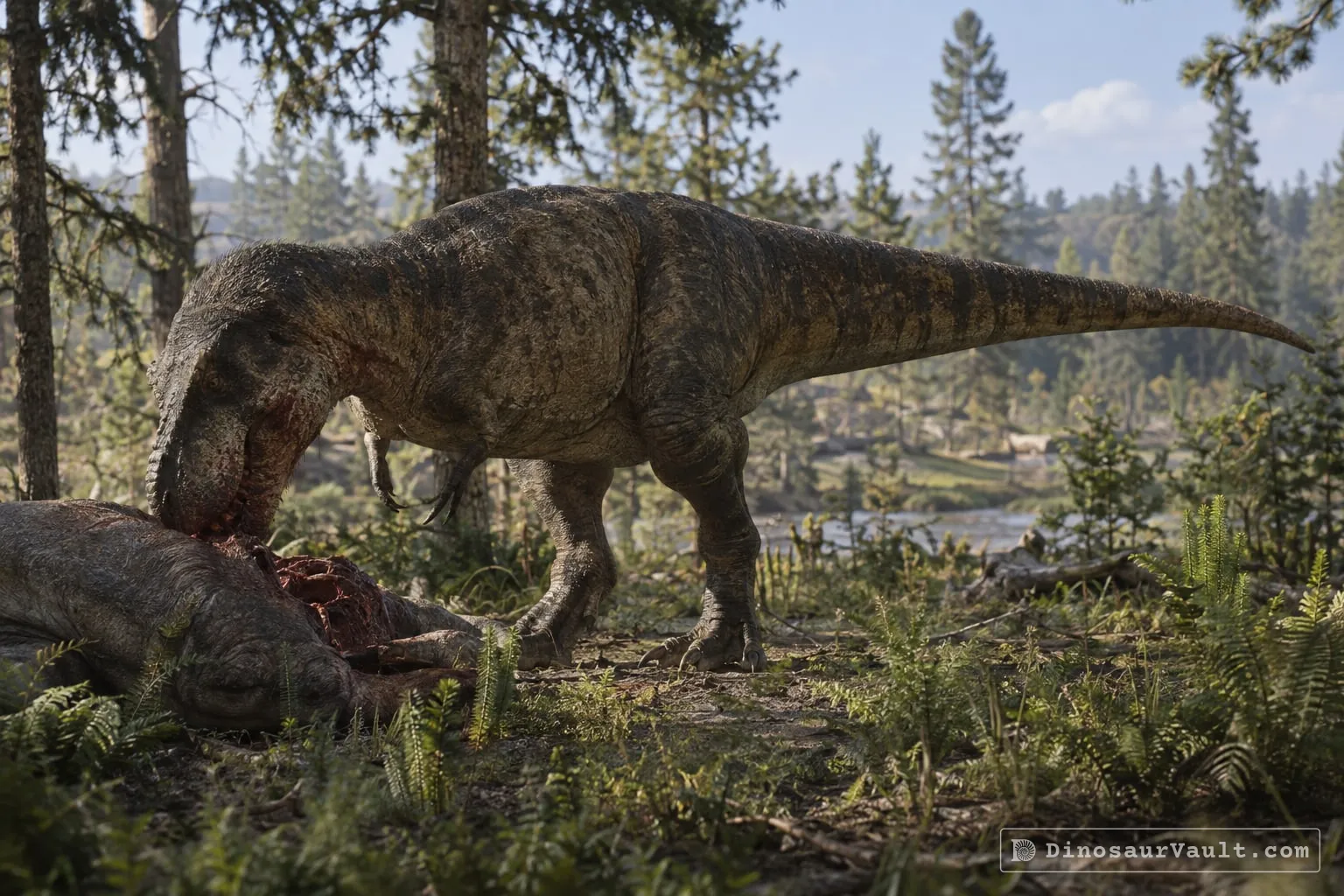
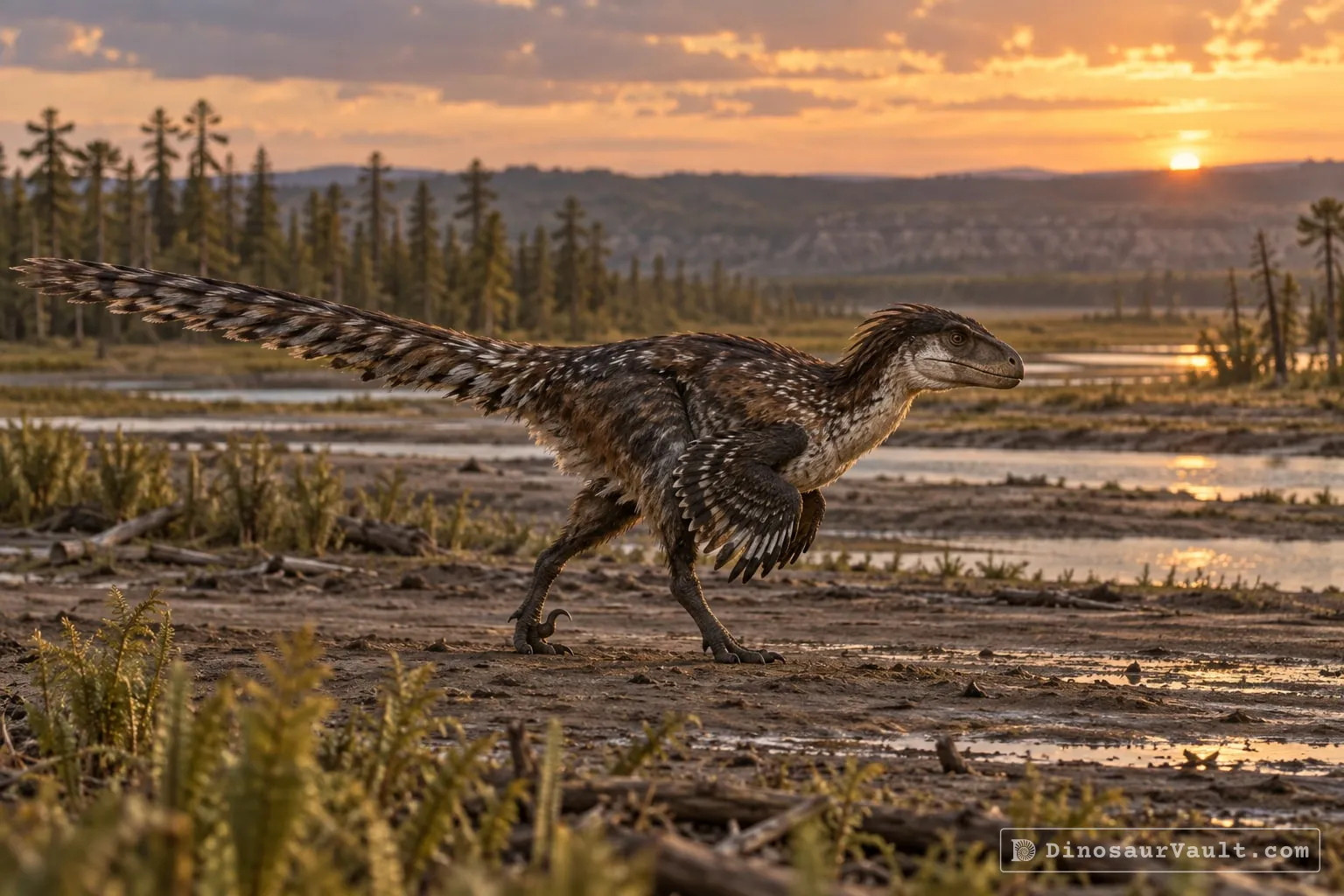
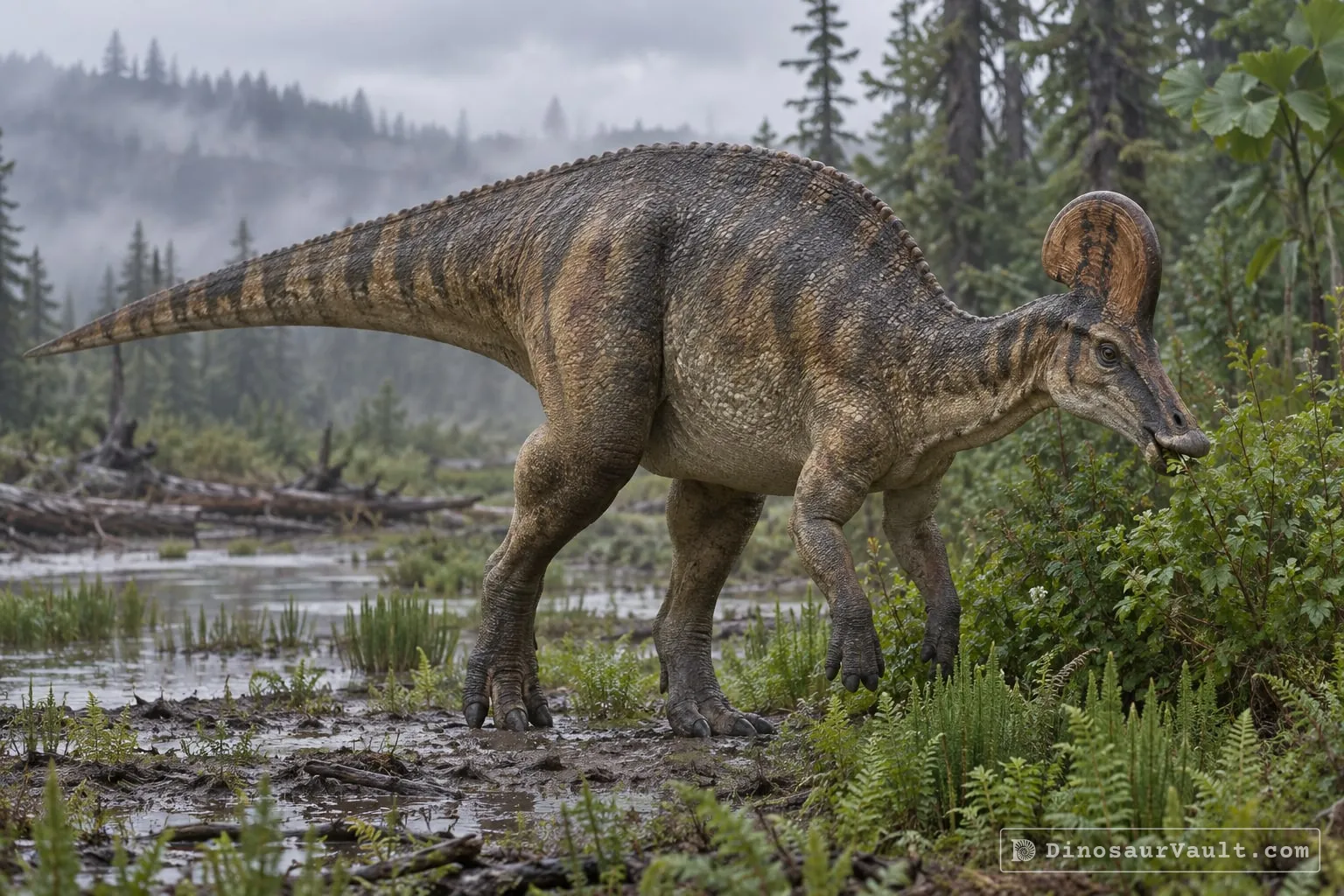


A rock formation can hold fossils laid down millions of years apart, so not every animal here met Avaceratops.
The evidence
The science behind Avaceratops
Which parts of the picture come from its own bones, and which come from its relatives.
From its own fossils
- The original specimen preserves a partial skull and skeleton, with an incomplete frill.
- Its feet had pointed claws, and its upper arm bone had a weaker crest than usual in horned dinosaurs.
Borrowed from relatives
- Its missing muzzle and body are compared with centrosaurine relatives such as Nasutoceratops.
Still unknown
- The size and horn shape of a fully grown Avaceratops.
- Whether the larger skulls once assigned to it belong to the same species; linking them would need specimens of intermediate growth stages.
- Its skin color and pattern.
Discovery timeline
- 1986Named itDodson
- 1999Full descriptionPenkalski & Dodson
- 2017Family treeRyan et al.
Key papers
The research behind what we know of Avaceratops
Named it
Named Avaceratops from a small partial skull and skeleton found in the Judith River Formation.
Avaceratops lammersi: a new ceratopsid from the Judith River Formation of Montana. Proceedings of the Academy of Natural Sciences of Philadelphia 138: 305-317
No link available
Full description
Described the original skull and skeleton in detail and assigned a larger partial skull to Avaceratops.
The morphology and systematics ofAvaceratops, a primitive horned dinosaur from the Judith River Formation (Late Campanian) of Montana, with the description of a second skull. Journal of Vertebrate Paleontology 19: 692-711
Read the paper : The morphology and systematics ofAvaceratops, a primitive horned dinosaur from the Judith River Formation (Late Campanian) of Montana, with the description of a second skull (opens in a new tab)Family tree
Grouped Avaceratops with Nasutoceratops and questioned whether the larger skull belonged to Avaceratops.
A basal ceratopsid (Centrosaurinae: Nasutoceratopsini) from the Oldman Formation (Campanian) of Alberta, Canada. Canadian Journal of Earth Sciences 54: 1-14
Read the paper : A basal ceratopsid (Centrosaurinae: Nasutoceratopsini) from the Oldman Formation (Campanian) of Alberta, Canada (opens in a new tab)
Close relatives
Other members of Ceratopsidae


Sources: Wikidata