Outline: a typical ceratopsian
Arrhinoceratops
"no nose horn face"
- Lived
- 84 to 66 million years ago, Late Cretaceous
- Diet
- Herbivore
- Length
- about 6 m (20 ft)
- Group
- Ceratopsians, Ceratopsidae
- Found in
- Canada
- Named by
- Parks 1925
Size comparison
To scale

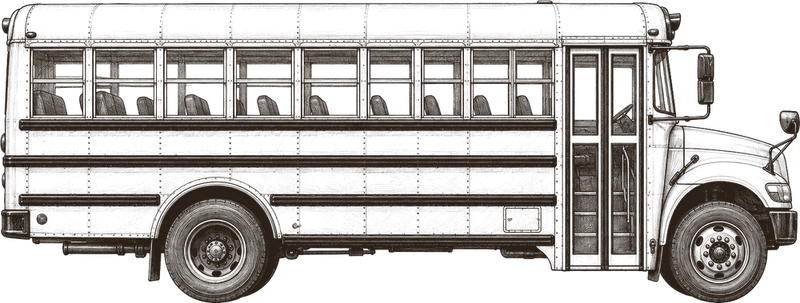
Scale in metersOutline: typical ceratopsian shape
Where its fossils were found
The evidence
Today
75 million years ago
Field notes
About Arrhinoceratops
What it was like
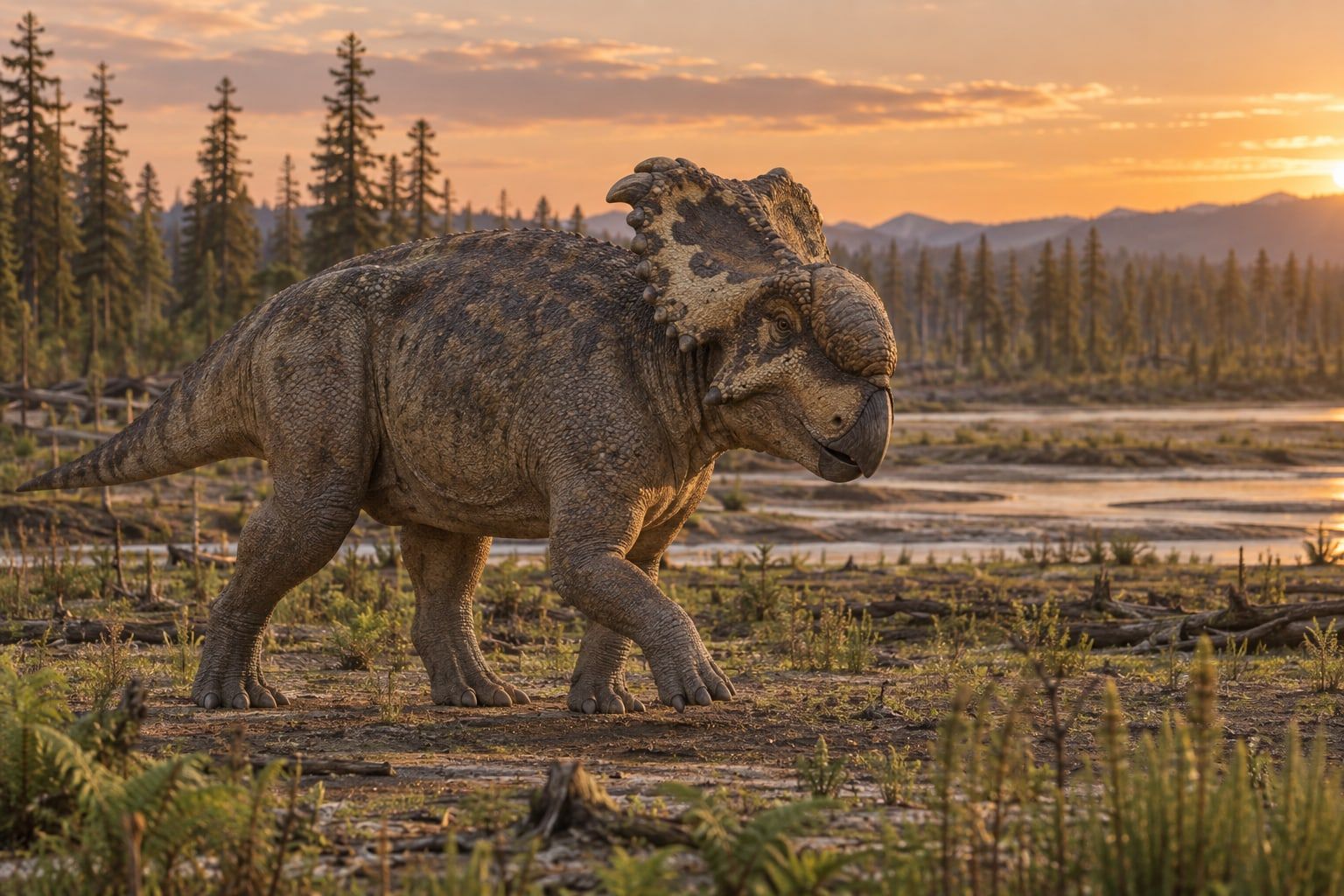
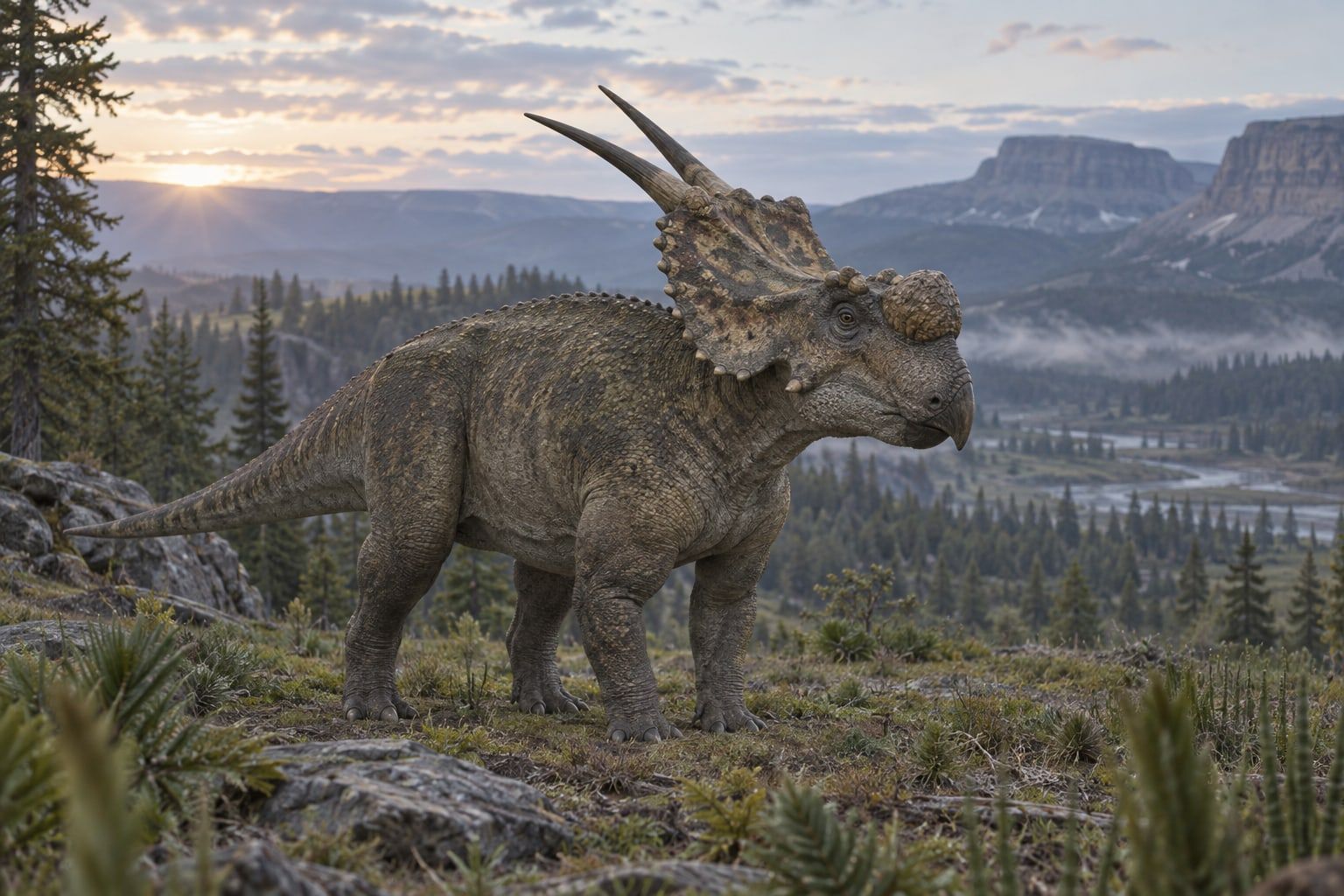
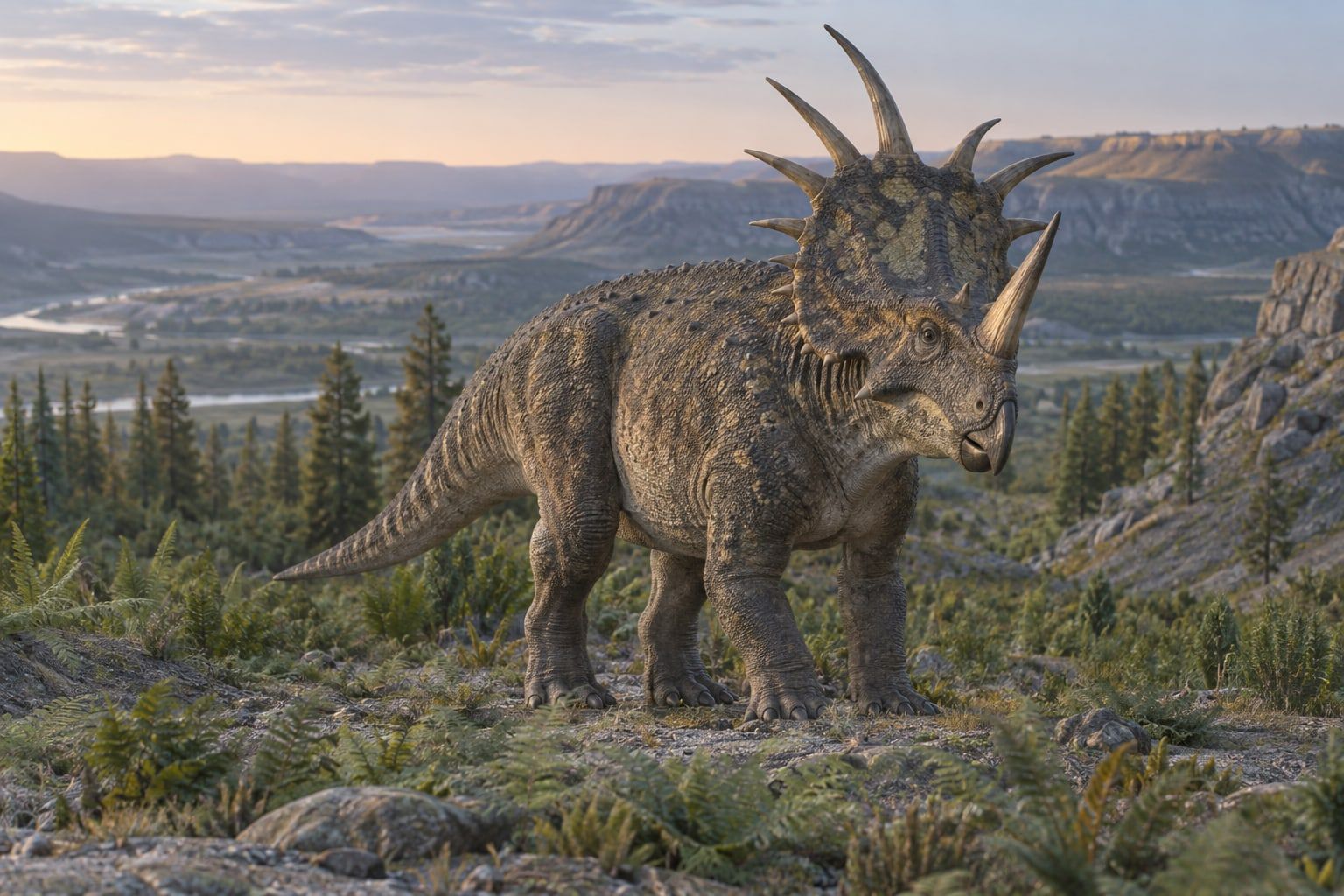
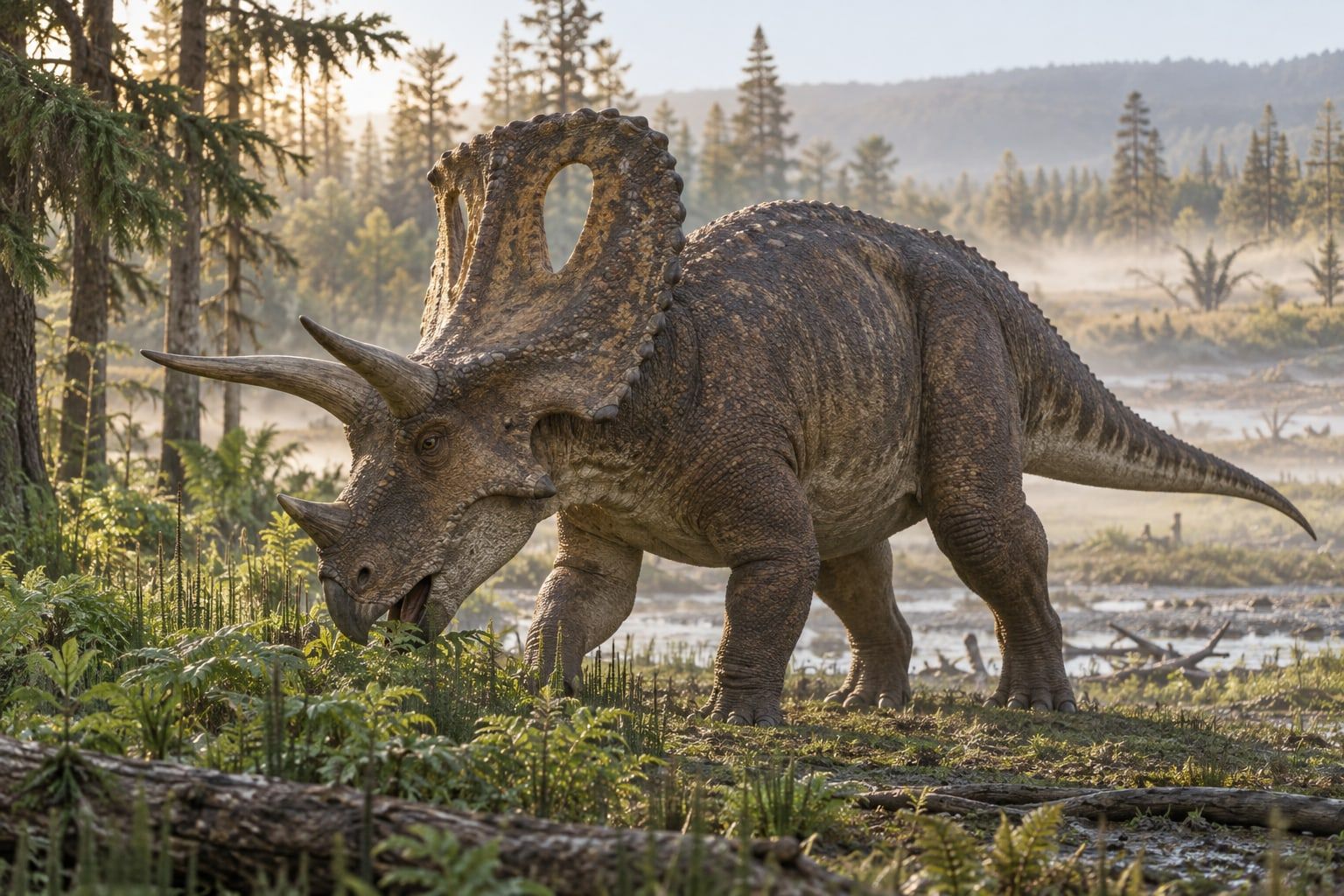
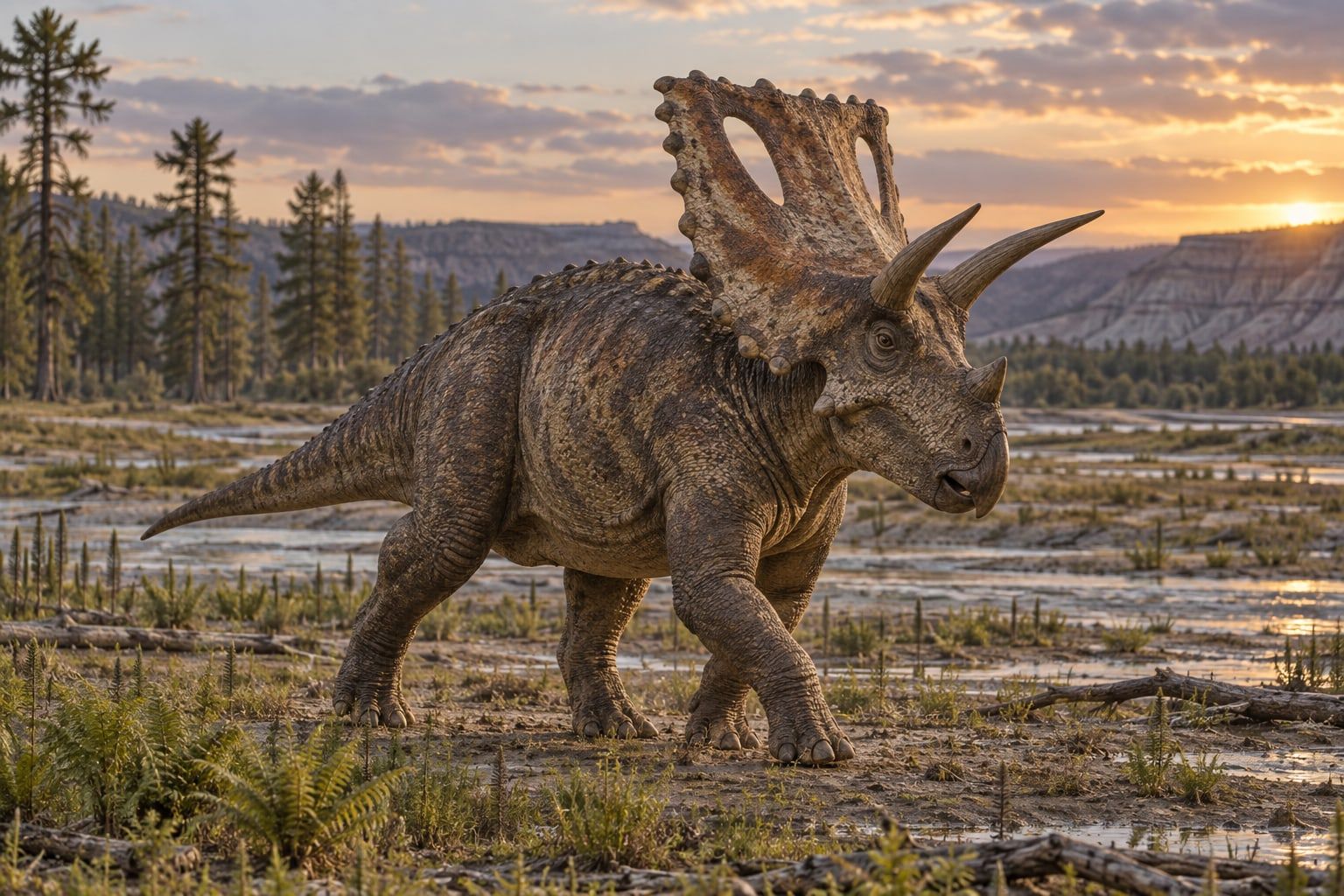
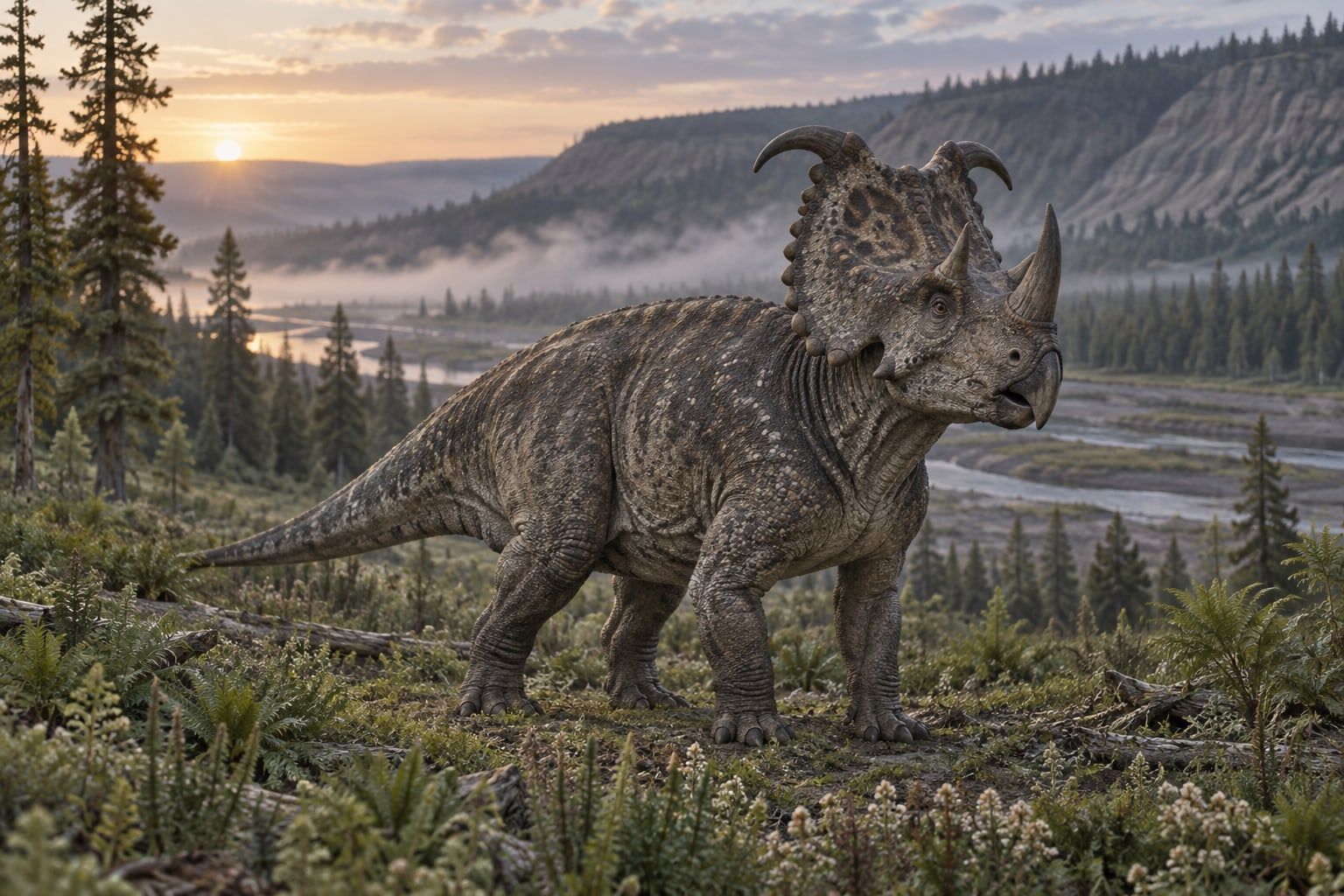
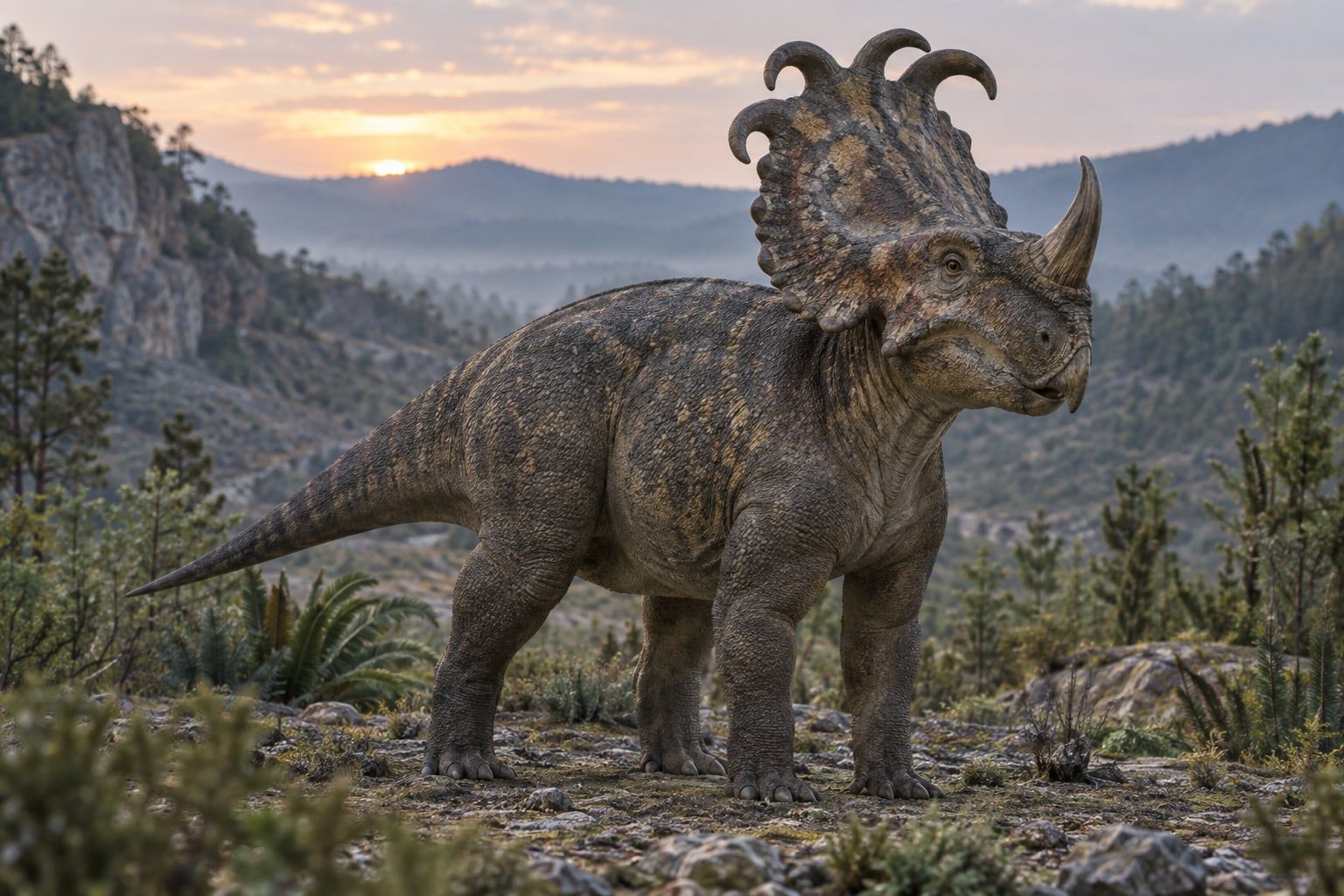
Arrhinoceratops was a horned dinosaur about 6 meters (20 feet) long, related to Triceratops. It had two long brow horns, a short nose horn and a broad frill with two openings.
Its name means it had no nose horn, but that was a mistake: the horn is there, just short.
Its world
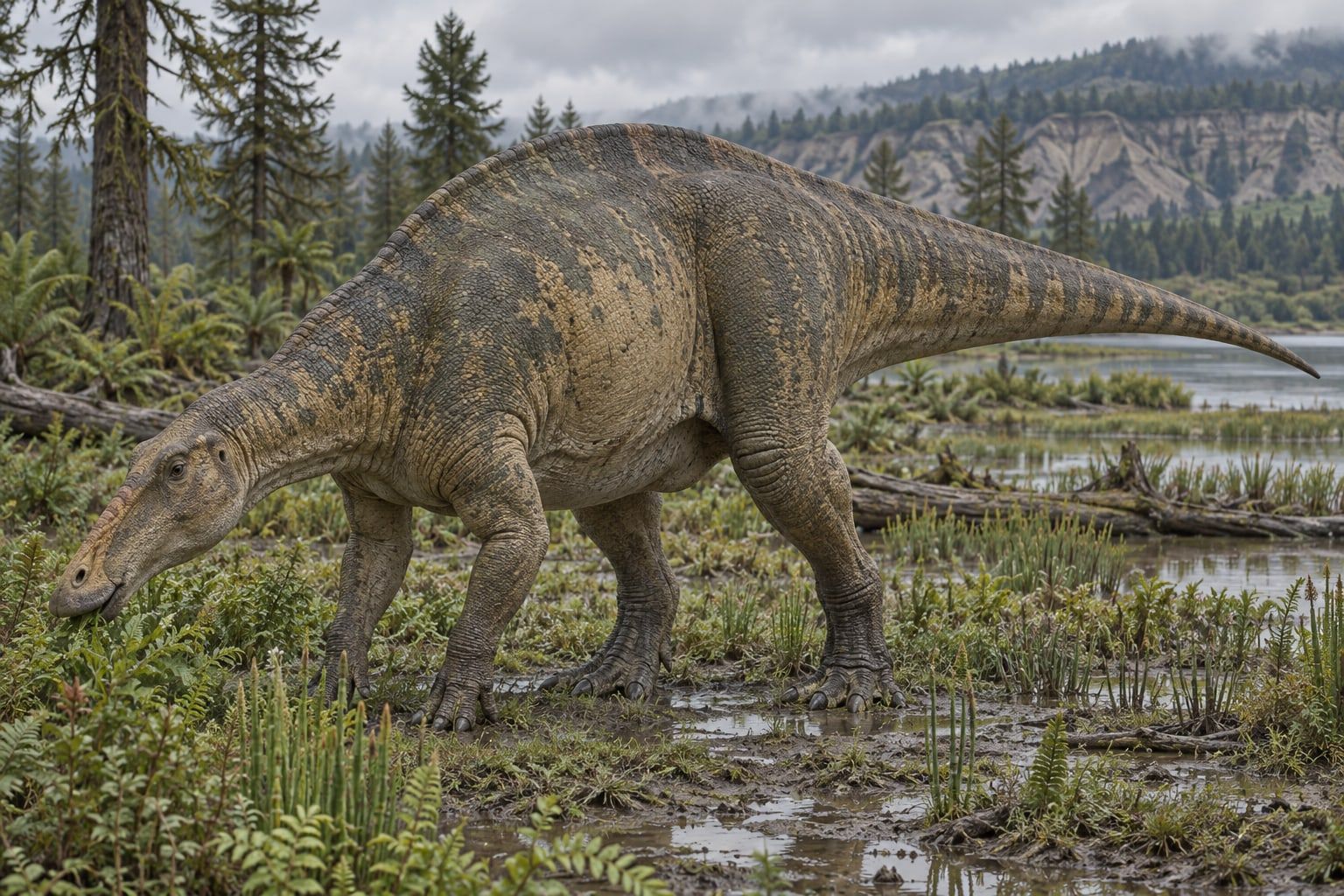
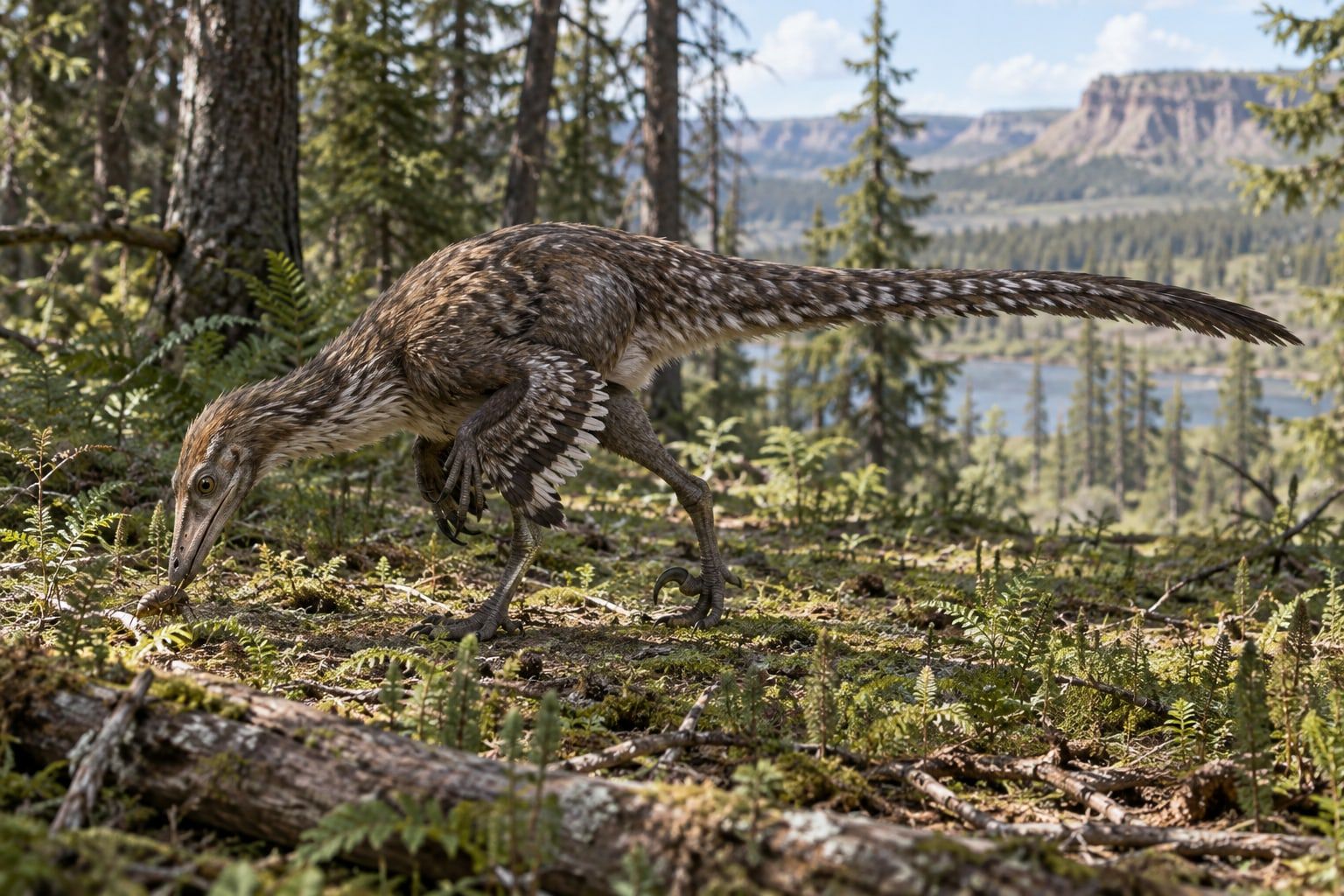
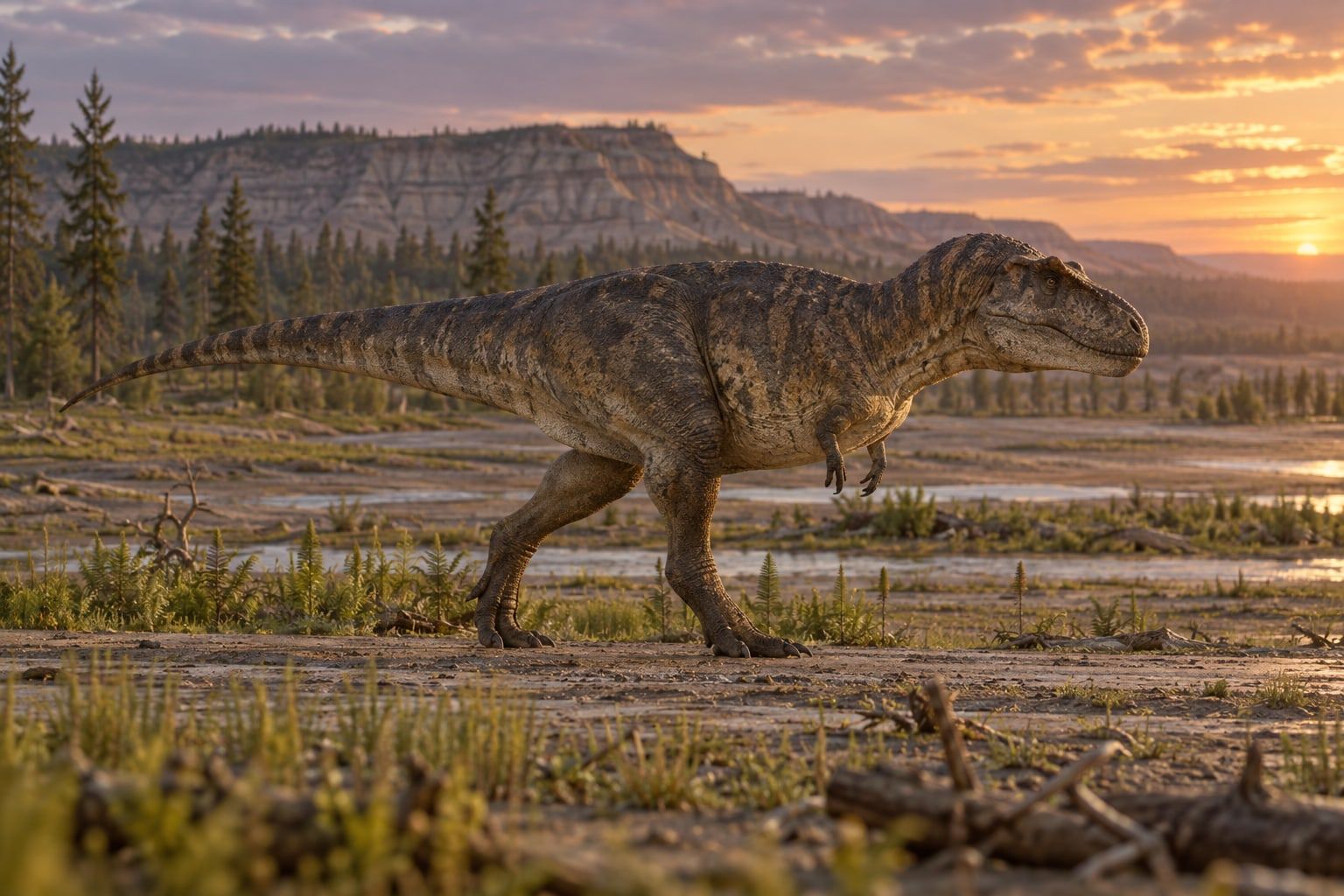
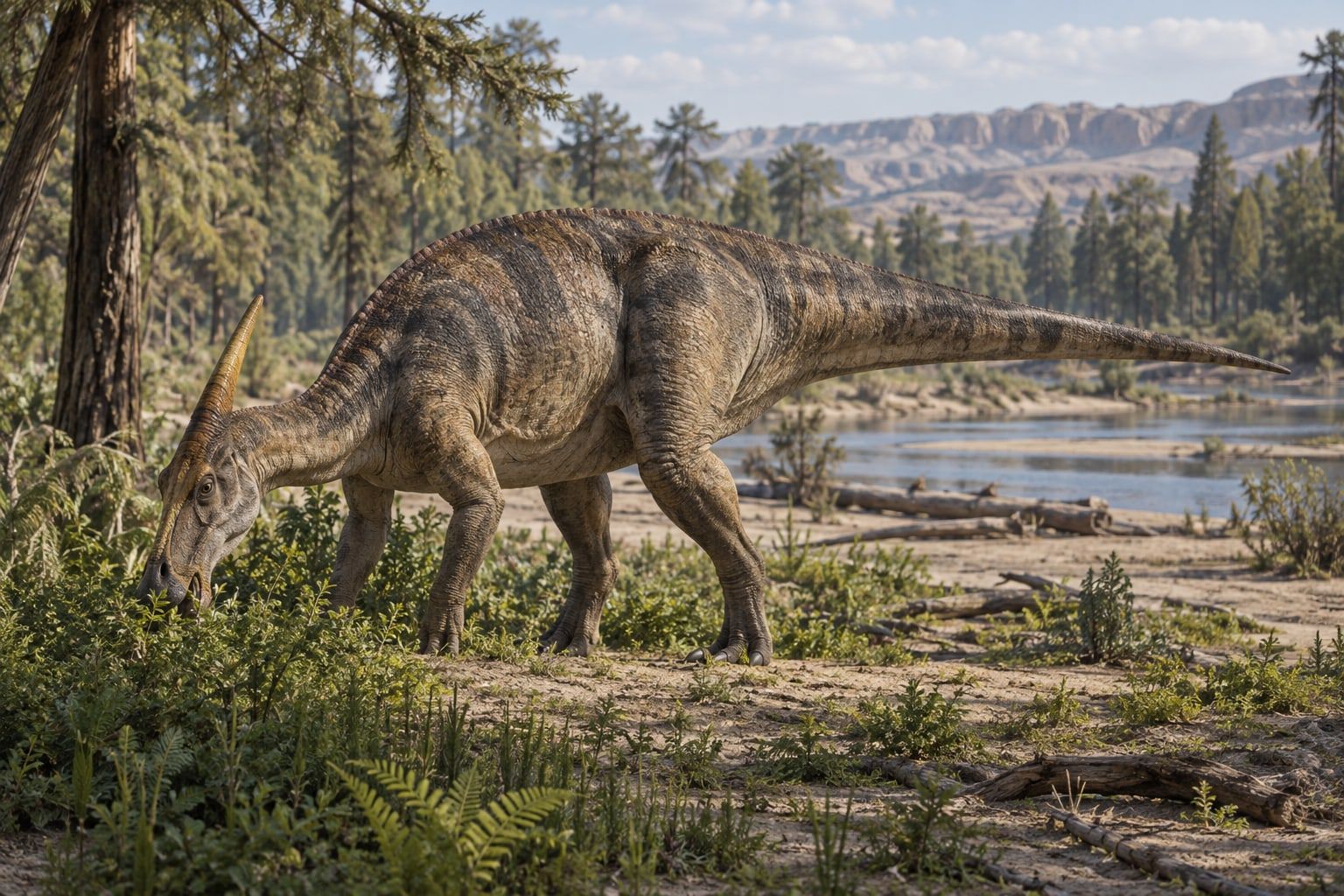
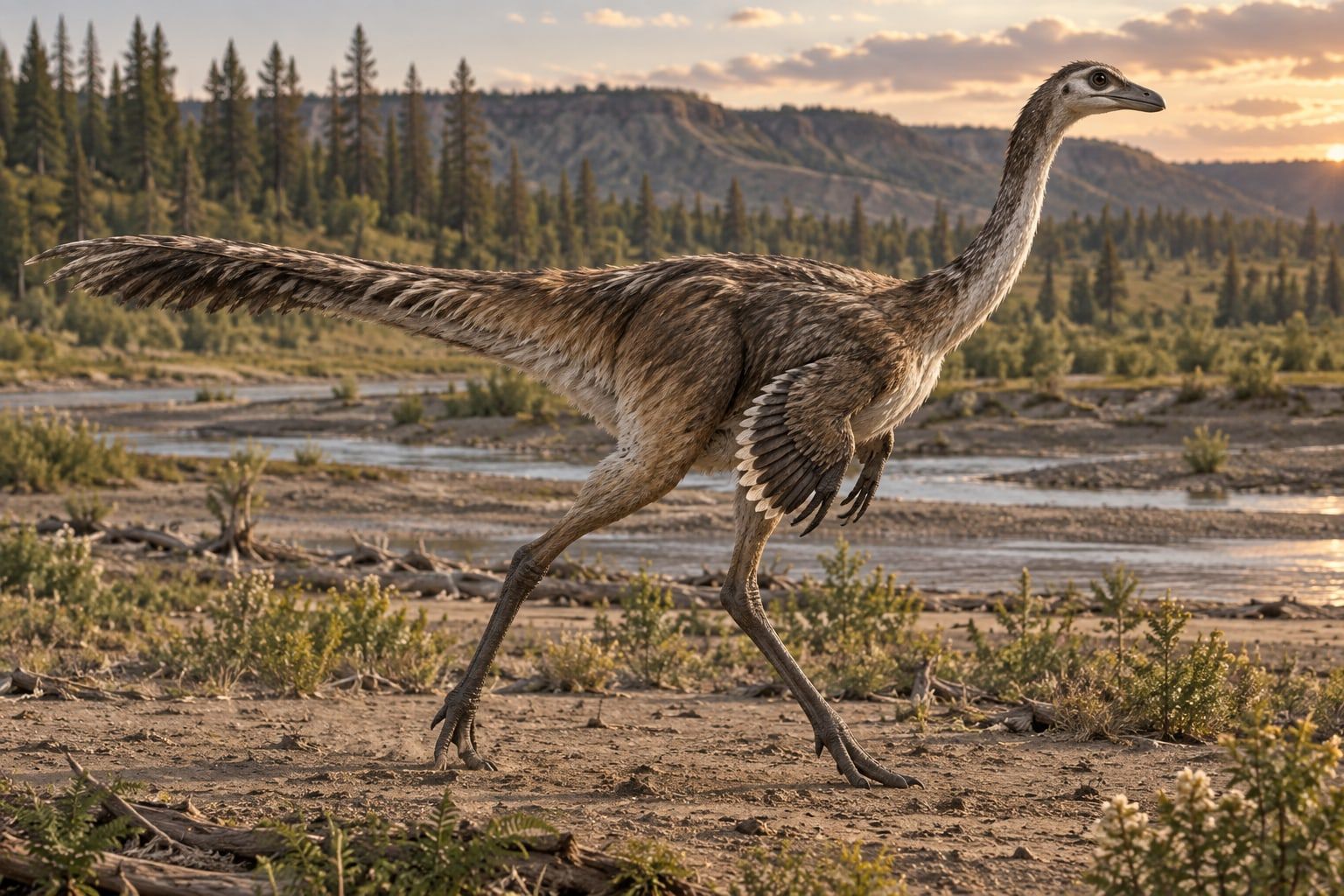
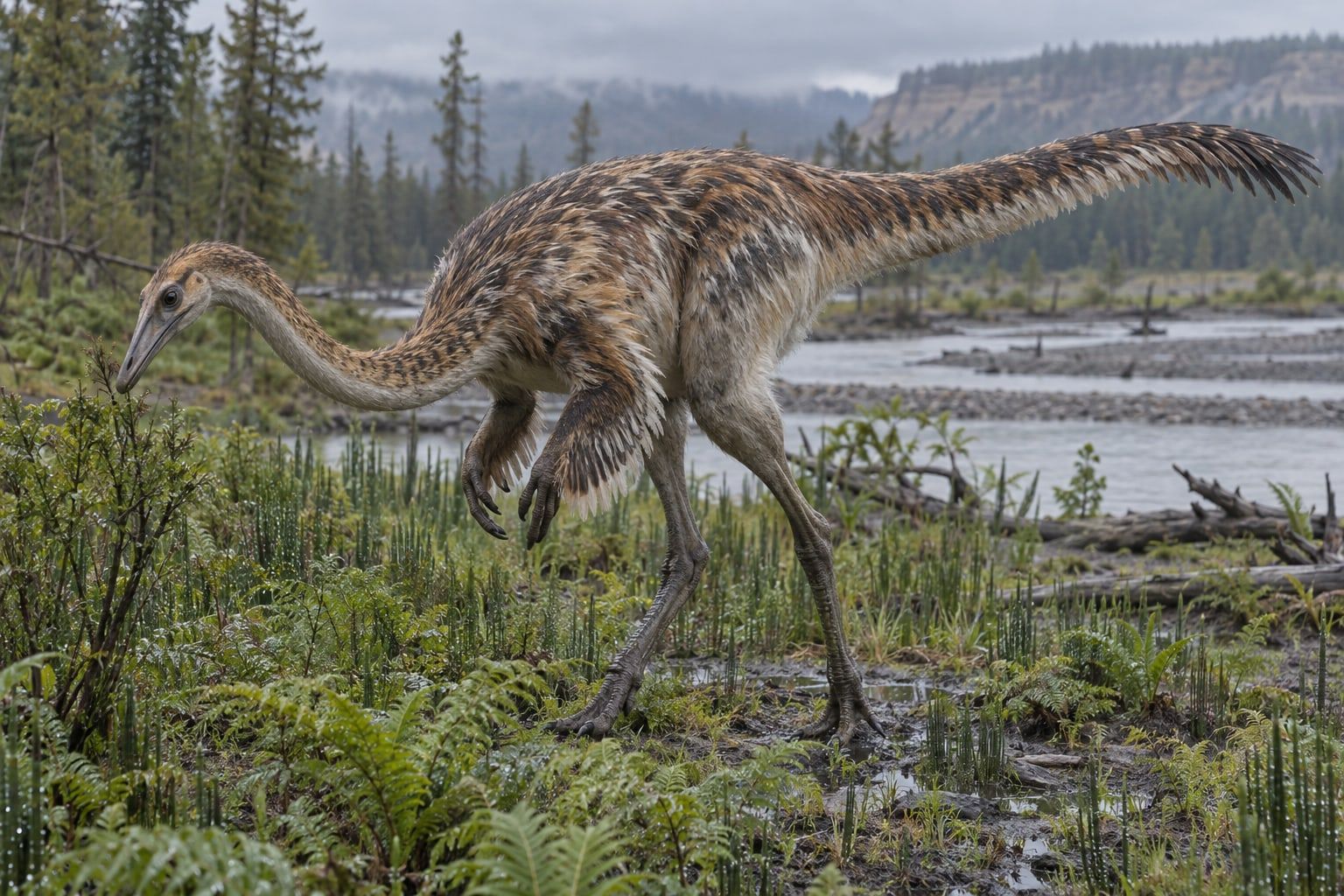
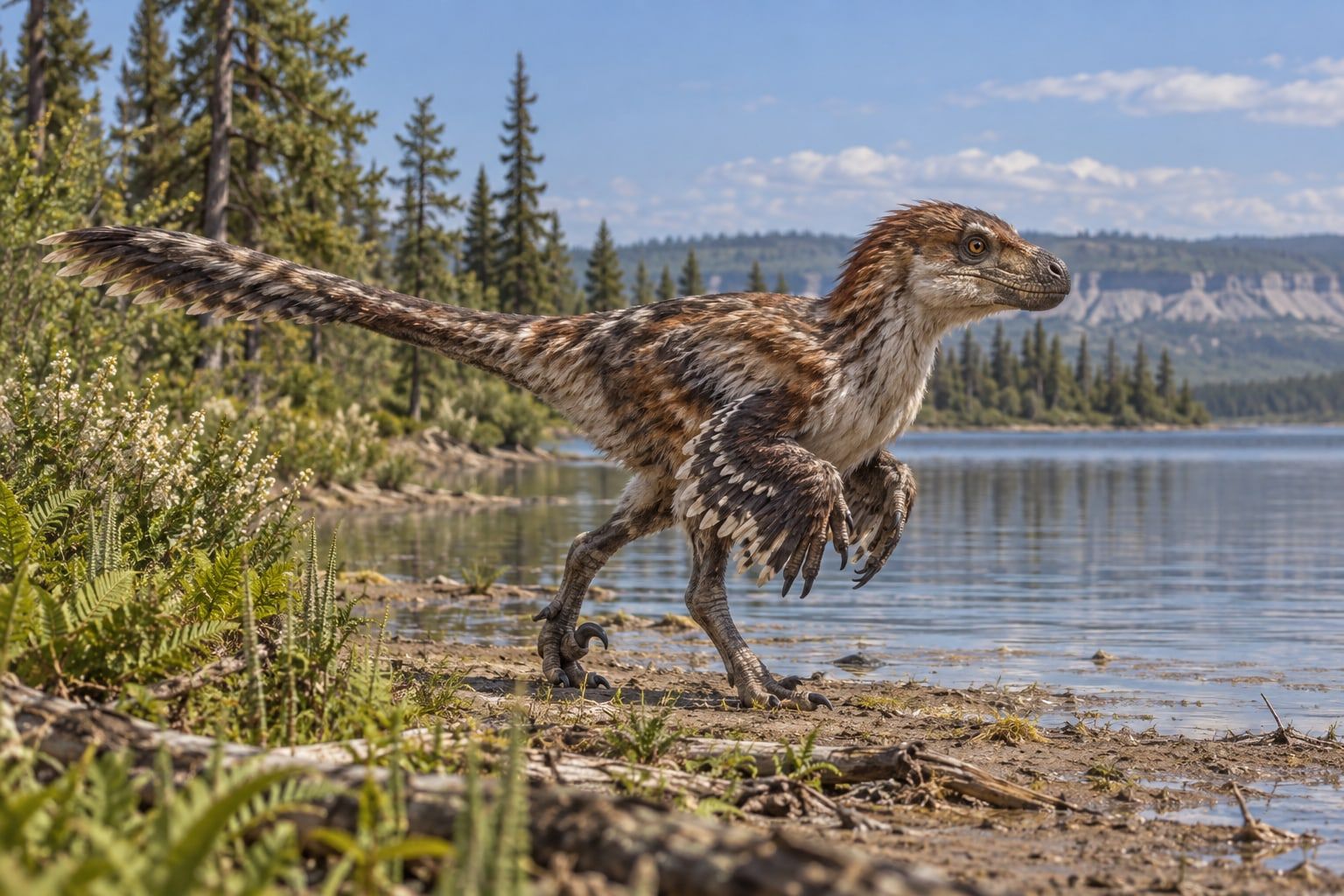
It lived in the Late Cretaceous, in what is now Alberta, Canada. It comes from the Horseshoe Canyon Formation, where it shared the land with the tyrannosaur Albertosaurus, the duckbills Edmontosaurus and Saurolophus, and the ostrich-like Ornithomimus and Struthiomimus.
How it was found
Parks named Arrhinoceratops in 1925, from a crushed skull.
Lived alongside
Found in the same rock formations
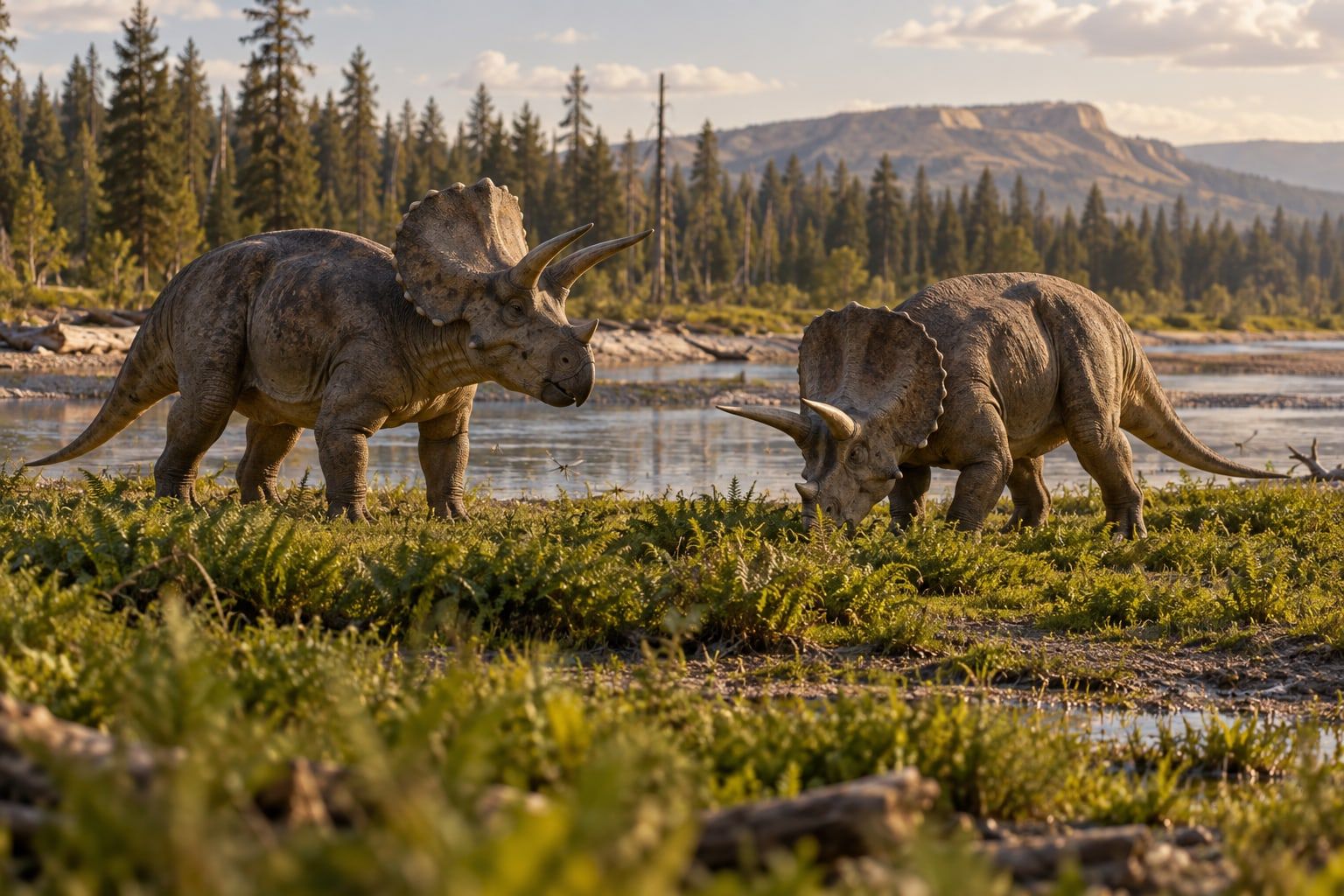
Close relatives
Other members of Ceratopsidae
Sources: WikidataNamed in: W. A. Parks. 1925. Arrhinoceratops brachyops, a new genus and species of Ceratopsia from the Edmonton Formation of Alberta. University of Toronto Studies, Geology Series 19:1-15