Albertavenator
"Alberta hunter"
Type species Albertavenator curriei
- Lived
- 84 to 66 million years ago, Late Cretaceous
- Diet
- Omnivore
- Group
- Theropods, Troodontidae
- Found in
- Canada
- Named by
- Evans et al. 2017
Where its fossils were found
The evidence
Today

75 million years ago
Habitat
The Horseshoe Canyon Formation records rivers, floodplains and swamps. Albertosaurus, Edmontosaurus and Ornithomimus lived in the same region.
Field notes
About Albertavenator
What it was like
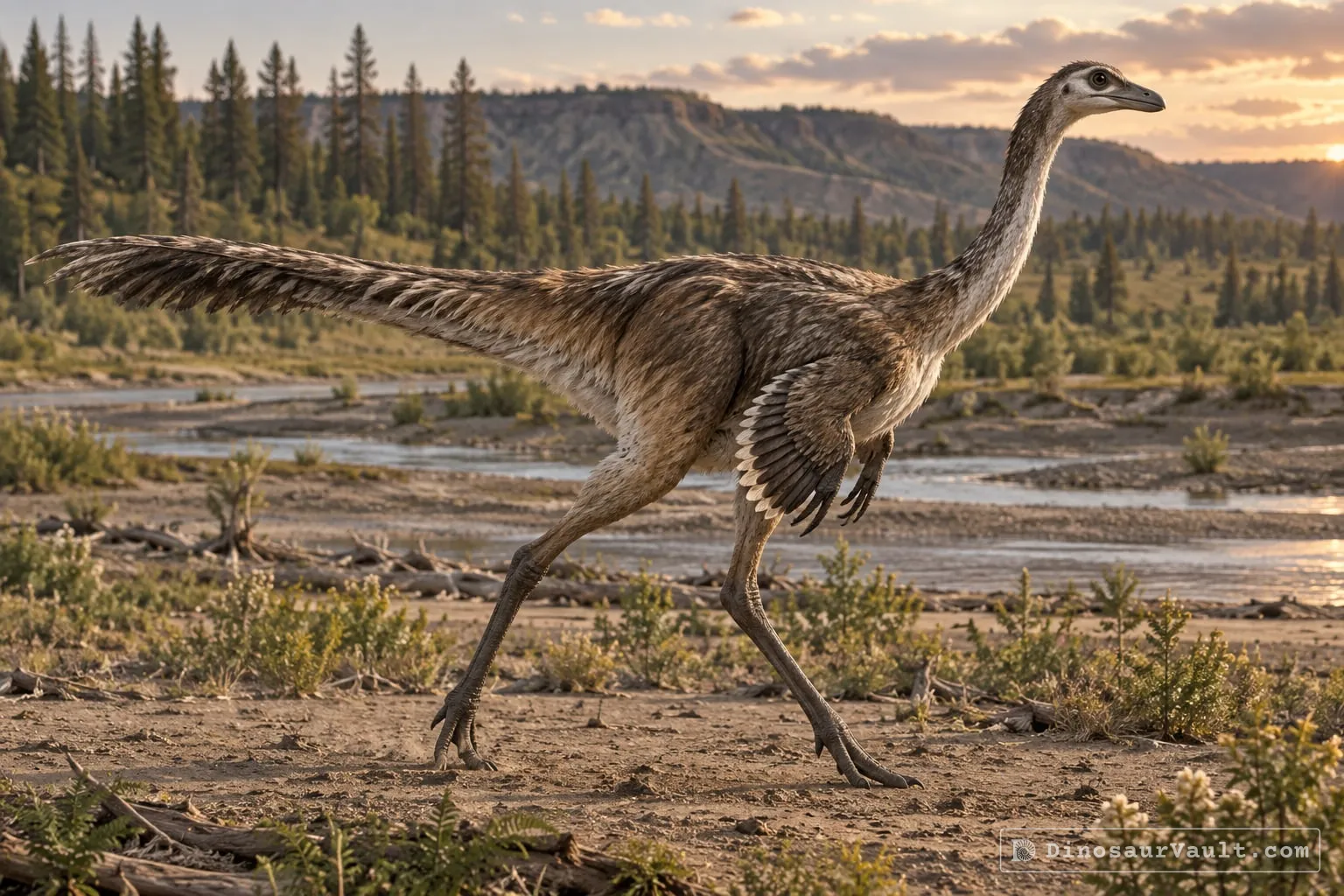
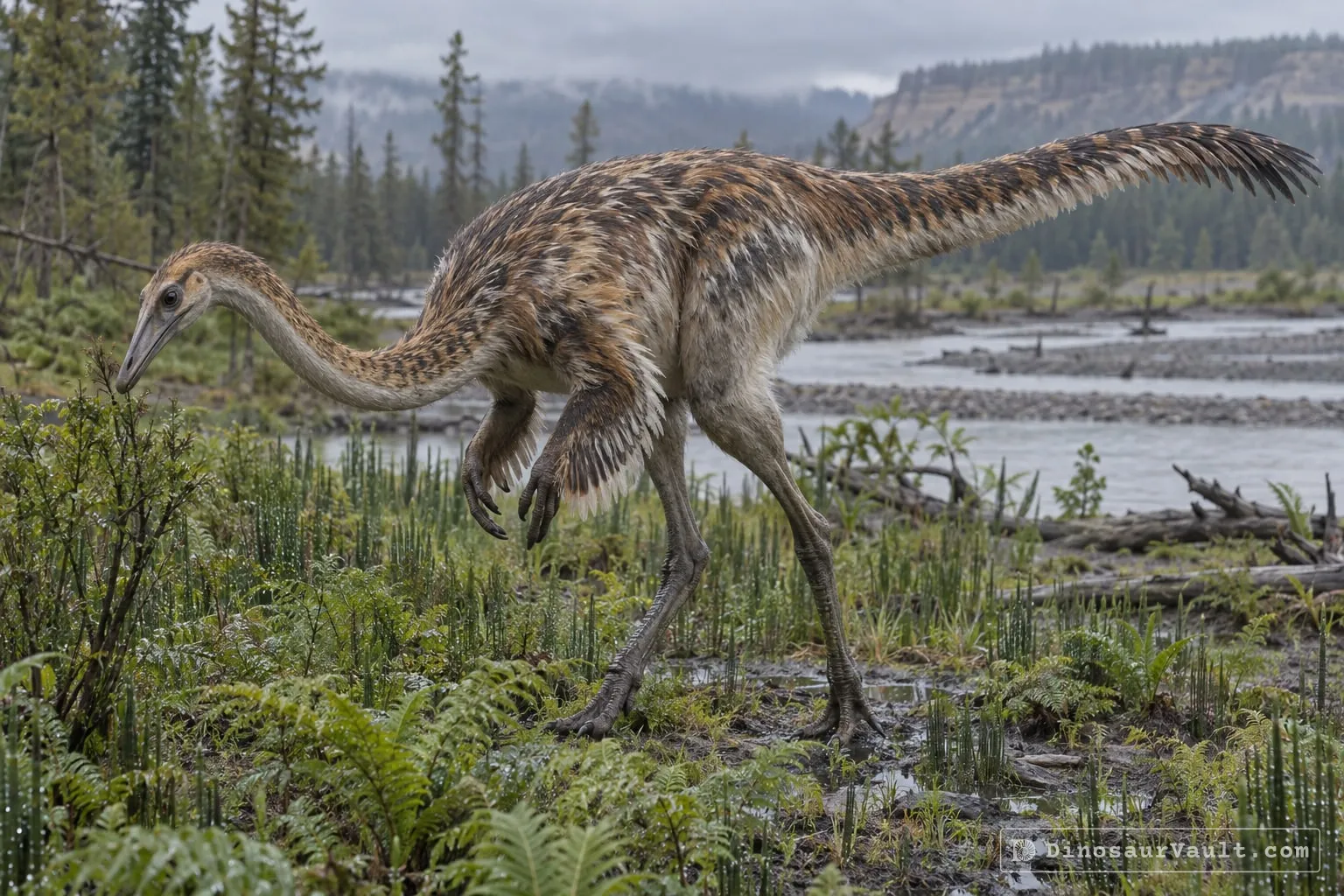
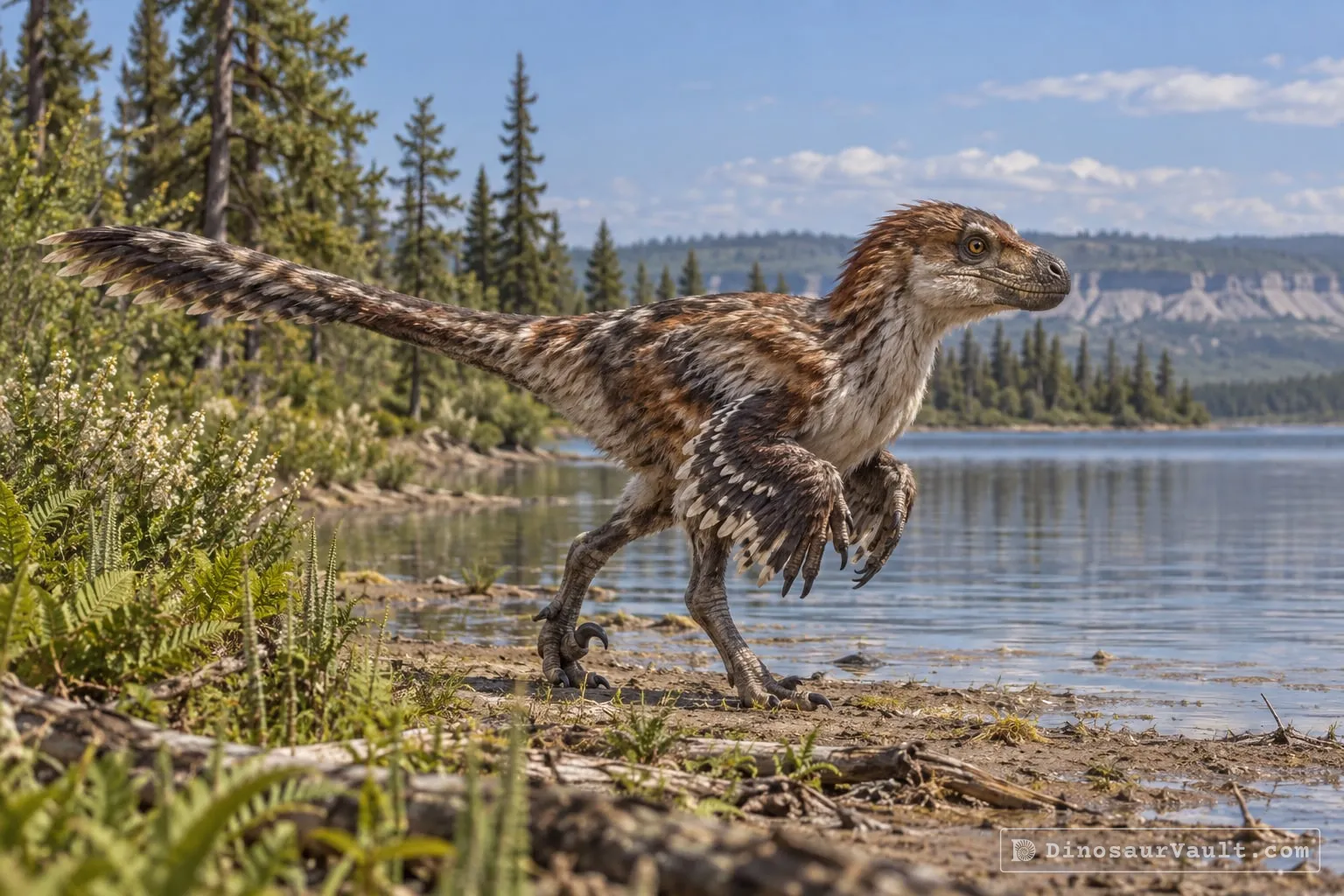
Albertavenator was a troodontid, a lightly built, feathered theropod with large eyes. It is known from part of a skull. It looks a lot like Troodon, but its skull bones differ in shape.
Its world
It lived in the Late Cretaceous, in what is now Alberta, Canada. It comes from the Horseshoe Canyon Formation, where it shared the land with the tyrannosaur Albertosaurus, the duckbills Edmontosaurus and Saurolophus and the ostrich-like Ornithomimus.
How it was found
Evans and colleagues named Albertavenator in 2017. The type species is Albertavenator curriei.
Field gallery
More views of Albertavenator
Scenes reconstructed from the available fossil evidence.
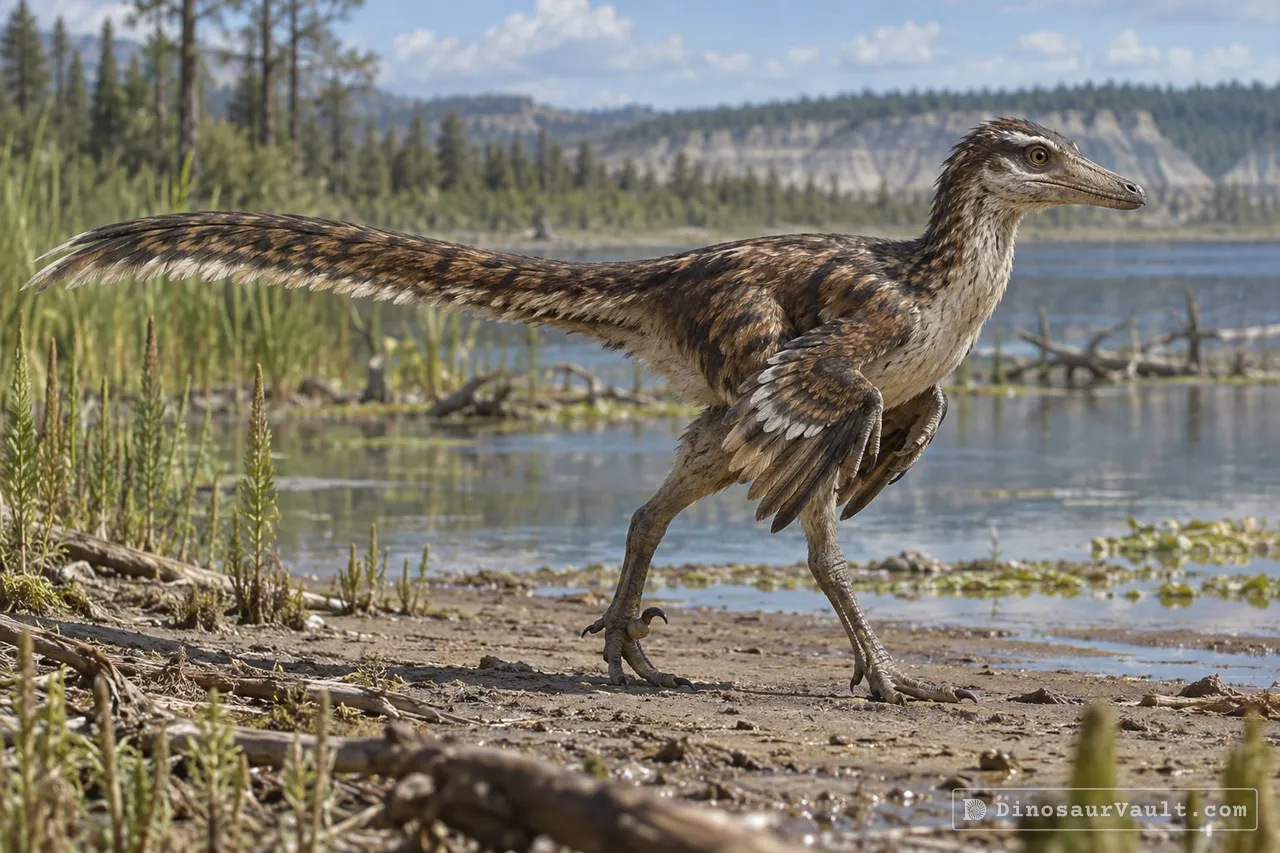
1 of 3
Lived alongside
Found in the same rock formations
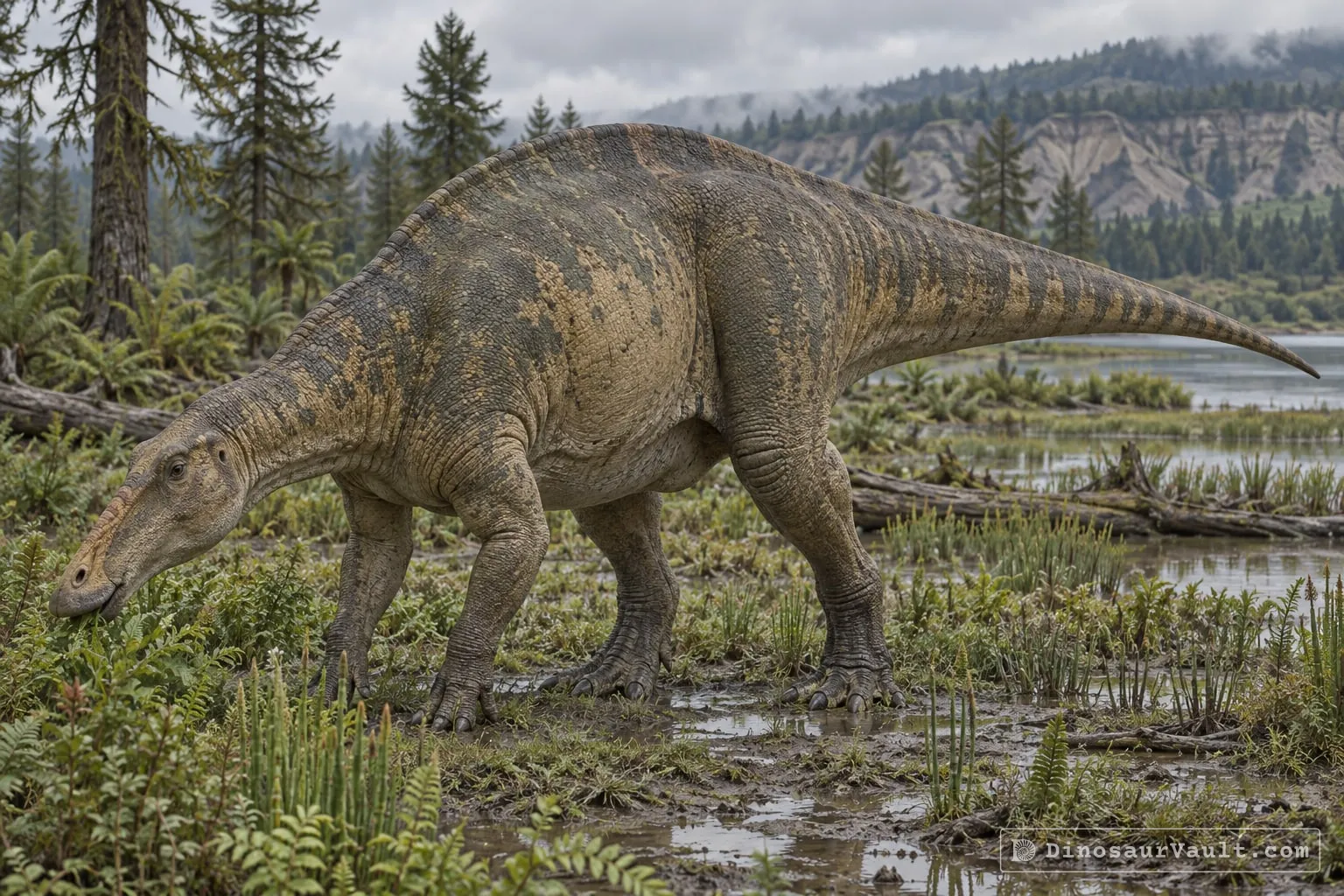
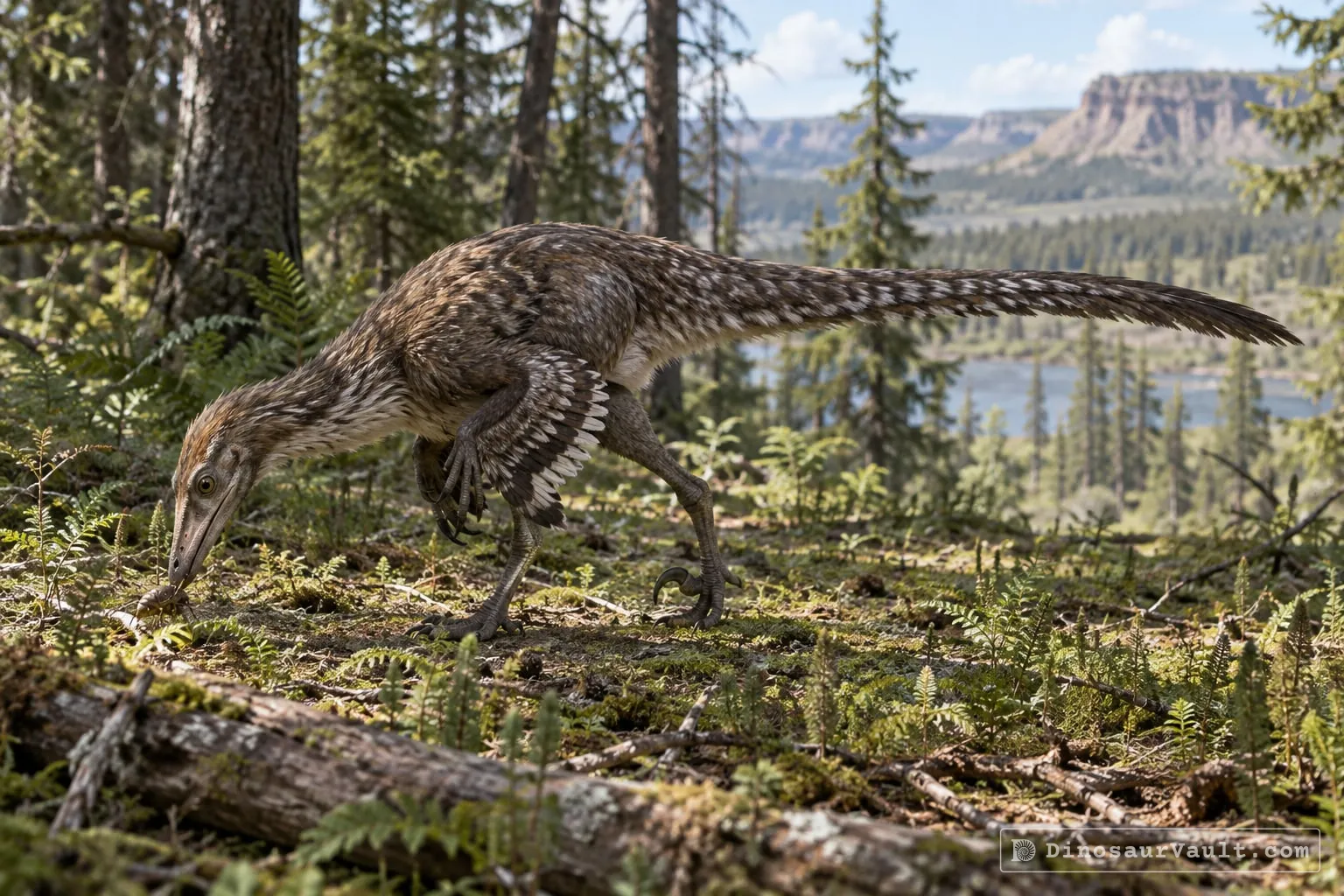
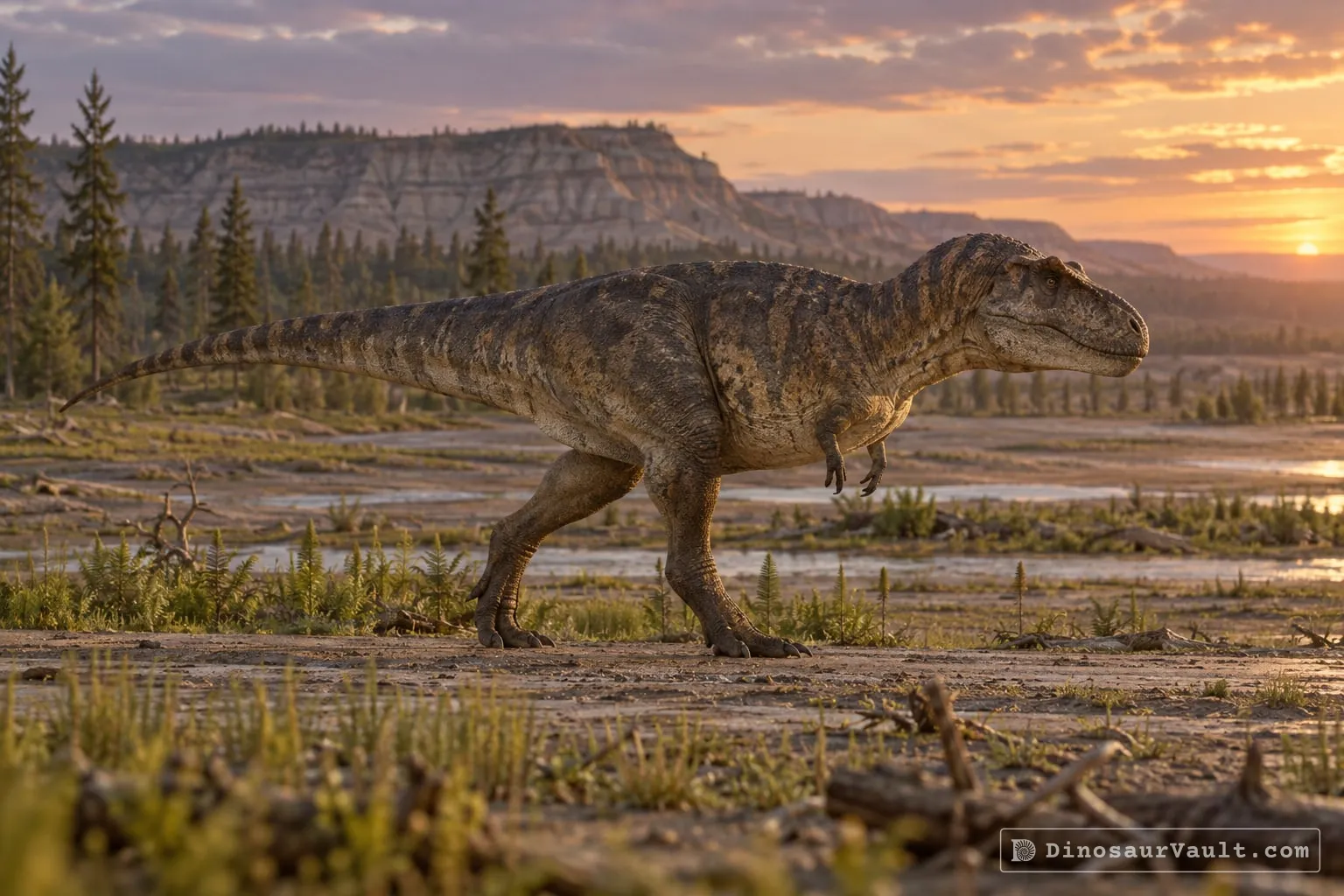
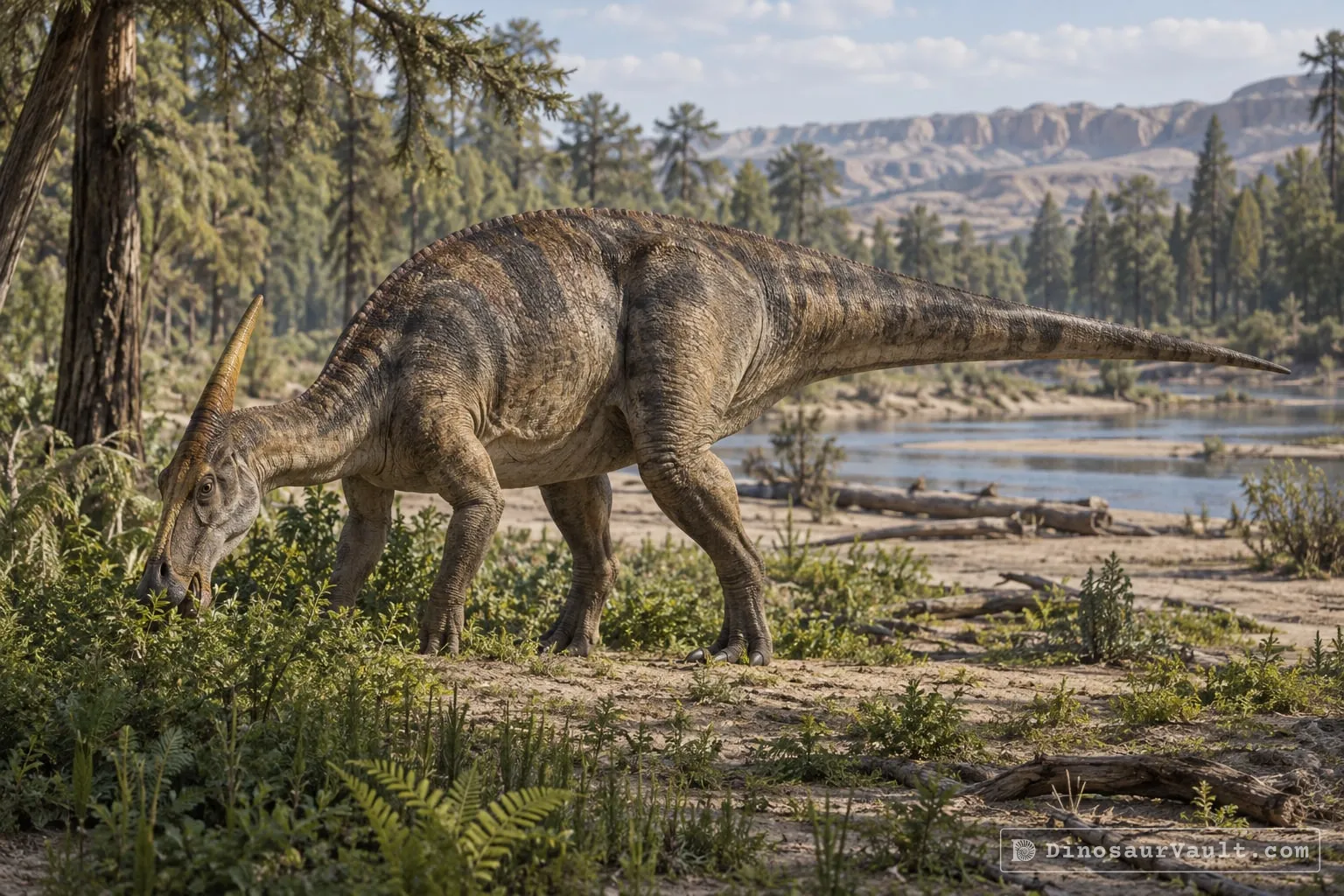
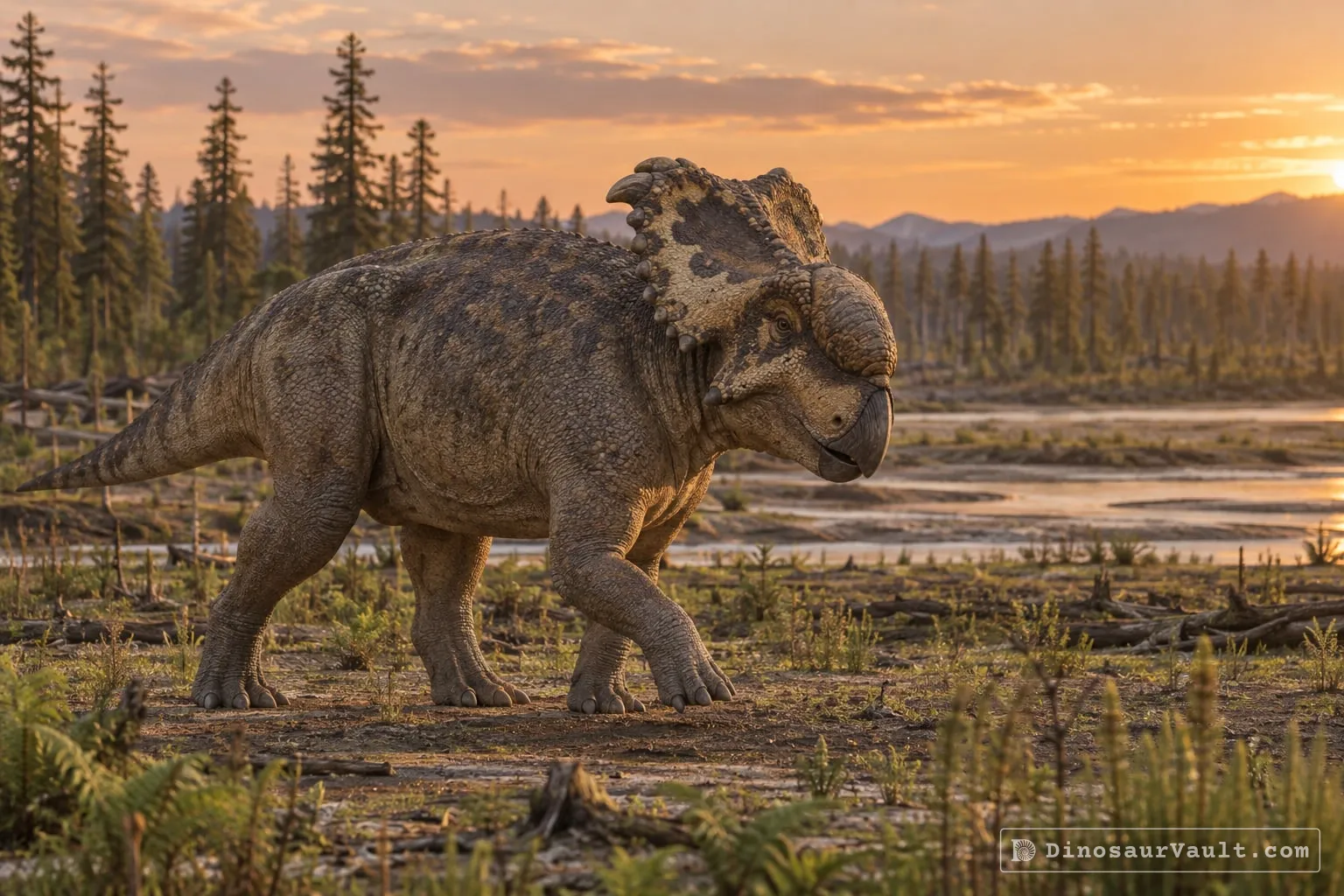


A rock formation can hold fossils laid down millions of years apart, so not every animal here met Albertavenator.
The evidence
The science behind Albertavenator
Which parts of the picture come from its own bones, and which come from its relatives.
From its own fossils
- Partial forehead bones form the basis of its identification.
- The forehead bone is unusually short and broad compared with other troodontids.
Borrowed from relatives
- The body and limbs are restored by comparison with troodontids such as Troodon.
- Feathers are inferred from feathered relatives such as Anchiornis.
Still unknown
- Its complete skull shape and body proportions.
- Its feather colors.
- Which foods it ate.
Discovery timeline
- 2009Close relativeHu et al.
- 2012Family treeTurner, Makovicky & Norell
- 2017Named itEvans et al.
Key papers
The research behind what we know of Albertavenator
Close relative
Described extensive feathers in Anchiornis, including long feathers on its feet, supporting feathered restorations of related dinosaurs.
A pre-Archaeopteryx troodontid theropod from China with long feathers on the metatarsus. Nature 461: 640-643
Read the paper : A pre-Archaeopteryx troodontid theropod from China with long feathers on the metatarsus (opens in a new tab)Family tree
Compared the skeletons of raptors, troodontids and early birds to trace their relationships and changes in body size.
A Review of Dromaeosaurid Systematics and Paravian Phylogeny. Bulletin of the American Museum of Natural History 371: 1-206
Read the paper : A Review of Dromaeosaurid Systematics and Paravian Phylogeny (opens in a new tab)Named it
Named Albertavenator from short, broad forehead bones that differ from those previously assigned to Troodon.
A new species of troodontid theropod (Dinosauria: Maniraptora) from the Horseshoe Canyon Formation (Maastrichtian) of Alberta, Canada. Canadian Journal of Earth Sciences 54: 813-826
Read the paper : A new species of troodontid theropod (Dinosauria: Maniraptora) from the Horseshoe Canyon Formation (Maastrichtian) of Alberta, Canada (opens in a new tab)
Close relatives
Other members of Troodontidae


Sources: Wikidata