Albertaceratops
al-BER-tah-SER-ah-tops
"Alberta horned face"
- Lived
- 84 to 72 million years ago, Late Cretaceous
- Diet
- Herbivore
- Length
- estimates range from 5 to 7 m (16 to 23 ft)
- Group
- Ceratopsians, Ceratopsidae
- Found in
- Canada and United States
- Named by
- Ryan 2007
Where its fossils were found
The evidence
Today

80 million years ago
Habitat
It lived on the river plains of Alberta during the Late Cretaceous. Daspletosaurus, Corythosaurus and Euoplocephalus also come from the Oldman Formation.
Field notes
About Albertaceratops
What it was like
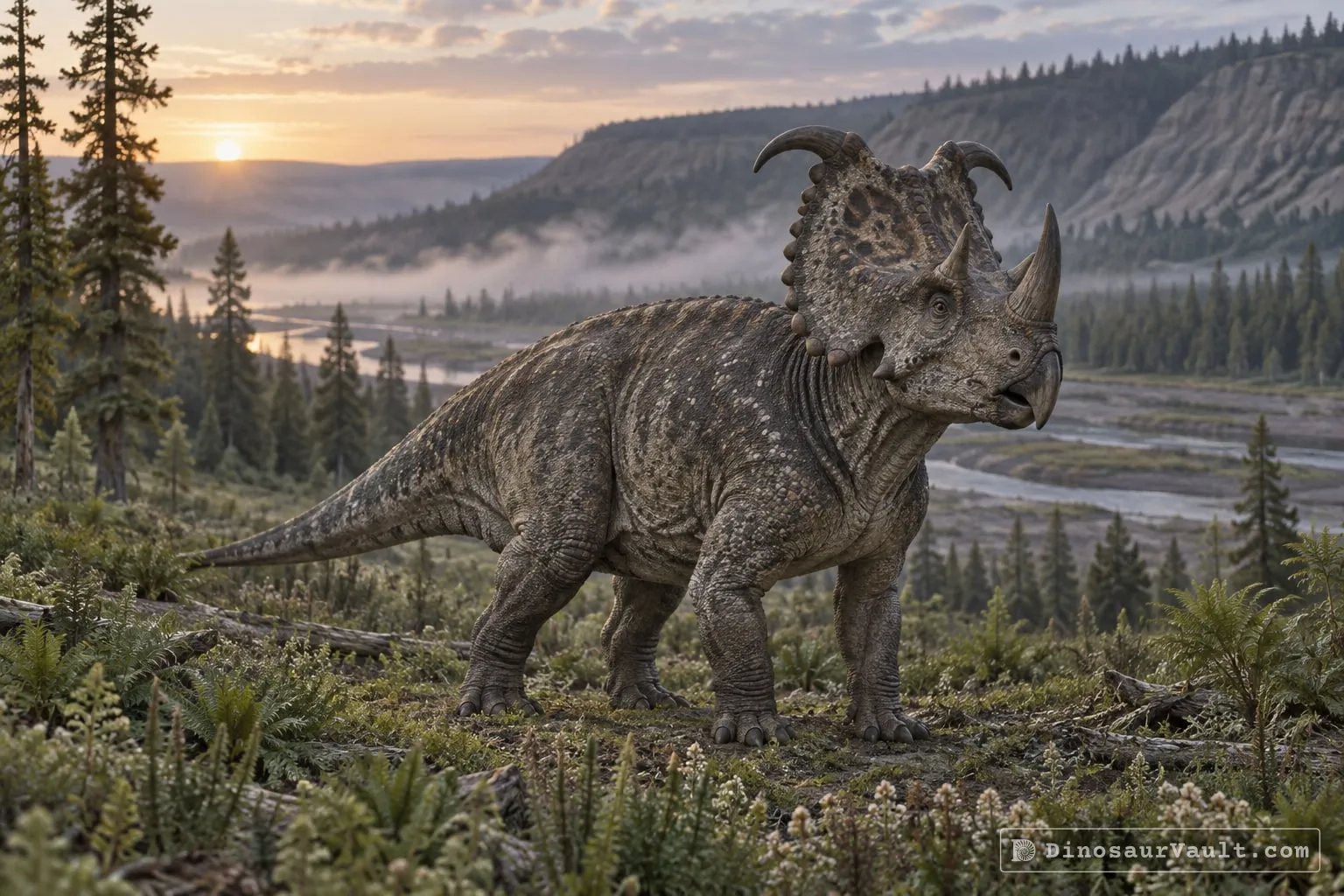
Albertaceratops was a horned dinosaur about 5 to 7 meters (16 to 23 feet) long. Unlike most of its close relatives, it had long horns over its eyes and only a low bump on its nose, and its frill carried two large hooks curling outward.
Its world
It lived in the Late Cretaceous in what is now Alberta, Canada, with another find reported from Montana in the United States. Its bones come from the Oldman and Judith River formations, where it lived alongside the tyrannosaurs Gorgosaurus and Daspletosaurus and other plant eaters such as Corythosaurus and Euoplocephalus.
How it was found
Ryan named Albertaceratops in 2007. It is one of the oldest members of its branch of horned dinosaurs.
Field gallery
More views of Albertaceratops
Scenes reconstructed from the available fossil evidence.
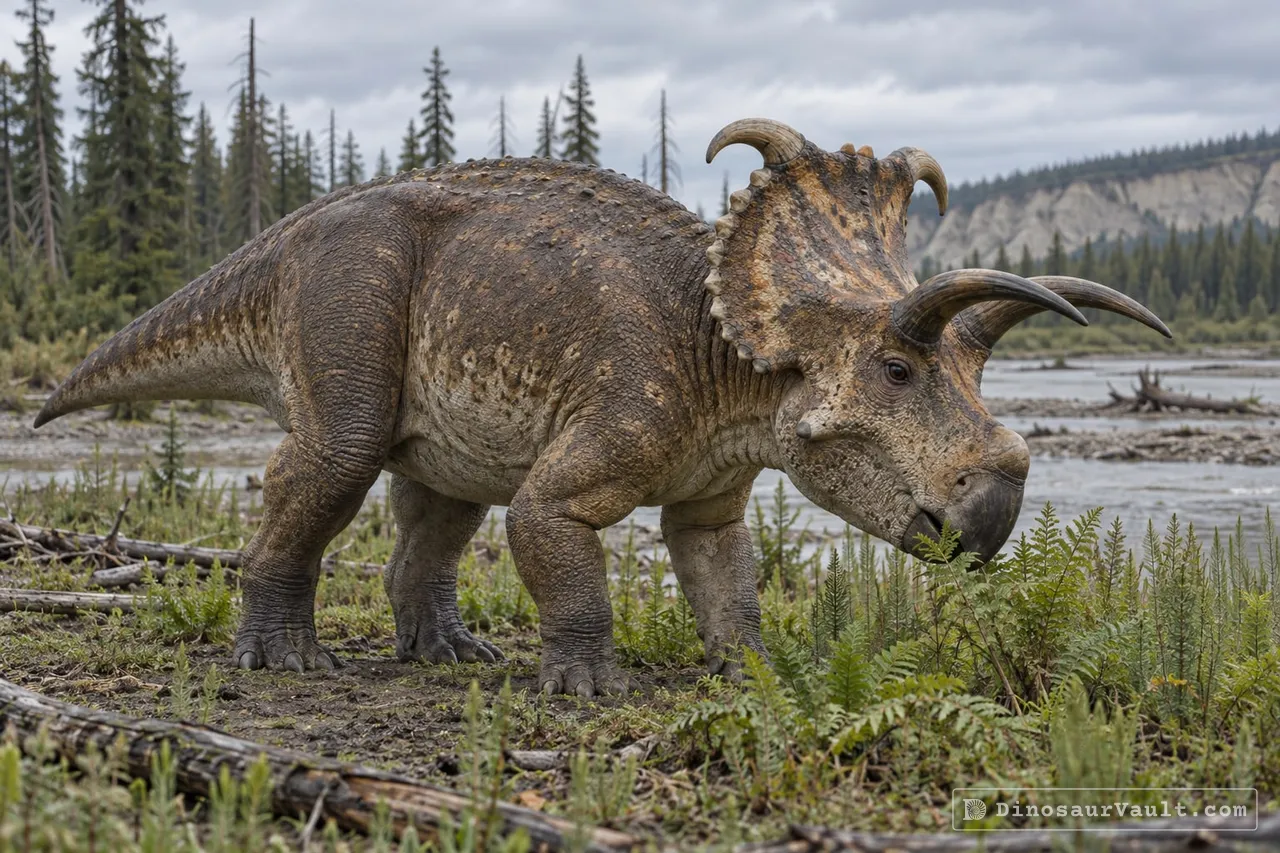
1 of 3
Lived alongside
Found in the same rock formations
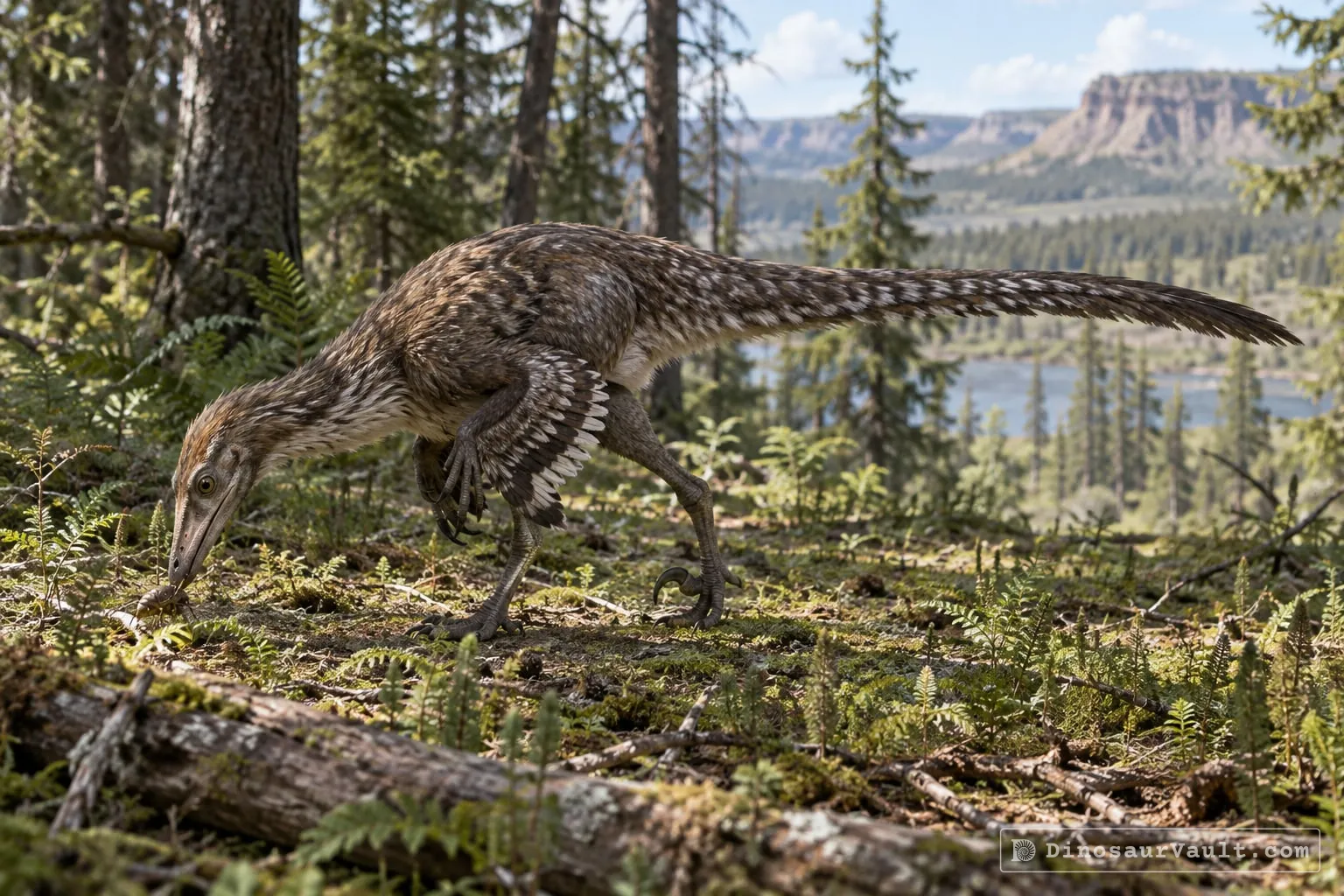
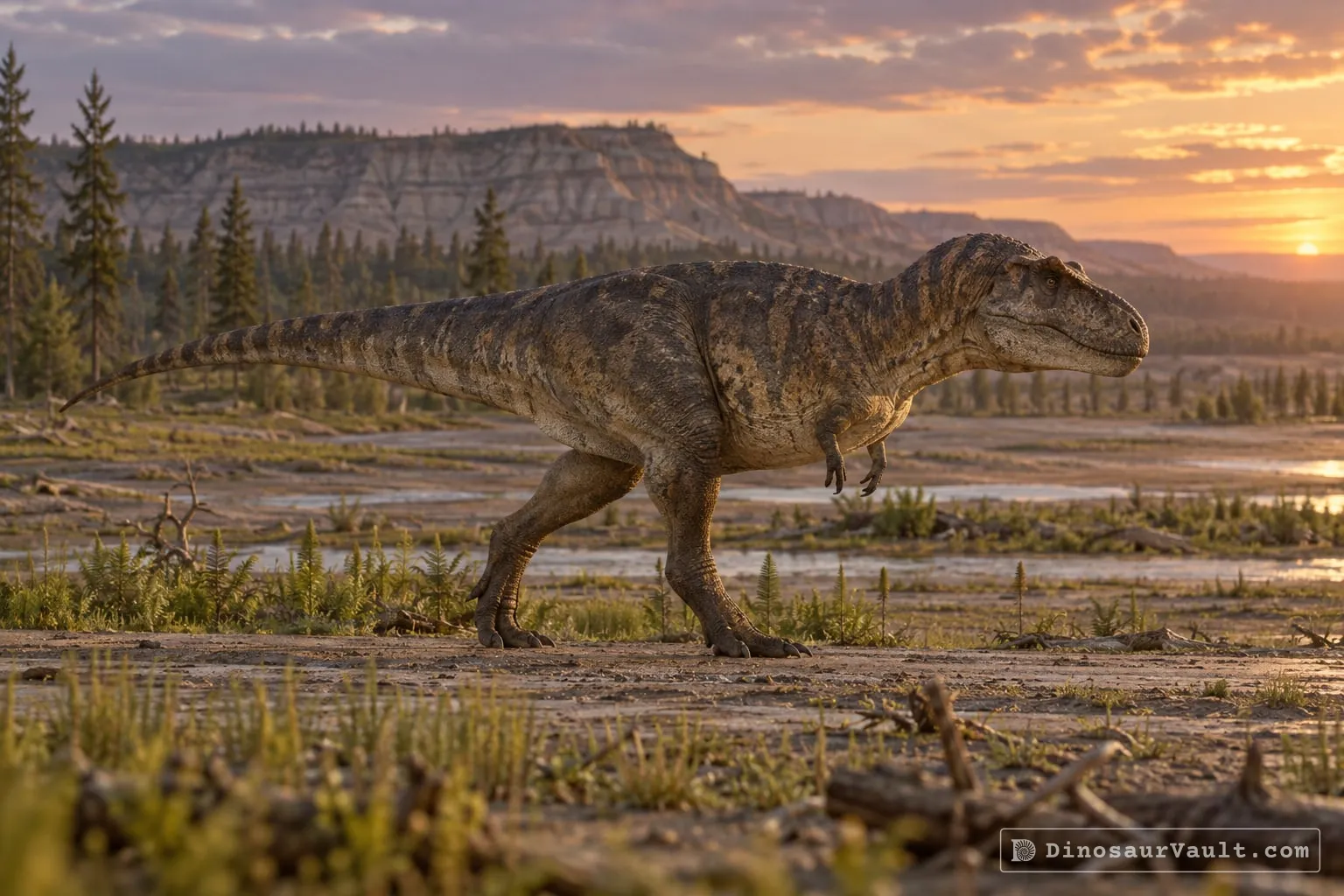
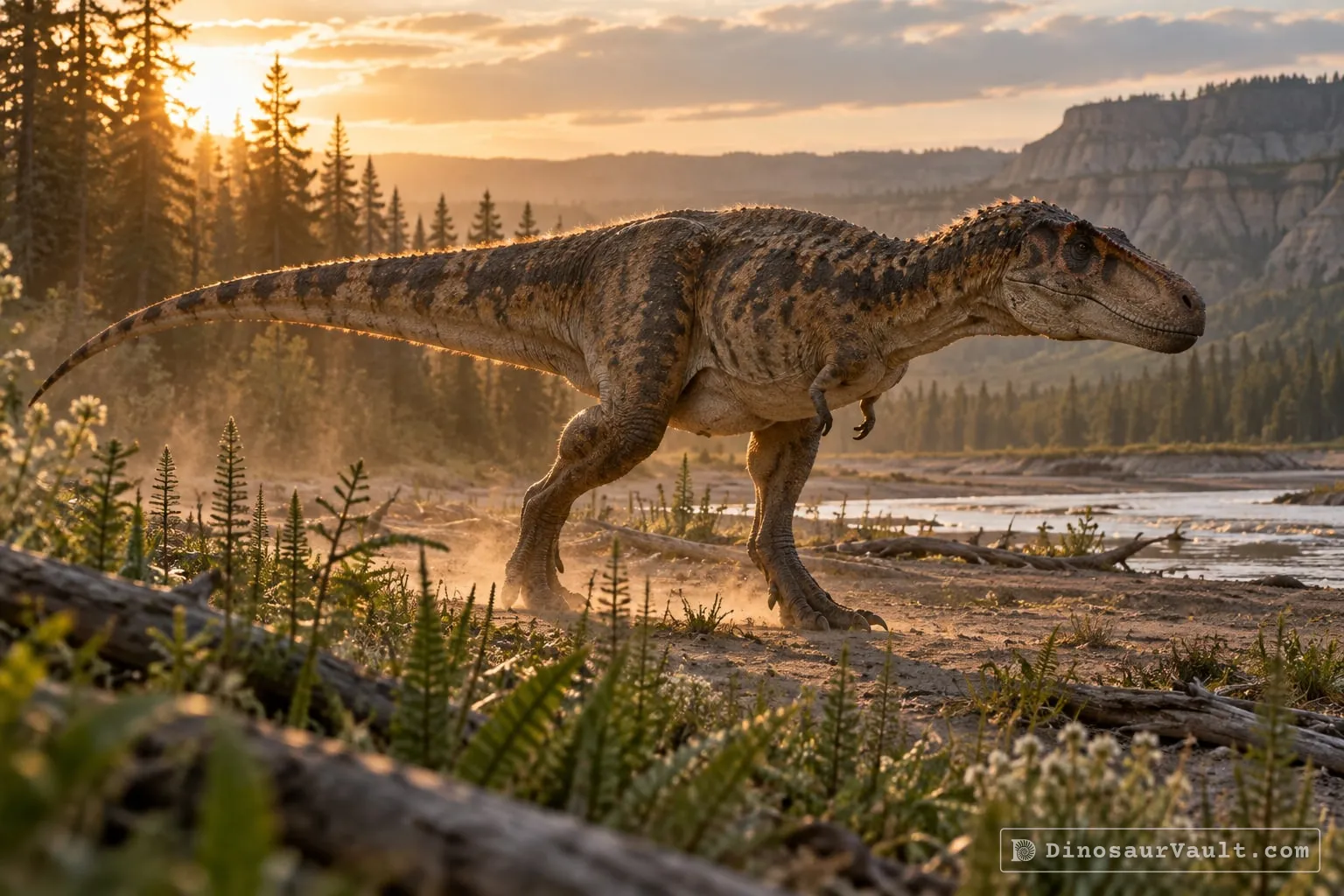
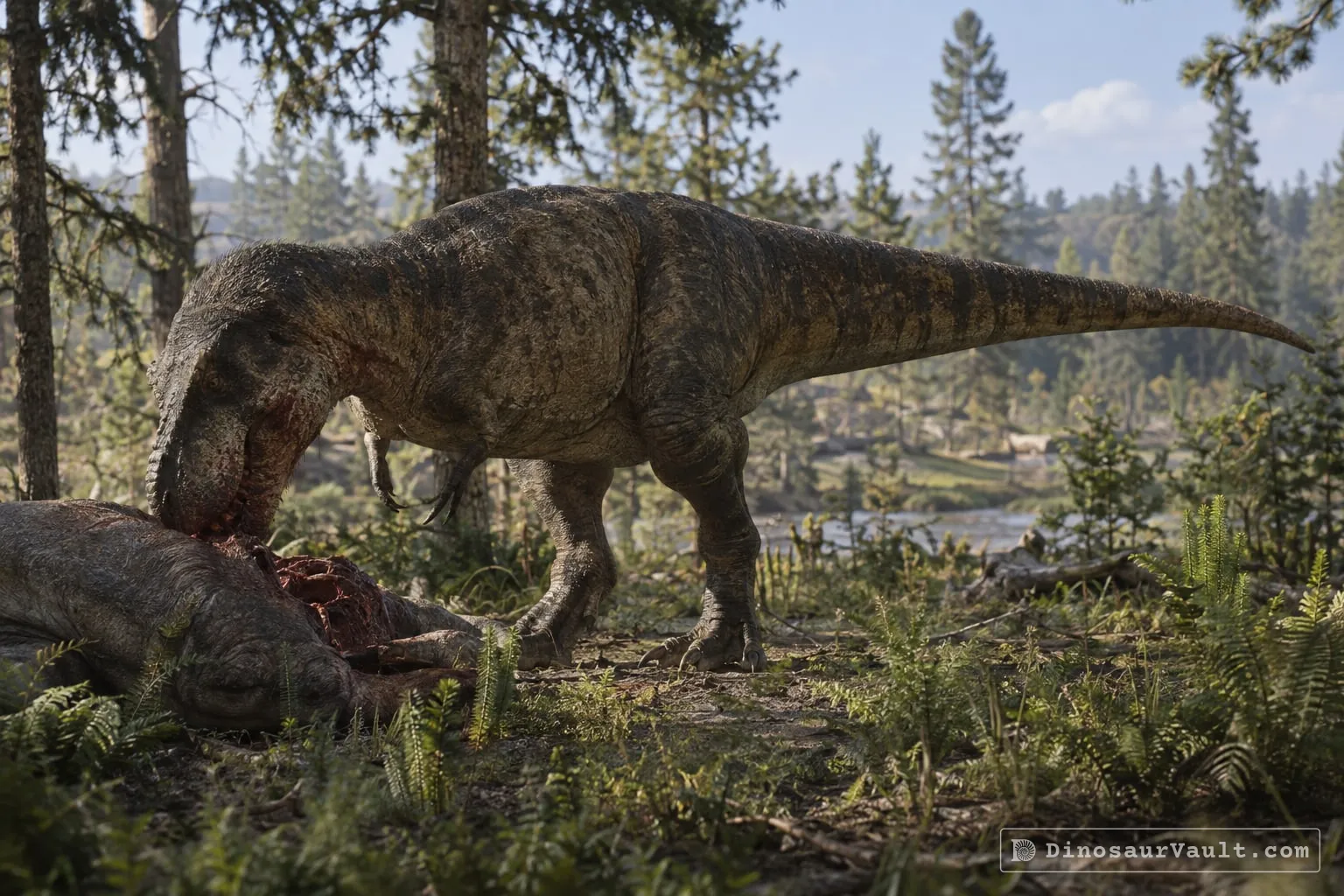
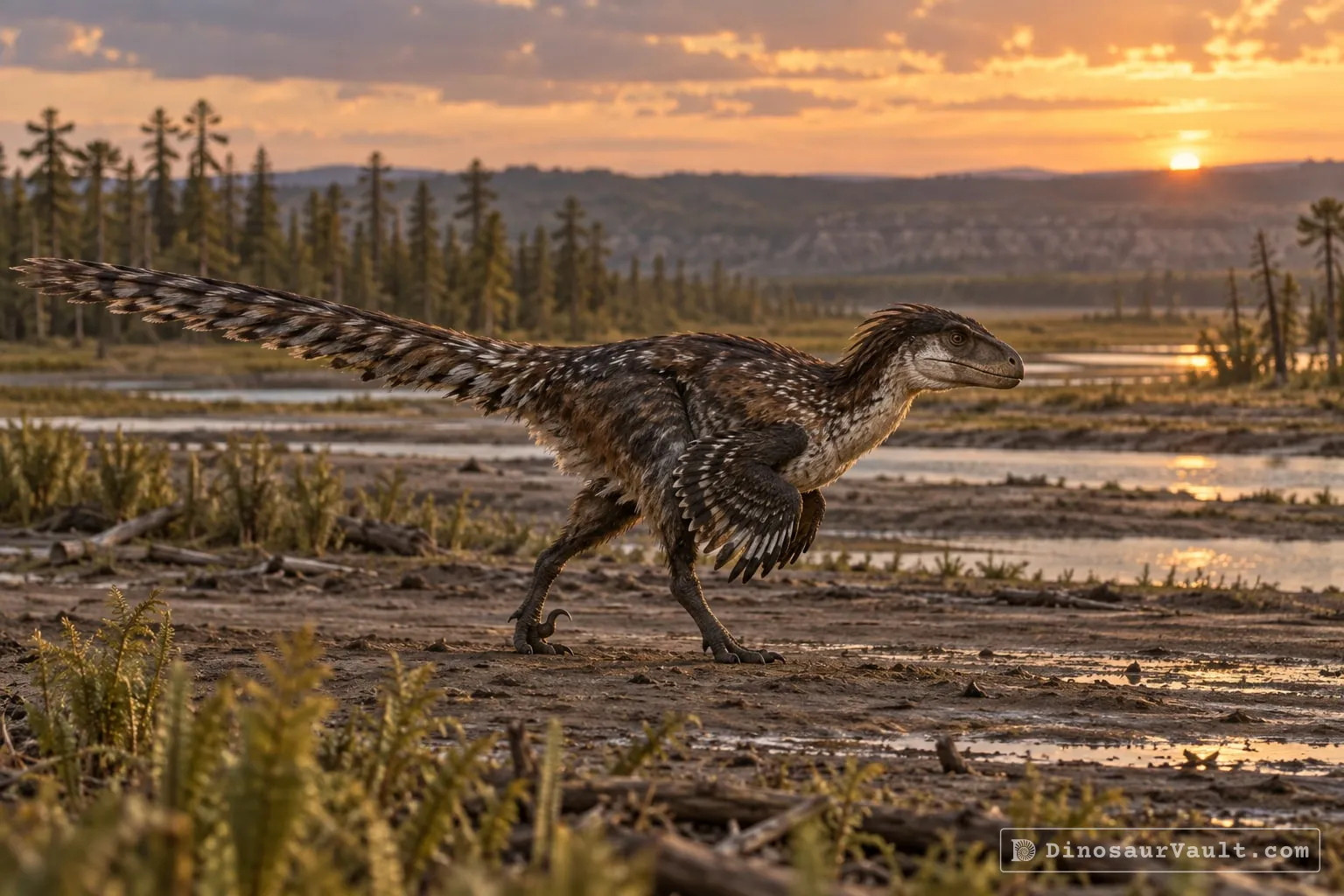
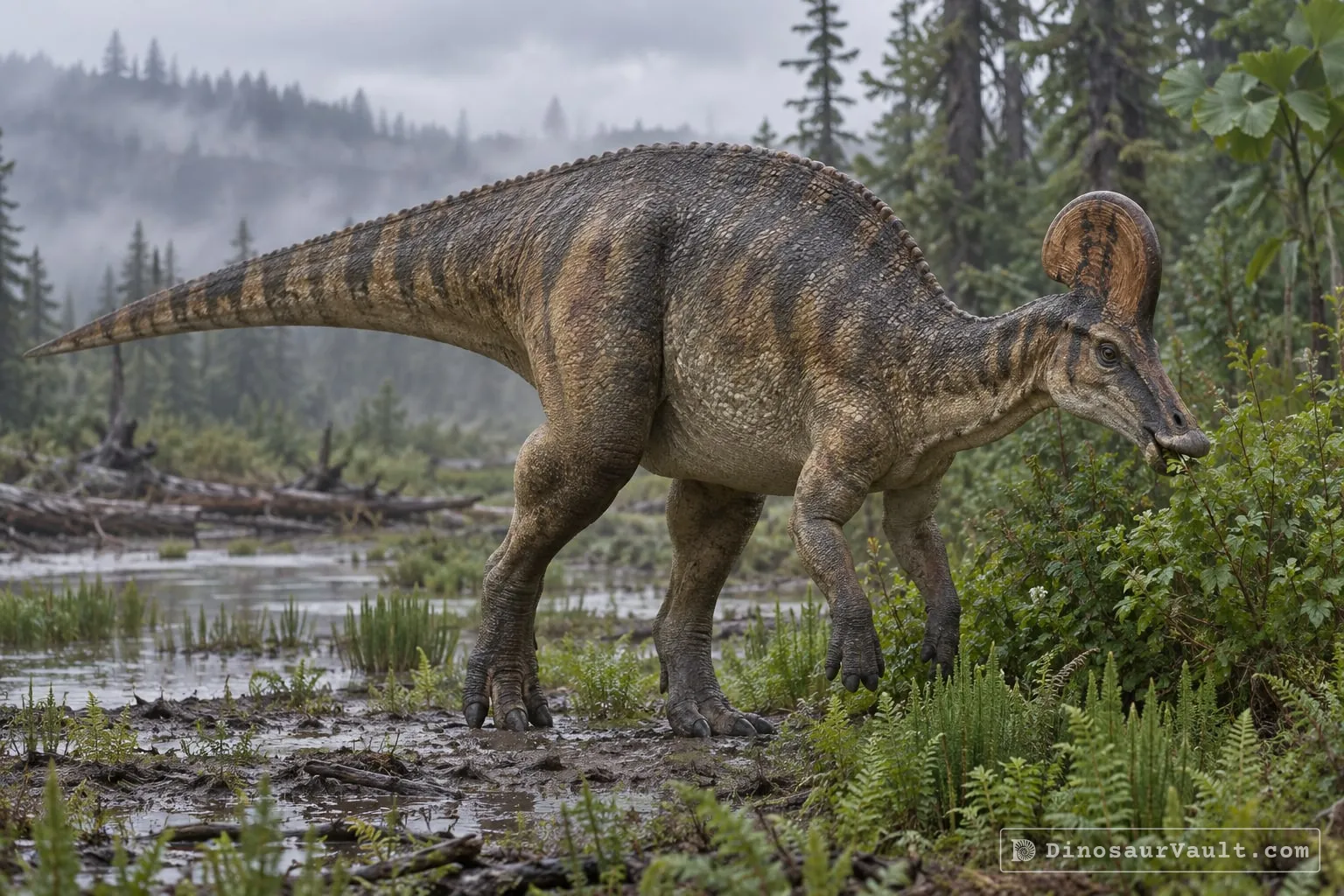
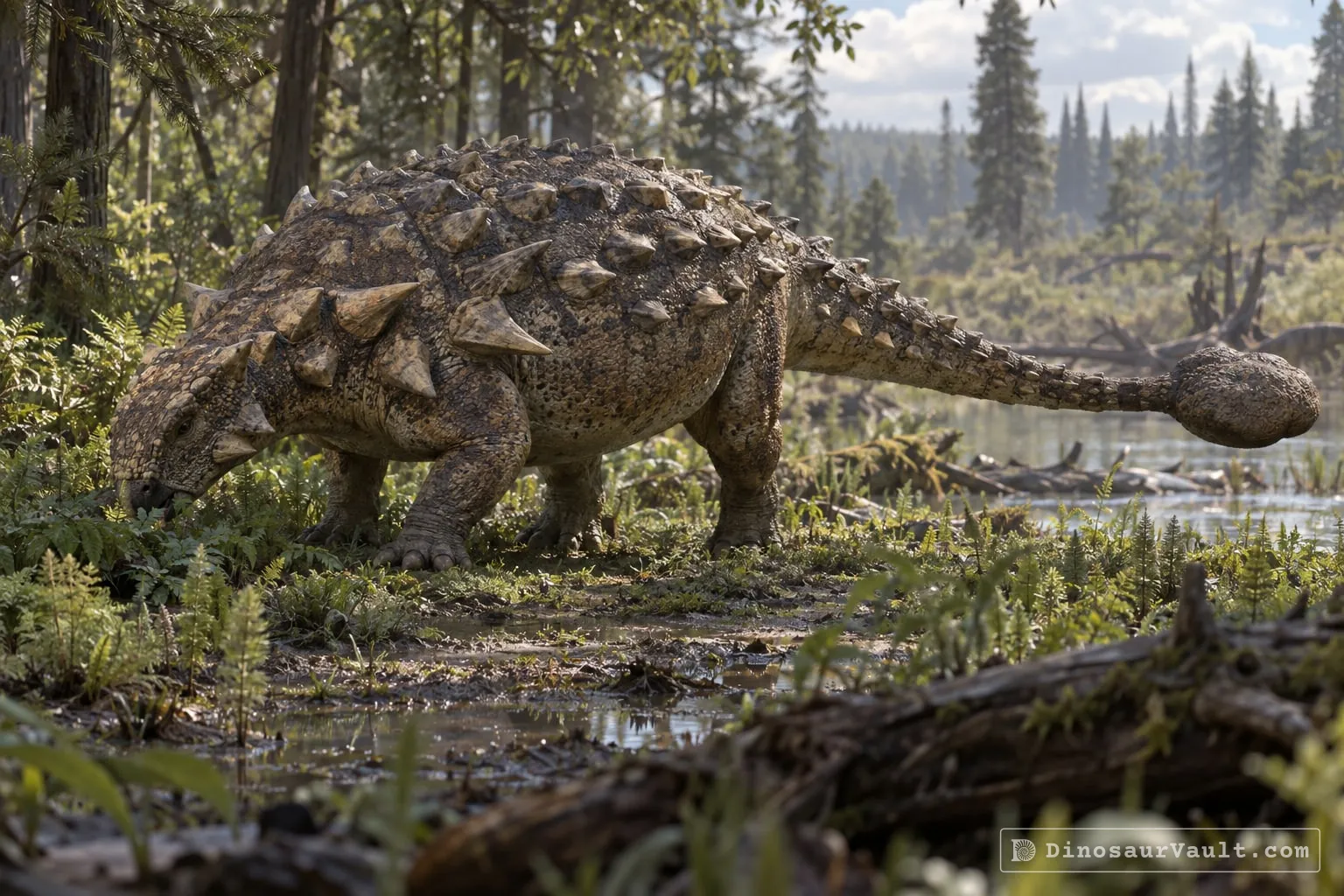


A rock formation can hold fossils laid down millions of years apart, so not every animal here met Albertaceratops.
The evidence
The science behind Albertaceratops
Which parts of the picture come from its own bones, and which come from its relatives.
From its own fossils
- An almost complete skull preserves long horns over the eyes.
- Its nose carried a low bony ridge, and the frill had large curved hooks.
Borrowed from relatives
- Its body is restored from better-known horned dinosaurs such as Centrosaurus, with sturdy legs and a short tail.
Still unknown
- The complete proportions of its body.
- The color and pattern of its skin.
- How its horns and frill changed as it grew.
Discovery timeline
- 2007Named itRYAN
- 2015Close relativeEvans & Ryan
- 2017RedescriptionChiba et al.
Key papers
The research behind what we know of Albertaceratops
Named it
Described an almost complete skull and showed that long brow horns occurred in early members of the centrosaurine branch.
A NEW BASAL CENTROSAURINE CERATOPSID FROM THE OLDMAN FORMATION, SOUTHEASTERN ALBERTA. Journal of Paleontology 81: 376-396
Read the paper : A NEW BASAL CENTROSAURINE CERATOPSID FROM THE OLDMAN FORMATION, SOUTHEASTERN ALBERTA (opens in a new tab)Close relative
Compared Wendiceratops with Albertaceratops and traced the evolution from low nasal ridges to tall nose horns in their relatives.
Cranial Anatomy of Wendiceratops pinhornensis gen. et sp. nov., a Centrosaurine Ceratopsid (Dinosauria: Ornithischia) from the Oldman Formation (Campanian), Alberta, Canada, and the Evolution of Ceratopsid Nasal Ornamentation. PLOS ONE 10: e0130007
Read the paper : Cranial Anatomy of Wendiceratops pinhornensis gen. et sp. nov., a Centrosaurine Ceratopsid (Dinosauria: Ornithischia) from the Oldman Formation (Campanian), Alberta, Canada, and the Evolution of Ceratopsid Nasal Ornamentation (opens in a new tab)Redescription
Assigned a bonebed once attributed to Albertaceratops to Medusaceratops and placed that animal within the centrosaurine branch.
New material and systematic re-evaluation of Medusaceratops lokii (Dinosauria, Ceratopsidae) from the Judith River Formation (Campanian, Montana). Journal of Paleontology 92: 272-288
Read the paper : New material and systematic re-evaluation of Medusaceratops lokii (Dinosauria, Ceratopsidae) from the Judith River Formation (Campanian, Montana) (opens in a new tab)
Close relatives
Other members of Ceratopsidae


Sources: Wikidata