Xingtianosaurus
Type species Xingtianosaurus ganqi
- Lived
- 126 to 120 million years ago, Early Cretaceous
- Diet
- Omnivore
- Group
- Theropods, Caudipterygidae
- Found in
- China
- Named by
- Qiu et al. 2019
Where its fossils were found
The evidence
Today

125 million years ago
Habitat
Lakes and conifer forests formed part of the landscape recorded in the Yixian Formation. Other dinosaurs from these rocks include Yutyrannus, Sinosauropteryx and Sinornithosaurus.
Field notes
About Xingtianosaurus
What it was like
Xingtianosaurus was a small caudipterid, a feathered oviraptorosaur related to Caudipteryx. Its skeleton lacks the head, which gave it its name.
Its world
It lived in the Early Cretaceous, in what is now China. It comes from the Yixian Formation, where it shared the land with the feathered tyrannosaur Yutyrannus and the small predators Sinosauropteryx and Sinornithosaurus.
How it was found
Qiu and colleagues named Xingtianosaurus in 2019. The type species is Xingtianosaurus ganqi. Its name comes from a headless giant of Chinese myth.
Field gallery
More views of Xingtianosaurus
Scenes reconstructed from the available fossil evidence.
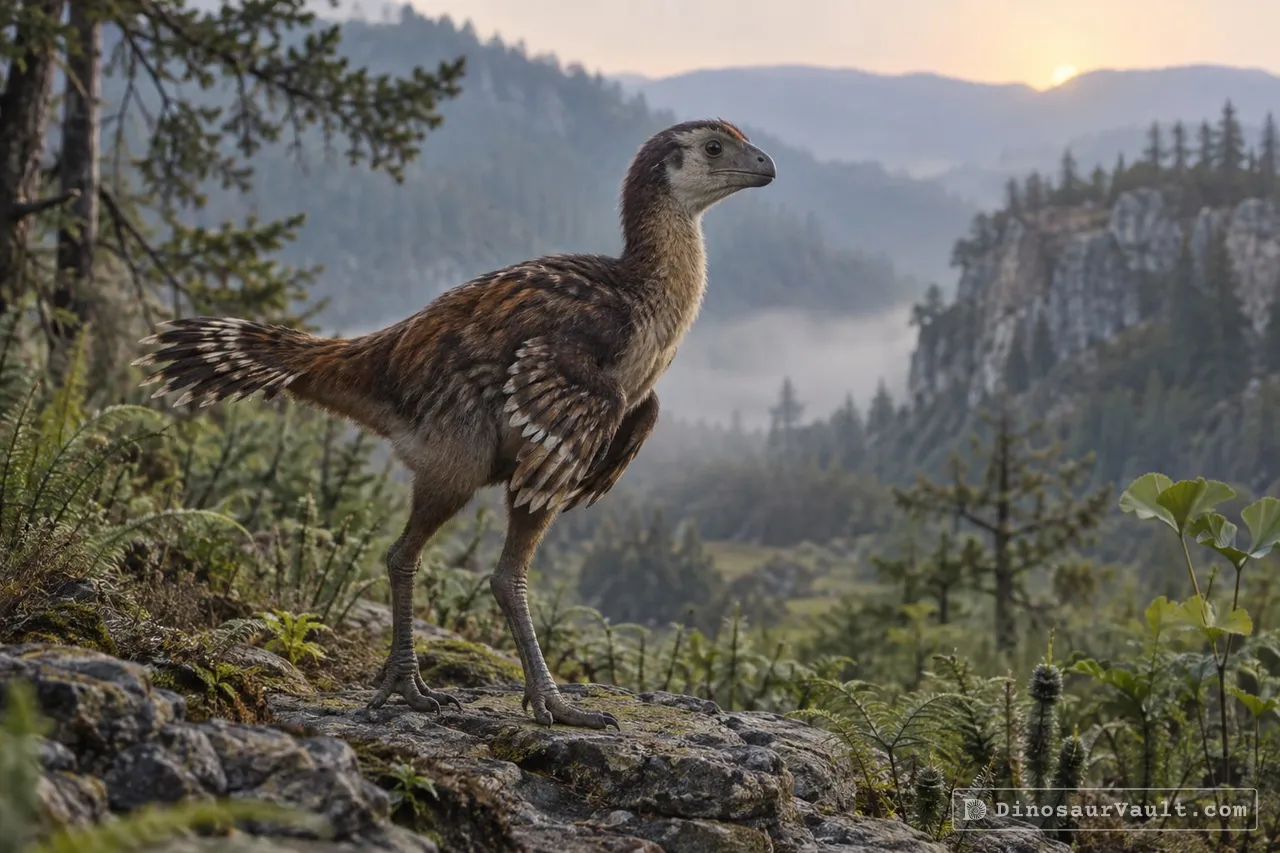
1 of 3
Lived alongside
Found in the same rock formations
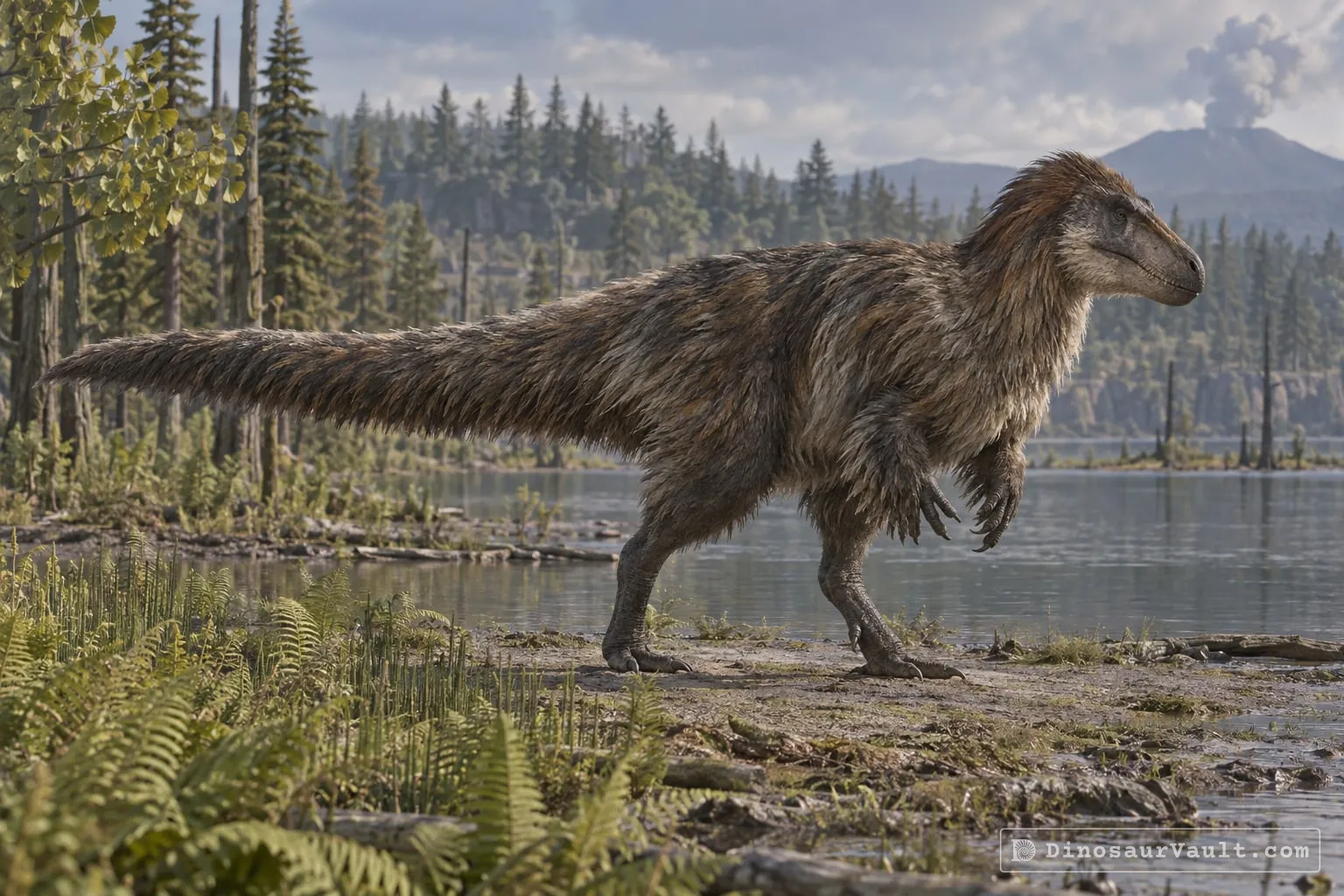
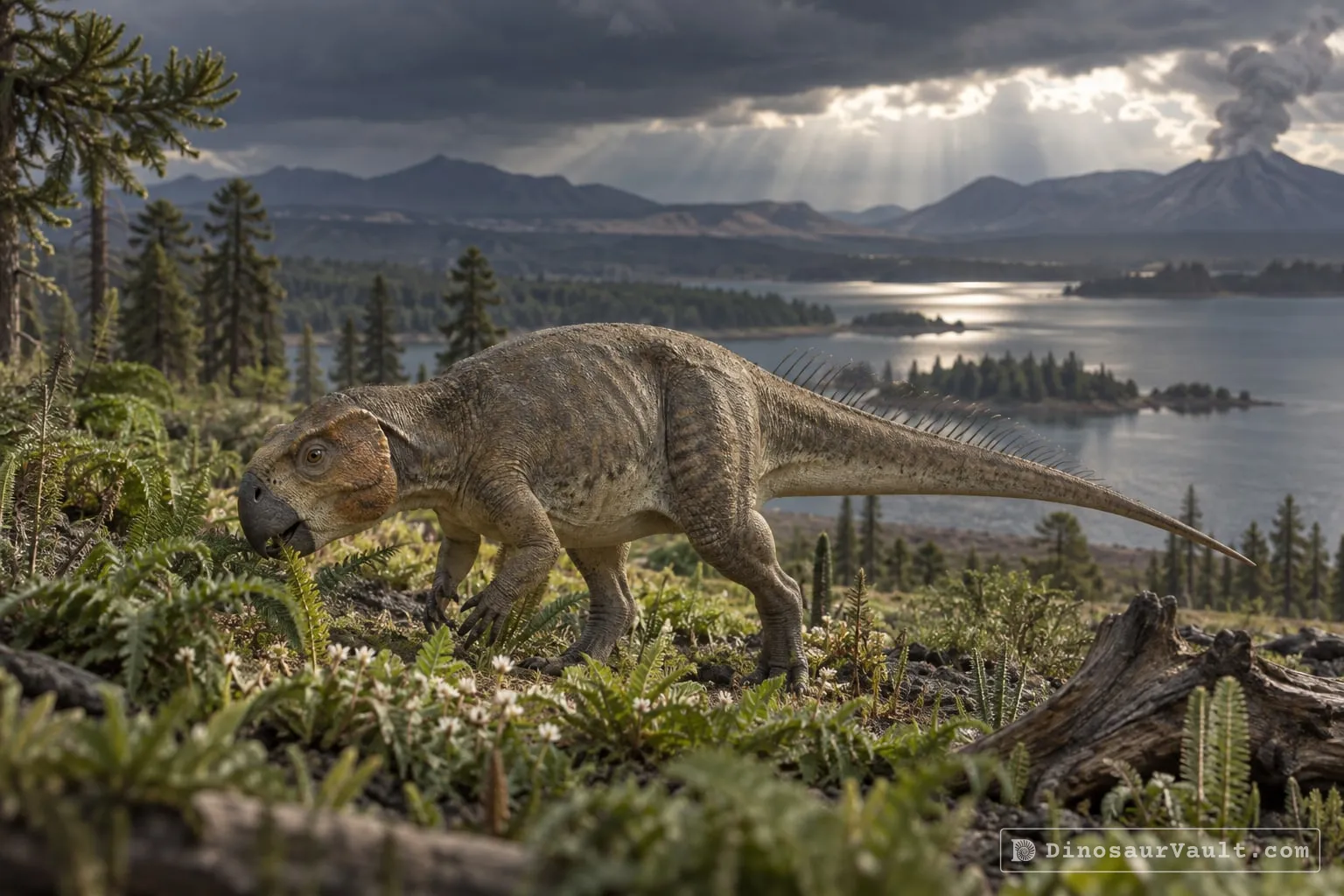
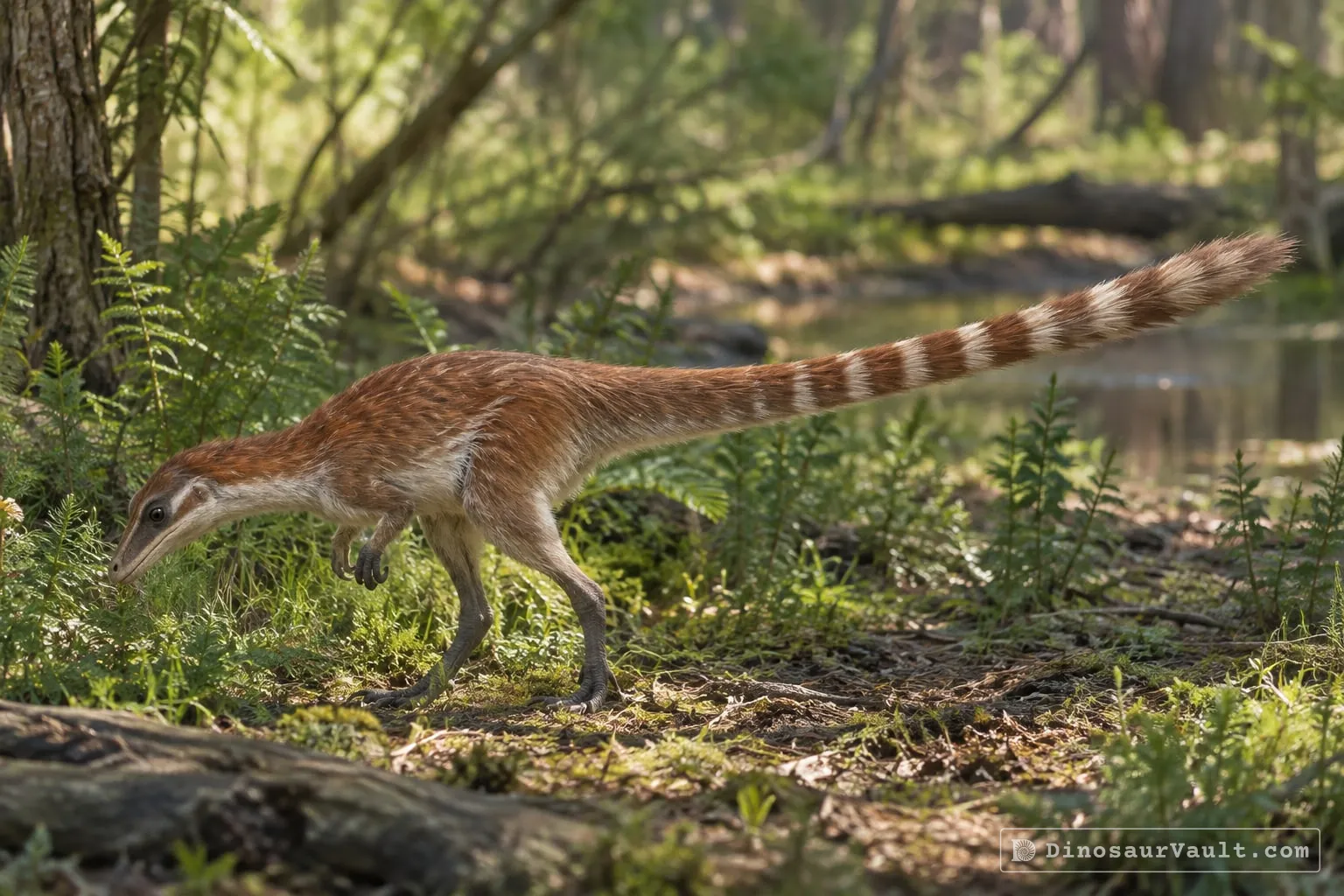
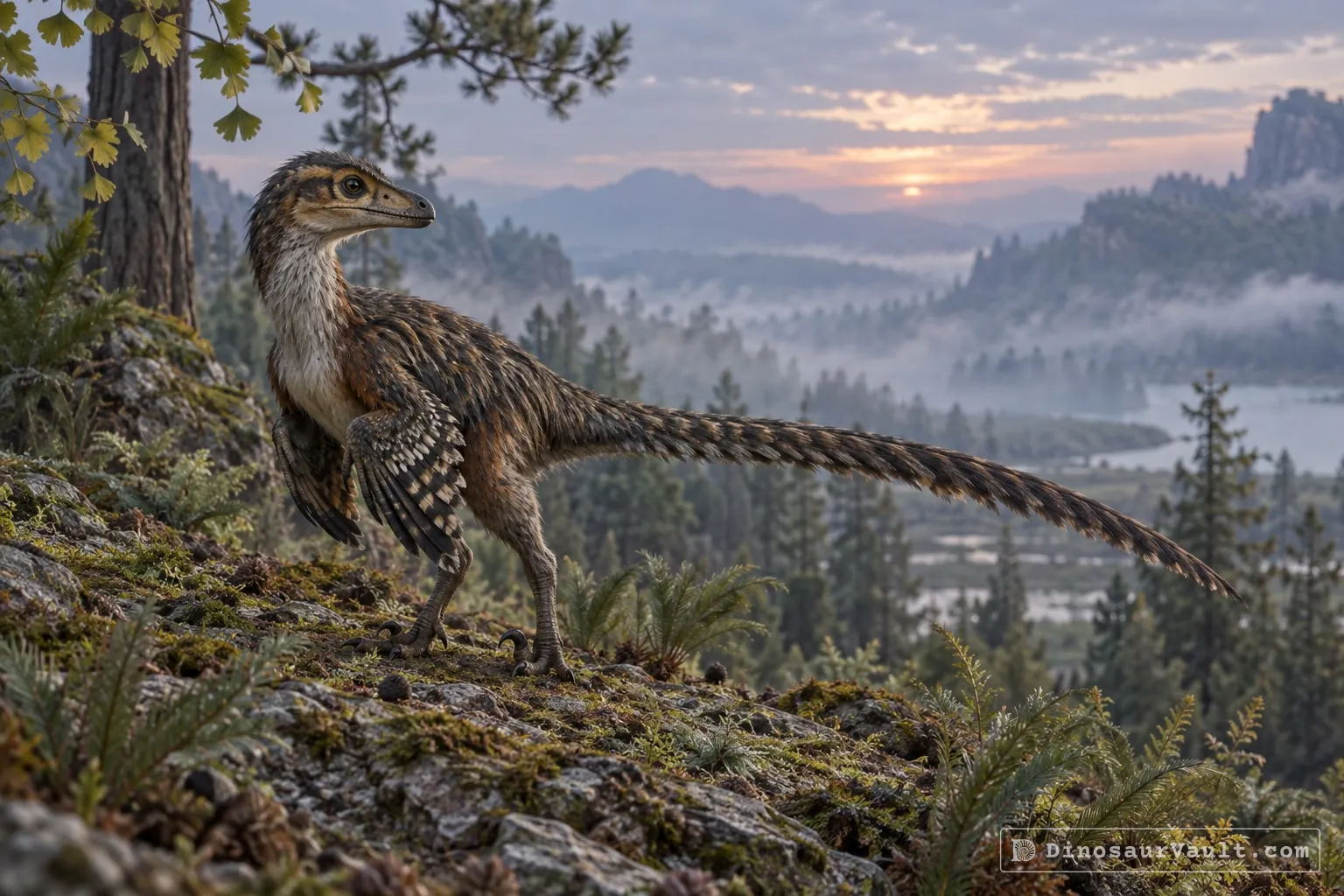
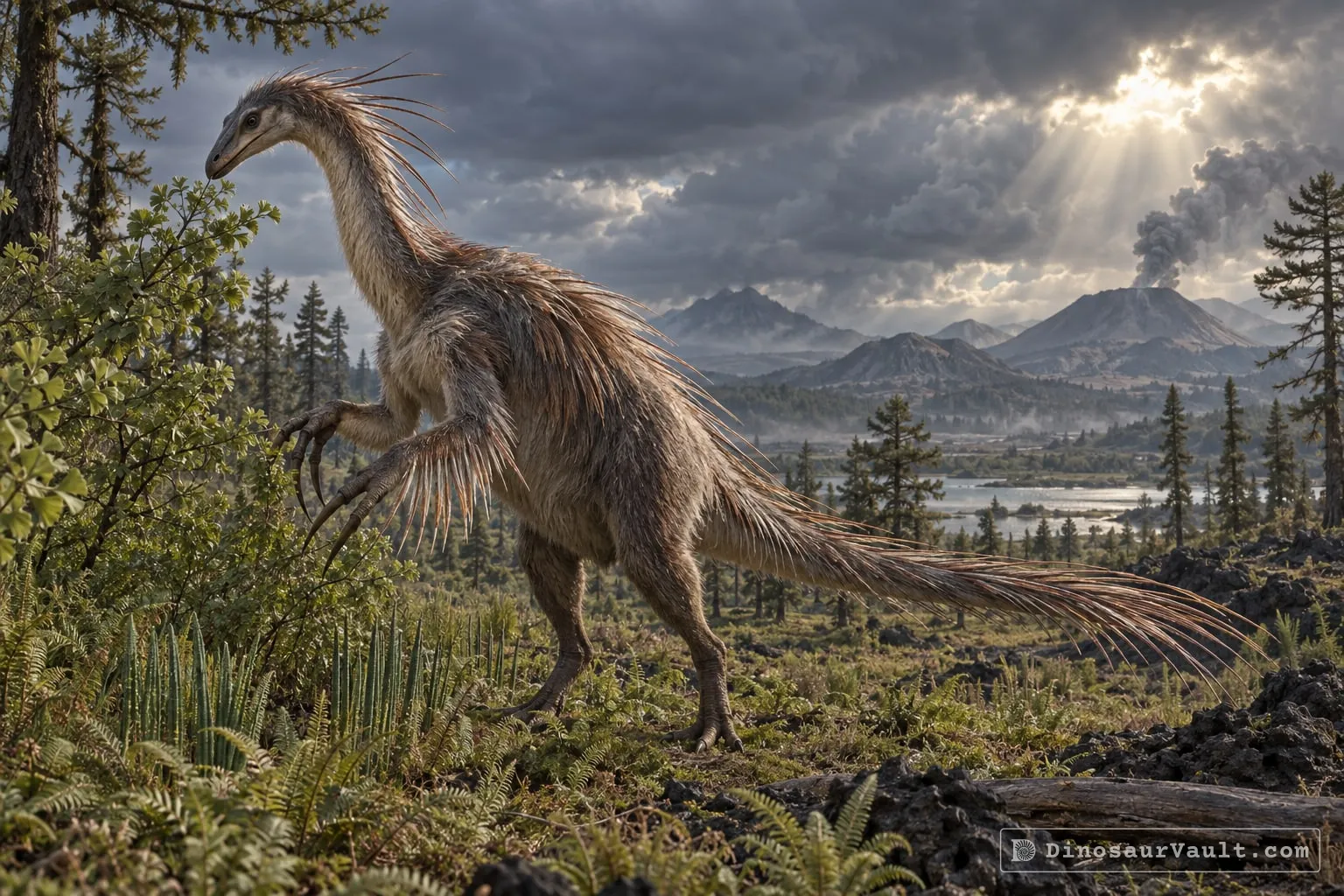
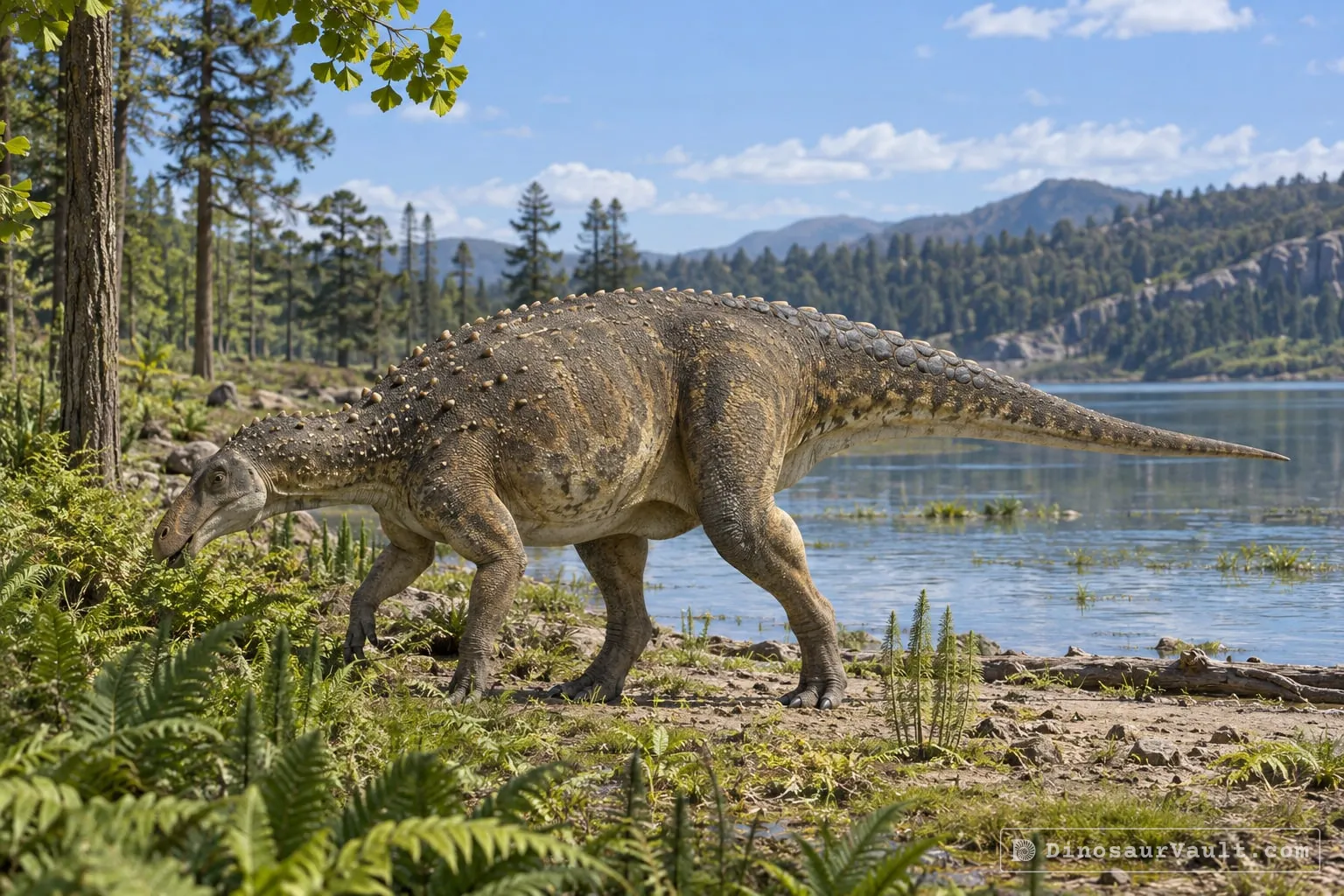
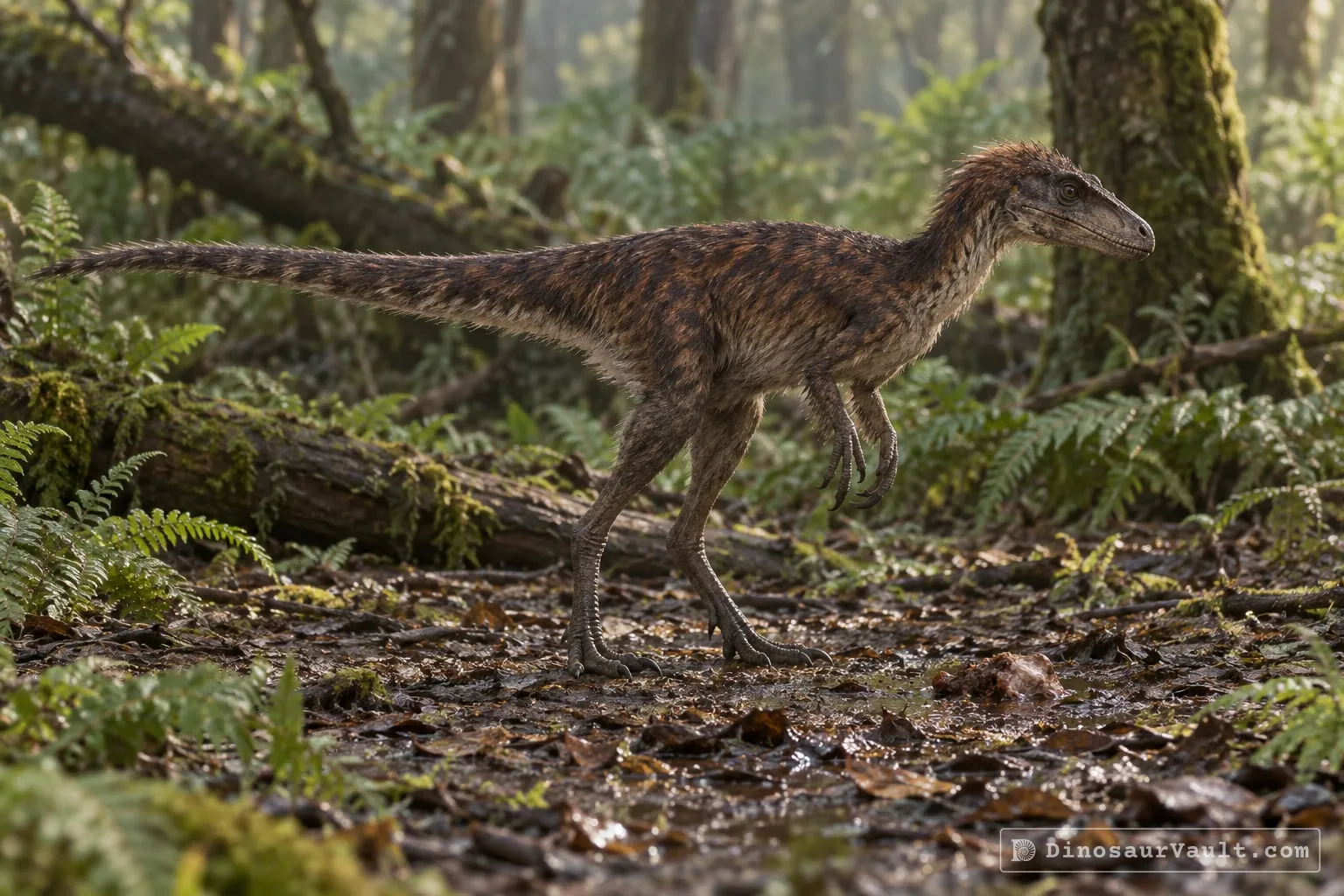
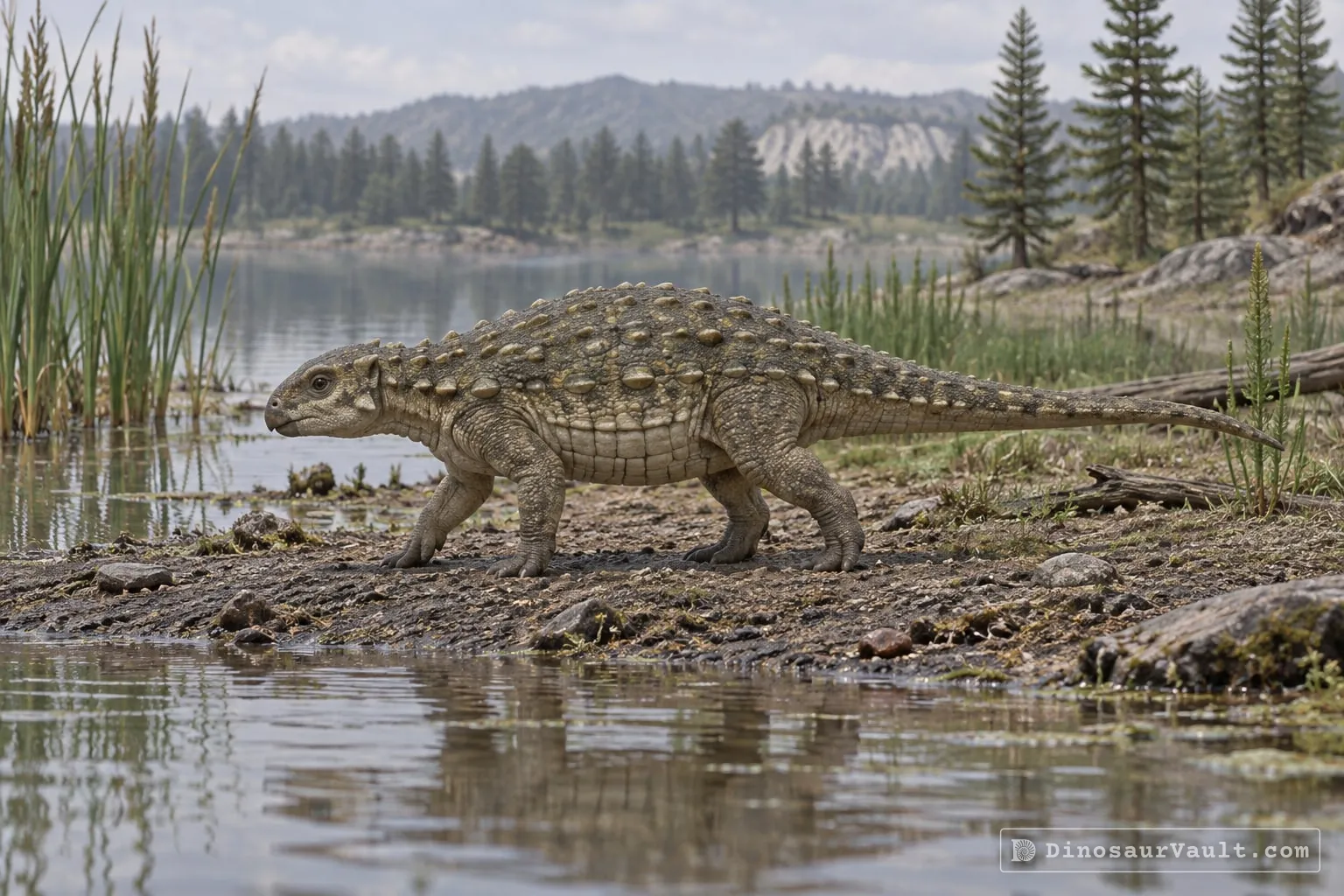


A rock formation can hold fossils laid down millions of years apart, so not every animal here met Xingtianosaurus.
The evidence
The science behind Xingtianosaurus
Which parts of the picture come from its own bones, and which come from its relatives.
From its own fossils
- The type skeleton preserves much of the body, including the arms, hands, pelvis, legs and part of the tail.
- The forearm is long and the innermost palm bone is unusually short.
- Feather traces lie behind the ends of the forearms and the palm bones.
Borrowed from relatives
- The missing head and neck can be compared with Caudipteryx, another early oviraptorosaur.
- Feathers on Caudipteryx provide comparisons for the body covering and tail plumage.
Still unknown
- The shape of its skull and neck.
- Its feather colors, patterns and full tail shape.
- Exactly what it ate.
Discovery timeline
- 2010Same rocksXu, Zheng & You
- 2019Named itQiu et al.
- 2022Its worldLiu et al.
Key papers
The research behind what we know of Xingtianosaurus
Same rocks
Described young feathered dinosaurs assigned to Similicaudipteryx, with different arm and tail feathers at different stages of growth.
Exceptional dinosaur fossils show ontogenetic development of early feathers. Nature 464: 1338-1341
Read the paper : Exceptional dinosaur fossils show ontogenetic development of early feathers (opens in a new tab)Named it
Named Xingtianosaurus from a skeleton without its head and used its wrist and hand bones to study early oviraptorosaur evolution.
A new caudipterid from the Lower Cretaceous of China with information on the evolution of the manus of Oviraptorosauria. Scientific Reports 9
Read the paper : A new caudipterid from the Lower Cretaceous of China with information on the evolution of the manus of Oviraptorosauria (opens in a new tab)Its world
Described a rove beetle from the Yixian Formation and discussed a landscape with lakes, damp habitats and conifer forests.
The oldest fossil record of Pseudopsinae from the Lower Cretaceous Yixian Formation of northeastern China (Coleoptera: Staphylinidae: Pseudopsinae). Scientific Reports 12
Read the paper : The oldest fossil record of Pseudopsinae from the Lower Cretaceous Yixian Formation of northeastern China (Coleoptera: Staphylinidae: Pseudopsinae) (opens in a new tab)
Close relatives
Other members of Caudipterygidae

Sources: Wikidata