Huadanosaurus
Type species Huadanosaurus sinensis
- Lived
- 126 to 121 million years ago, Early Cretaceous
- Diet
- Carnivore
- Group
- Theropods, Sinosauropterygidae
- Found in
- China
- Named by
- Qiu et al. 2025
Where its fossils were found
The evidence
Today

125 million years ago
Habitat
The Yixian Formation records lakes, woodland and more open ground in a volcanic landscape. Other dinosaurs from these rocks include Sinosauropteryx, Psittacosaurus and Sinornithosaurus.
Field notes
About Huadanosaurus
What it was like
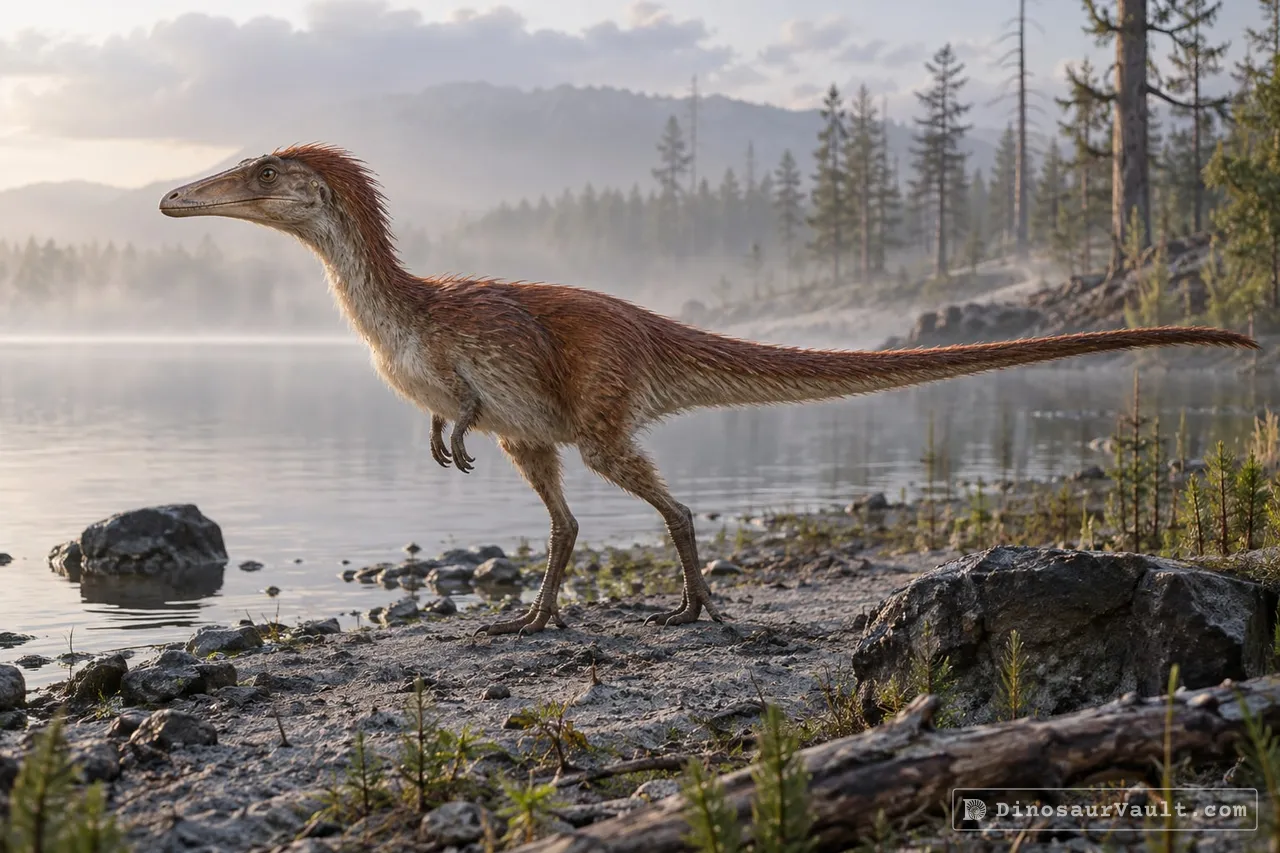
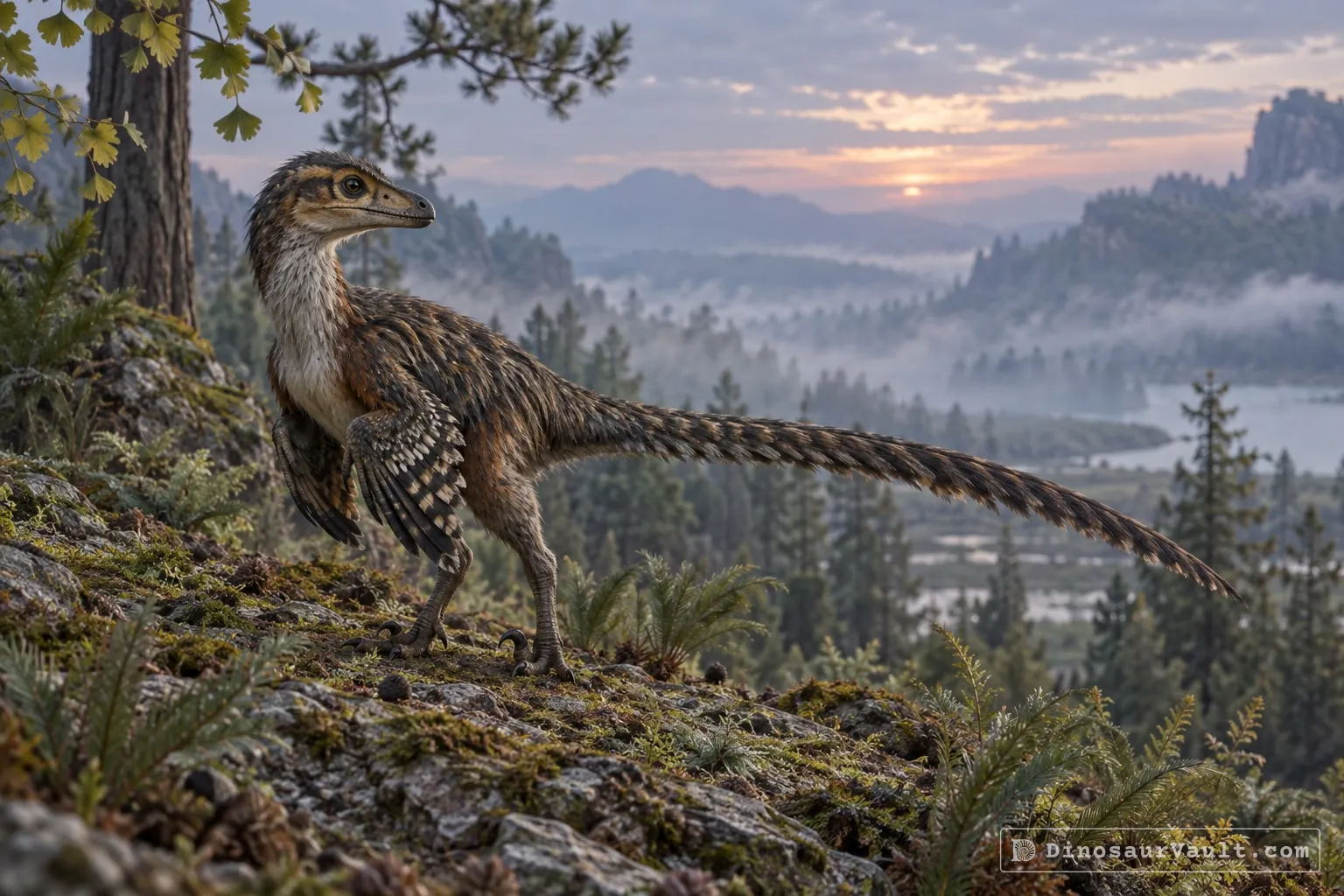
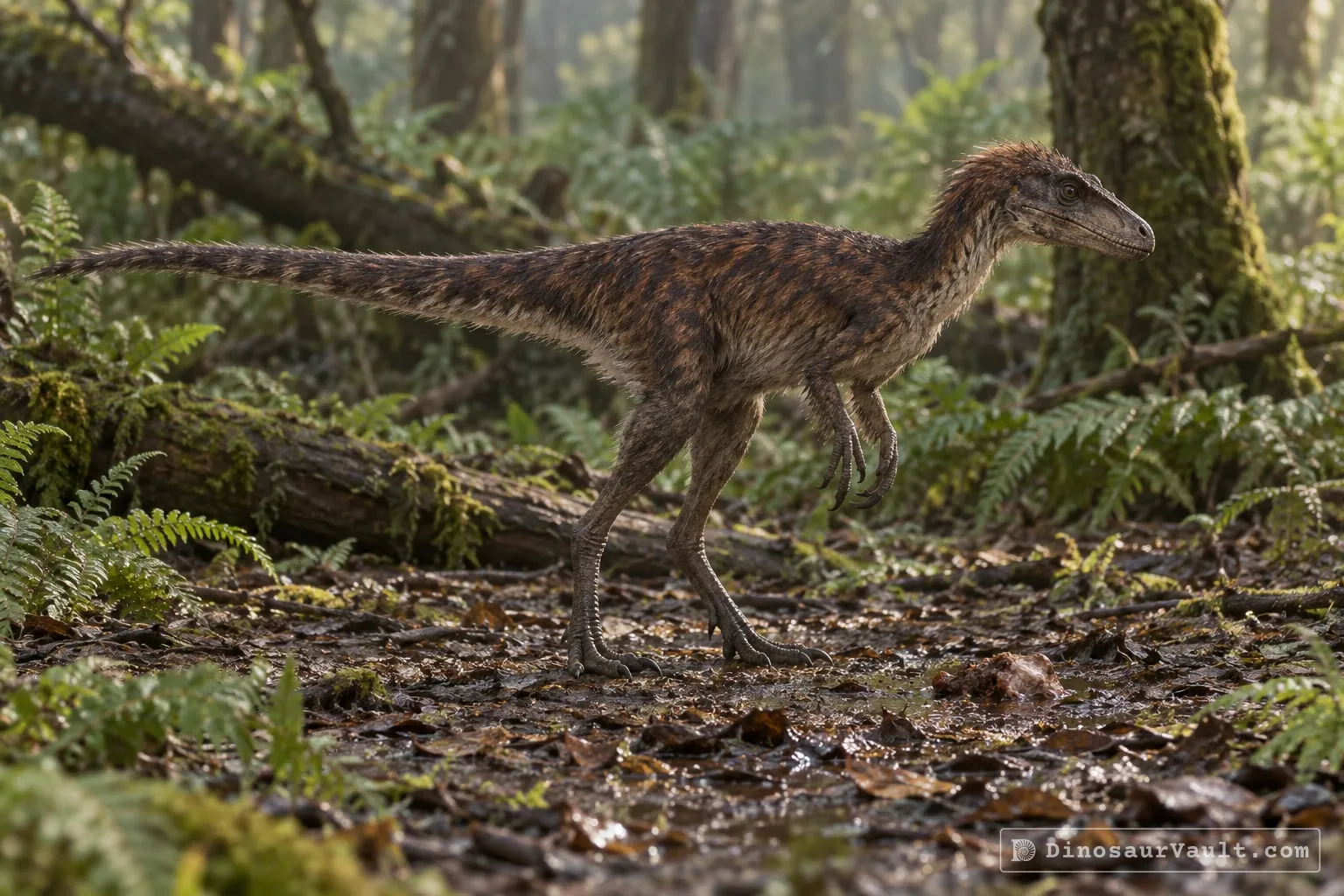
Huadanosaurus was a small, two-legged meat eater, known from a nearly complete skeleton that preserves traces of simple feathers. It is a close relative of Sinosauropteryx, one of the first dinosaurs found with feathers.
Its world
It lived about 126 to 121 million years ago, in the Early Cretaceous, in what is now northeastern China. Its skeleton comes from the Yixian Formation, known for its feathered dinosaurs, such as Sinosauropteryx, Sinornithosaurus and Beipiaosaurus.
How it was found
Qiu and colleagues named Huadanosaurus in 2025, from a single find.
Field gallery
More views of Huadanosaurus
Scenes reconstructed from the available fossil evidence.
Lived alongside
Found in the same rock formations
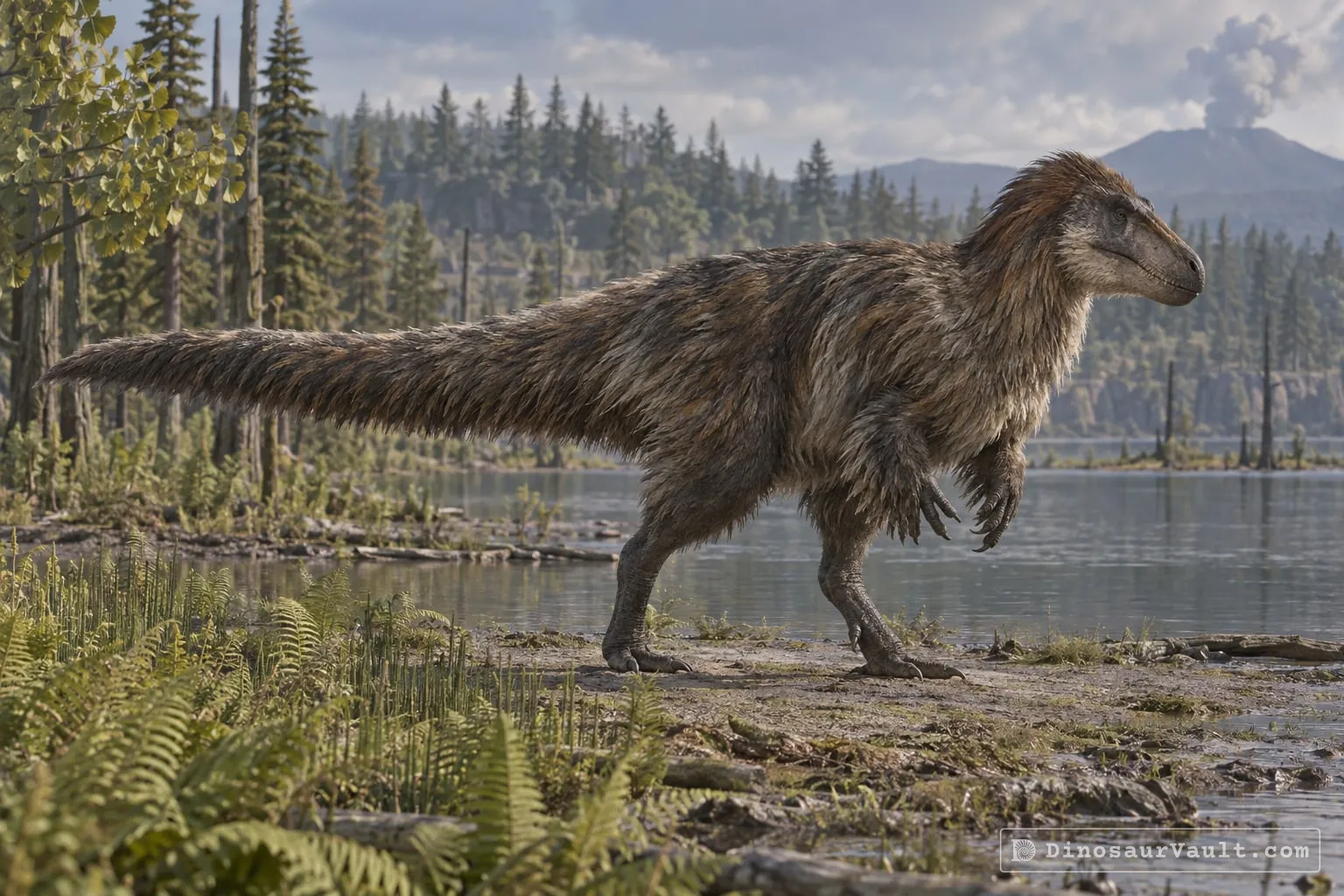
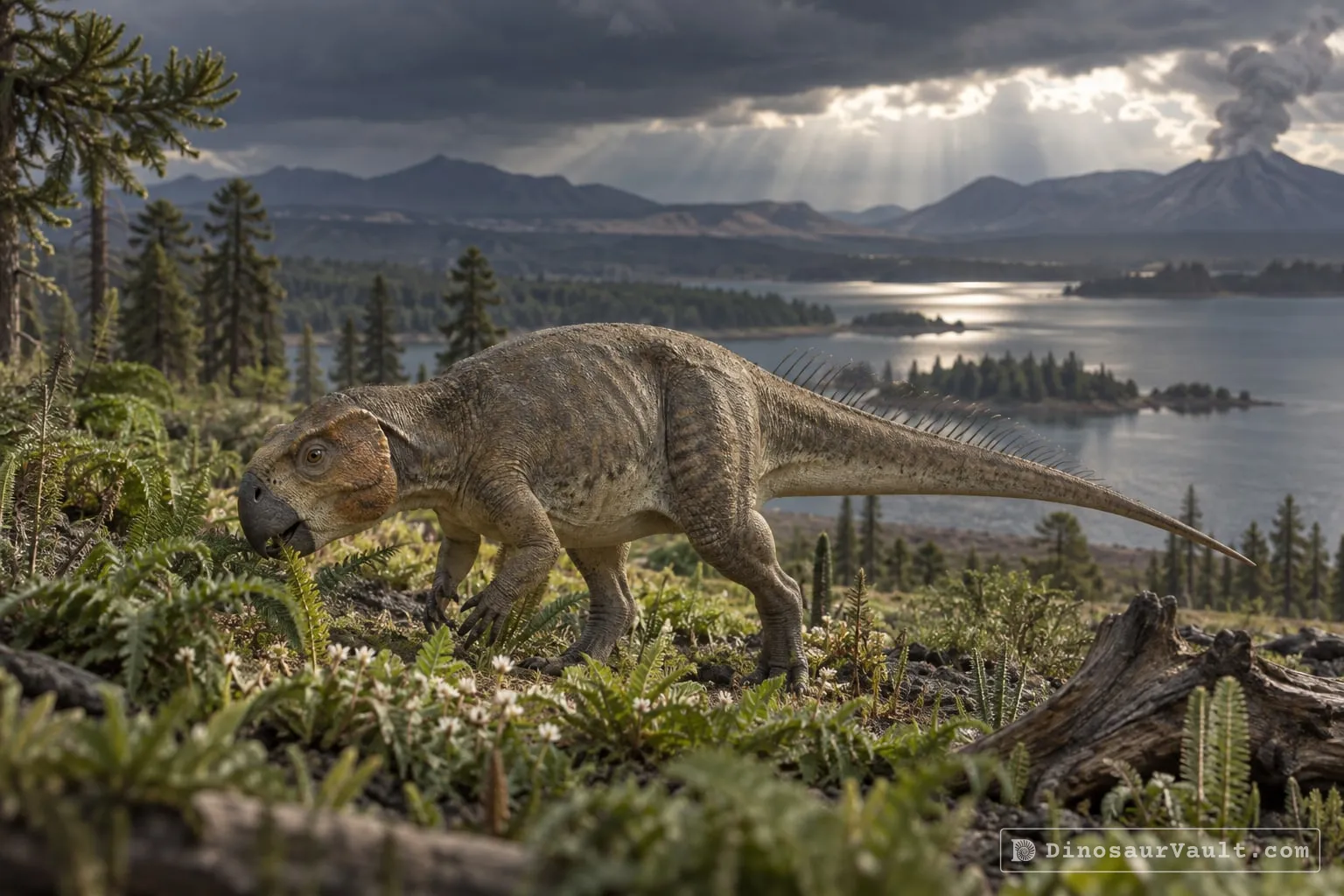
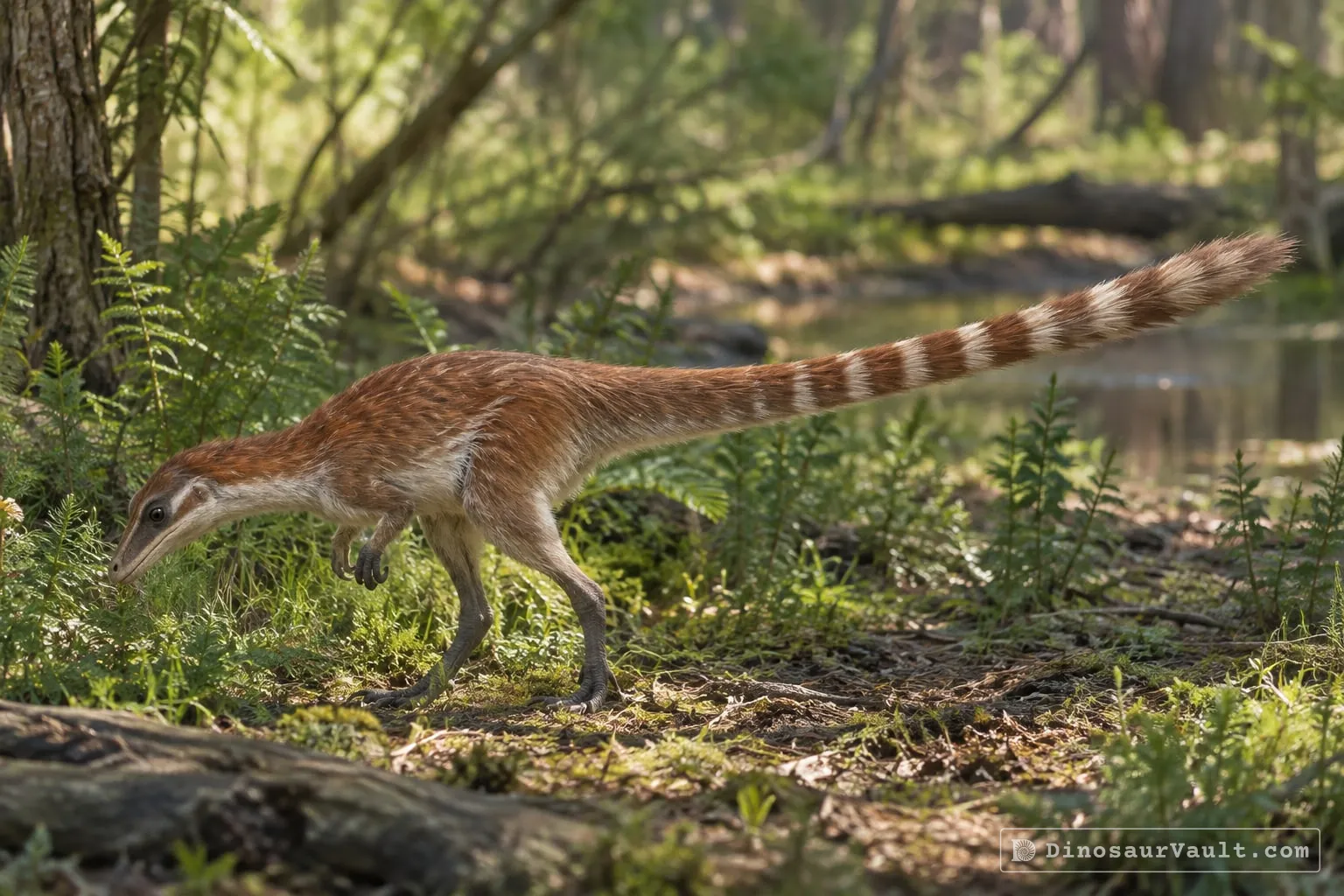
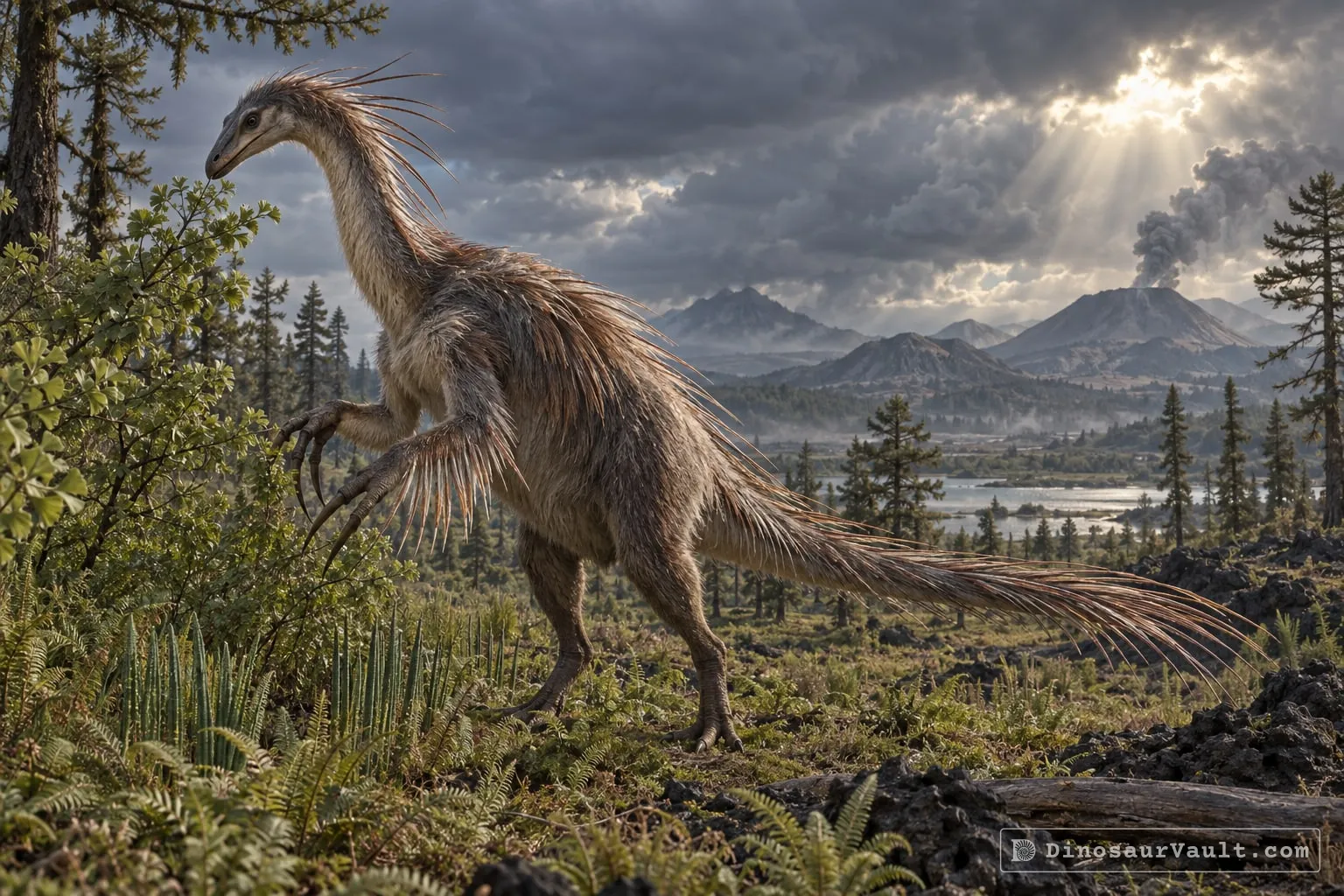
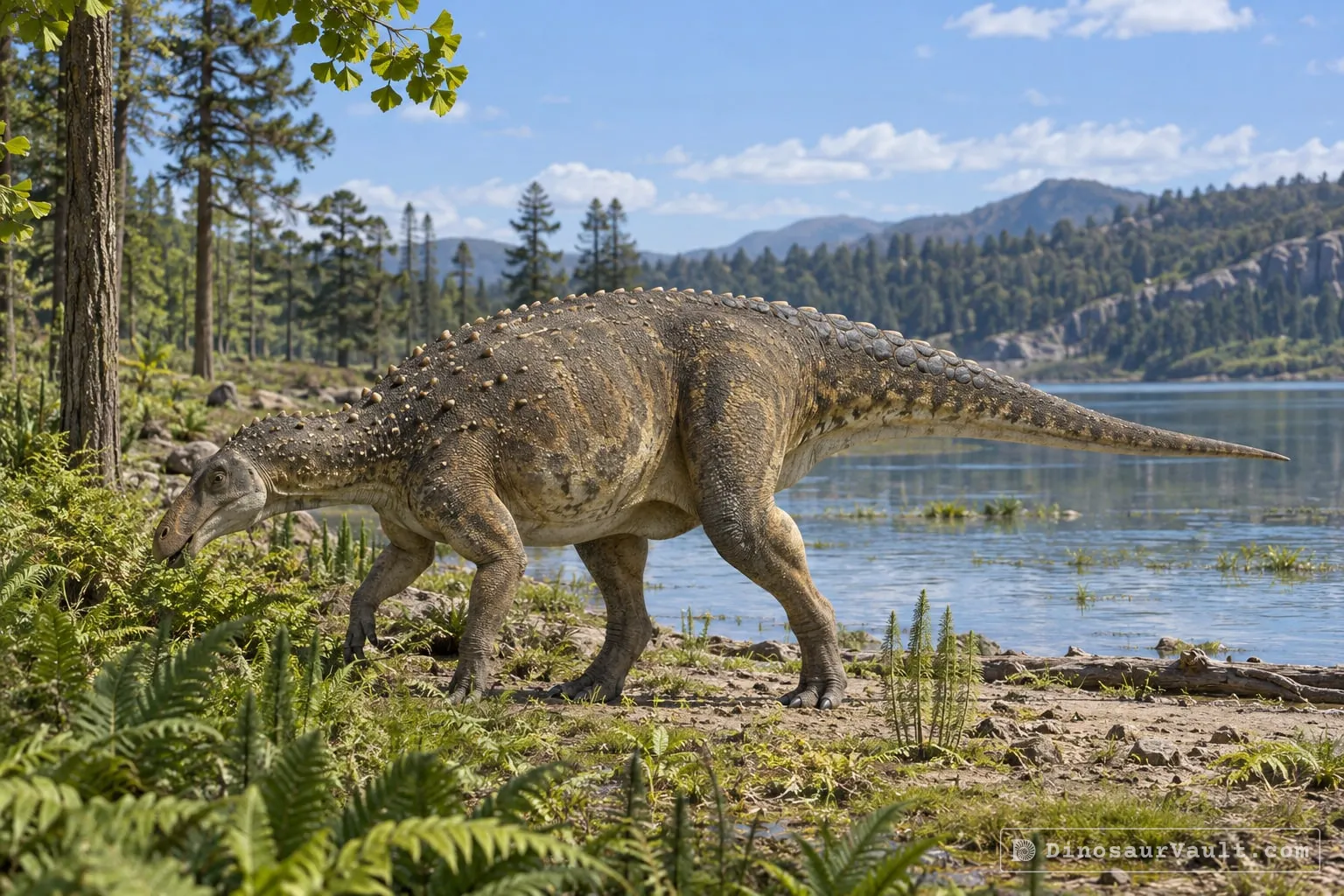
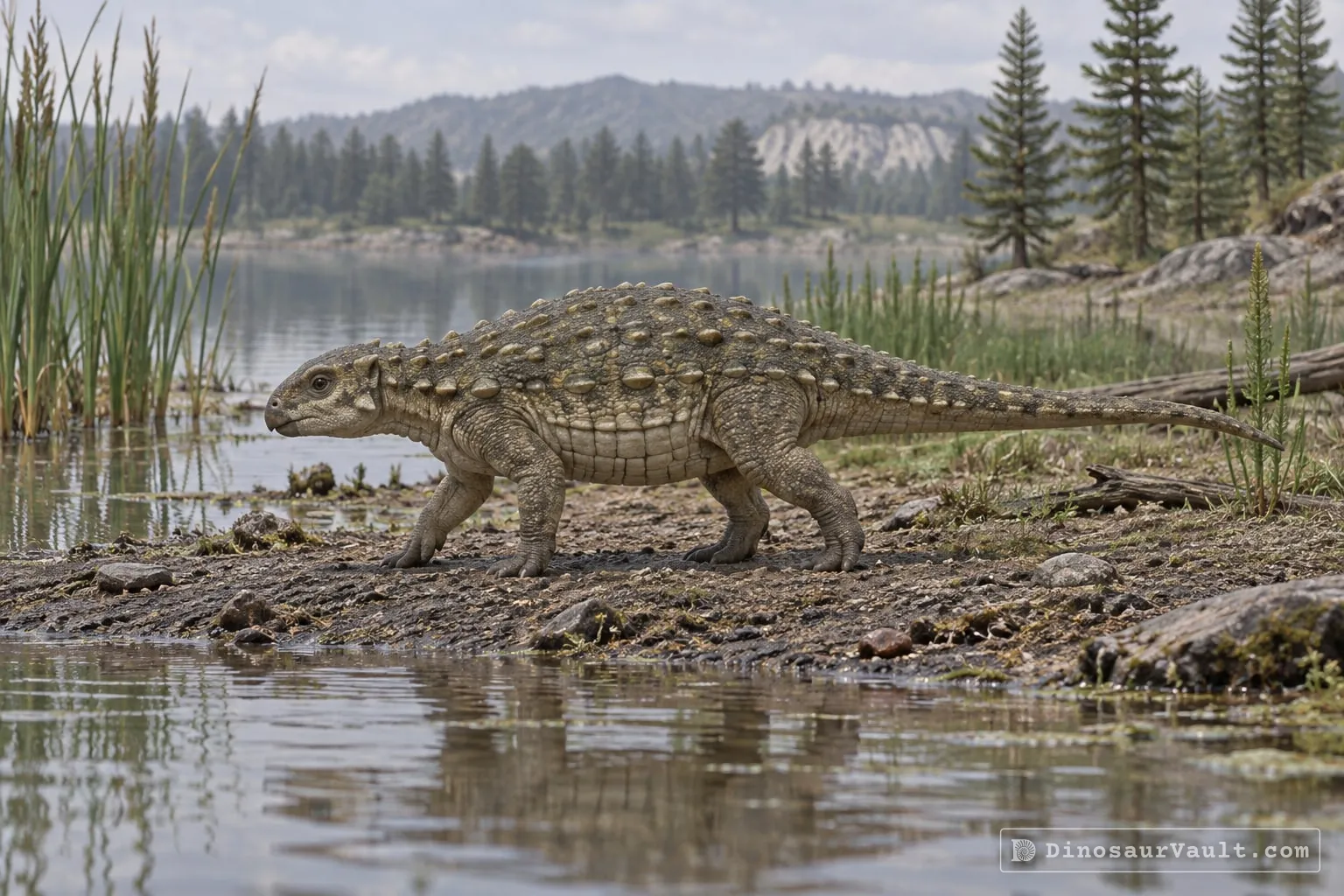


A rock formation can hold fossils laid down millions of years apart, so not every animal here met Huadanosaurus.
The evidence
The science behind Huadanosaurus
Which parts of the picture come from its own bones, and which come from its relatives.
From its own fossils
- A nearly complete skeleton preserves the skull, arms, legs and much of the tail, along with traces of simple feathers.
- Mammal bones inside its belly show that it ate small mammals.
- Its deep upper jaw and strongly curved hand claws set it apart from the more slender Sinosauropteryx.
Borrowed from relatives
- The missing feet and tail tip can be restored by comparison with Sinosauropteryx and other close relatives.
Still unknown
- Its full adult size and proportions.
- The color pattern over its whole body.
- Whether it hunted alone or in groups.
Discovery timeline
- 2010SkinZhang et al.
- 2017Close relativeSmithwick et al.
- 2025Named itQiu et al.
Key papers
The research behind what we know of Huadanosaurus
Skin
Found microscopic pigment bodies in simple dinosaur feathers, supporting their identification as feathers and allowing some colors to be reconstructed.
Fossilized melanosomes and the colour of Cretaceous dinosaurs and birds. Nature 463: 1075-1078
Read the paper : Fossilized melanosomes and the colour of Cretaceous dinosaurs and birds (opens in a new tab)Close relative
Reconstructed camouflage in Sinosauropteryx, including a striped tail and pale underside, and suggested that its world included open habitats.
Countershading and Stripes in the Theropod Dinosaur Sinosauropteryx Reveal Heterogeneous Habitats in the Early Cretaceous Jehol Biota. Current Biology 27: 3337-3343.e2
Read the paper : Countershading and Stripes in the Theropod Dinosaur Sinosauropteryx Reveal Heterogeneous Habitats in the Early Cretaceous Jehol Biota (opens in a new tab)Named it
Named Huadanosaurus from a nearly complete skeleton with mammal bones in its belly, and compared hunting styles among its relatives.
Two new compsognathid-like theropods show diversified predation strategies in theropod dinosaurs. National Science Review 12
Read the paper : Two new compsognathid-like theropods show diversified predation strategies in theropod dinosaurs (opens in a new tab)
Close relatives
Other members of Sinosauropterygidae
Sources: Wikidata