Prenocephale
PREE-noh-SEF-ah-lee
"sloping head"
- Lived
- 84 to 66 million years ago, Late Cretaceous
- Diet
- Herbivore
- Length
- about 2.4 m (8 ft)
- Group
- Pachycephalosaurs
- Found in
- Mongolia and United States
- Named by
- Maryańska and Osmólska 1974
Size comparison
To scale

Scale in metersOutline: typical pachycephalosaur shape
Where its fossils were found
The evidence
Today

75 million years ago
Habitat
Its Mongolian fossils come from the Nemegt Formation, deposited by rivers crossing a floodplain. Tarbosaurus, Gallimimus and Deinocheirus also lived in this region.
Field notes
About Prenocephale
What it was like
Prenocephale was a small dome-headed dinosaur, about 2.4 meters (8 feet) long. Its skull was topped with a smooth, rounded dome of thick bone, with a row of small knobs along the back and sides.
Scientists still debate what the dome was for. It may have been used for display, or for pushing contests between rivals.
Its world
It lived in the Late Cretaceous in what is now Mongolia. Its skull comes from the Nemegt Formation, which also produced the tyrannosaur Tarbosaurus, the ostrich-like Gallimimus and the huge Deinocheirus and Therizinosaurus.
How it was found
Maryańska and Osmólska named Prenocephale in 1974. Its skull is one of the best preserved of any pachycephalosaur.
Field gallery
More views of Prenocephale
Scenes reconstructed from the available fossil evidence.
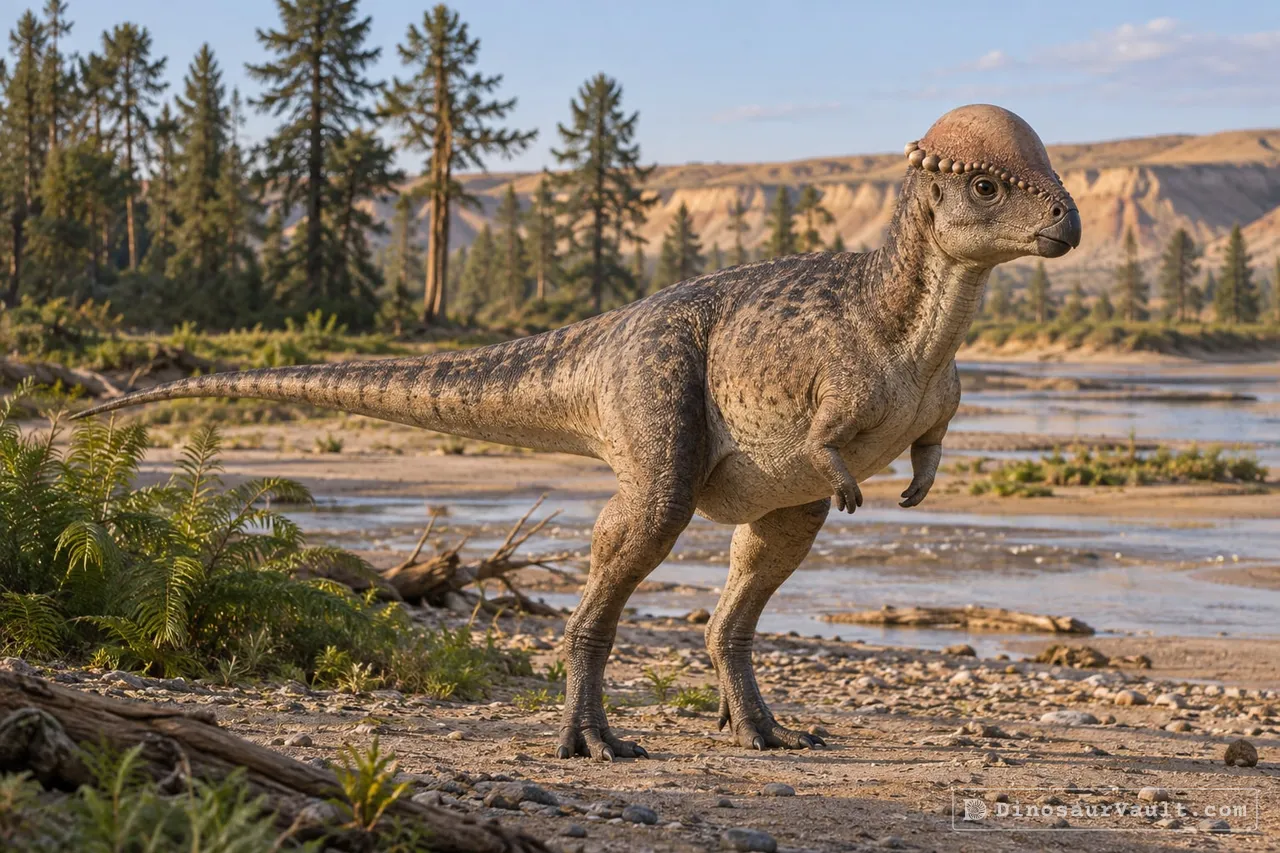
1 of 3
Lived alongside
Found in the same rock formations
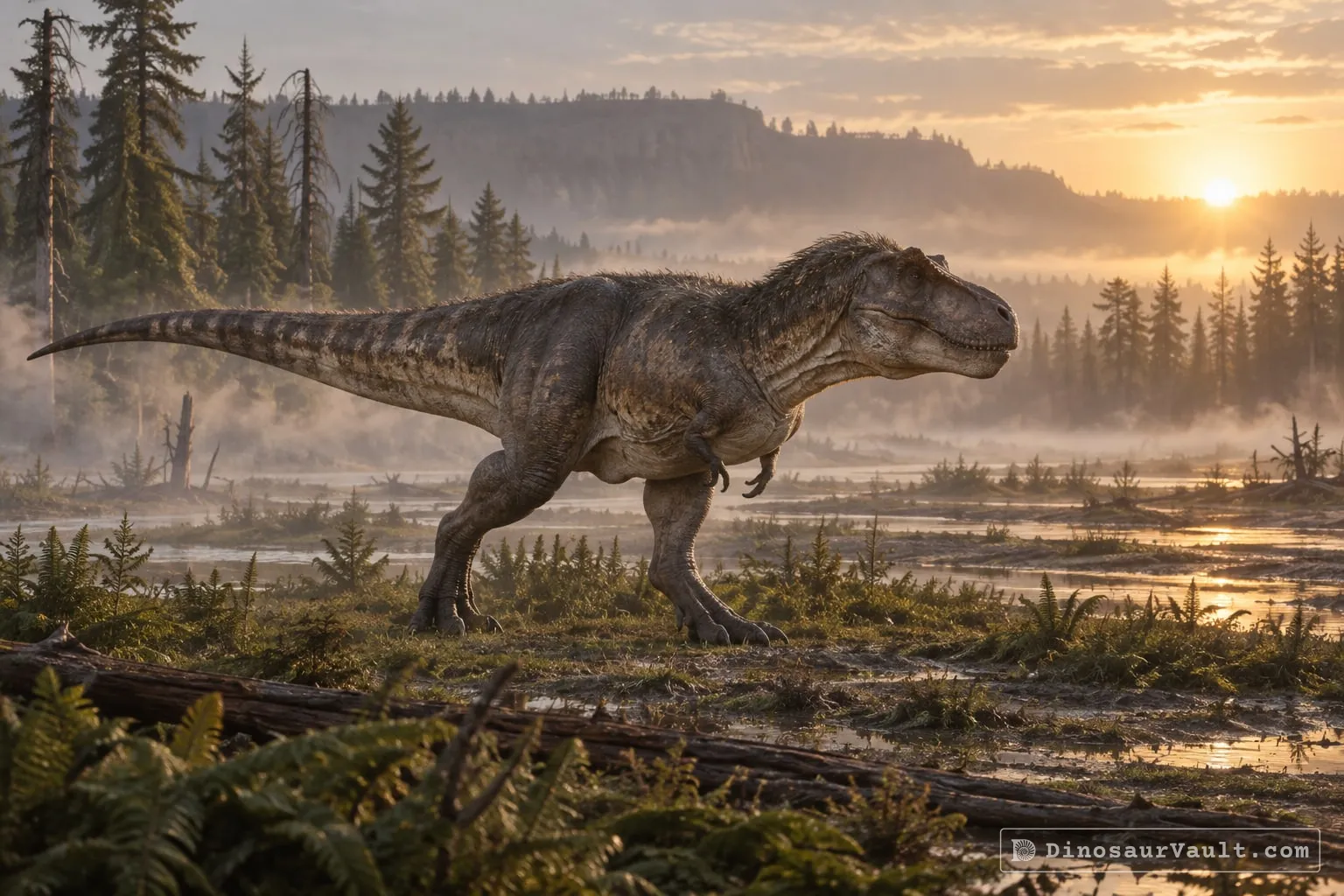
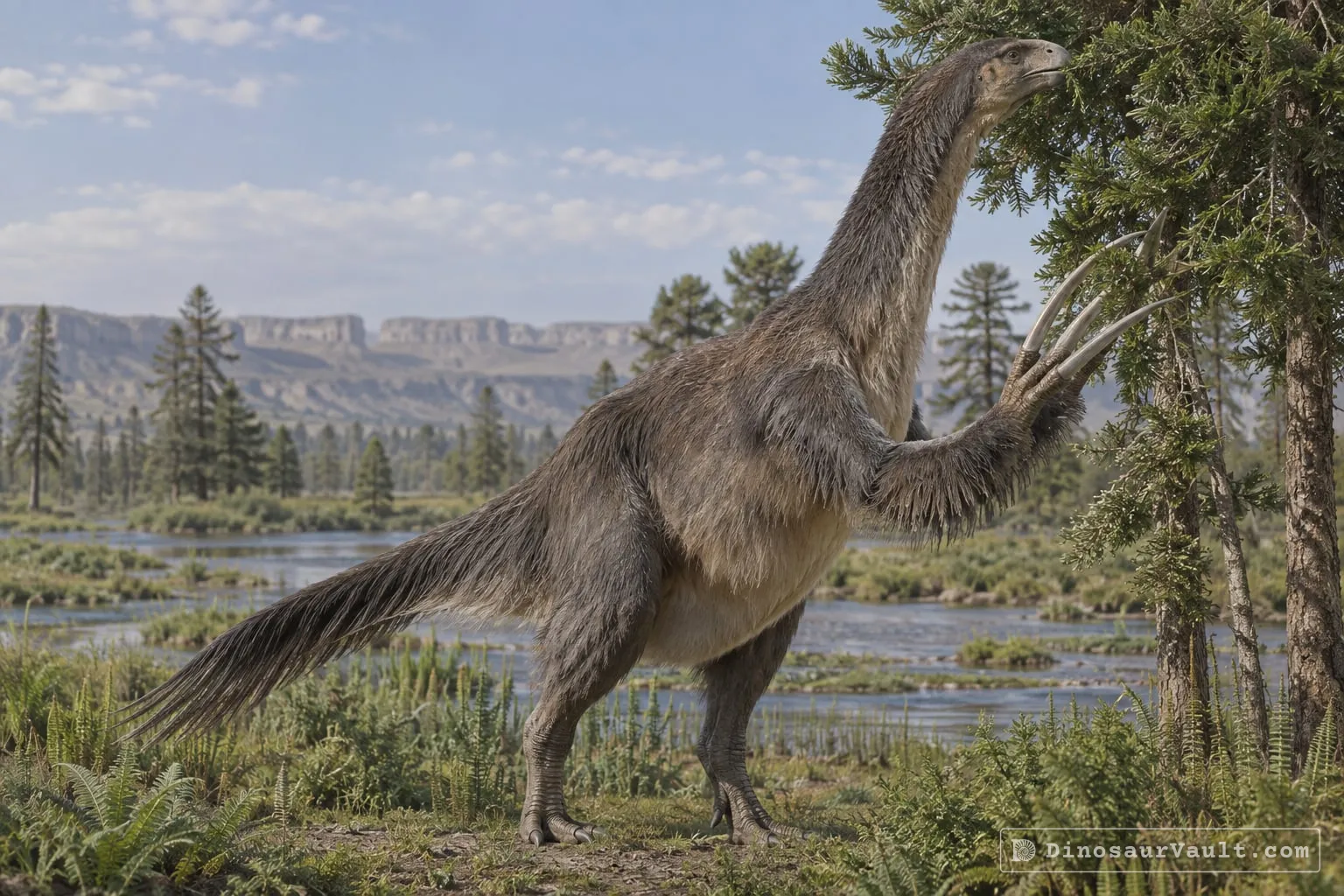
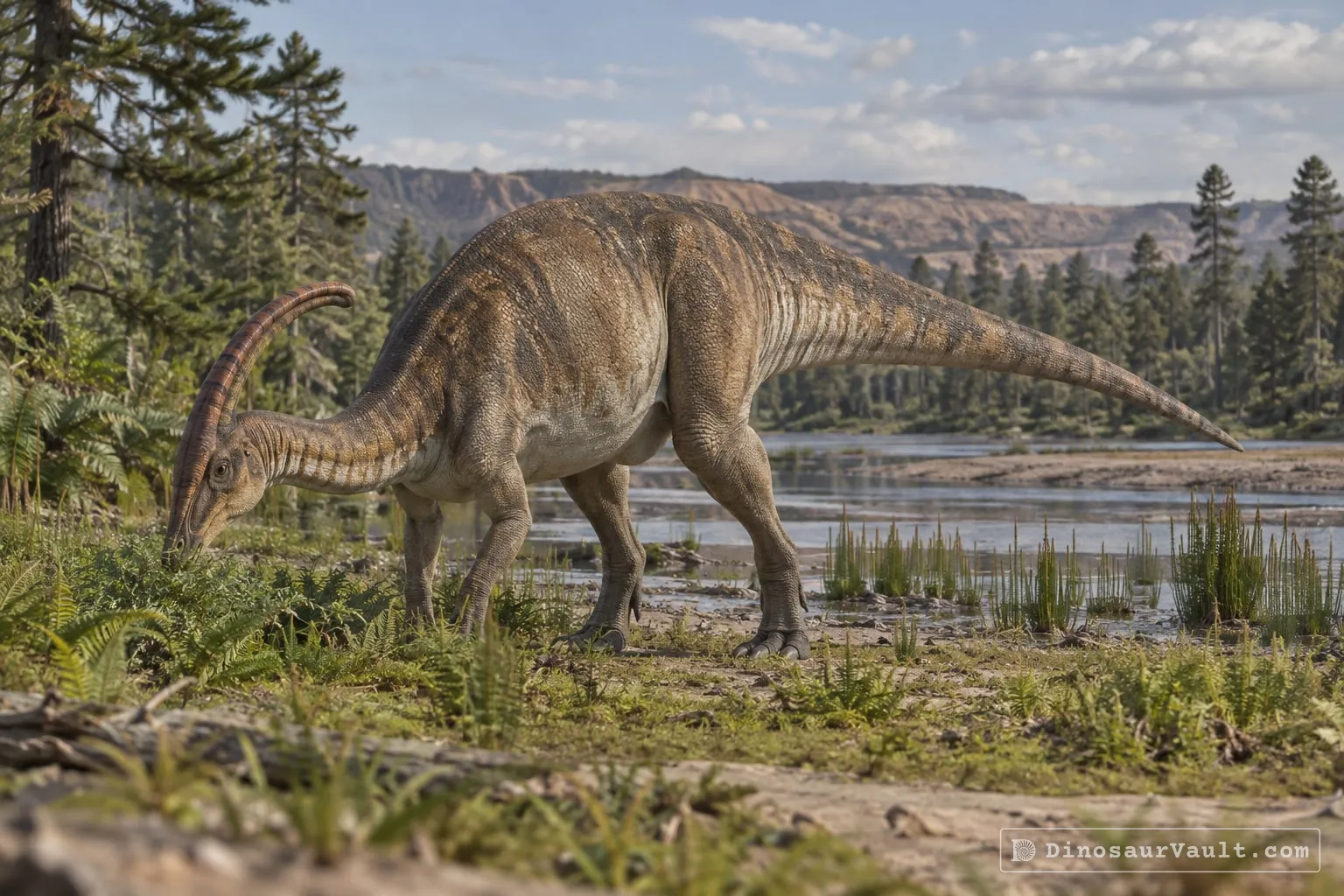
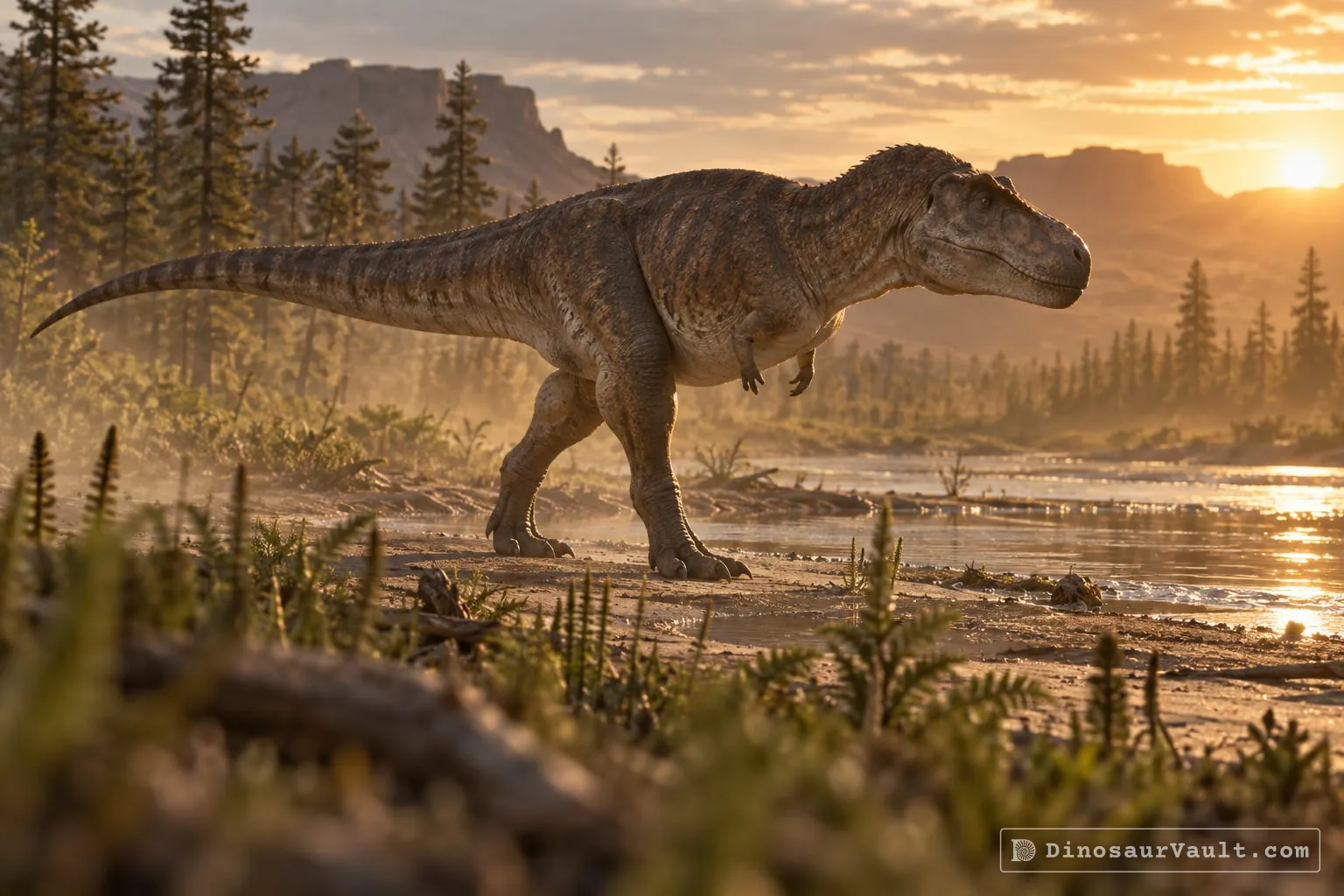
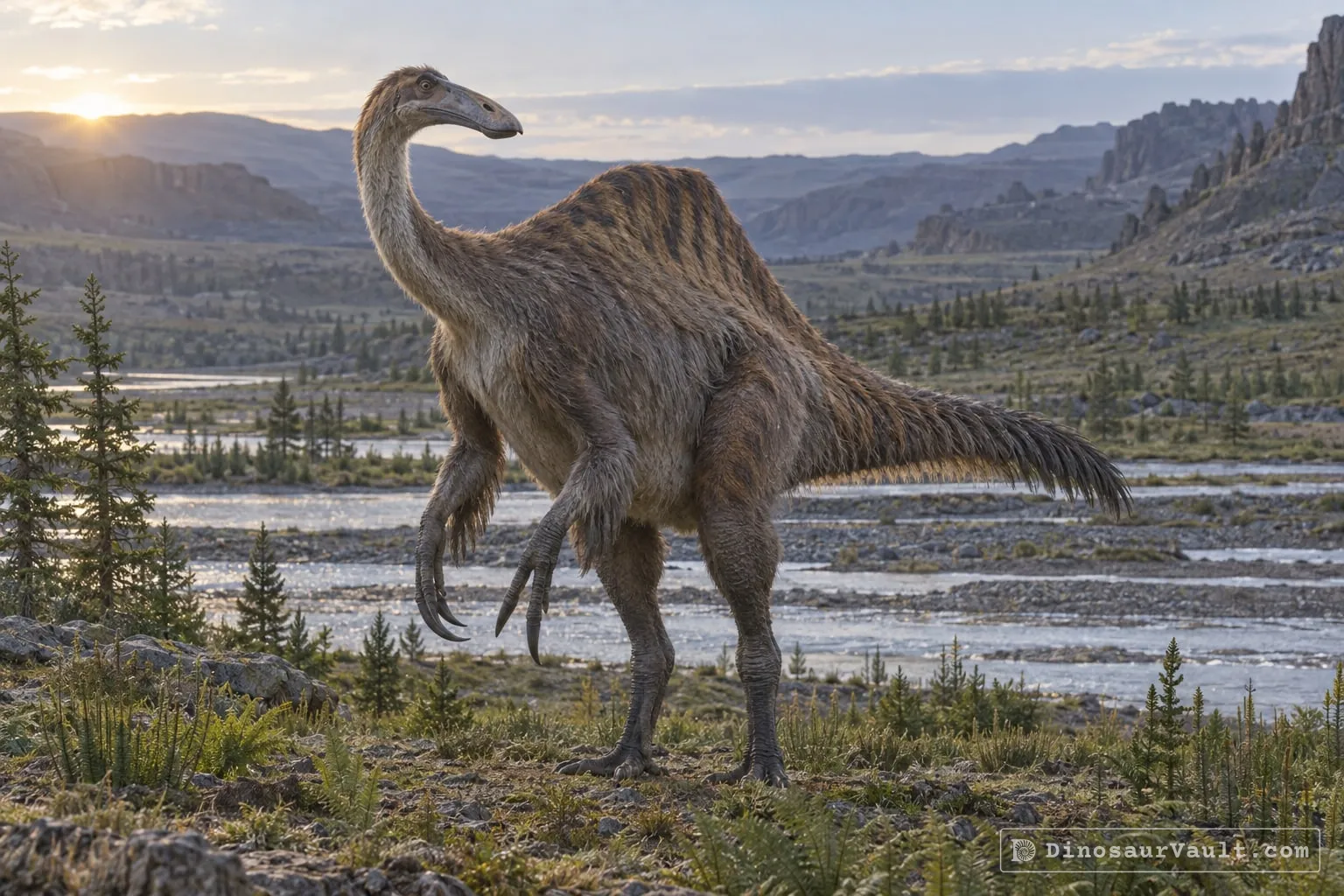
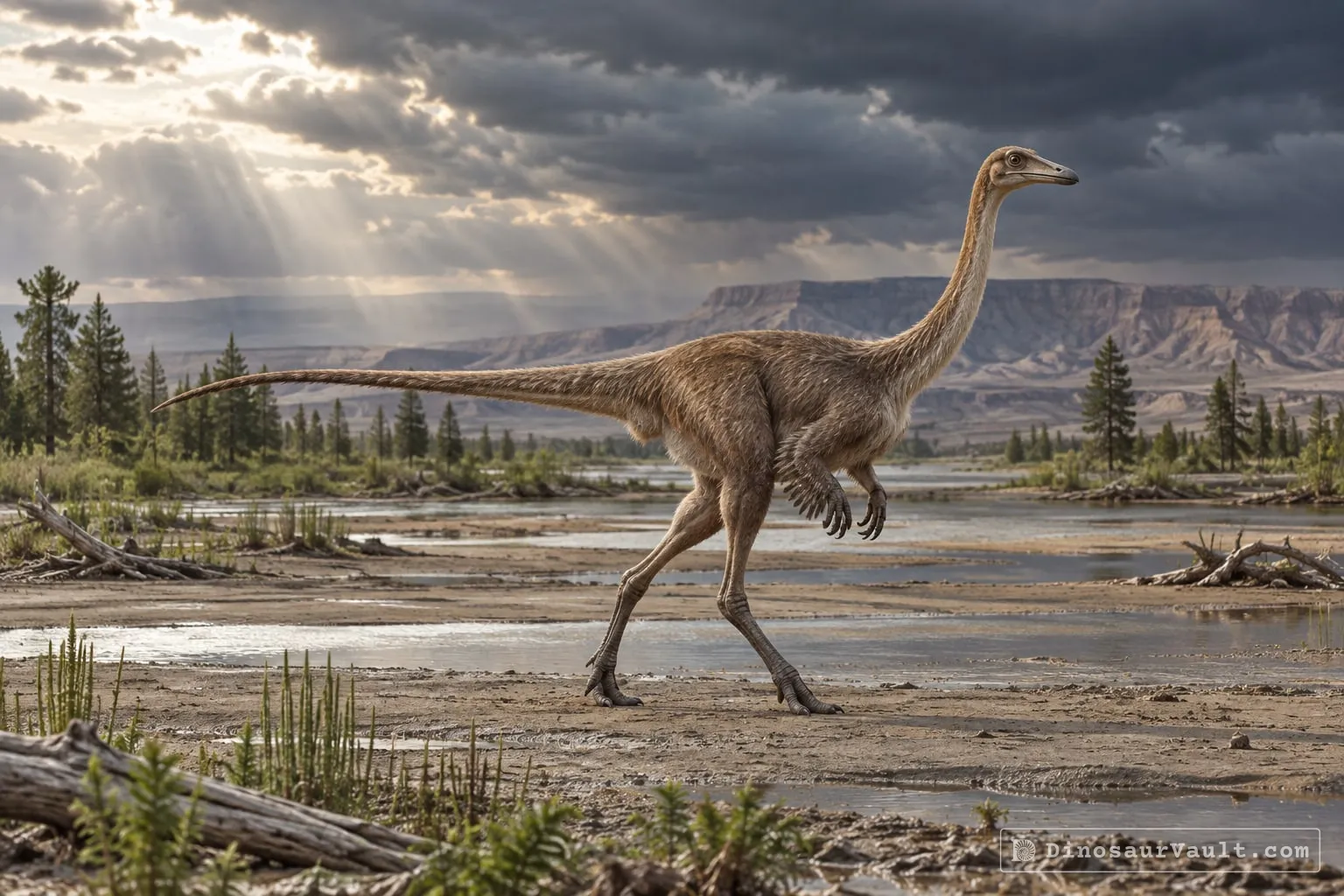
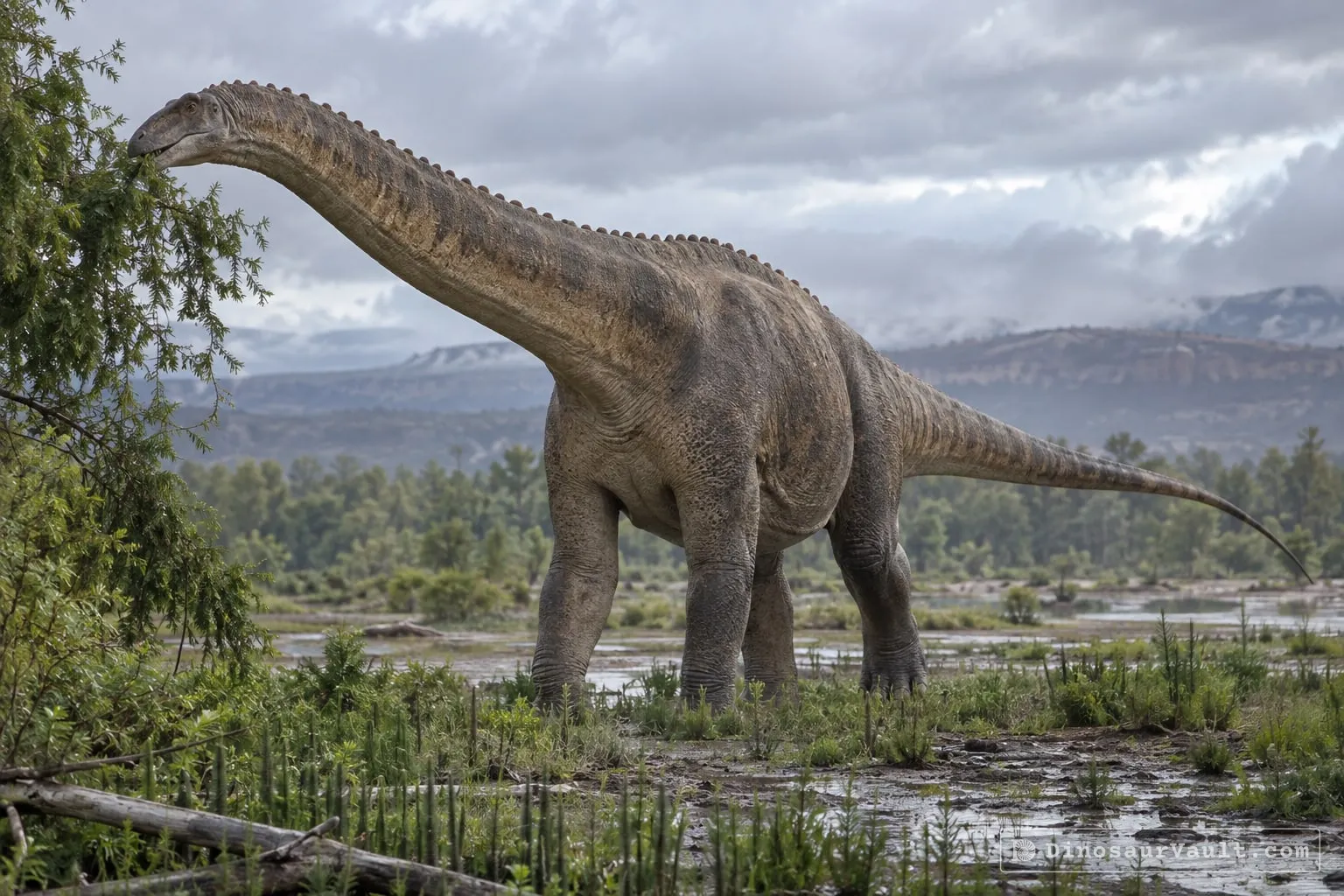
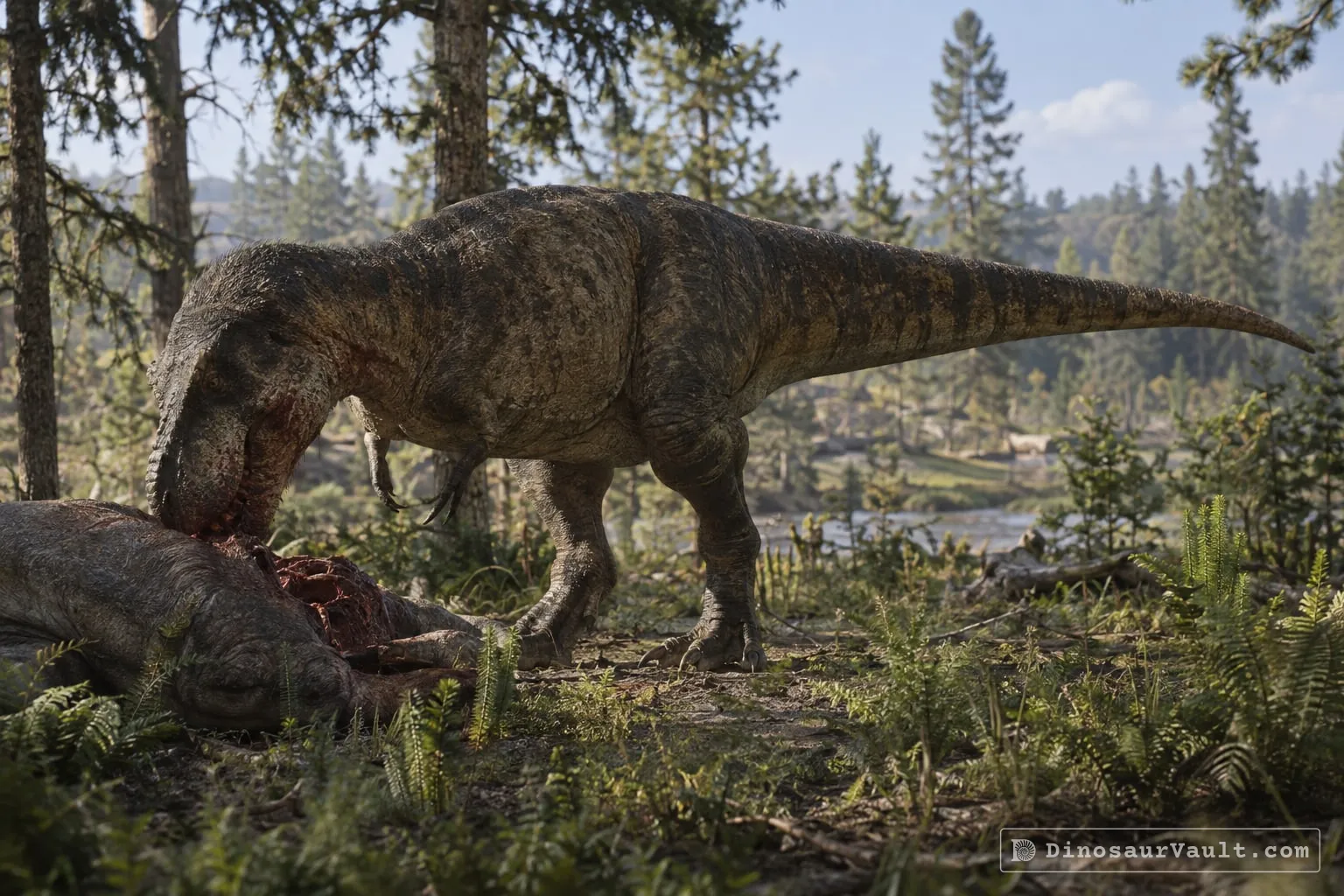


A rock formation can hold fossils laid down millions of years apart, so not every animal here met Prenocephale.
The evidence
The science behind Prenocephale
Which parts of the picture come from its own bones, and which come from its relatives.
From its own fossils
- A well-preserved skull shows a thick, rounded dome and a row of bony knobs around its rear and sides.
- The original find also included fragments of vertebrae, ribs and thigh bones.
- Rodlike bones formed a network around the tail, probably helping to stiffen it.
Borrowed from relatives
- Missing parts of the body are restored from better-known pachycephalosaurs such as Stegoceras and Homalocephale.
Still unknown
- Whether the dome was used for display, combat or both.
- Its skin texture and color.
- Exactly which plants it ate.
Discovery timeline
- 1974Named itMaryańska & Osmólska
- 2012Full descriptionBrown & Russell
- 2018Growing upEvans et al.
Key papers
The research behind what we know of Prenocephale
Named it
Named Prenocephale from a well-preserved domed skull and fragmentary body bones, describing its teeth and rows of skull knobs.
Pachycephalosauria, a new suborder of ornithischian dinosaurs. Palaeontologia Polonica 30: 45-102
No link available
Full description
Studied the bony network around pachycephalosaur tails, including Prenocephale, and identified it as hardened connective tissue associated with tail muscles.
Homology and Architecture of the Caudal Basket of Pachycephalosauria (Dinosauria: Ornithischia): The First Occurrence of Myorhabdoi in Tetrapoda. PLoS ONE 7: e30212
Read the paper : Homology and Architecture of the Caudal Basket of Pachycephalosauria (Dinosauria: Ornithischia): The First Occurrence of Myorhabdoi in Tetrapoda (opens in a new tab)Growing up
Described skull pieces across a wider size range and found a consistent knob pattern, supporting the distinction between Prenocephale and Homalocephale.
Morphology and histology of new cranial specimens of Pachycephalosauridae (Dinosauria: Ornithischia) from the Nemegt Formation, Mongolia. Palaeogeography, Palaeoclimatology, Palaeoecology 494: 121-134
Read the paper : Morphology and histology of new cranial specimens of Pachycephalosauridae (Dinosauria: Ornithischia) from the Nemegt Formation, Mongolia (opens in a new tab)
Close relatives
Other members of Eupachycephalosauria


Sources: Wikidata