Plesiolophus
"near crest"
Type species Plesiolophus warnerensis
- Lived
- 84 to 72 million years ago, Late Cretaceous
- Diet
- Herbivore
- Group
- Ornithopods, Hadrosauridae
- Found in
- Canada
- Named by
- McFeeters et al. 2026
Where its fossils were found
The evidence
Today

80 million years ago
Habitat
A river-fed landscape in Late Cretaceous Alberta, Canada. Dinosaurs recorded from the Oldman Formation include Gorgosaurus and Daspletosaurus.
Field notes
About Plesiolophus
What it was like
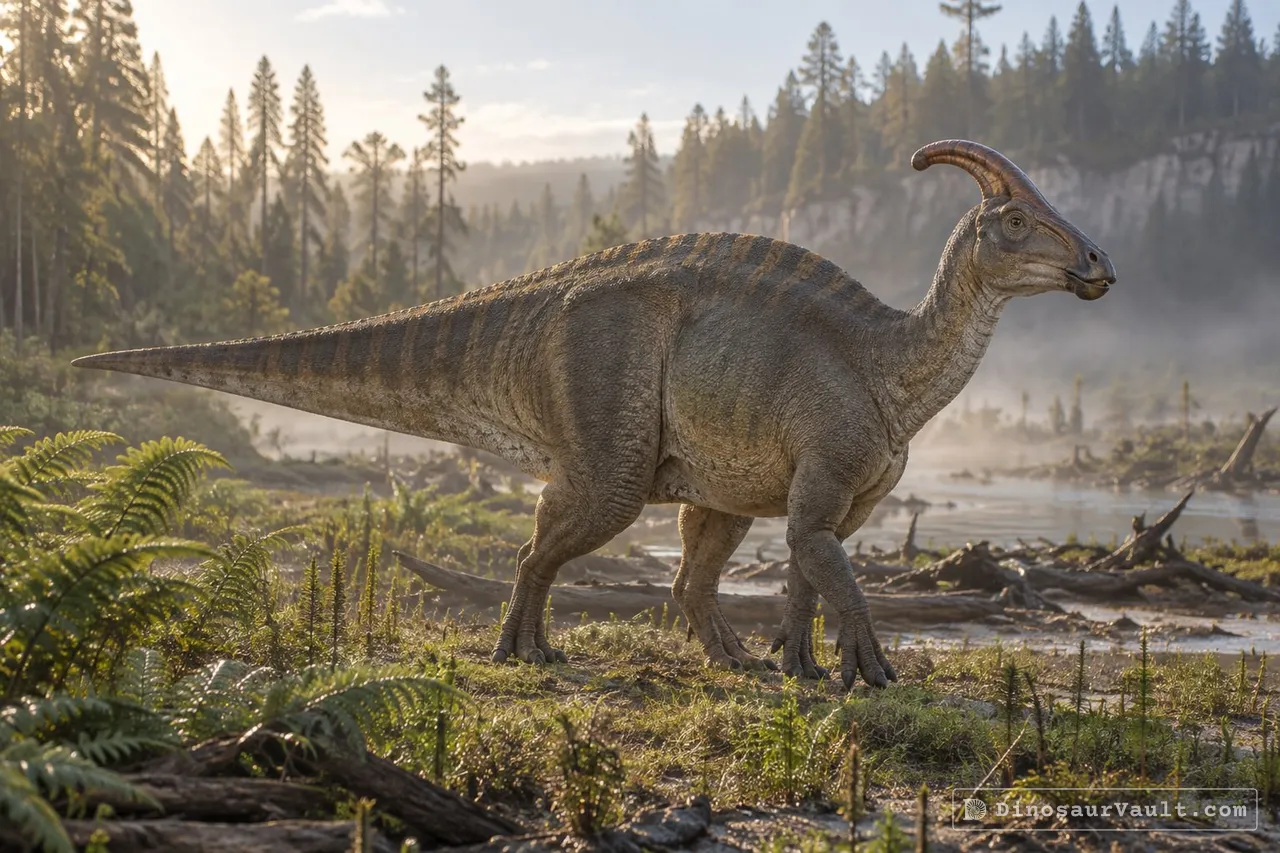
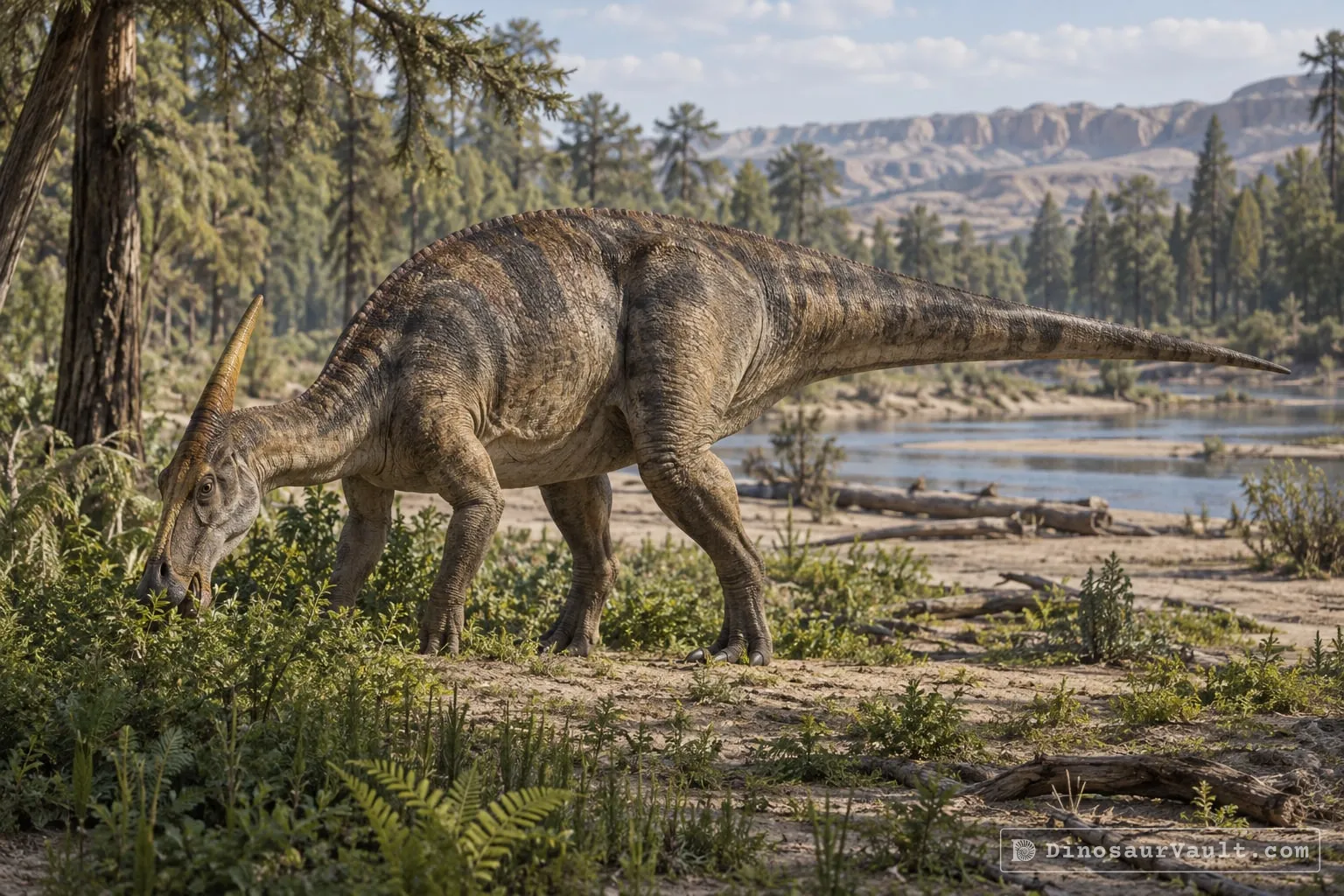
Plesiolophus was a crested duck-billed dinosaur, an early relative of Parasaurolophus. It is known from a partial skull, which shows simpler features than those of its later relatives.
Its world
It lived in the Late Cretaceous in what is now Alberta, Canada. Its skull comes from the Oldman Formation, where it shared the land with the tyrannosaurs Gorgosaurus and Daspletosaurus.
How it was found
McFeeters and colleagues named Plesiolophus in 2026, from a single find.
Field gallery
More views of Plesiolophus
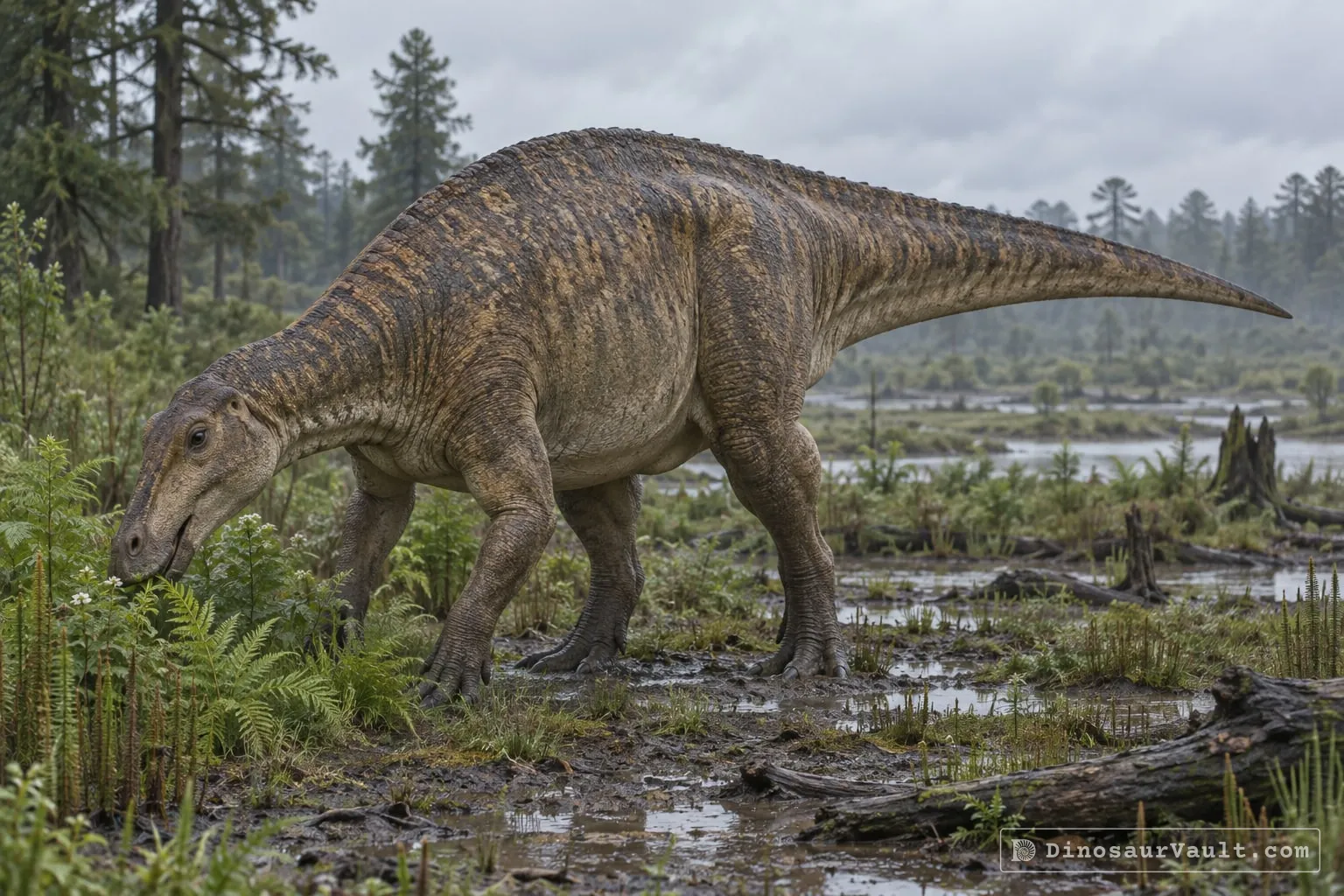
Scenes reconstructed from the available fossil evidence.
1 of 3
Lived alongside
Found in the same rock formations
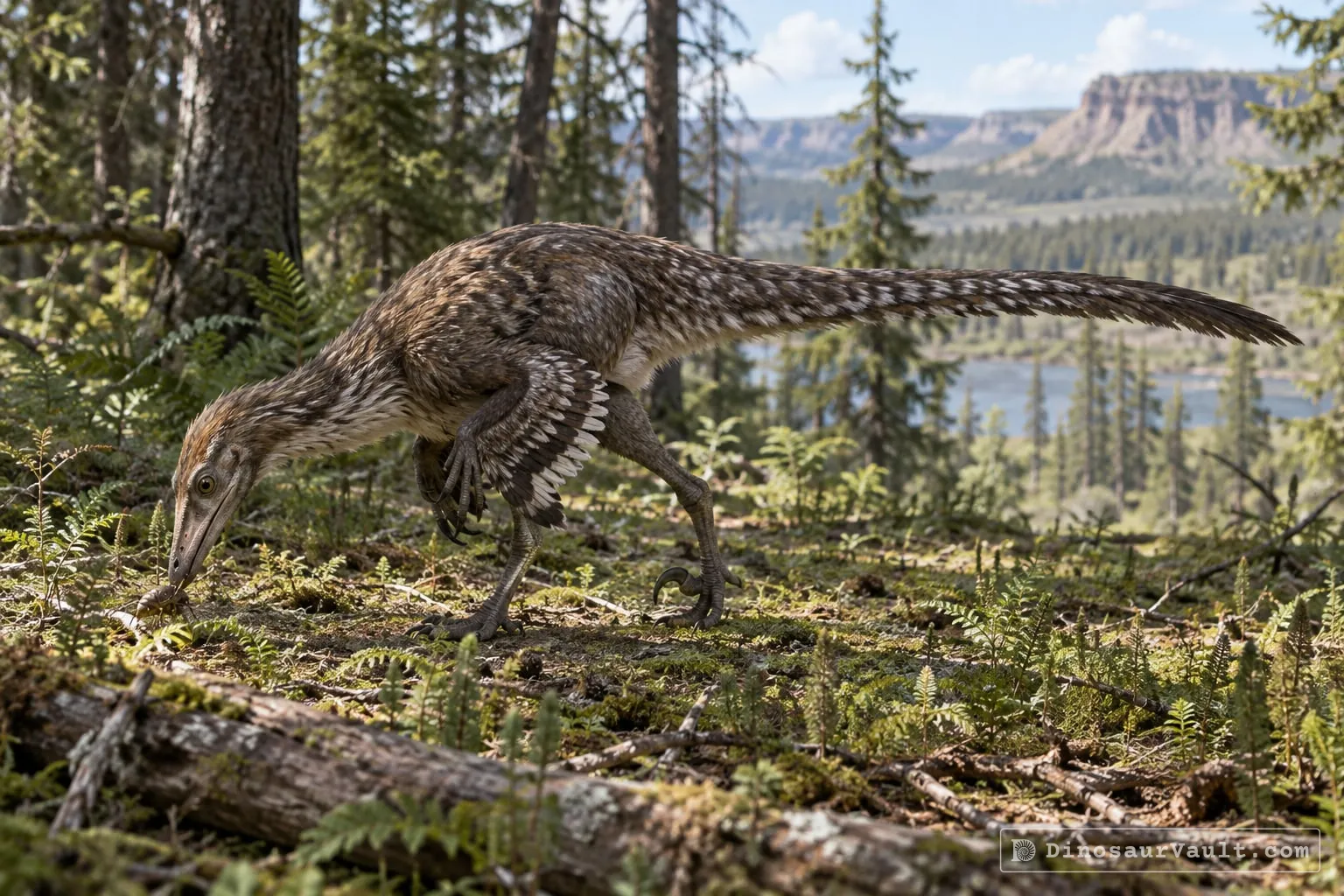
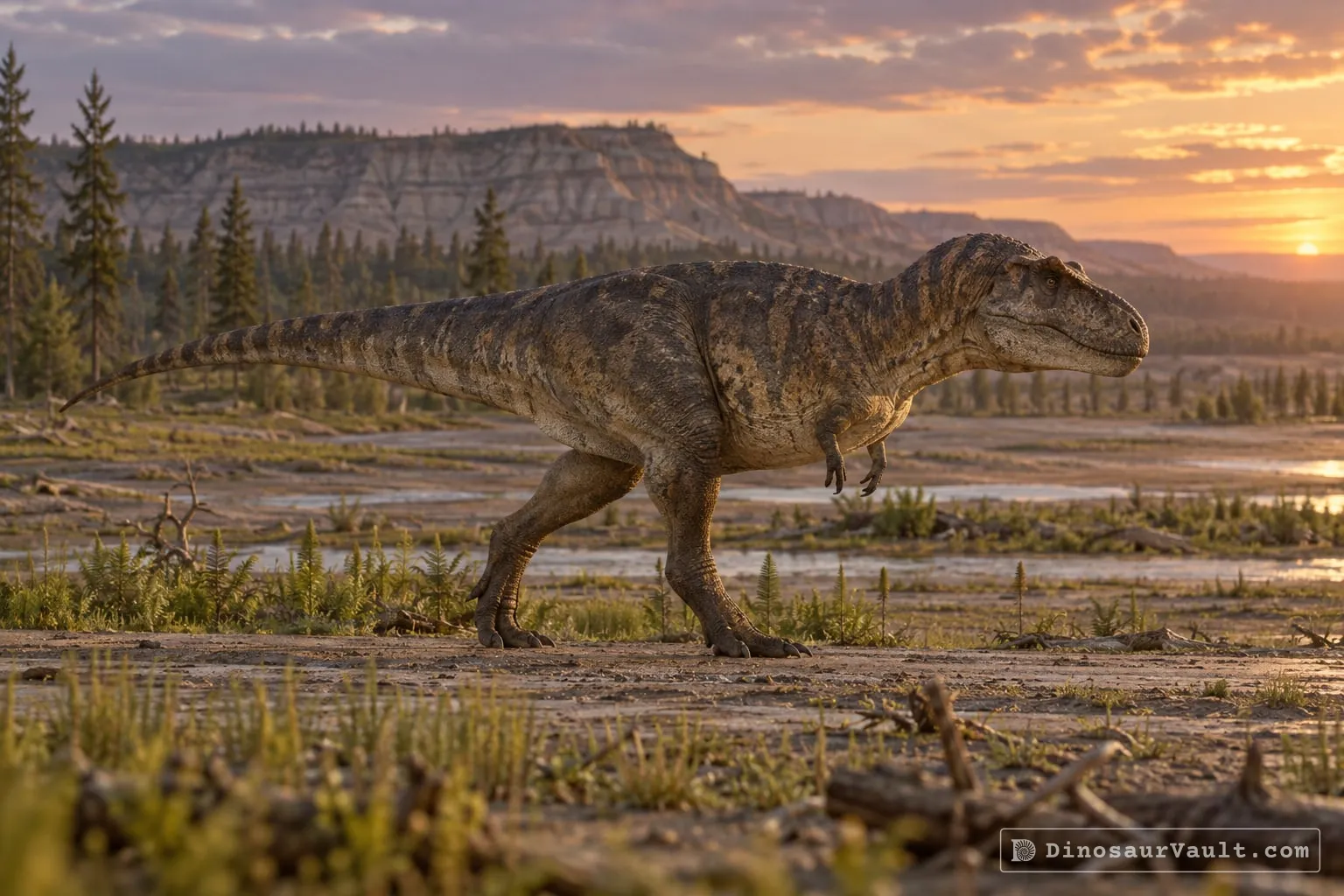
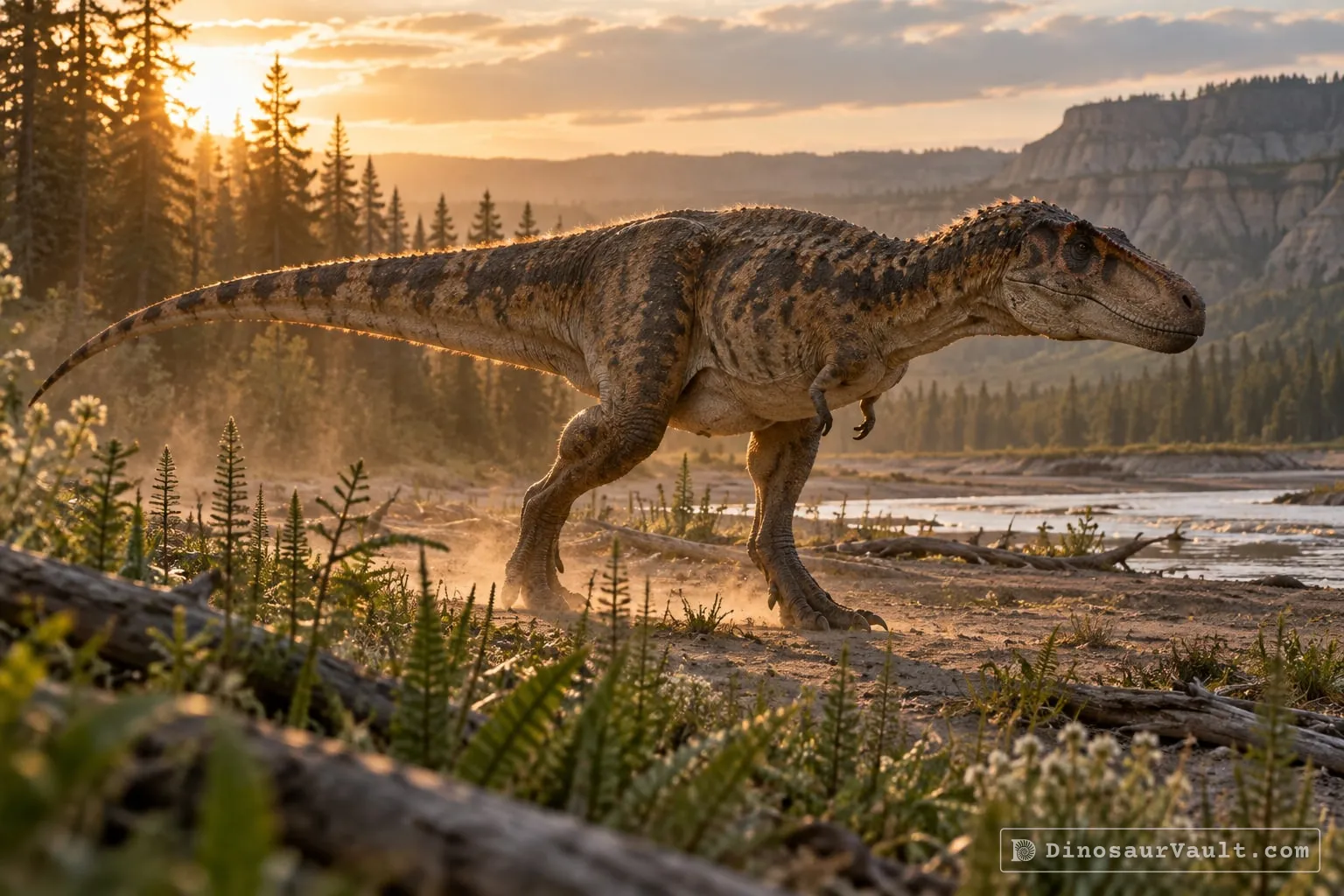
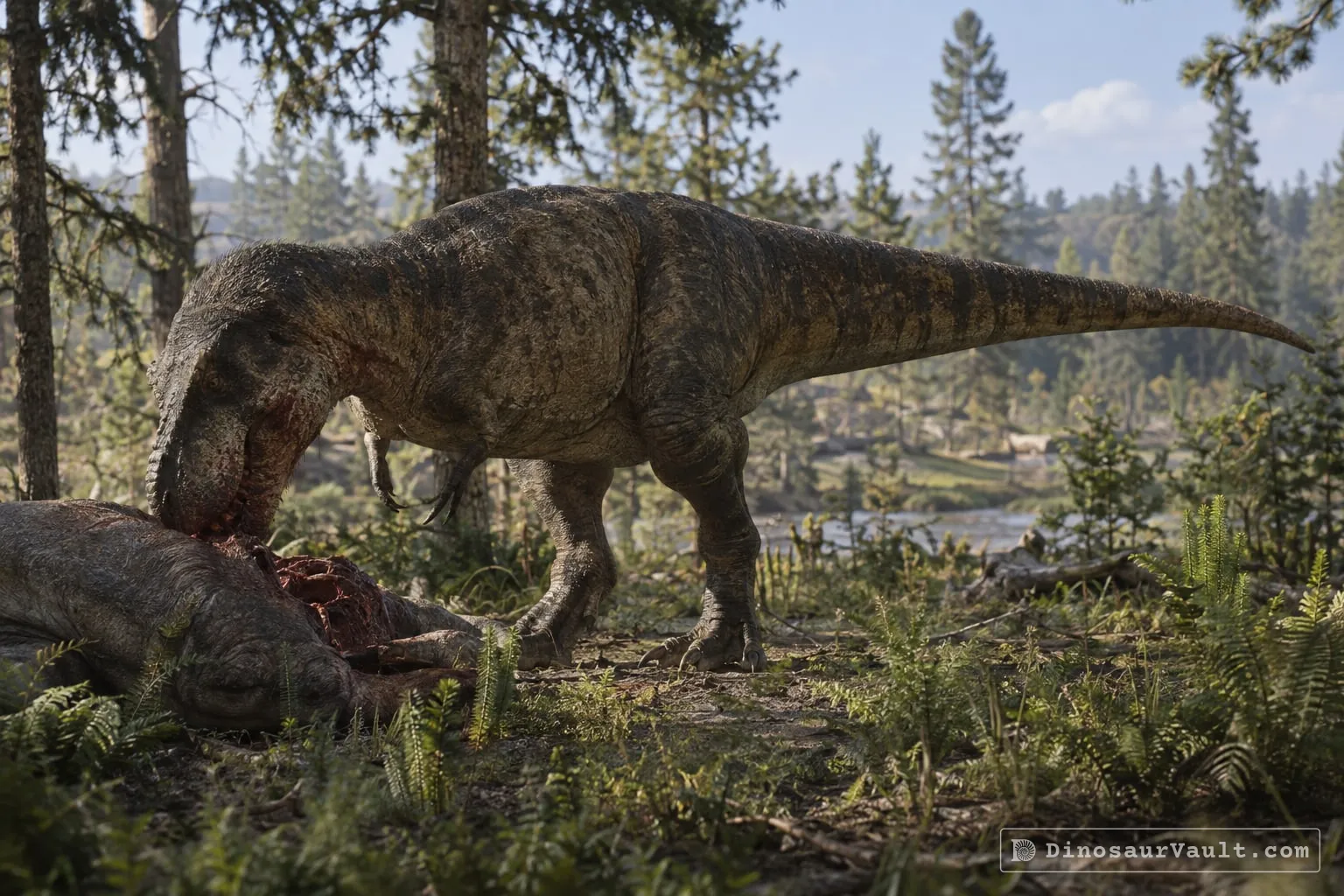
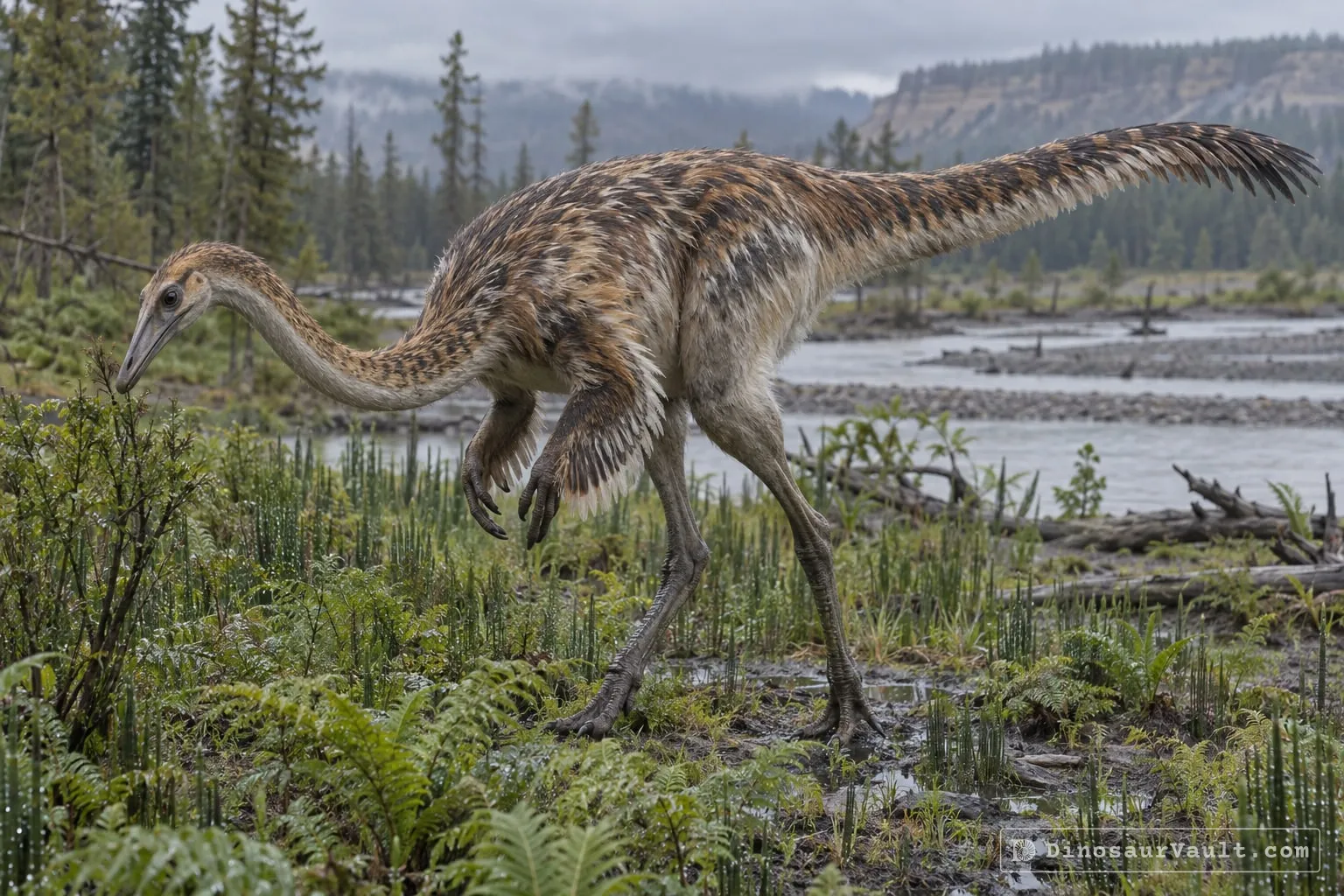


A rock formation can hold fossils laid down millions of years apart, so not every animal here met Plesiolophus.
The evidence
The science behind Plesiolophus
Which parts of the picture come from its own bones, and which come from its relatives.
From its own fossils
- A partial skull preserves the roof over the brain and much of the braincase.
- The steeply sloping platform on its forehead supported a crest. The scientists who named it inferred that the crest was well developed, though possibly less extreme than in adult Parasaurolophus.
- Fused bones in the skull roof suggest the animal was probably an adult.
Borrowed from relatives
- The outline of the crest is restored by comparison with Parasaurolophus.
- The missing bill, jaws, body and tail are restored from other duck-billed dinosaurs such as Edmontosaurus.
- The hands follow those of Corythosaurus.
Still unknown
- The full shape and length of its crest.
- Its body size and proportions.
- Its skin color.
Discovery timeline
- 2009Close relativeEvans, Bavington & Campione
- 2022Same rocksCullen et al.
- 2026Named itMcFeeters et al.
Key papers
The research behind what we know of Plesiolophus
Close relative
Described a large Parasaurolophus braincase and compared changes in the skull roof associated with growth and crest development.
An unusual hadrosaurid braincase from the Dinosaur Park Formation and the biostratigraphy of Parasaurolophus (Ornithischia: Lambeosaurinae) from southern Alberta. Canadian Journal of Earth Sciences 46: 791-800
Read the paper : An unusual hadrosaurid braincase from the Dinosaur Park Formation and the biostratigraphy of Parasaurolophus (Ornithischia: Lambeosaurinae) from southern Alberta (opens in a new tab)Same rocks
Chemical signatures in fossils from the upper Oldman Formation suggest duck-billed dinosaurs ranged more widely than horned and armored plant eaters.
Sr‐O‐C isotope signatures reveal herbivore niche‐partitioning in a Cretaceous ecosystem. Palaeontology 65
Read the paper : Sr‐O‐C isotope signatures reveal herbivore niche‐partitioning in a Cretaceous ecosystem (opens in a new tab)Named it
Described a skull roof and braincase, probably from an adult, with a mix of early and specialized features linking Plesiolophus to Parasaurolophus.
A new parasaurolophin dinosaur (Hadrosauridae: Lambeosaurinae) from the Oldman Formation of southern Alberta. Canadian Journal of Earth Sciences 63: 1-23
Read the paper : A new parasaurolophin dinosaur (Hadrosauridae: Lambeosaurinae) from the Oldman Formation of southern Alberta (opens in a new tab)
Close relatives
Other members of Hadrosauridae


Sources: Wikidata