Panamericansaurus
Type species Panamericansaurus schroederi
- Lived
- 72 to 66 million years ago, Late Cretaceous
- Diet
- Herbivore
- Group
- Sauropods
- Found in
- Argentina
- Named by
- Calvo and Porfiri 2010
Where its fossils were found
The evidence
Today

70 million years ago
Habitat
The Allen Formation records coastal dunes, wetlands and river environments in what is now Argentina, with conifers, cycads and palms. Other dinosaurs recorded from these rocks include Austroraptor, Patagopelta and Neuquensaurus.
Field notes
About Panamericansaurus
What it was like
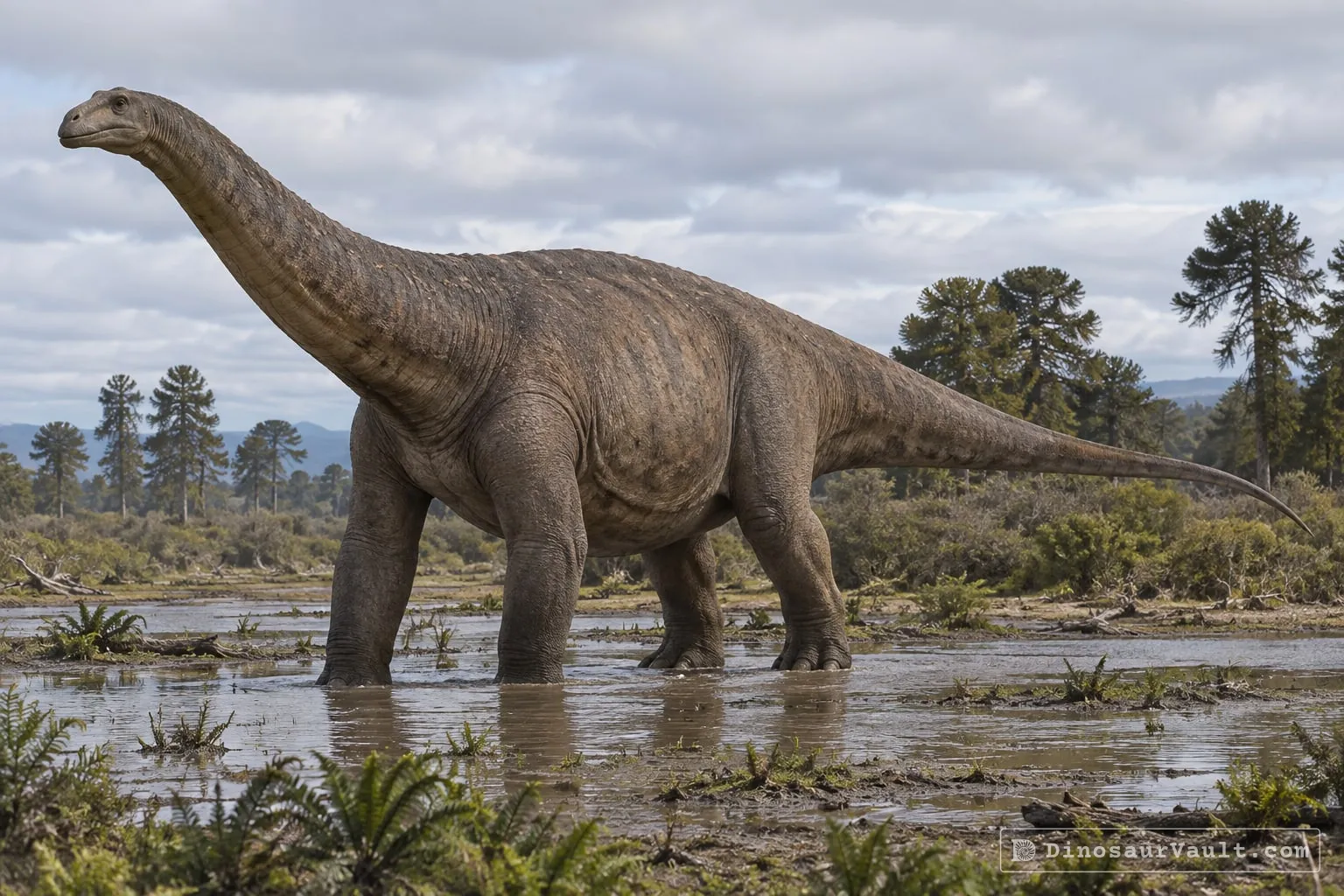
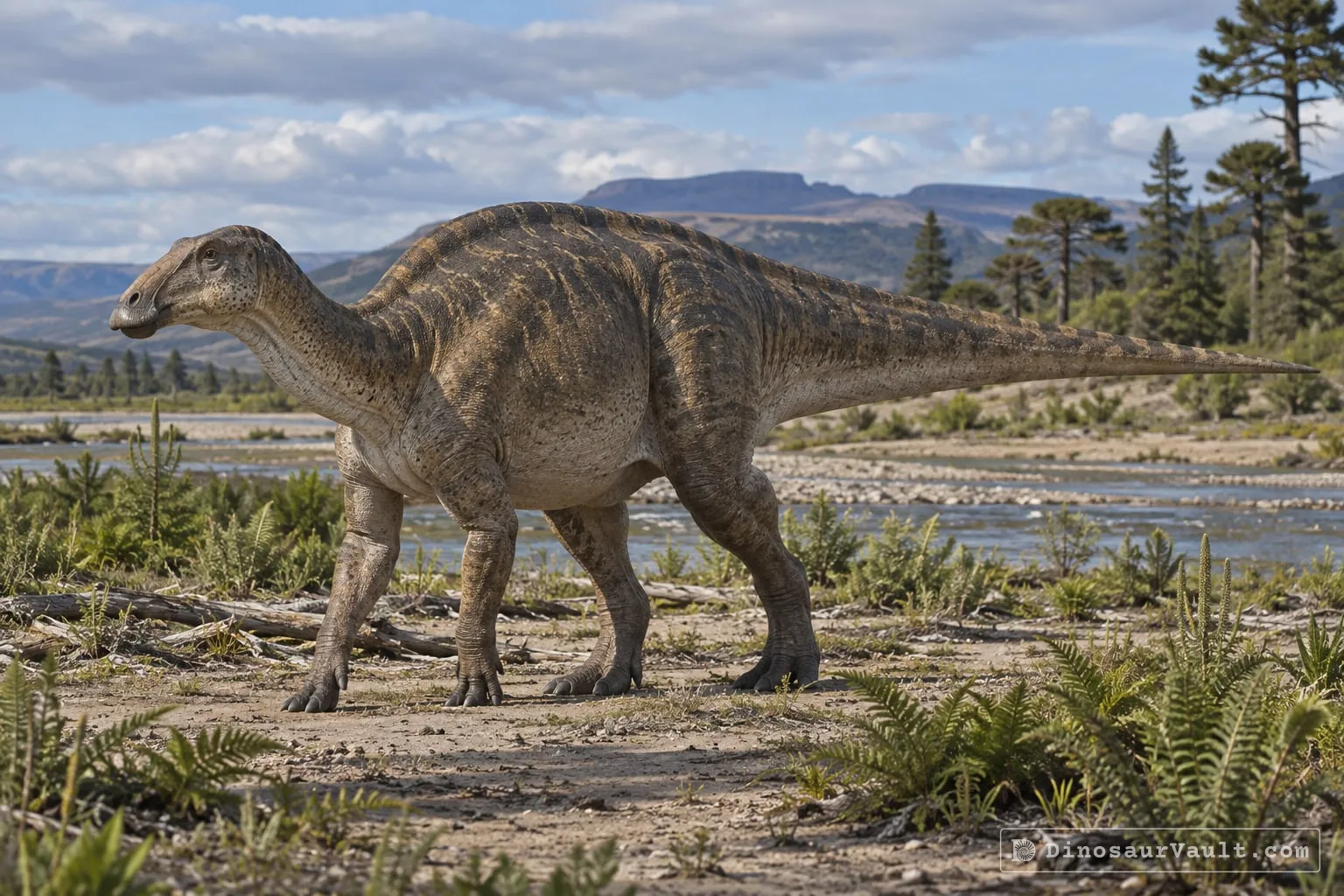
Panamericansaurus was a titanosaur, a long-necked plant eater related to Aeolosaurus. It is known from tail bones, a rib and parts of the front leg.
Its world
It lived about 72 to 66 million years ago, at the end of the Late Cretaceous, in what is now Argentina. Its bones come from the Allen Formation, where it shared the land with the raptor Austroraptor and the armored Patagopelta.
How it was found
Calvo and Porfiri named it in 2010. The type species is Panamericansaurus schroederi. It is named after a company that helped fund the work.
Field gallery
More views of Panamericansaurus
Scenes reconstructed from the available fossil evidence.
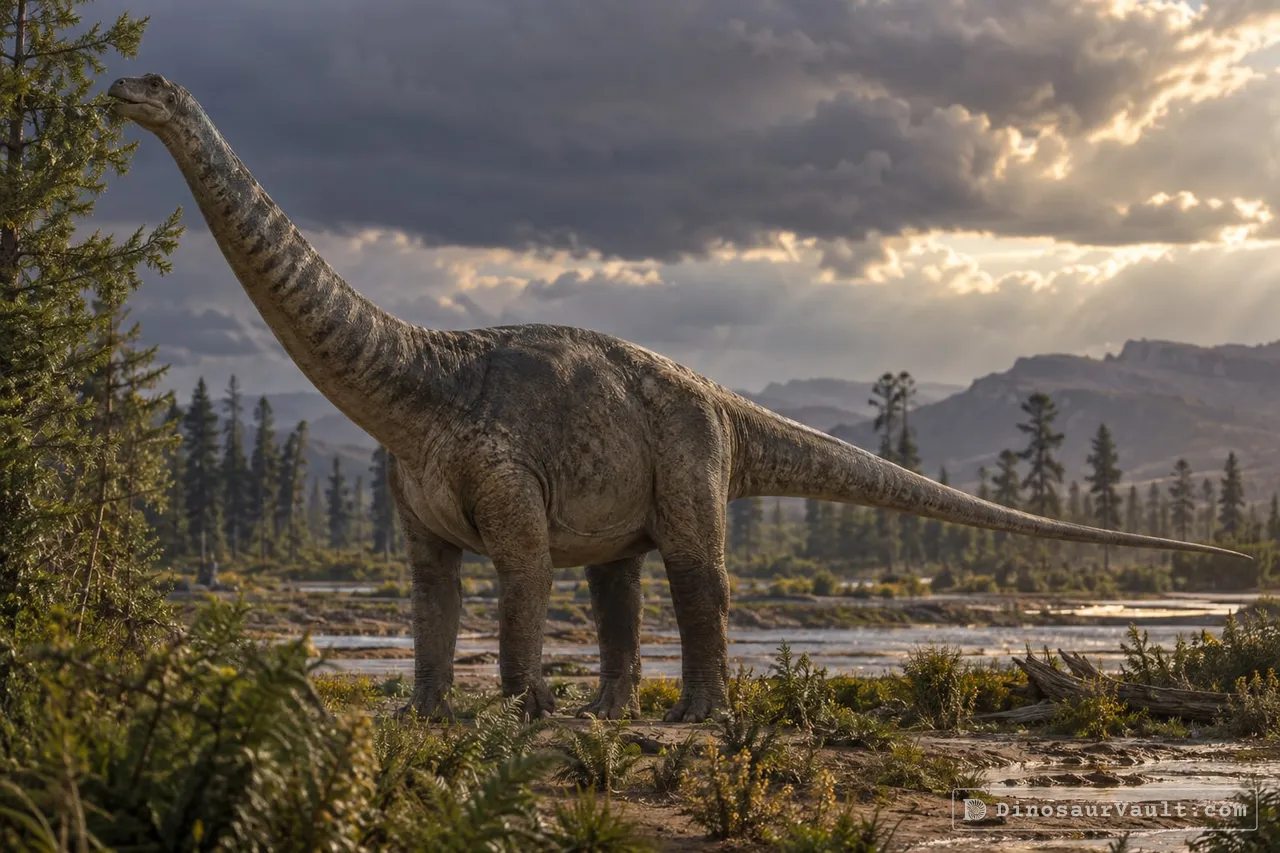
1 of 3
Lived alongside
Found in the same rock formations
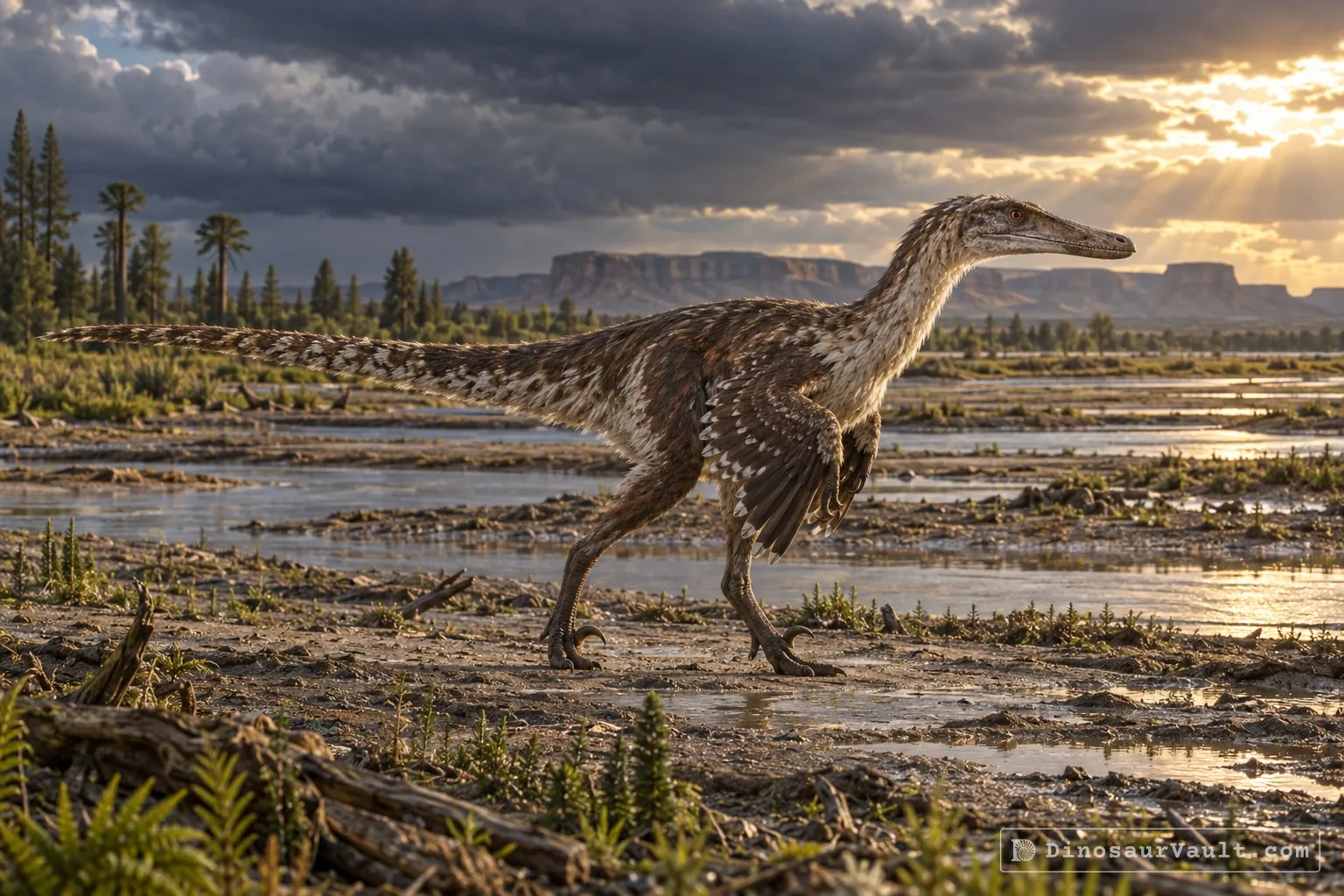
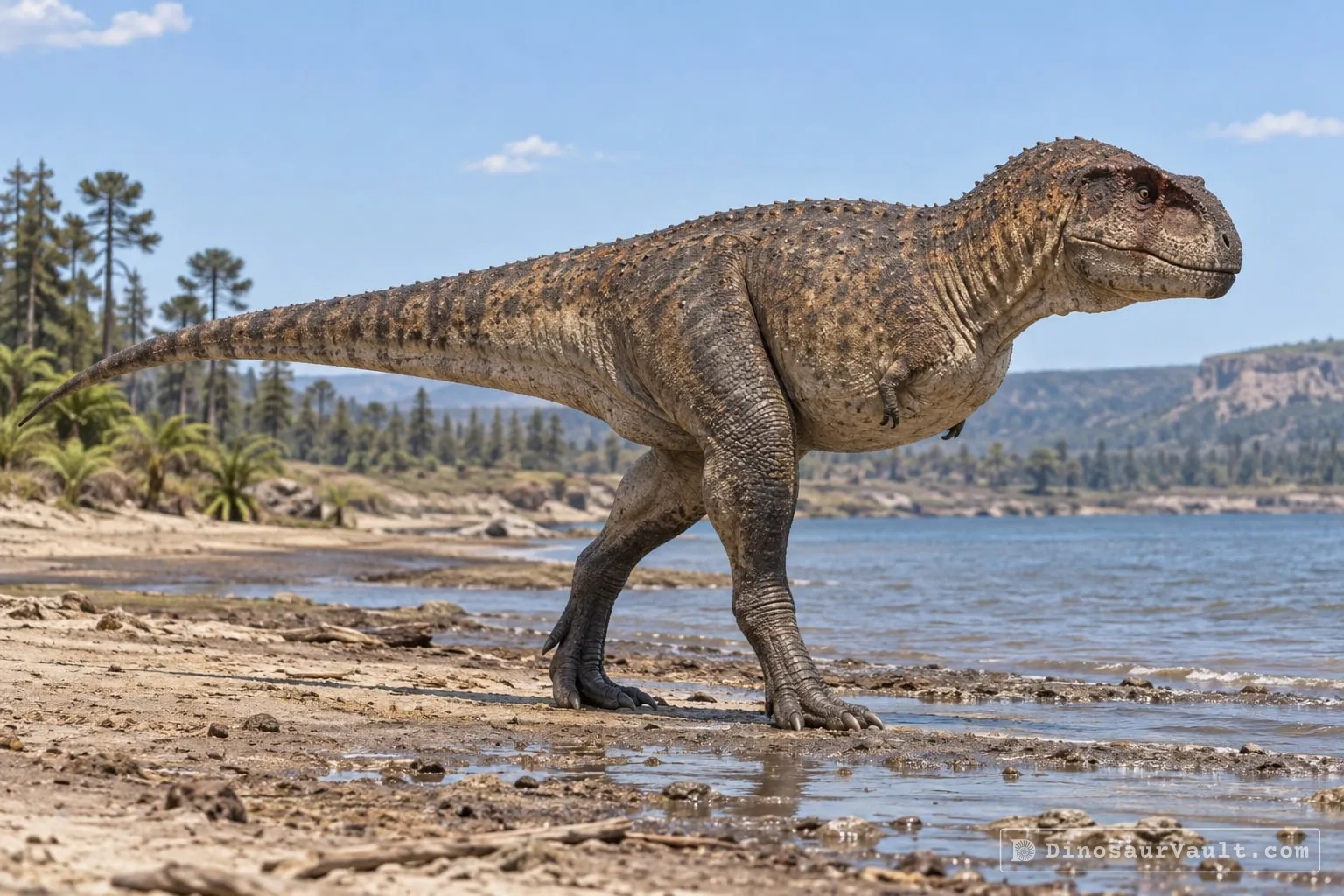
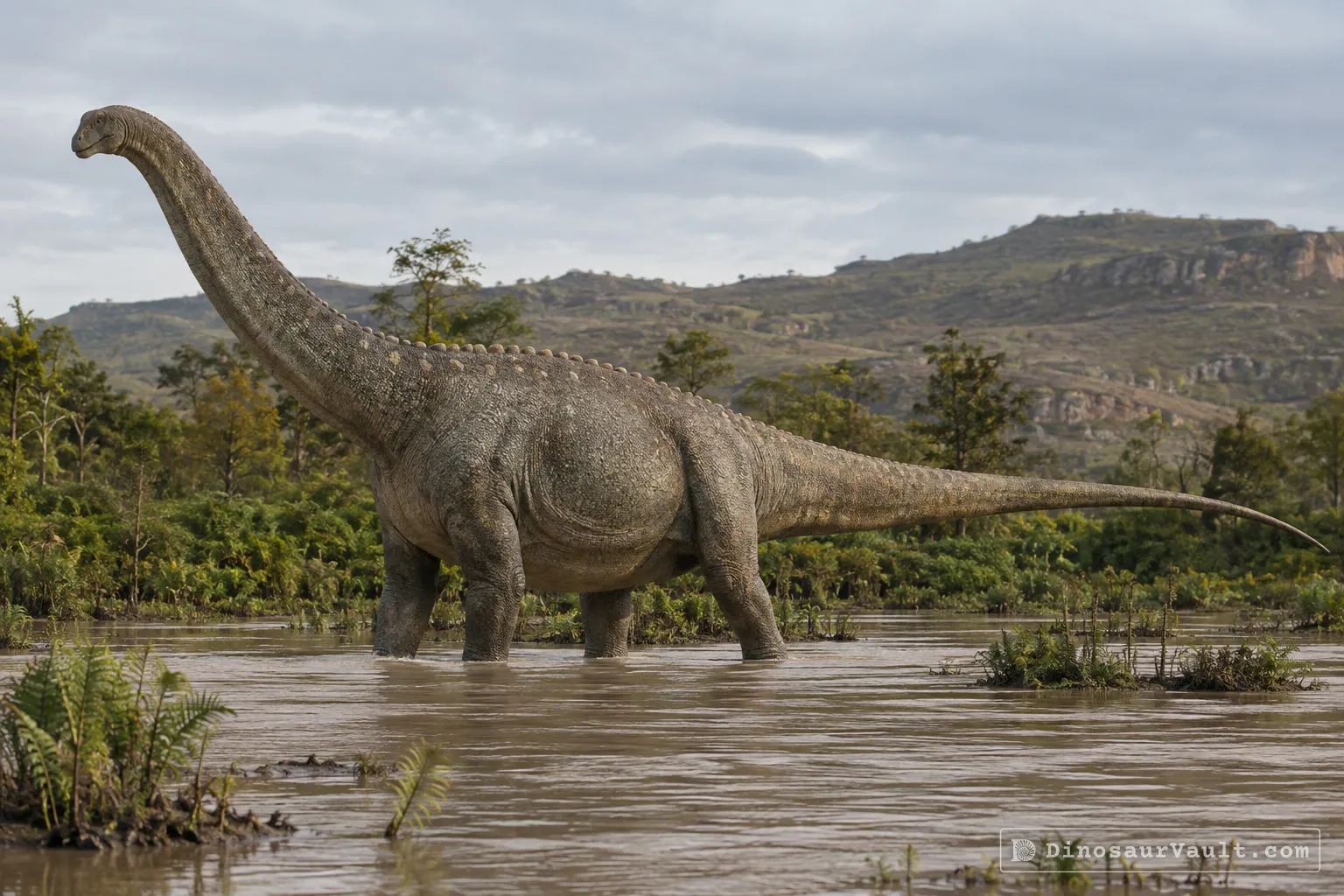
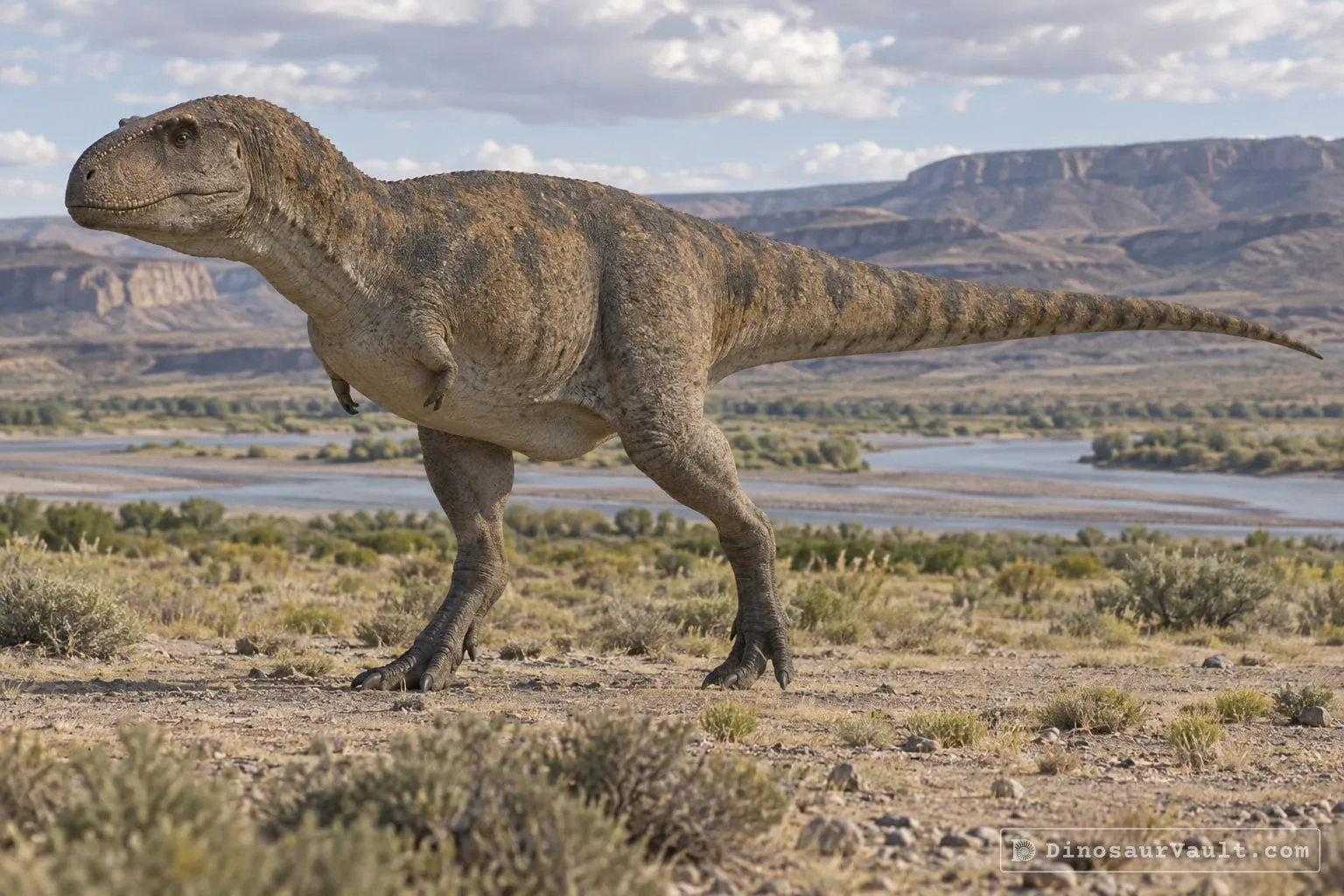
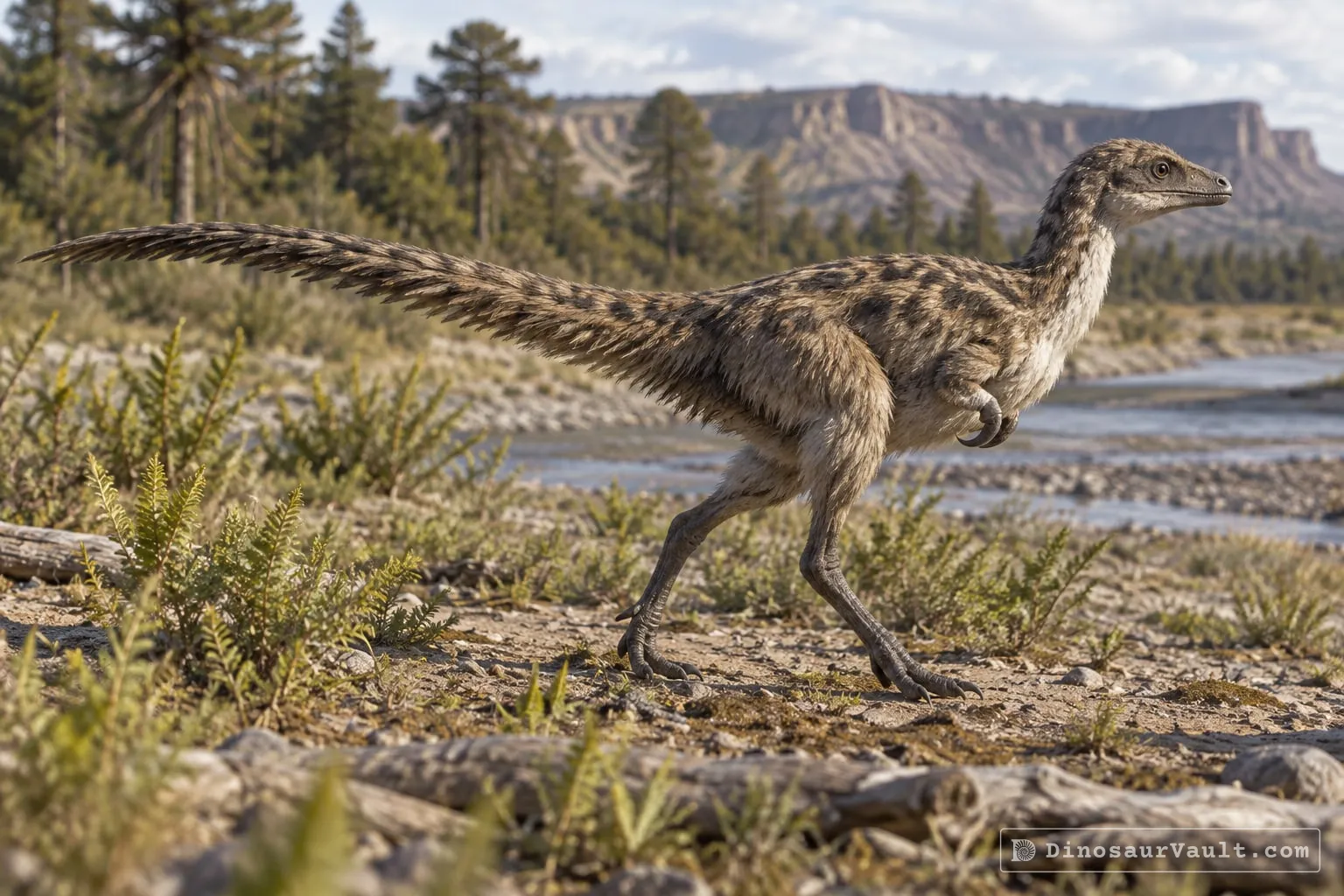
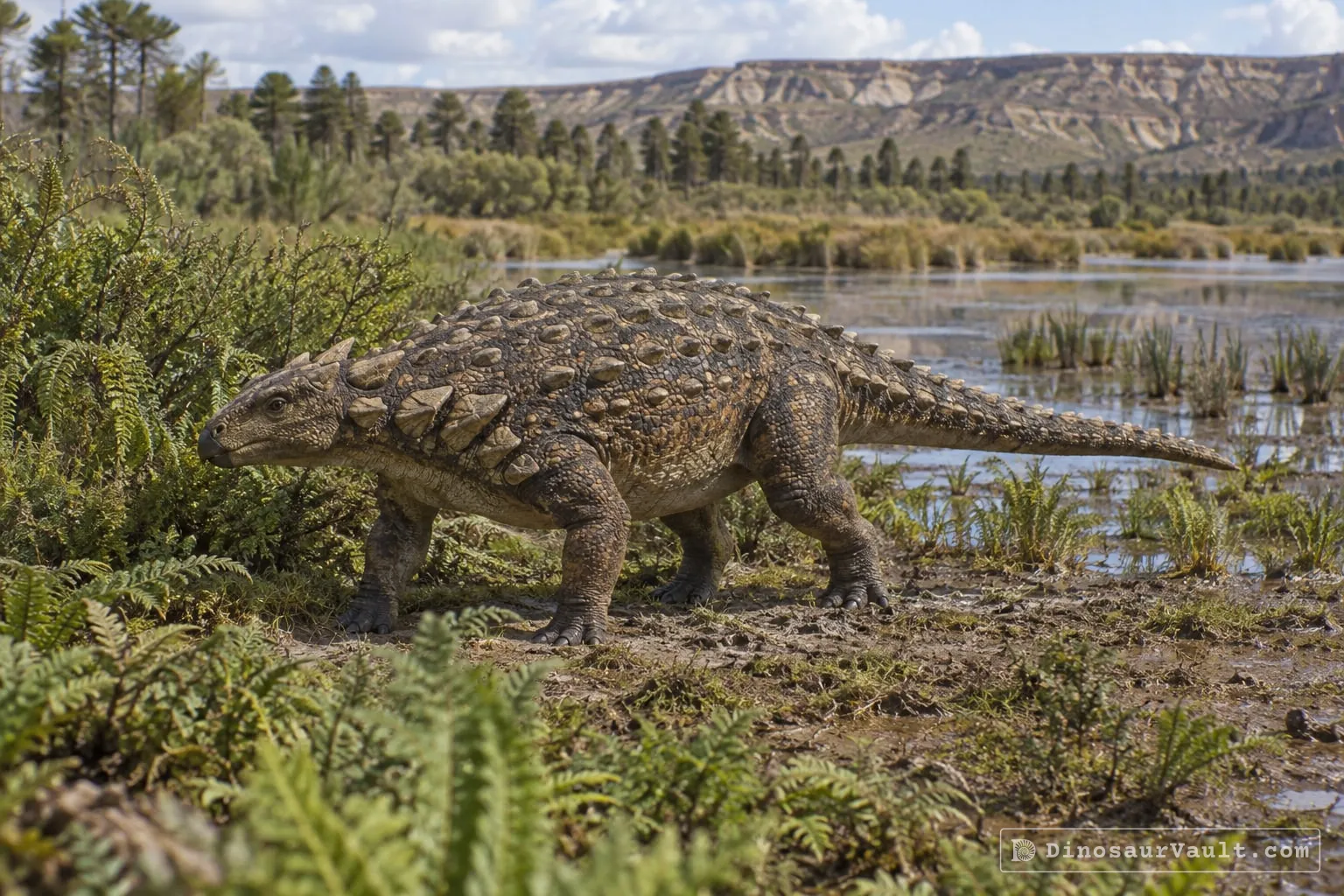


A rock formation can hold fossils laid down millions of years apart, so not every animal here met Panamericansaurus.
The evidence
The science behind Panamericansaurus
Which parts of the picture come from its own bones, and which come from its relatives.
From its own fossils
- The partial skeleton includes several tail vertebrae, a hip vertebra, the left upper arm bone, two chevrons from under the tail and rib fragments.
- Its upper arm bone is slender and straight seen from the side, with a prominent crest for the shoulder and chest muscles. It is more slender than that of Aeolosaurus.
- The shapes of the joints and bony ridges in its tail distinguish it from Aeolosaurus.
Borrowed from relatives
- The missing head is compared with the skull of Tapuiasaurus, another titanosaur.
- The neck, body, legs and feet draw on the more complete skeleton of Mnyamawamtuka.
- Comparing its upper arm bone with that of Gondwanatitan gave the first estimate of its body length.
Still unknown
- The shape of its skull and teeth.
- Its skin covering and color.
- Whether it carried bony plates in its skin. A loose plate from rocks that also held several other kinds of dinosaur has not been tied to any one of them.
Discovery timeline
- 2010Named itCalvo & Porfiri
- 2011Family treeSANTUCCI & DE ARRUDA-CAMPOS
- 2016Family treeFrança et al.
Key papers
The research behind what we know of Panamericansaurus
Named it
Separated Panamericansaurus from Aeolosaurus using distinctive tail vertebrae and a slender upper arm bone.
Panamericansaurus schroederi gen. nov. sp. nov. Un nuevo Sauropoda (Titanosauridae-Aeolosaurini) de la Provincia del Neuquén, Cretácico Superior de Patagonia, Argentina [Panamericansaurus schroederi gen. nov. sp. nov. A new Sauropoda (Titanosauridae-Aeolosaurini) from Neuquén Province, Upper Cretaceous of Patagonia, Argentina]. Brazilian Geographical Journal: Geosciences and Humanities Research Medium 1: 100-115
No link available
Family tree
Placed Panamericansaurus near the base of the titanosaur branch that includes Aeolosaurus and Gondwanatitan.
A new sauropod (Macronaria, Titanosauria) from the Adamantina Formation, Bauru Group, Upper Cretaceous of Brazil and the phylogenetic relationships of Aeolosaurini. Zootaxa 3085
Read the paper : A new sauropod (Macronaria, Titanosauria) from the Adamantina Formation, Bauru Group, Upper Cretaceous of Brazil and the phylogenetic relationships of Aeolosaurini (opens in a new tab)Family tree
Added jaw and tooth evidence from Maxakalisaurus to a family-tree analysis that also included Panamericansaurus.
New lower jaw and teeth referred toMaxakalisaurus topai(Titanosauria: Aeolosaurini) and their implications for the phylogeny of titanosaurid sauropods. PeerJ 4: e2054
Read the paper : New lower jaw and teeth referred toMaxakalisaurus topai(Titanosauria: Aeolosaurini) and their implications for the phylogeny of titanosaurid sauropods (opens in a new tab)
Close relatives
Other members of Aeolosaurini


Sources: Wikidata