Luoyanggia
- Lived
- 121 to 101 million years ago, Early Cretaceous
- Diet
- Omnivore
- Group
- Theropods, Oviraptoridae
- Found in
- China
- Named by
- Lü et al. 2009
Where its fossils were found
The evidence
Today

110 million years ago
Habitat
An inland landscape in China shared with giant plant eaters such as Ruyangosaurus and Xianshanosaurus. Its bones come from the Haoling Formation.
Field notes
About Luoyanggia
What it was like
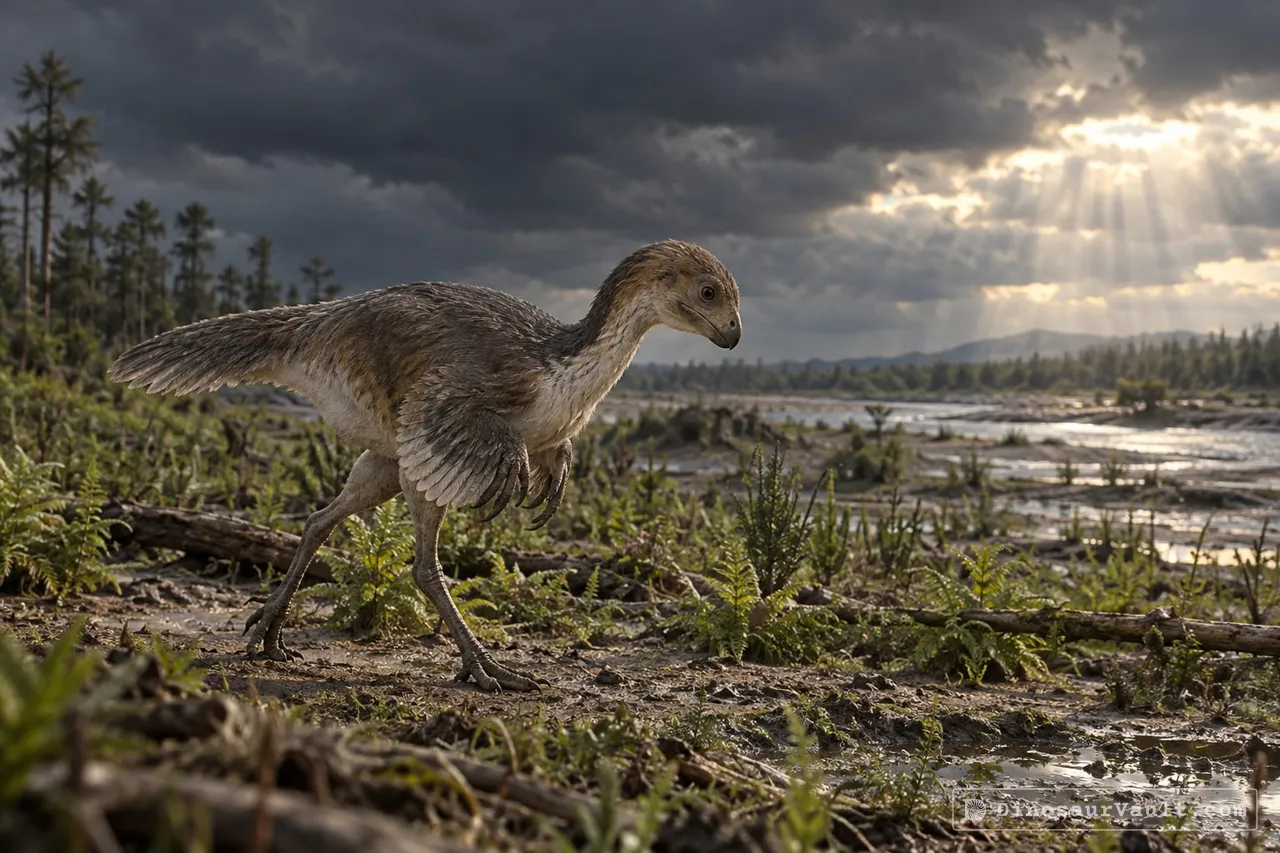
Luoyanggia was an oviraptorosaur, a toothless, feathered theropod. It is known from part of a skull and lower jaw.
Its world
It lived in the Early Cretaceous in what is now central China. Its bones come from the Haoling Formation, where the giant sauropod Ruyangosaurus and the armored Gobisaurus also lived.
How it was found
Lü and colleagues named it in 2009. It is named after a nearby city.
Field gallery
More views of Luoyanggia
Scenes reconstructed from the available fossil evidence.
Lived alongside
Found in the same rock formations
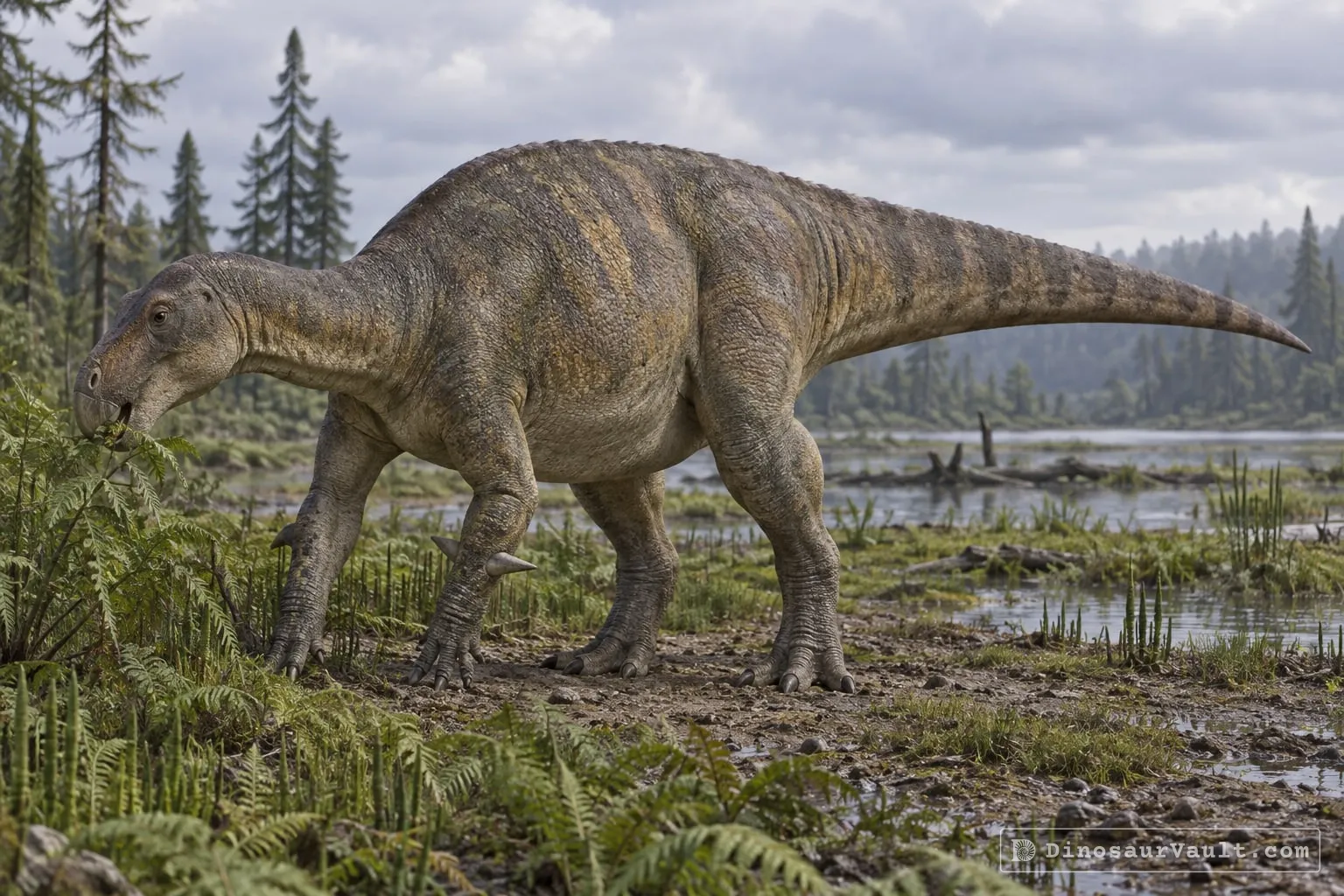
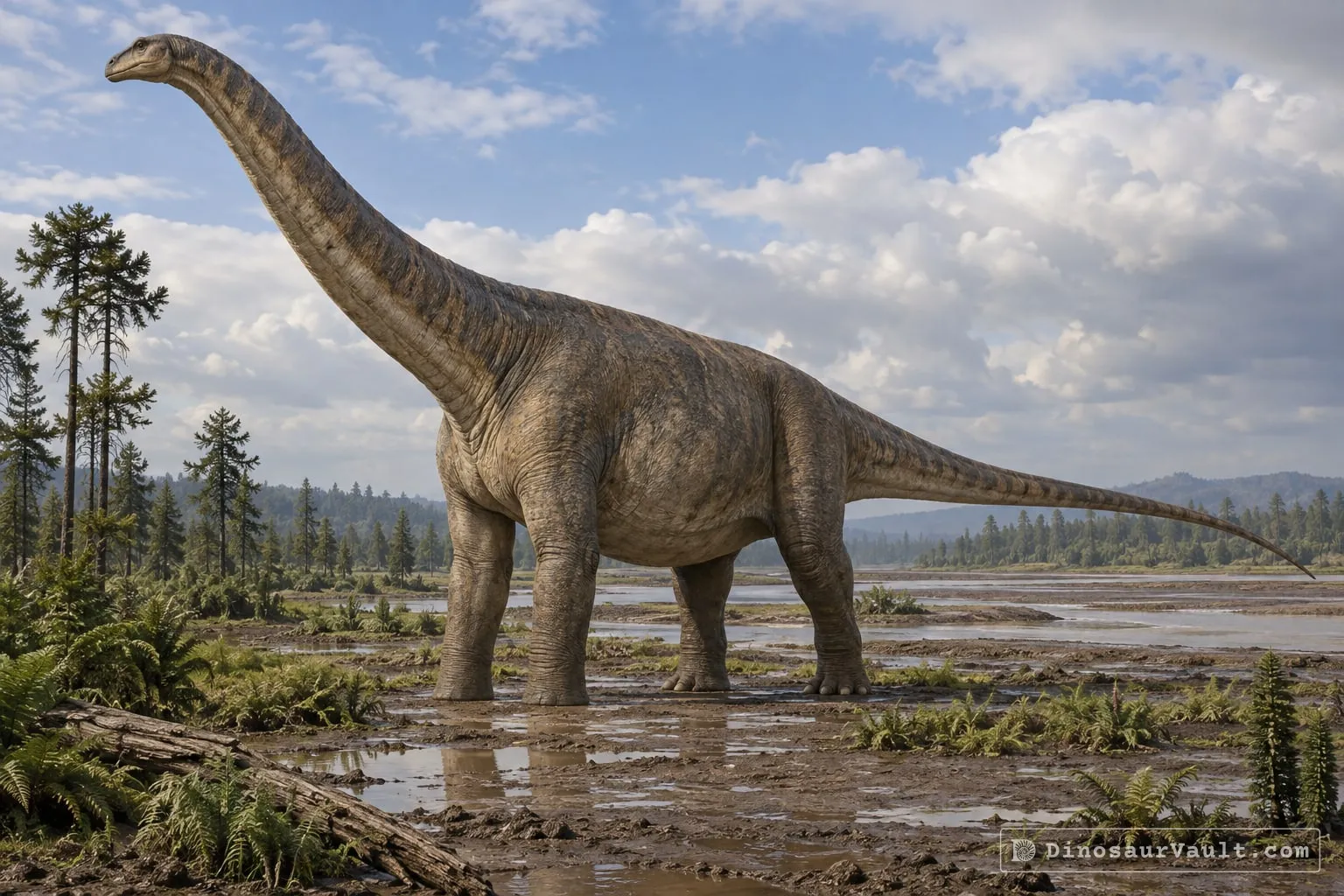
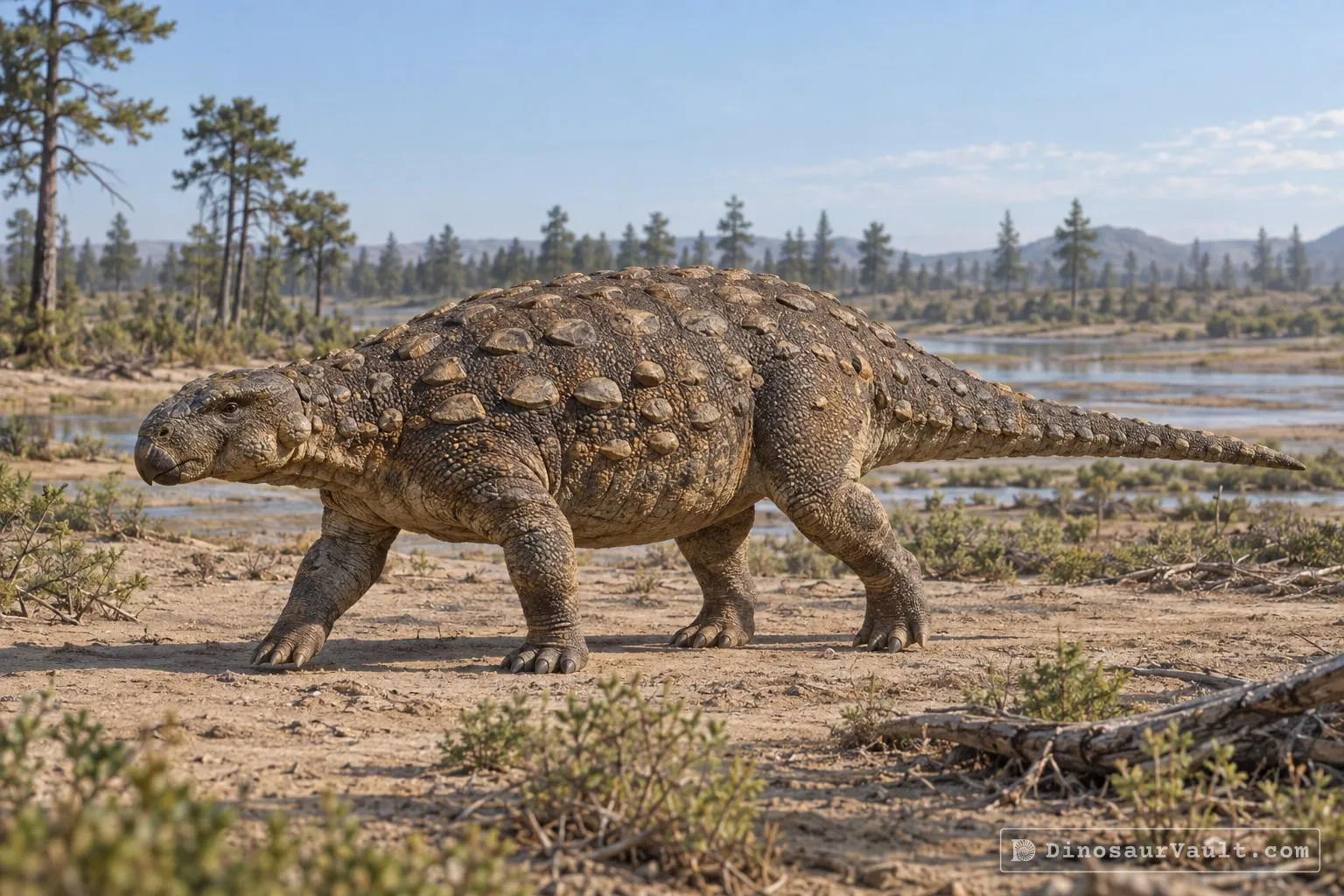
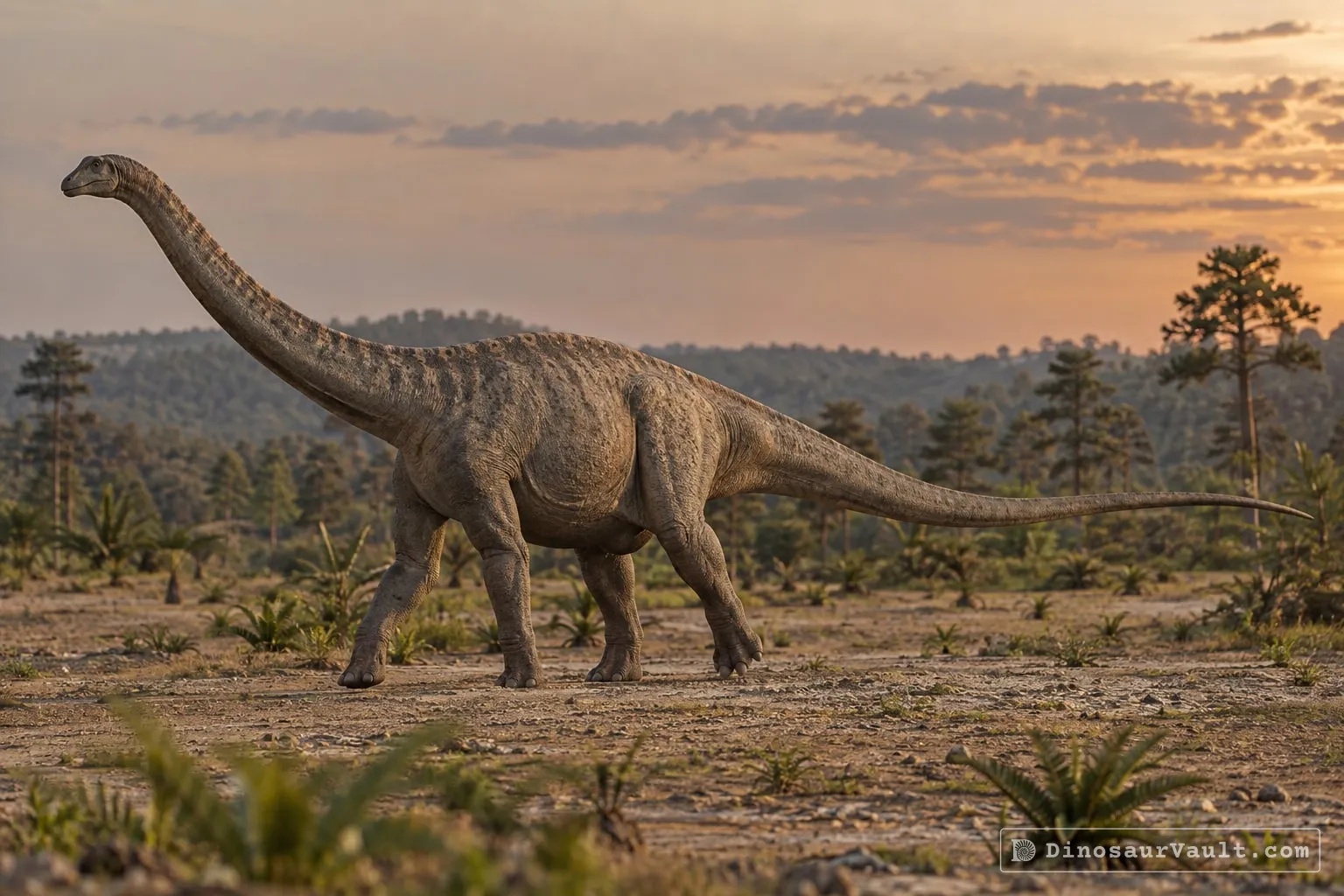
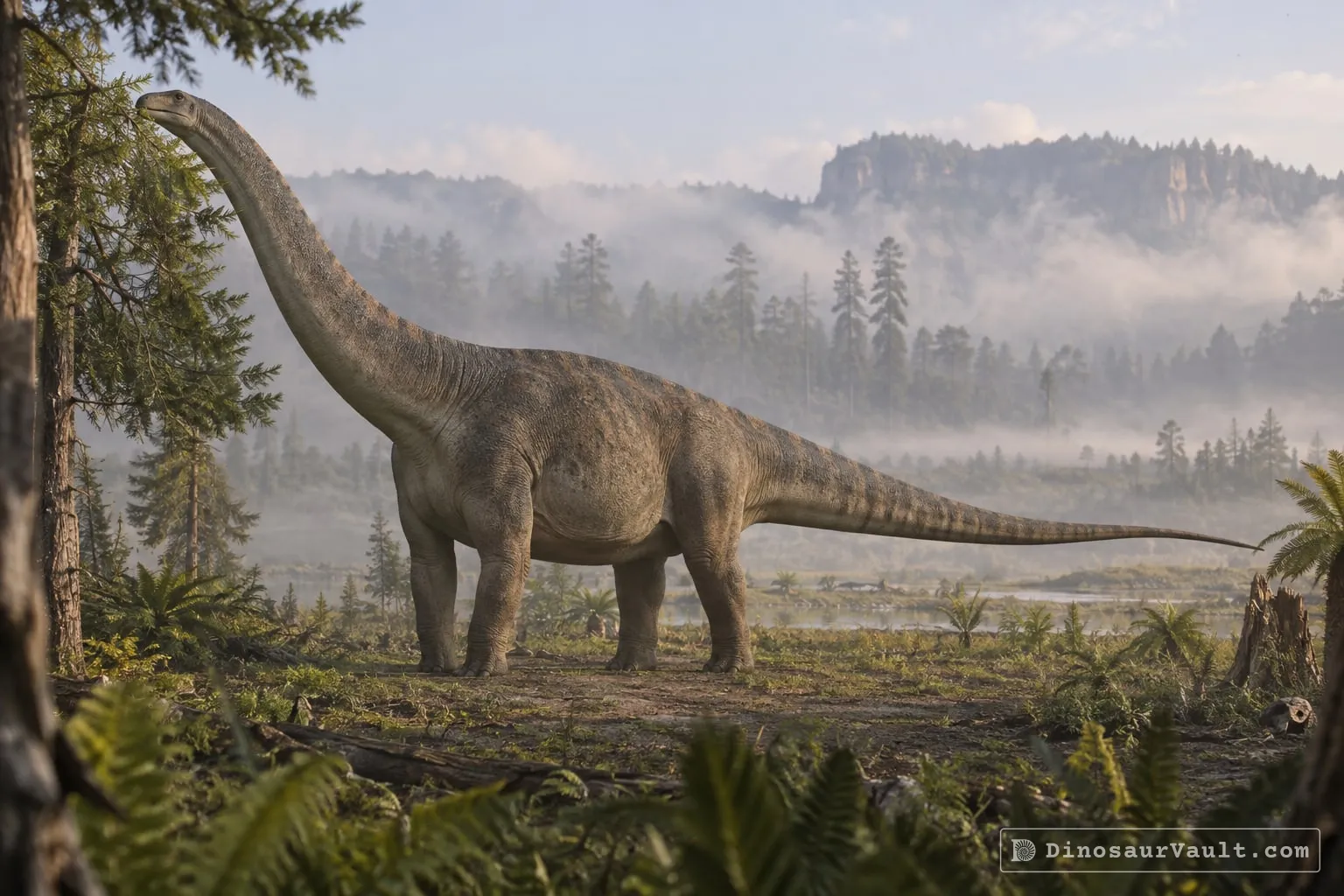


A rock formation can hold fossils laid down millions of years apart, so not every animal here met Luoyanggia.
The evidence
The science behind Luoyanggia
Which parts of the picture come from its own bones, and which come from its relatives.
From its own fossils
- Part of a skull and lower jaw belong to a toothless oviraptorosaur.
- The lower jaws meet in a pointed tip that does not bend downward.
- A preserved hip bone has a straight upper edge, unlike the curved edge in Nankangia.
Borrowed from relatives
- The missing neck, limbs and tail are restored from better-known oviraptorids such as Yulong and Citipati.
- A feathered body follows other oviraptorosaurs, including Caudipteryx.
Still unknown
- Whether it had a crest on its head.
- Its feather colors.
- Which foods made up its diet.
Discovery timeline
- 2009Named itLü et al.
- 2013Family treeLü et al.
- 2013Close relativeLü et al.
Key papers
The research behind what we know of Luoyanggia
Named it
Named Luoyanggia and Xianshanosaurus as part of a dinosaur fauna dominated by giant sauropods.
A preliminary report on the new dinosaurian fauna from the Cretaceous of the Ruyang Basin, Henan Province of central China. Journal of the Paleontological Society of Korea 25: 43-56
No link available
Family tree
Compared Nankangia with Luoyanggia, finding similar lower jaws but different hip bones.
A New Oviraptorosaur (Dinosauria: Oviraptorosauria) from the Late Cretaceous of Southern China and Its Paleoecological Implications. PLoS ONE 8: e80557
Read the paper : A New Oviraptorosaur (Dinosauria: Oviraptorosauria) from the Late Cretaceous of Southern China and Its Paleoecological Implications (opens in a new tab)Close relative
Described young Yulong and showed how an oviraptorid's skull bones and body proportions changed during growth.
Chicken-sized oviraptorid dinosaurs from central China and their ontogenetic implications. Naturwissenschaften 100: 165-175
Read the paper : Chicken-sized oviraptorid dinosaurs from central China and their ontogenetic implications (opens in a new tab)
Close relatives
Other members of Oviraptoridae


Sources: Wikidata