Outline: a typical theropod
Imperobator
"powerful warrior"
- Lived
- 72 to 66 million years ago, Late Cretaceous
- Diet
- Carnivore
- Group
- Theropods, Dromaeosauridae
- Found in
- Antarctica
- Named by
- Ely and Case 2019
Where its fossils were found
The evidence
Today

70 million years ago
Field notes
About Imperobator
What it was like
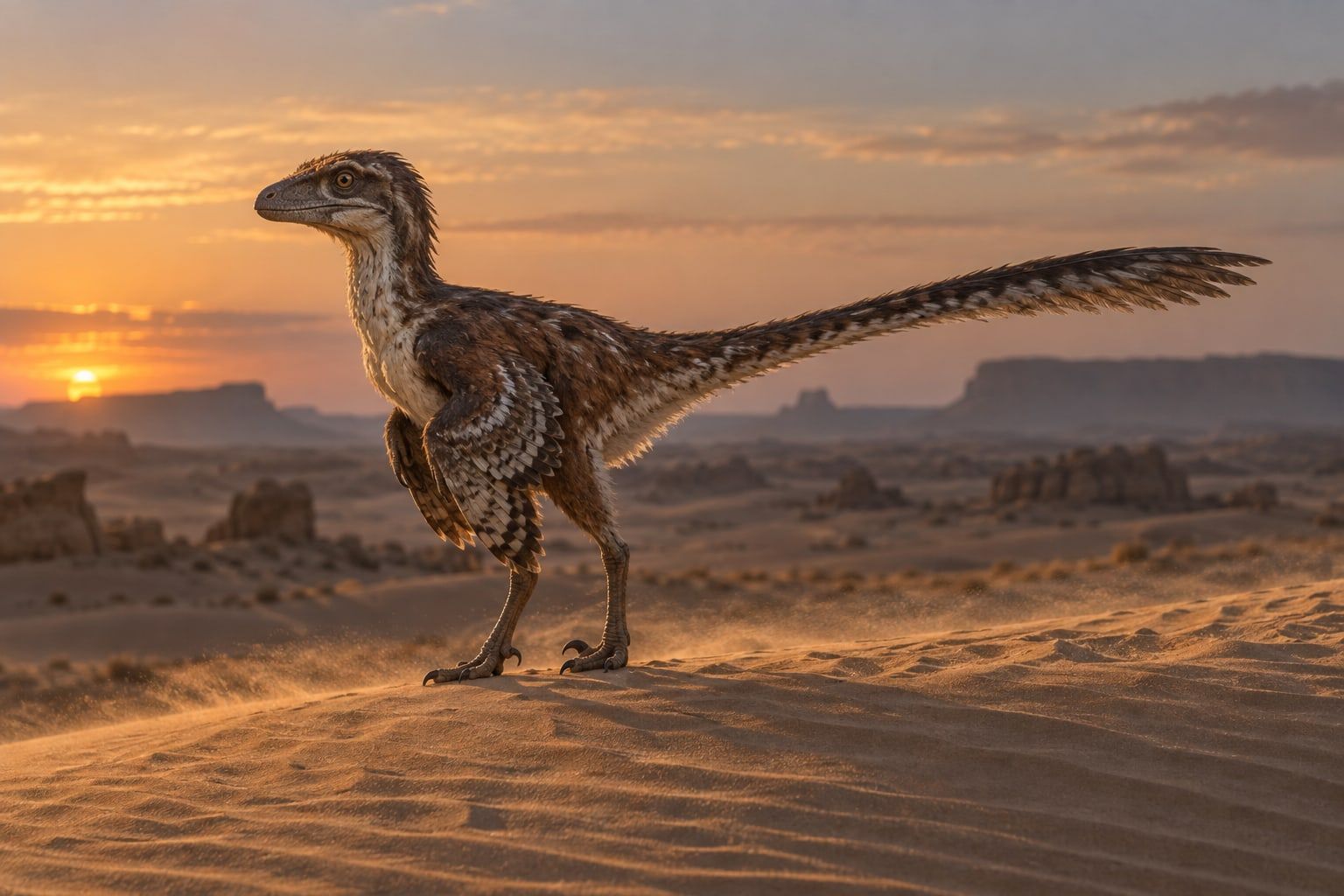
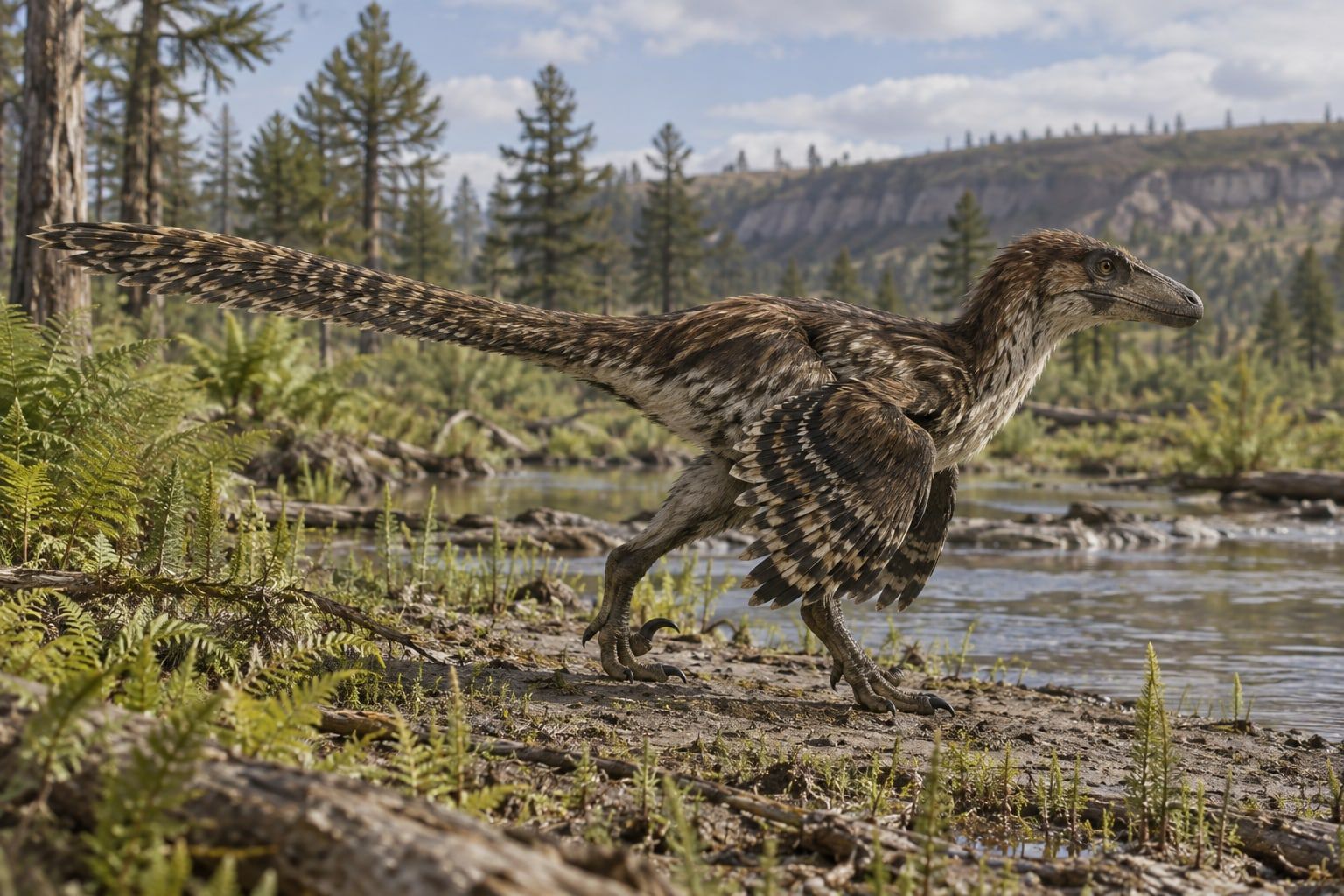
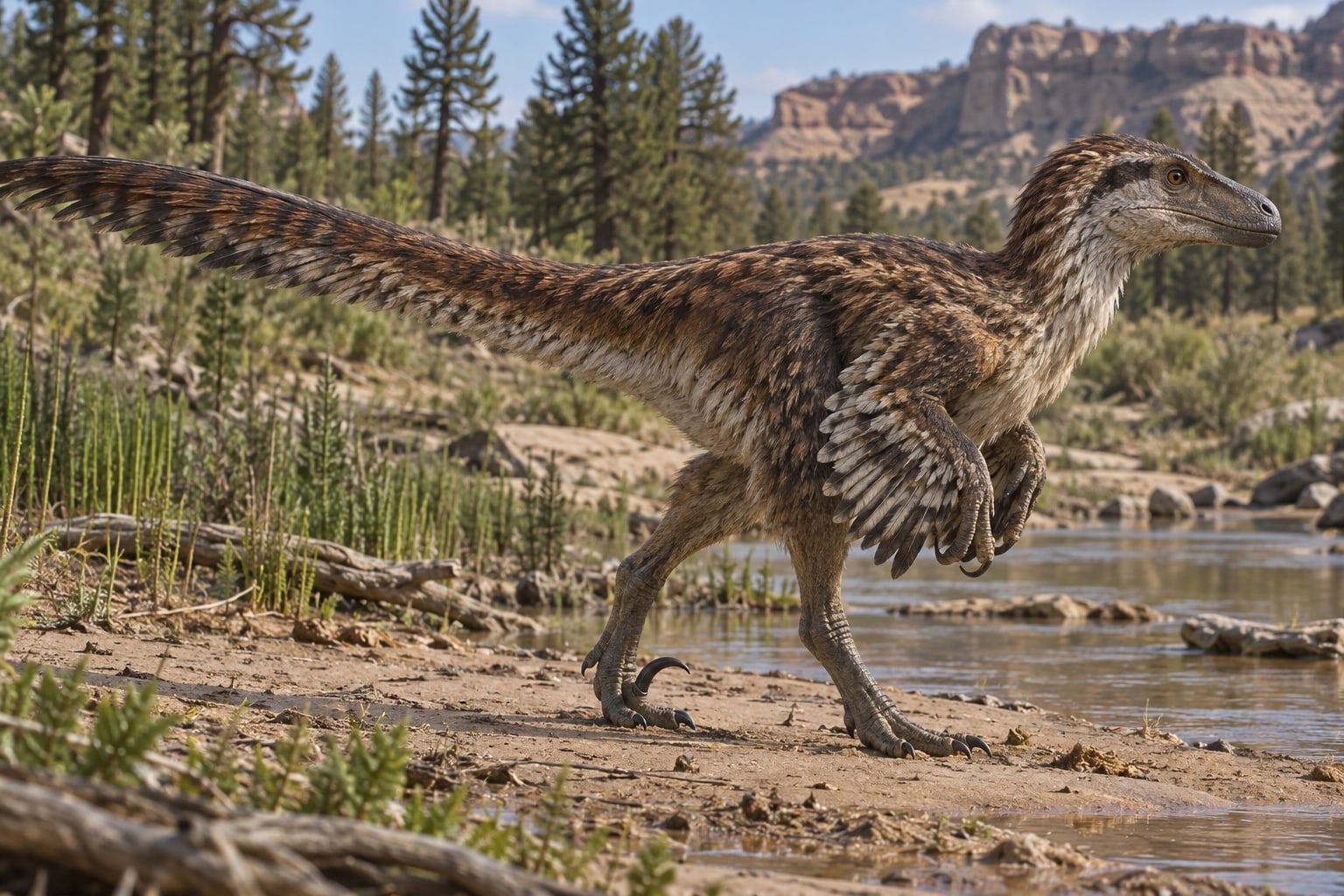
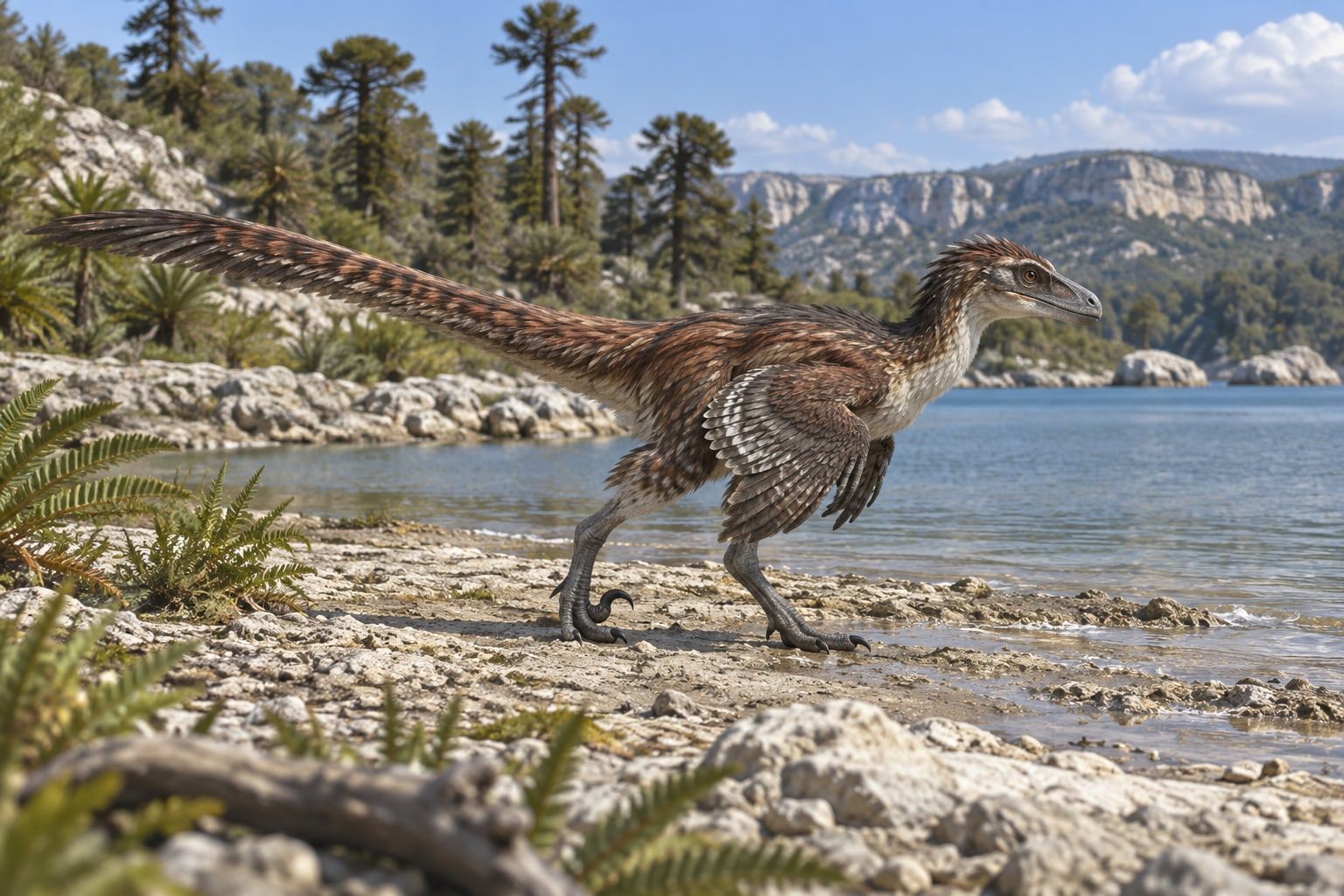
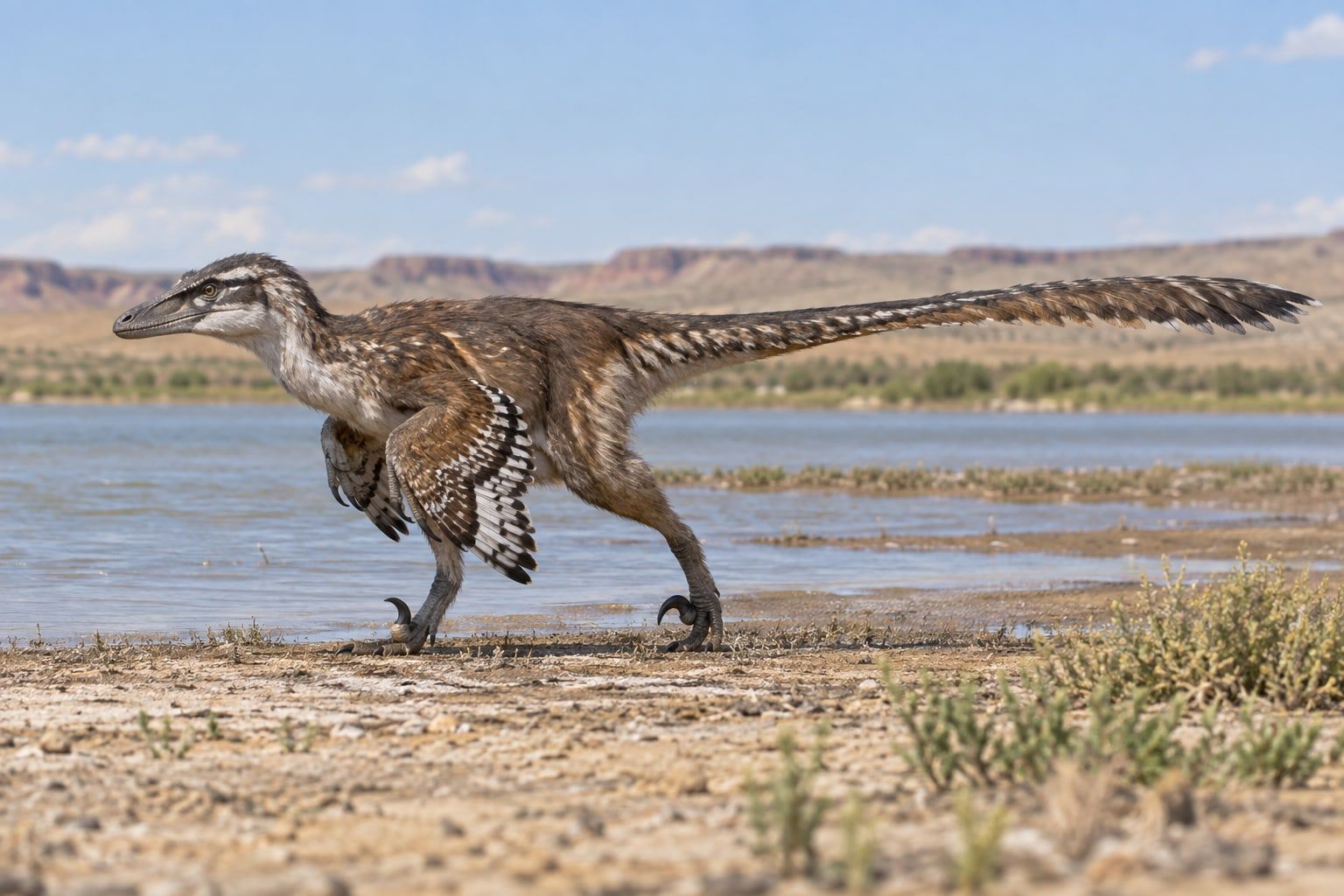
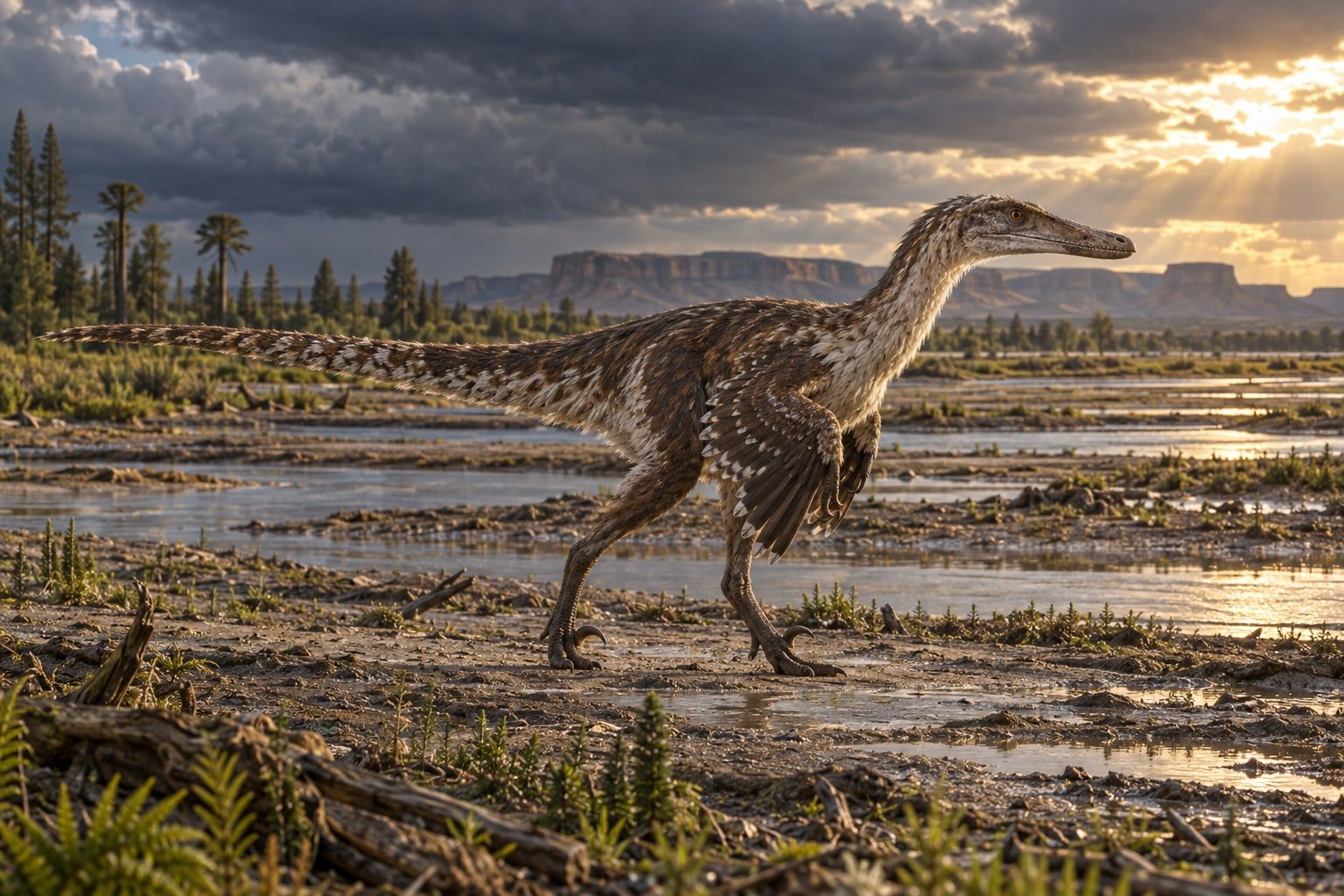
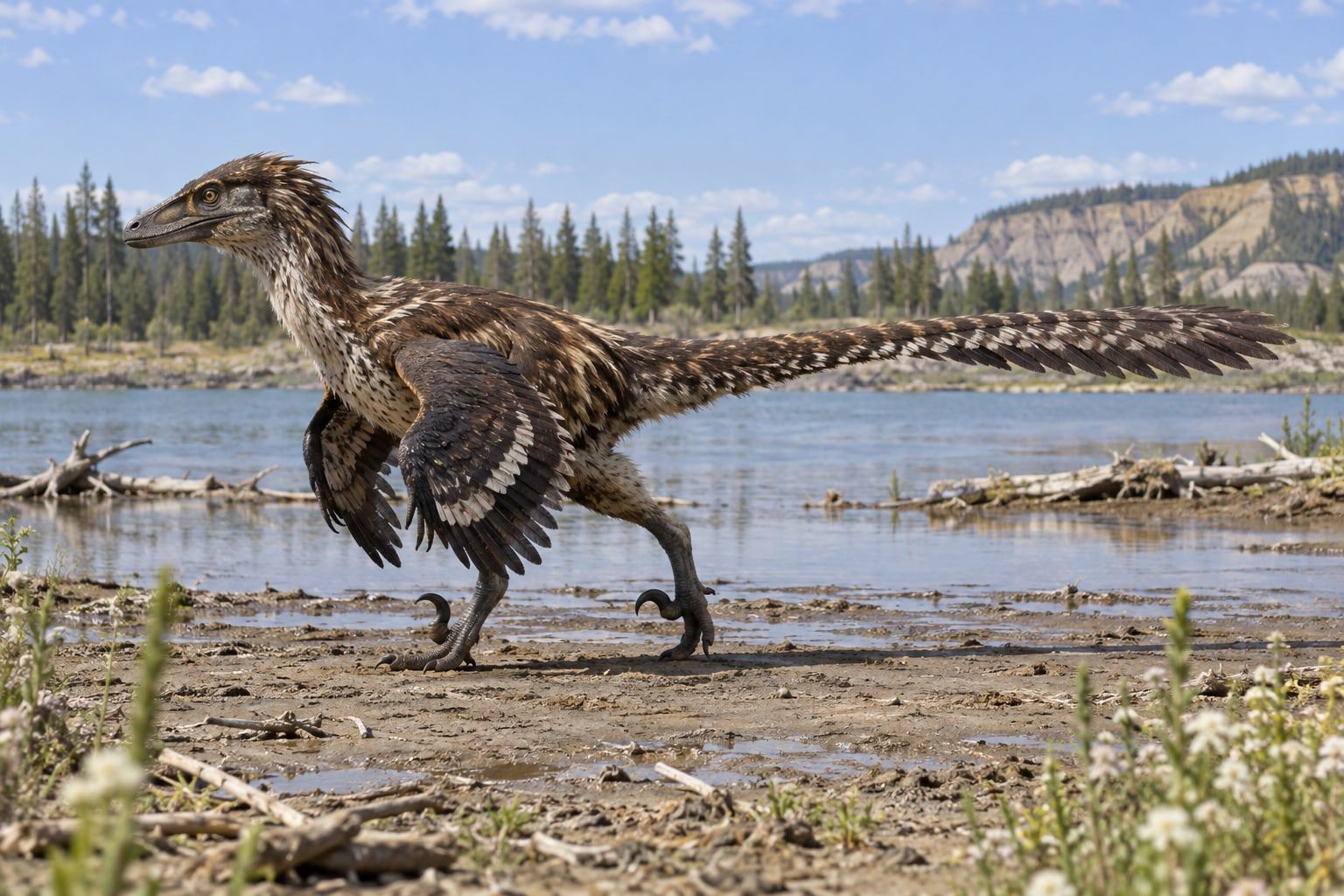
Imperobator was a feathered, two-legged hunter related to the raptors. It is known only from parts of the legs and feet, so its full size and shape are uncertain. It was first thought to be very large, but later studies suggest a more modest animal.
Its world
It lived about 72 to 66 million years ago, at the end of the Late Cretaceous, in Antarctica. The land there was forested then, and much warmer than today. Its bones come from the Snow Hill Island Formation, and other dinosaurs from the region include the armored Antarctopelta and the plant eaters Morrosaurus and Trinisaura.
How it was found
Ely and Case named Imperobator in 2019 from one find. It is one of very few meat-eating dinosaurs known from Antarctica.
Lived alongside
Found in the same rock formations
Close relatives
Other members of Dromaeosauridae
Sources: WikidataNamed in: R. C. Ely and J. A. Case. 2019. Phylogeny of a new gigantic paravian (Theropoda; Coelurosauria; Maniraptora) from the Upper Cretaceous of James Ross Island, Antarctica. Cretaceous Research 101:1-16