Gamatavus
Type species Gamatavus antiquus
- Lived
- 242 to 237 million years ago, Middle Triassic
- Diet
- Herbivore
- Group
- Early ornithischians, Silesauridae
- Found in
- Brazil
- Named by
- Pretto et al. 2022
Where its fossils were found
The evidence
Today

240 million years ago
Habitat
Sand and mud accumulated on an inland plain in the Santa Maria Formation of Brazil. Gondwanax lived in the same fauna. Dinodontosaurus was a large tusked plant eater in this community.
Field notes
About Gamatavus
What it was like
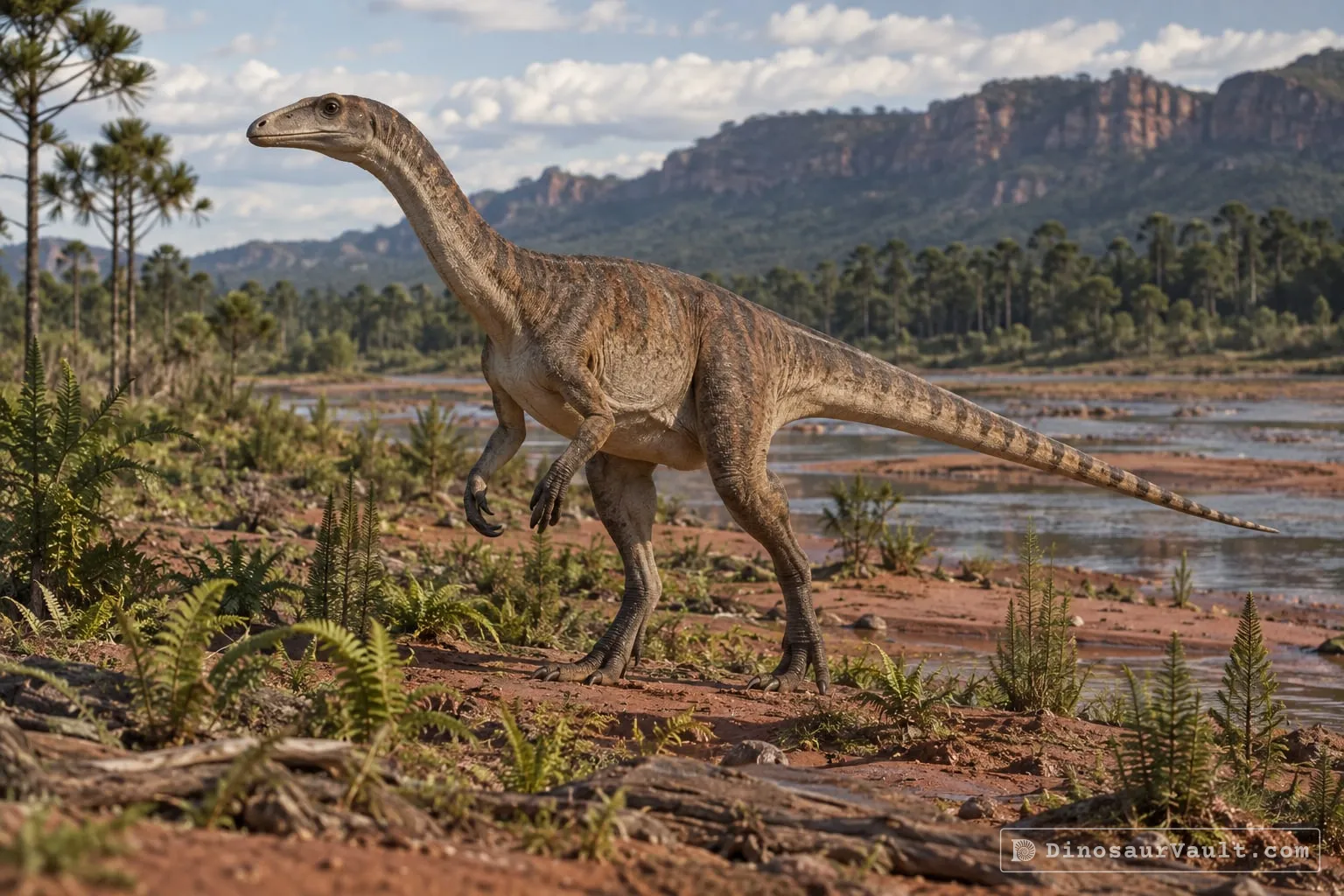
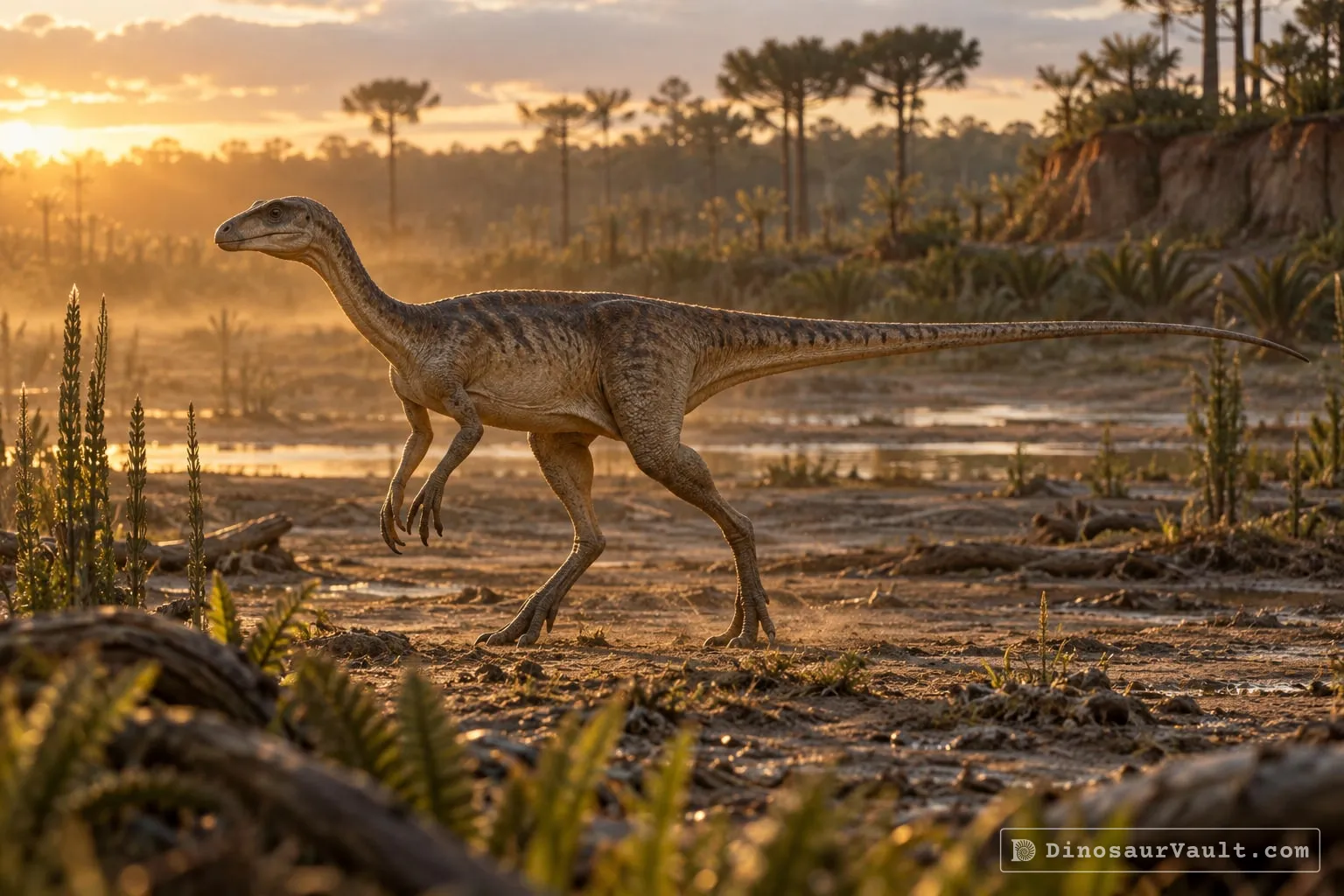
Gamatavus was a silesaurid, a small, slender relative of the dinosaurs. It is known from part of a hip bone.
Its world
It lived in the Triassic in what is now Brazil. Its bone comes from the Santa Maria Formation, one of the richest sources of early dinosaurs and their relatives.
How it was found
Pretto and colleagues named it in 2022. The type species is Gamatavus antiquus. It is one of the oldest known silesaurids.
Field gallery
More views of Gamatavus
Scenes reconstructed from the available fossil evidence.
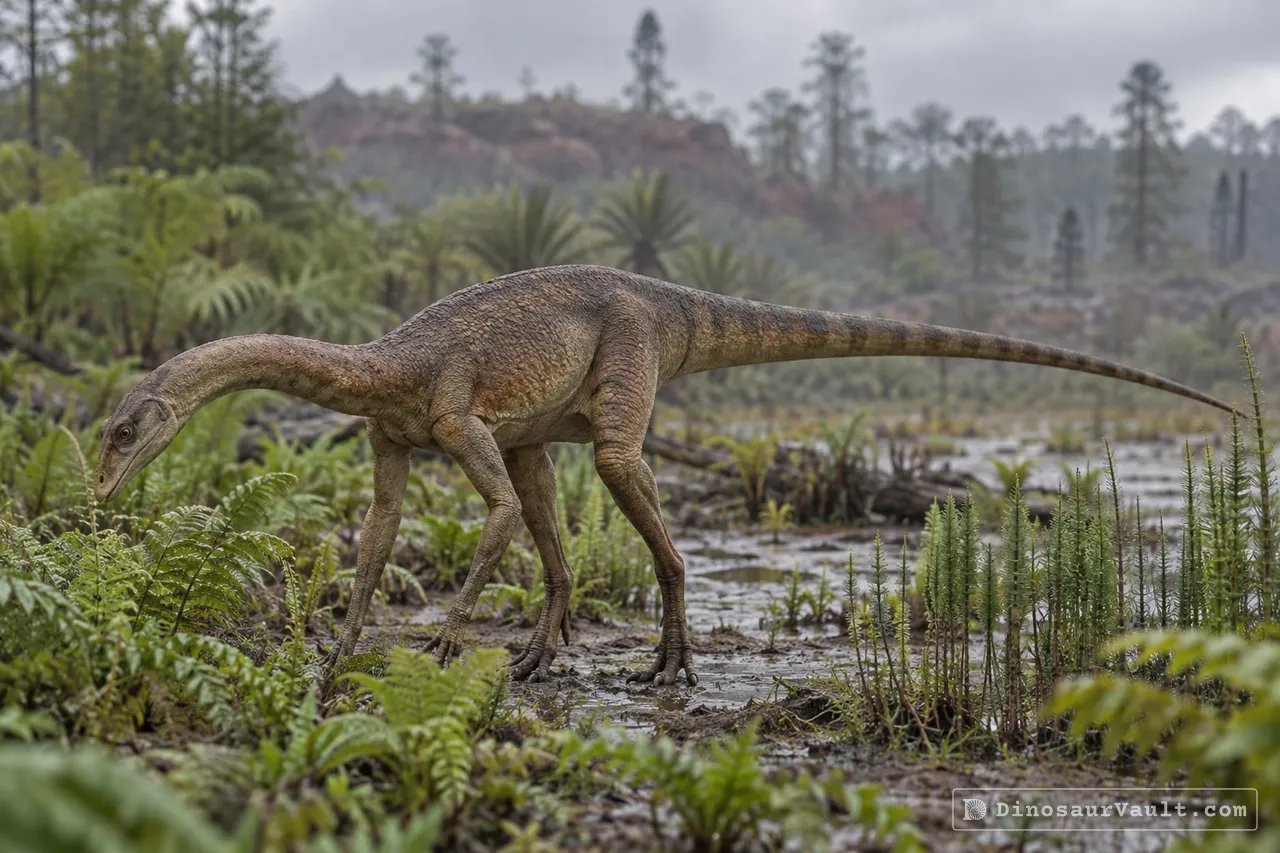
1 of 3
Lived alongside
Found in the same rock formations
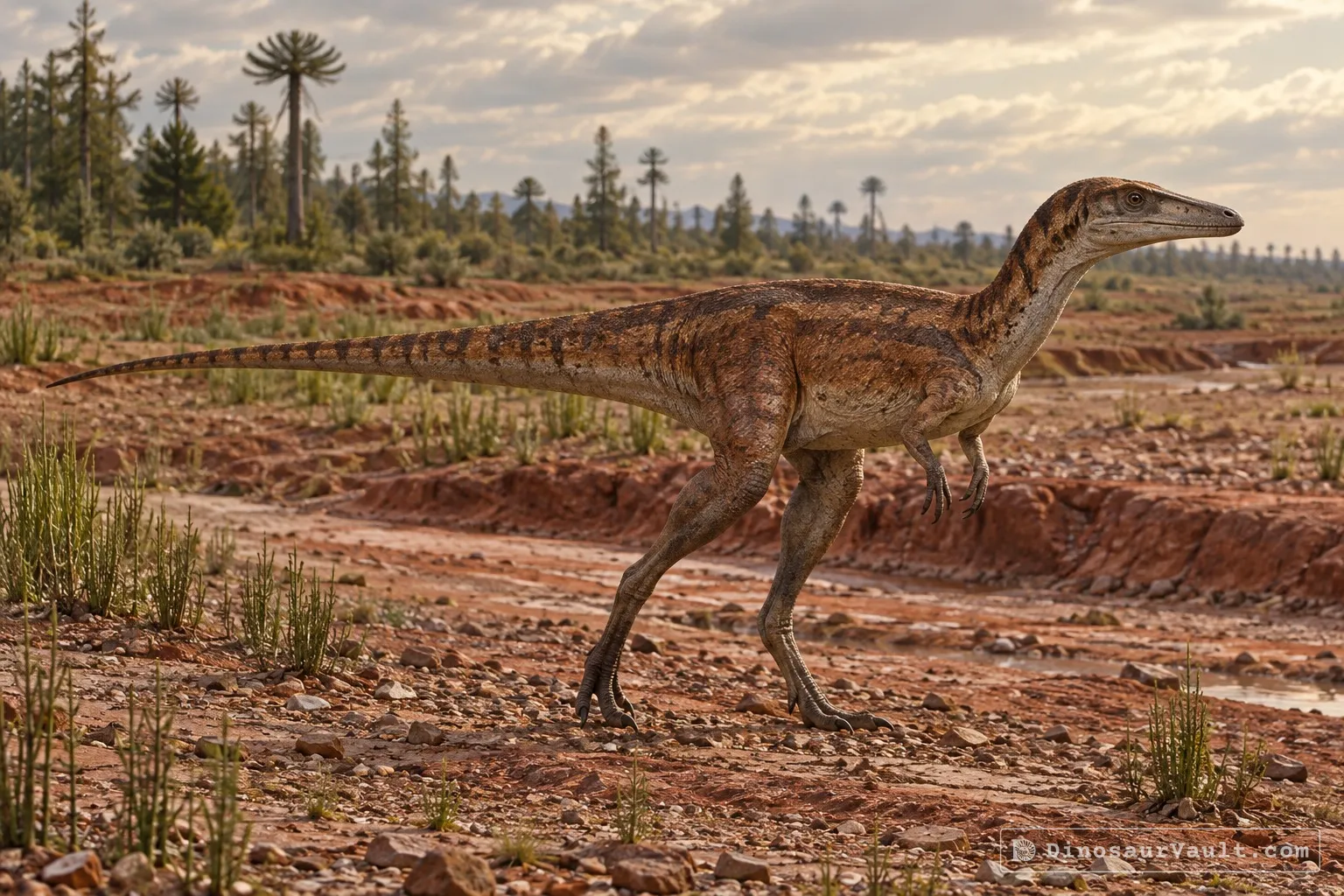
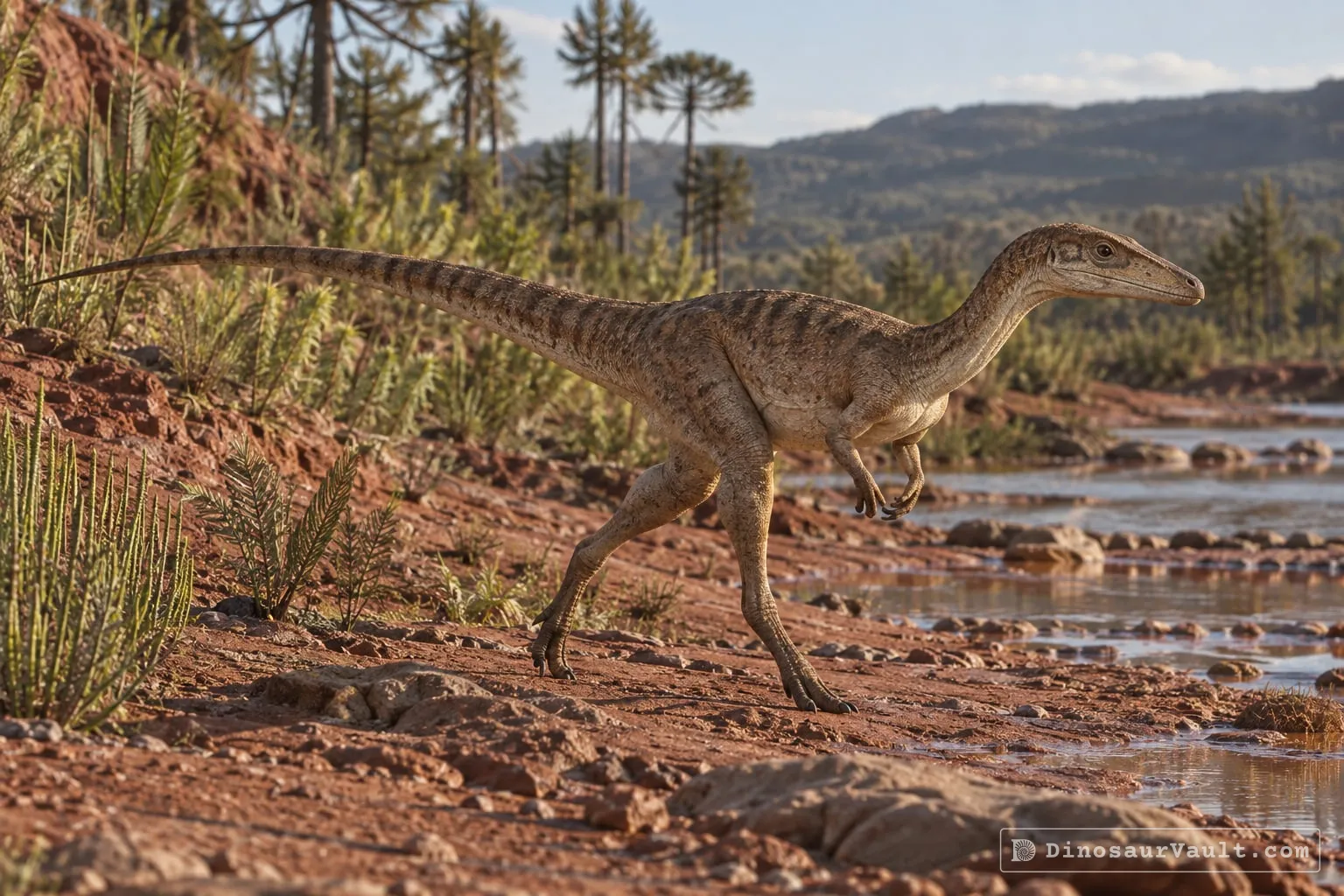
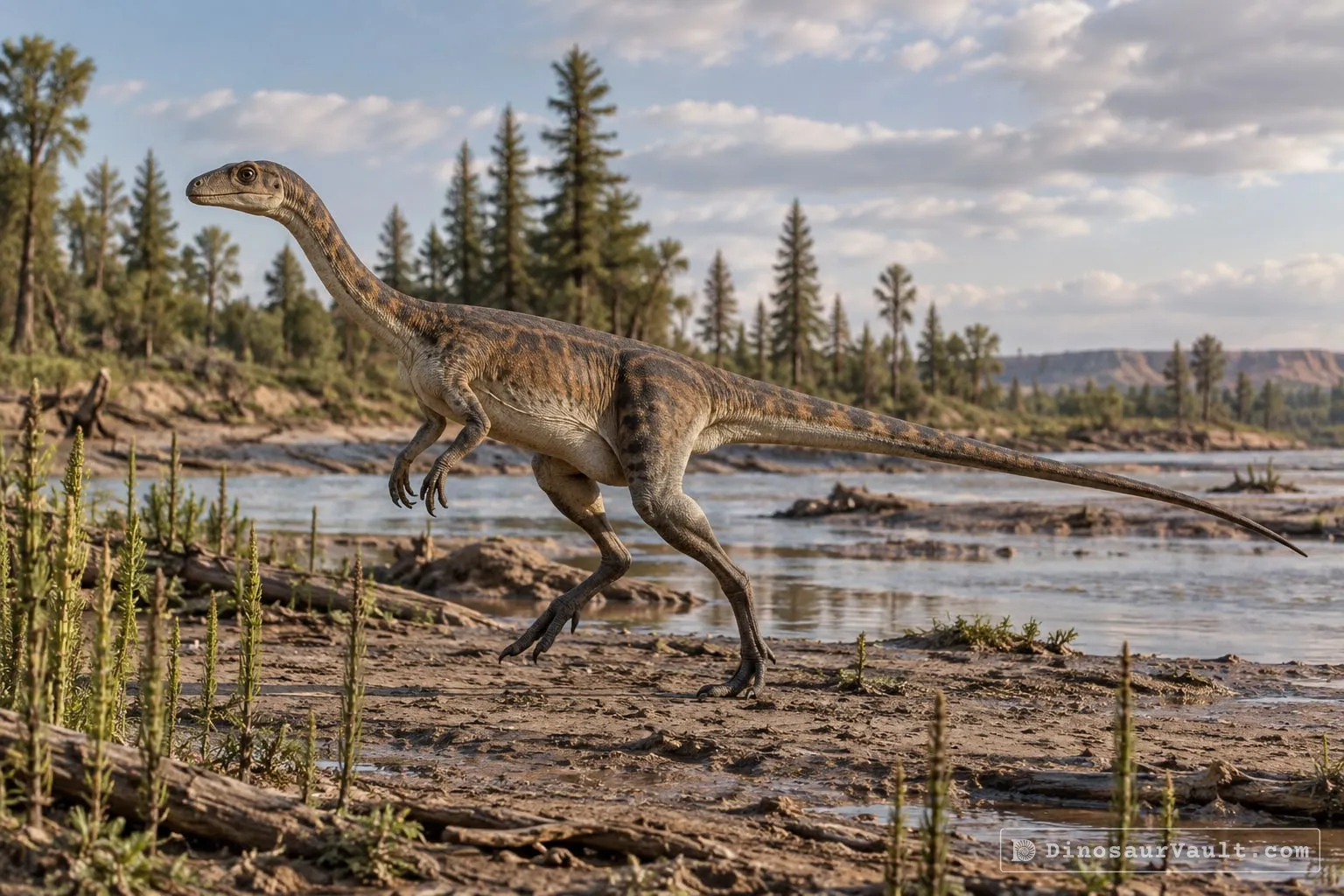


A rock formation can hold fossils laid down millions of years apart, so not every animal here met Gamatavus.
The evidence
The science behind Gamatavus
Which parts of the picture come from its own bones, and which come from its relatives.
From its own fossils
- A partial hip bone is the only fossil confidently assigned to Gamatavus.
Borrowed from relatives
- Its slender body and long limbs are inferred from better-known silesaurids such as Silesaurus and Asilisaurus.
Still unknown
- The shape of its skull and the food it ate.
- Its body size, skin covering and color.
- Whether silesaurids belong within the dinosaur family tree or just outside it.
Discovery timeline
- 2020Family treeMüller & Garcia
- 2022Named itPretto et al.
- 2025Same rocksMüller
Key papers
The research behind what we know of Gamatavus
Family tree
Proposed that silesaurids form early branches of the ornithischian dinosaur family tree rather than a separate group outside dinosaurs.
A paraphyletic ‘Silesauridae' as an alternative hypothesis for the initial radiation of ornithischian dinosaurs. Biology Letters 16: 20200417
Read the paper : A paraphyletic ‘Silesauridae' as an alternative hypothesis for the initial radiation of ornithischian dinosaurs (opens in a new tab)Named it
Named Gamatavus from a partial hip bone, extending the known South American history of silesaurids into older rocks.
The oldest South American silesaurid: New remains from the Middle Triassic (Pinheiros-Chiniquá Sequence, Dinodontosaurus Assemblage Zone) increase the time range of silesaurid fossil record in southern Brazil. Journal of South American Earth Sciences 120: 104039
Read the paper : The oldest South American silesaurid: New remains from the Middle Triassic (Pinheiros-Chiniquá Sequence, Dinodontosaurus Assemblage Zone) increase the time range of silesaurid fossil record in southern Brazil (opens in a new tab)Same rocks
Gondwanax lived in the same fauna as Gamatavus, with differences in hip and hindlimb anatomy suggesting different ways of moving.
A new “silesaurid” from the oldest dinosauromorph-bearing beds of South America provides insights into the early evolution of bird-line archosaurs. Gondwana Research 137: 13-28
Read the paper : A new “silesaurid” from the oldest dinosauromorph-bearing beds of South America provides insights into the early evolution of bird-line archosaurs (opens in a new tab)
Close relatives
Other members of Silesauridae


Sources: Wikidata