Camptosaurus
KAMP-toe-SORE-us
"bent lizard"
Type species Camptosaurus dispar
- Lived
- 155 to 143 million years ago, Late Jurassic
- Diet
- Herbivore
- Length
- about 5 m (16 ft)
- Group
- Ornithopods
- Found in
- United States
- Named by
- Marsh 1885
Size comparison
To scale
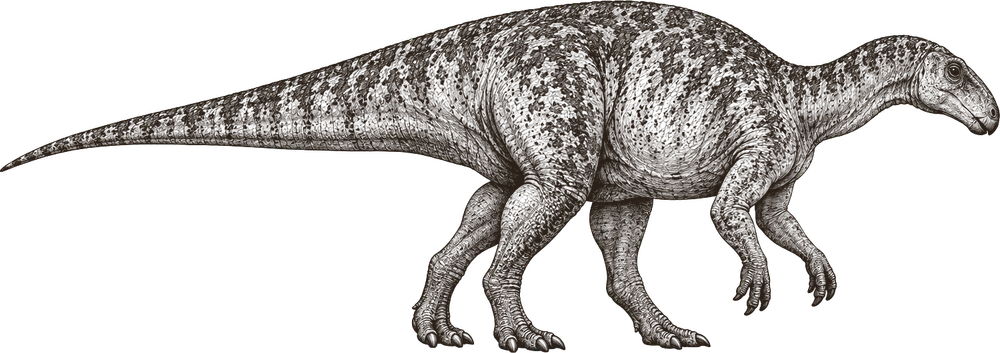


Scale in meters
Where its fossils were found
The evidence
Today

150 million years ago
Habitat
Rivers crossed seasonally dry floodplains in the Morrison Formation, with conifers, ferns and horsetails. Stegosaurus, Diplodocus and Dryosaurus lived in the region.
Field notes
About Camptosaurus
What it was like
Camptosaurus was a plant-eating ornithopod that grew to about 5 meters (16 feet) long. It walked mainly on two legs but could drop onto all four when moving slowly or feeding close to the ground. Its name refers to the bent, flexible shape of its limbs and back. Camptosaurus had a horny beak at the front of its jaws and rows of ridged teeth further back for grinding tough plants.
Its world
Camptosaurus lived across the western United States, in areas now part of Wyoming, Utah, Colorado, and Oklahoma, from the Late Jurassic into the Early Cretaceous. It shared the Morrison Formation with some of the most famous dinosaurs of the age, including the plated Stegosaurus, the predator Allosaurus, and giant sauropods such as Brachiosaurus, Diplodocus, and Apatosaurus.
How it was found
Marsh named Camptosaurus in 1885, and it has since become one of the better known Jurassic ornithopods, with about 35 separate fossil finds recorded. It is considered an early relative of later iguanodontians such as Iguanodon.
Field gallery
More views of Camptosaurus
Scenes reconstructed from the available fossil evidence.
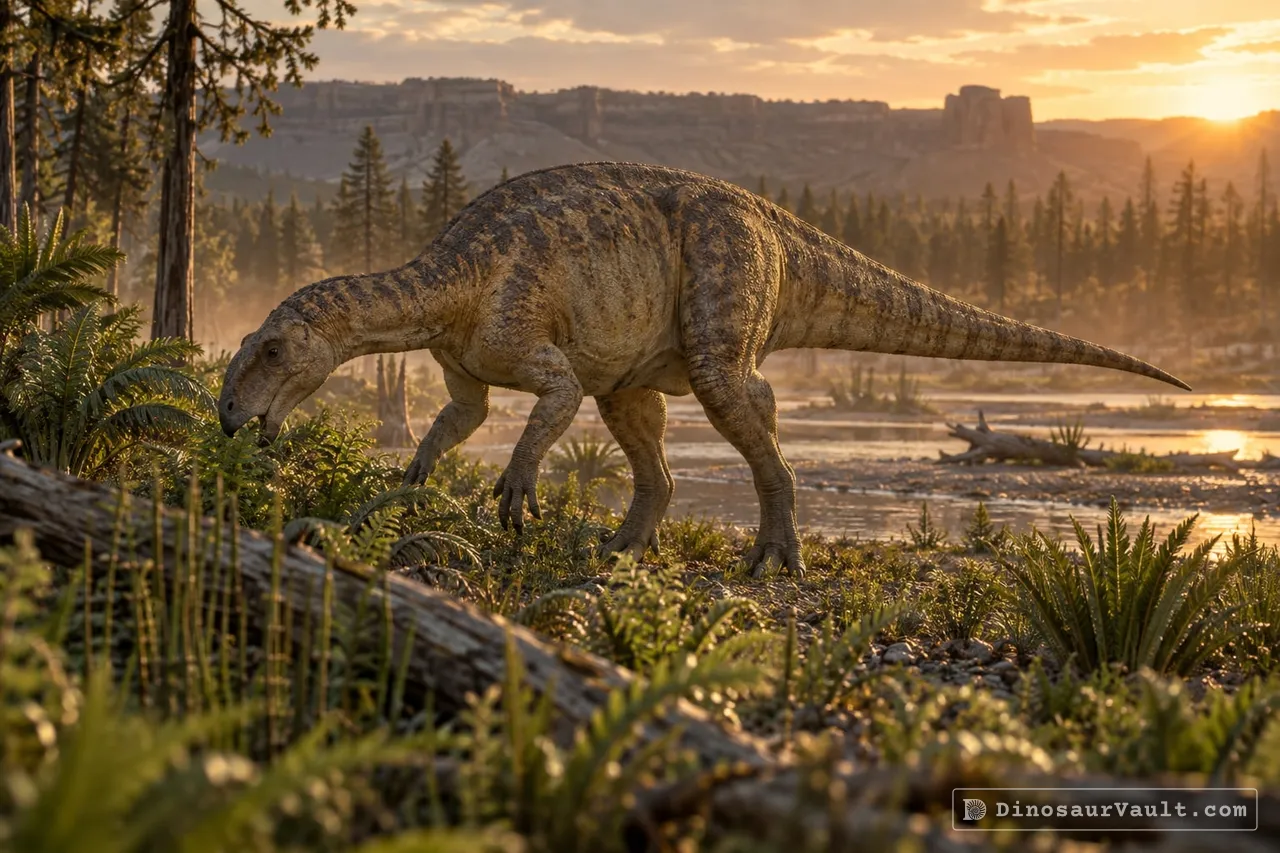
1 of 7
Lived alongside
Found in the same rock formations
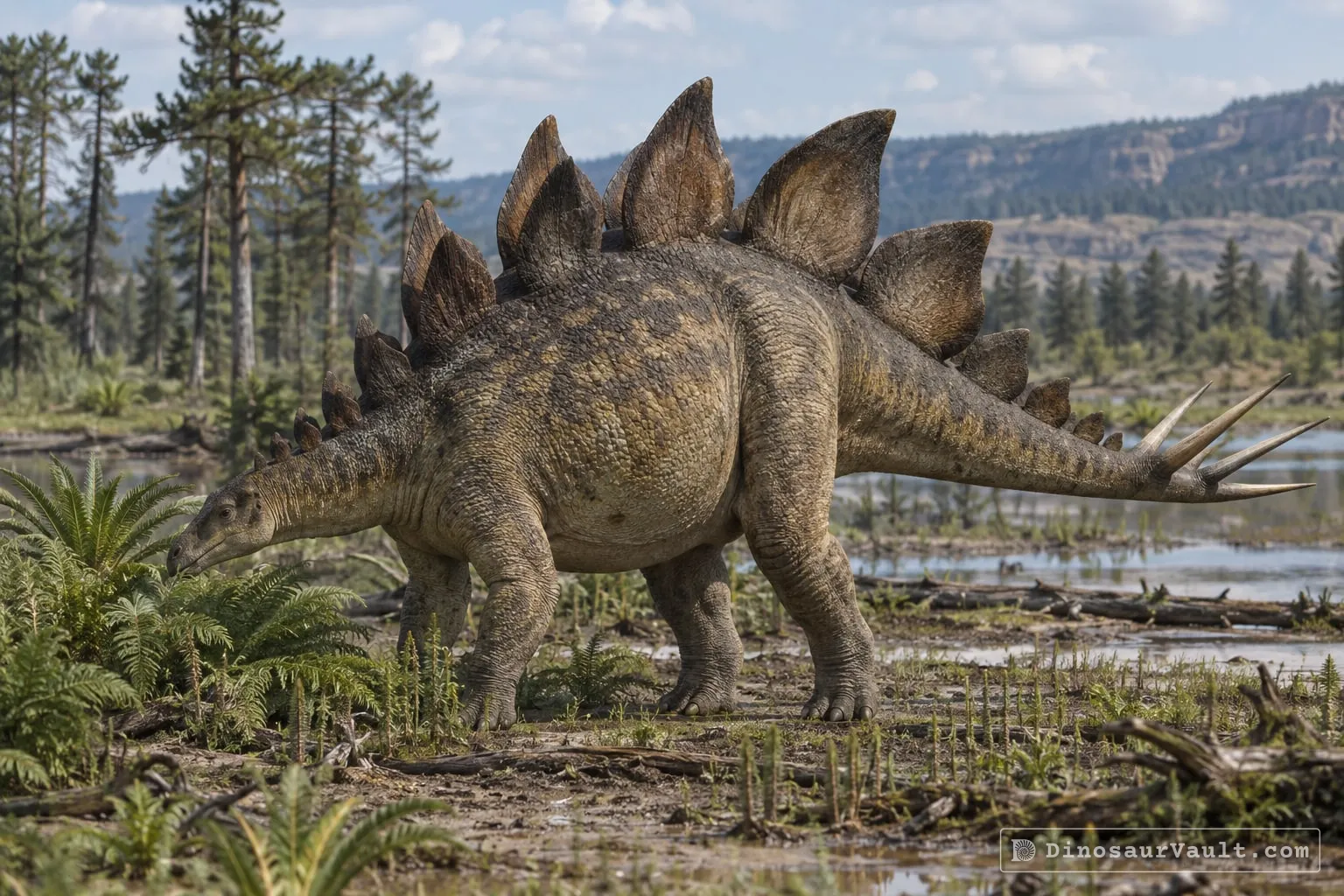
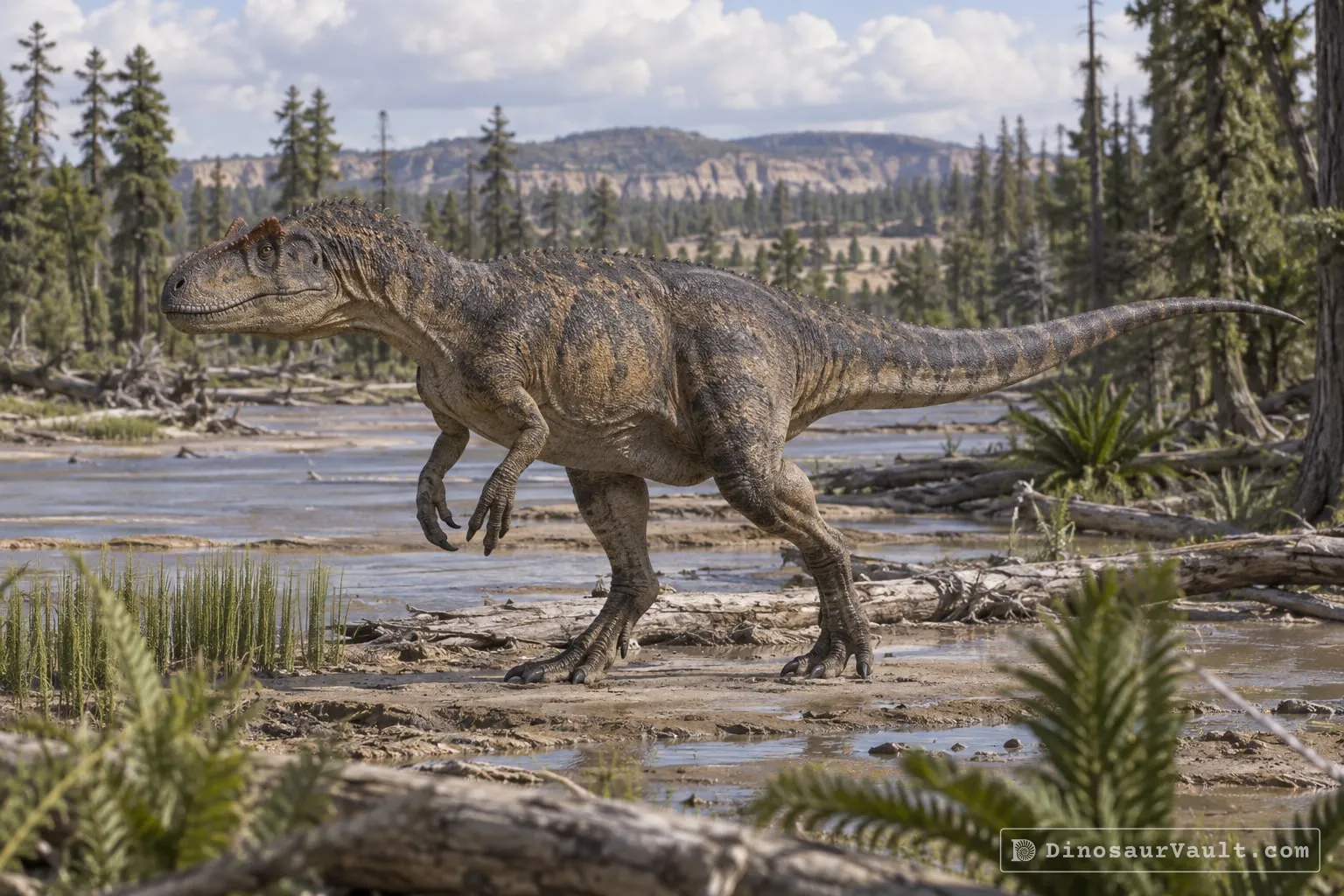
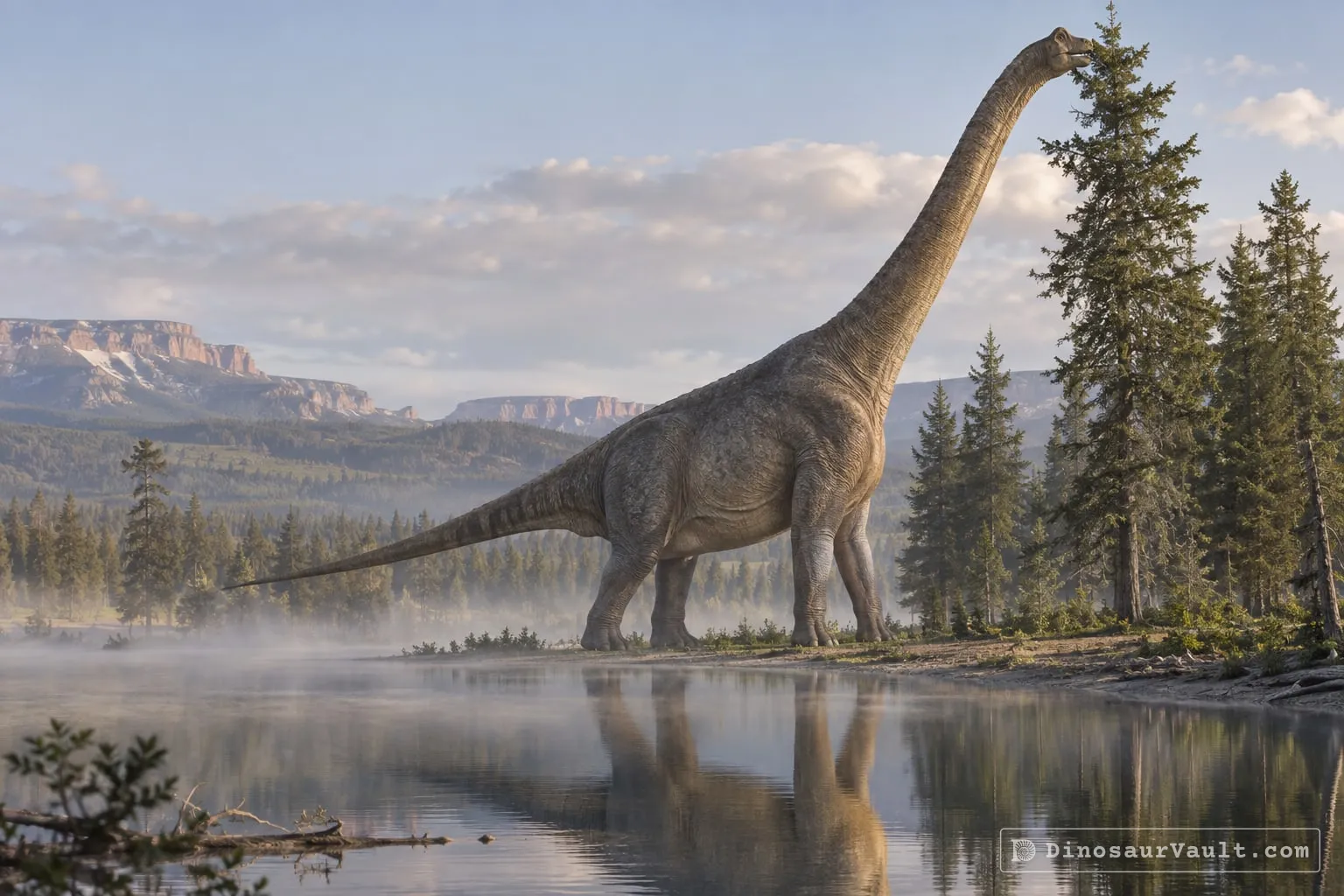
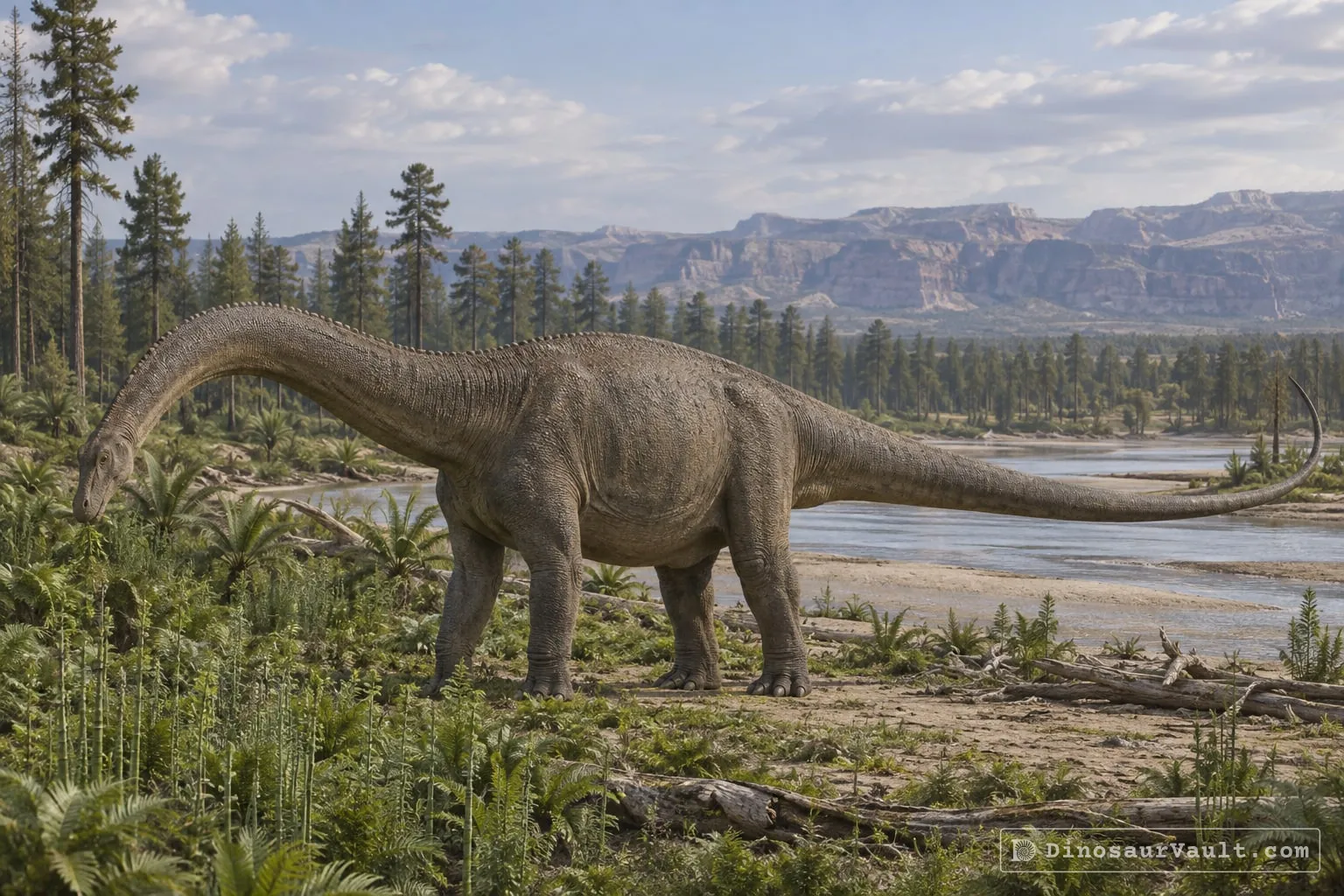
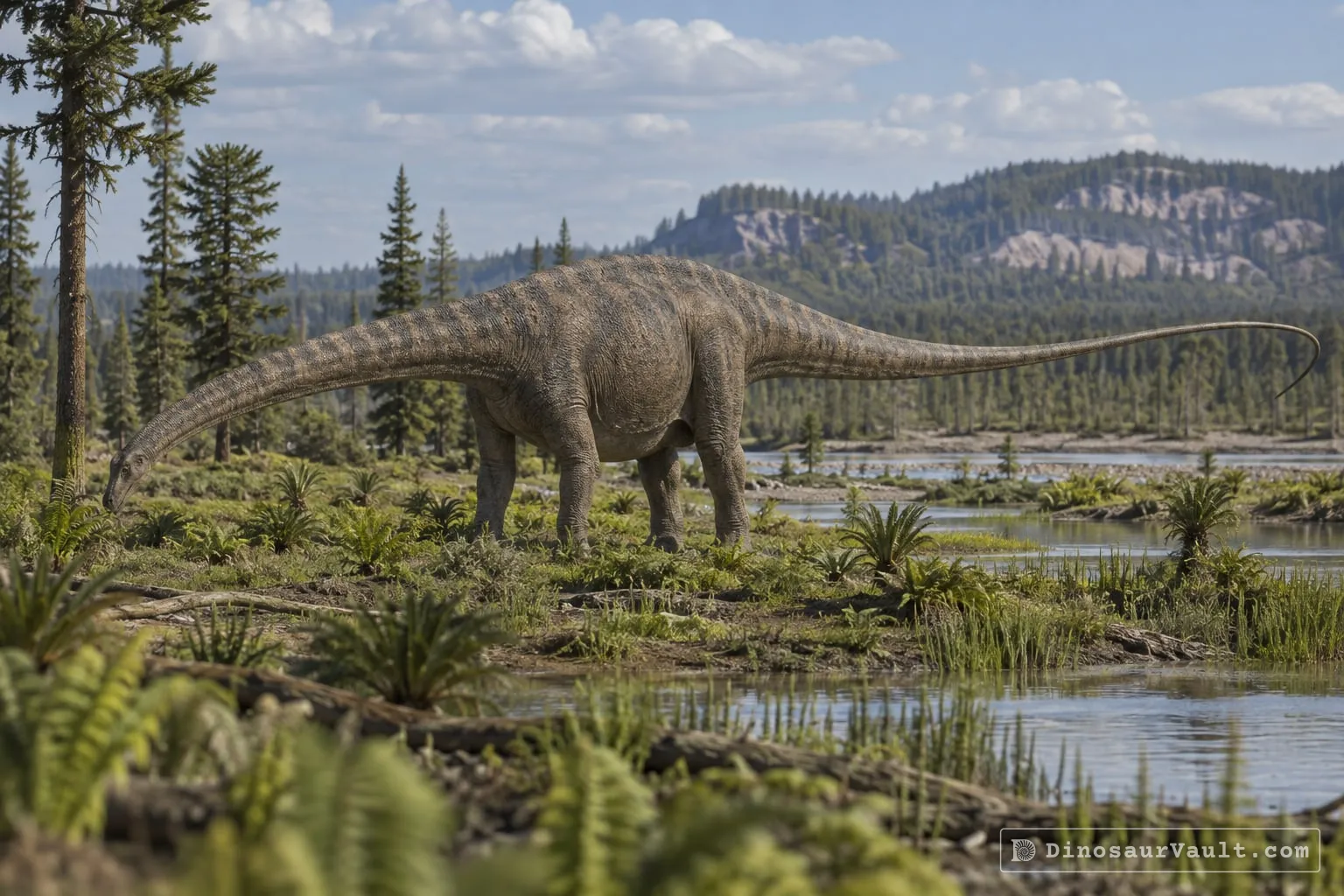
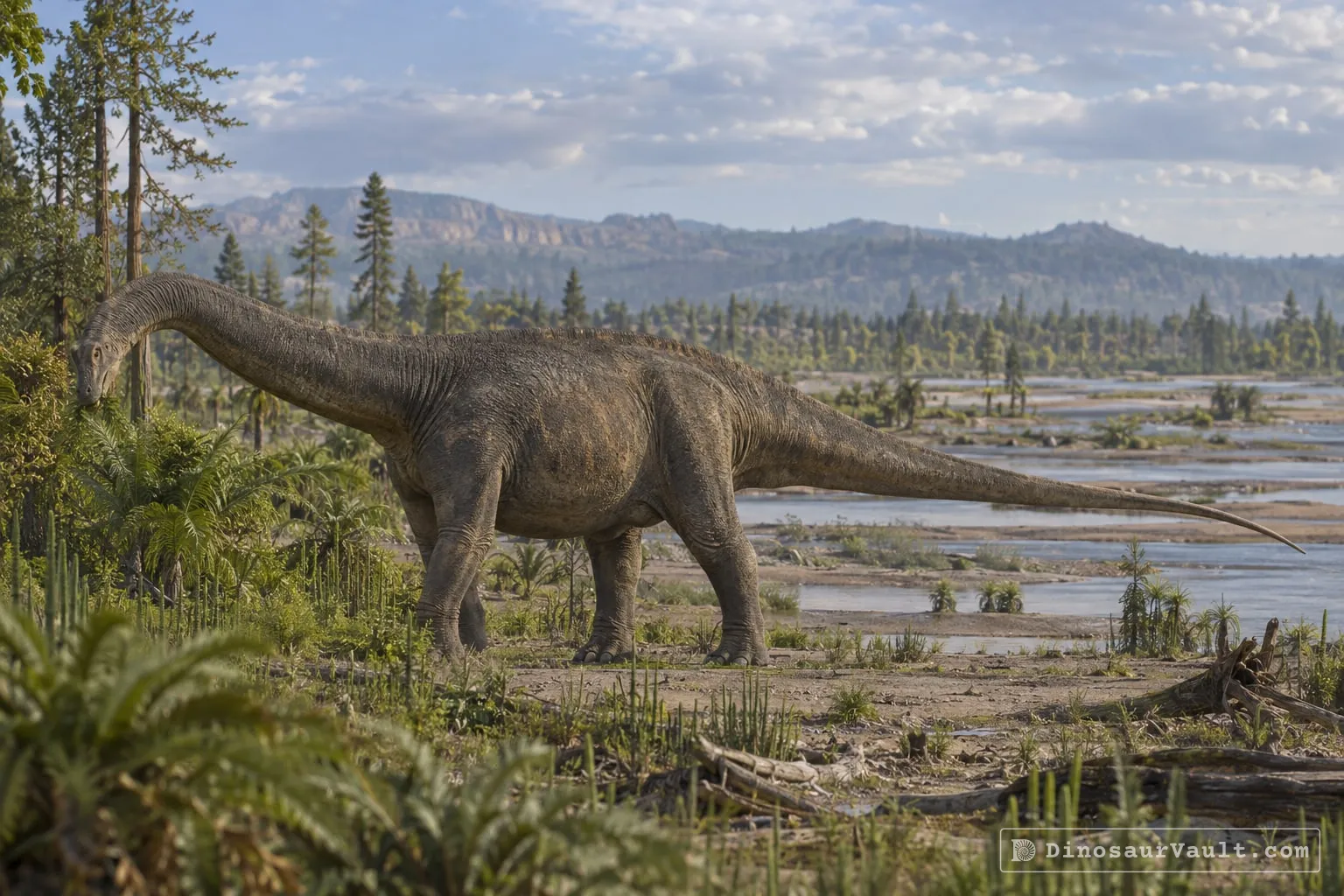
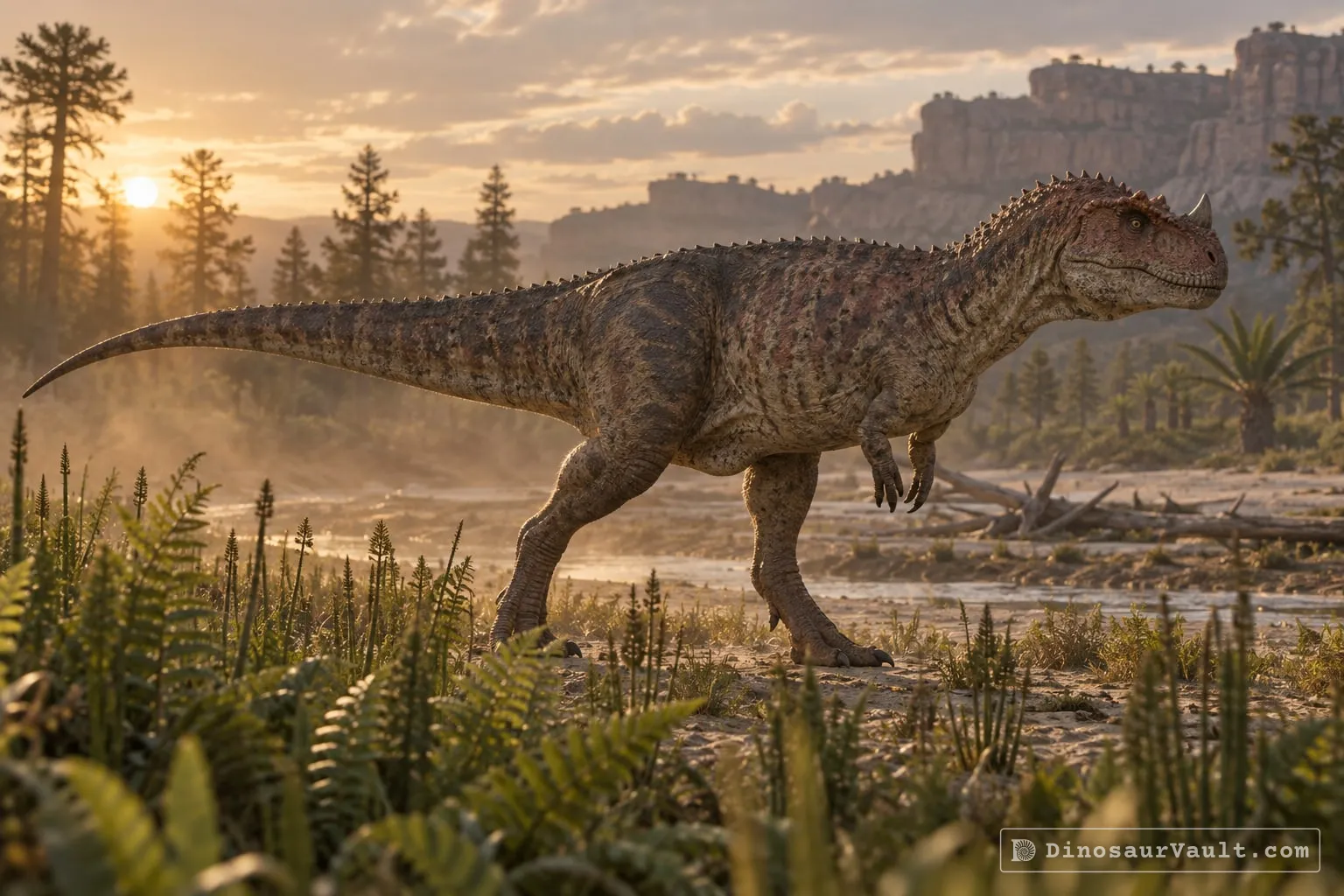
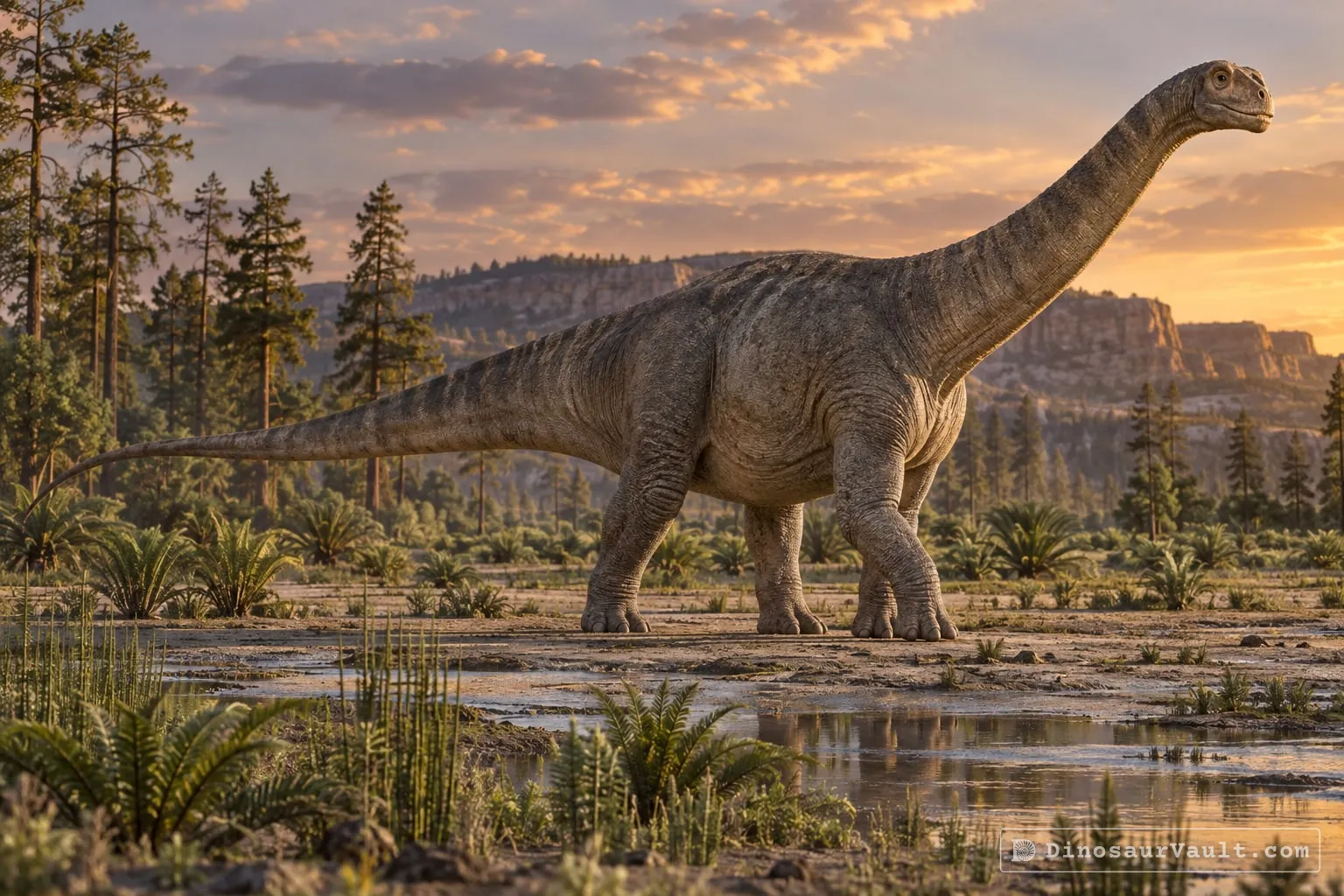


A rock formation can hold fossils laid down millions of years apart, so not every animal here met Camptosaurus.
The evidence
The science behind Camptosaurus
Which parts of the picture come from its own bones, and which come from its relatives.
From its own fossils
- Skeletons show strong hindlimbs, shorter forelimbs and a long balancing tail.
- Its jaws carried a beak at the front and ridged teeth farther back for processing plants.
- The compact hand and wrist could support its weight when it moved on all fours.
Borrowed from relatives
- Much of its body is known from its own skeletons.
- The living beak covering and scaly exterior are reconstructed by comparison with other ornithopods such as Iguanodon.
Still unknown
- Its skin color and pattern.
- Exactly which plants it ate.
- Whether it cared for its young.
Often drawn wrong
- It had no tall duck-billed dinosaur crest.
- Its tail balanced the body rather than trailing along the ground.
Discovery timeline
- 1885Named itMarsh
- 1909Full descriptionGilmore
- 1980Its worldDodson et al.
- 2008PostureCarpenter & Wilson
- 2011Family treeMCDONALD
Key papers
The research behind what we know of Camptosaurus
Named it
Introduced the name Camptosaurus to replace an earlier name already used for another animal.
Names of extinct reptiles. American Journal of Science 29: 169
No link available
Full description
Described the skeleton in detail and compared fossils then assigned to different Camptosaurus species.
Osteology of the Jurassic reptile Camptosaurus, with a revision of the species of the genus, and descriptions of two new species. Proceedings of the United States National Museum 36: 197-332
Read the paper : Osteology of the Jurassic reptile Camptosaurus, with a revision of the species of the genus, and descriptions of two new species (opens in a new tab)Its world
Reconstructed seasonally dry rivers and floodplains, and suggested Camptosaurus used habitats differently from many larger Morrison dinosaurs.
Taphonomy and Paleoecology of the Dinosaur Beds of the Jurassic Morrison Formation. Paleobiology 6: 208-232
Read the paper : Taphonomy and Paleoecology of the Dinosaur Beds of the Jurassic Morrison Formation (opens in a new tab)Posture
Compared Camptosaurus skeletons with a form later moved to another genus and tested how the forelimb supported walking on all fours.
A New Species of Camptosaurus (Ornithopoda: Dinosauria) from the Morrison Formation (Upper Jurassic) of Dinosaur National Monument, Utah, and a Biomechanical Analysis of Its Forelimb. Annals of Carnegie Museum 76: 227-263
Read the paper : A New Species of Camptosaurus (Ornithopoda: Dinosauria) from the Morrison Formation (Upper Jurassic) of Dinosaur National Monument, Utah, and a Biomechanical Analysis of Its Forelimb (opens in a new tab)Family tree
Moved several former Camptosaurus species to separate genera after comparing their bones and evolutionary relationships.
The taxonomy of species assigned to Camptosaurus (Dinosauria: Ornithopoda). Zootaxa 2783
Read the paper : The taxonomy of species assigned to Camptosaurus (Dinosauria: Ornithopoda) (opens in a new tab)
Close relatives
Other members of Ankylopollexia


Sources: Wikidata