Bolong
- Lived
- 126 to 120 million years ago, Early Cretaceous
- Diet
- Herbivore
- Group
- Ornithopods, Iguanodontidae
- Found in
- China
- Named by
- Wu et al. 2010
Where its fossils were found
The evidence
Today

125 million years ago
Habitat
It lived in a region of lakes and active volcanoes in China. Psittacosaurus, Sinosauropteryx and Yutyrannus also occur in the Yixian Formation.
Field notes
About Bolong
What it was like
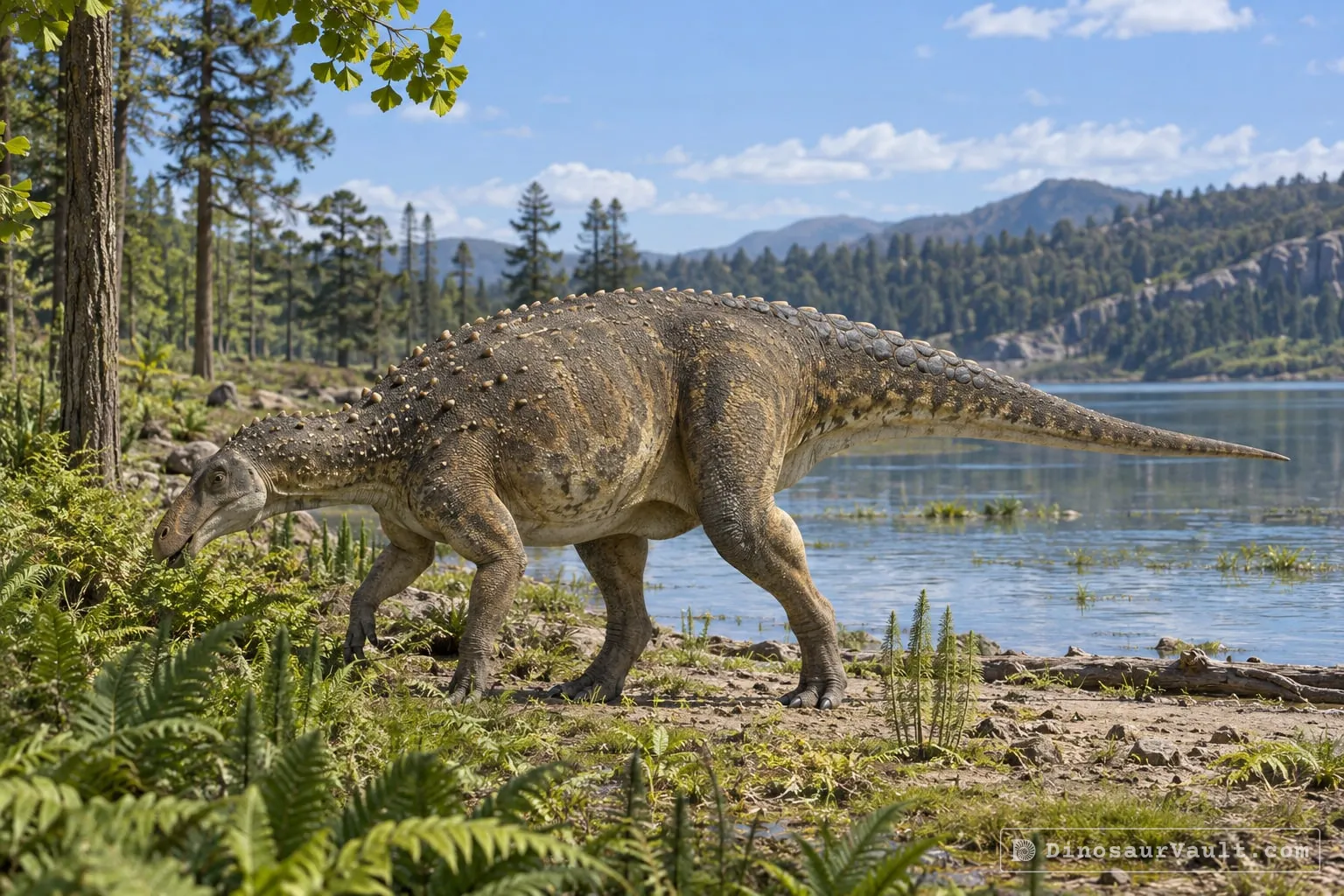
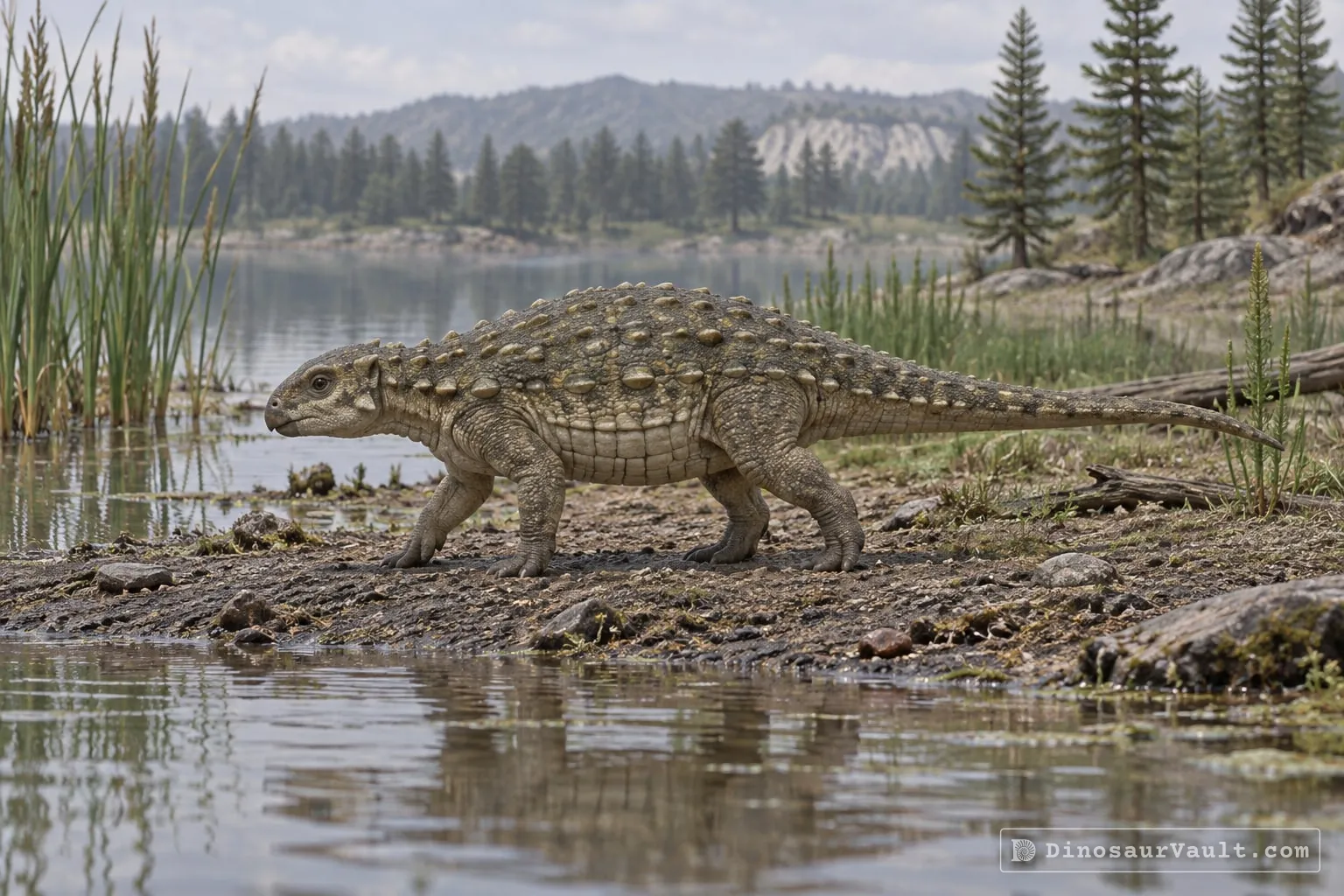
Bolong was a plant eater related to Iguanodon. It is known from a skull and partial skeleton.
Its world
It lived in the Early Cretaceous, in what is now China. It comes from the Yixian Formation, where it shared the land with the feathered tyrannosaur Yutyrannus, the small predators Sinosauropteryx and Sinornithosaurus, and the parrot-beaked Psittacosaurus.
How it was found
Wu and colleagues named Bolong in 2010. The name ends in the Chinese word for dragon.
Field gallery
More views of Bolong
Scenes reconstructed from the available fossil evidence.
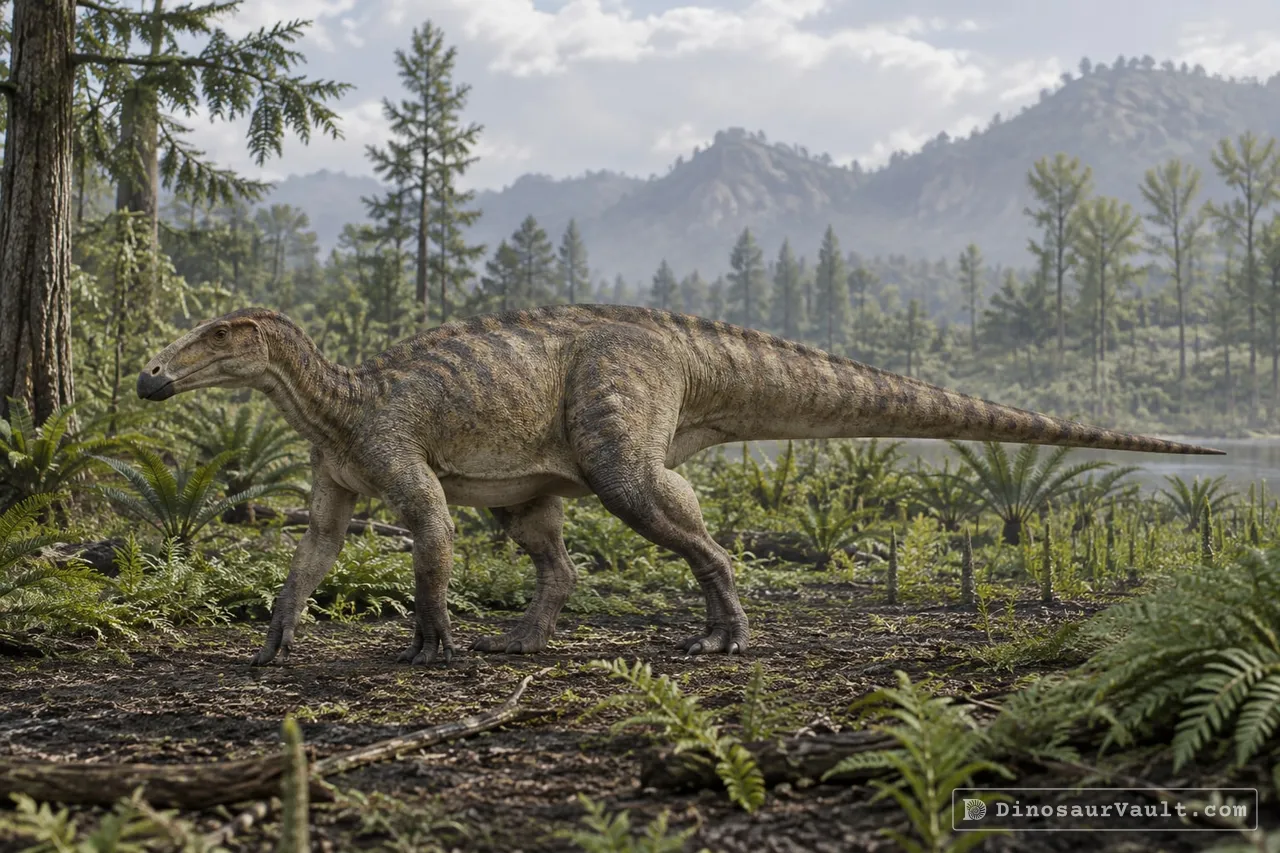
1 of 3
Lived alongside
Found in the same rock formations
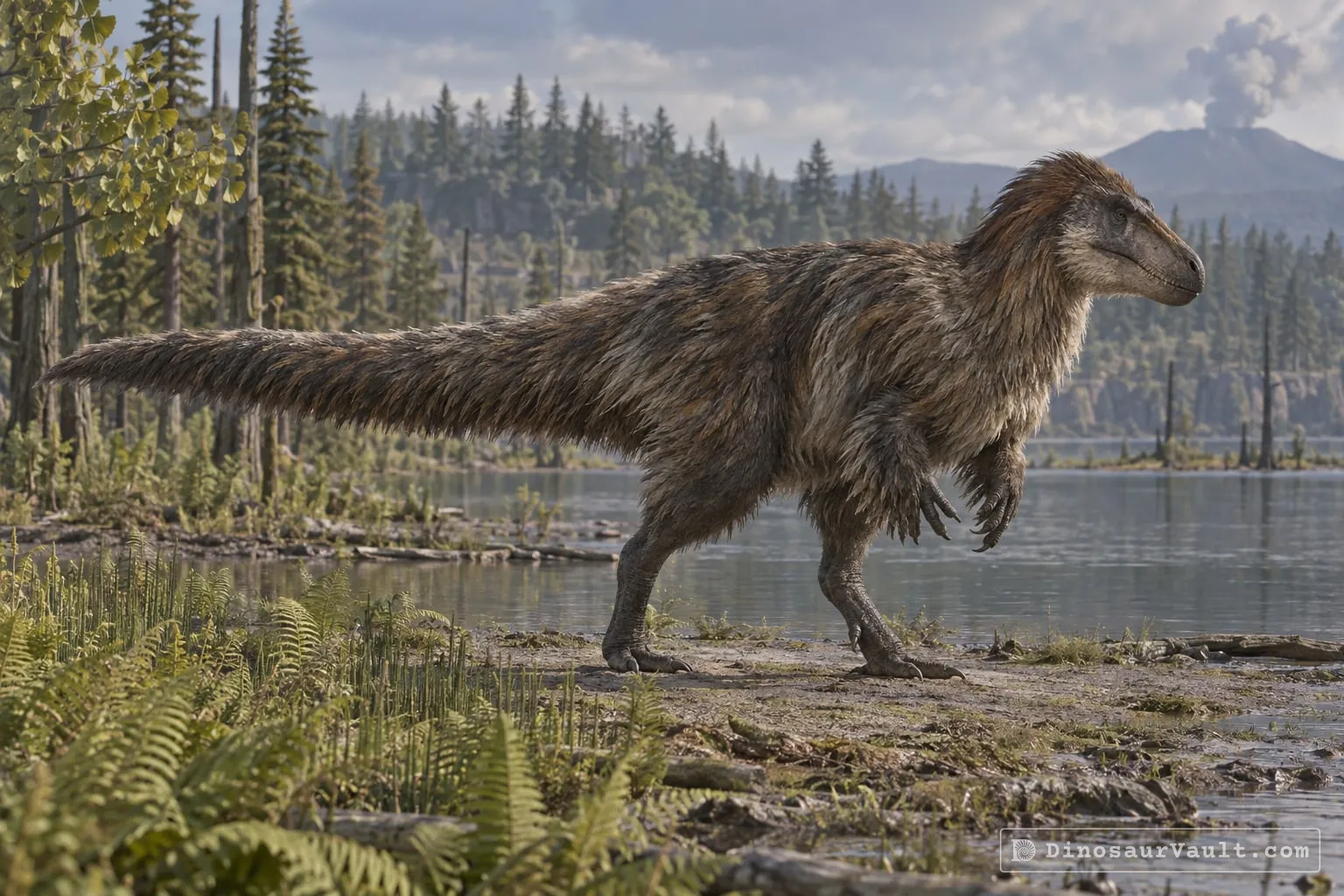
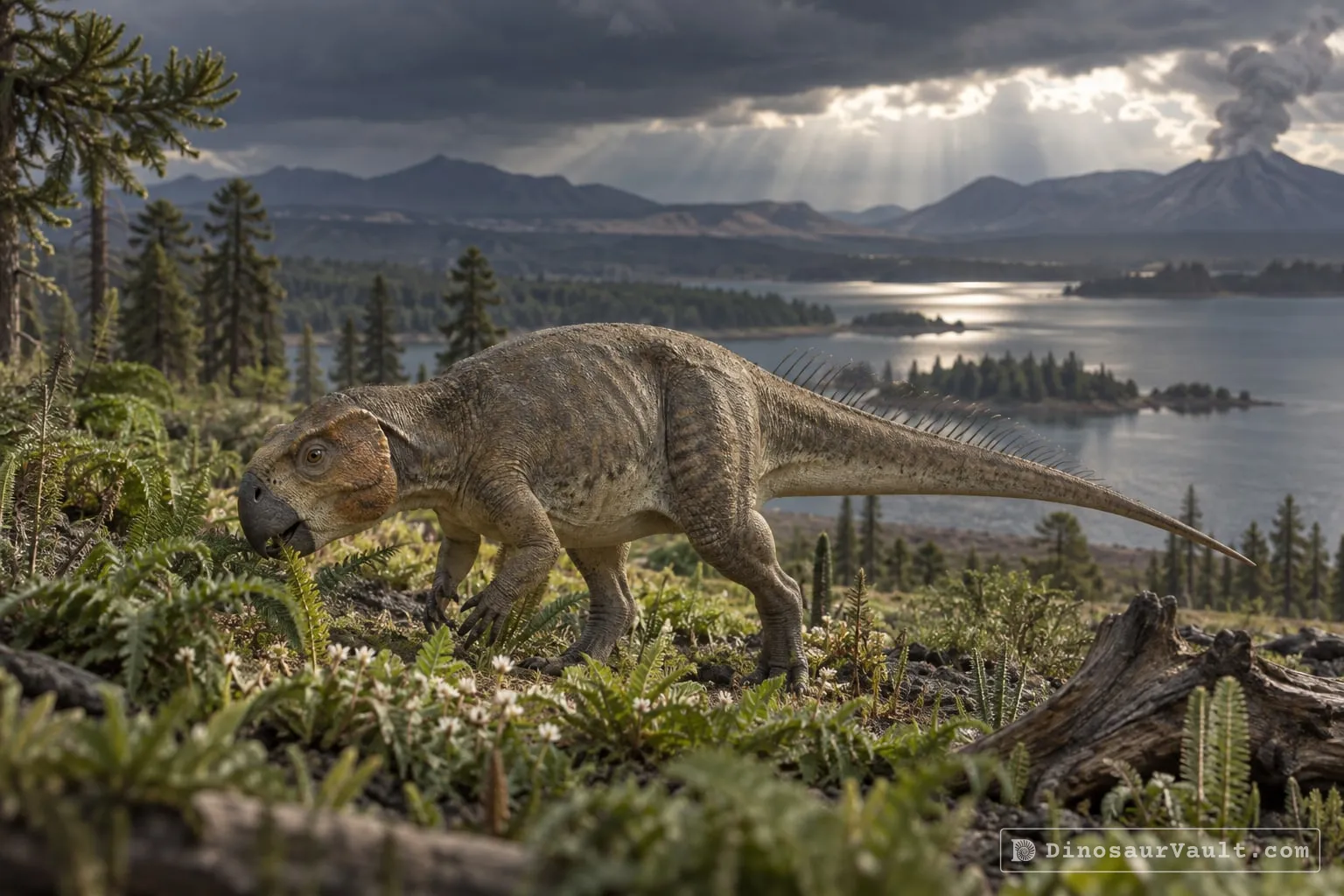
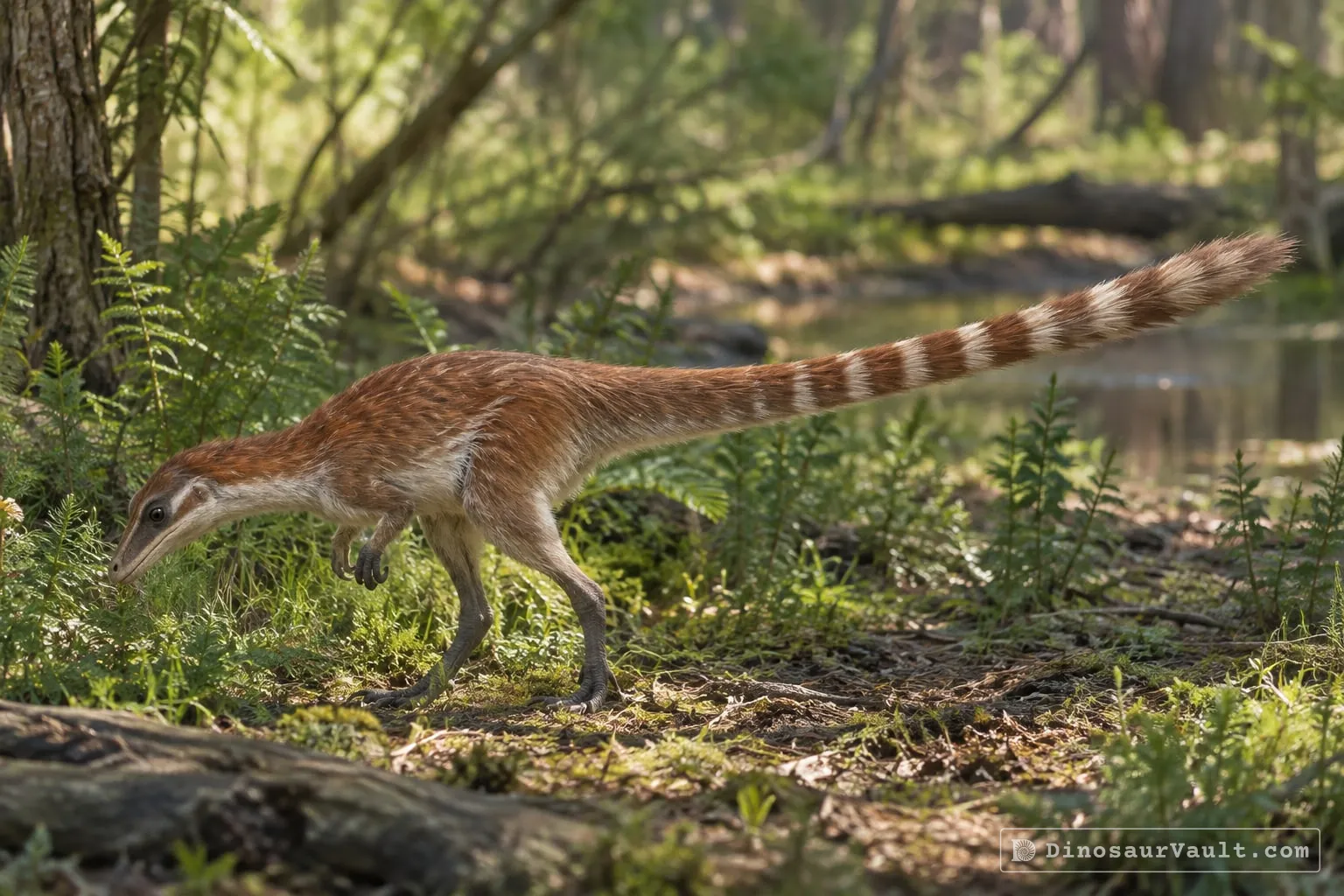
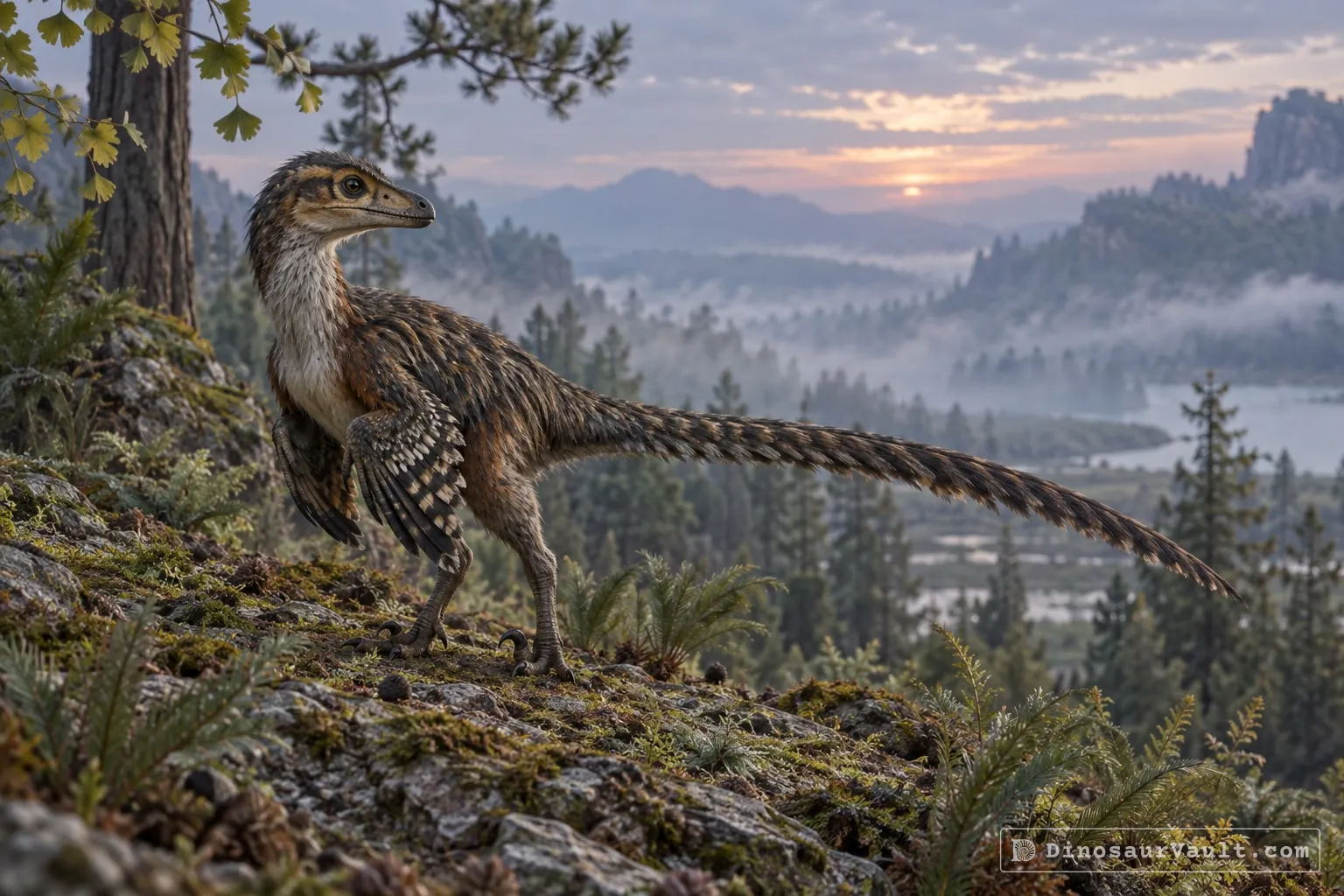
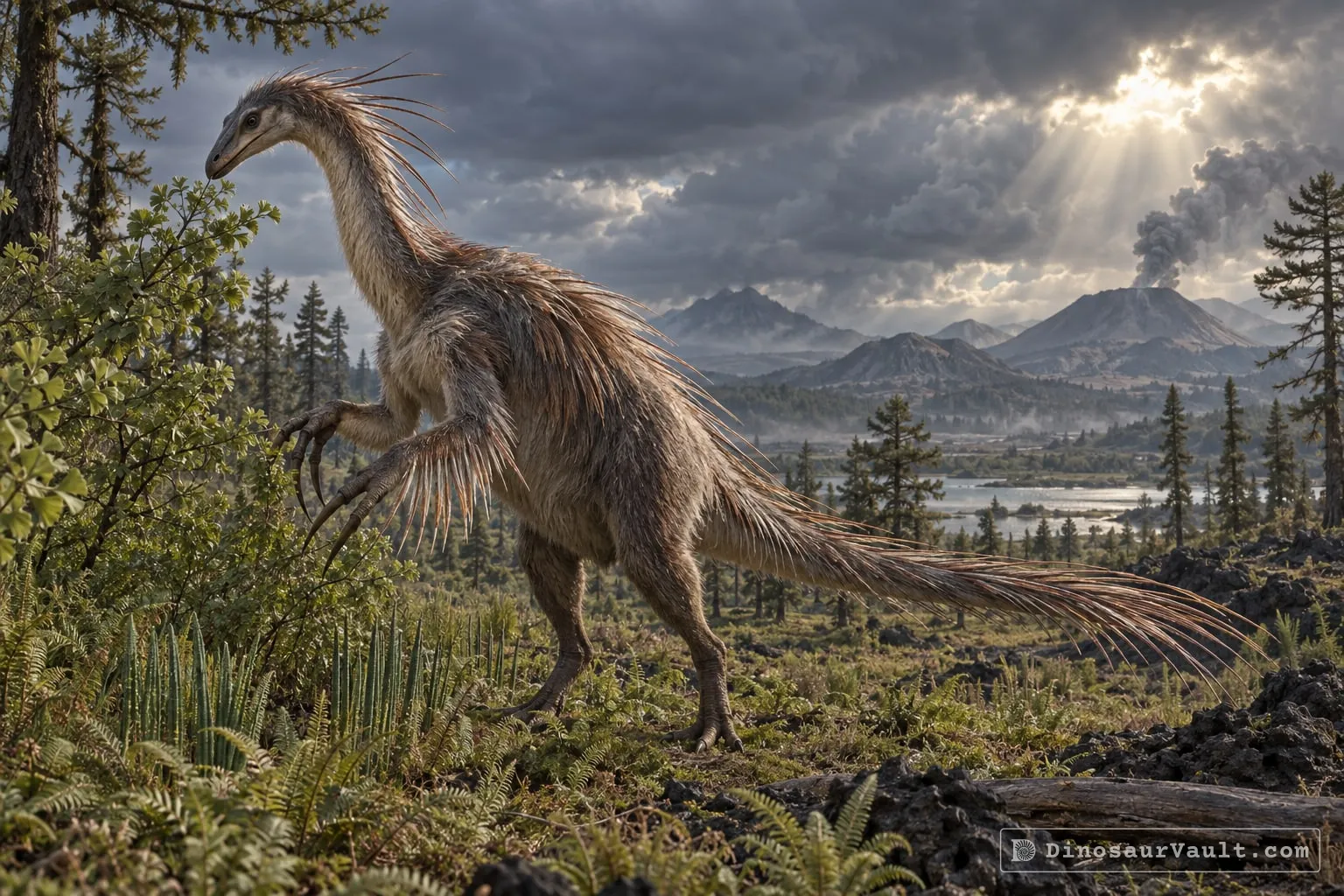
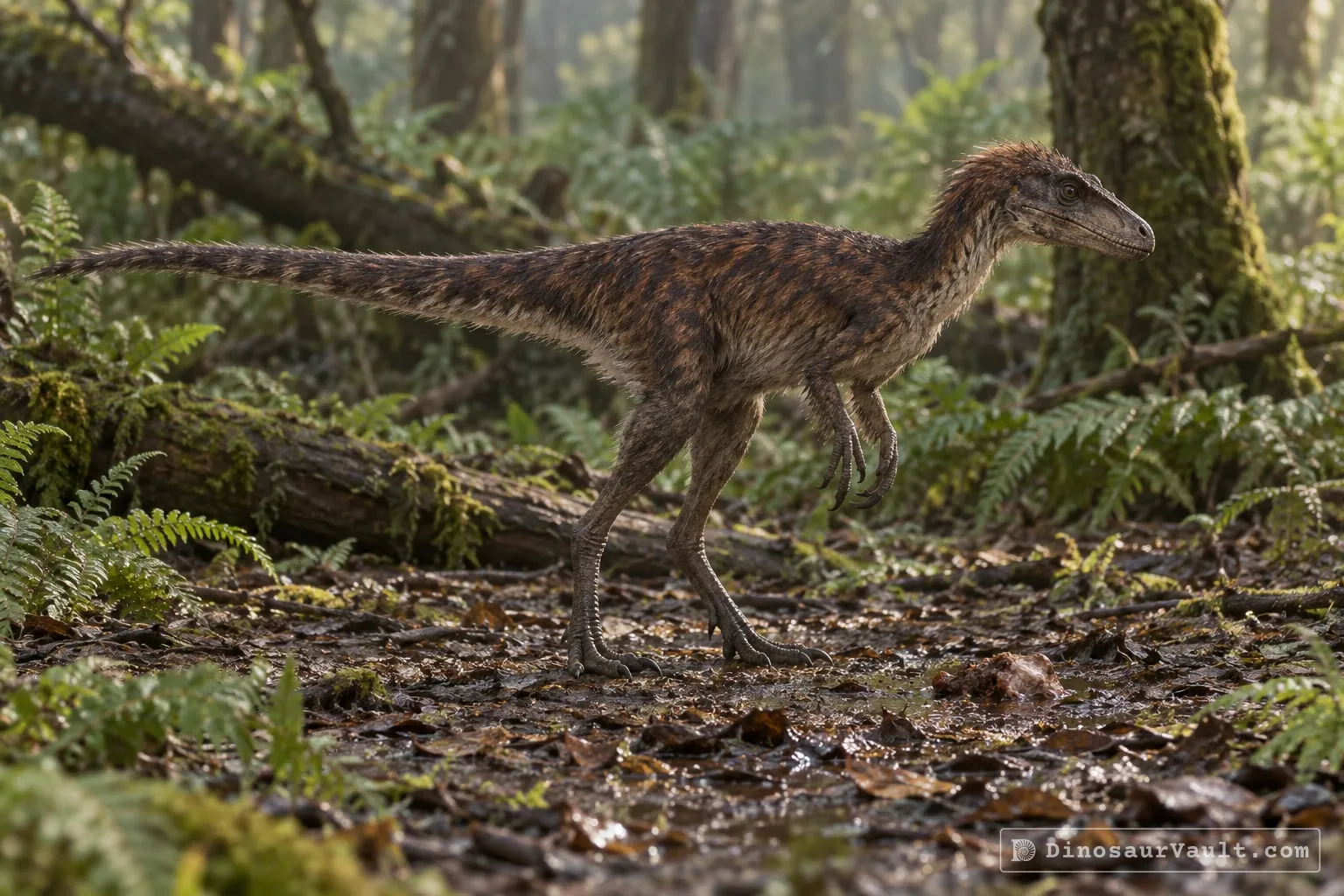


A rock formation can hold fossils laid down millions of years apart, so not every animal here met Bolong.
The evidence
The science behind Bolong
Which parts of the picture come from its own bones, and which come from its relatives.
From its own fossils
- The original find preserves a skull and an incomplete skeleton.
- The roughened front edge of the upper jaw probably supported a horny beak.
- An almost complete skeleton of a very young animal preserves a short, deep skull and lightly built limbs.
Borrowed from relatives
- Much of its body is known from its own bones, including an almost complete young skeleton.
Still unknown
- Its skin covering and color.
- Which plants it preferred to eat.
- Whether adults tended nests or cared for young.
Discovery timeline
- 2010Named itWu, Godefroit & Hu
- 2013Growing upZheng et al.
- 2022Family treePoole
Key papers
The research behind what we know of Bolong
Named it
Named a new plant eater from an incomplete skeleton with distinctive skull and tooth features in China.
[Bolong yixianensis gen. et sp. nov.: a new iguanodontoid dinosaur from the Yixian Formation of western Liaoning, China]. Geology and Resources 19: 127-133
No link available
Growing up
Described a nearly complete young Bolong and showed that its forearms became shorter and more strongly built as it grew.
An early juvenile specimen ofBolong yixianensis(Ornithopoda: Iguanodontia) from the Lower Cretaceous of Ningcheng County, Nei Mongol, China. Historical Biology 26: 236-251
Read the paper : An early juvenile specimen ofBolong yixianensis(Ornithopoda: Iguanodontia) from the Lower Cretaceous of Ningcheng County, Nei Mongol, China (opens in a new tab)Family tree
Compared iguanodontian relationships and placed Bolong near Barilium in some analyses.
Phylogeny of iguanodontian dinosaurs and the evolution of quadrupedality. Palaeontologia Electronica
Read the paper : Phylogeny of iguanodontian dinosaurs and the evolution of quadrupedality (opens in a new tab)
Close relatives
Other members of Iguanodontidae

Sources: Wikidata