Outline: a typical ornithopod
Ajnabia
"stranger"
Type species Ajnabia odysseus
- Lived
- 72 to 66 million years ago, Late Cretaceous
- Diet
- Herbivore
- Group
- Ornithopods, Hadrosauridae
- Found in
- Morocco
- Named by
- Longrich et al. 2021
Where its fossils were found
The evidence
Today

70 million years ago
Field notes
About Ajnabia
What it was like
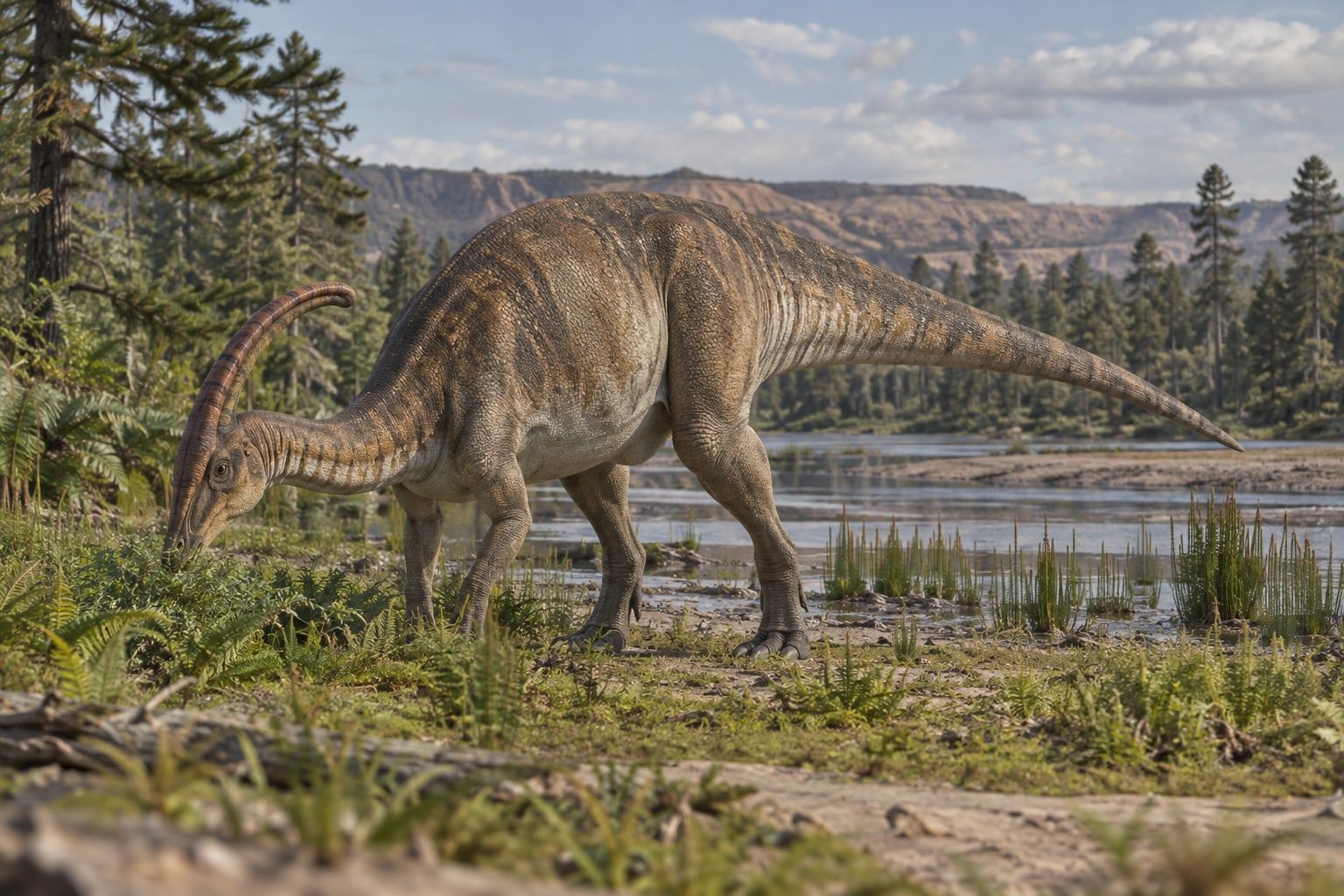
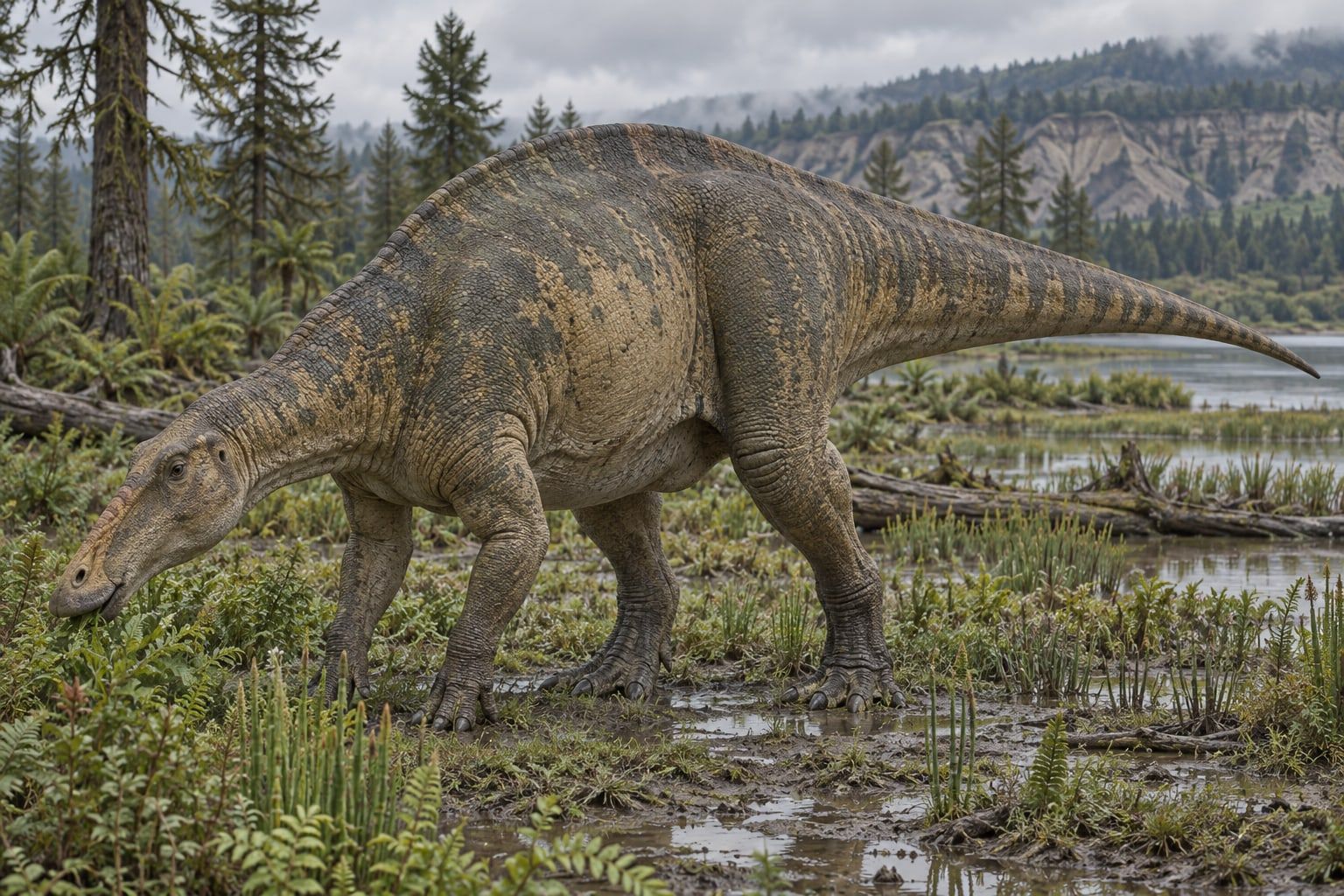
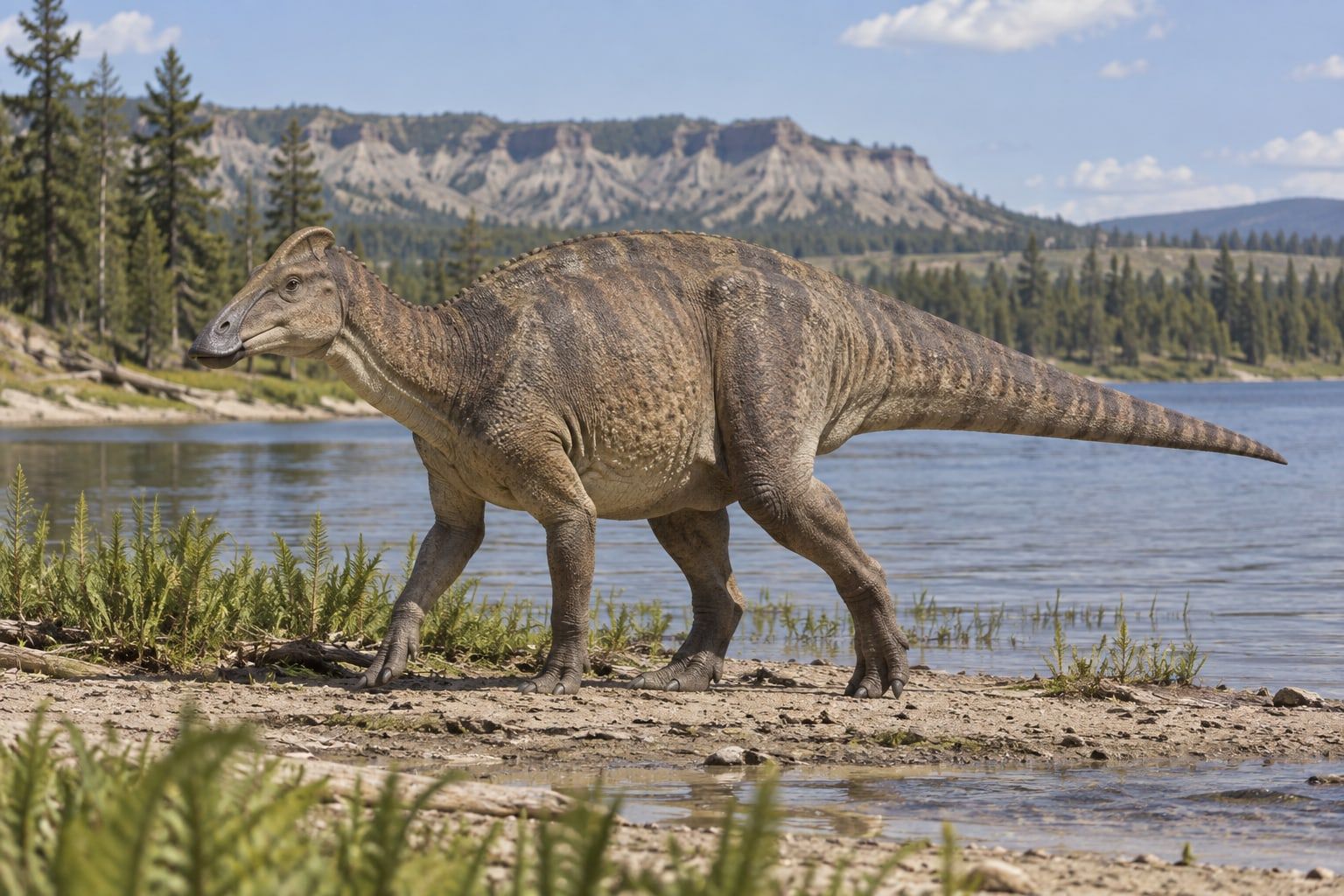
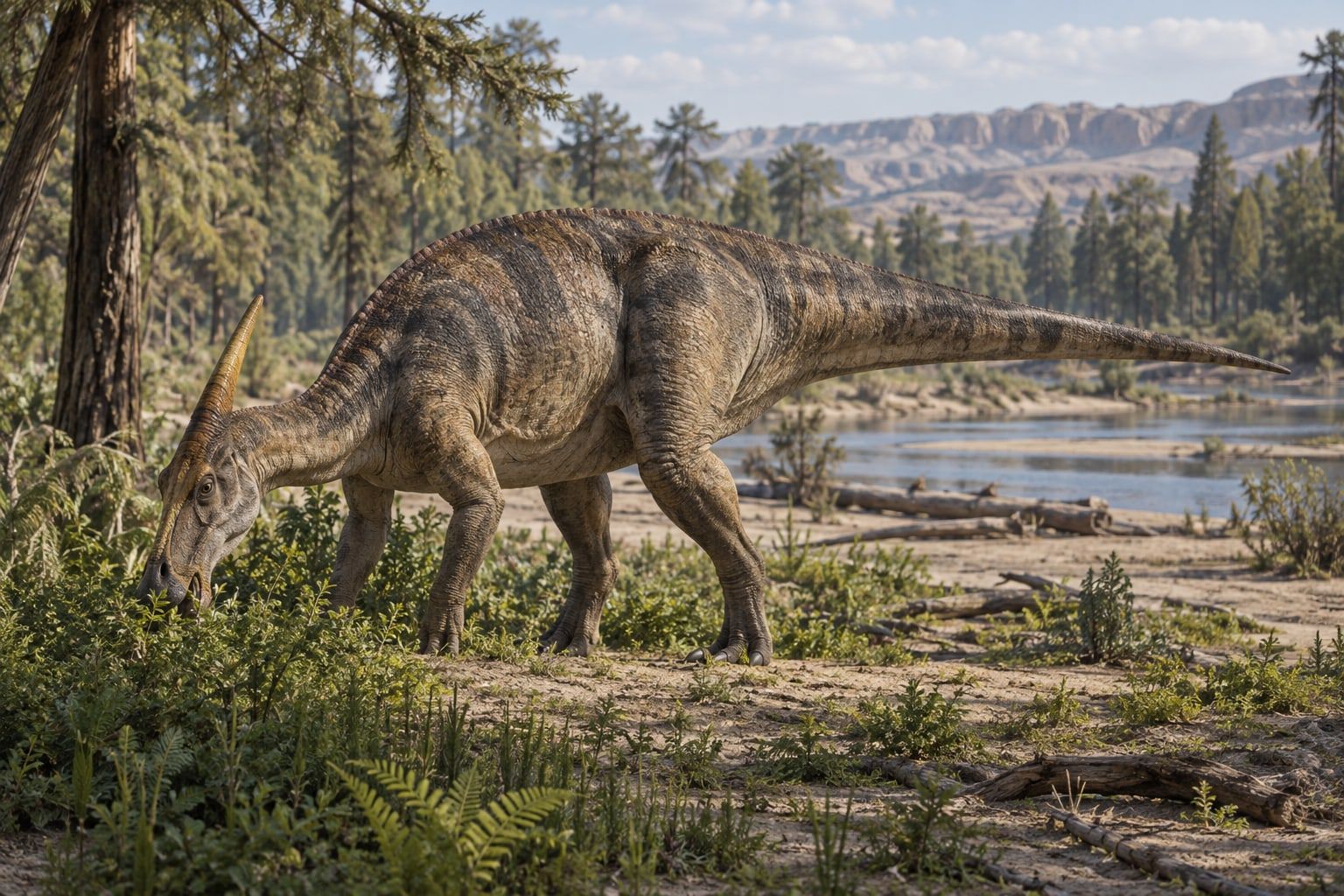
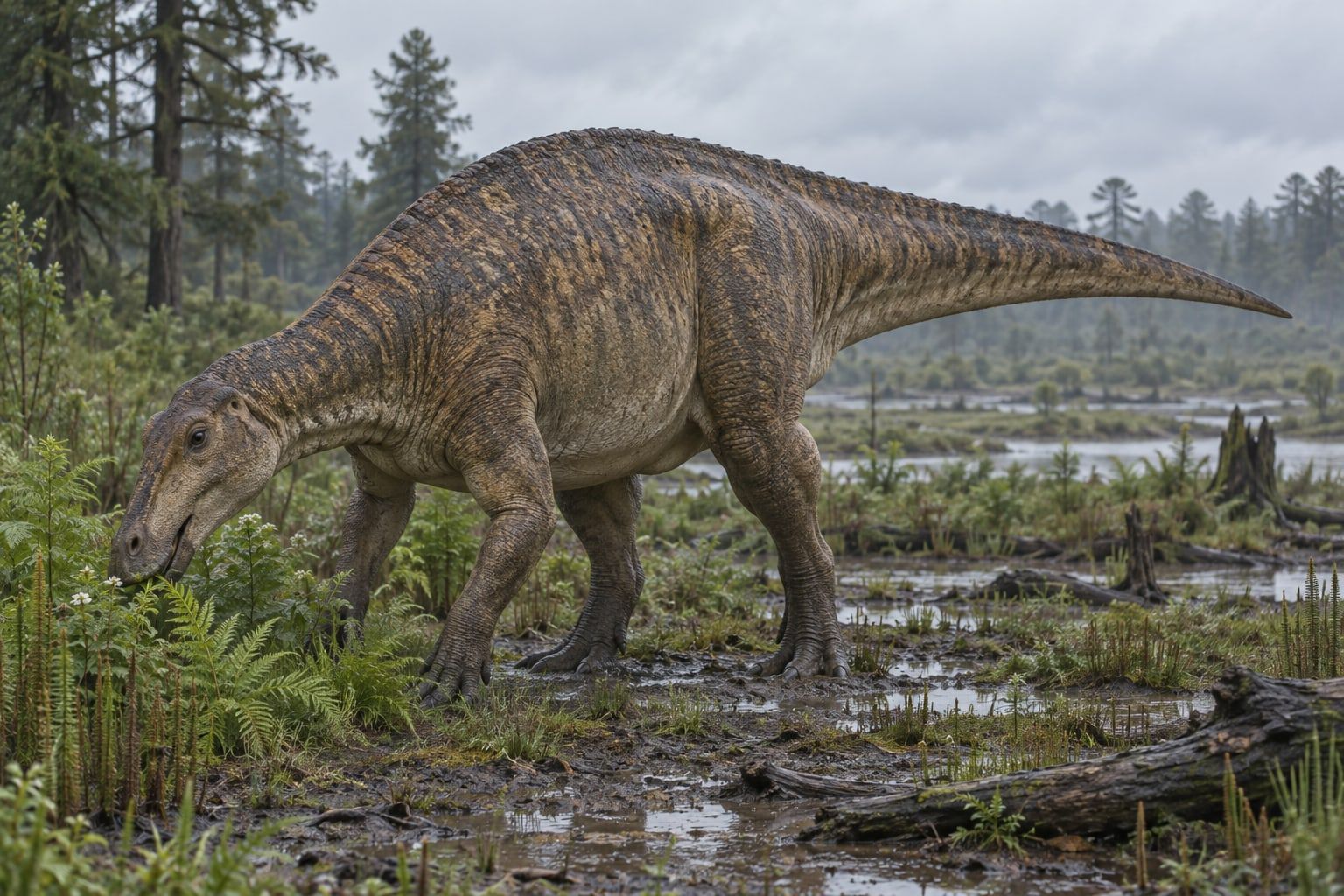
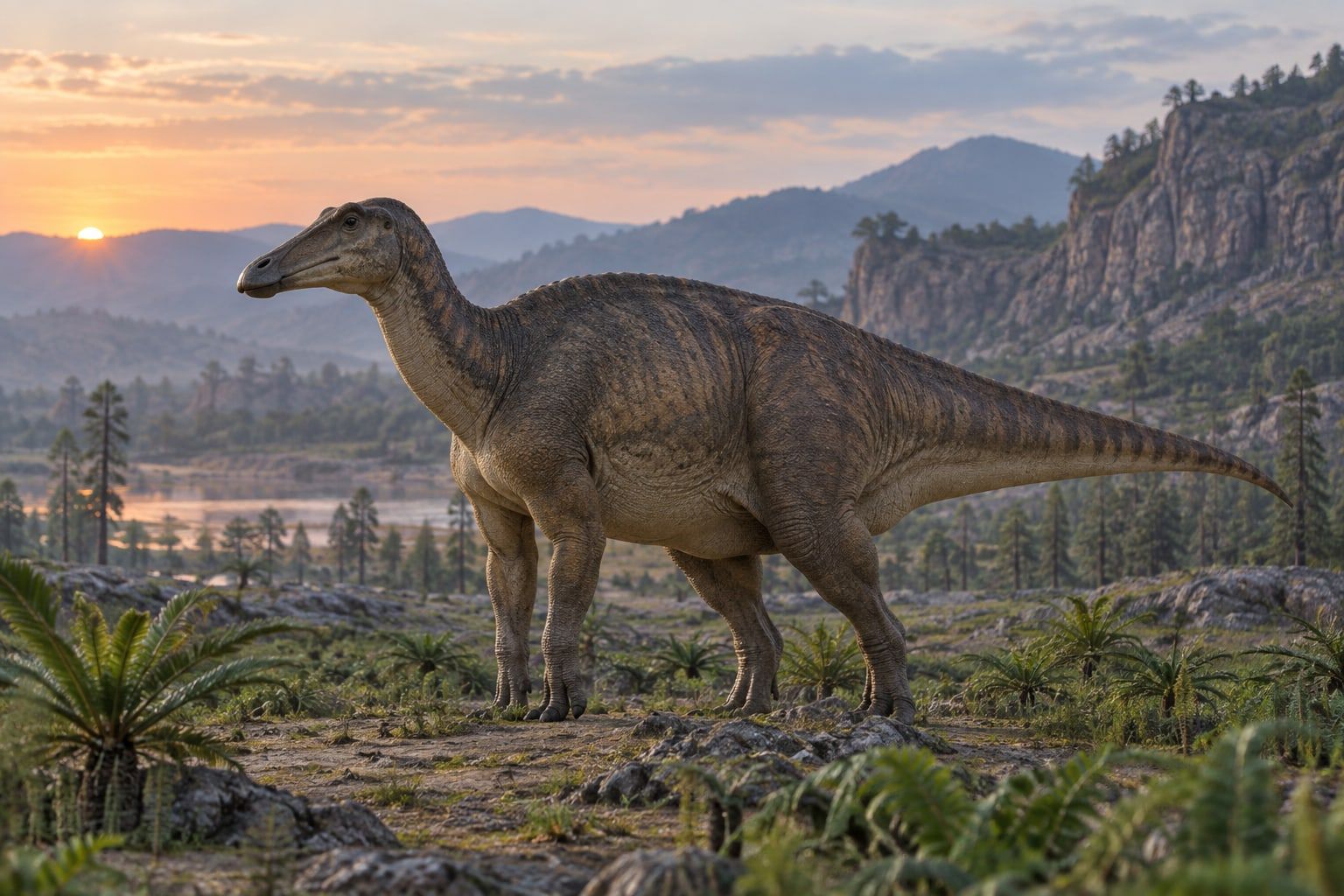
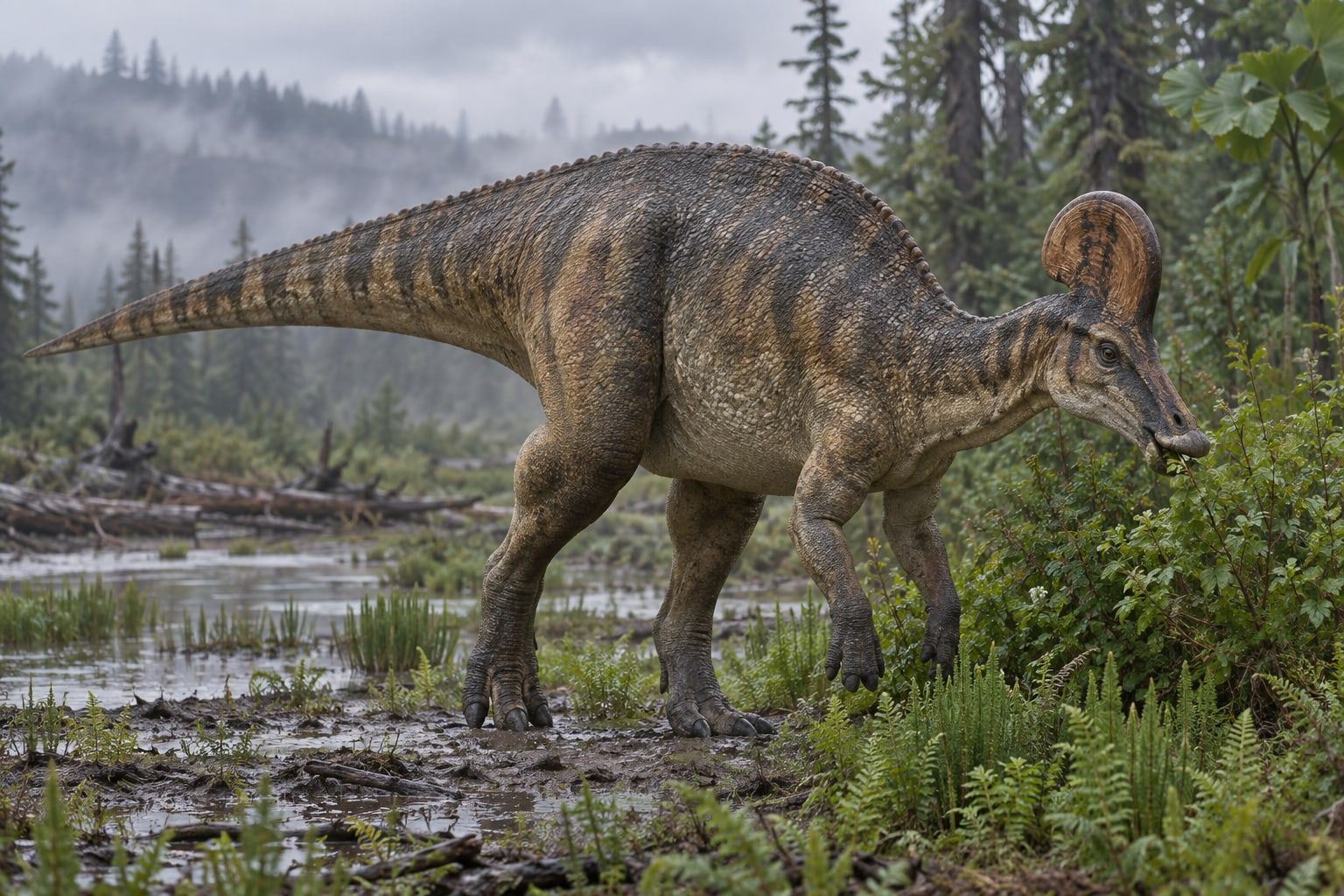
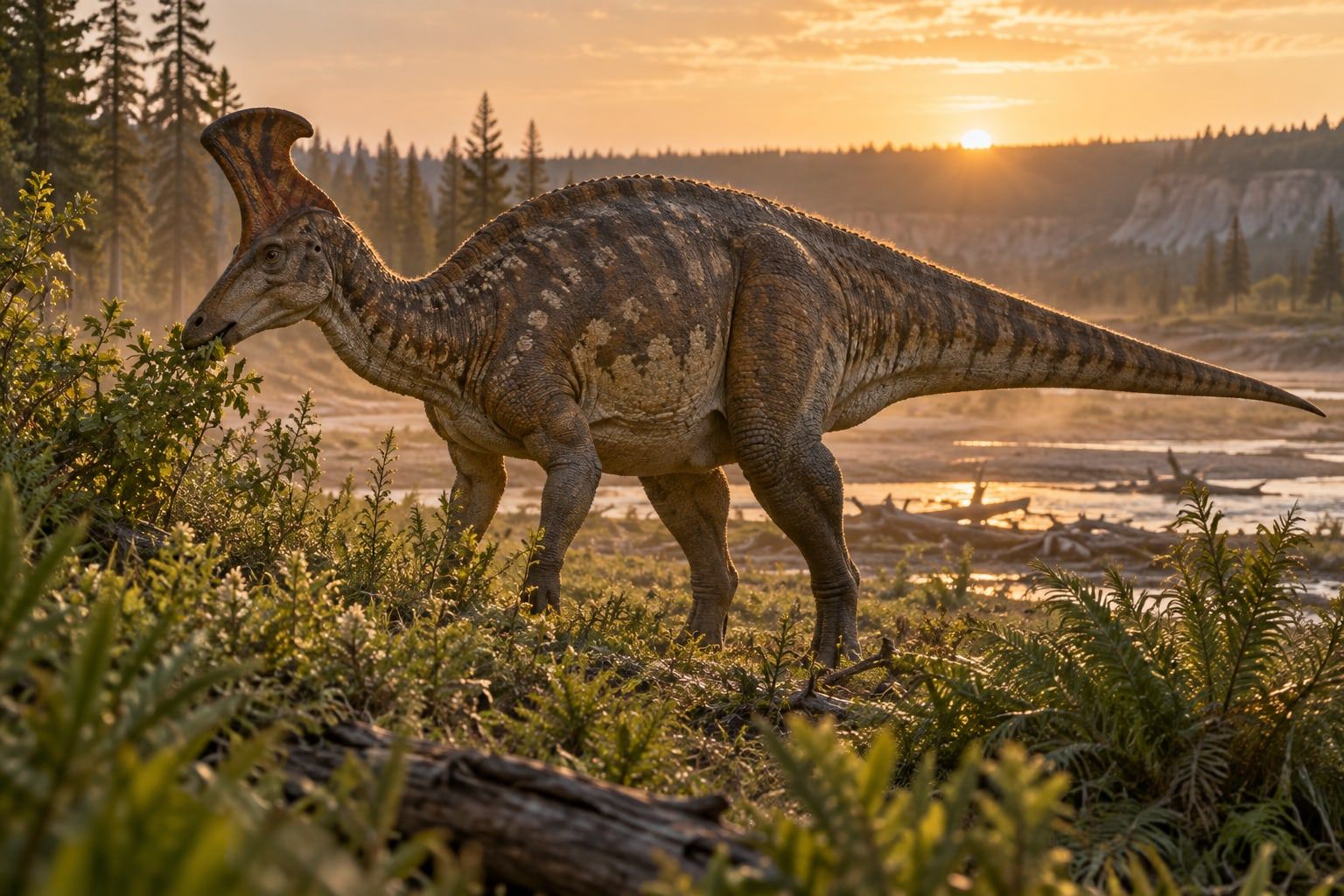
Ajnabia was a small duck-billed dinosaur from the branch of hadrosaurs that usually carried crests. It is known from part of its jaws and teeth.
It was related to hadrosaurs from Europe, and scientists think its ancestors must have crossed a stretch of sea to reach Africa, perhaps by swimming or floating from island to island.
Its world
It lived about 72 to 66 million years ago, at the very end of the Late Cretaceous, in what is now Morocco. Its bones come from marine phosphate rocks, where the body of a land animal had washed out to sea. The same rocks have produced the abelisaur Chenanisaurus and the titanosaur Phosphatotitan.
How it was found
Longrich and colleagues named Ajnabia odysseus in 2021. It was the first hadrosaur known for sure from Africa, which is why it was named "stranger," and its species name recalls a famous sea voyager of Greek legend.
Lived alongside
Found in the same rock formations
Close relatives
Other members of Hadrosauridae
Sources: WikidataNamed in: N. R. Longrich, X. Pereda Suberbiola, and R. A. Pyron, N.-E. Jalil. 2021. The first duckbill dinosaur (Hadrosauridae: Lambeosaurinae) from Africa and the role of oceanic dispersal in dinosaur biogeography. Cretaceous Research 120:104678