Outline: a typical ornithopod
Tsintaosaurus
"Qingdao lizard"
- Lived
- 84 to 72 million years ago, Late Cretaceous
- Diet
- Herbivore
- Group
- Ornithopods, Hadrosauridae
- Found in
- China
- Named by
- Young 1958
Where its fossils were found
The evidence
Today

80 million years ago
Field notes
About Tsintaosaurus
What it was like
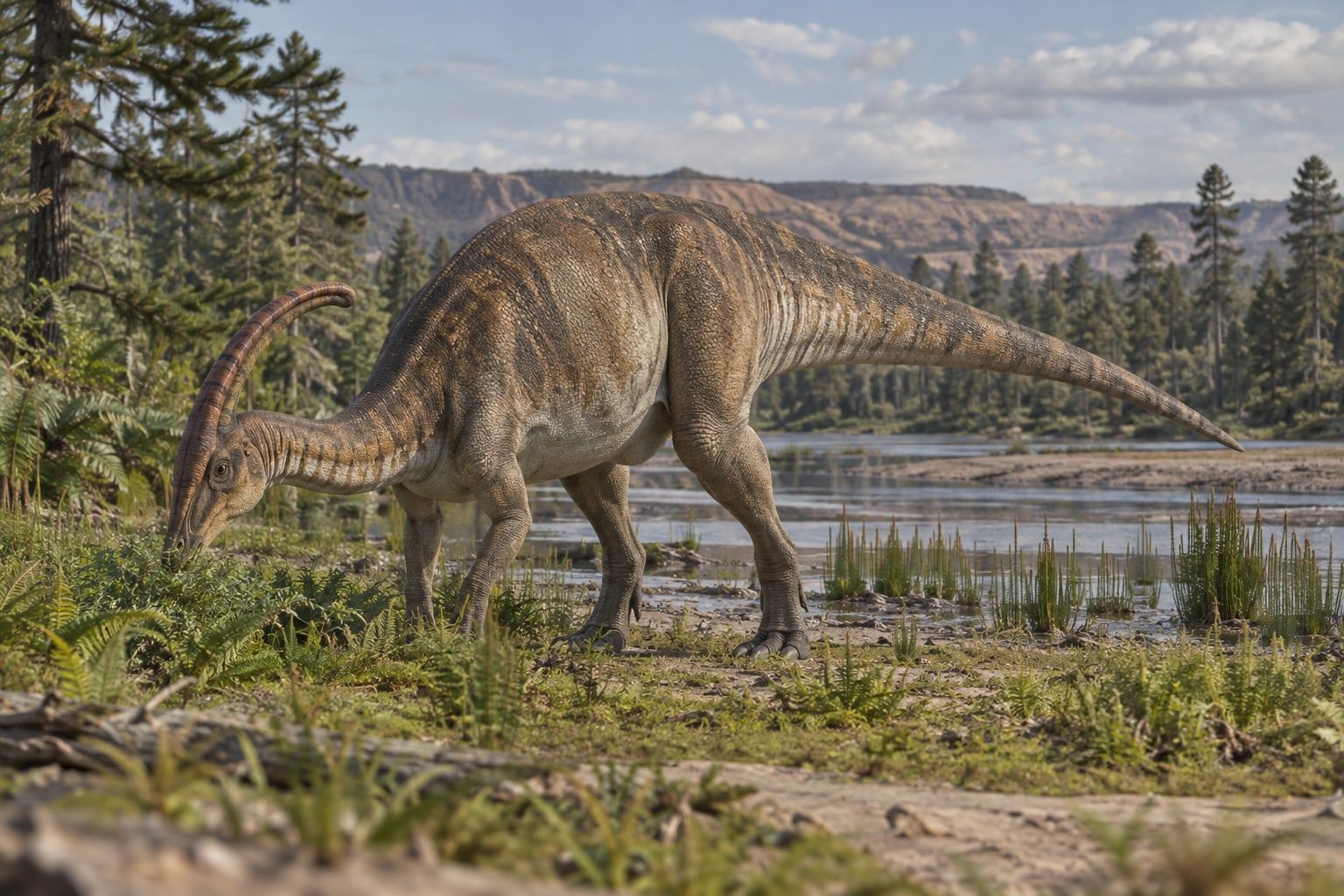
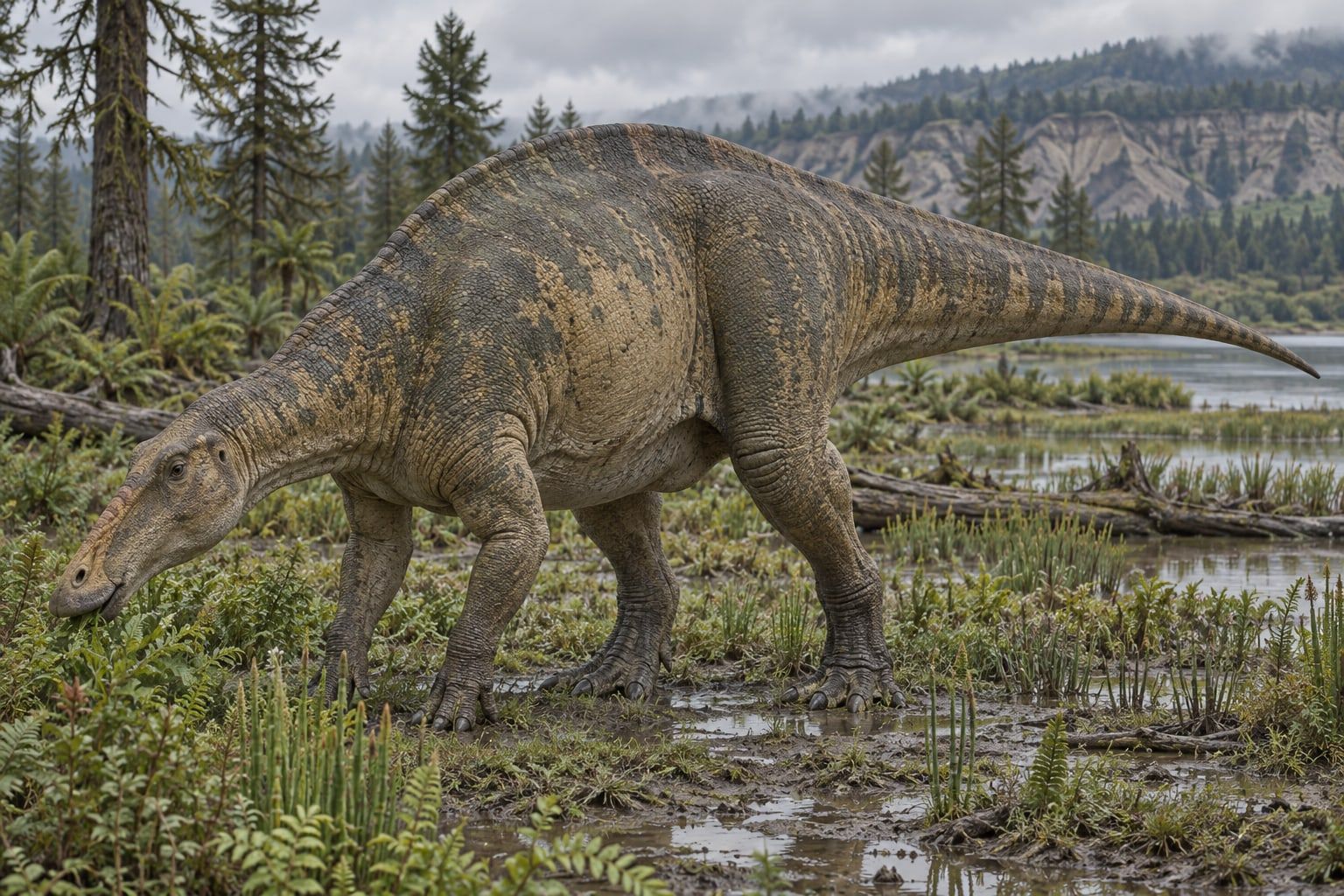
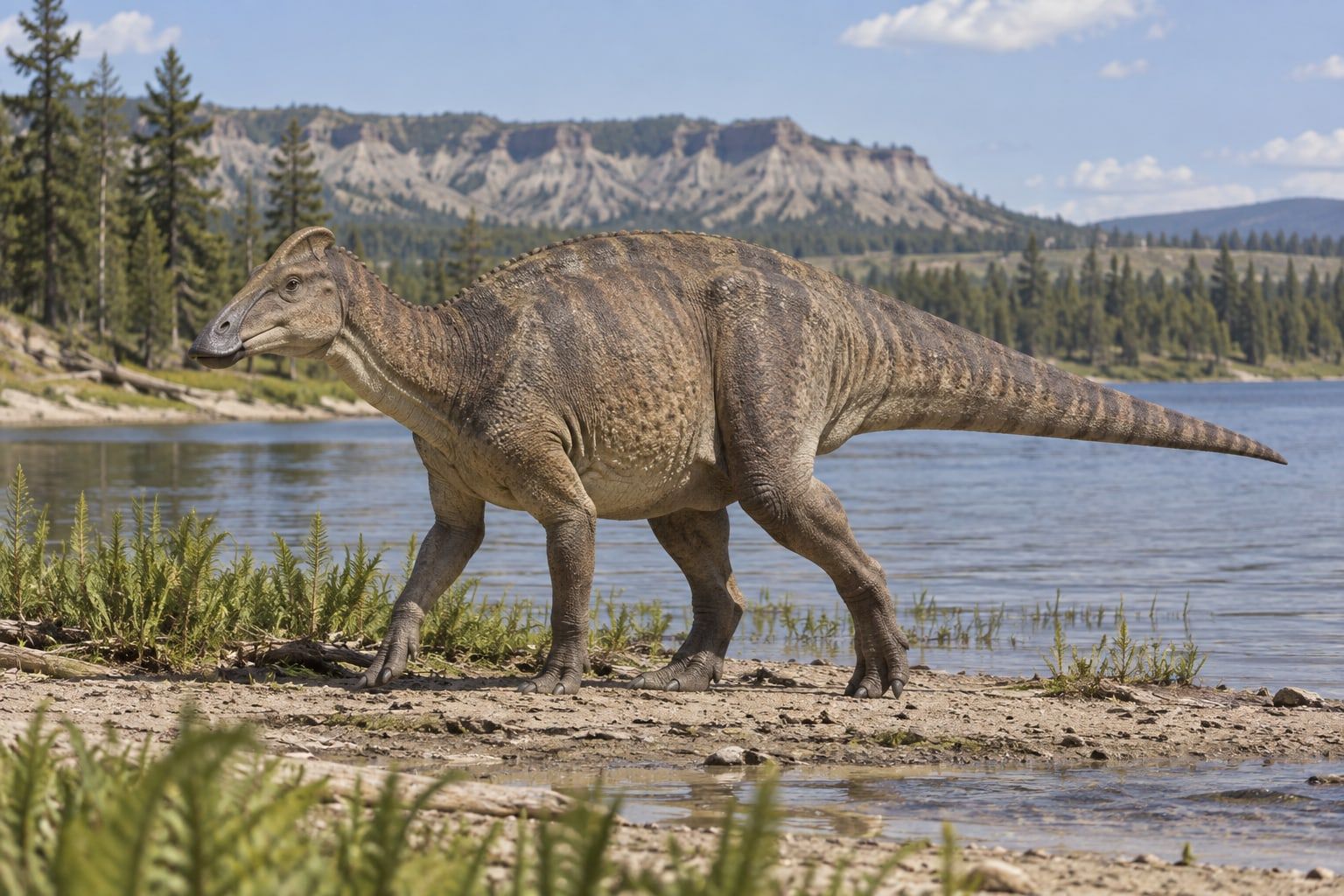
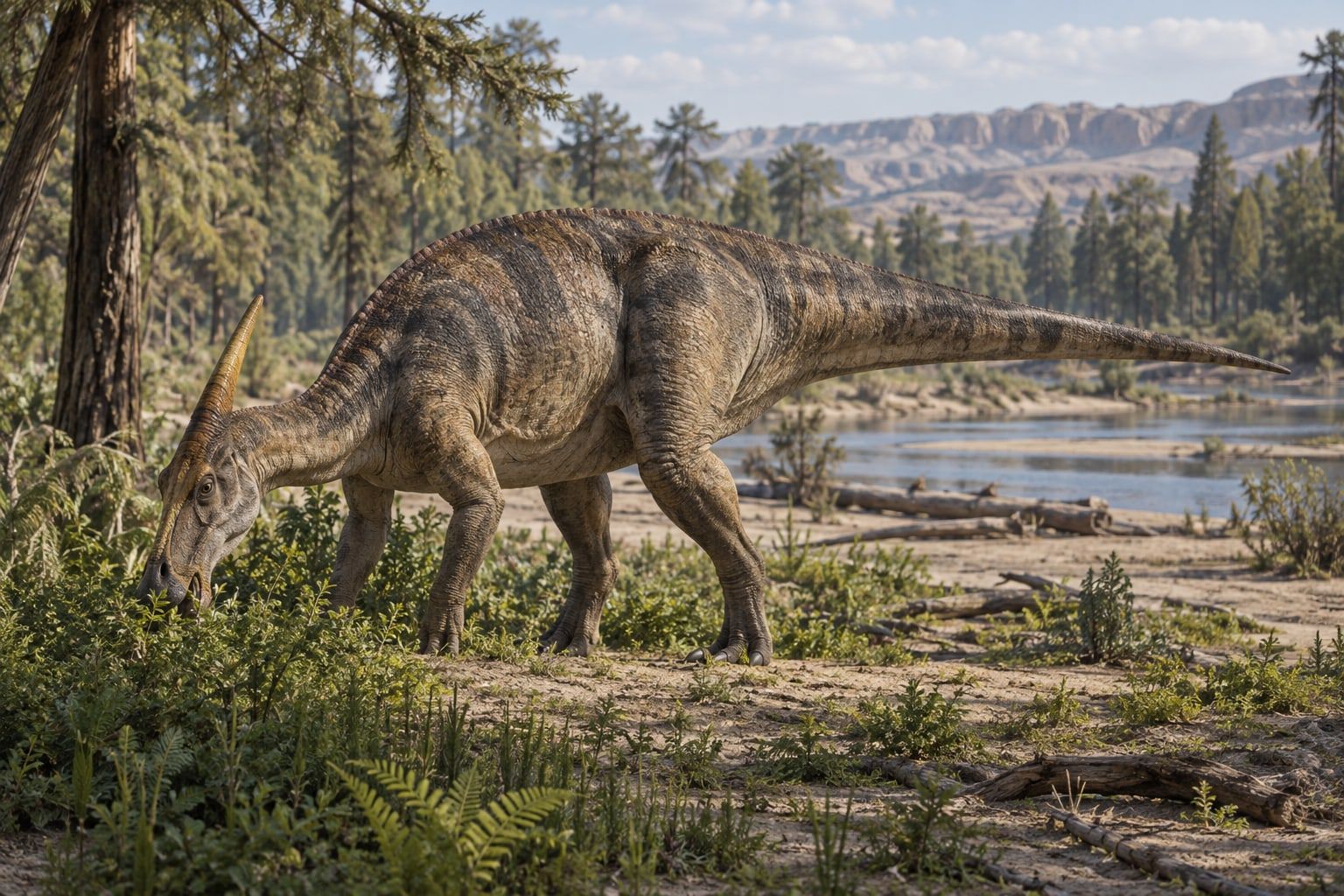
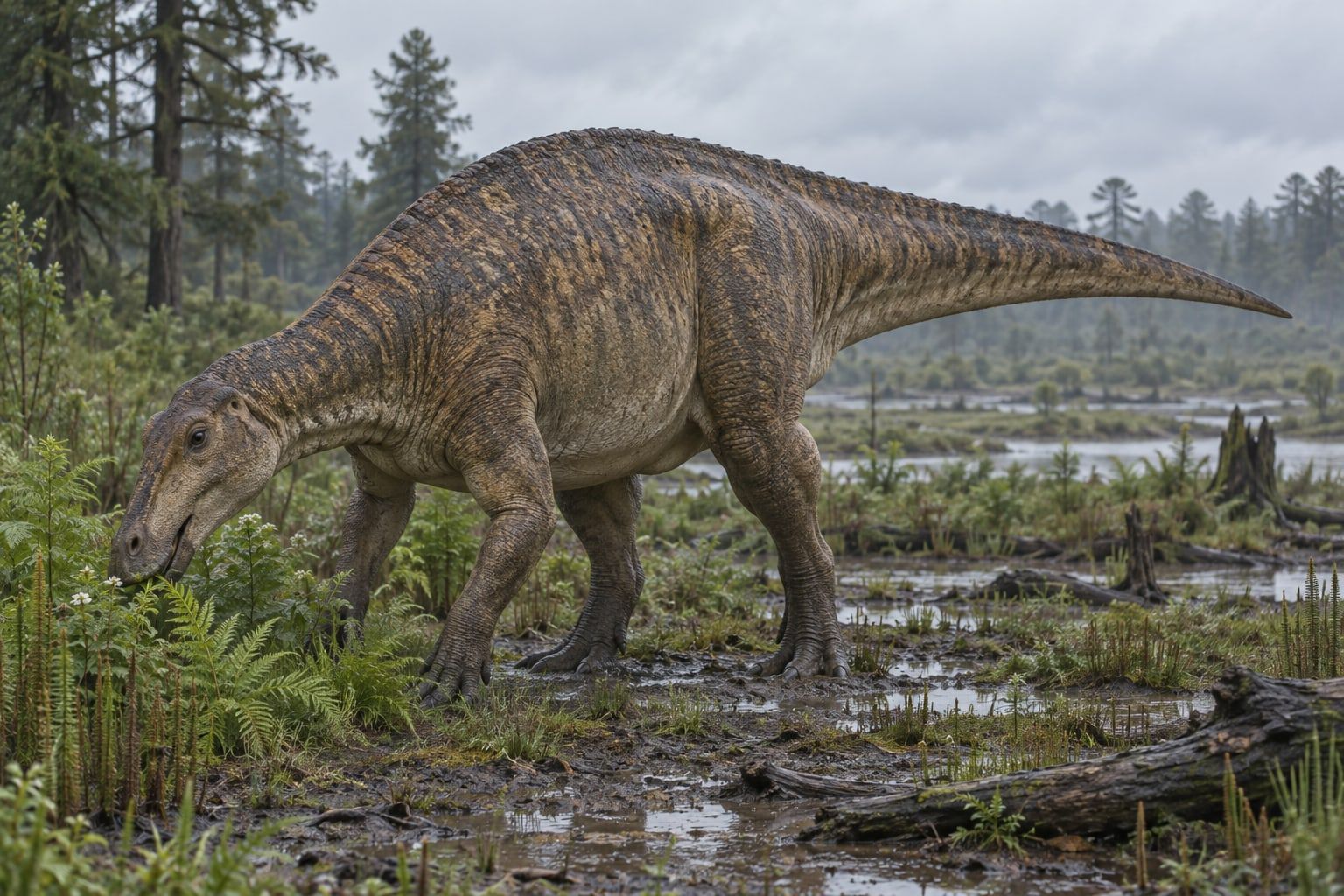
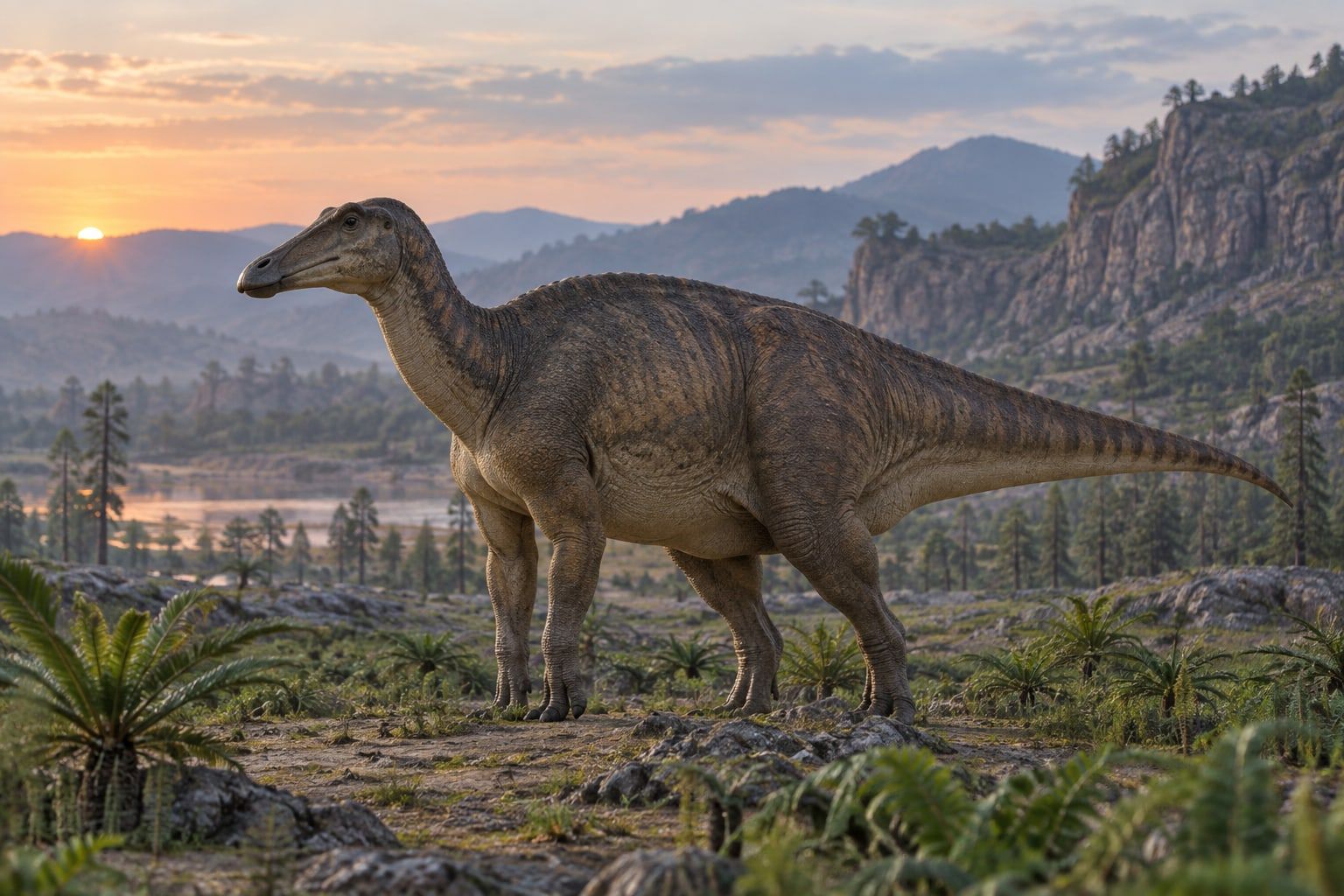
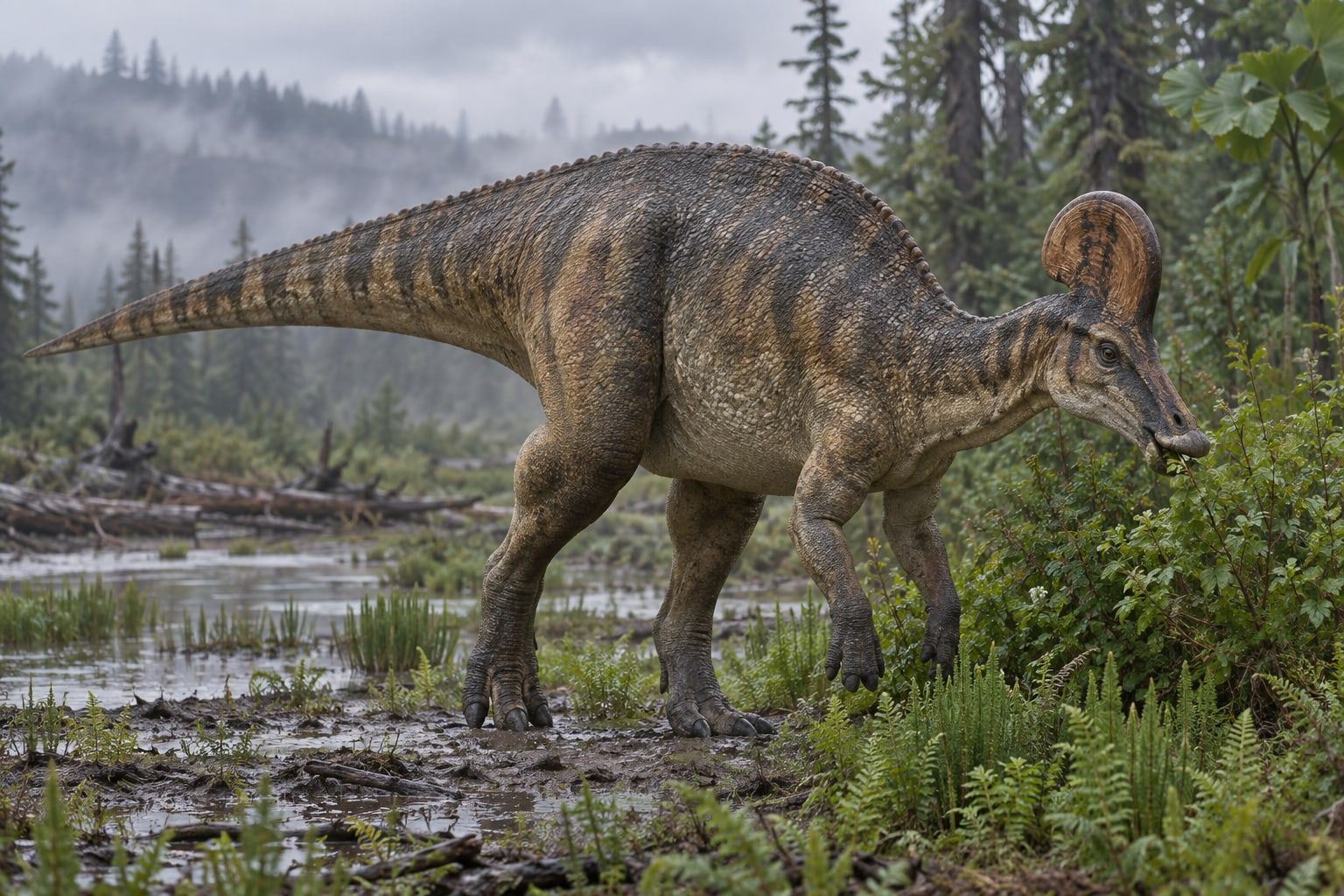
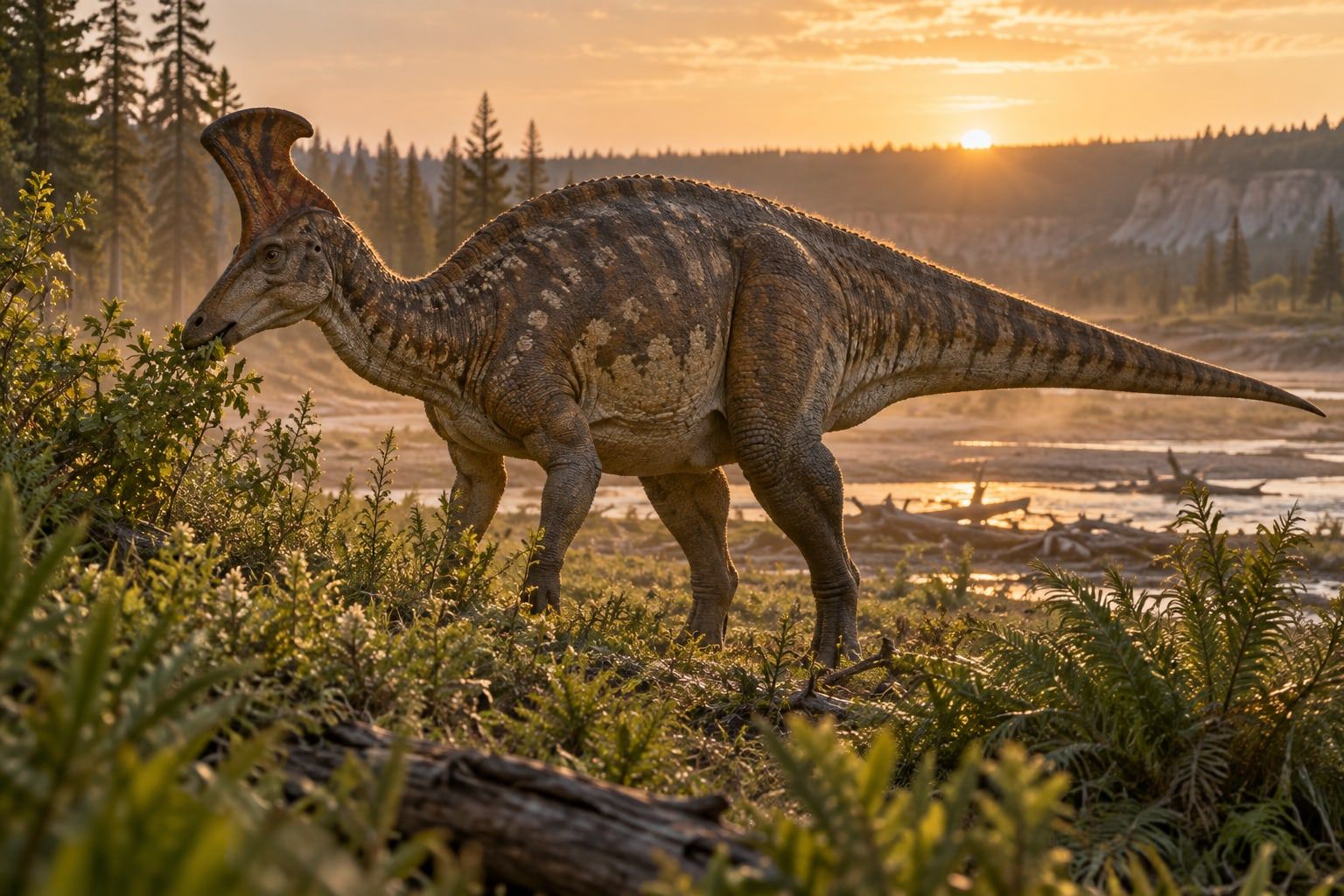
Tsintaosaurus was a duck-billed plant eater from the branch of hadrosaurs that carried hollow crests on their heads. It had a broad beak and rows of grinding teeth for chewing tough plants, and it could walk on all fours or on its hind legs.
Its crest has a long story. The first reconstruction showed a single spike pointing up and forward from its forehead, like a unicorn. A later study of the skull found that this bone was only part of a much larger, hollow crest, rising tall above the snout.
Its world
It lived about 84 to 72 million years ago, in the Late Cretaceous, in what is now eastern China. Its bones come from the Jingangkou Formation, where it lived alongside the hadrosaurs Tanius and Laiyangosaurus.
How it was found
Young named Tsintaosaurus in 1958 from several finds. It remains one of the best known crested hadrosaurs from Asia.
Lived alongside
Found in the same rock formations
Close relatives
Other members of Hadrosauridae
Sources: WikidataNamed in: C.-C. Young. 1958. The dinosaurian remains of Laiyang, Shantung. Palaeontologia Sinica, New Series C, Whole Number 42(16):1-138