Outline: a typical theropod
Sinornithomimus
"Chinese bird mimic"
- Lived
- 94 to 90 million years ago, Late Cretaceous
- Diet
- Omnivore
- Group
- Theropods, Ornithomimidae
- Found in
- China
- Named by
- Kobayashi and Lü 2003
Where its fossils were found
The evidence
Today
90 million years ago
Field notes
About Sinornithomimus
What it was like
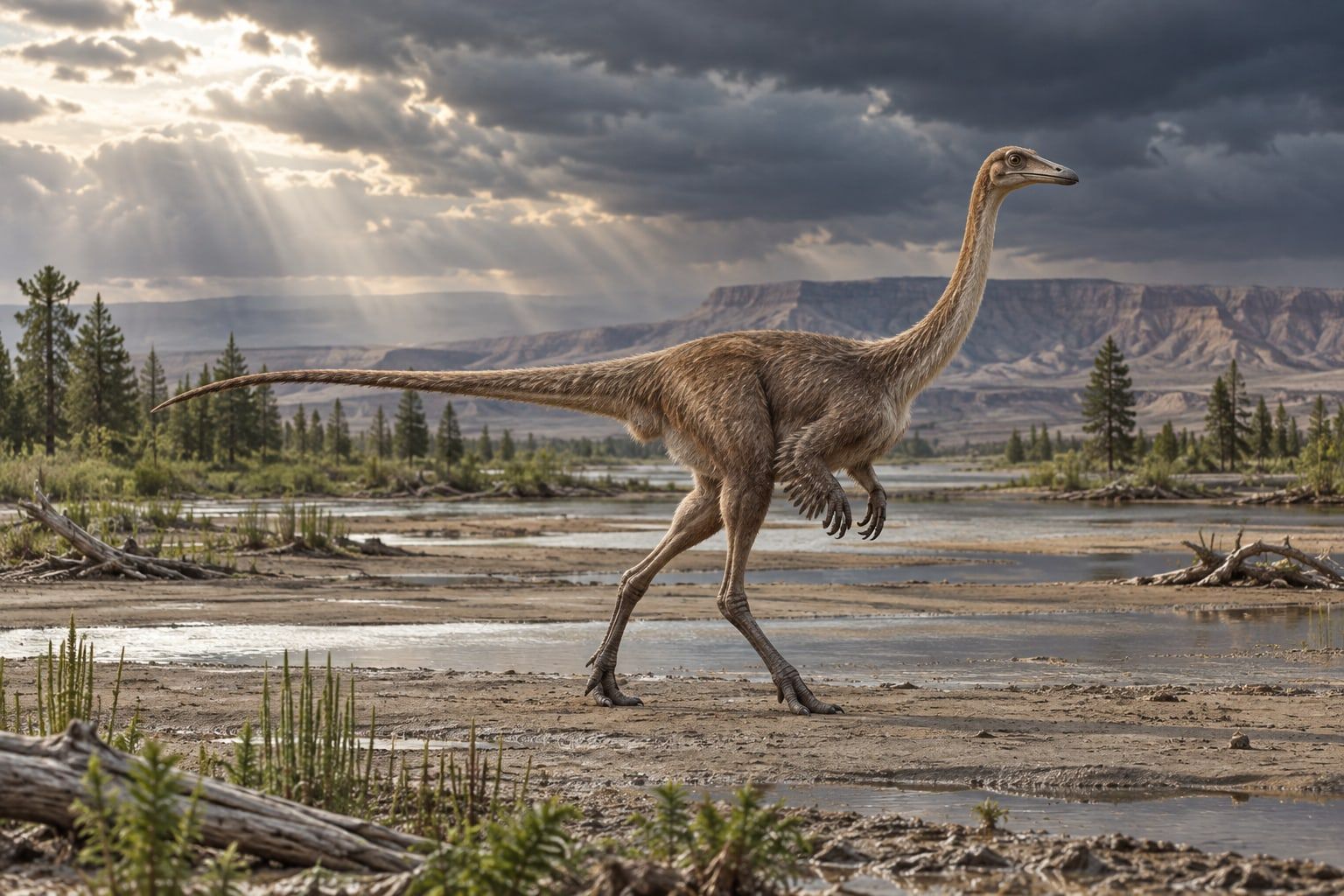
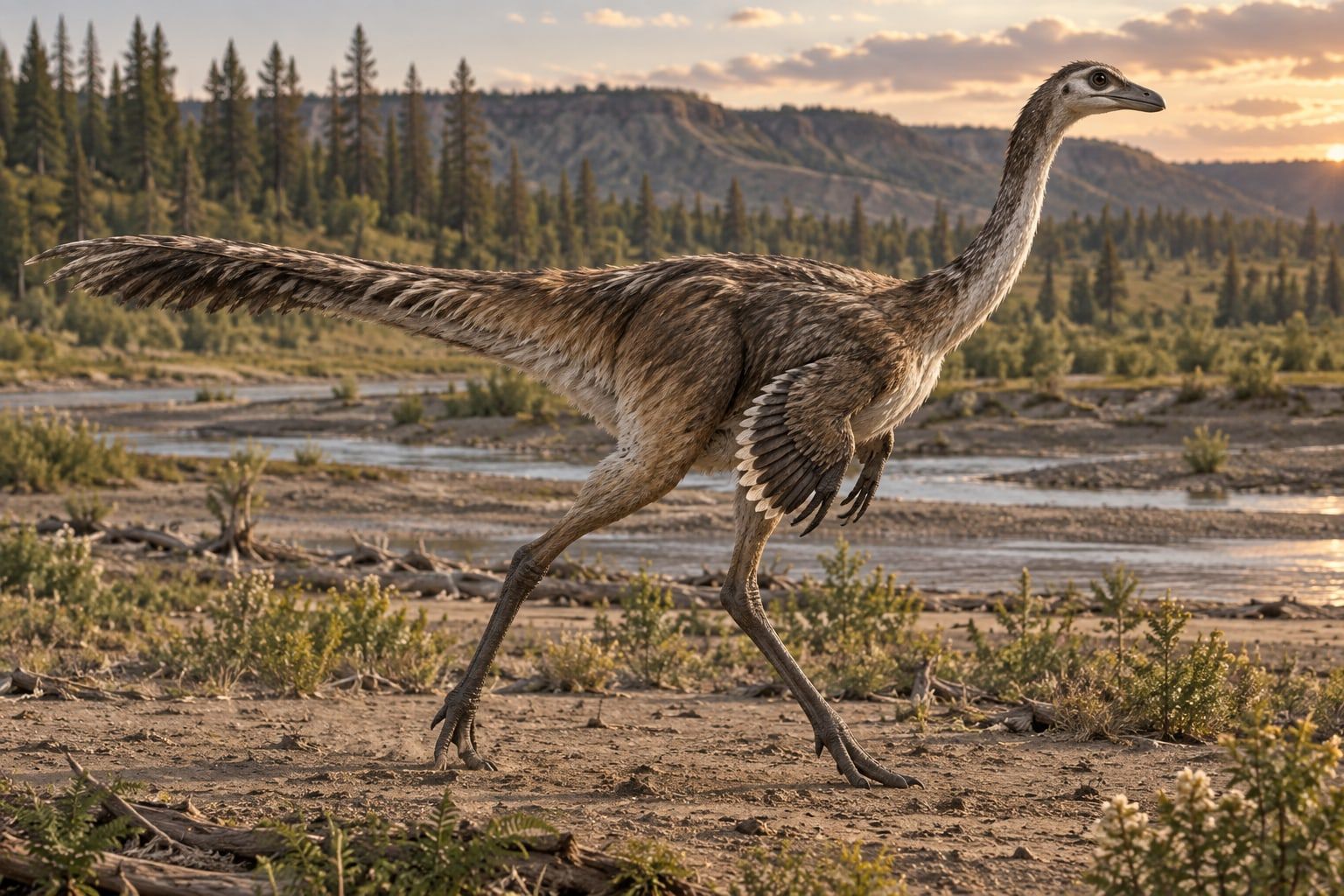
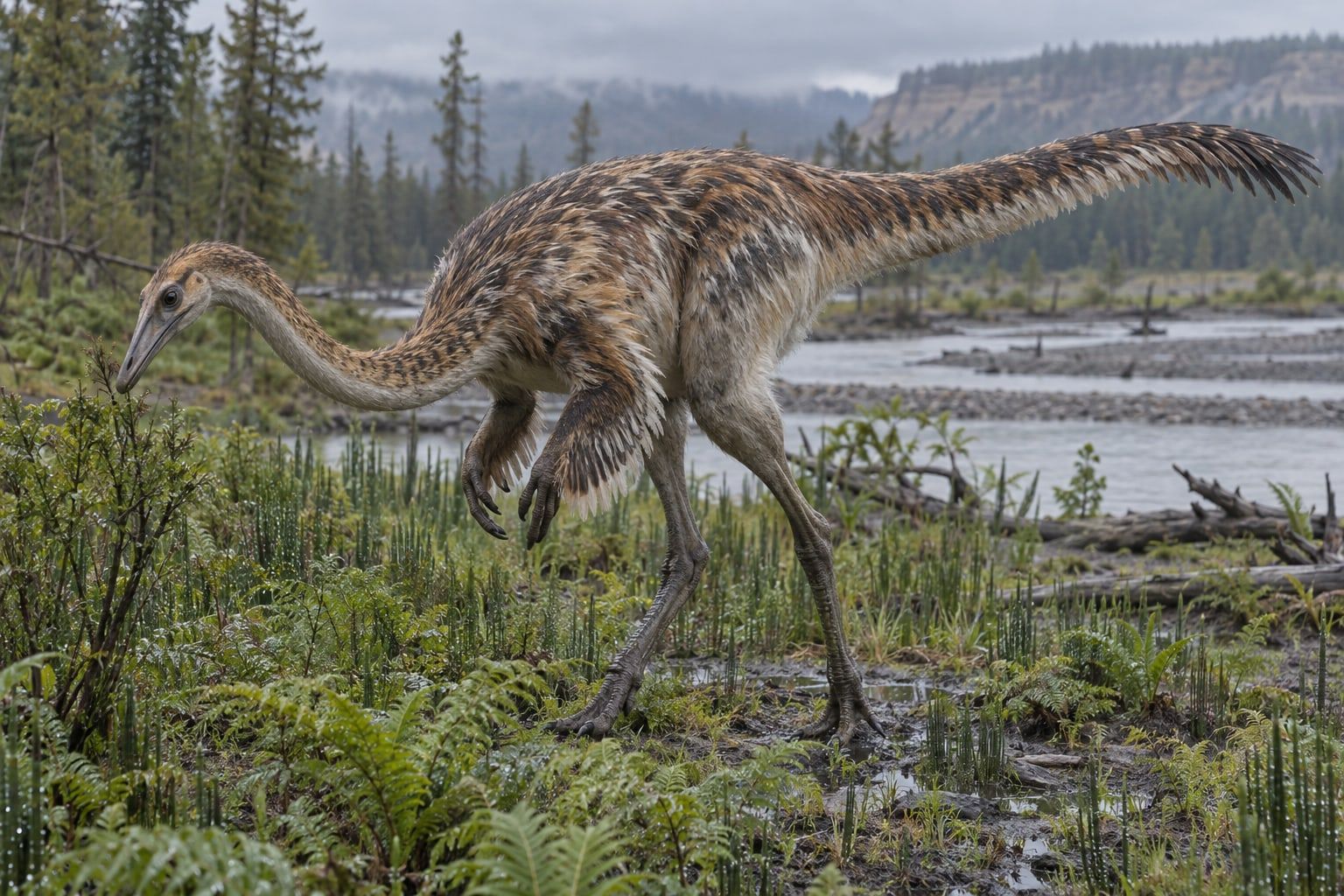
Sinornithomimus was an ostrich-like dinosaur with long legs, a long neck and a toothless beak. Many skeletons have been found, mostly of young animals, and some have small stones in the belly that probably helped grind plants.
Its world
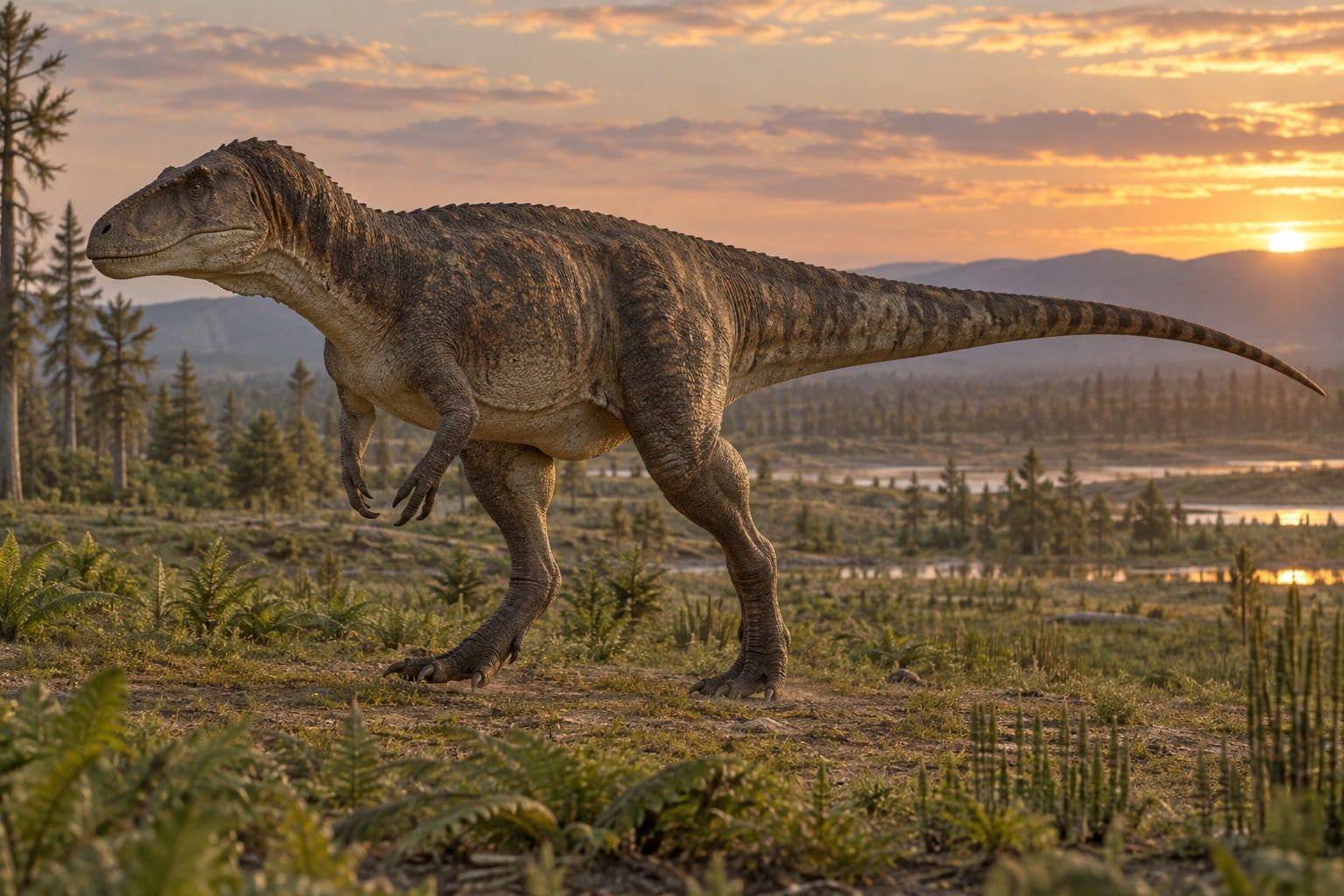
It lived in the Late Cretaceous in what is now northern China. Its bones come from the Ulansuhai Formation, where it shared the land with the big hunter Chilantaisaurus.
How it was found
Kobayashi and Lü named Sinornithomimus in 2003. More than a dozen skeletons were found together, which suggests a group of young animals died at the same time, perhaps trapped in mud.
Lived alongside
Found in the same rock formations
Close relatives
Other members of Ornithomimidae
Sources: WikidataNamed in: Y. Kobayashi and J. Lü. 2003. A new ornithomimid dinosaur with gregarious habits from the Late Cretaceous of China. Acta Palaeontologica Polonica 48(2):235-259