Shishugounykus
"Shishugou claw"
Type species Shishugounykus inexpectus
- Lived
- 162 to 155 million years ago, Late Jurassic
- Diet
- Carnivore
- Group
- Theropods
- Found in
- China
- Named by
- Qin et al. 2019
Where its fossils were found
The evidence
Today

160 million years ago
Habitat
The Shishugou Formation preserves petrified trees from its Jurassic landscape. Guanlong, Limusaurus and Mamenchisaurus also lived in this region.
Field notes
About Shishugounykus
What it was like
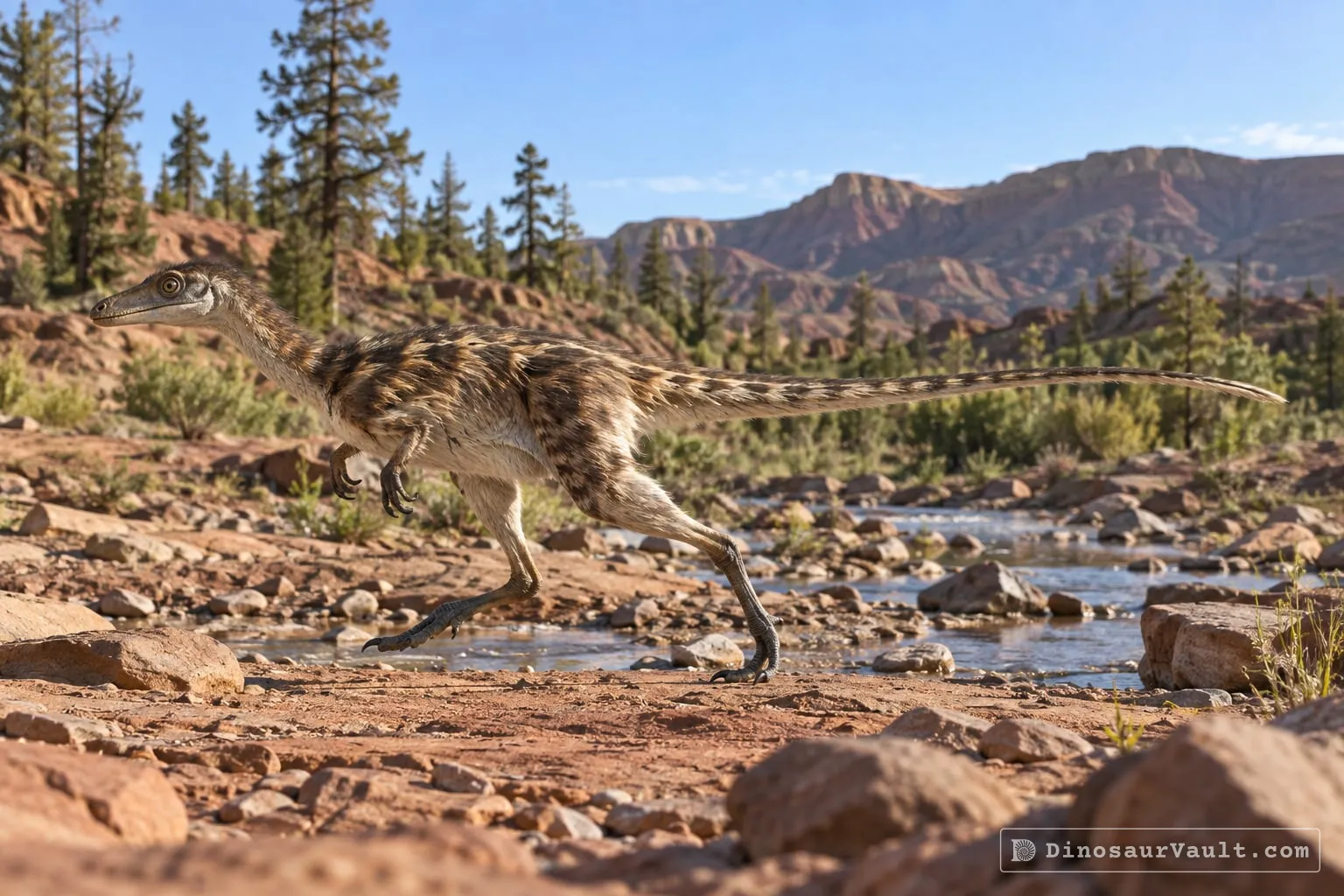
Shishugounykus was an early alvarezsaur, a small, bird-like theropod. Later members of its group had short arms with one big claw, but Shishugounykus still had longer arms with more normal hands.
Its world
It lived about 162 to 155 million years ago, in the Late Jurassic, in what is now northwestern China. Its bones come from the Shishugou Formation, where it shared the land with the crested Guanlong, the small Limusaurus and the long-necked Mamenchisaurus.
How it was found
Qin and colleagues named it in 2019. The type species is Shishugounykus inexpectus.
Field gallery
More views of Shishugounykus
Scenes reconstructed from the available fossil evidence.
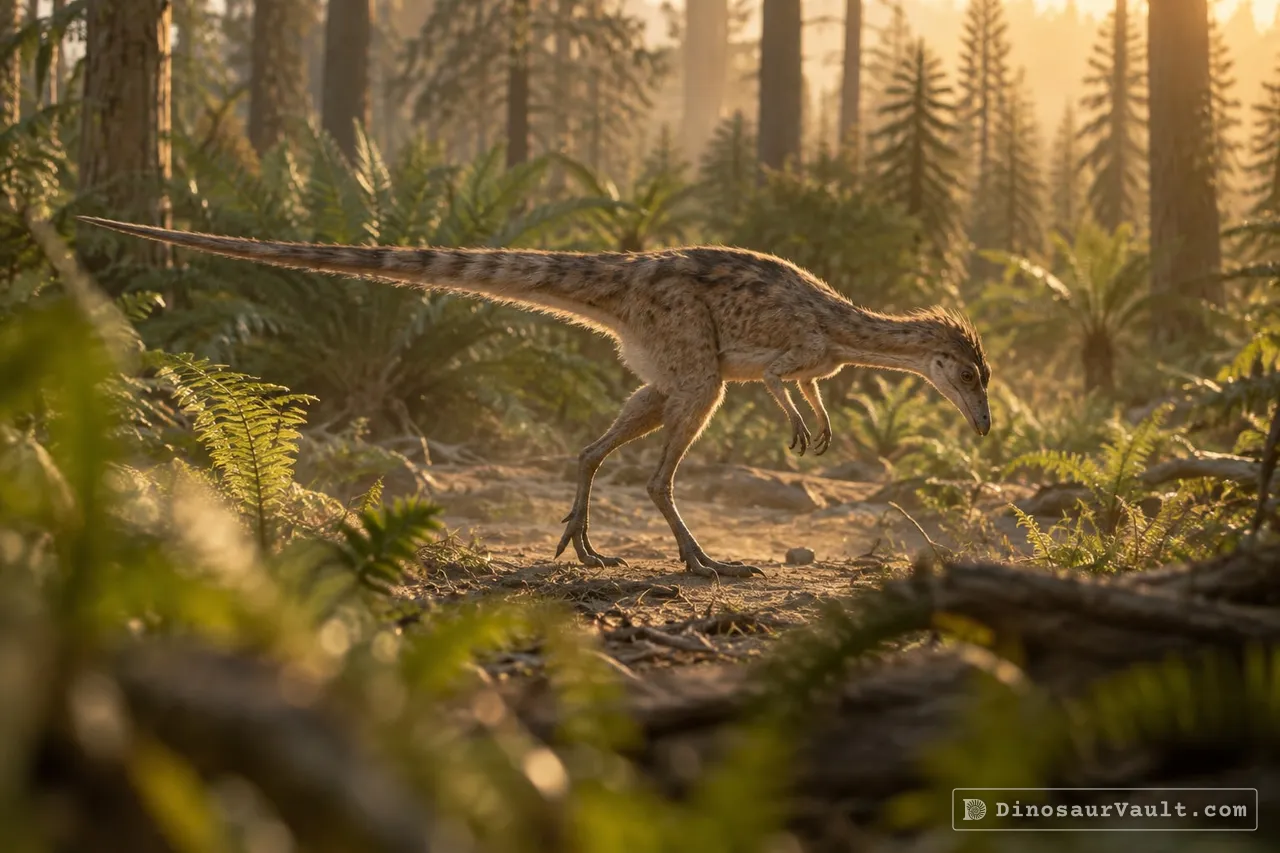
1 of 3
Lived alongside
Found in the same rock formations
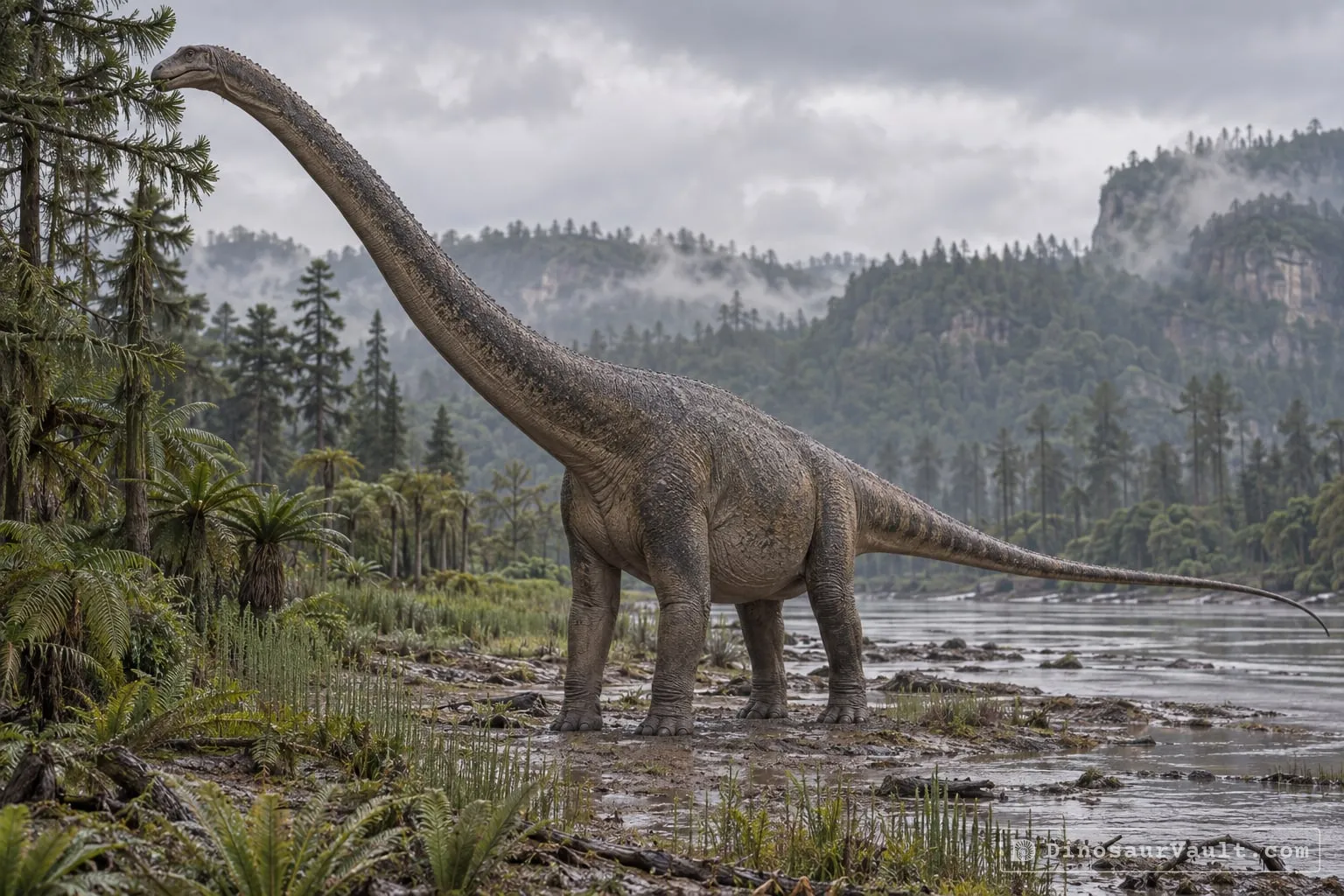
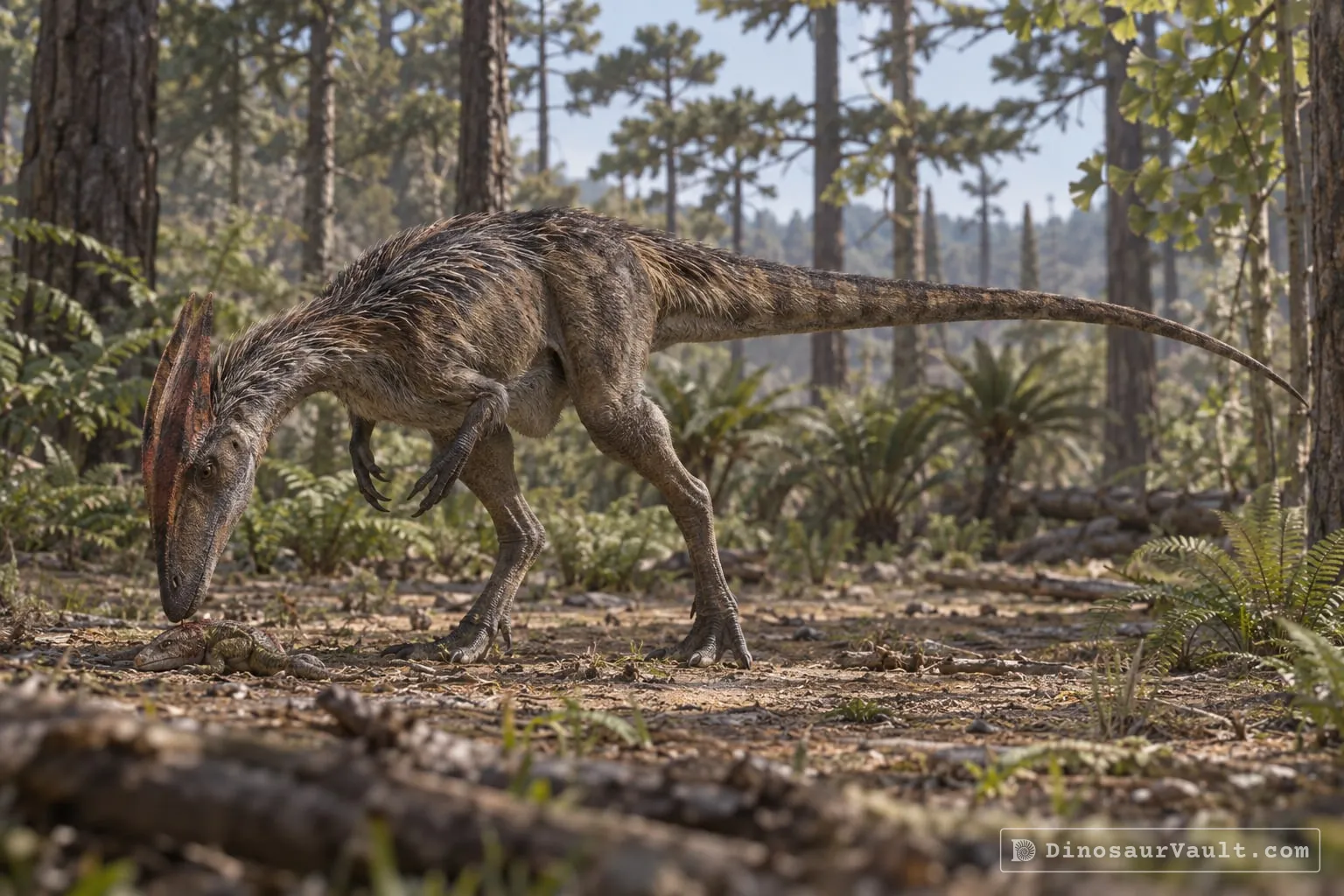
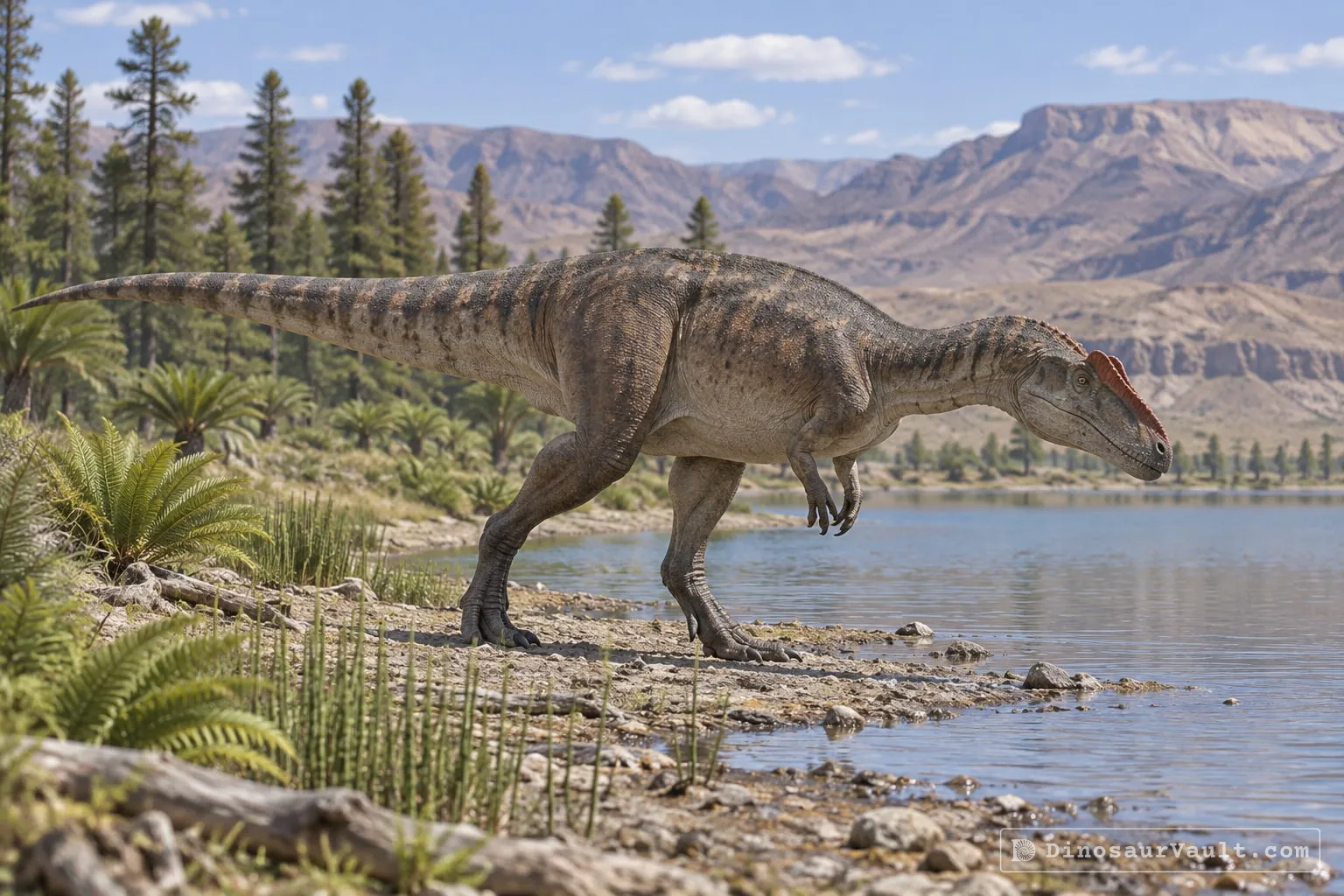
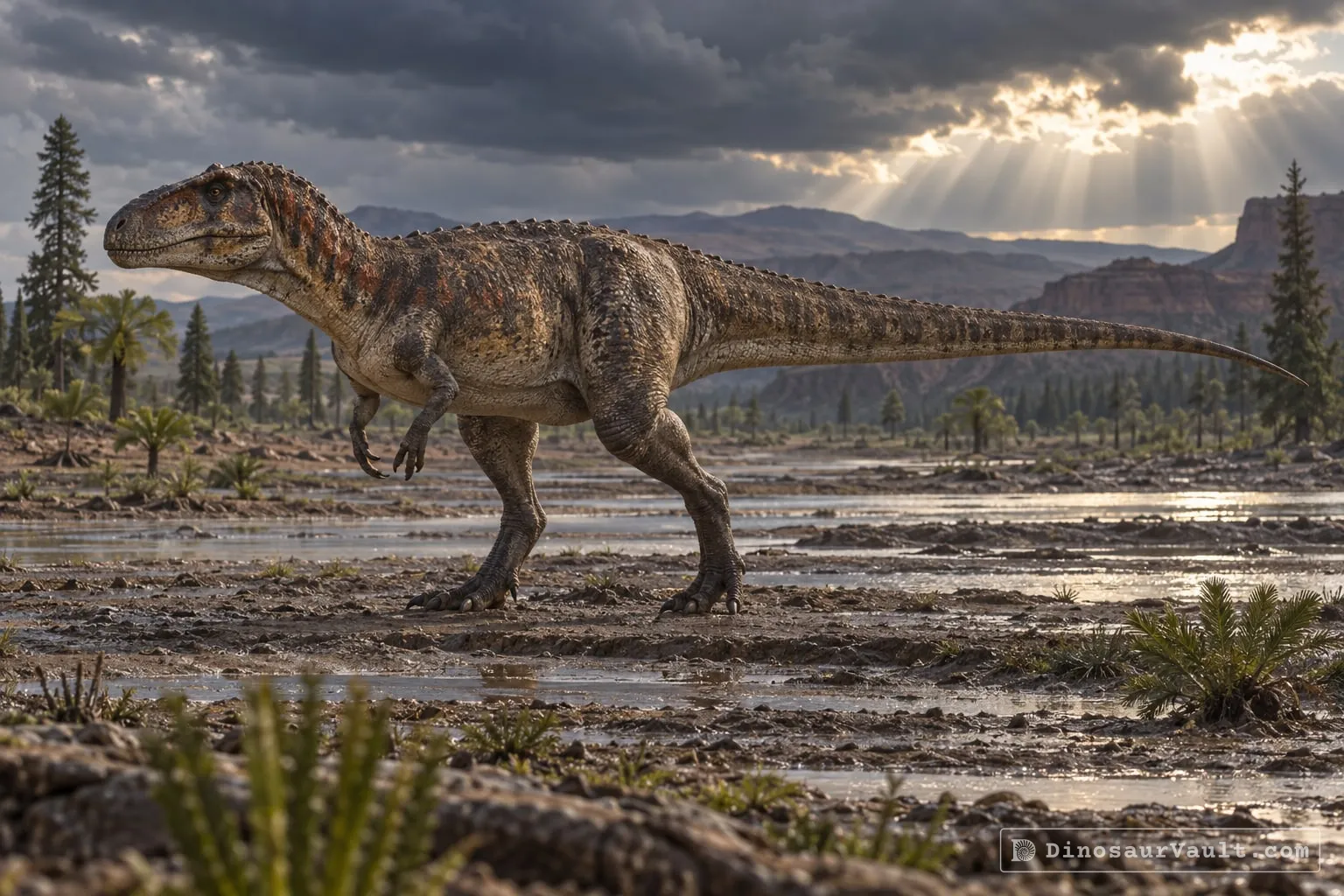
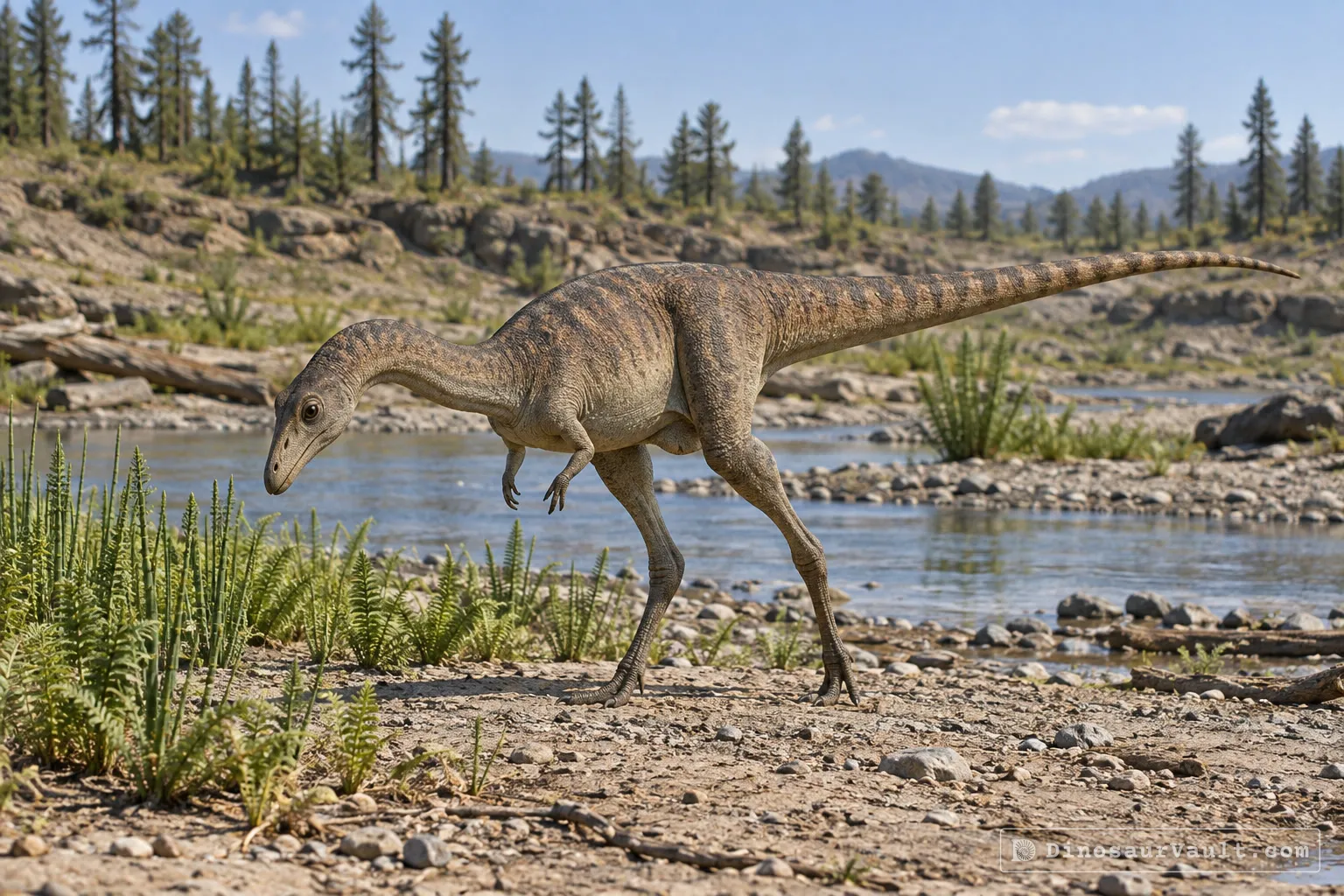
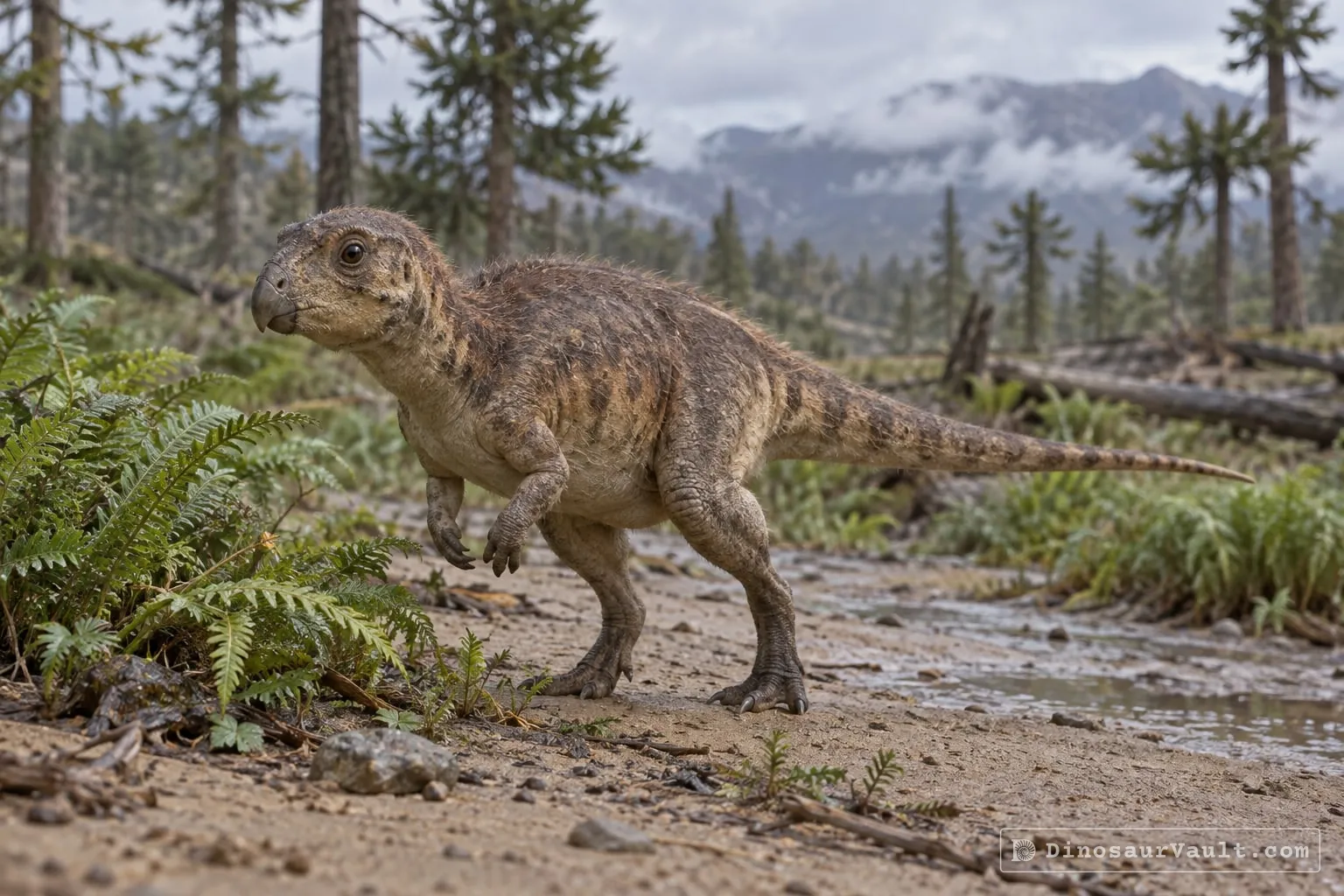
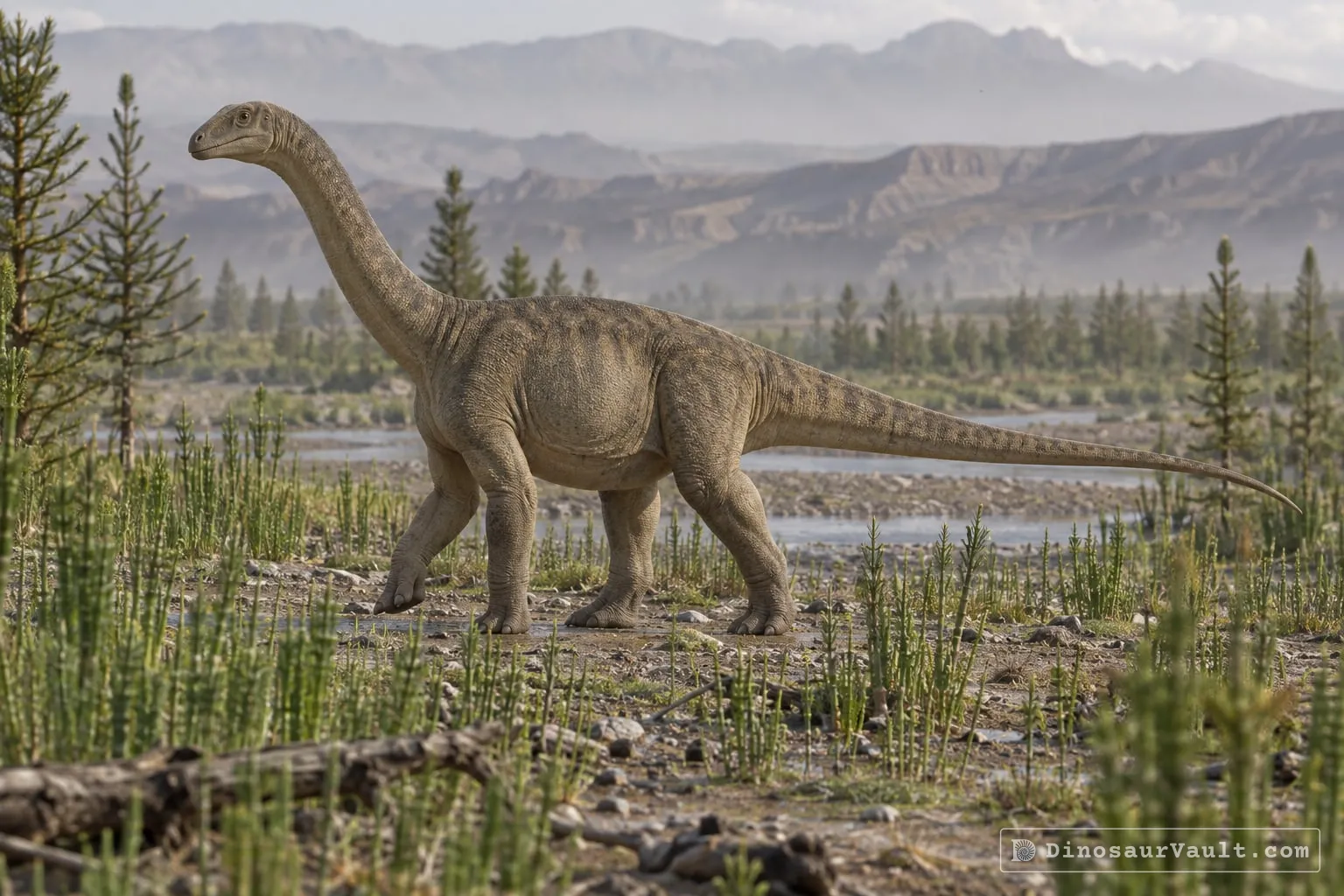


A rock formation can hold fossils laid down millions of years apart, so not every animal here met Shishugounykus.
The evidence
The science behind Shishugounykus
Which parts of the picture come from its own bones, and which come from its relatives.
From its own fossils
- A single partial skeleton includes pieces of the skull, backbone, shoulder, arms, hips and legs, with a nearly complete right hand. The skull pieces are identified only tentatively.
- In the hand, the inner finger is the sturdiest, the middle one is longer and thinner, and the outer one is slender. The inner two claws are about the same size, the middle one more strongly curved, and the outer claw is much smaller.
- The thigh bone is slender and bowed, and the structure of its leg bones suggests a nearly full-grown animal.
Borrowed from relatives
- The missing front of the skull, the lower jaw and the wrist bones are restored by comparison with Haplocheirus, a relative from the same rocks.
- Bannykus guides the general build of the neck, chest and hips, but not its more specialized arms and hands.
Still unknown
- The shape of its snout and the bones of its wrist.
- Whether it was truly an early alvarezsaur. Its describers and a later analysis place it there, but another study doubts that it and other Jurassic species belong to the group.
- How mature it was, since its bone tissue and the fusion of its skeleton point in different directions.
Discovery timeline
- 2010Close relativeChoiniere et al.
- 2019Named itQin et al.
- 2021Growing upQin et al.
- 2021Family treeAgnolín et al.
- 2024Family treeMeso et al.
Key papers
The research behind what we know of Shishugounykus
Close relative
Described Haplocheirus, an early alvarezsaur from the same formation, with grasping hands that help explain the group's later arm specialization.
A Basal Alvarezsauroid Theropod from the Early Late Jurassic of Xinjiang, China. Science 327: 571-574
Read the paper : A Basal Alvarezsauroid Theropod from the Early Late Jurassic of Xinjiang, China (opens in a new tab)Named it
Described a partial skeleton with a nearly complete hand, showing an early stage in the evolution of specialized alvarezsaur arms.
A new alvarezsaurian theropod from the Upper Jurassic Shishugou Formation of western China. Scientific Reports 9
Read the paper : A new alvarezsaurian theropod from the Upper Jurassic Shishugou Formation of western China (opens in a new tab)Growing up
Combined bone growth studies with body-size comparisons to trace how alvarezsaurs became smaller and developed different growth strategies.
Growth and miniaturization among alvarezsauroid dinosaurs. Current Biology 31: 3687-3693.e5
Read the paper : Growth and miniaturization among alvarezsauroid dinosaurs (opens in a new tab)Family tree
Compared alvarezsaur skulls and questioned whether Jurassic species such as Haplocheirus and Shishugounykus really belong to the group.
Alvarezsaurid osteology: new data on cranial anatomy. Historical Biology 34: 443-452
Read the paper : Alvarezsaurid osteology: new data on cranial anatomy (opens in a new tab)Family tree
A family-tree and body-size study of alvarezsaurs that found Shishugounykus among the earliest members of the group.
Body size and evolutionary rate analyses reveal complex evolutionary history of Alvarezsauria. Cladistics 41: 135-155
Read the paper : Body size and evolutionary rate analyses reveal complex evolutionary history of Alvarezsauria (opens in a new tab)
Close relatives
Other members of Alvarezsauria
Sources: Wikidata