Quaesitosaurus
"extraordinary lizard"
- Lived
- 84 to 72 million years ago, Late Cretaceous
- Diet
- Herbivore
- Group
- Sauropods, Nemegtosauridae
- Found in
- Mongolia
- Named by
- Kurzanov and Bannikov 1983
Where its fossils were found
The evidence
Today

80 million years ago
Habitat
Sand dunes alternated with temporary lakes and streams in the region recorded by the Baruungoyot Formation. Other dinosaurs from these rocks include Saichania, Tarchia and Avimimus.
Field notes
About Quaesitosaurus
What it was like
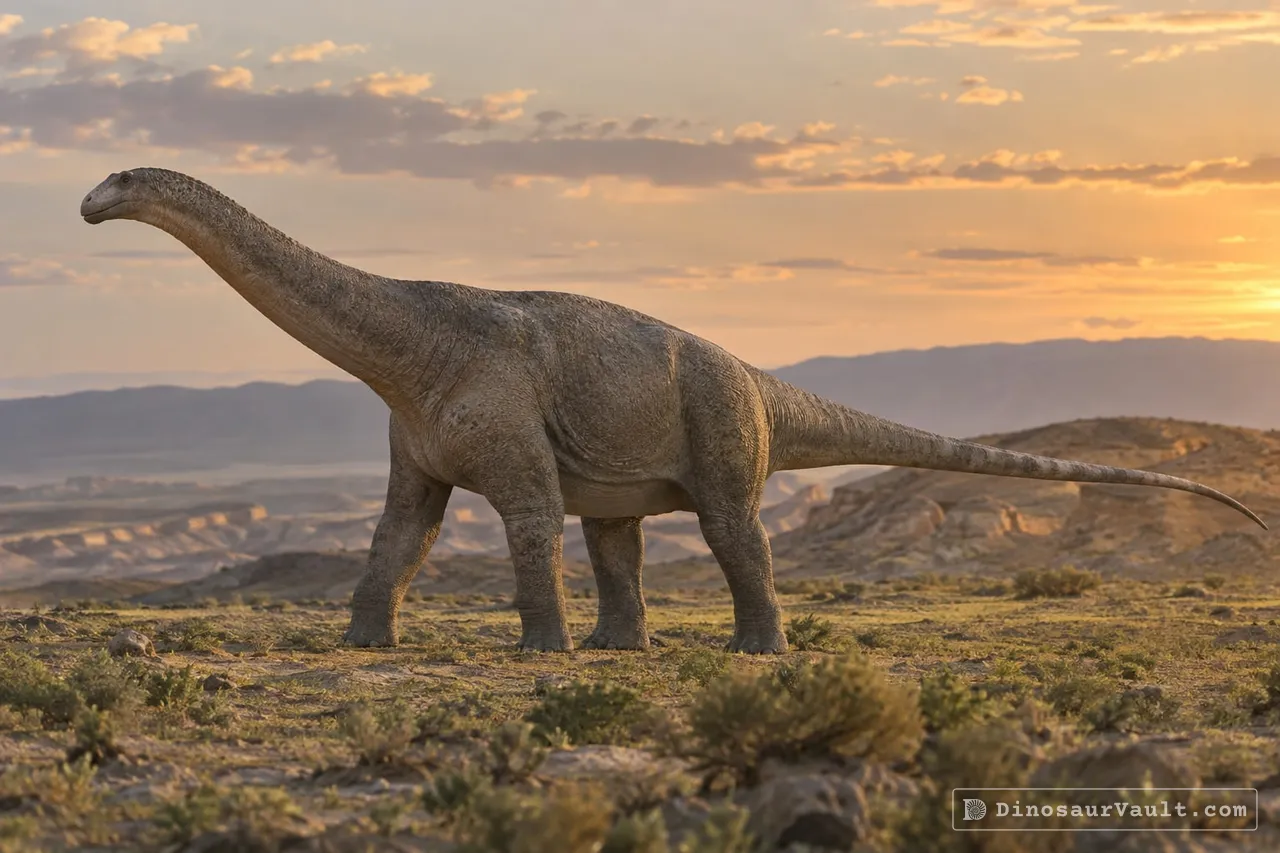
Quaesitosaurus was a titanosaur, a long-necked, four-legged plant eater, known only from a partial skull. Its skull was long and low, with thin, peg-like teeth at the front of its jaws, a little like that of Diplodocus.
Its ear region suggests it had good hearing.
Its world
It lived in the Late Cretaceous in what is now Mongolia. Its skull comes from the Baruungoyot Formation, where it shared the land with the armored Saichania and Tarchia.
How it was found
Kurzanov and Bannikov named Quaesitosaurus in 1983, from a single find. It may be a close relative, or even the same animal, as Nemegtosaurus, which is also known only from a skull.
Field gallery
More views of Quaesitosaurus
Scenes reconstructed from the available fossil evidence.
Lived alongside
Found in the same rock formations
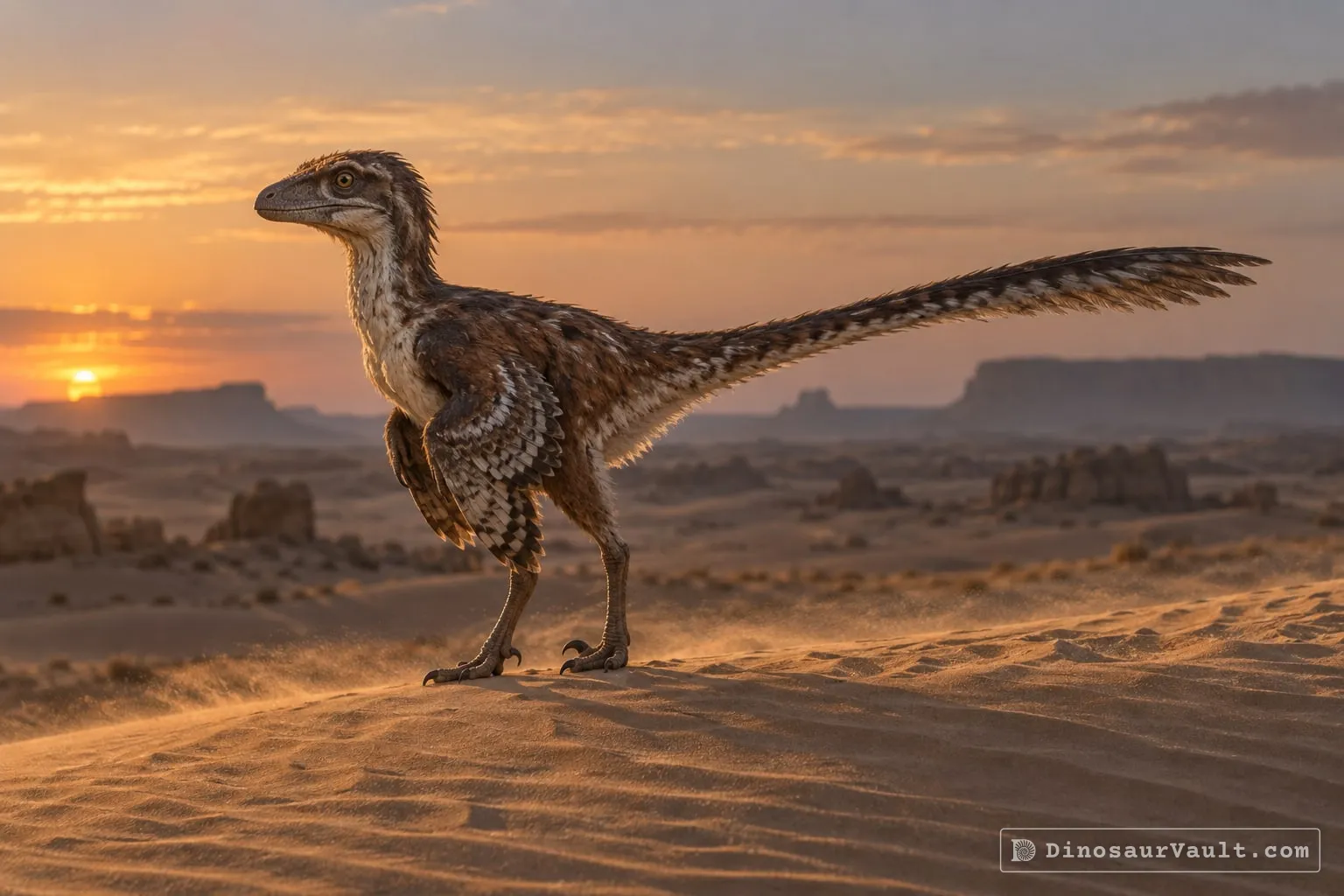
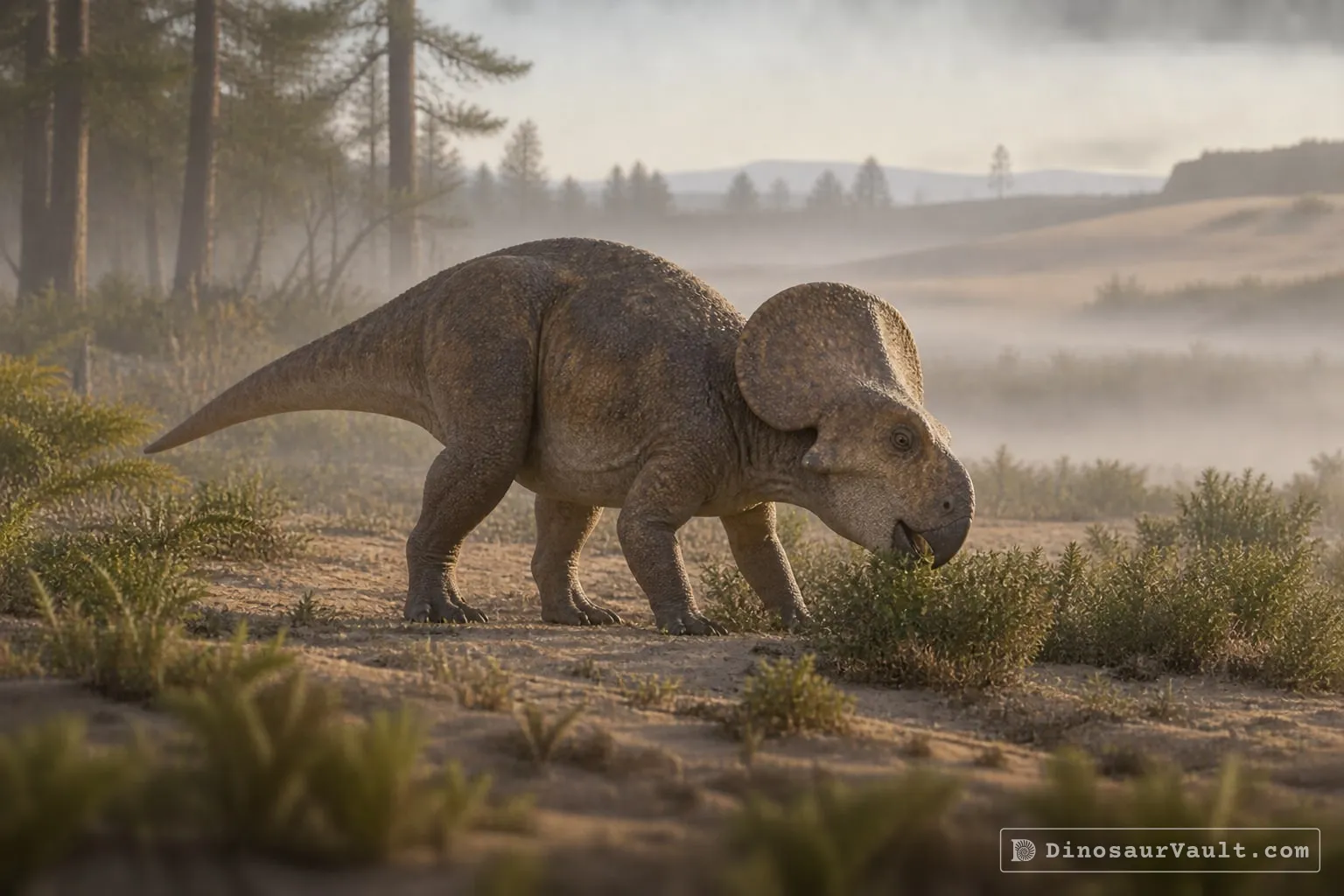
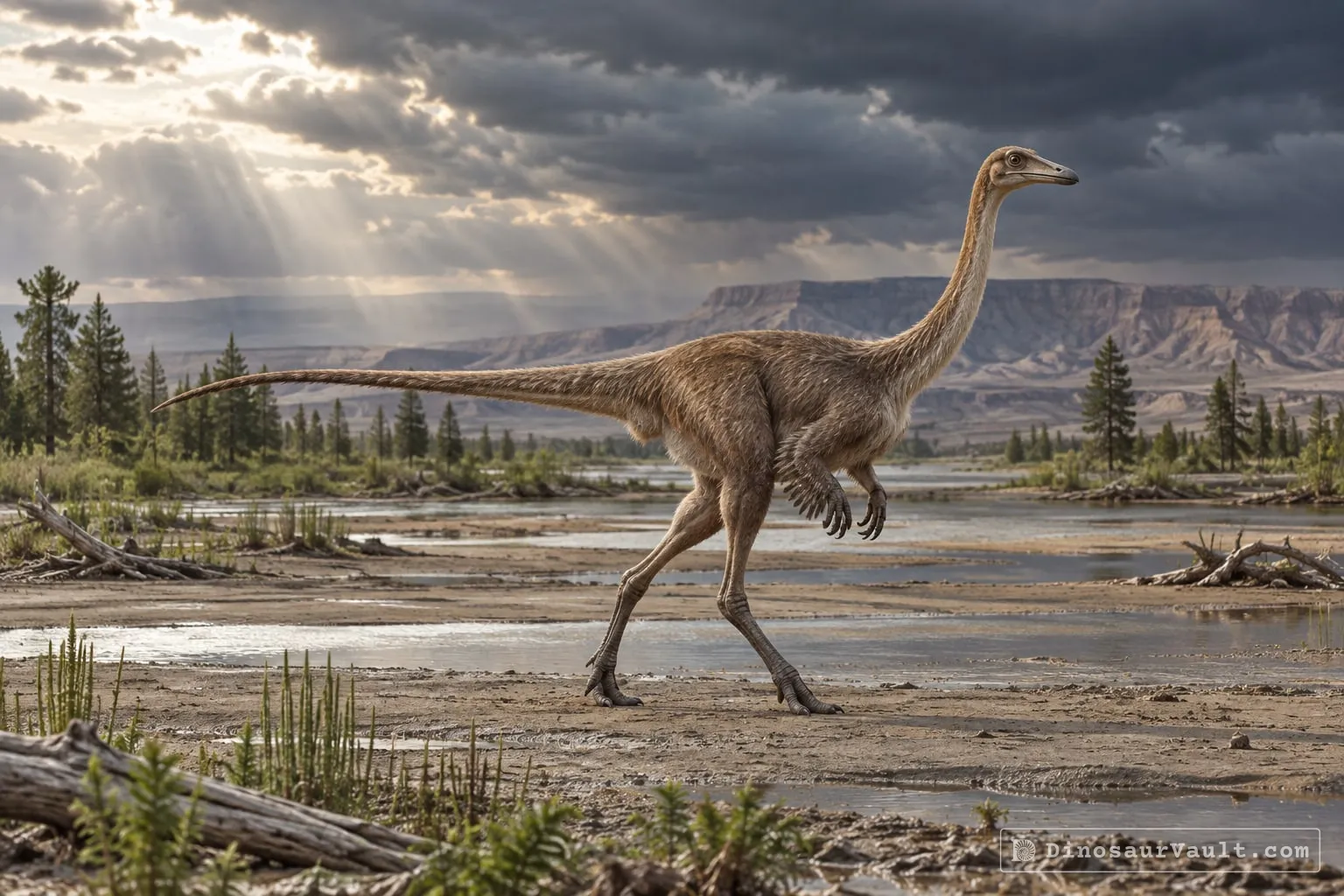
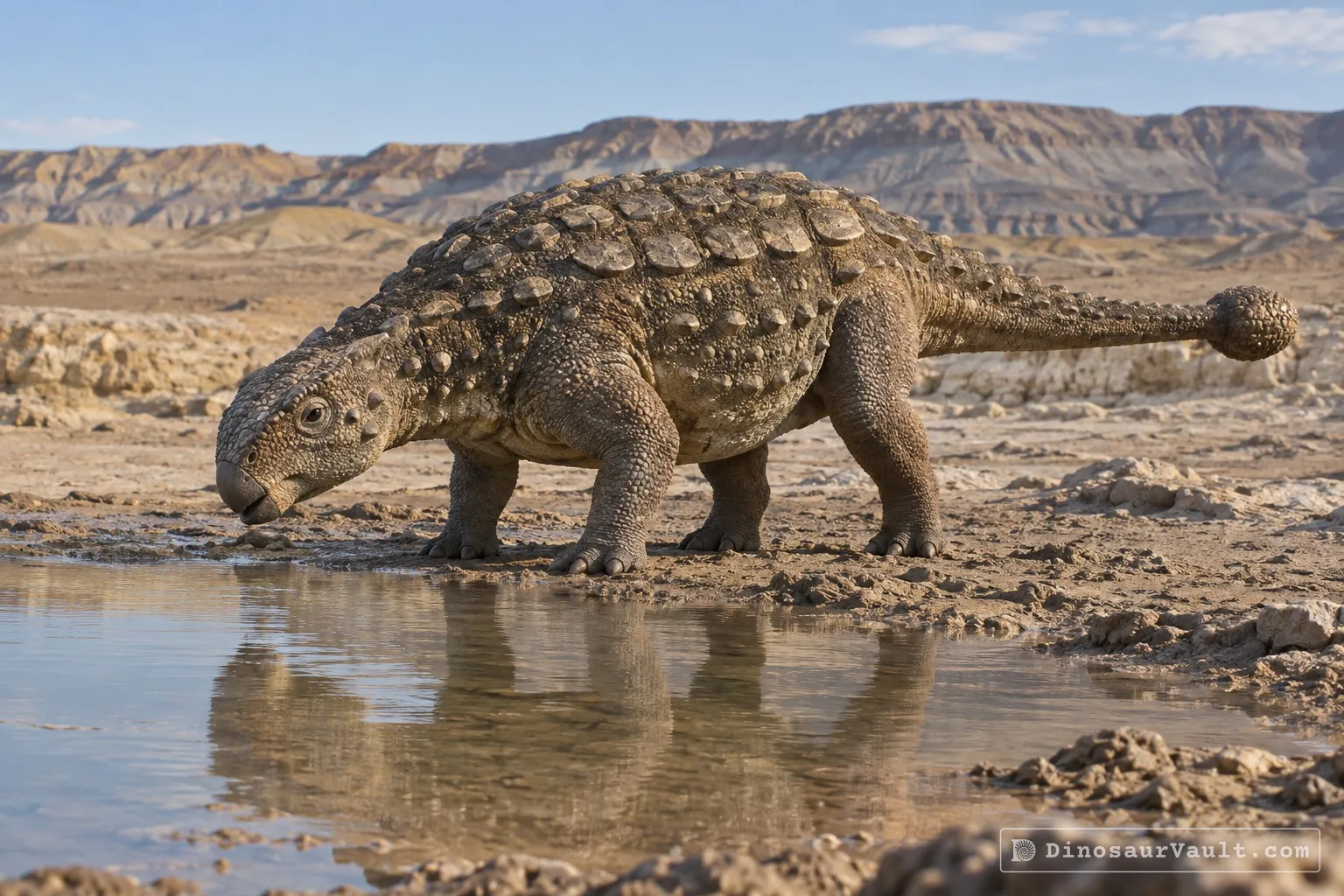
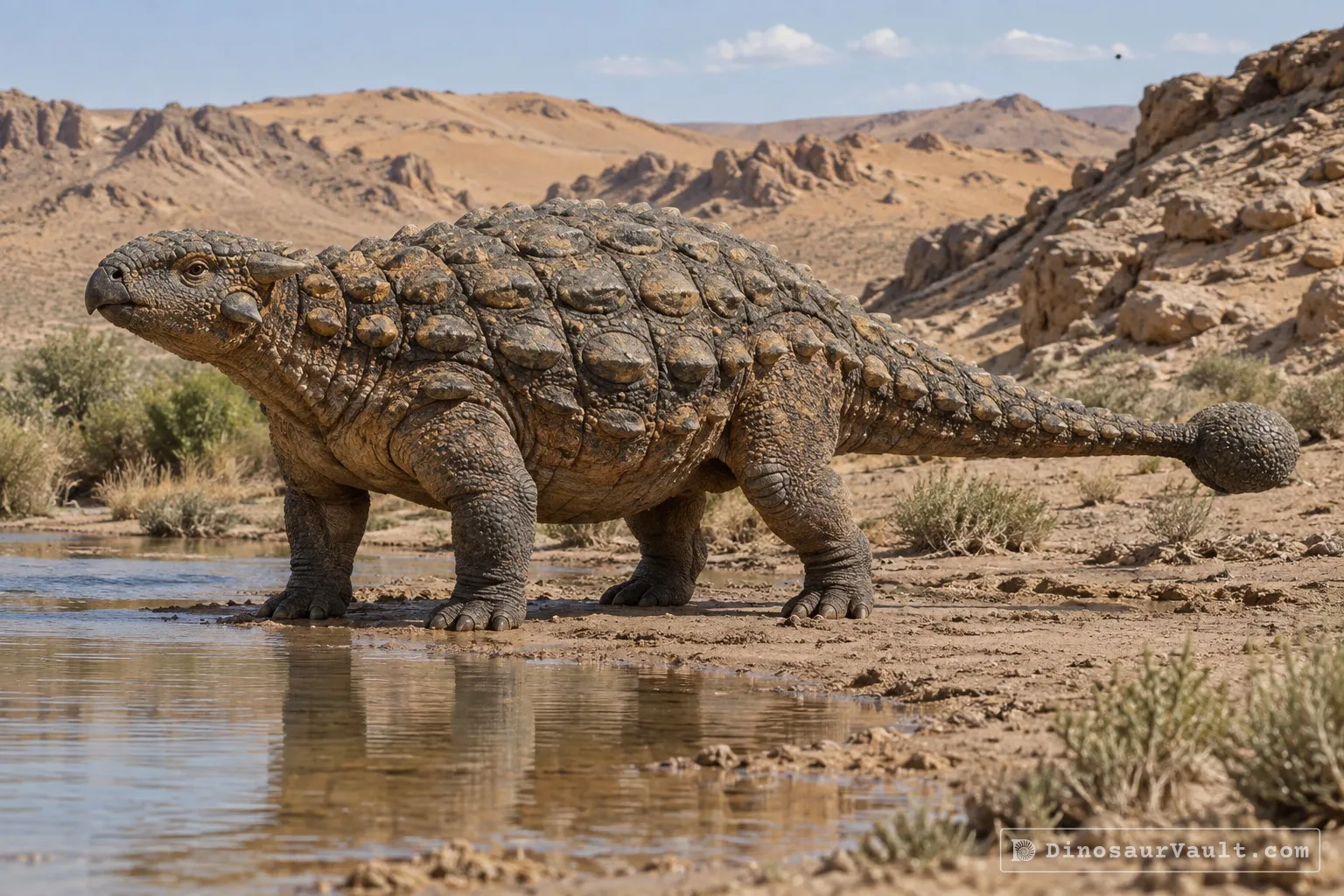
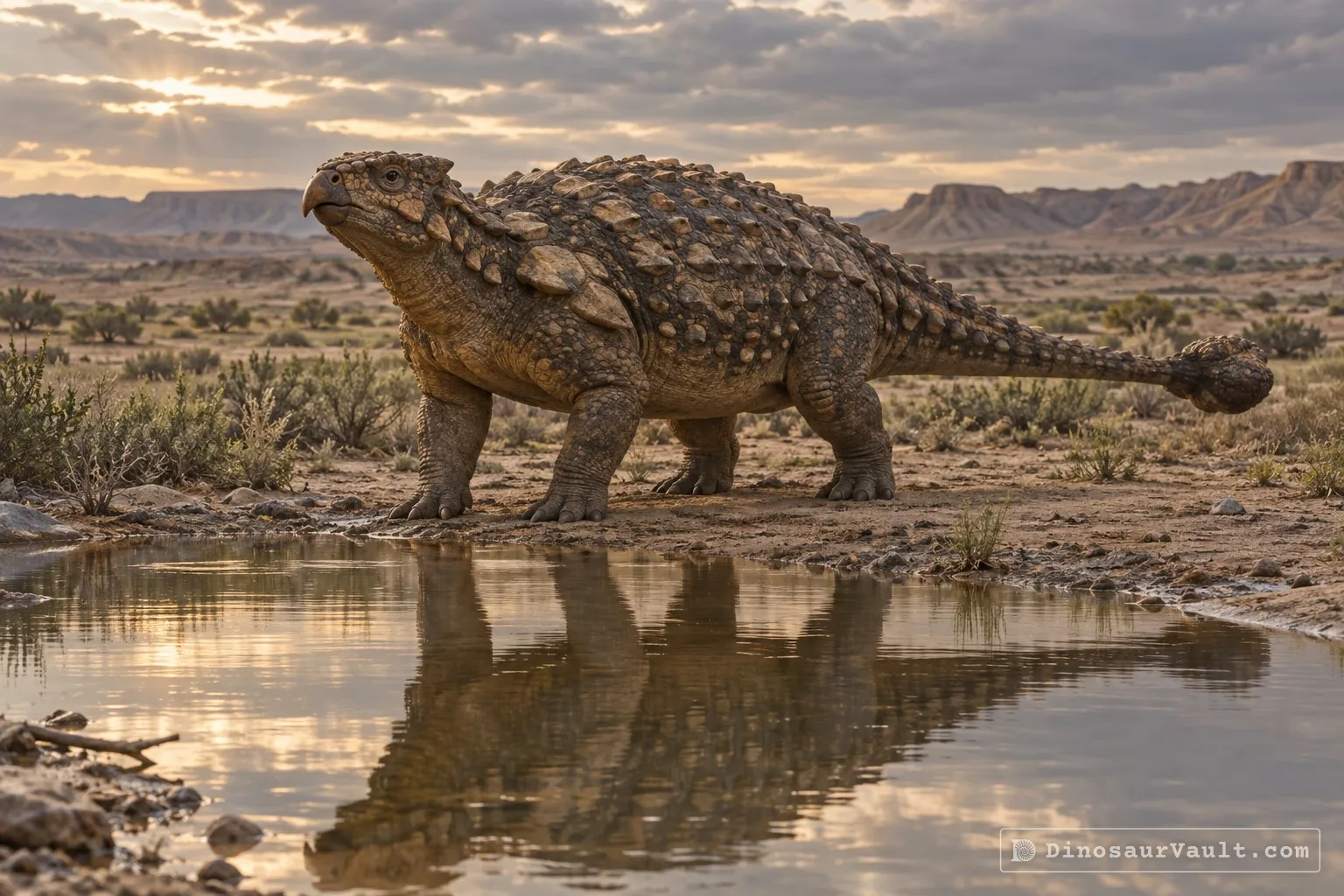
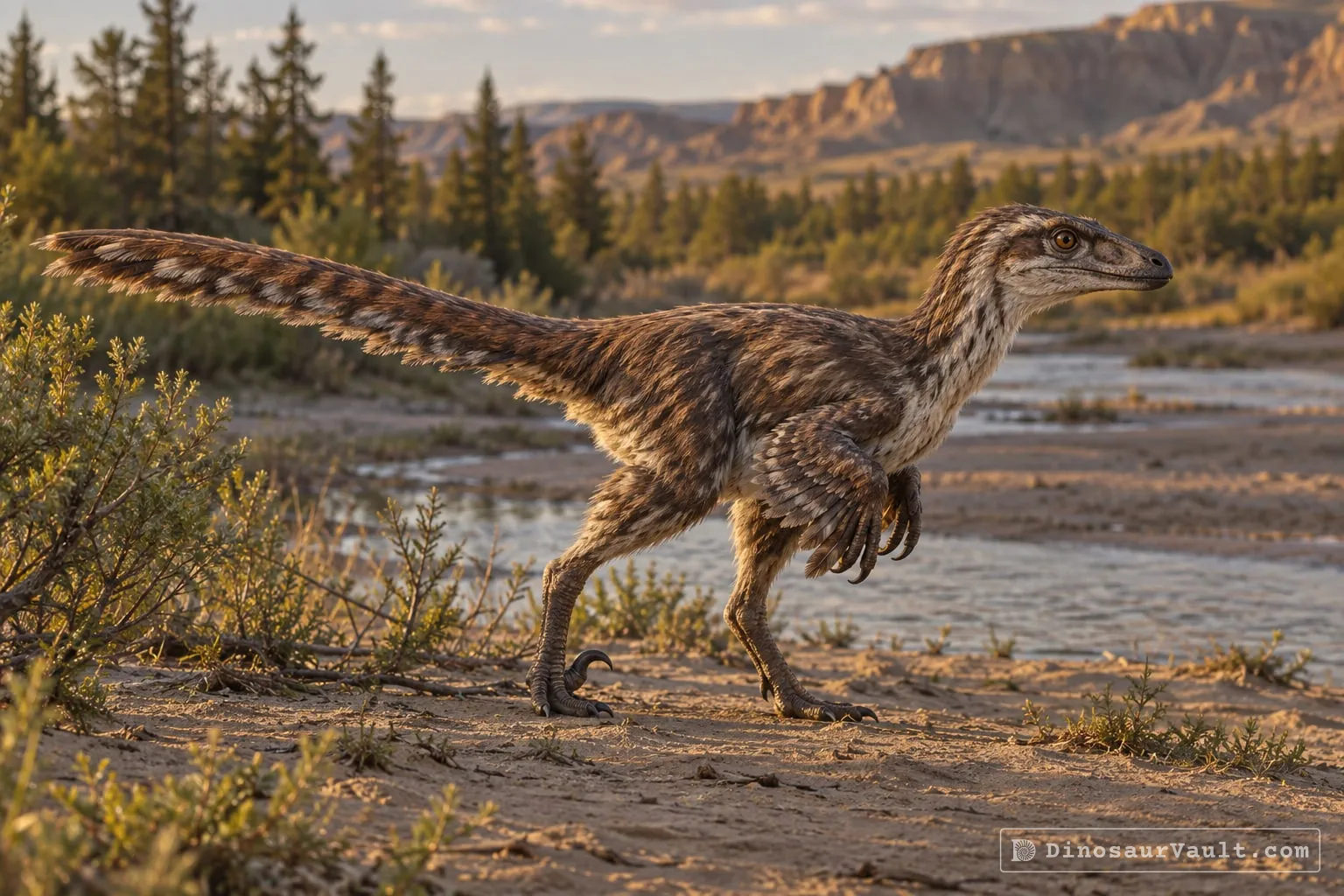
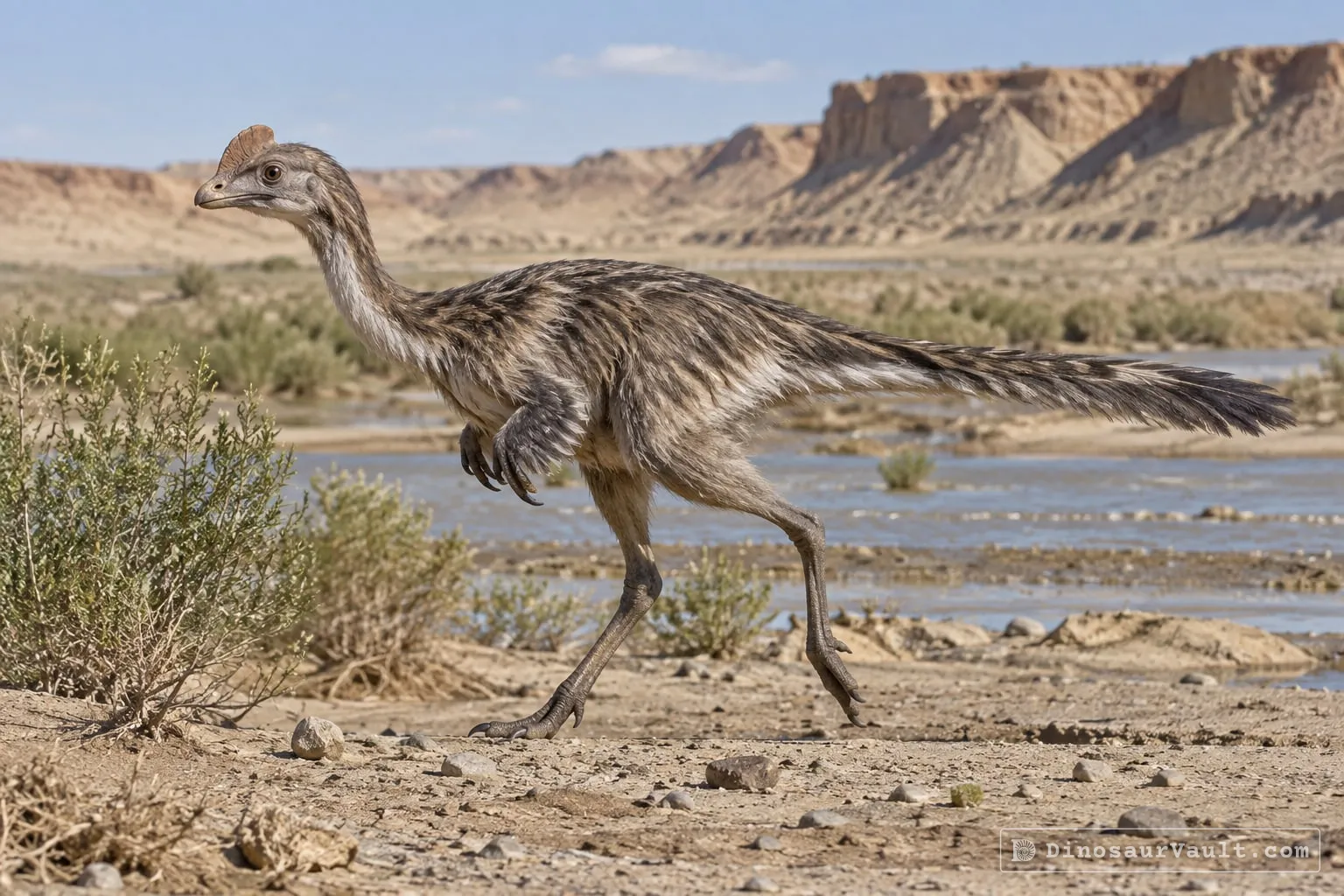


A rock formation can hold fossils laid down millions of years apart, so not every animal here met Quaesitosaurus.
The evidence
The science behind Quaesitosaurus
Which parts of the picture come from its own bones, and which come from its relatives.
From its own fossils
- A partial skull preserves the snout, the back of the head and the lower jaws.
- Slender teeth sit at the front of the jaws, with smaller teeth in the lower jaw than in the upper jaw.
Borrowed from relatives
- Nemegtosaurus provides a close comparison for missing parts of the skull.
- The long neck, heavy trunk and four-legged stance are restored from other titanosaurs, such as Rapetosaurus.
Still unknown
- Its body size and the proportions of its neck and tail.
- Its skin texture and color.
- Whether it had bony plates in its skin.
Discovery timeline
- 1974Its worldGradziński & Jerzykiewicz
- 1983Named itKurzanov & Bannikov
- 2001Close relativeCurry Rogers & Forster
- 2005Family treeWilson
Key papers
The research behind what we know of Quaesitosaurus
Its world
Interpreted the dinosaur-bearing rocks as sand dunes mixed with deposits from temporary lakes and streams.
Dinosaur- and mammal-bearing aeolian and associated deposits of the Upper Cretaceous in the Gobi Desert (Mongolia). Sedimentary Geology 12: 249-278
Read the paper : Dinosaur- and mammal-bearing aeolian and associated deposits of the Upper Cretaceous in the Gobi Desert (Mongolia) (opens in a new tab)Named it
Named Quaesitosaurus from a skull and originally placed it with relatives of Diplodocus.
Nouviy sauropod ys uerchnego mela MNR [New sauropod from the Upper Cretaceous of Mongolia]. Paleontologicheskii Zhurnal 1983: 90-96
No link available
Close relative
Described the skull and skeleton of Rapetosaurus, linking it with Quaesitosaurus and Nemegtosaurus among titanosaurs.
The last of the dinosaur titans: a new sauropod from Madagascar. Nature 412: 530-534
Read the paper : The last of the dinosaur titans: a new sauropod from Madagascar (opens in a new tab)Family tree
Identified skull features linking Nemegtosaurus and Quaesitosaurus to titanosaurs, changing how their bodies are restored.
Redescription of the mongolian sauropod nemegtosaurus mongoliensis nowinski (dinosauria: Saurischia) and comments on late cretaceous sauropod diversity. Journal of Systematic Palaeontology 3: 283-318
Read the paper : Redescription of the mongolian sauropod nemegtosaurus mongoliensis nowinski (dinosauria: Saurischia) and comments on late cretaceous sauropod diversity (opens in a new tab)
Close relatives
Other members of Nemegtosauridae

Sources: Wikidata