Nemegtosaurus
"Nemegt lizard"
- Lived
- 72 to 66 million years ago, Late Cretaceous
- Diet
- Herbivore
- Length
- about 13 m (43 ft)
- Group
- Sauropods, Nemegtosauridae
- Found in
- Mongolia
- Named by
- Nowinski 1971
Size comparison
To scale

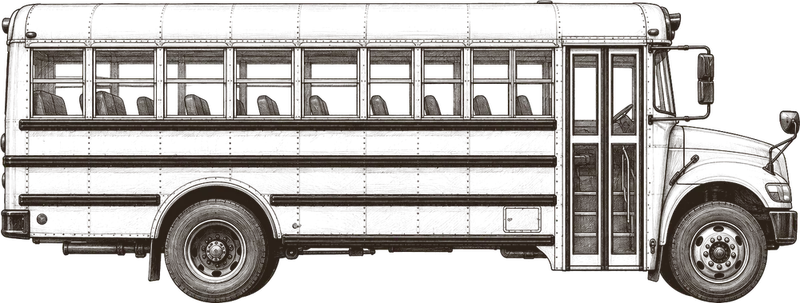
Scale in metersOutline: typical sauropod shape
Where its fossils were found
The evidence
Today

70 million years ago
Habitat
A landscape of rivers and floodplains in what is now Mongolia. Dinosaurs from the Nemegt Formation include Tarbosaurus, Therizinosaurus and Saurolophus.
Field notes
About Nemegtosaurus
What it was like
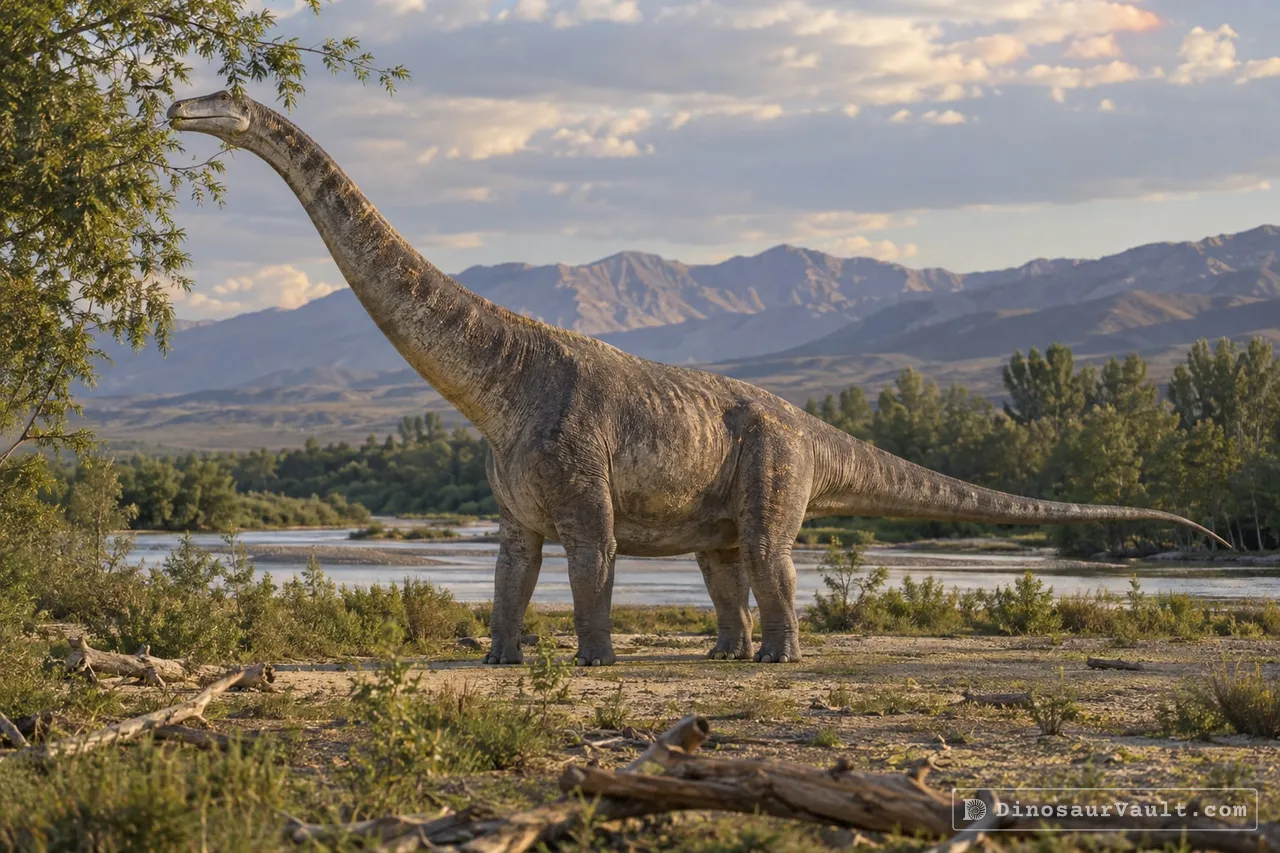
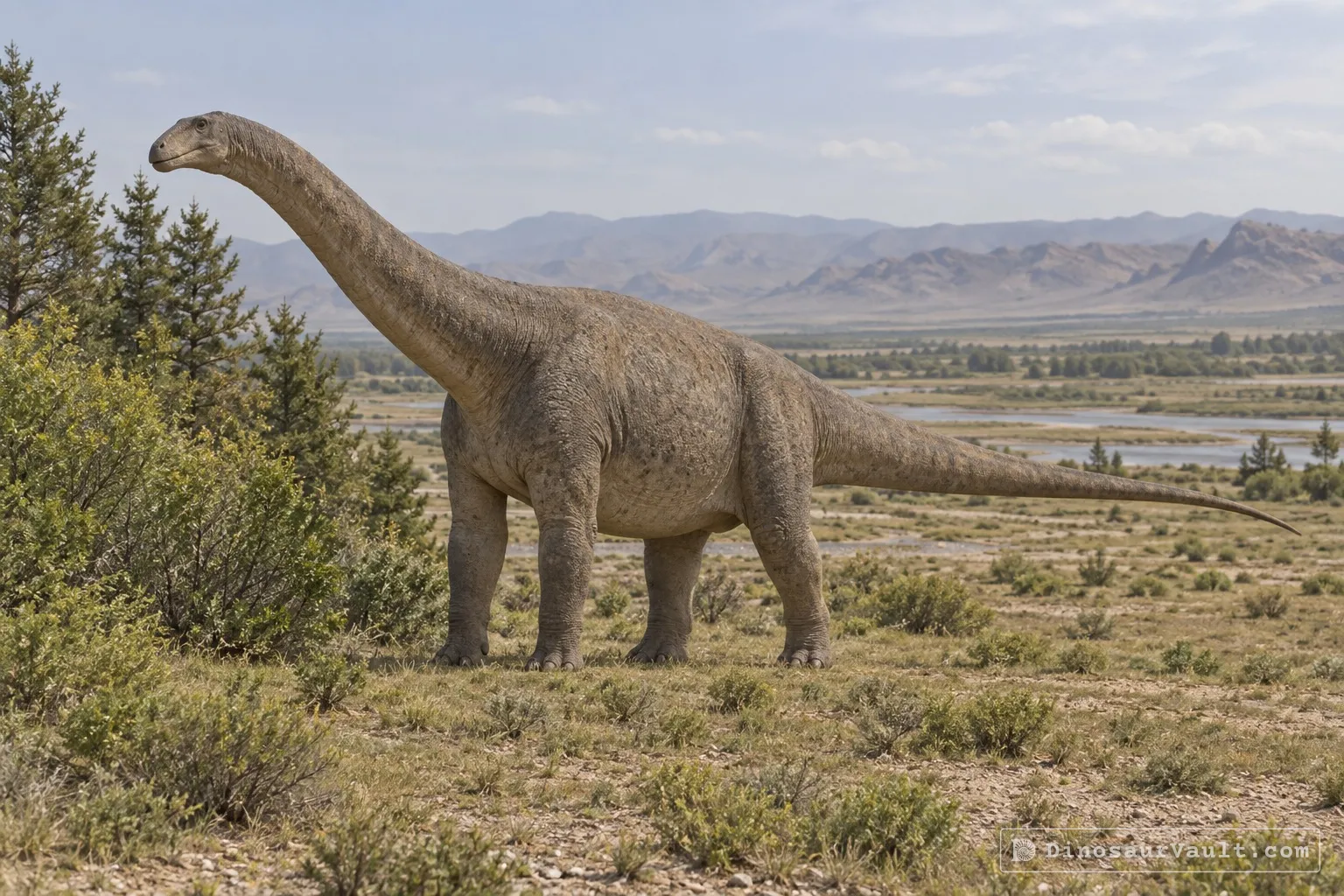
Nemegtosaurus was a titanosaur, a long-necked plant eater about 13 meters (43 feet) long. It is known mostly from a single skull, which is long and low, with thin, pencil-like teeth at the front of the jaws.
Its world
It lived in the Late Cretaceous, in what is now Mongolia. The Nemegt Formation was a land of rivers shared with the tyrannosaur Tarbosaurus, the giant clawed Therizinosaurus and the duckbill Saurolophus. Some scientists think Nemegtosaurus may be the same animal as Opisthocoelicaudia, which is known from a headless skeleton in the same rocks.
How it was found
Nowinski named Nemegtosaurus in 1971. It was found by a joint European and Mongolian expedition.
Field gallery
More views of Nemegtosaurus
Scenes reconstructed from the available fossil evidence.
1 of 3
Lived alongside
Found in the same rock formations
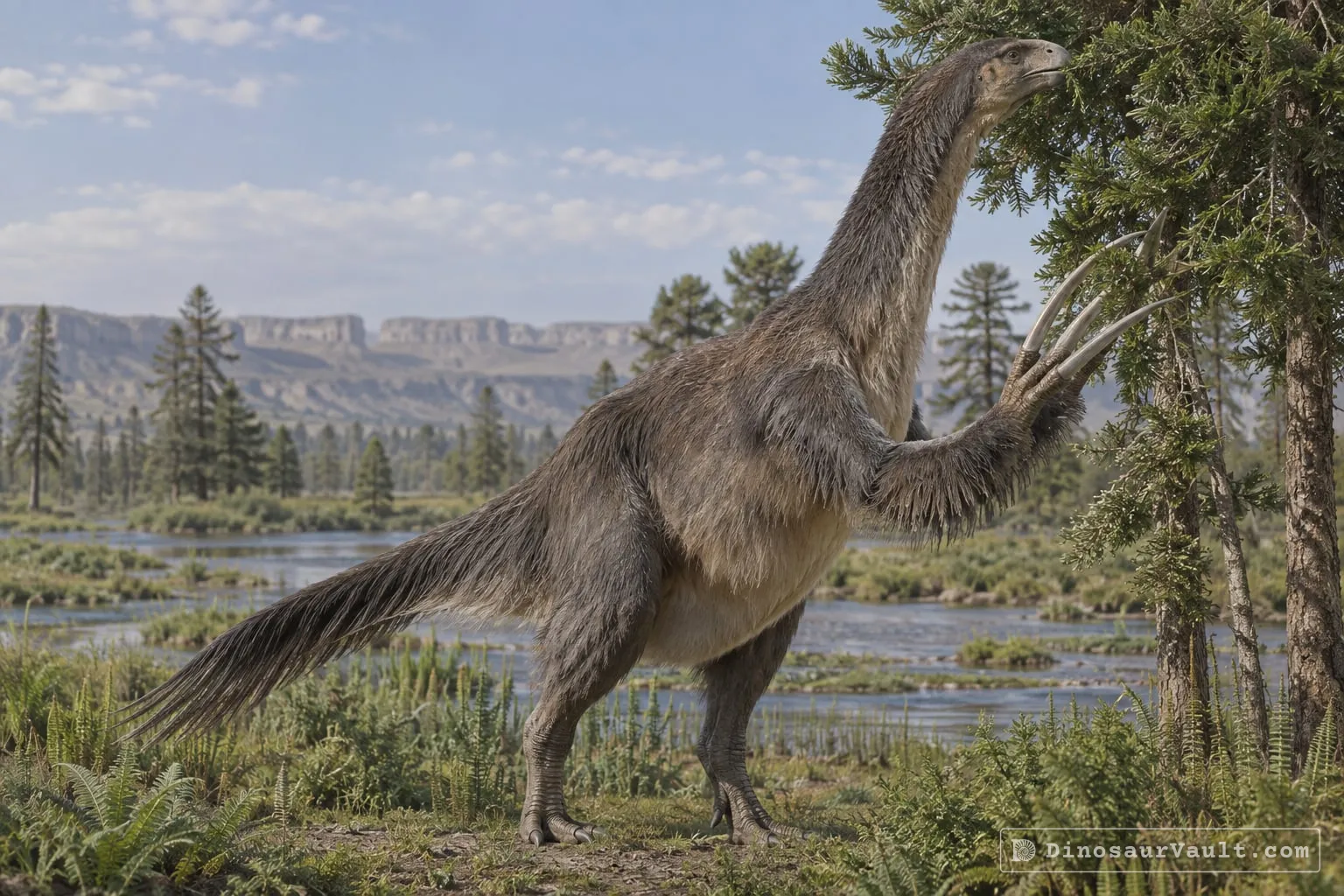
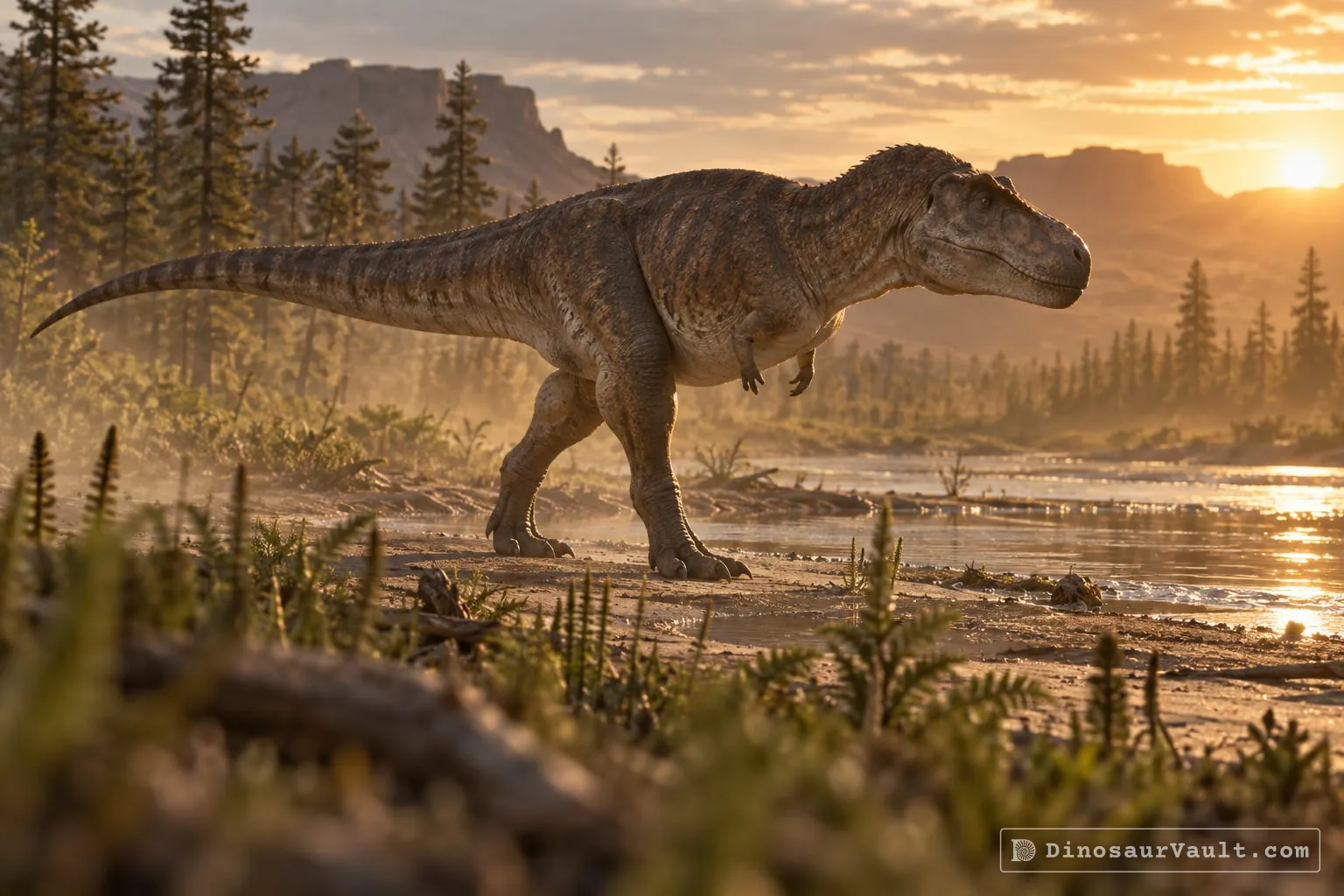
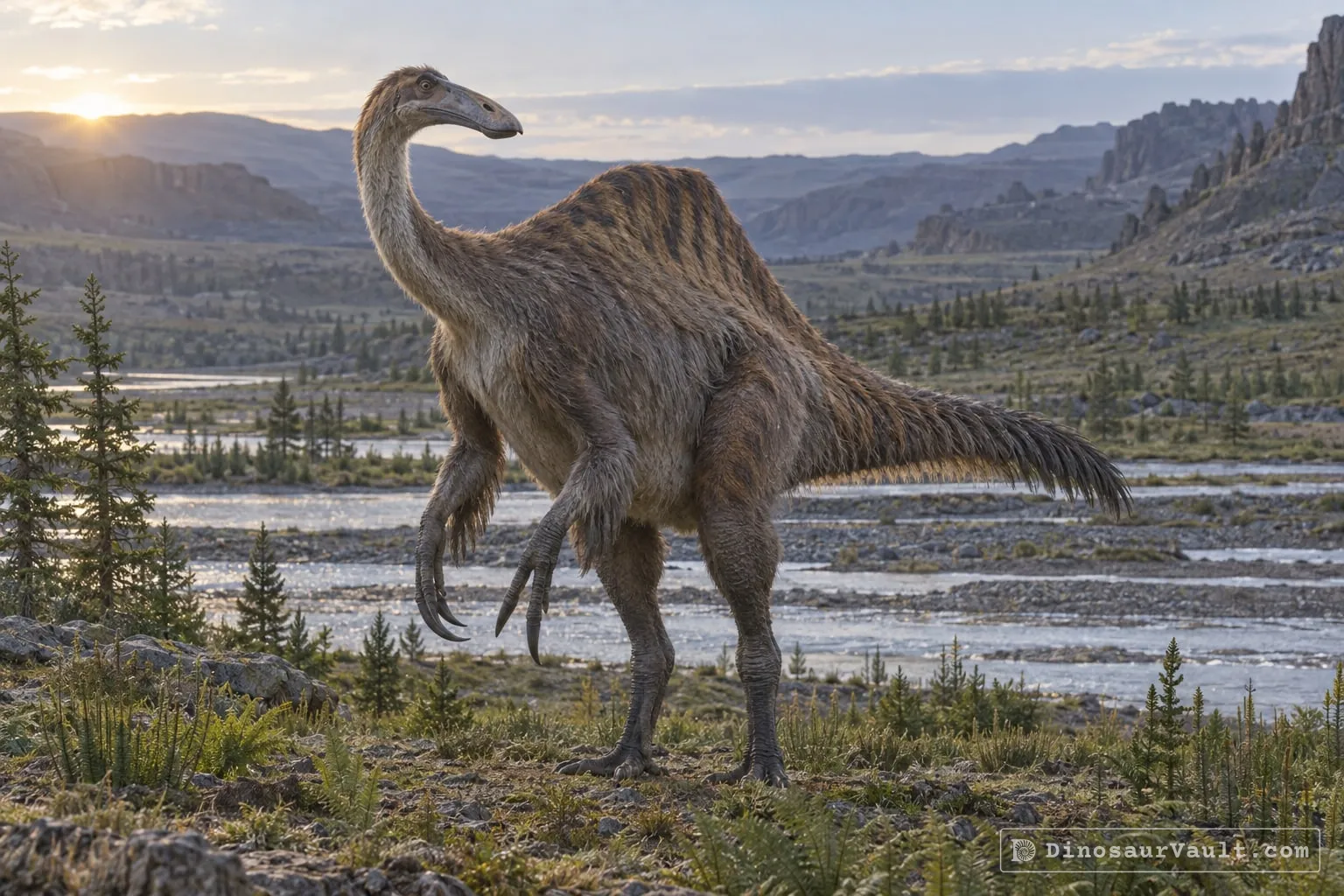
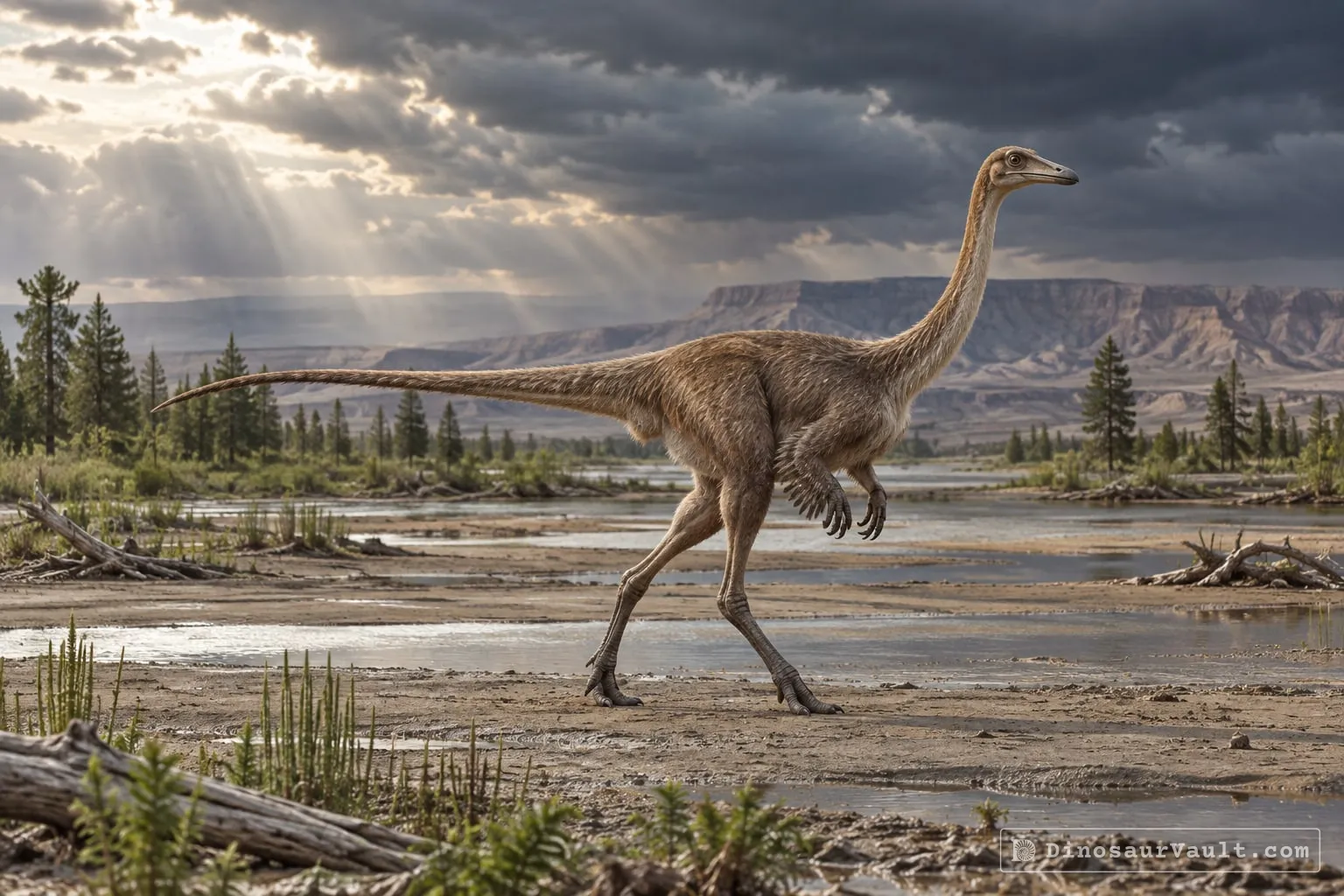
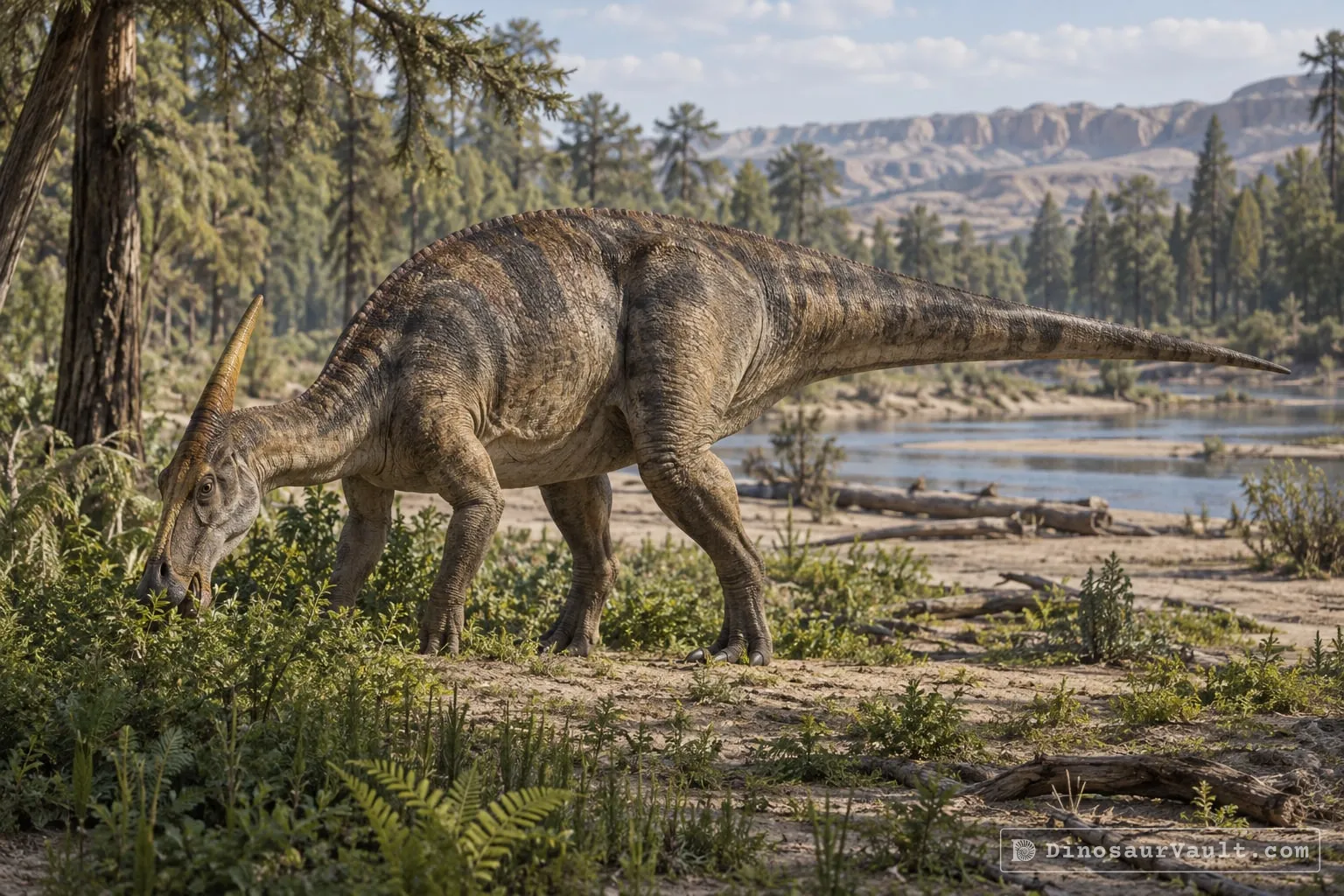
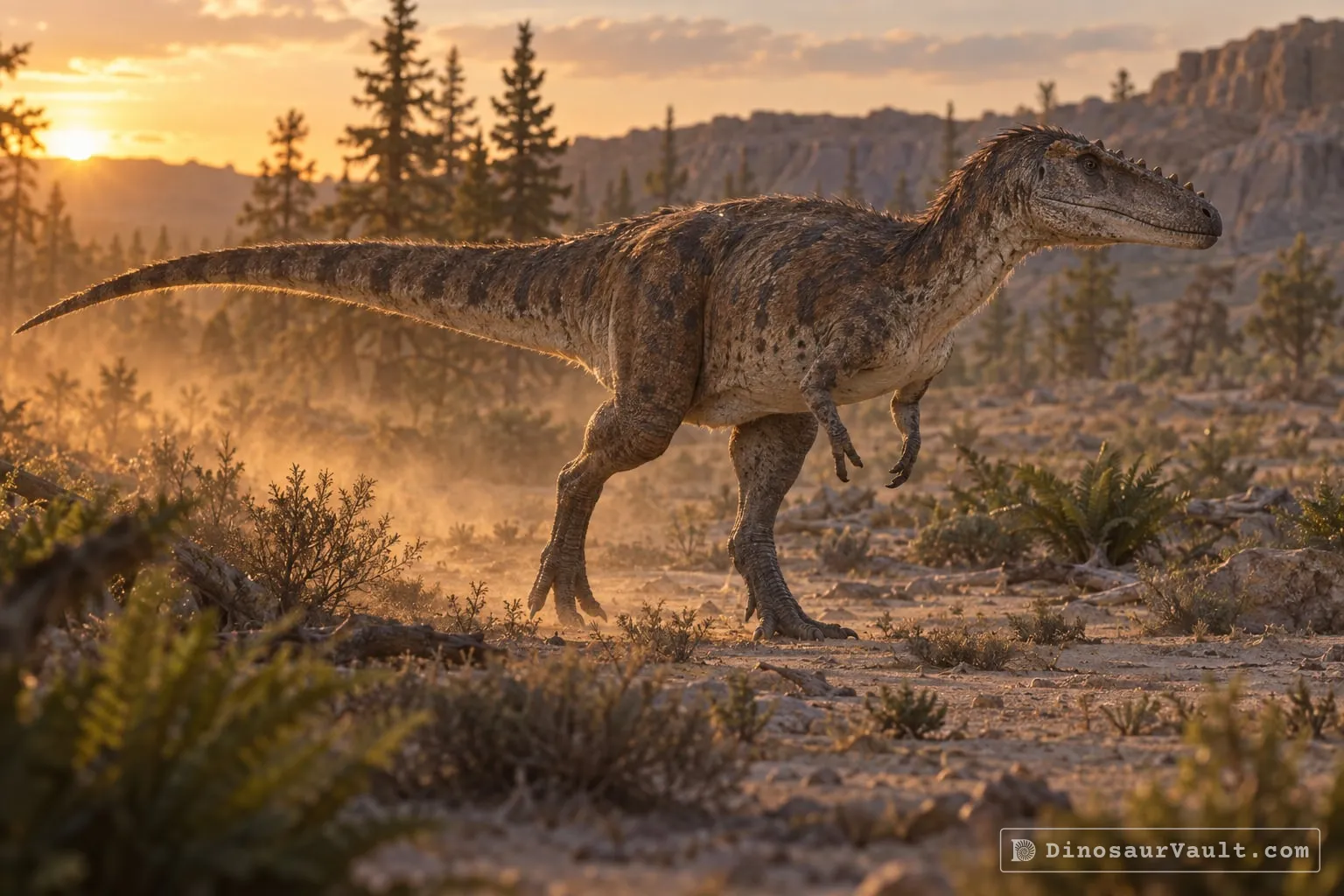
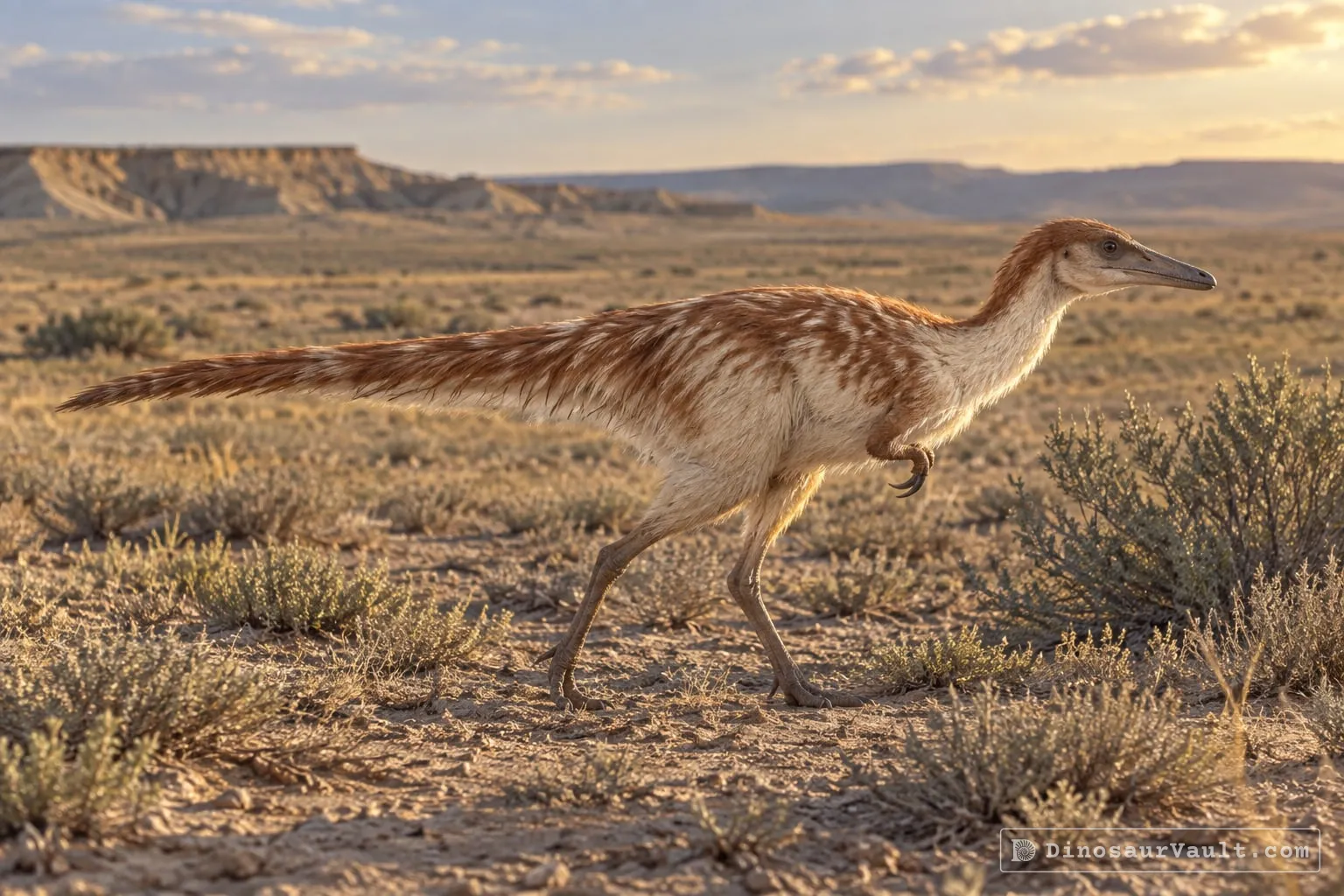


A rock formation can hold fossils laid down millions of years apart, so not every animal here met Nemegtosaurus.
The evidence
The science behind Nemegtosaurus
Which parts of the picture come from its own bones, and which come from its relatives.
From its own fossils
- The original specimen is a nearly complete skull with lower jaws.
- Its long, low skull carries slender teeth concentrated toward the front of the jaws.
- Replacement teeth inside the jaws show how new teeth took the place of worn ones.
Borrowed from relatives
- The long neck and much of the body are restored by comparison with other titanosaurs.
- Quaesitosaurus provides a close comparison for the skull, while Opisthocoelicaudia provides a body skeleton from the same formation.
Still unknown
- Whether Nemegtosaurus and Opisthocoelicaudia are the same animal or separate genera.
- Which isolated back and limb bones belong to Nemegtosaurus.
- Its color and the details of its skin.
Discovery timeline
- 1971Named itNowinski
- 2005SkullWilson
- 2018New findCurrie et al.
- 2019New findAverianov & Lopatin
Key papers
The research behind what we know of Nemegtosaurus
Named it
Named Nemegtosaurus from a well-preserved skull and described its jaws and slender teeth.
<i>Nemegtosaurus mongoliensis</i> n. gen., n. sp. (Sauropoda) from the uppermost Cretaceous of Mongolia. Palaeontologia Polonica 25: 57-81
No link available
Skull
Restudied the skull and identified features linking Nemegtosaurus and Quaesitosaurus to titanosaurs.
Redescription of the mongolian sauropod nemegtosaurus mongoliensis nowinski (dinosauria: Saurischia) and comments on late cretaceous sauropod diversity. Journal of Systematic Palaeontology 3: 283-318
Read the paper : Redescription of the mongolian sauropod nemegtosaurus mongoliensis nowinski (dinosauria: Saurischia) and comments on late cretaceous sauropod diversity (opens in a new tab)New find
Rediscovered the original quarry and found body bones that supported treating Nemegtosaurus and Opisthocoelicaudia as the same animal.
Rediscovery of the type localities of the Late Cretaceous Mongolian sauropods Nemegtosaurus mongoliensis and Opisthocoelicaudia skarzynskii : Stratigraphic and taxonomic implications. Palaeogeography, Palaeoclimatology, Palaeoecology 494: 5-13
Read the paper : Rediscovery of the type localities of the Late Cretaceous Mongolian sauropods Nemegtosaurus mongoliensis and Opisthocoelicaudia skarzynskii : Stratigraphic and taxonomic implications (opens in a new tab)New find
Described back vertebrae possibly belonging to Nemegtosaurus and argued that it differed from Opisthocoelicaudia.
A possible new specimen of the Late Cretaceous Mongolian sauropod Nemegtosaurus and sauropod diversity in the Nemegt Formation. Acta Palaeontologica Polonica 64
Read the paper : A possible new specimen of the Late Cretaceous Mongolian sauropod Nemegtosaurus and sauropod diversity in the Nemegt Formation (opens in a new tab)
Close relatives
Other members of Nemegtosauridae

Sources: Wikidata