Pulaosaurus
"Pulao lizard"
Type species Pulaosaurus qinglong
- Lived
- 165 to 155 million years ago, Middle Jurassic to Late Jurassic
- Diet
- Herbivore
- Group
- Early ornithischians
- Found in
- China
- Named by
- Yang et al. 2025
Where its fossils were found
The evidence
Today

160 million years ago
Habitat
It lived in a wooded landscape in northeastern China. Ferns, ginkgoes and conifers are preserved in the Tiaojishan Formation, along with dinosaurs such as Anchiornis, Yi and Tianyulong.
Field notes
About Pulaosaurus
What it was like
Pulaosaurus was a small, two-legged plant eater, known from a nearly complete skeleton with a skull and traces of soft tissue. It belonged to an early branch of ornithischians, the group that includes horned and duck-billed dinosaurs.
Its world
It lived in the Middle or Late Jurassic in what is now northeastern China. Its skeleton comes from the Tiaojishan Formation, which has produced many small feathered dinosaurs, such as Anchiornis, Yi and Epidexipteryx, and the small plant eater Tianyulong.
How it was found
Yang and colleagues named Pulaosaurus in 2025, from a single find.
Field gallery
More views of Pulaosaurus
Scenes reconstructed from the available fossil evidence.
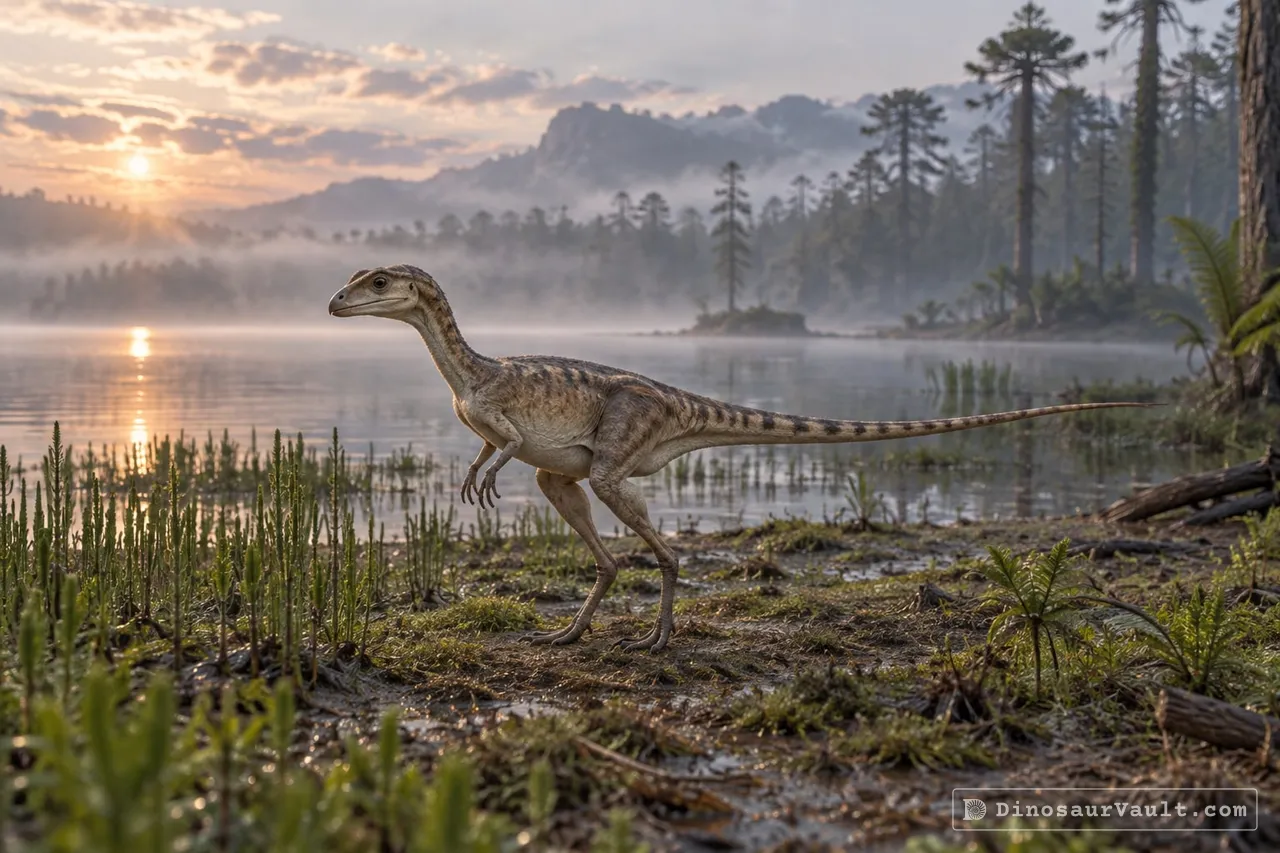
1 of 3
Lived alongside
Found in the same rock formations
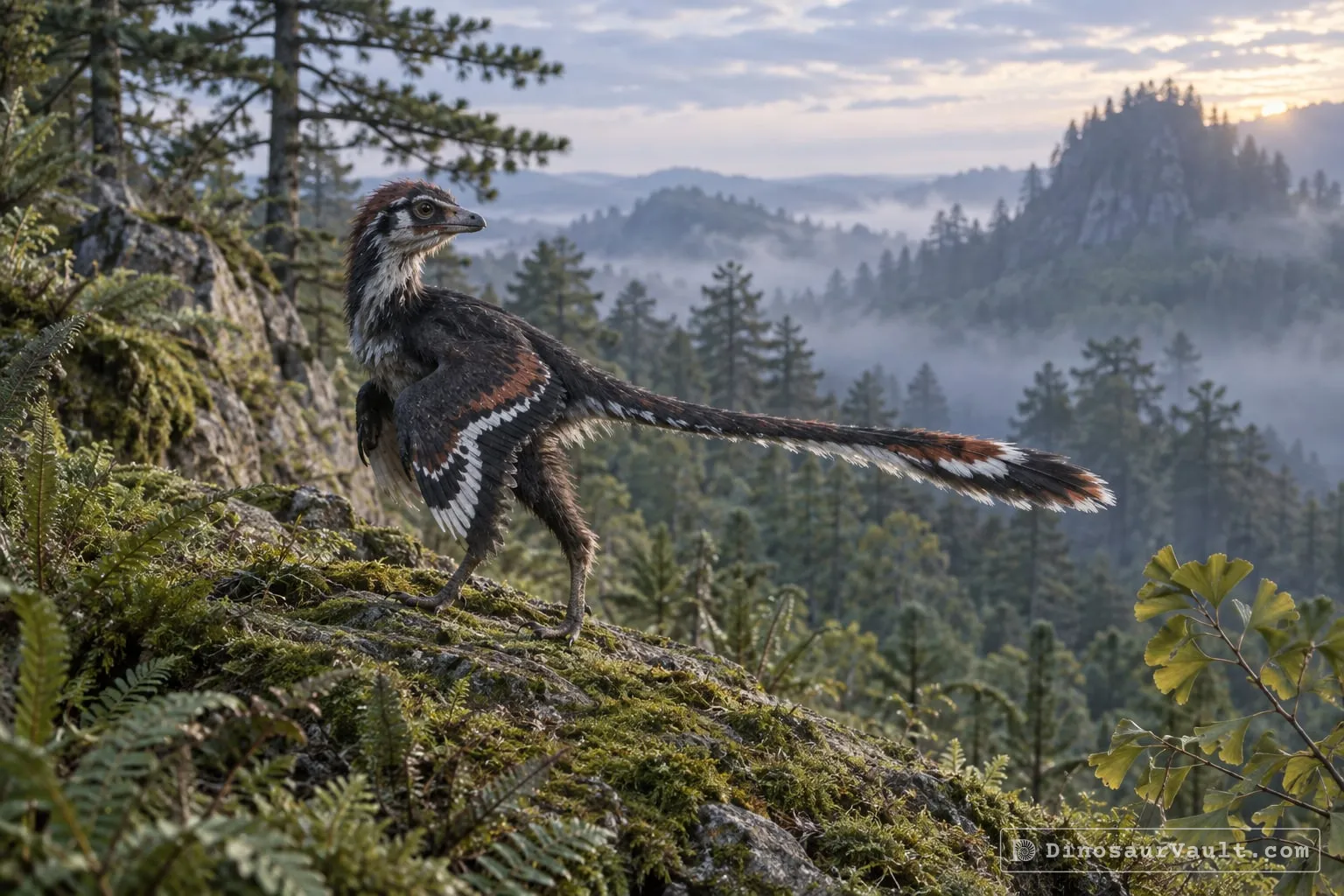
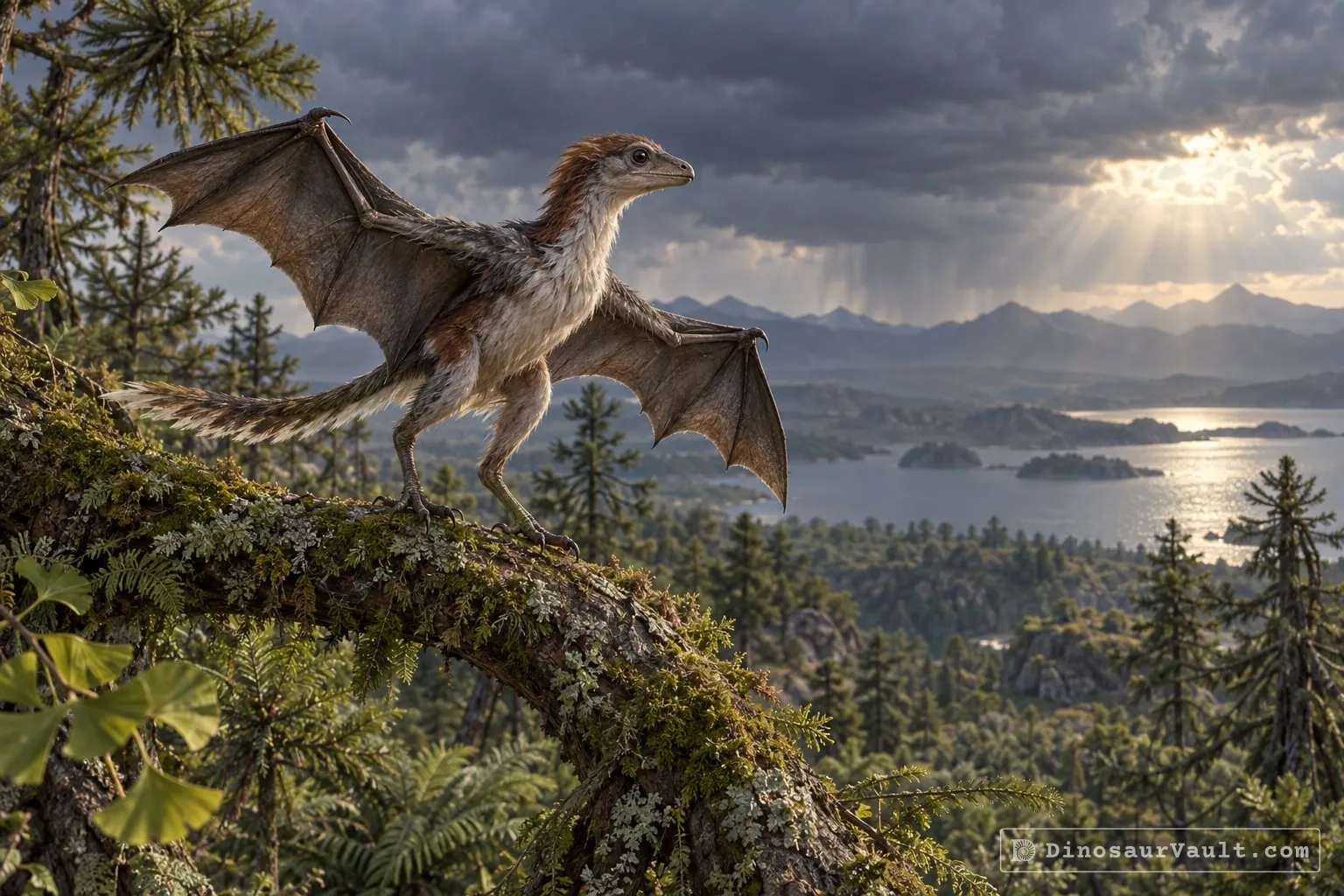
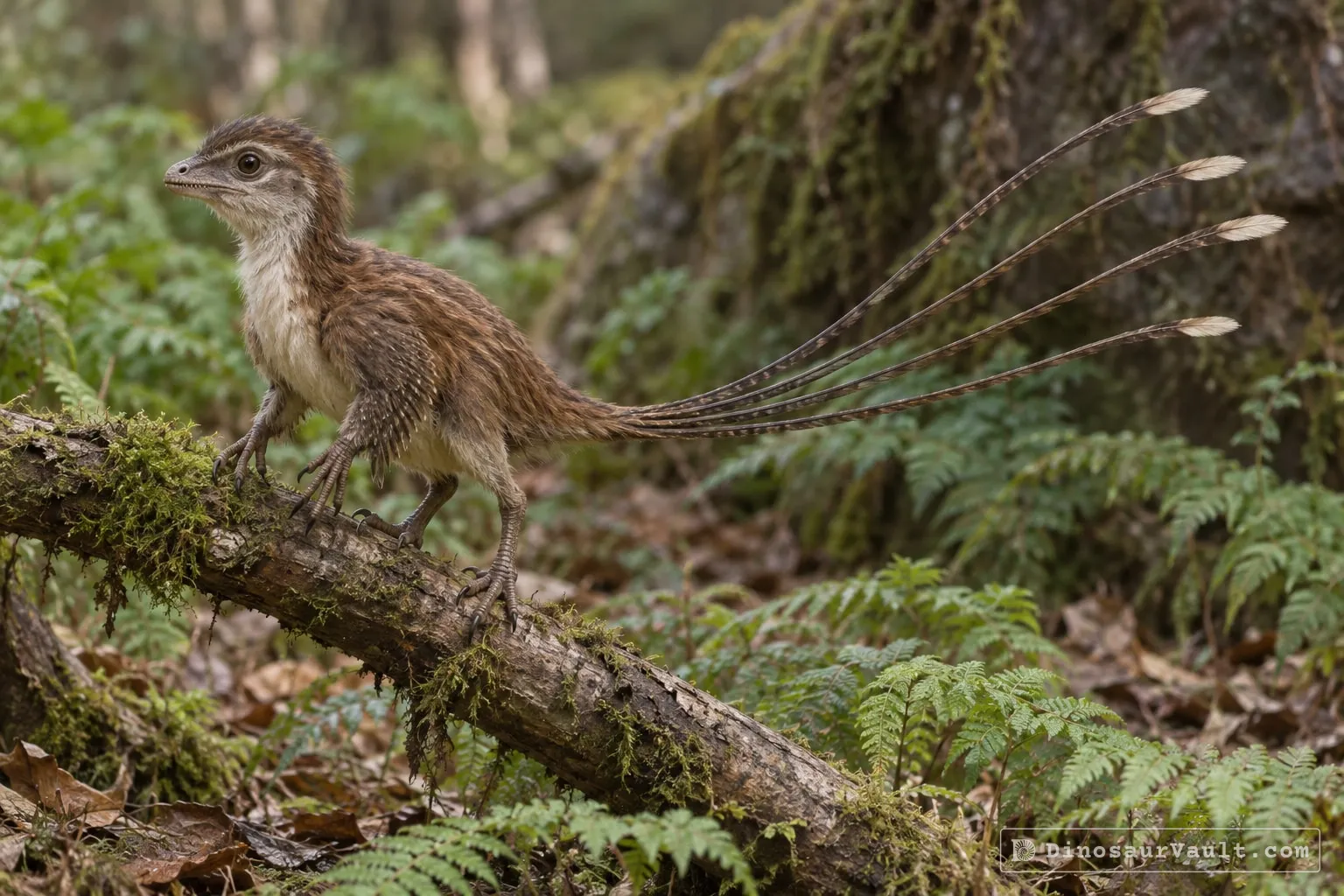
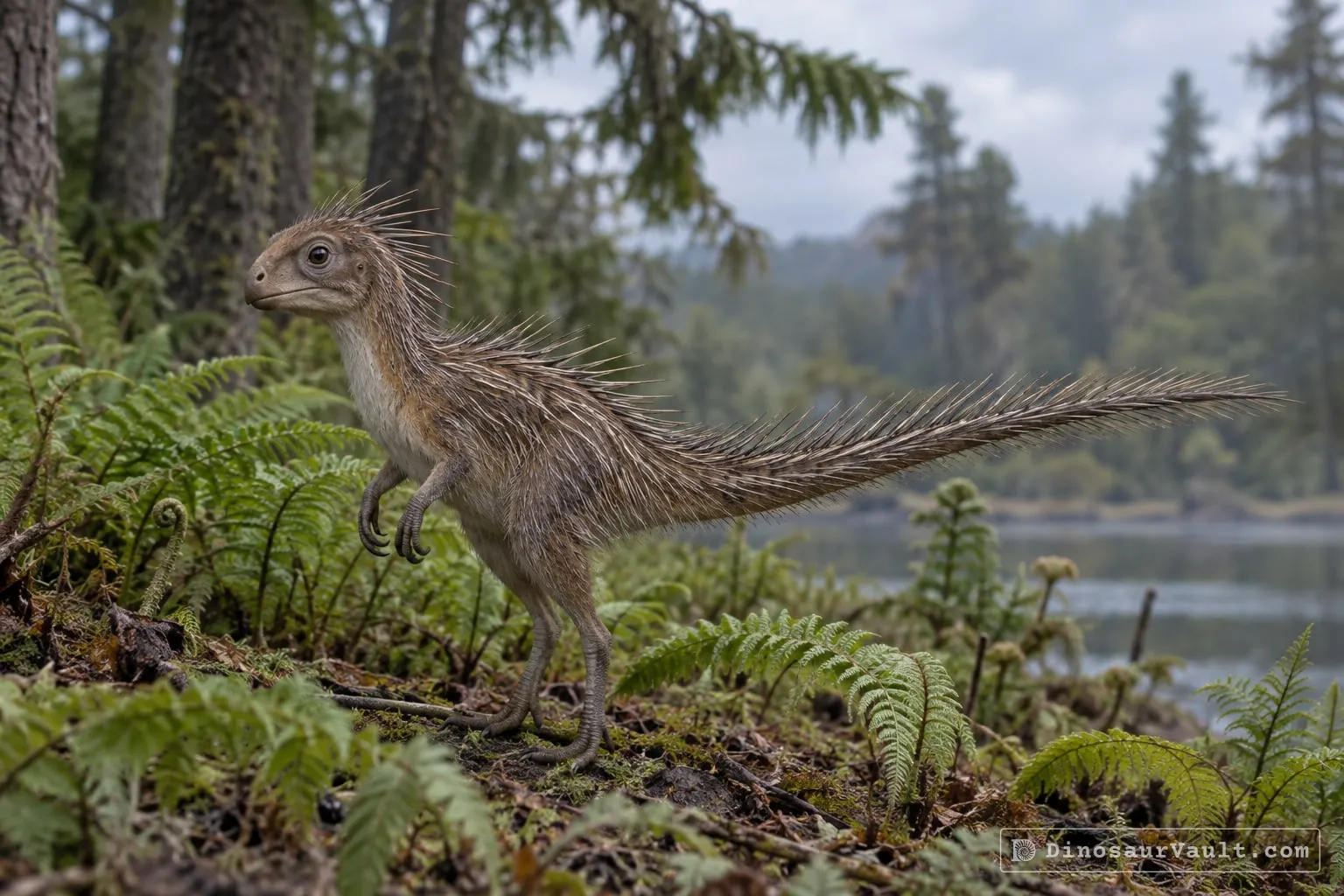
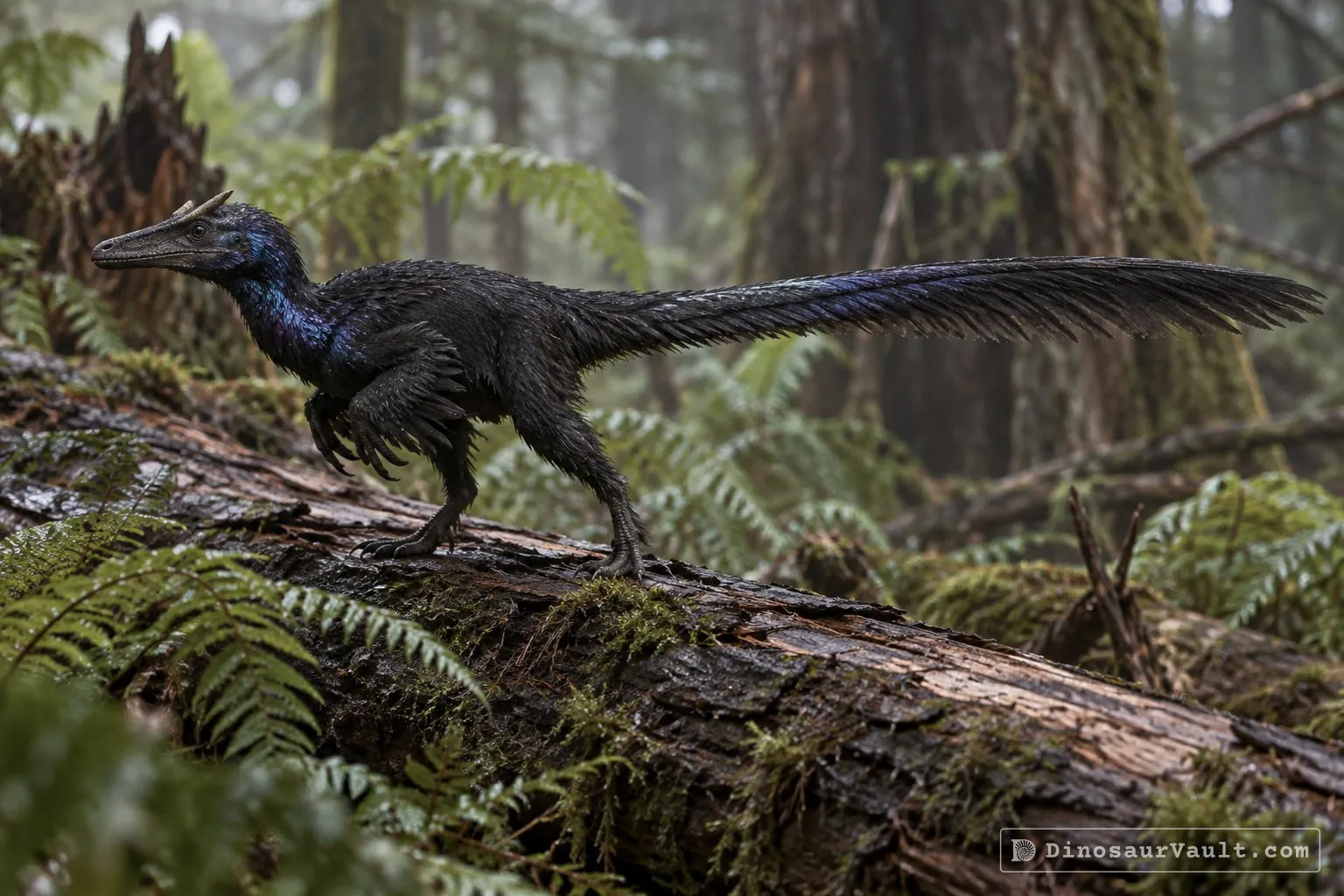
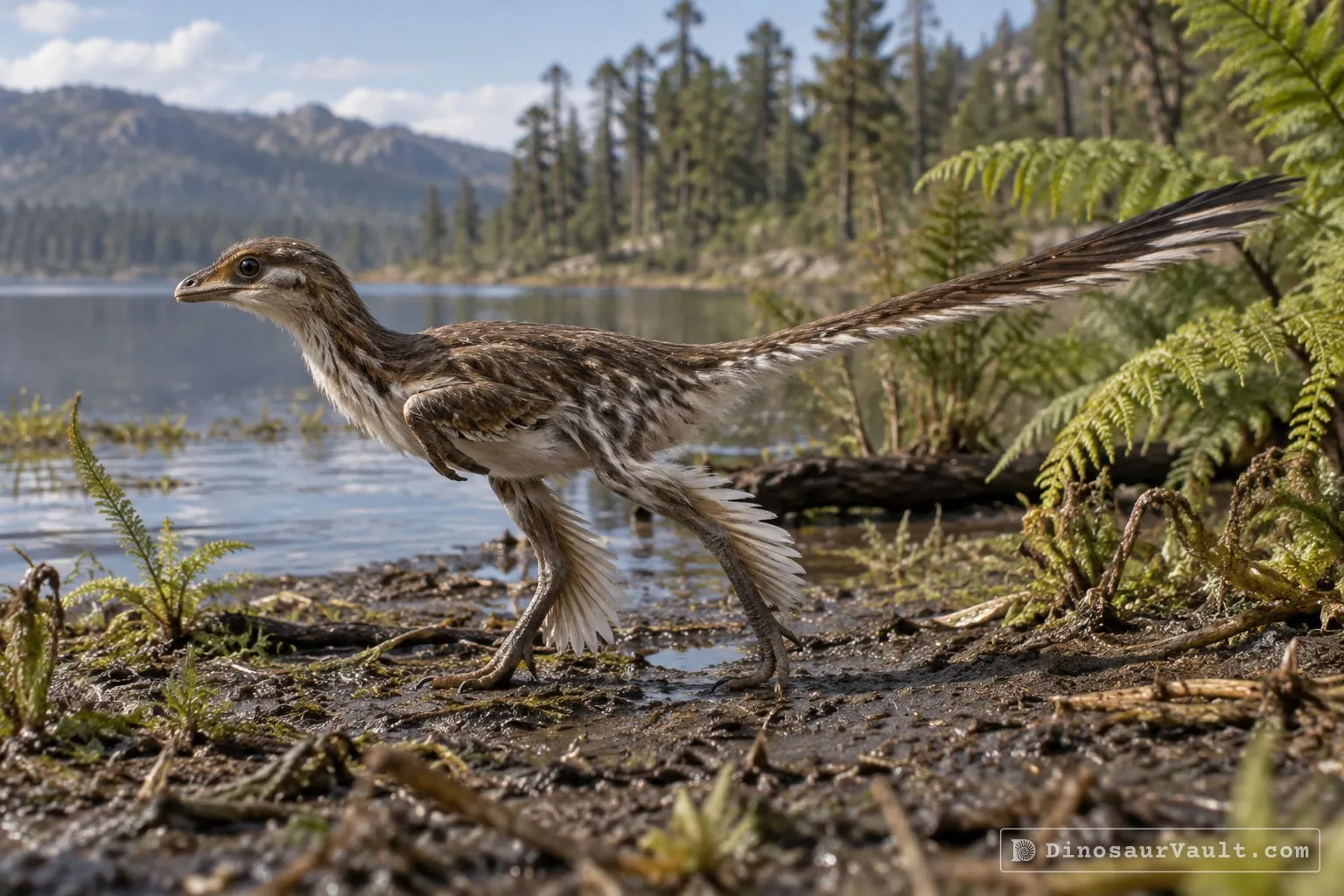
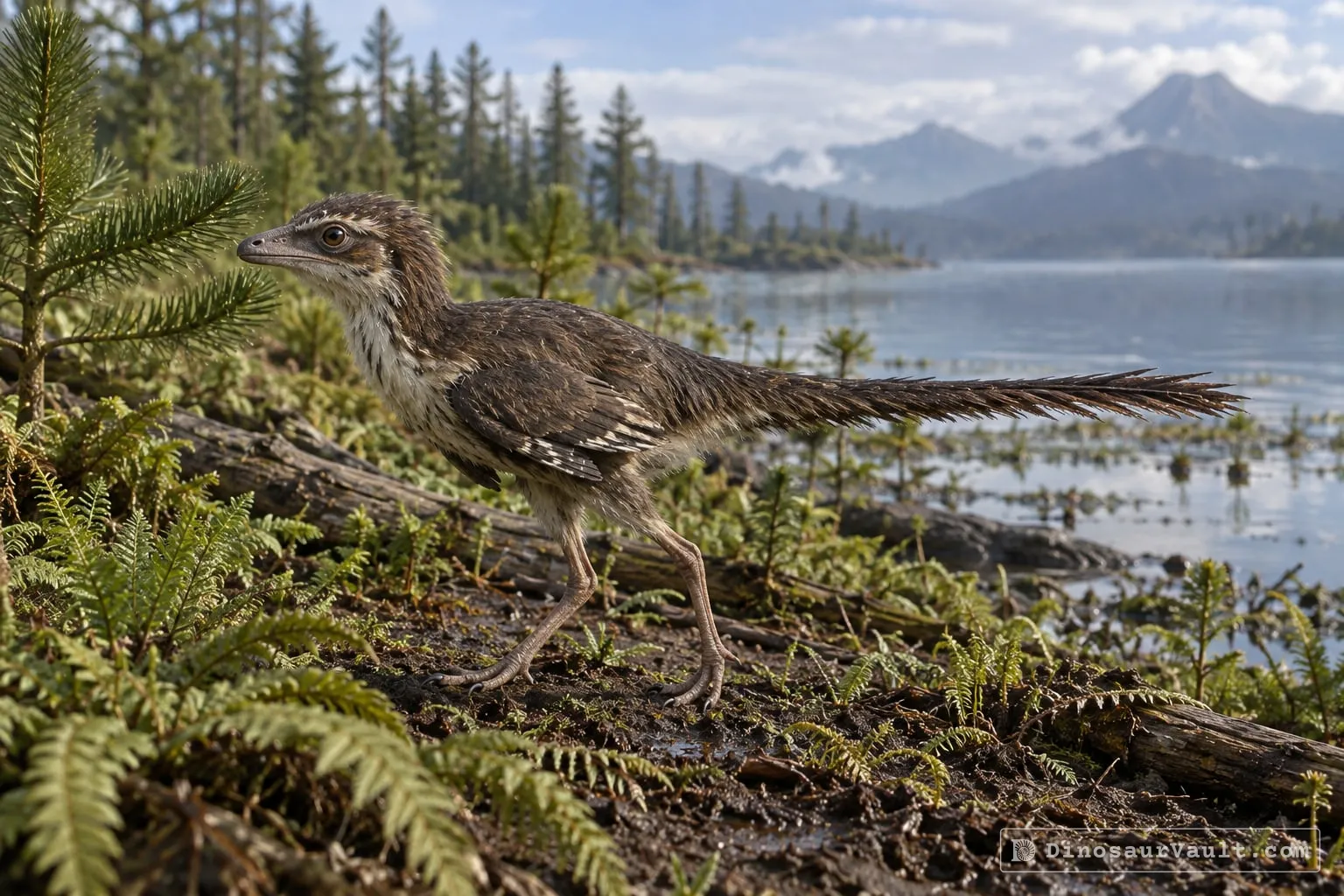
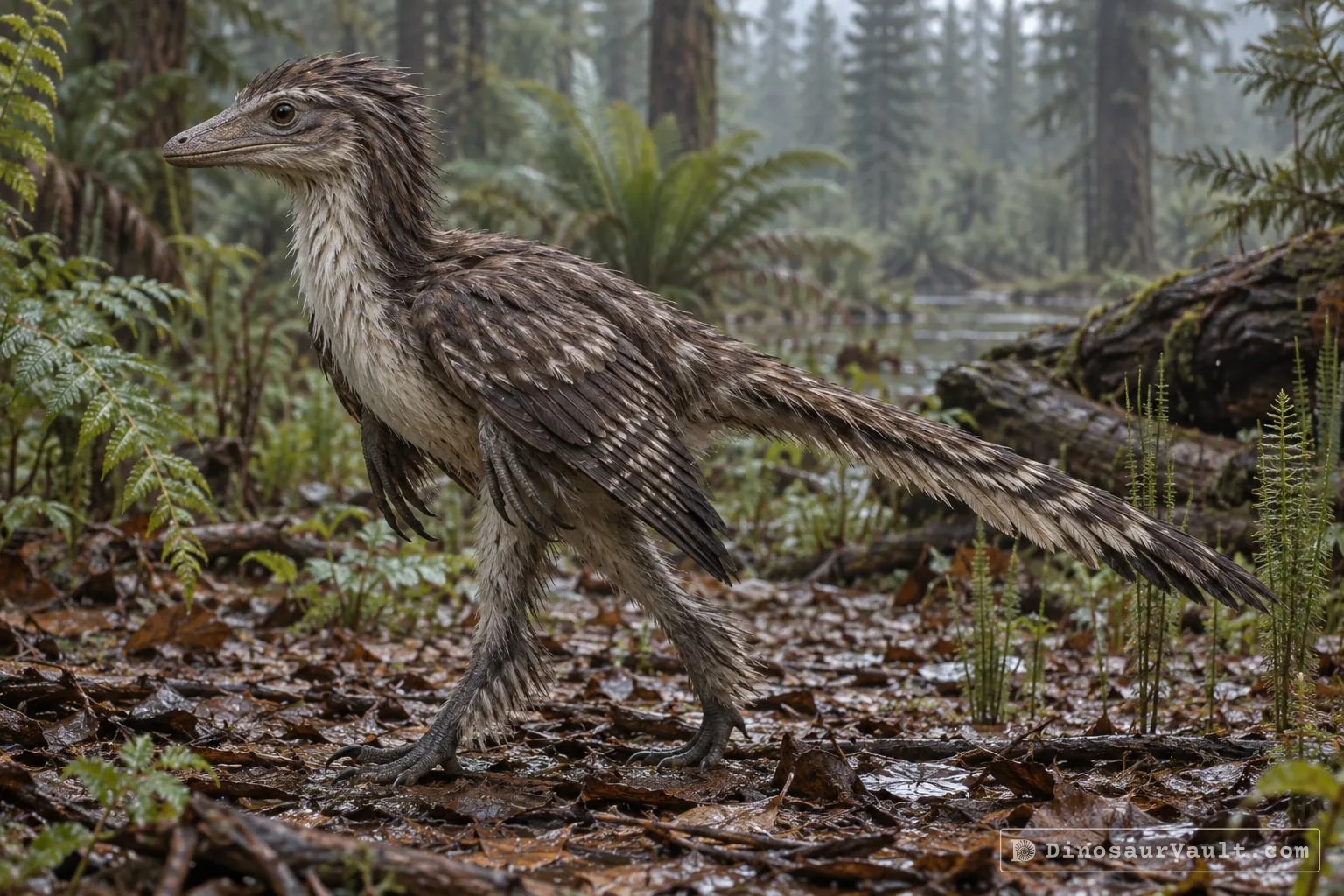


A rock formation can hold fossils laid down millions of years apart, so not every animal here met Pulaosaurus.
The evidence
The science behind Pulaosaurus
Which parts of the picture come from its own bones, and which come from its relatives.
From its own fossils
- A nearly complete skeleton preserves the skull, limbs and much of the backbone.
- Bony parts of its voice box are preserved beneath the lower jaw.
- Fossilized gut contents lie inside the belly.
Borrowed from relatives
- Most of the skeleton is known from its own bones, so its basic body shape needs little borrowing from relatives.
Still unknown
- What its calls sounded like.
- Its skin color and body covering.
- How its proportions changed as it reached adulthood.
Discovery timeline
- 2015Same rocksXu et al.
- 2023Close relativeYoshida, Kobayashi & Norell
- 2025Named itYang, King & Xu
Key papers
The research behind what we know of Pulaosaurus
Same rocks
Described Yi from the Tiaojishan Formation, with unusual wrist bones and patches of a wing membrane.
A bizarre Jurassic maniraptoran theropod with preserved evidence of membranous wings. Nature 521: 70-73
Read the paper : A bizarre Jurassic maniraptoran theropod with preserved evidence of membranous wings (opens in a new tab)Close relative
Described the voice box of Pinacosaurus, an important comparison for interpreting how the voice box of Pulaosaurus worked.
An ankylosaur larynx provides insights for bird-like vocalization in non-avian dinosaurs. Communications Biology 6
Read the paper : An ankylosaur larynx provides insights for bird-like vocalization in non-avian dinosaurs (opens in a new tab)Named it
Described a nearly complete young plant eater with preserved gut contents and bony voice-box parts.
A new neornithischian dinosaur from the Upper Jurassic Tiaojishan Formation of northern China. PeerJ 13: e19664
Read the paper : A new neornithischian dinosaur from the Upper Jurassic Tiaojishan Formation of northern China (opens in a new tab)
Close relatives
Other members of Neornithischia


Sources: Wikidata