Protognathosaurus
"first jaw lizard"
Type species Protognathosaurus oxyodon
- Lived
- 171 to 155 million years ago, Middle Jurassic to Late Jurassic
- Diet
- Herbivore
- Group
- Sauropods, Cetiosauridae
- Found in
- China
- Named by
- Olshevsky 1991
Where its fossils were found
The evidence
Today

165 million years ago
Habitat
The Shaximiao Formation records rivers, floodplains and lakes. Other dinosaurs from its lower beds include Shunosaurus and Huayangosaurus.
Field notes
About Protognathosaurus
What it was like
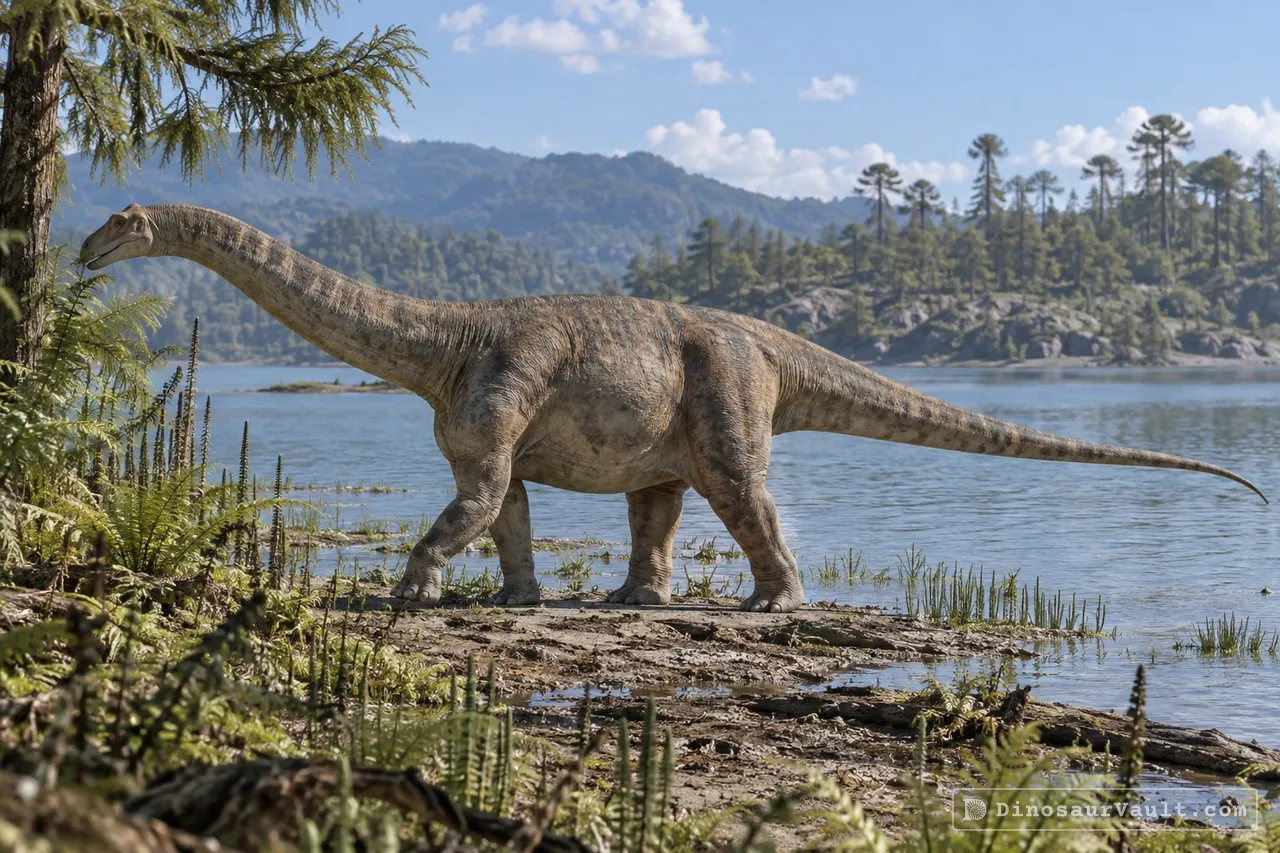
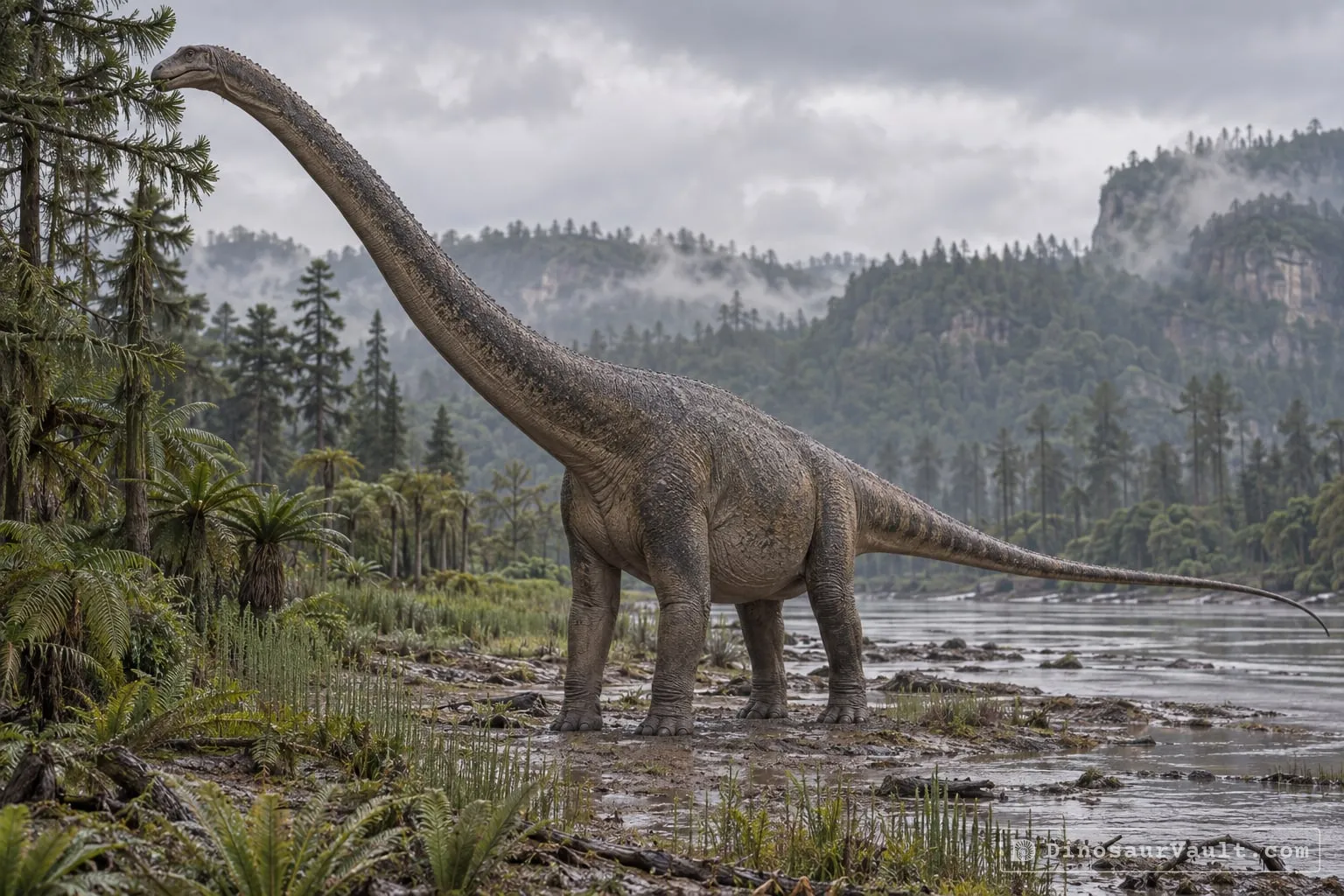
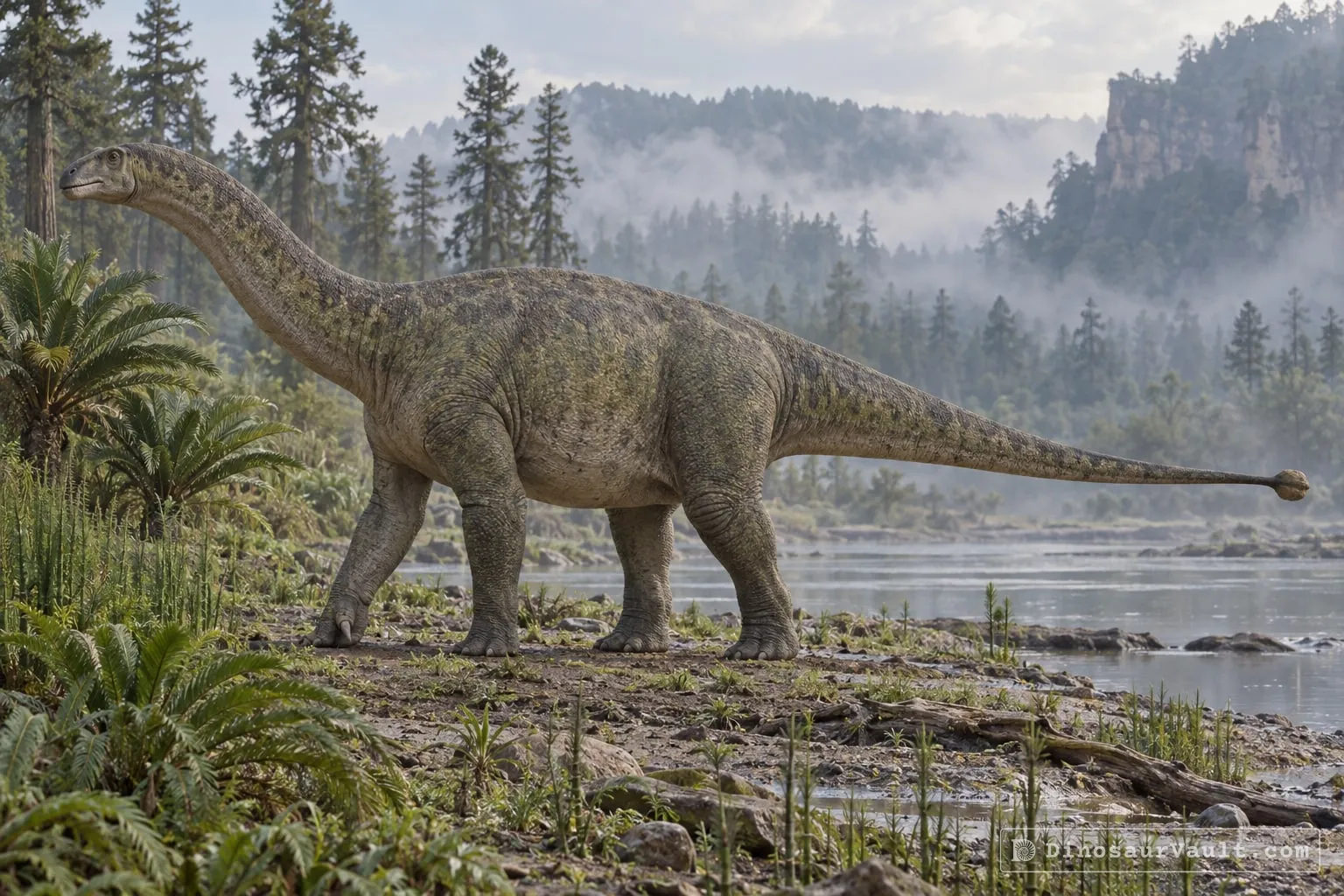
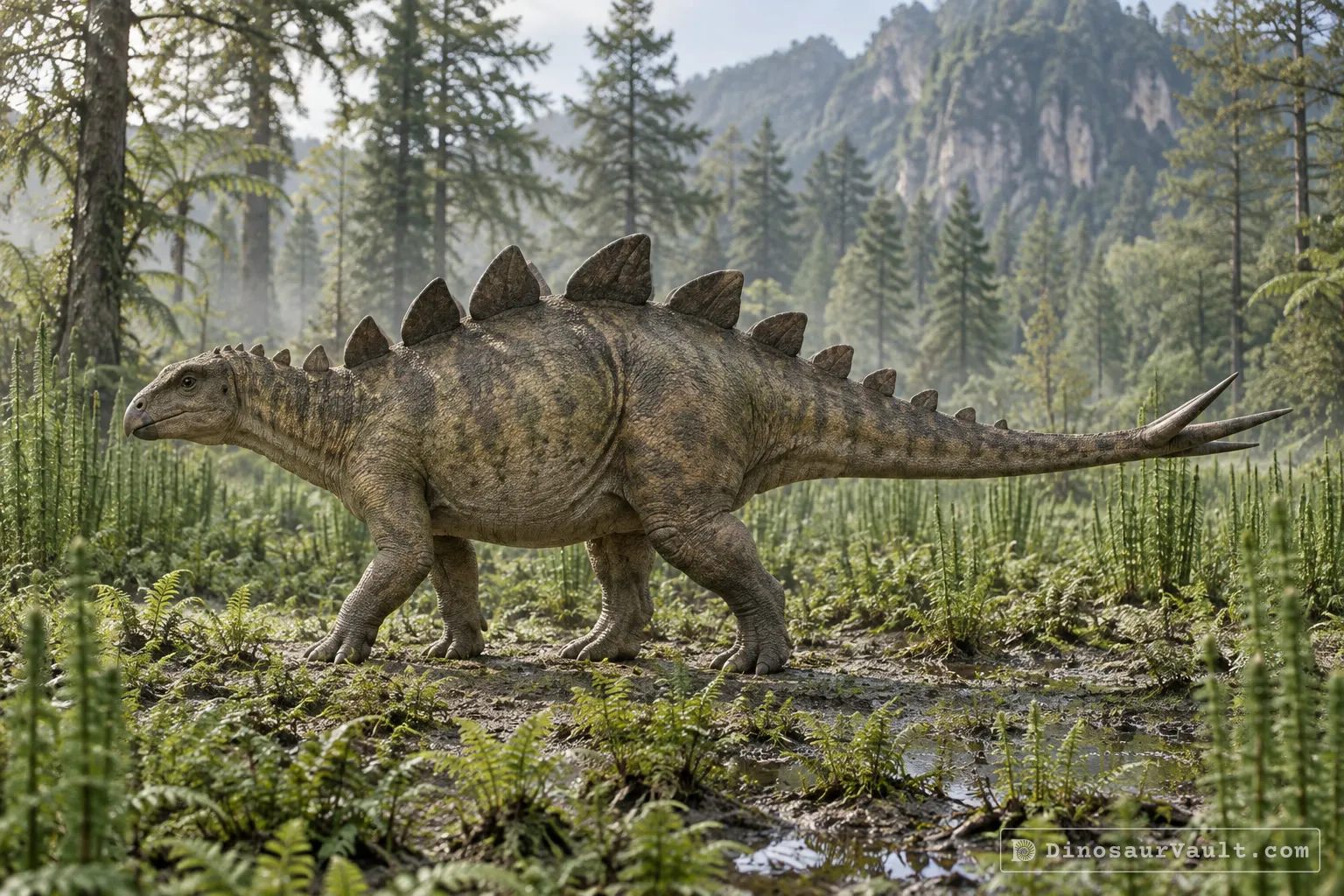
Protognathosaurus was a long-necked, four-legged plant eater, known only from part of a lower jaw with teeth.
Its world
It lived in the Middle Jurassic in what is now China. Its jaw comes from the lower part of the Shaximiao Formation, where it shared the land with the long-necked Shunosaurus and the stegosaur Huayangosaurus.
How it was found
Its jaw was first given a name that turned out to belong already to another animal. Olshevsky gave it a new name in 1991.
Field gallery
More views of Protognathosaurus
Scenes reconstructed from the available fossil evidence.
Lived alongside
Found in the same rock formations
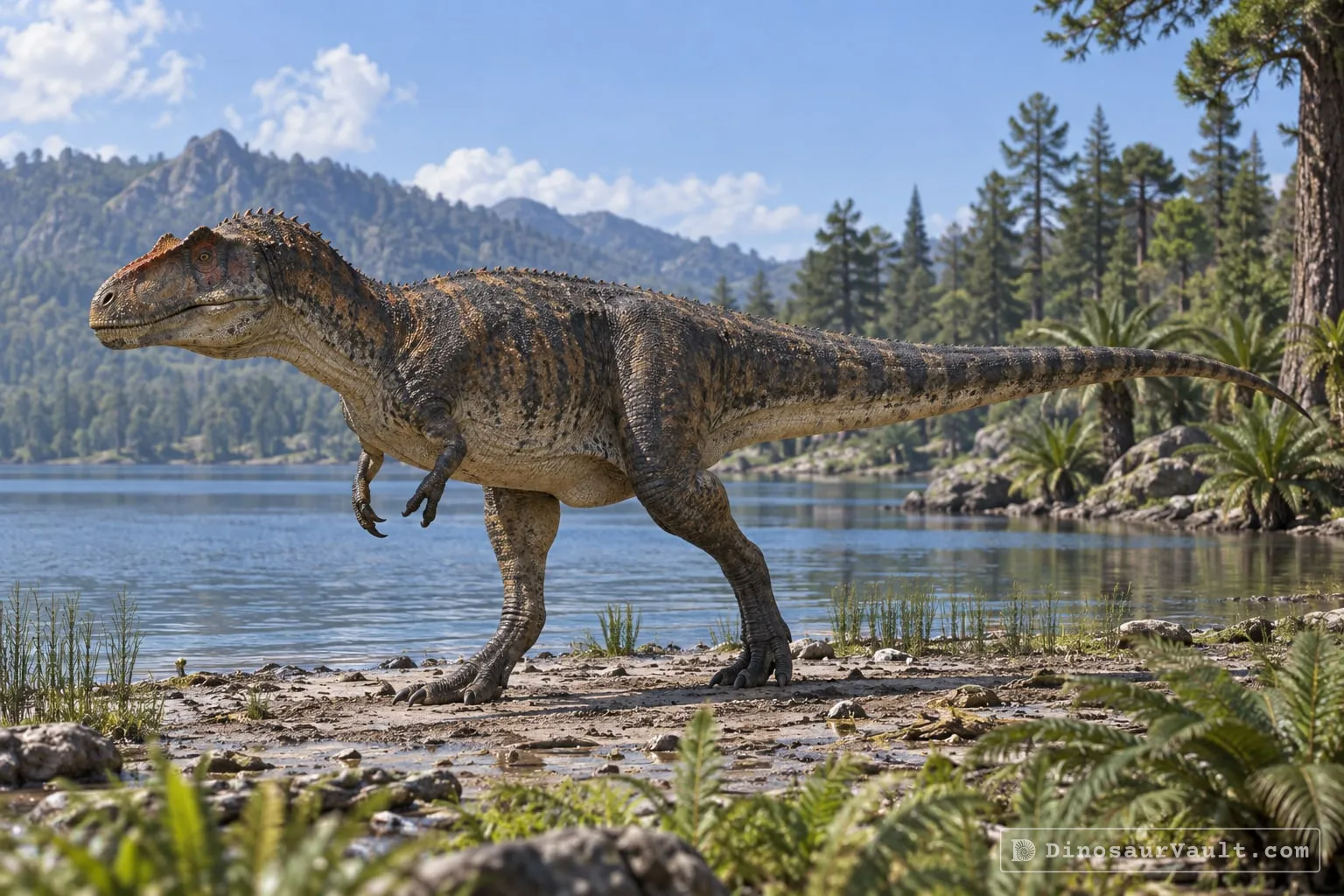
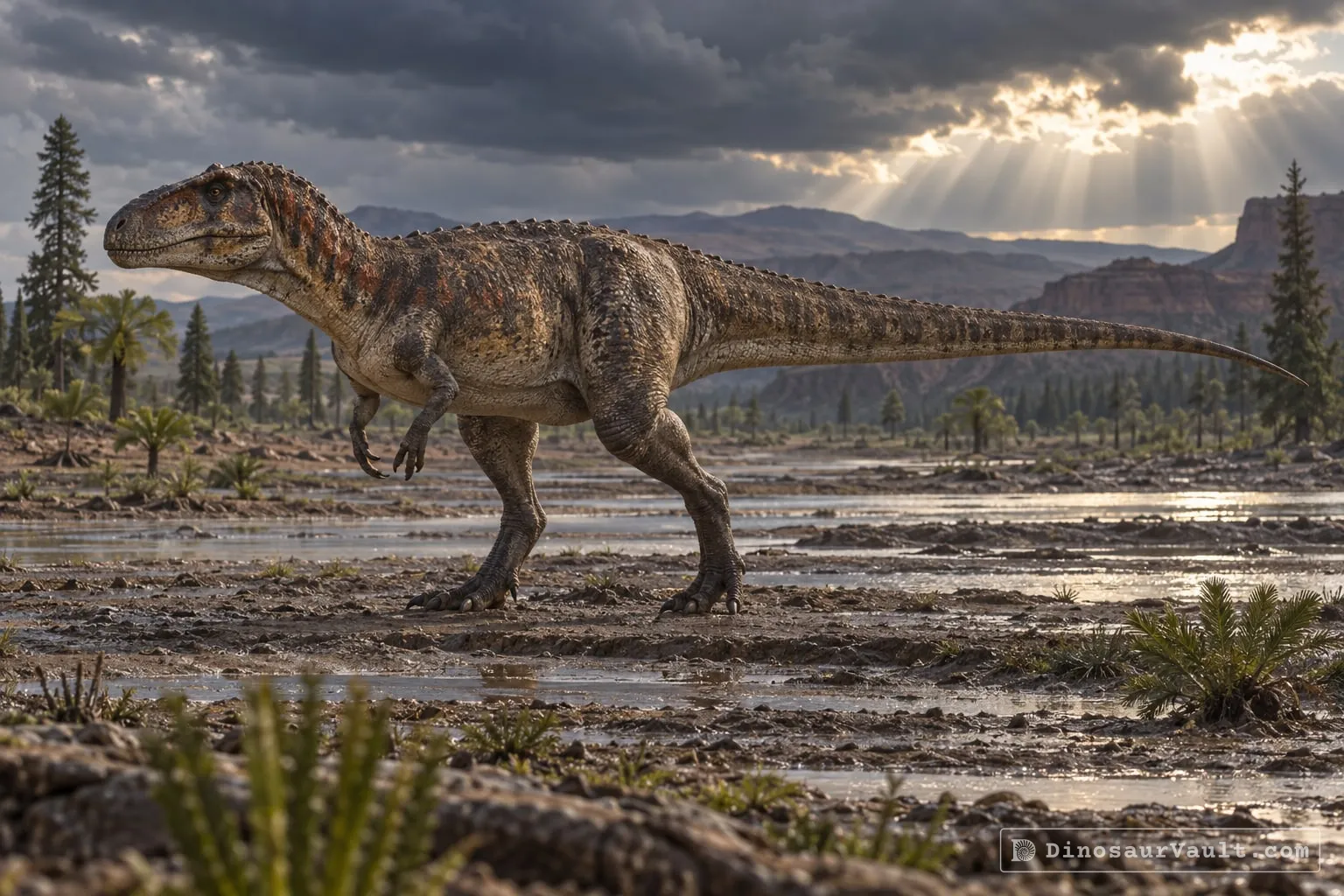
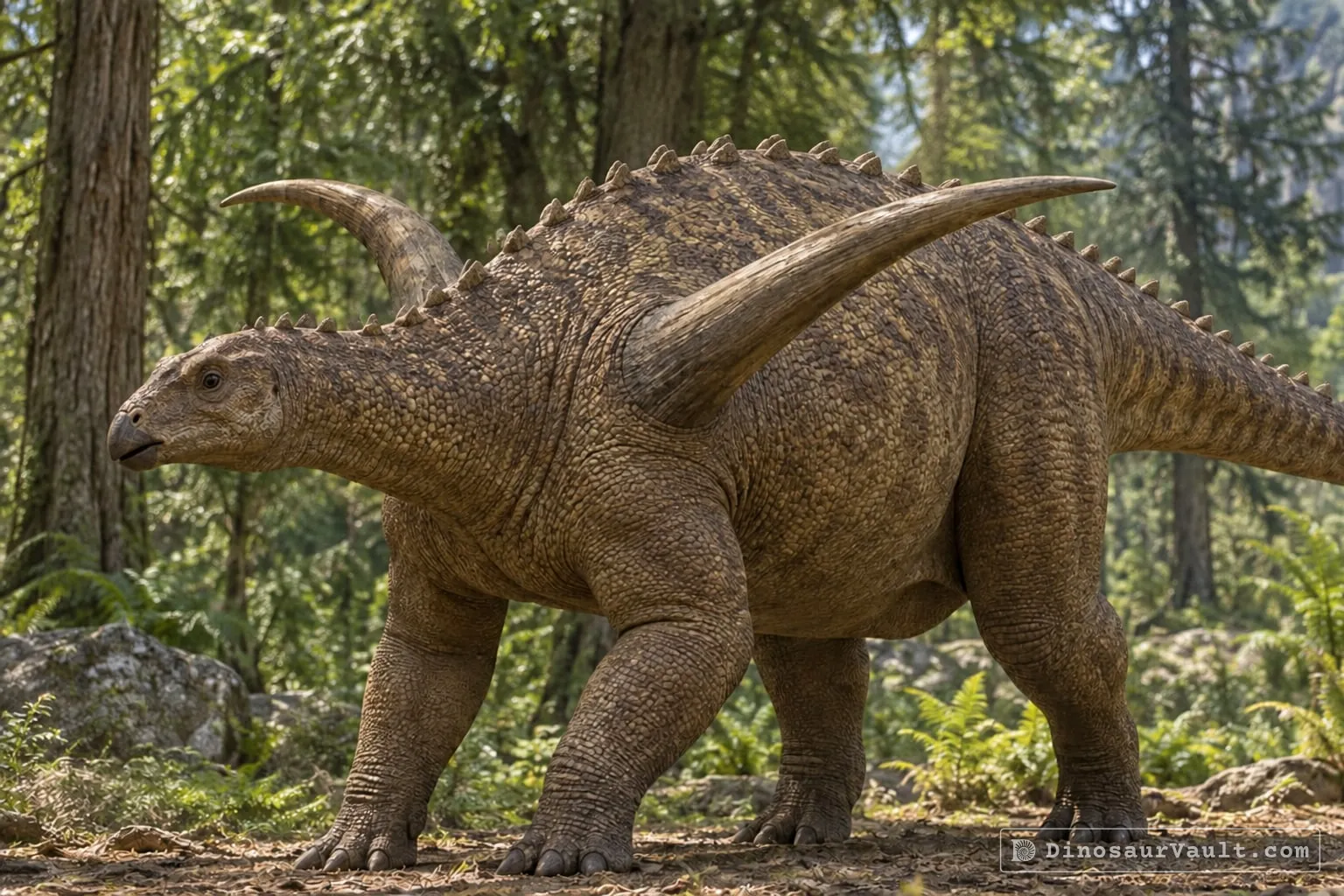
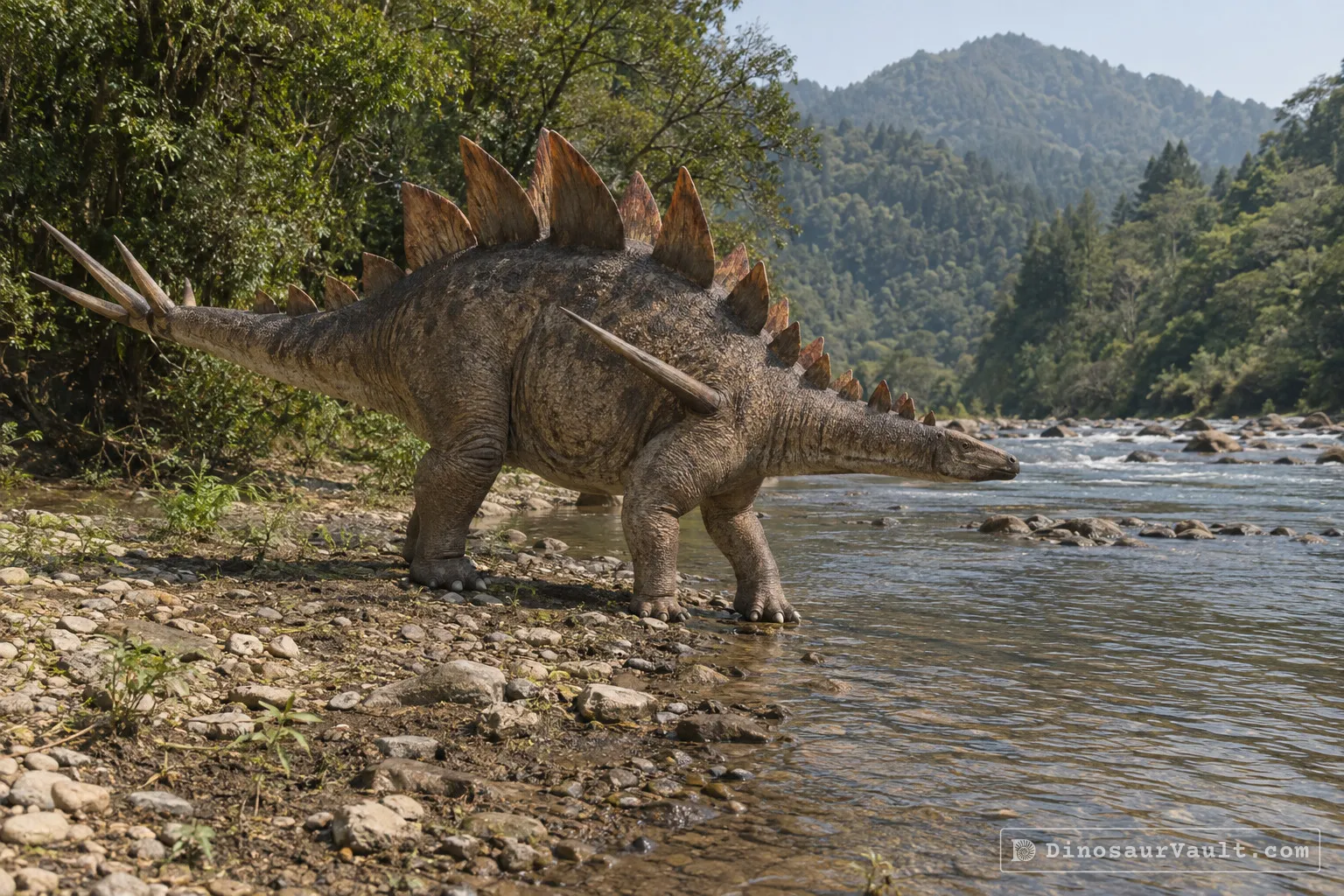
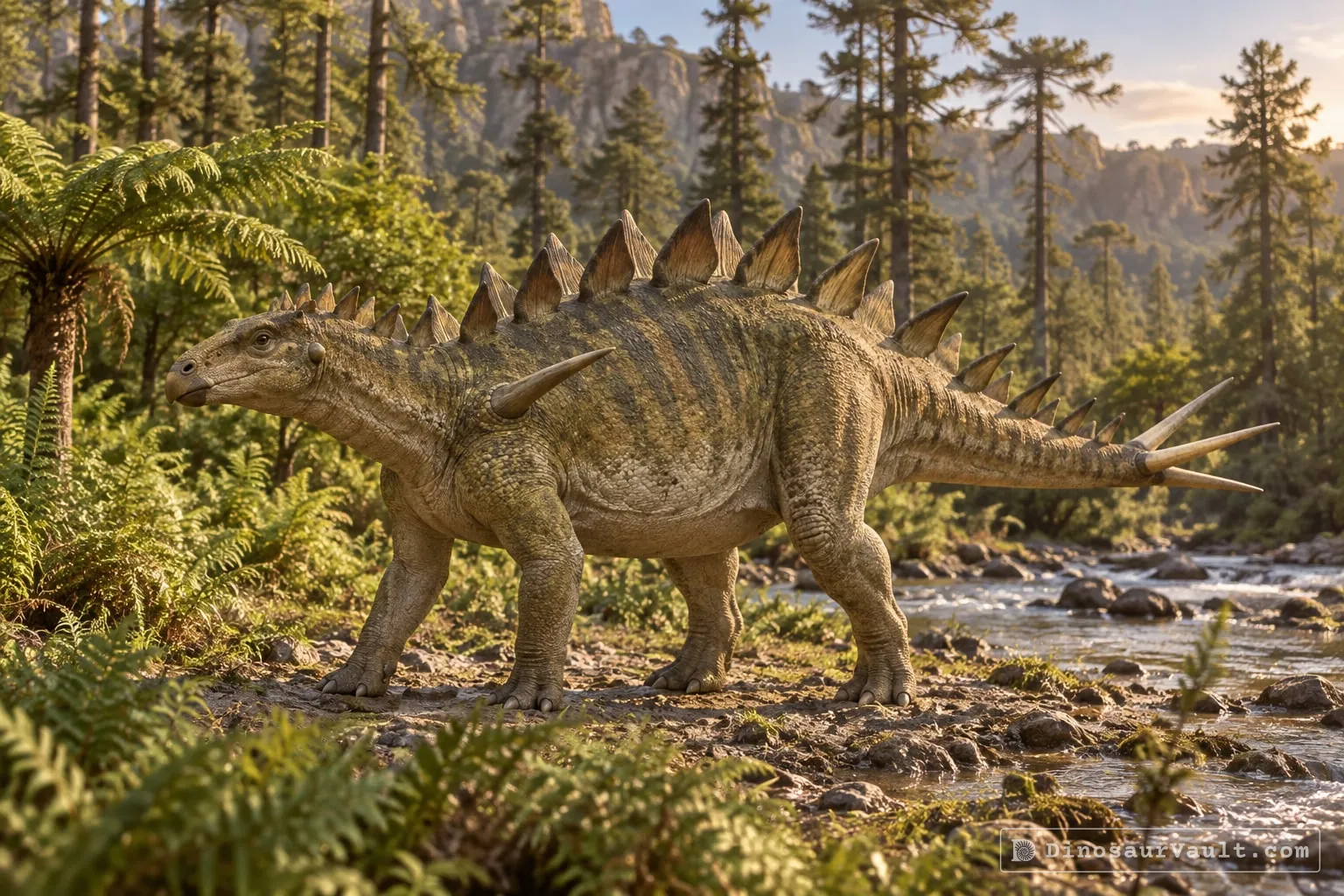


A rock formation can hold fossils laid down millions of years apart, so not every animal here met Protognathosaurus.
The evidence
The science behind Protognathosaurus
Which parts of the picture come from its own bones, and which come from its relatives.
From its own fossils
- A single, fairly complete tooth-bearing lower jaw is the basis for this dinosaur.
- The jaw is thick and heavy. Its upper edge is highest at the front and slopes down toward the back, and its lower edge narrows at mid-length.
- Its teeth are slender and pointed, with flattened, slightly spoon-shaped crowns that carry weak ridges and serrations.
Borrowed from relatives
- The missing upper skull and the neck are restored by comparison with Shunosaurus, from the same rocks.
- The shoulders and chest follow sauropods in general, such as Mnyamawamtuka.
Still unknown
- Its exact place among early sauropods. Its describer called it a primitive sauropod only provisionally.
- The shape and size of the rest of its body.
- Its skin texture and color.
Discovery timeline
- 1991Named itOlshevsky
- 2002Same rocksChatterjee & Zheng
- 2005Close relativeBuffetaut
- 2018Its worldLiu et al.
Key papers
The research behind what we know of Protognathosaurus
Named it
Replaced the jaw fossil's original genus name because that name already belonged to a beetle.
A revision of the parainfraclass Archosauria Cope, 1869, excluding the advanced Crocodylia. Mesozoic Meanderings 2: 1-196
No link available
Same rocks
Described Shunosaurus skulls and found teeth and jaw movements suited to low browsing, providing a comparison with the isolated jaw of Protognathosaurus.
Cranial anatomy of Shunosaurus, a basal sauropod dinosaur from the Middle Jurassic of China. Zoological Journal of the Linnean Society 136: 145-169
Read the paper : Cranial anatomy of Shunosaurus, a basal sauropod dinosaur from the Middle Jurassic of China (opens in a new tab)Close relative
Named Archaeodontosaurus and set it apart from Protognathosaurus, whose jaw deepens toward the front and whose spoon-shaped teeth carry weak ridges.
A new sauropod dinosaur with prosauropod-like teeth from the Middle Jurassic of Madagascar. Bulletin de la Société Géologique de France 176: 467-473
Read the paper : A new sauropod dinosaur with prosauropod-like teeth from the Middle Jurassic of Madagascar (opens in a new tab)Its world
Reconstructed winding river valleys, tributaries and floodplain deposits within the Shaximiao Formation.
Sequence architecture and sedimentary characteristics of a Middle Jurassic incised valley, western Sichuan depression, China. Petroleum Science 15: 230-251
Read the paper : Sequence architecture and sedimentary characteristics of a Middle Jurassic incised valley, western Sichuan depression, China (opens in a new tab)
Close relatives
Other members of Cetiosauridae


Sources: Wikidata