Fukuiraptor
foo-KOO-ee-RAP-tor
"thief of Fukui"
- Lived
- 121 to 113 million years ago, Early Cretaceous
- Diet
- Carnivore
- Length
- about 4.2 m (14 ft)
- Group
- Theropods, Neovenatoridae
- Found in
- Japan
- Named by
- Azuma and Currie 2000
Size comparison
To scale

Scale in meters
Where its fossils were found
The evidence
Today

115 million years ago
Habitat
It lived around rivers in the Kitadani Formation. Dinosaurs from these rocks include Fukuisaurus, Fukuivenator and Fukuititan.
Field notes
About Fukuiraptor
What it was like
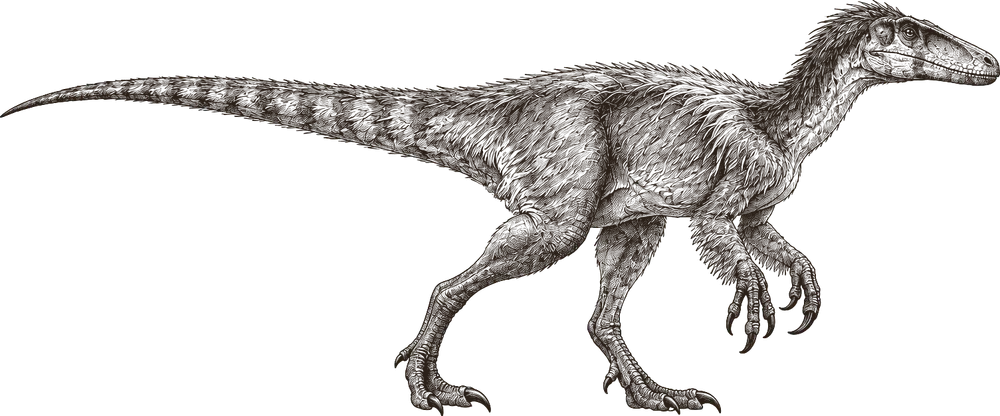
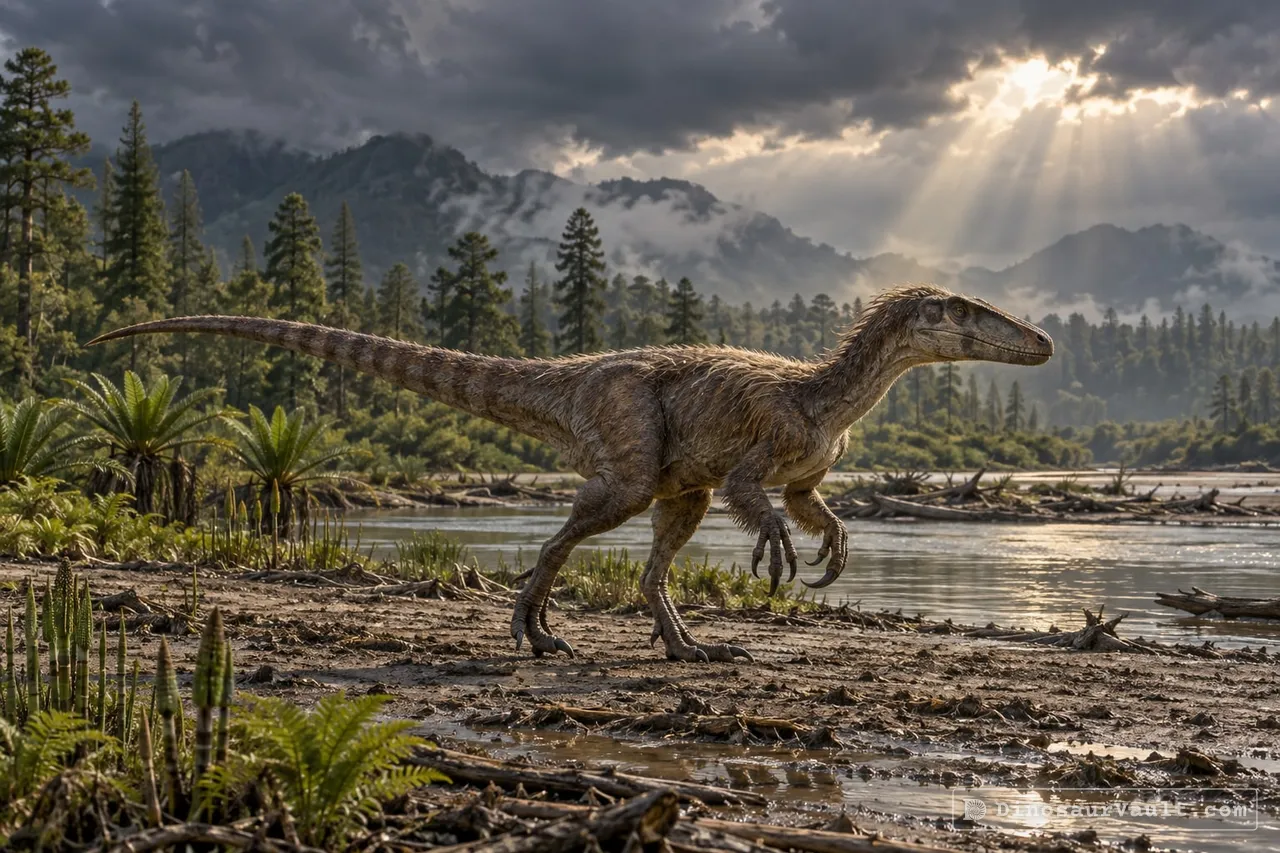
Fukuiraptor was a mid-sized carnivorous theropod, growing to around 4.2 meters (14 feet) long. It had strong hind legs built for pursuit and hands tipped with sharp claws suited to gripping prey, typical of its group of carnivorous theropods.
Early studies puzzled over an unusually large claw found near its skeleton, at first mistaking it for a hand claw and picturing Fukuiraptor as an outsized predator. Later work showed the claw actually belonged to a foot, and today Fukuiraptor is understood as a more modestly sized hunter for its time.
Its world
Fukuiraptor lived from about 121 to 113 million years ago, in the Early Cretaceous, in what is now Japan. Its bones come from the Kitadani Formation, a site that has produced several other dinosaurs bearing its own name, including Fukuisaurus, Fukuivenator, and Fukuititan.
As the largest known predator from this formation, Fukuiraptor was likely the top hunter in its ecosystem, preying on smaller plant eaters such as Koshisaurus and the ornithomimosaur Tyrannomimus.
How it was found
Azuma and Currie named Fukuiraptor in 2000, based on a partial skeleton found in the Kitadani Formation. It belongs to the family Neovenatoridae, closely related to Neovenator and Chilantaisaurus, though exactly how it fits among the mid-sized carnivorous theropods of its time is still debated.
Field gallery
More views of Fukuiraptor
Scenes reconstructed from the available fossil evidence.
1 of 7
Lived alongside
Found in the same rock formations
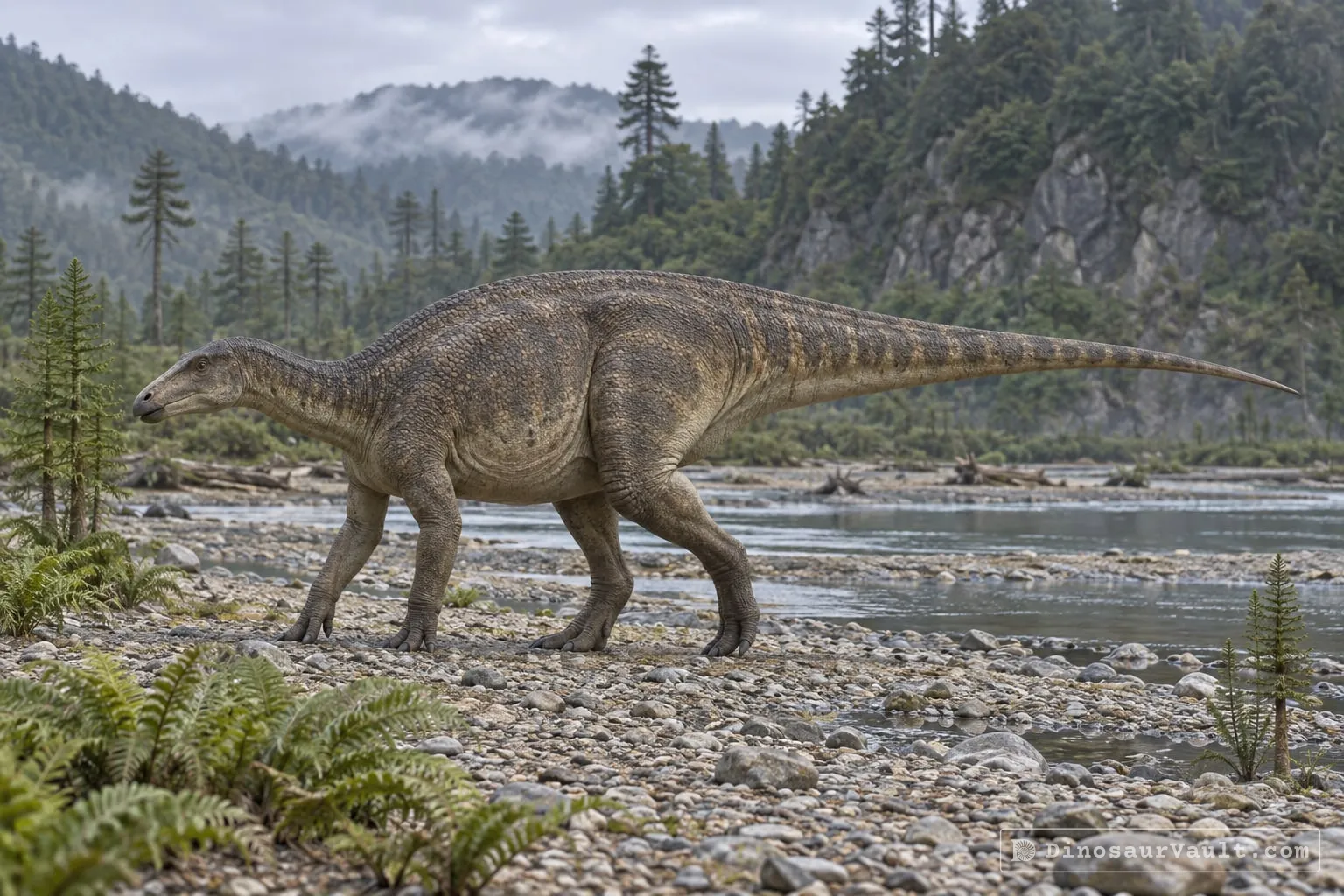
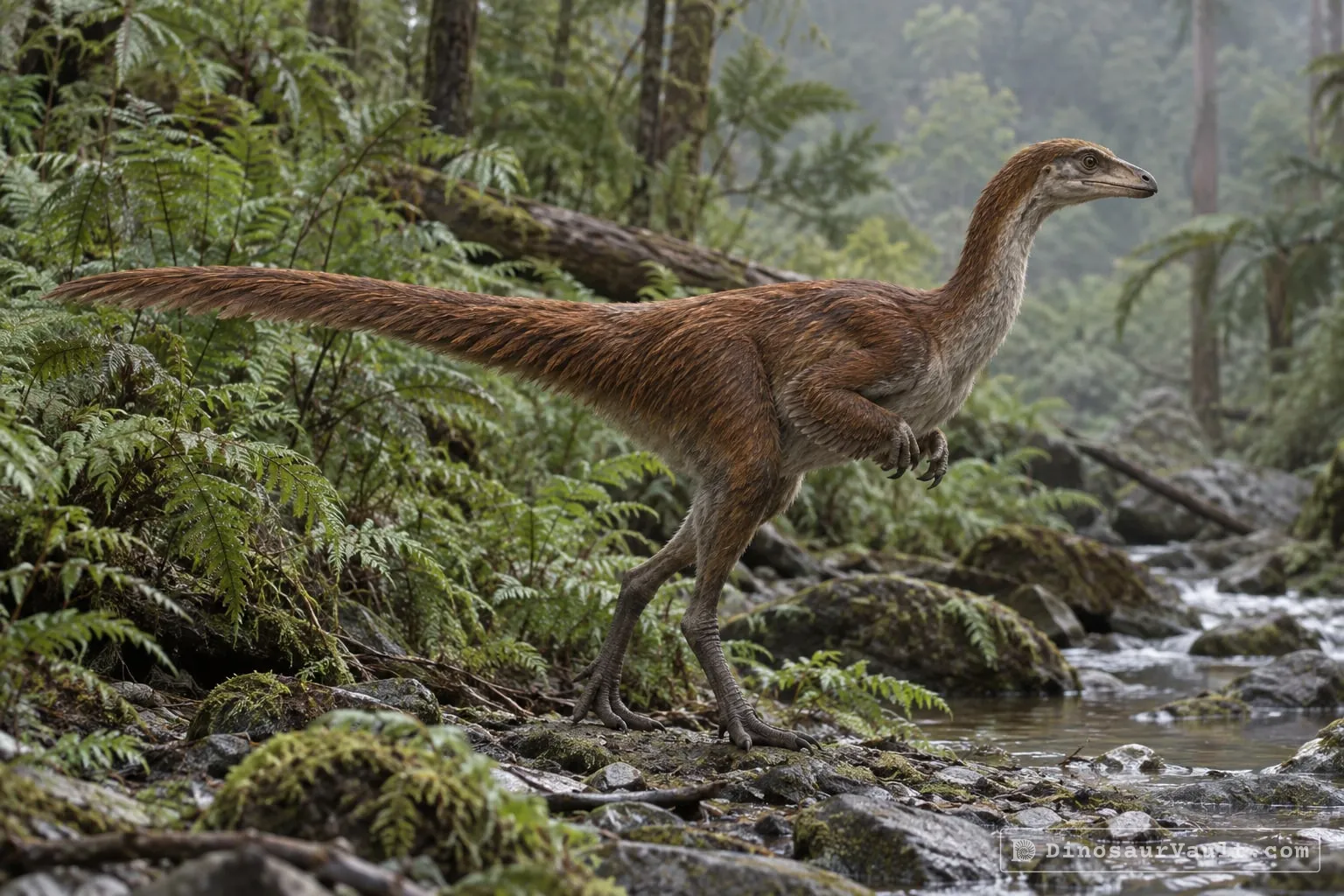
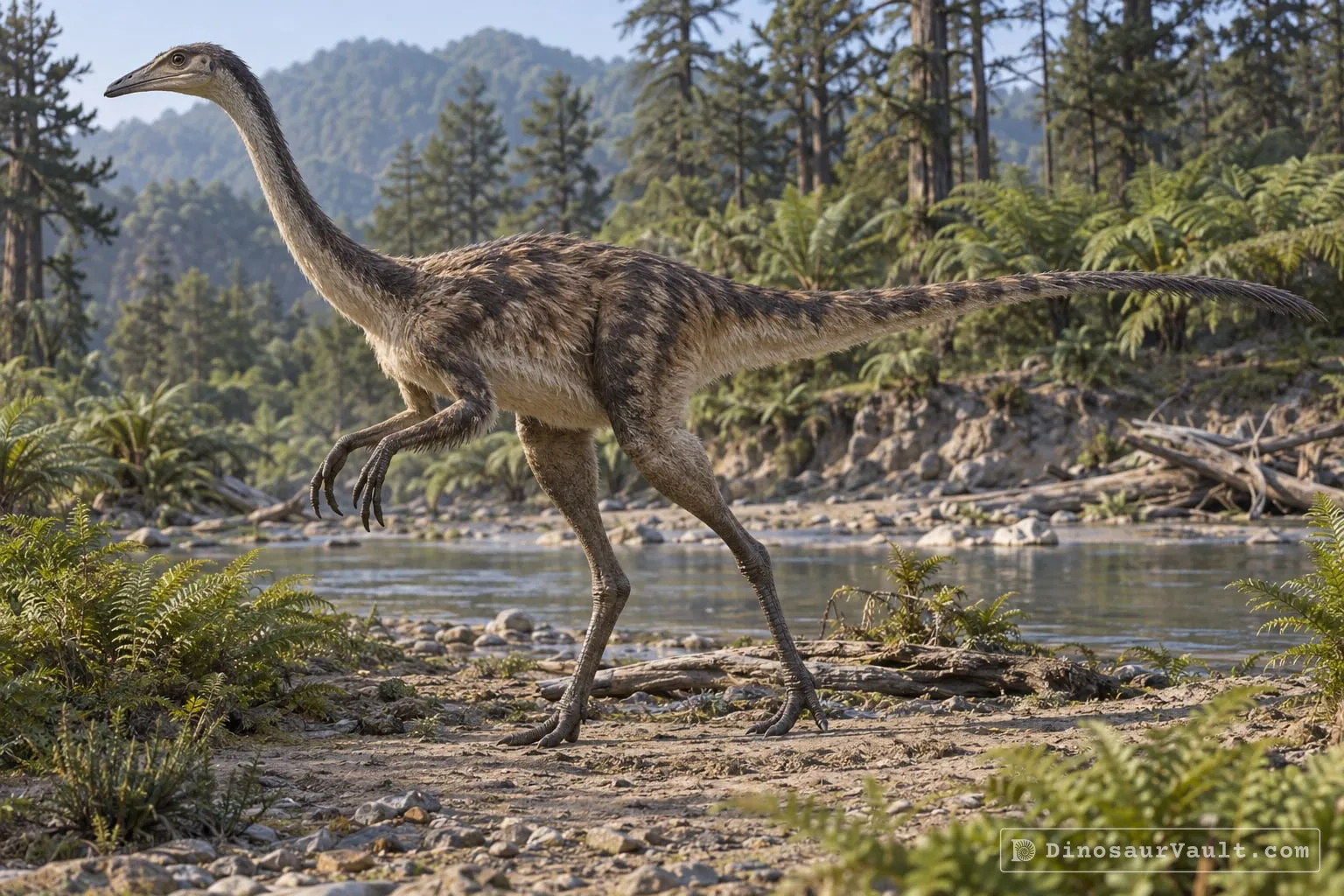
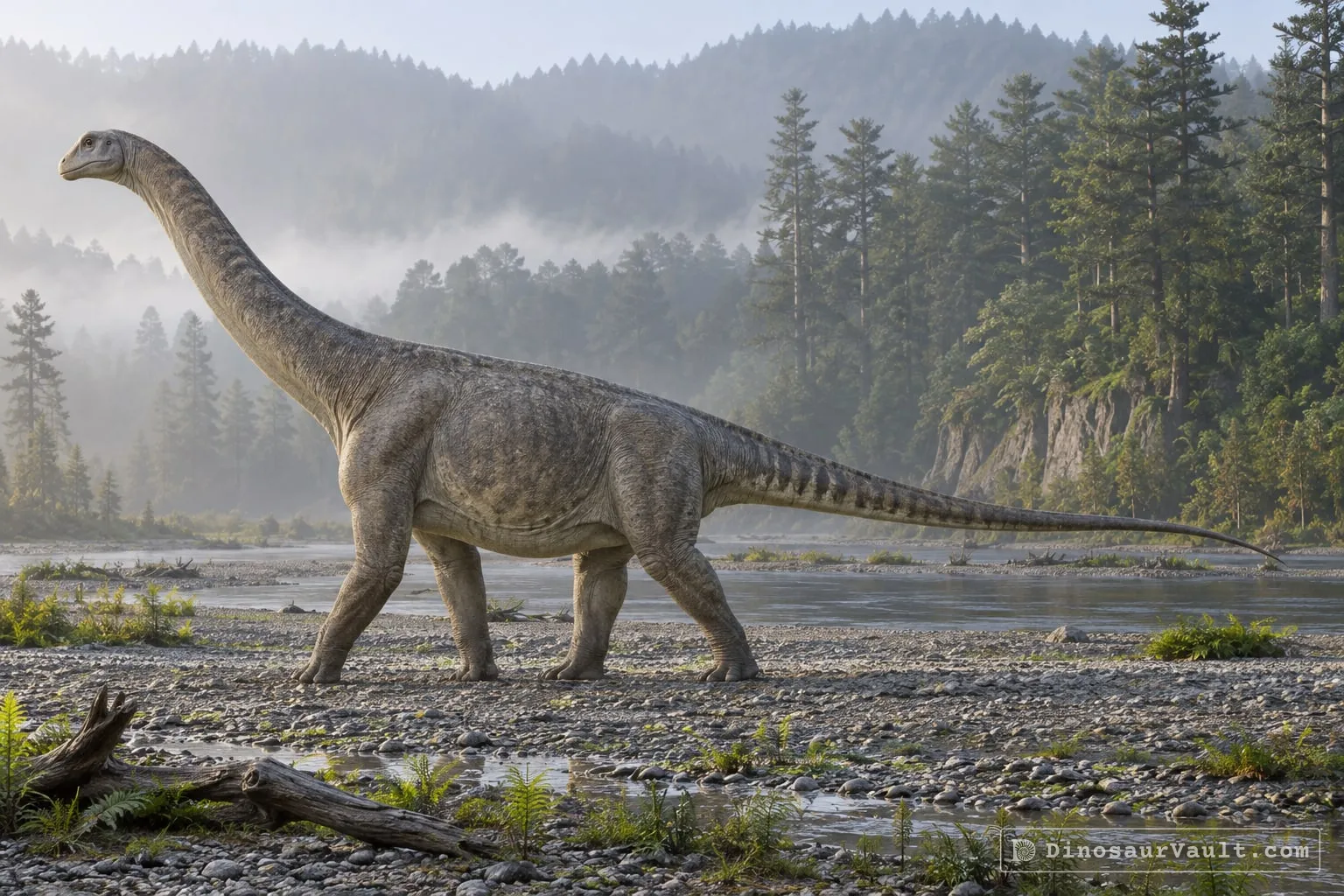
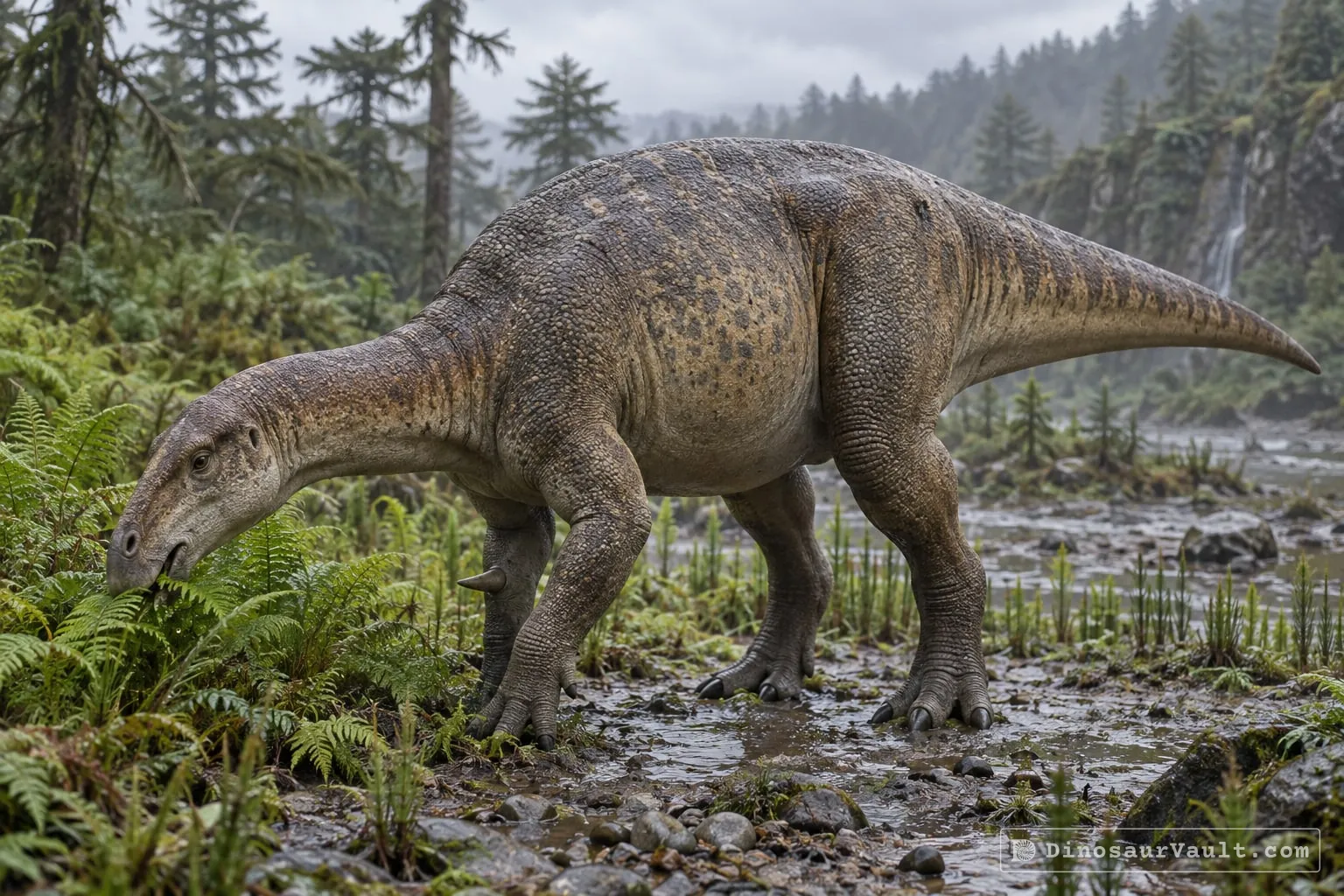


A rock formation can hold fossils laid down millions of years apart, so not every animal here met Fukuiraptor.
The evidence
The science behind Fukuiraptor
Which parts of the picture come from its own bones, and which come from its relatives.
From its own fossils
- A partial skeleton preserves teeth and limb bones from a meat eater.
- The naming skeleton was still growing.
- Smaller bones from the quarry record younger individuals.
Borrowed from relatives
- Australovenator helps fill gaps in the arms and body proportions.
- Lips covering the closed jaws follow comparisons with other theropods.
Still unknown
- Its full adult size.
- The shape of a young animal's head and its skin covering.
- Whether it lived in groups.
Discovery timeline
- 2000Named itAzuma & Currie
- 2009Family treeBenson, Carrano & Brusatte
- 2023Close relativeCullen et al.
Key papers
The research behind what we know of Fukuiraptor
Named it
Named Fukuiraptor from a partial meat-eating dinosaur skeleton in Japan and described its teeth and limbs.
A new carnosaur (Dinosauria: Theropoda) from the Lower Cretaceous of Japan. Canadian Journal of Earth Sciences 37: 1735-1753
Read the paper : A new carnosaur (Dinosauria: Theropoda) from the Lower Cretaceous of Japan (opens in a new tab)Family tree
Grouped Fukuiraptor with Australovenator and other predators sharing long grasping arms and lightly built limbs.
A new clade of archaic large-bodied predatory dinosaurs (Theropoda: Allosauroidea) that survived to the latest Mesozoic. Naturwissenschaften 97: 71-78
Read the paper : A new clade of archaic large-bodied predatory dinosaurs (Theropoda: Allosauroidea) that survived to the latest Mesozoic (opens in a new tab)Close relative
Tooth wear and skull comparisons support lips covering theropod teeth when the jaws closed.
Theropod dinosaur facial reconstruction and the importance of soft tissues in paleobiology. Science 379: 1348-1352
Read the paper : Theropod dinosaur facial reconstruction and the importance of soft tissues in paleobiology (opens in a new tab)
Close relatives
Other members of Neovenatoridae


Sources: Wikidata